

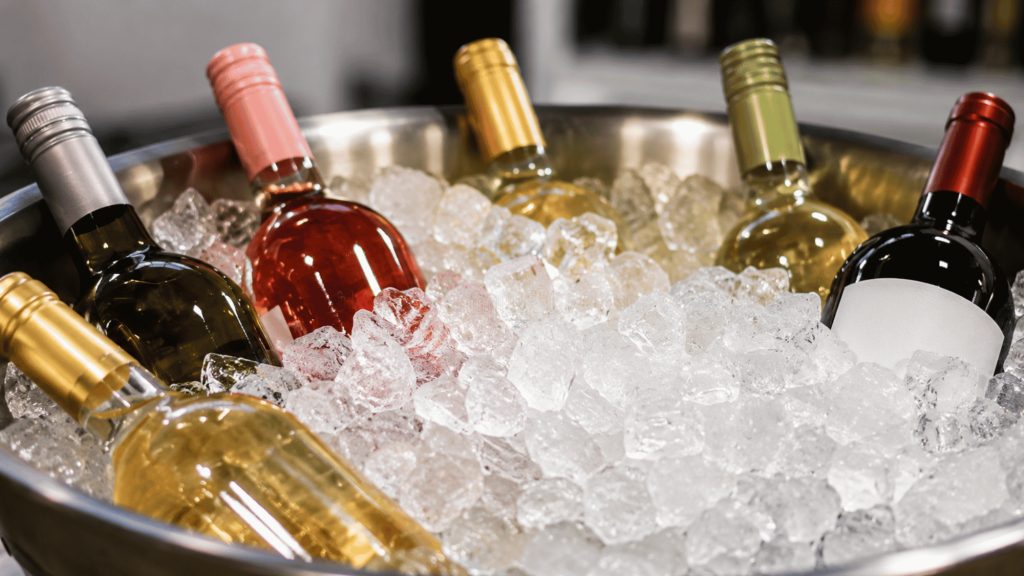
Wine is intended for consumption at the proper temperature, but before being uncorked, most bottles spend time in refrigerators, freezers or cool rooms.
Additional cooling doesn’t seem to be damaging, but freezing wine might cause unexpected changes inside the bottle.
Understanding the effects of low temperatures on wine will help you prevent spoilage and preserve its authentic qualities.
Just a few pieces of useful information can ensure that all the bottles will remain in good shape. Continue reading in order to find out what occurs when the wine freezes.
Can Wine Freeze?
Yes, wine will freeze if kept at freezing temperatures for some time.
Because wine is made of water, alcohol, sugar and various other natural elements, the point of freezing will differ from one bottle to another.
The alcohol in wine keeps it liquid at very low temperatures; however, it does not prevent freezing.
Wine kept in a home freezer for several hours will ultimately freeze. If left in a home refrigerator’s freezer for several hours, the wine bottle will freeze.
Such freezing properties of wine depend on the alcohol percentage, sugar content, bottle capacity, and freezing duration.
At What Temperature Does Wine Freeze?
Wine freezes at different temperatures depending on its alcohol content, sugar level, and storage conditions. The table below highlights the main factors.
| Factor | Effect On Freezing |
|---|---|
| Alcohol Percentage | Higher alcohol levels require colder temperatures to freeze. |
| Sugar Content | More sugar can slightly lower the freezing point. |
| Wine Type | Different wines freeze at different rates. |
| Freezer Temperature | A 0°F freezer can freeze wine over time. |
| Bottle Size | Larger bottles usually freeze slower. |
| Storage Time | Longer exposure increases the chances of freezing. |
| Average Freezing Range | Most wines freeze between 15°F and 25°F. |
What Happens When Wine Freezes?
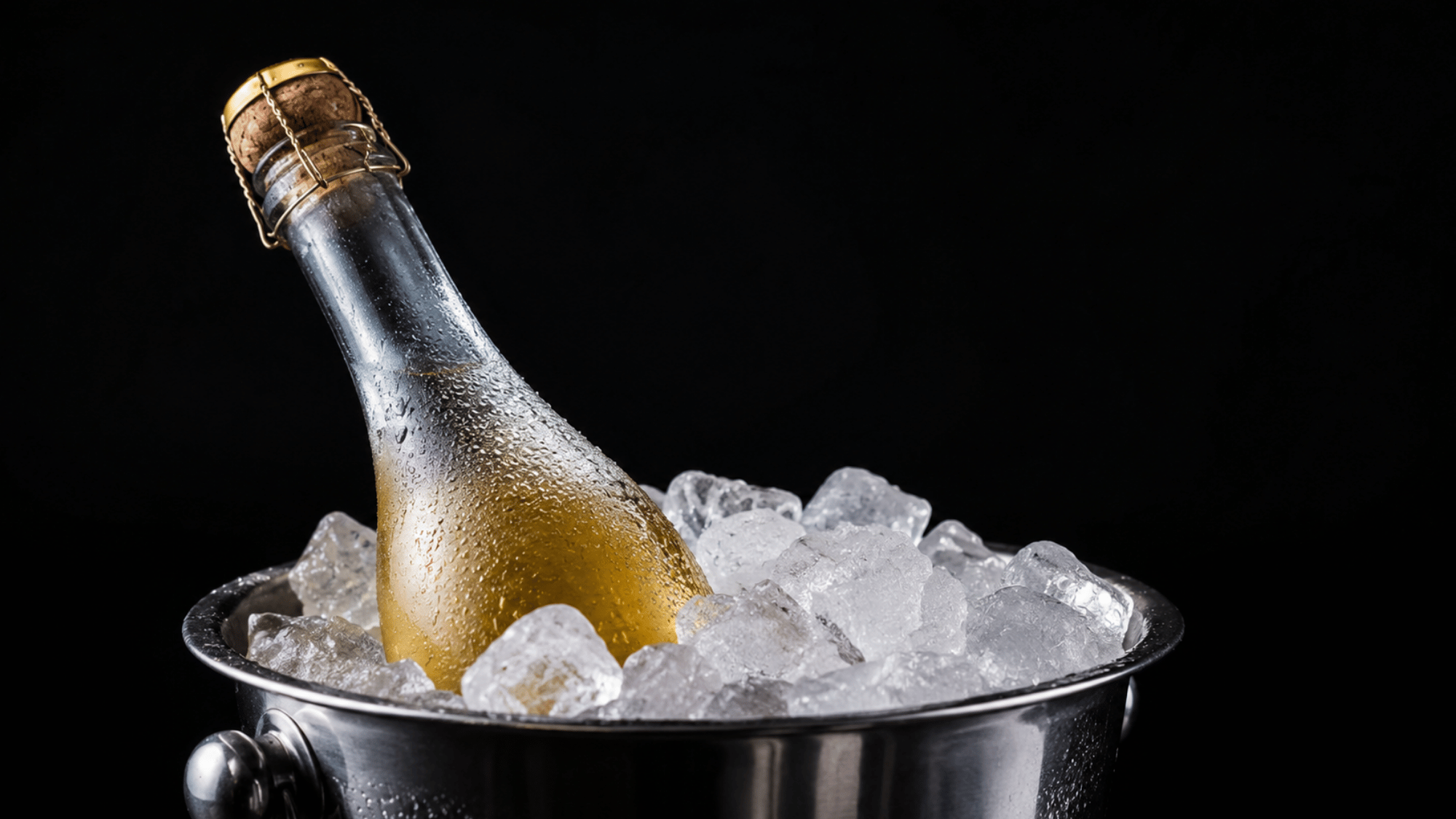
Freezing wine causes physical changes that may affect its taste, texture, and the condition of the bottle after thawing.
Wine Taste and Flavor
Frozen wine may taste different after returning to liquid form. Freezing creates ice crystals that can affect the balance of flavors and aromas inside the bottle.
Some wines may lose freshness, smoothness, or complexity after freezing, while others may show minimal changes.
The final result depends on factors such as the wine type, freezing duration, and storage conditions.
Wine Texture and Mouthfeel
Freezing can change the texture of wine by altering the distribution of water, alcohol, and other compounds.
After thawing, some wines may taste slightly different because ice formation affects the liquid structure.
These changes are often more noticeable in delicate wines with lighter flavors. However, not every frozen bottle will have major texture differences, especially if it was frozen for a short period.
Wine Bottle Integrity
A frozen wine bottle can break because liquids expand as they freeze. The pressure created inside a sealed glass bottle may push out the cork, loosen the cap, or cause cracks.
This risk increases when the bottle stays frozen for a long time. Checking the bottle carefully after freezing helps prevent spills or injuries.
Handle damaged bottles carefully before opening or serving.
Will Wine Freeze in the Freezer
Yes, wine can freeze when kept in a freezer for long enough. The freezing point depends on the alcohol content, sugar level, and type of wine.
Since wine contains a large amount of water, it will eventually freeze at very low temperatures.
Most home freezers operate around 0°F (-18°C), which is cold enough to freeze wine within several hours.
As the liquid freezes, it expands and may create pressure inside the bottle, which can push out the cork or damage the container. For this reason, place wine in the freezer only for short chilling periods.
Can Frozen Wine Still Be Safe To Drink?
Frozen wine is generally safe to drink if the bottle remains sealed and shows no signs of damage. Freezing does not make wine harmful, but it can change its taste, aroma, and texture after thawing.
The extent of the change depends on factors such as freezing duration, wine type, and storage conditions.
Before opening a frozen wine bottle, it is important to inspect it carefully for cracks, leaks, or a pushed-out cork.
Once thawed, you can check the wine for quality and flavor. It may still be enjoyable, but the taste can differ from before freezing.
Proper storage can help preserve the wine’s original characteristics.
Wine Types and Their Ideal Serving Temperatures
Different wine varieties have preferred serving temperatures that help maintain their flavors, aromas, and overall drinking experience.
| Wine Type | Ideal Serving Temperature |
|---|---|
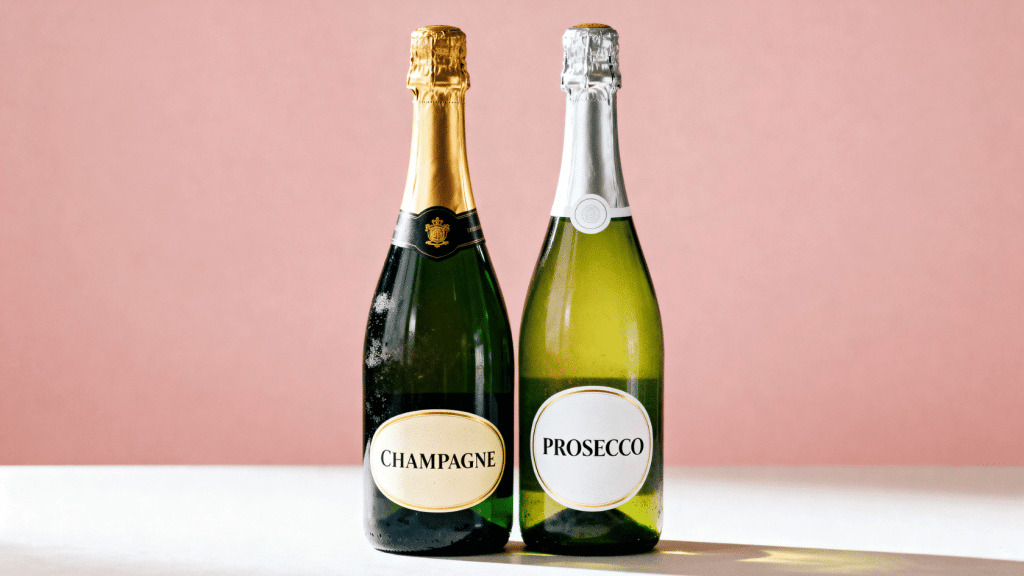
| Sparkling Wine | 40°F–50°F (4°C–10°C) |
| White Wine | 45°F–55°F (7°C–13°C) |
| Rosé Wine | 45°F–55°F (7°C–13°C) |
| Red Wine | 55°F–65°F (13°C–18°C) |
| Dessert Wine | 45°F–55°F (7°C–13°C) |
| Fortified Wine | 55°F–65°F (13°C–18°C) |
| Light-Bodied Red Wine | 50°F–60°F (10°C–16°C) |
| Sweet Sparkling Wine | 40°F–50°F (4°C–10°C) |
How To Prevent Wine From Freezing
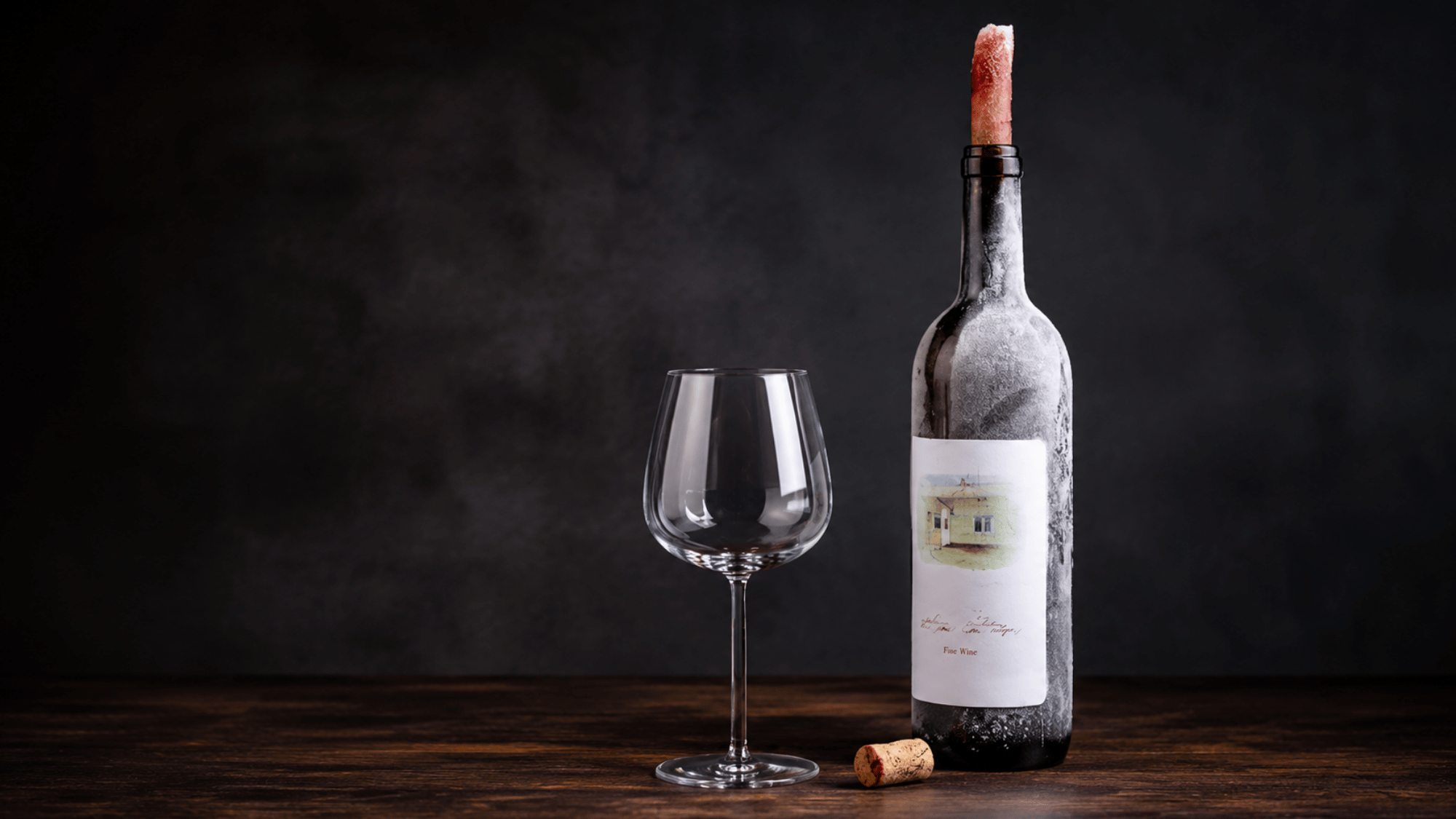
Proper storage helps protect wine from extreme cold and prevents accidental freezing. Simple temperature control can keep bottles safe and maintain their quality.
- Store in a Cool Location: Keep wine in a place with steady, cool temperatures to reduce the risk of freezing or heat damage.
- Limit Freezer Time: Use the freezer only for quick chilling and avoid leaving bottles inside for long periods.
- Avoid Unheated Spaces: Do not store wine in garages, sheds, or outdoor areas where winter temperatures can drop below freezing.
- Use Proper Storage: A wine refrigerator or temperature-controlled storage area provides more consistent conditions.
- Monitor Temperatures: Check storage temperatures during colder months to prevent unexpected freezing.
- Keep Away From Cold Air Vents: Avoid placing bottles near vents that blow very cold air directly onto them.
- Stay Away From Windows: Store wine away from windows or locations with frequent temperature swings.
Final Takeaway
Not all instances of freezing mean the wine bottle becomes unusable, but it may affect the wine’s taste and texture, and the bottle’s condition.
This can happen if the wine is exposed to very low temperatures for extended periods. Inspecting it after thawing will tell you whether the wine is still drinkable.
Basic precautions for storing and chilling wine will significantly reduce the risk of accidental freezing.
Taking one more step in wine storage is definitely going to be worth it for you. Feel free to post your opinion or experience in the comment section below.
Frequently Asked Questions
Can Wine Freeze and Still Be Chilled Again Before Serving?
Yes, thawed wine can be chilled again before serving if the bottle remains undamaged and the wine still tastes good.
Can Wine Freeze During Shipping in Winter?
Yes, wine can freeze during shipping if it is exposed to freezing temperatures for an extended period during transit.
Does Freezing Affect the Alcohol Content of Wine?
No, freezing does not reduce the alcohol content, although the wine’s flavor and texture may change after thawing.