

Most people choose wine by its color, taste, label, or price. But the ABV on the bottle can tell you a lot before you even take a sip.
Wine has been around for thousands of years, made in hundreds of countries, and poured at everything from casual dinners to formal celebrations.
This blog covers what the alcohol content of wine means and how the numbers vary across red, white, rosé, sparkling, and fortified wines.
You’ll also see how wine compares with beer and spirits, how fermentation creates alcohol, and what separates high alcohol wines from low-alcohol wines.
What does the Alcohol Content of Wine mean?
ABV stands for alcohol by volume. It tells you what percentage of the liquid in your bottle is pure alcohol. A wine labeled 13% ABV means 13ml of alcohol in every 100ml.
That number also gives you a rough idea of the wine’s body, warmth, and sweetness before you open it. Higher ABV wines tend to feel fuller and warmer. Lower ABV wines usually taste lighter and crisper.
One thing most people don’t know is that wine labels can legally show an ABV up to 1.5% off from the actual content. So a bottle marked 13% could be anywhere from 11.5% to 14.5%.
The NIAAA defines a standard drink of wine as 5 oz at around 12% ABV. That equals roughly 14 grams of pure alcohol.
The Full Range
Wine alcohol levels vary by style and region; this table lists common wine types and their typical ABV ranges to help with pouring, labeling, and choosing.
| Wine Type | Typical ABV Range |
|---|---|
| Moscato d’Asti | 5–6.5% |
| German Riesling | 7–9% |
| Pinot Grigio / Pinot Noir | 11–13% |
| Chardonnay / Sauvignon Blanc | 12–14% |
| Cabernet Sauvignon / Zinfandel | 13–15% |
| Port / Sherry / Madeira | 17–22% |
Alcohol Content by Wine Type
Wine alcohol content varies by type, with reds, whites, rosés, sparkling wines, and fortified wines each falling within distinct ABV ranges shaped by grape variety, climate, and winemaking style!
Red Wine Alcohol Content
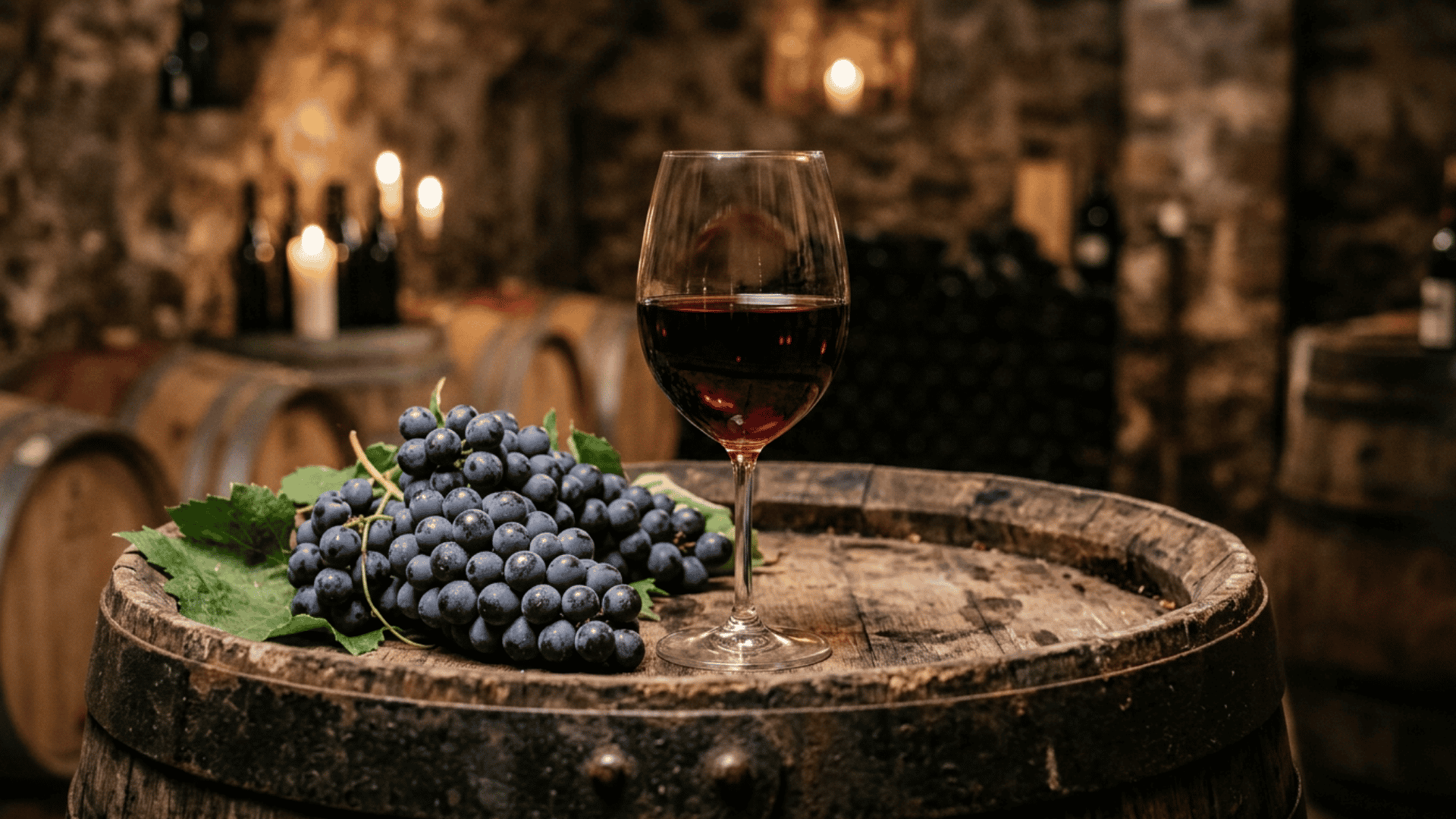
Red wine typically spans 12.5–15% ABV, with lighter styles near 11% and warm-climate, full-bodied Reds exceeding 15%.
Reds generally have higher alcohol than whites, rosés, or sparklings. Full-bodied and oak-aged reds from warm regions pack more alcohol.
- Climate: Warmer regions produce sweeter grapes and higher alcohol.
- Grape Variety: Some grapes hold more natural sugar potential.
- Fermentation: Full fermentation yields more alcohol; stopping early leaves residual sugar.
White Wine Alcohol Content
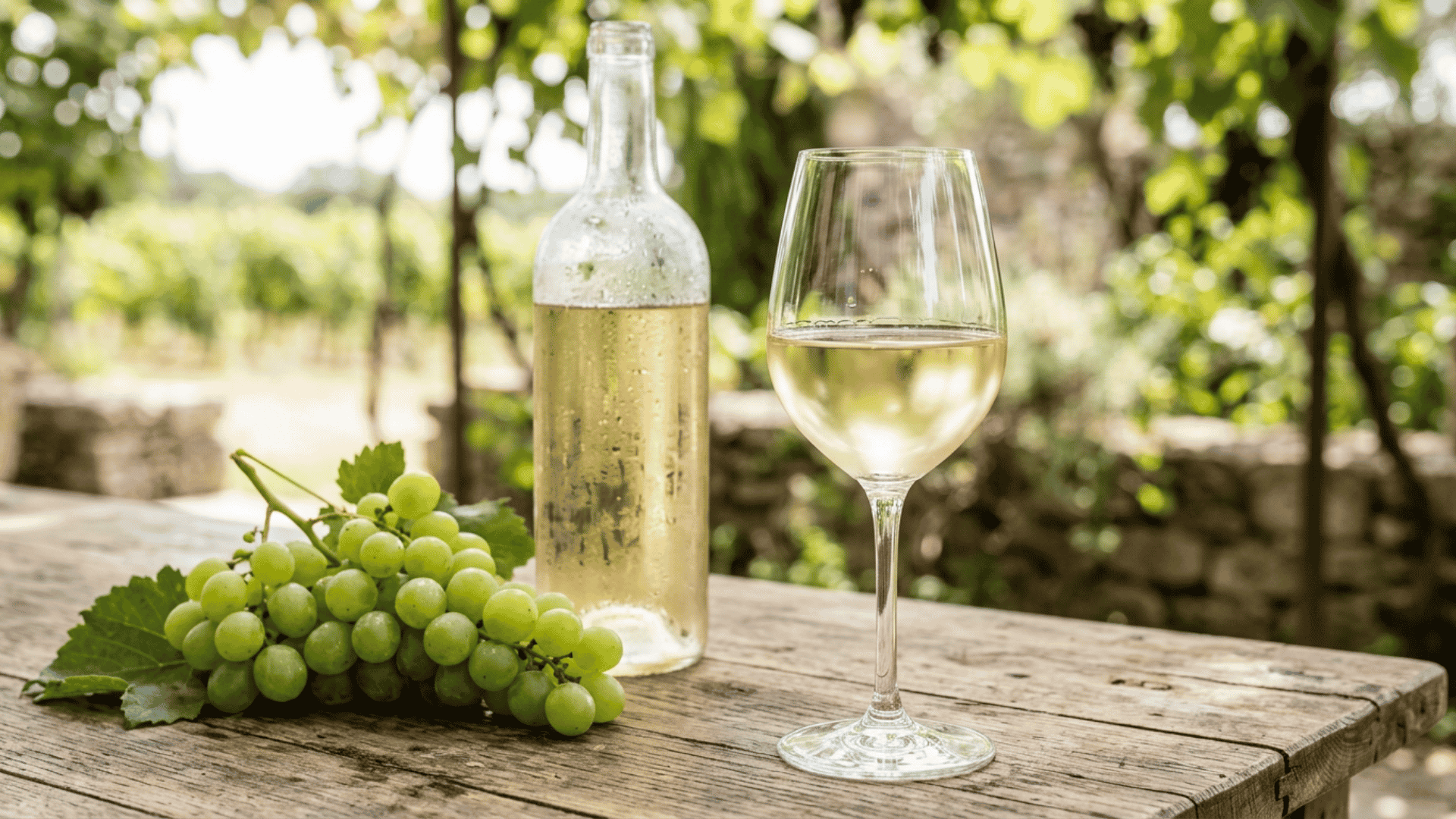
White wine generally falls between 10% and 14.5% ABV. Crisper, cooler-region whites sit lower; oak-aged, warm-climate whites trend higher.
Lighter, sweeter whites like Moscato and German Riesling tend to be on the low end.
- Climate: Sunnier areas boost grape sugar and higher ABV.
- Sweetness: Early fermentation stops leave residual sugar and lower alcohol; dry wines ferment fully to higher ABV.
- Grape Type: Varieties like Chardonnay tend toward fuller, stronger profiles.
Rosé Wine Alcohol Content
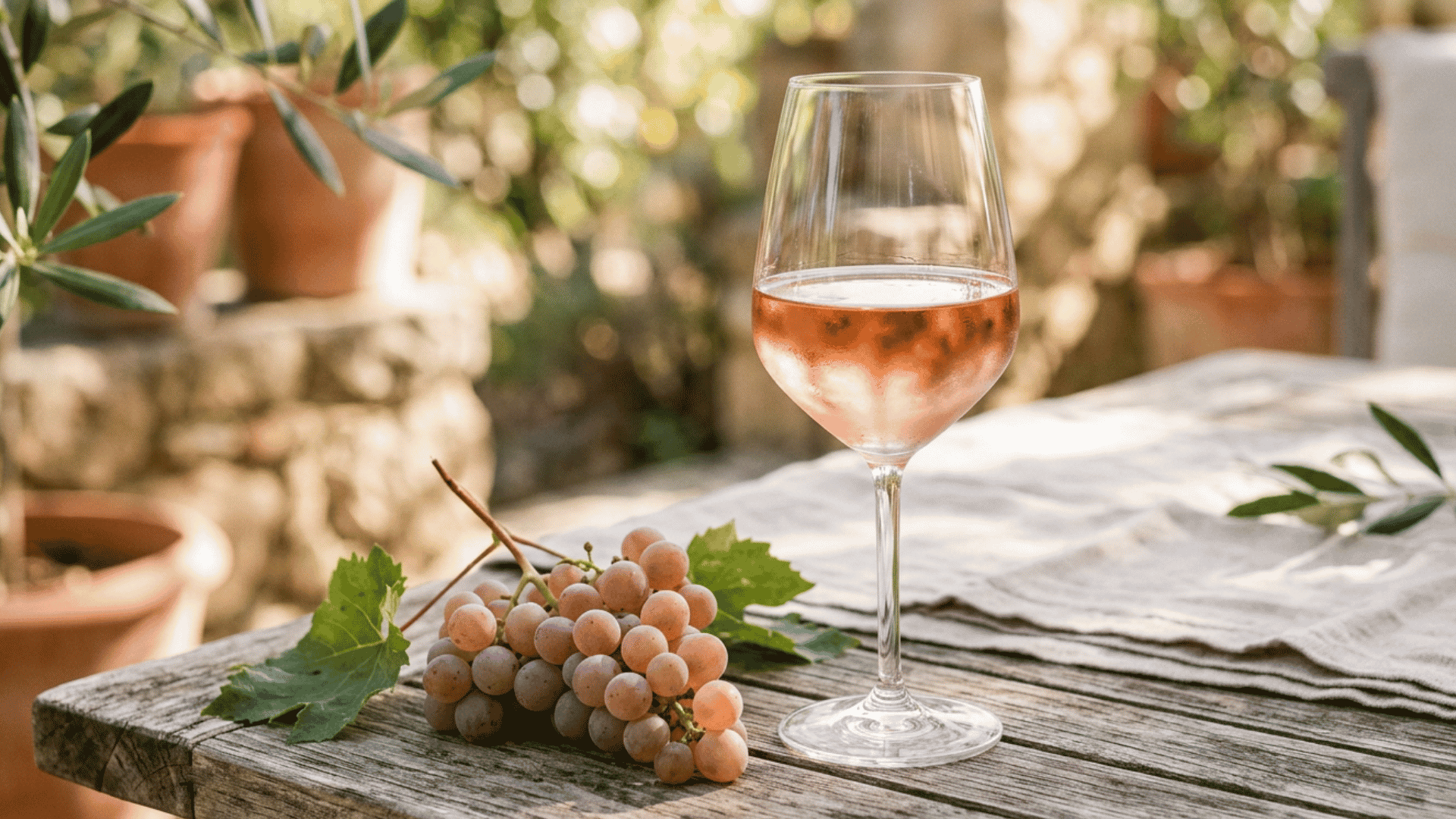
Rosé typically clocks 11–13.5% ABV, averaging around 12%. Sweeter styles can dip to 9%; bold, warm-climate rosés reach 14%.
Classic French and Spanish dry rosés hit 12.5–13.5%; American rosés average 9–11%.
- Style: Light/crisp rosés = 11–12.5%; medium/full-bodied = 13–14%.
- Sugar: Higher residual sugar often lowers ABV.
- Region: French and Spanish dry rosés tend to run drier and stronger; American rosés generally sit lighter and lower.
Sparkling Wine Alcohol Content
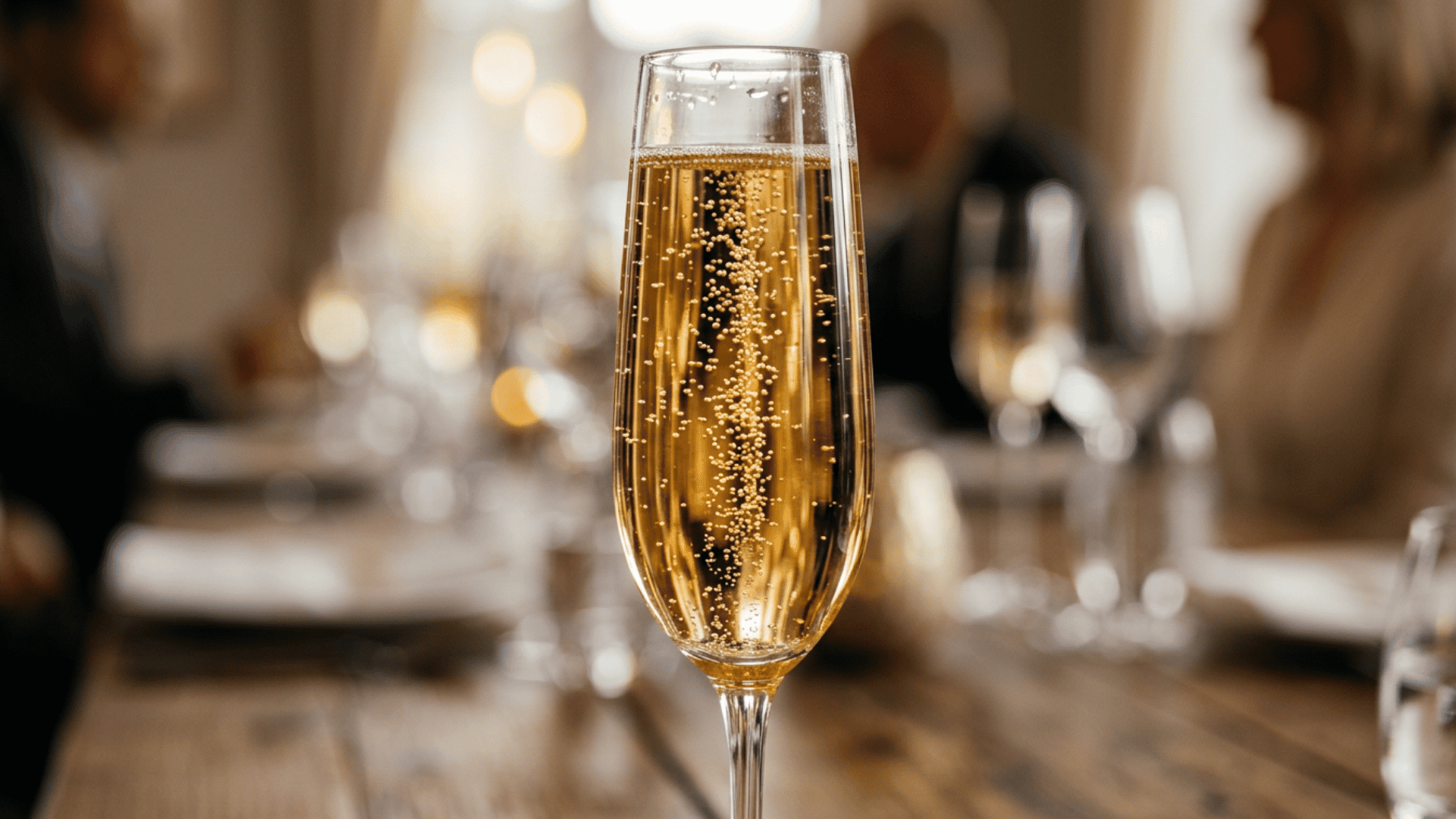
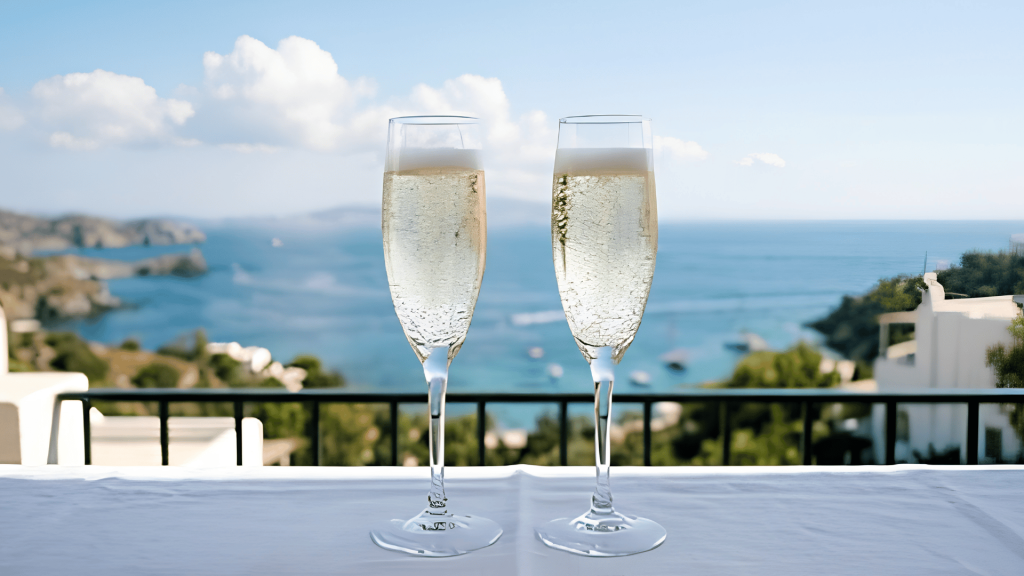
Sparkling wine ranges 11–13.5% ABV, similar to still table wines. Sweet Asti drops to 7–9%. Prosecco sits at 11–11.5%, Champagne at 12–12.5%, and Cava at 12.5–13.5%.
- Style: Prosecco = 11–11.5%; Champagne = 12–12.5%; Cava = 12.5–13.5%.
- Bubbles: CO₂ speeds alcohol absorption; effects feel faster.
- Sugar: Sweeter styles often contain more sugar and have slightly lower alcohol levels.
Fortified Wine Alcohol Content
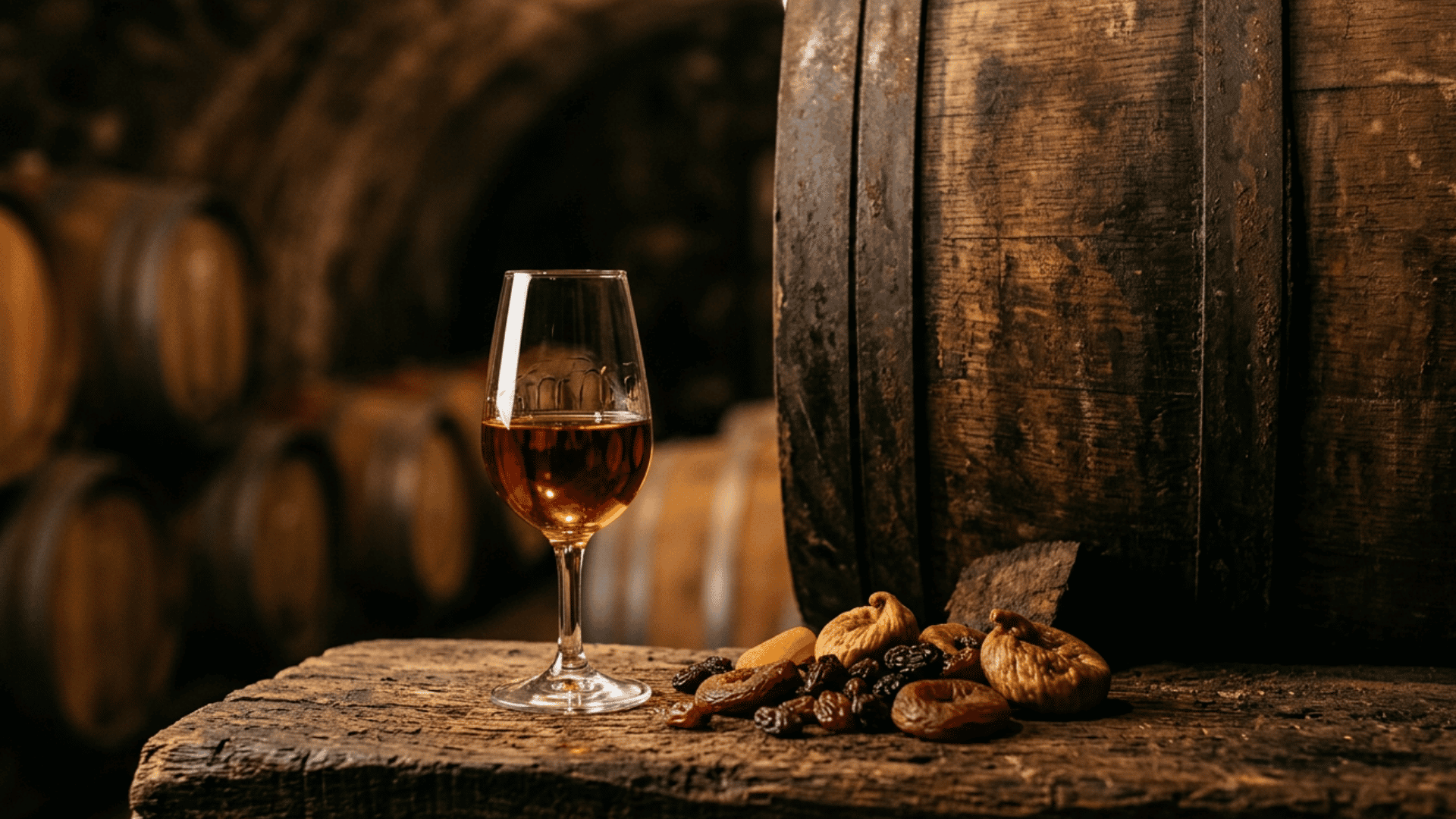
Fortified wine ranges from 15–22% ABV and is created by adding distilled spirits, such as brandy, during or after fermentation. Some niche versions reach 23% or higher.
Port ranges from 19–22%, Madeira from 18–20%, Marsala from 17–20%, and Sherry from 15–22%. Dry versus sweet styles impact final sugar balance.
- Addition: Distilled spirits raise alcohol significantly.
- Style: Dry vs. sweet impacts final sugar balance.
- Region: Production method shapes intensity and flavor profile.
How Does Wine’s Alcohol Content Compare to Beer and Spirits?
Wine sits in the middle of the alcohol spectrum at 10–15% ABV. That puts it above standard beer at 4–6% ABV and well below distilled spirits at around 40% ABV.
Serving sizes shift to match a 12 oz beer and a 1.5 oz spirit shot, each of which delivers roughly the same 0.6 oz of pure alcohol.
A standard 750ml bottle of wine at 12% ABV holds the alcohol equivalent of about five standard beers.
The gap between drinks comes down to sugar. Grapes carry far more natural sugar than brewing grains, giving yeast more to convert into alcohol.
Spirits go further; distillation concentrates alcohol well beyond what fermentation alone can reach.
How Does Fermentation Create Alcohol in Wine?
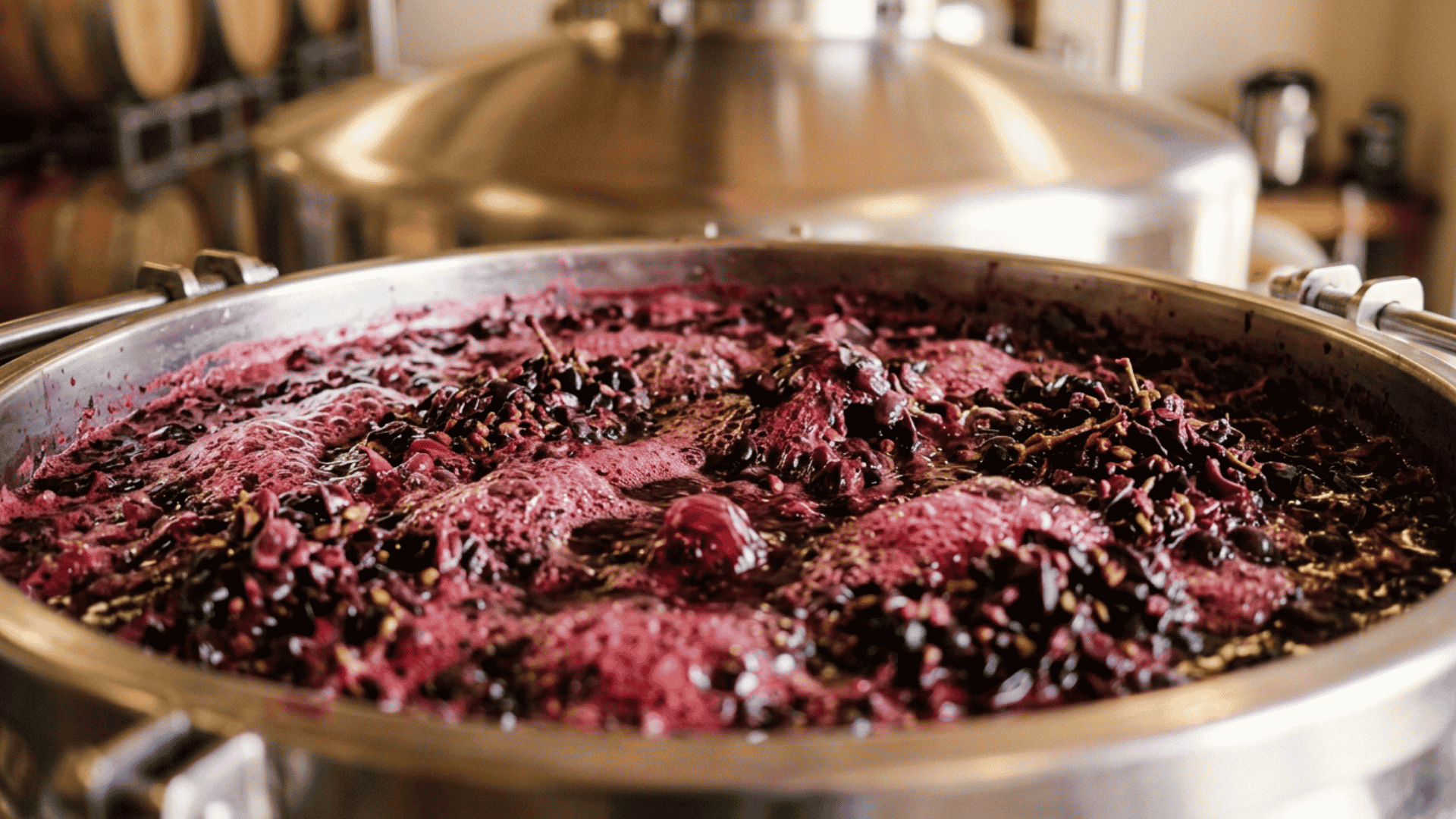
In winemaking, yeast converts the natural sugars in grape juice into alcohol and carbon dioxide. This biological process determines the final alcohol level, taste, and style of the wine.
The Ingredients: Grape juice, called must, contains two main sugars: glucose and fructose. Yeast, most commonly a strain called Saccharomyces cerevisiae, feeds on these sugars in a low-oxygen environment.
The Process in Action: As yeast breaks down sugar, it releases alcohol into the liquid and pushes carbon dioxide out as gas. In sparkling wines like Champagne, a second fermentation is sealed inside the bottle.
When Does Fermentation Stop? Fermentation runs until one of two things happens. First, the yeast eats through all available sugar. The wine finishes dry, with little to no residual sweetness.
Second, the alcohol level climbs to around 15–16% ABV. At that point, the alcohol becomes toxic to the yeast and shuts the process down. Sugar that remains unconsumed stays in the wine as residual sweetness.
High Alcohol Wines vs. Low Alcohol Wines
Low-alcohol wines run 10–12% ABV while high-alcohol wines sit at 14.5–16% ABV. Climate, grape variety, and harvest timing shape that gap!
| Feature | Low Alcohol Wines | High Alcohol Wines |
|---|---|---|
| ABV | 10–12% | 14.5–16% |
| Body | Light | Full |
| Acidity | Bright | Softer |
| Flavor | Subtle fruit | Bold fruit |
| Climate | Cool regions | Warm regions |
| Examples | Riesling, Vinho Verde, Prosecco | Zinfandel, Shiraz, Amarone |
| Food Pairing | Salads, seafood | Steak, stews |
| Calories | Lower | Higher |
| Pour Size | 5 oz | Smaller pours |
Conclusion
Wine ABV can range from about 5.5% to 22%, though most everyday bottles sit between 11% and 14%. That small number on the label says more than strength.
Knowing the alcohol content also makes it easier to compare wine with beer, spirits, and other drinks.
It can help with food pairing, too, since lighter wines often suit seafood, salads, and soft flavors, while stronger wines often pair well with richer meals.
Before picking the next bottle, check the ABV along with the grape, region, and style. For more pairing ideas, read the related post on food and wine pairing.
Frequently Asked Questions
Is Vodka Stronger than Wine?
Vodka is stronger in ABV. One ounce of 40% vodka has roughly the same alcohol content as four ounces of 10% wine, per pour, when served neat.
What is the Healthiest Alcohol to Drink?
Lower-sugar choices include dry red wine, dry white wine, champagne, light beer, hard kombucha, or simple cocktails made without sweet mixers, taken slowly.
What Alcohol is Least Damaging to The Liver?
No alcohol is liver-safe in excess. If drinking, red wine in small amounts may be a better pick than higher-proof drinks or sugary cocktails.