

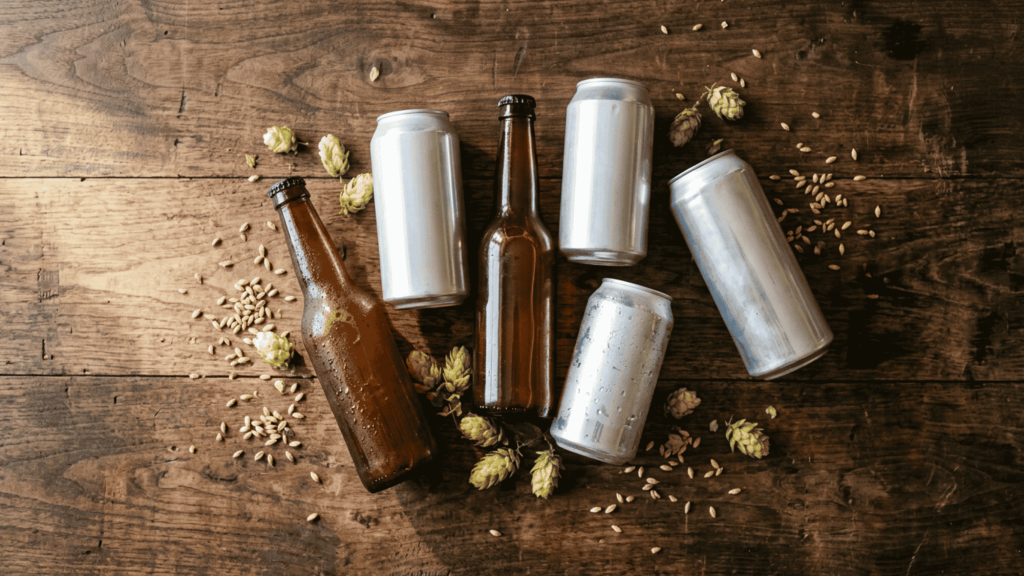
Domestic beer is one of the most common choices, but not every option tastes the same or delivers the same value.
Some are light and smooth; others are bold, strong, or more balanced, depending on the brand.
With so many bottles lining store shelves, it can get confusing to know which ones are actually worth trying.
This list breaks down the top picks with simple rankings and honest reviews, helping readers quickly understand what stands out and what best fits their taste and budget.
What Makes a Good Domestic Beer?
Domesticbeerproduced within a country and sold locally rather than imported from abroad.
It is usually brewed by national or regional breweriesand is widely available in stores, bars, and restaurants.
A good domestic beer nails three things: consistent taste, honest value, and fit for the occasion.
It doesn’t need to compete with craft; it needs to show up reliably, taste clean, and make sense for the price.
Whether it’s a light lager for a hot afternoon or a full-flavored amber for a slow evening, the best ones know exactly what they are and deliver it every time.
How Domestic Beers Are Ranked
Domestic beers are ranked based on a mix of taste, quality, and overall drinking experience. Review criteria help compare different brands fairly so readers can understand which options stand out and why.
1. Taste and Flavor Balance: Taste plays the biggest role in rankings. A well-rounded flavor that feels pleasant and not too harsh usually gets higher preference among reviewers.
2. Alcohol Content: Alcohol strength affects both taste and drinking experience. Extremely strong or very mild options may rank differently based on the target audience.
3. Price and Value for Money: A beer that delivers good taste at a reasonable price often ranks higher. Budget-friendly options with consistent quality are especially appreciated by regular consumers.
4. Availability and Accessibility: How easily a beer can be found in local stores or bars also matters. Widely available brands often score better because they are convenient to purchase.
5. Consumer Ratings and Feedback: Beers that consistently receive positive feedback from drinkers are considered more reliable and are often placed higher in overall rankings.
Top Domestic Beer Rankings
Domestic beer rankings highlight the most popular and well-rated options based on taste, quality, and overall drinking experience. Consumers often prefer these picks, and they frequently stand out in reviews.
Yuengling Traditional Lager
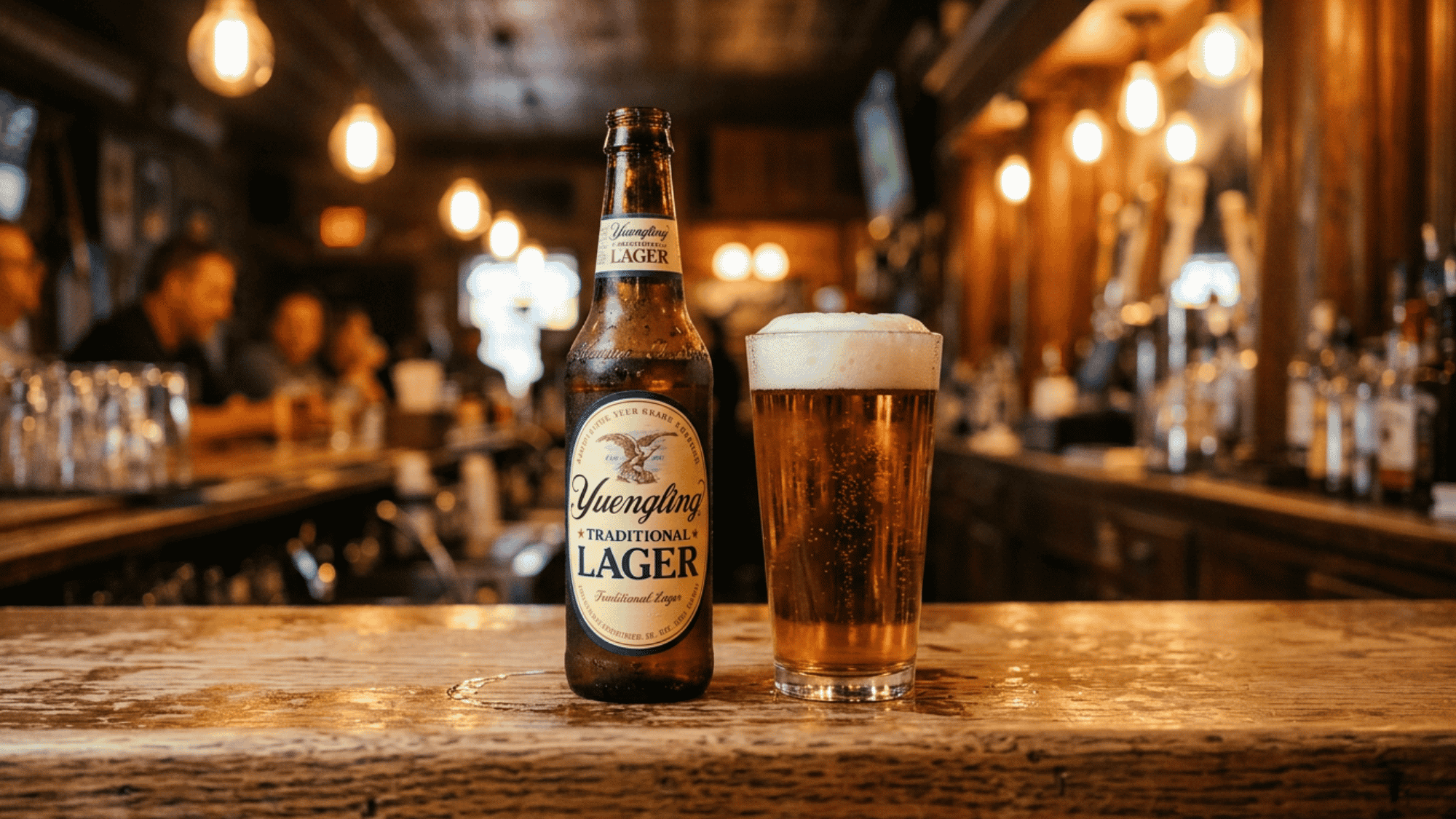
America’s oldest brewery delivers the domestic category’s best value. Yuengling Traditional is priced like a macro but brews with genuine caramel malt character, a hint of roast, and a clean finish.
Many drinkers praise Yuengling Traditional for its rich caramel malt character and fuller flavor, often calling it a noticeable step up from typical mainstream American lagers.
- Pros: Complex flavor, great value, clean finish.
- Cons: Limited western availability, heavier than session lagers
- ABV: 4.4%
- Style: Amber Lager
Coors Banquet
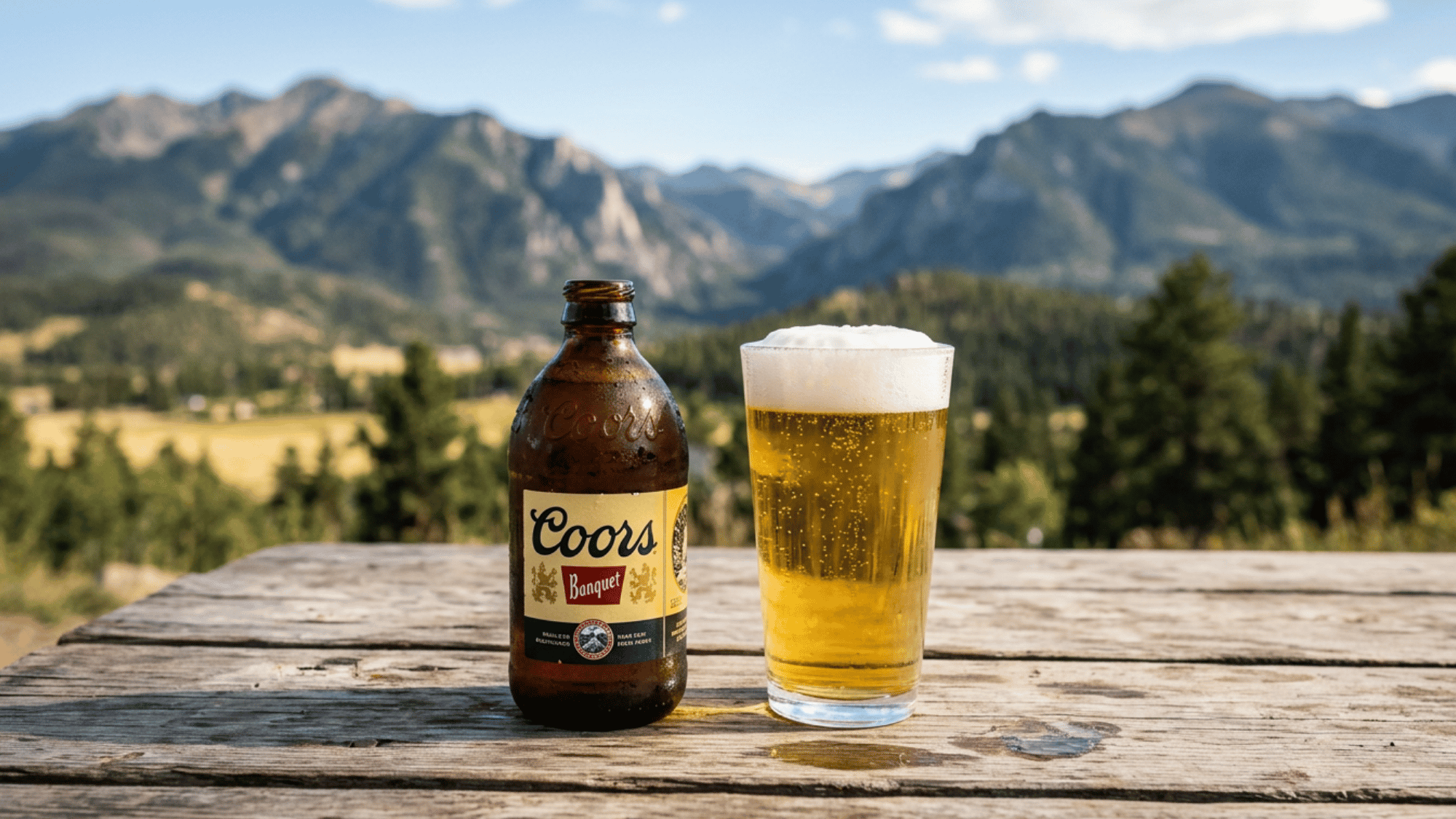
Coors Banquet is what the brand should be known for, not Coors Light. Brewed with Rocky Mountain water and two-row barley, it carries a bready, slightly sweet body that stands clearly above standard light lagers.
Users online consistently say it punches well above its price and is worth reaching for over Coors Light every time.
- Pros: Richer flavor, great value, consistent quality.
- Cons: Sweet profile isn’t for everyone, aggressive carbonation when cold
- ABV: 5.0%
- Style: American Lager
Miller Lite
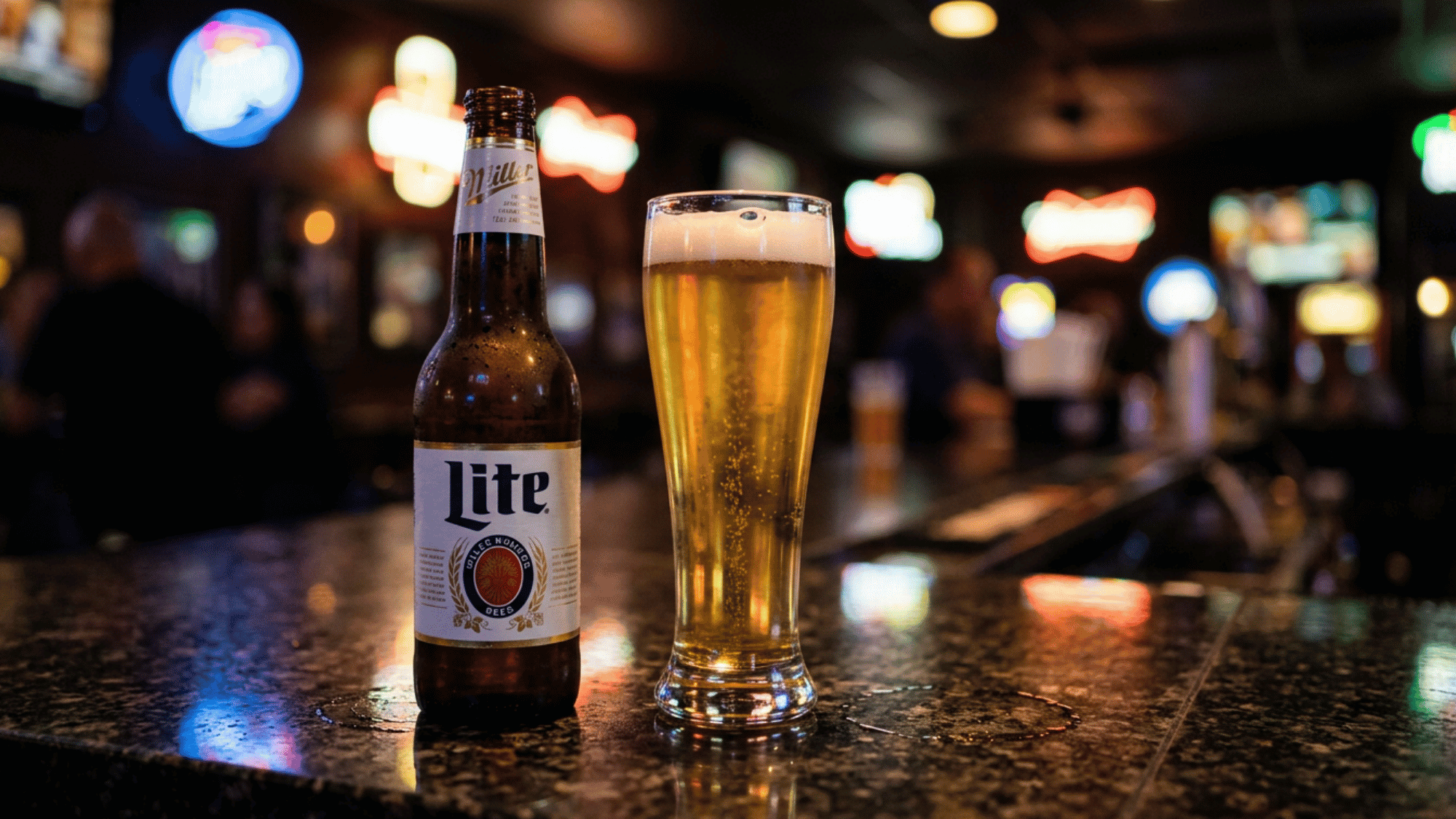
Miller Lite wins the light lager category because it actually has hop presence, something Bud Light and Coors Light largely abandoned. That hoppiness creates a dry, clean finish that makes it more drinkable, not less.
Homebrewtalk side-by-side testers consistently rate it hoppier than its direct competitors, making it the best of the big three light lagers.
- Pros: Hop-forward, dry finish, widely available.
Cons: Thin body, doesn’t keep warm - ABV: 4.2%
- Style: American Light Lager
Michelob Ultra
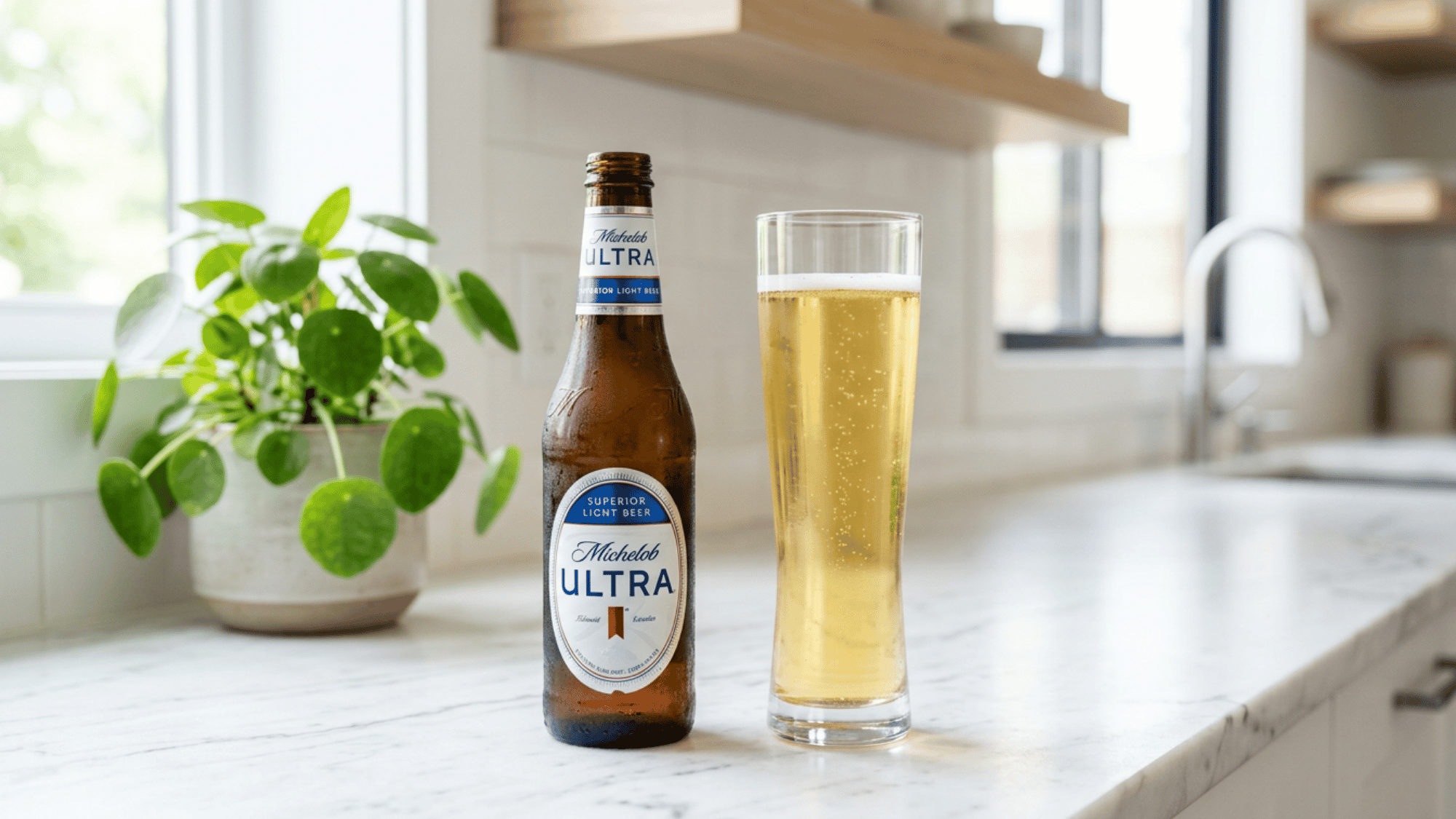
Ultra isn’t trying to be a flavorful beer; it’s trying to be the beer you drink when calories and carbs matter. At 95 calories and 2.6g carbs, it leads the macro light category in nutrition.
Consumers often highlight its crisp, clean finish and appreciate it as a reliable option for active lifestyles and low-carb drinking.
- Pros: Best-in-class for low-carb, clean finish, versatile.
- Cons: Minimal beer flavor, premium price for a watered-down product
- ABV: 4.2%
- Style: American Light Lager
Pabst Blue Ribbon
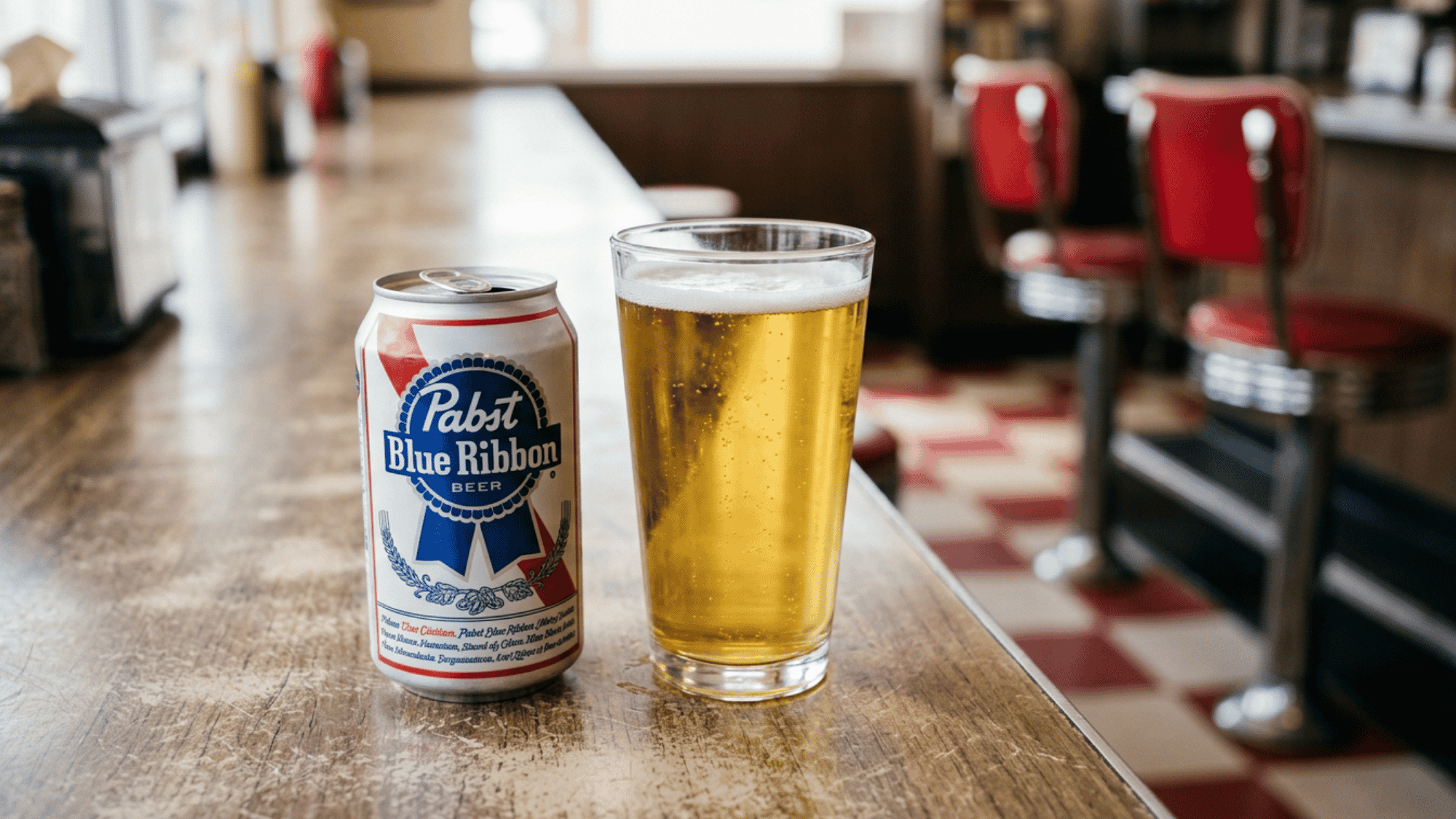
PBR earns its reputation on price and delivers more than expected. It’s slightly maltier than most budget lagers, with a clean finish and no harsh aftertaste.
An affordable, no-frills American lager with a clean finish and easy drinkability, offering exceptional value for budget-conscious beer drinkers.
- Pros: Extremely affordable, mild malt character, no aftertaste.
- Cons: Unremarkable flavor, thin carbonation, fades warm
- ABV: 4.7%
- Style: American Lager
Blue Moon Belgian White
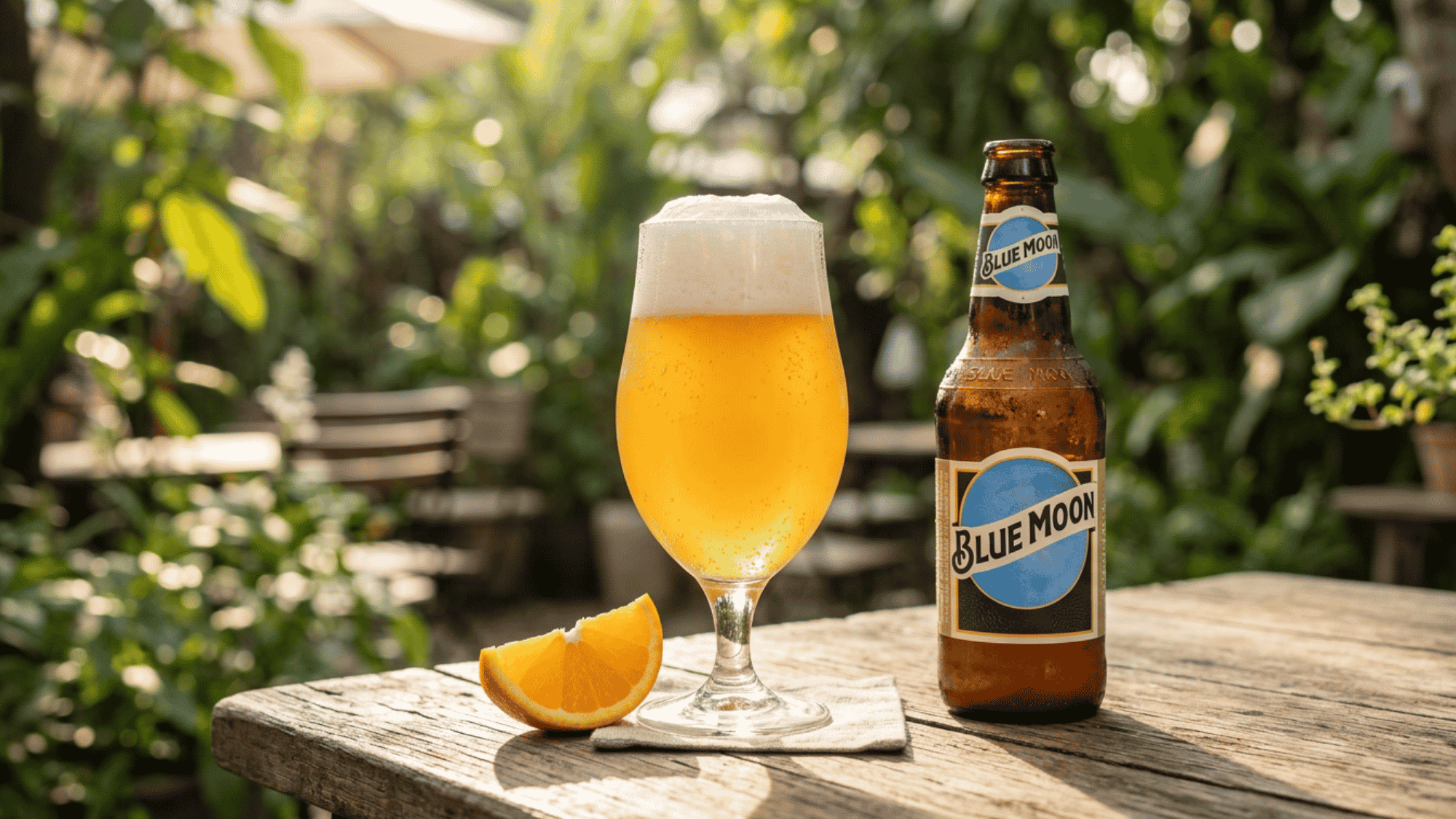
Brewed by Coors but distinctly its own thing, Blue Moon fills a gap no standard domestic beer covers. The unfiltered wheat base, orange peel, and coriander produce a hazy, citrusy beer that’s approachable without requiring craft knowledge.
It’s one of the more genuinely enjoyable domestic experiences, especially served with an orange slice.
- Pros: Distinctive flavor, soft texture, food-friendly
- Cons: Higher calories, citrus profile divides drinkers, slightly overpriced
- ABV: 5.4%
- Style: Belgian-Style Wheat Ale
Samuel Adams Boston Lager
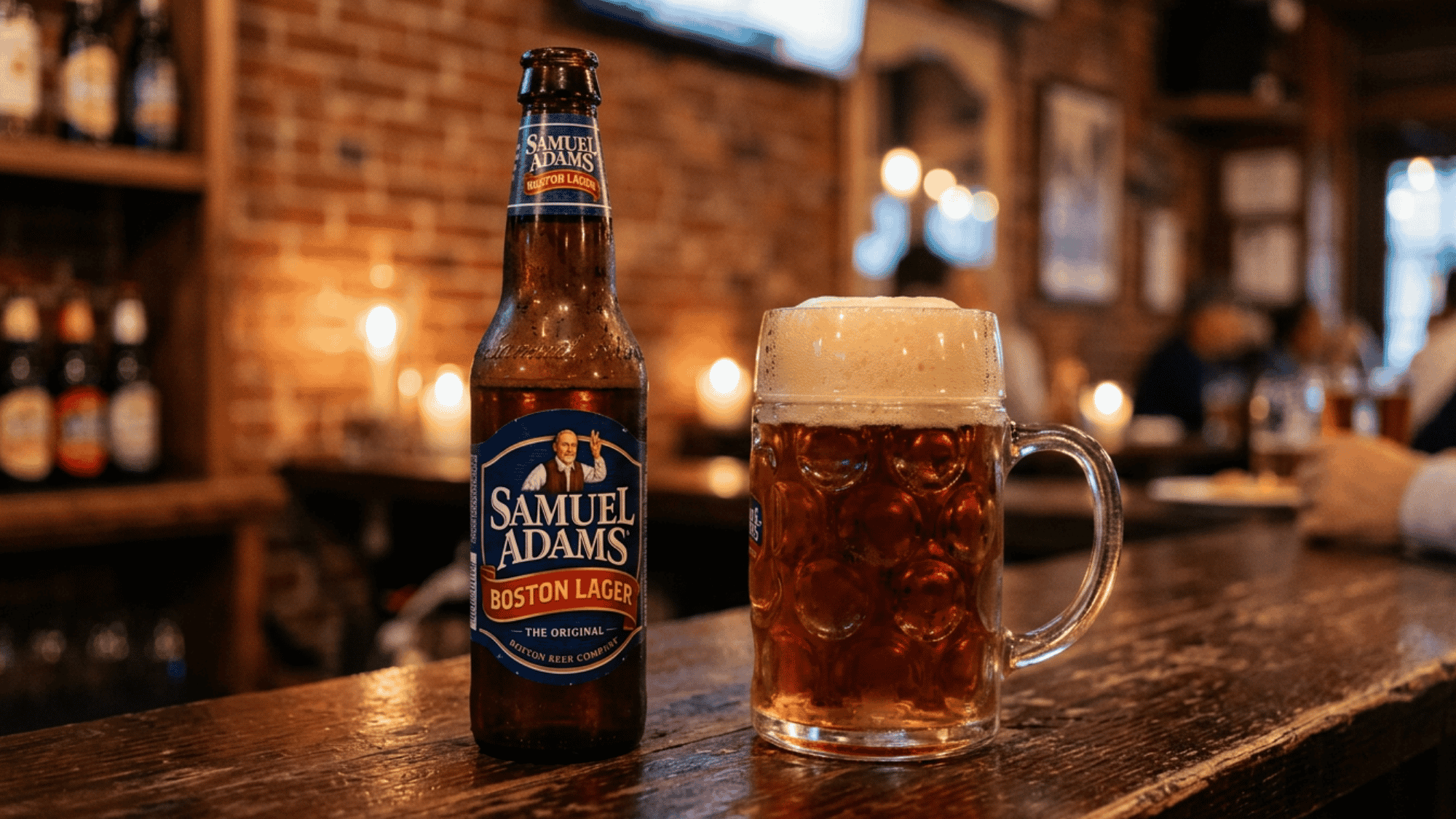
Samuel Adams is the most complete beer in the domestic category. Two-row malted barley and Noble hops build a malt-forward lager with real complexity and a clean, slightly bitter finish.
It’s the right call when you want genuine depth without paying craft prices. Nothing else in mainstream domestic offerings comes close to flavor.
- Pros: Most complex domestic flavor, consistent quality, excellent with food
- Cons: Heavy body, pricier than most domestics, bitter finish not for everyone
- ABV: 5.0%
- Style: Vienna Lager
Budweiser
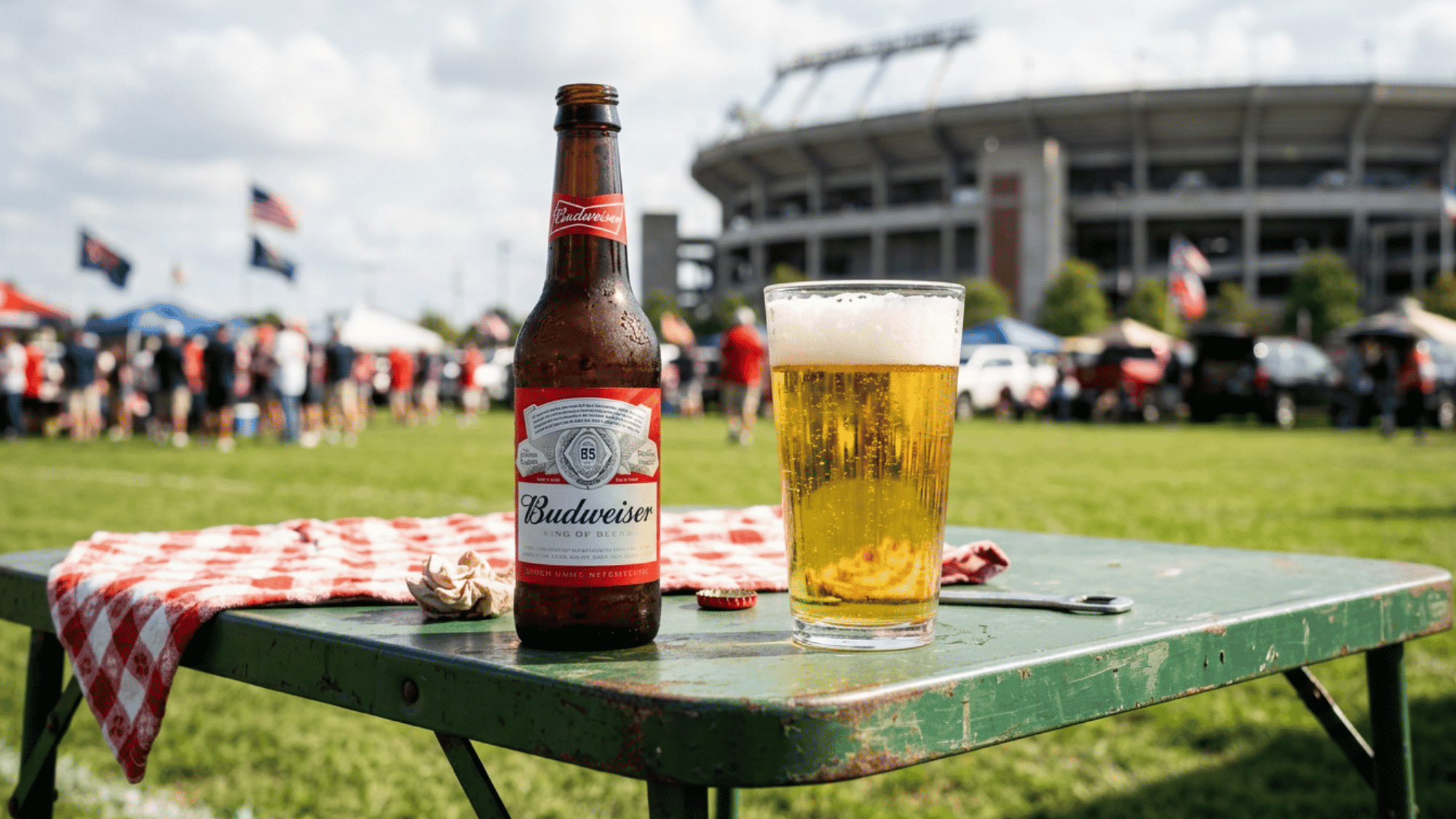
Budweiser earns its spot through sheer availability and consistency, not flavor, remaining one of the best-sellingbeers in America.
The rice adjunct lightens the body and strips out malt complexity, leaving a smooth, inoffensive lager that works in any crowd.
It’s a safe choice, but at the same price, Coors Banquet or PBR both offer more for the money.
- Pros: Universally available, highly consistent, smooth finish
- Cons: Thin flavor, rice adjunct reduces malt character, better options at the same price
- ABV: 5.0%
- Style: American Lager
Best Domestic Beer by Category
Not all domestics serve the same purpose. These are the best picks for each drinking occasion, preference, and budget.
- Best Light Beer – Miller Lite: Hoppier and drier than Bud Light or Coors Light. Best choice when you want low-calorie without sacrificing all the flavor.
- Best Budget Beer – Pabst Blue Ribbon: Under $10 a six-pack with mild malt character and no harsh finish. The most honest value in the domestic category.
- Best Full-Flavored Beer – Samuel Adams Boston Lager: Noble hops, two-row malt, genuine complexity. The only mainstream domestic that drinks like it was actually crafted, not just produced.
- Best High-ABV Domestic – Steel Reserve 211 / Colt 45: Colt 45 hits 5.6% ABV; Steel Reserve pushes 8.1%. Both are cheap and strong. Know what you’re buying before cracking one.
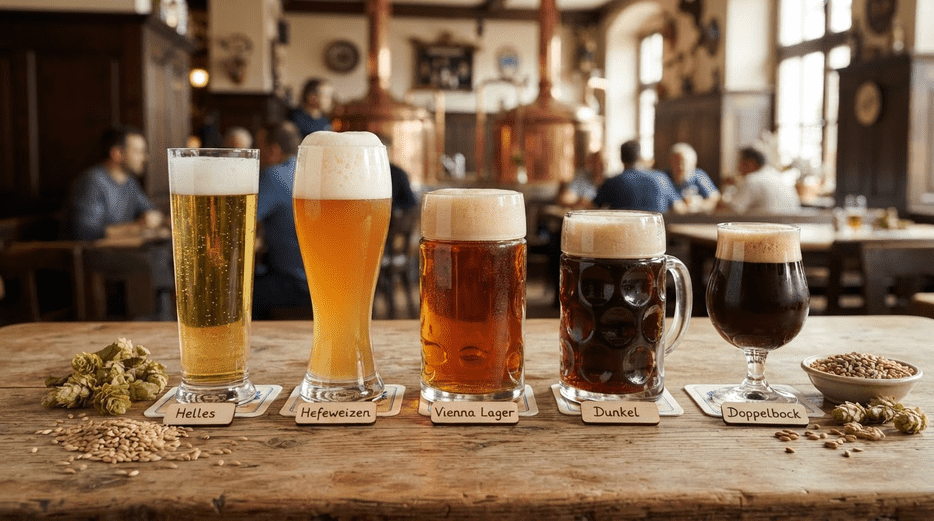
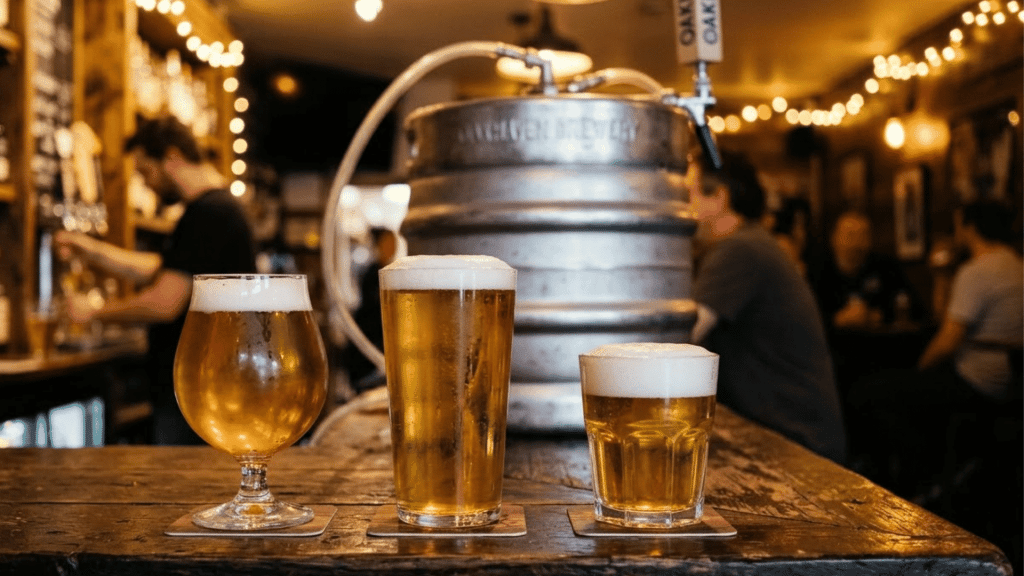
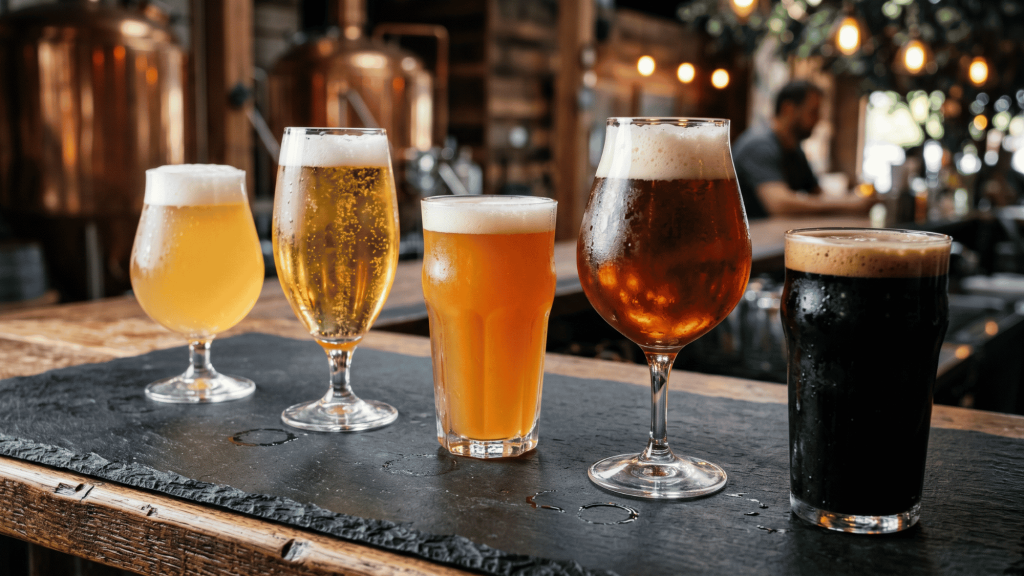
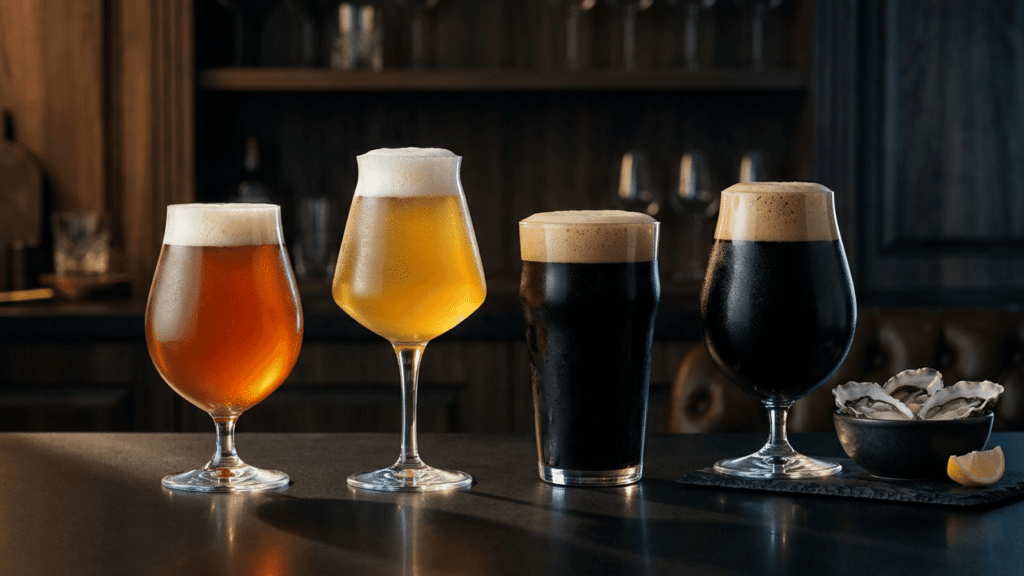
To get the most from these beers, consider serving them in the right beer glasses, as the right glassware can enhance aroma, flavor, carbonation, and the overall drinking experience.
Straight From the Consumers: Domestic Beer Reviews
Among domestic beers, Yuengling Traditional earns praise for its rich caramel malt character and toasted biscuit notes, offering more depth than most mainstream lagers.
Coors Banquet is often highlighted as a dependable, full-flavored lager with a bready sweetness that delivers strong value for the price, though its sweeter finish divides opinions.
For light beer drinkers, Miller Lite stands out thanks to its crisp, slightly hoppier profile and dry finish, making it a favorite among calorie-conscious consumers seeking flavor.
Meanwhile, Pabst Blue Ribbon remains a budget-friendly classic, appreciated for its clean, malt-forward taste and easy drinkability, even if many drinkers consider it relatively simple and unremarkable.
Which Domestic Beer Has the Most Alcohol?
Not all domestic beers are created equal when it comes to ABV. Most standard domestic lagers like Budweiser, Coors, and Miller sit between 4.2% and 5% ABV, enough for a relaxed evening but nothing extreme.
Step up to malt liquors like Colt 45 or Steel Reserve, and that number jumps to 6-8.1% ABV, putting them among the highest alcoholcontent in the category. High-gravity domestics push even further, with some crossing the 8% mark in a standard can.
For most casual drinkers, the difference feels subtle early on but compounds quickly across multiple cans.
If you’re picking a domestic based on strength, ABV is printed on most cans and is always worth a quick check before you commit to a six-pack.
Conclusion
The best domestic beer isn’t a universal answer; it’s whatever delivers on what you need that day. Not all domestics are equal, and this list makes that gap impossible to ignore.
Stop defaulting to the most advertised option.
Start with Coors Banquet for an immediate upgrade, track down a Yuengling if your market carries it, or reach for Samuel Adams when flavor is the priority.
There’s a better domestic car waiting in every price range. Try one beer from this list that you’ve never opened before. Your next go-to might already be on a shelf near you.
Frequently Asked Questions
Is Domestic Beer Always Cheaper than Imported Beer?
Not always. While many domestic beers are budget-friendly, some premium domestic brands can cost as much as imported options, depending on quality and branding.
Can Domestic Beer Age Well Like Wine?
No, most domestic beers are meant to be consumed fresh. Aging can affect taste and reduce the quality over time.
Are Domestic Beers Gluten-Free?
Most are not gluten-free because they contain barley or wheat. However, a few specialty options may cater to gluten-sensitive consumers.