

Ever wonder why beer lovers get so excited about more than just the usual bottle in the fridge?
Beer has been around for thousands of years, but many drinkers still stick to the same two or three picks. That is totally fine, but it also means many flavors and other beer options get missed.
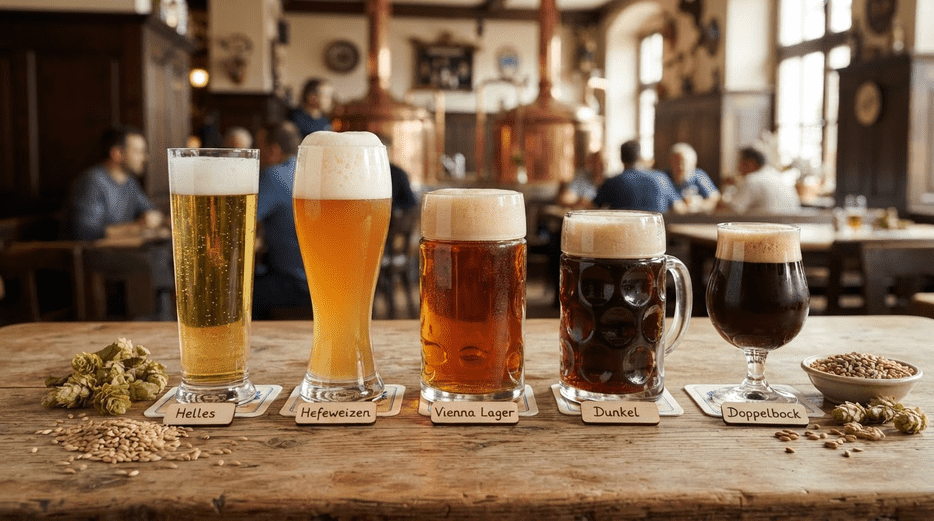
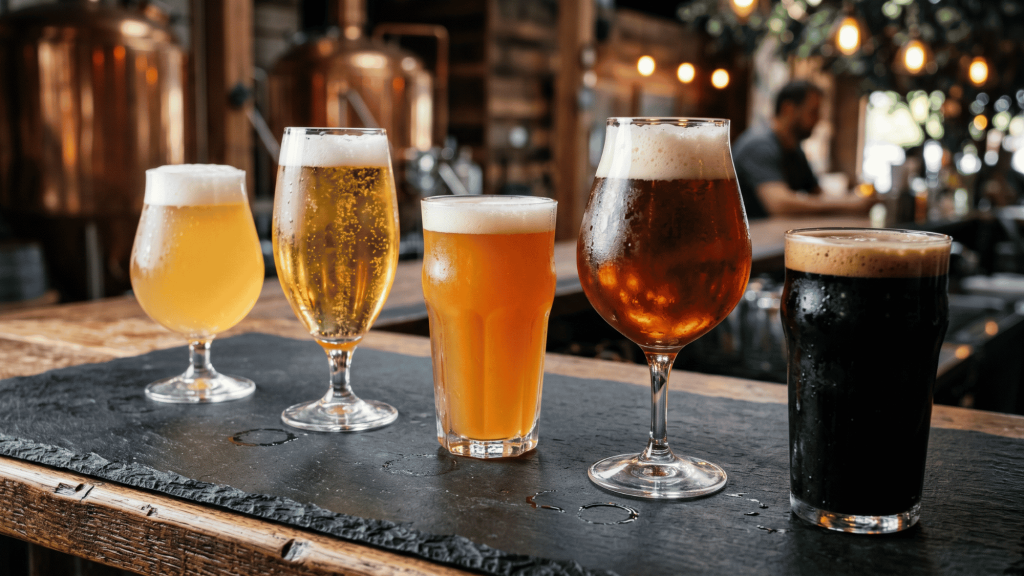
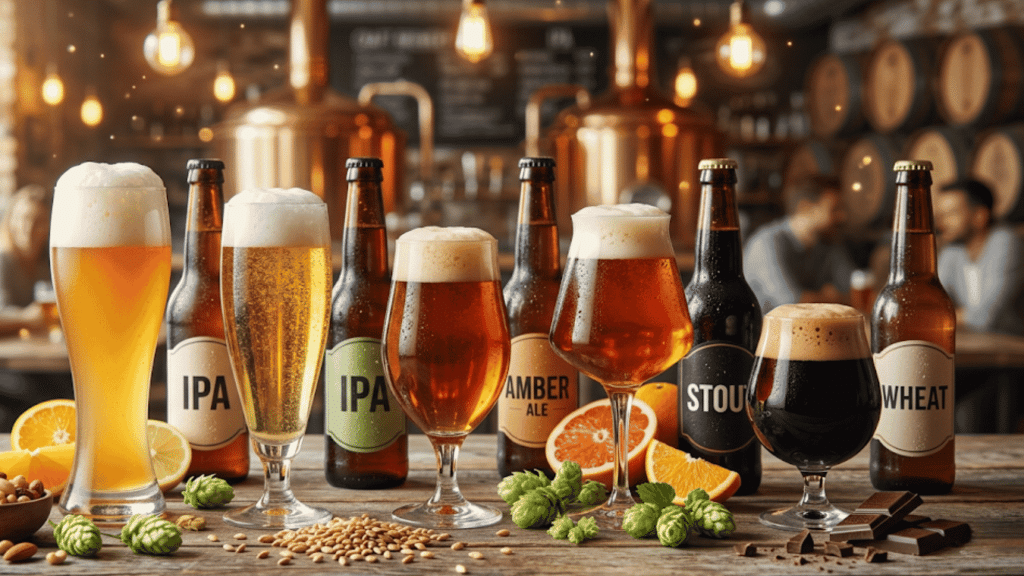
Crisp lagers, bold IPAs, rich stouts, smooth porters, and fruity wheat beers all bring something different to the glass.
Be it a bar night, dinner pairing, or grocery run, knowing the styles makes each sip more fun. Scroll through the list and find your next favorite pour.
What is Beer? A Quick Breakdown Before You Sip
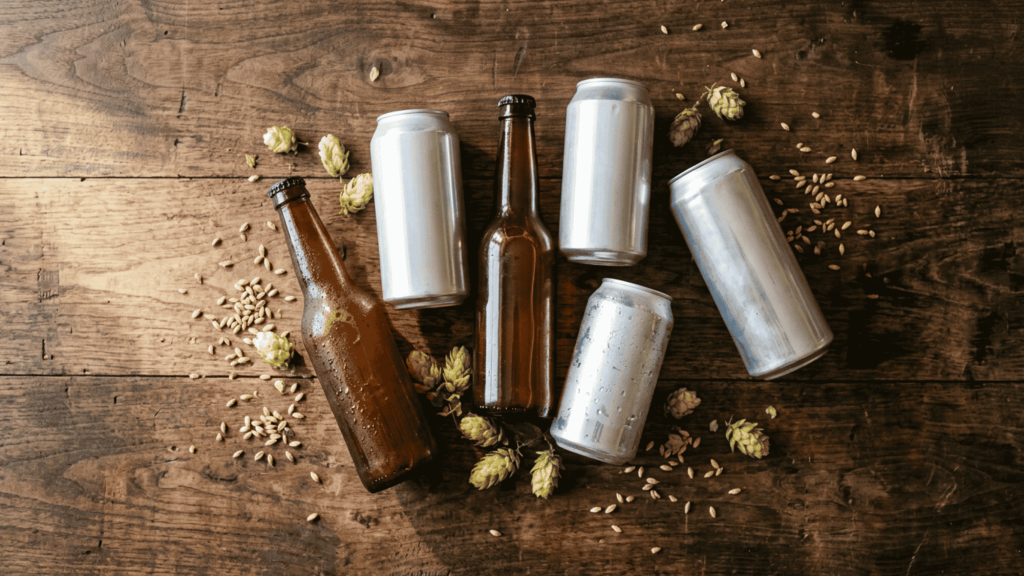
Four ingredients. That’s all it takes: water, malted grain, hops, and yeast. What brewers do with those four things is where it gets interesting.
Every beer belongs to one of two families. Lagers ferment cold and slow: crisp, clean, refreshing. Ales go warm and fast, producing bolder, richer, more complex flavors. Same planet, totally different personalities.
From there, brewers play with roast levels, hop bitterness, alcohol content, and fermentation time. Every choice changes the pour.
Two beers can look identical and taste nothing alike. That’s not a mistake; that’s the whole point.
Popular Types of Beer Everyone Should Know (And Try)
From hoppy IPAs to crisp lagers, beer has a style for every mood. Here is a fun breakdown of popular beer types, flavors, ABV, origins, and brands worth trying.
1. IPA (India Pale Ale)
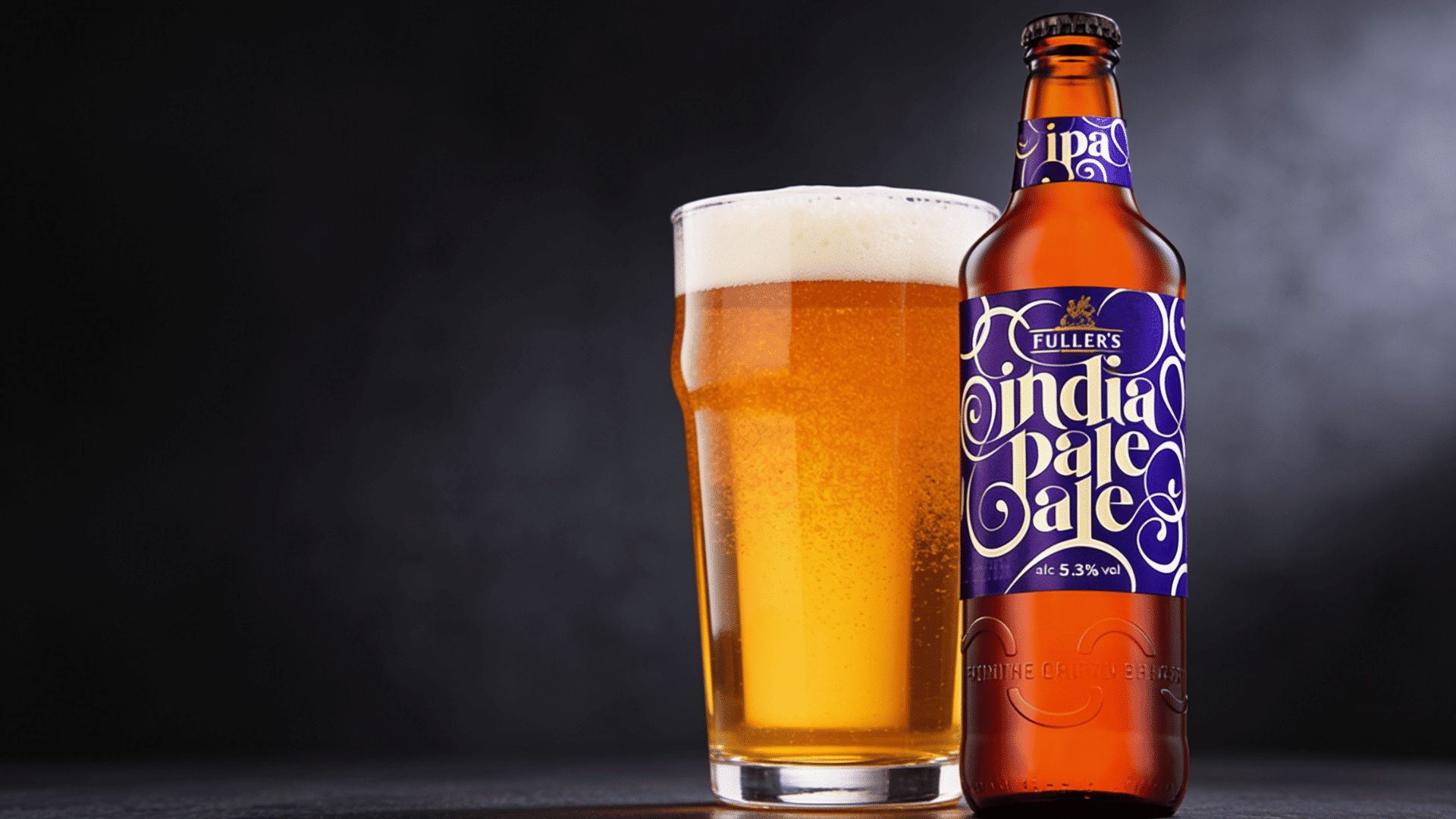
IPA is the bold, hoppy beer that craft beer fans often love first. It is known for big aromas, strong bitterness, and bright notes.
- Origin: England, later made famous by American craft brewers
- Taste: Bitter, citrusy, piney, floral, or tropical
- ABV: Usually 5.5% to 7.5%
- Popular brands: Sierra Nevada Torpedo, Lagunitas IPA, Dogfish Head 60 Minute IPA, Stone IPA
- Best with: Spicy wings, burgers, barbecue, tacos
- Special tip: New IPA drinkers can start with a hazy IPA for a softer, fruitier sip.
2. Pale Ale
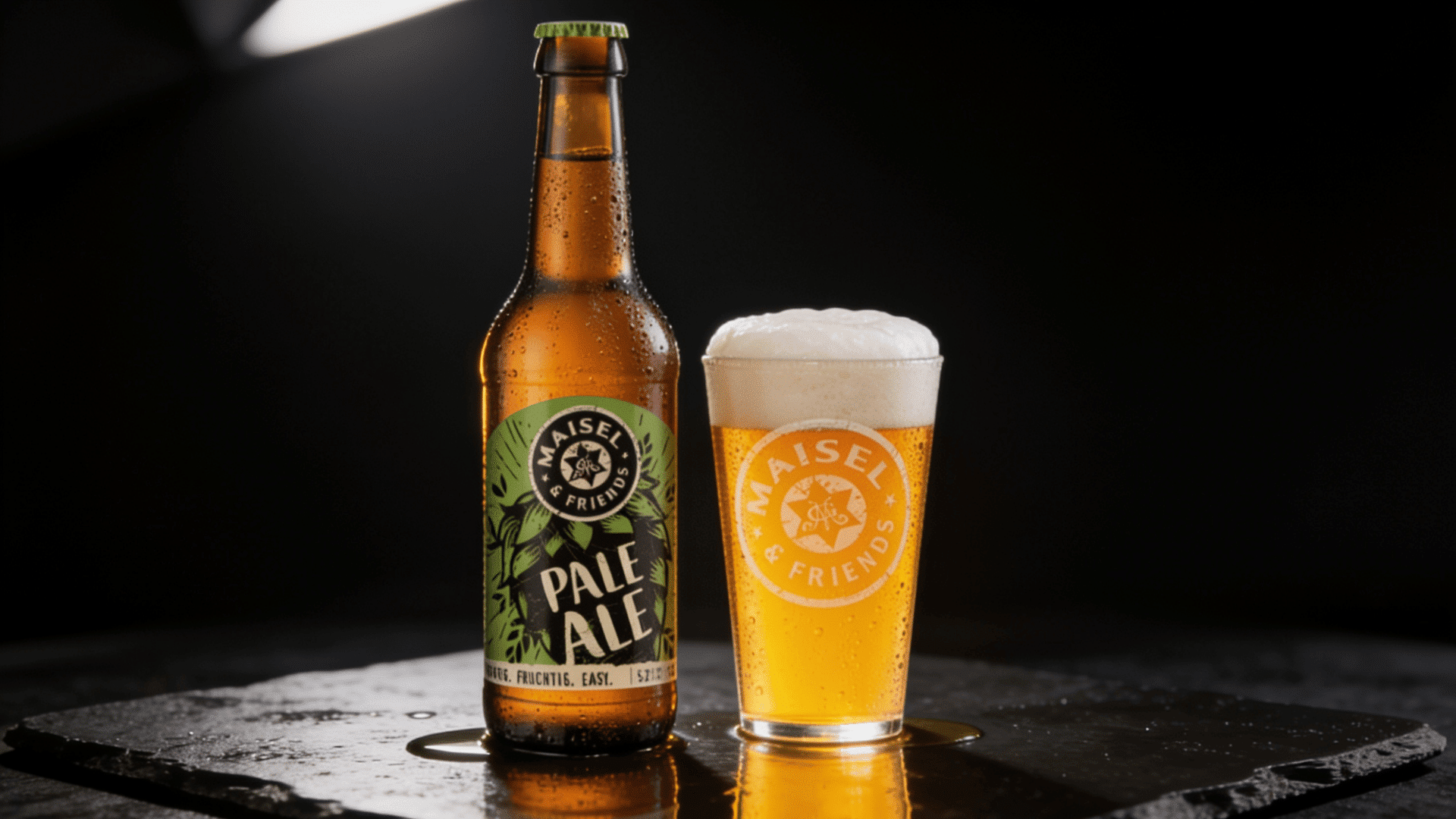
Pale Ale is like IPA’s calmer cousin. It still brings hops and flavor, but it feels more balanced and easy to enjoy. For many drinkers, it is a great first step into craft beer.
- Origin: England
- Taste: Balanced, lightly bitter, citrusy, biscuity, and fresh
- ABV: Usually 4.5% to 6.2%
- Popular brands: Sierra Nevada Pale Ale, Oskar Blues Dale’s Pale Ale, Deschutes Mirror Pond Pale Ale
- Best with: Pizza, fried chicken, nachos, grilled sandwiches
- Special tip: Pick American Pale Ale for brighter hops and English-style Pale Ale for a smoother malt taste.
3. Stout
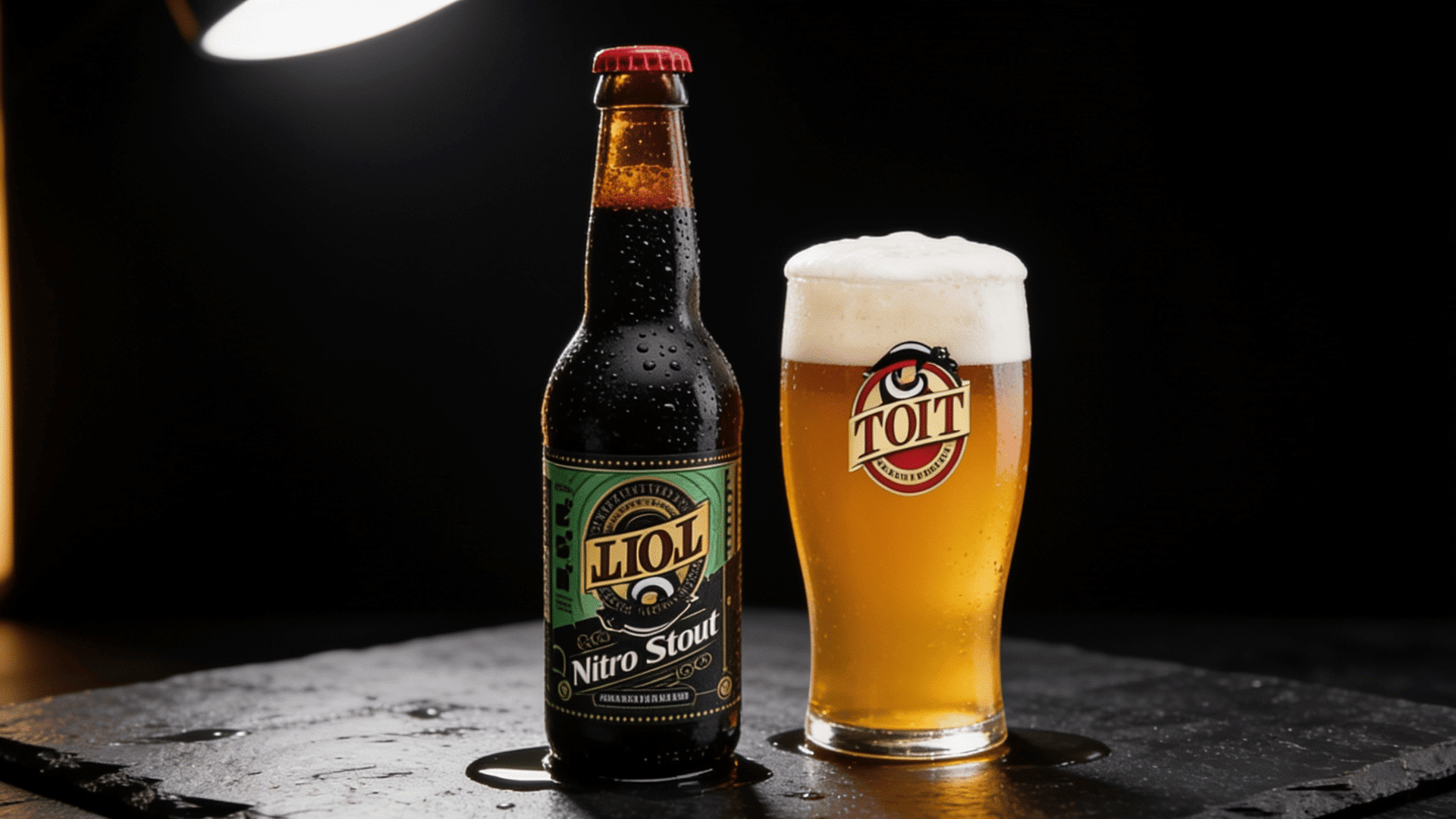
Stout is dark, rich, and full of cozy flavor. It often tastes like roasted coffee, cocoa, toast, or dark chocolate. It is a favorite for anyone who enjoys deeper, dessert-like beers.
- Origin: Ireland and England
- Taste: Roasty, creamy, coffee-like, chocolatey, and bold
- ABV: Usually 4% to 8%, higher for imperial stouts
- Popular brands: Guinness Draught, Left Hand Milk Stout, Founders Breakfast Stout, North Coast Old Rasputin
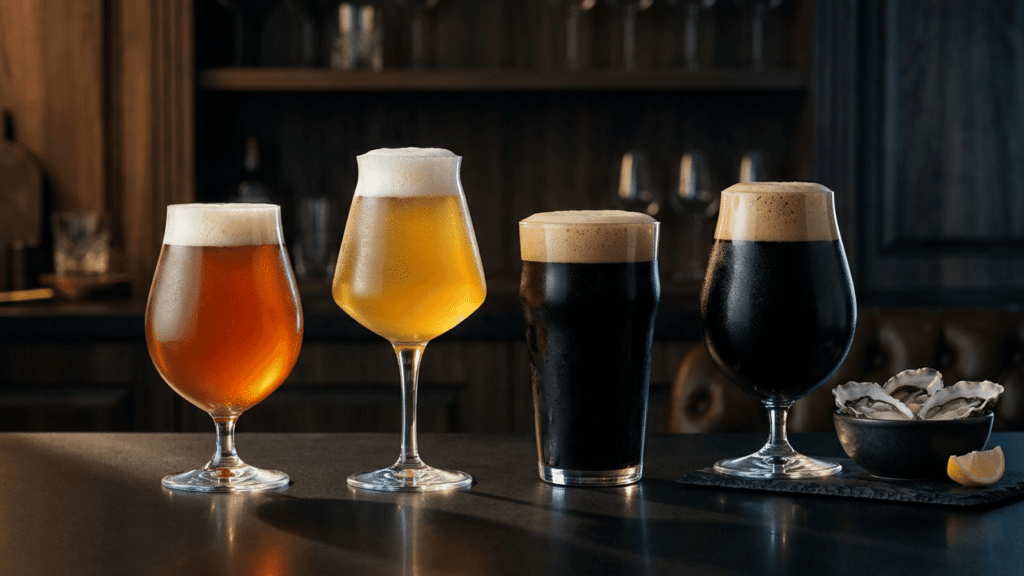
- Best with: Brownies, barbecue, oysters, roasted meats
- Special tip: Let stout warm a little before sipping so the deeper flavors come forward.
4. Porter
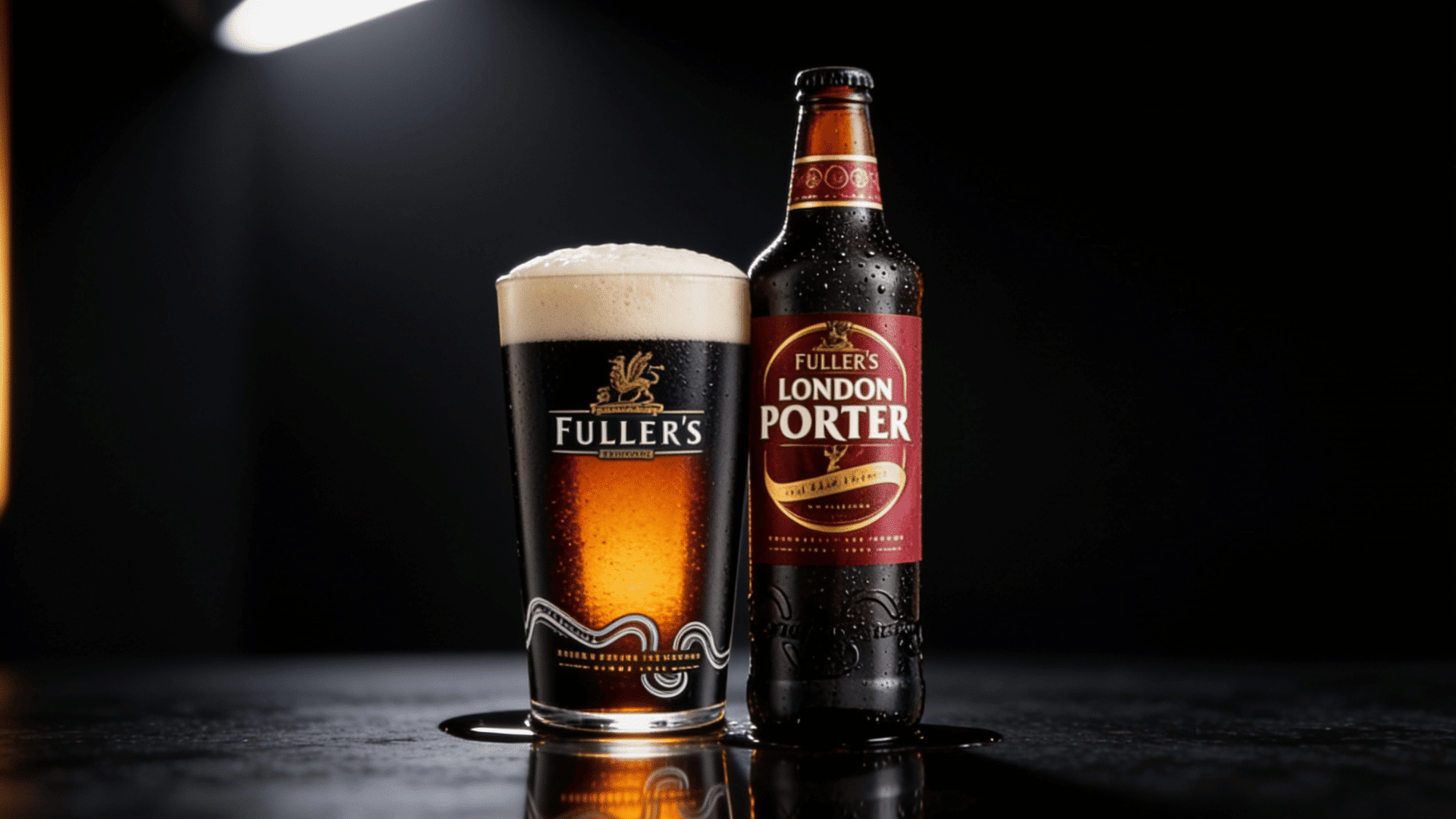
Porter is smooth, dark, and full of old-school charm. It came before stout and usually feels softer, with notes of caramel, cocoa, toasted bread, nuts, and gentle roasted malt.
- Origin: London, England
- Taste: Malty, chocolatey, nutty, lightly roasted
- ABV: Usually 4.5% to 6.5%
- Popular brands: Anchor Porter, Great Lakes Edmund Fitzgerald Porter, Deschutes Black Butte Porter
- Best with: Smoked meats, stews, chocolate cake
- Special tip: Porter is a great first dark beer because it is usually smoother than stout.
5. Wheat Beer / Hefeweizen
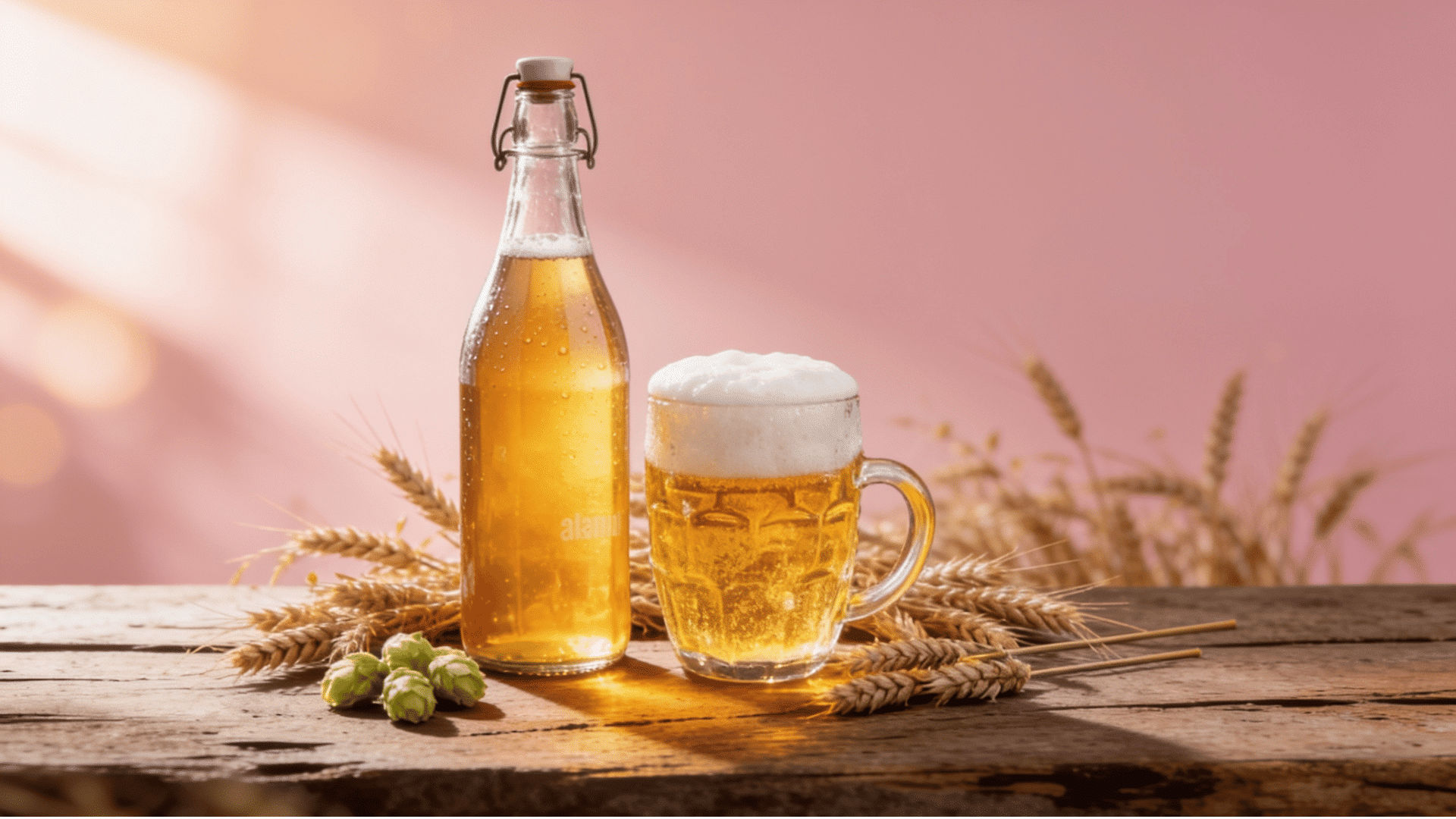
Wheat beer is soft, cloudy, and refreshing, with a lively personality. Hefeweizen, the famous German version, is loved for banana, clove, bread, citrus, and gentle spice notes.
- Origin: Germany and Belgium
- Taste: Fruity, bready, soft, slightly spicy
- ABV: Usually 4% to 5.5%
- Popular brands: Weihenstephaner Hefeweissbier, Blue Moon Belgian White, Allagash White, Bell’s Oberon
- Best with: Seafood, salads, brunch dishes, grilled chicken
- Special tip: Try it without lemon first so the natural yeast flavor can shine.
6. Amber Ale
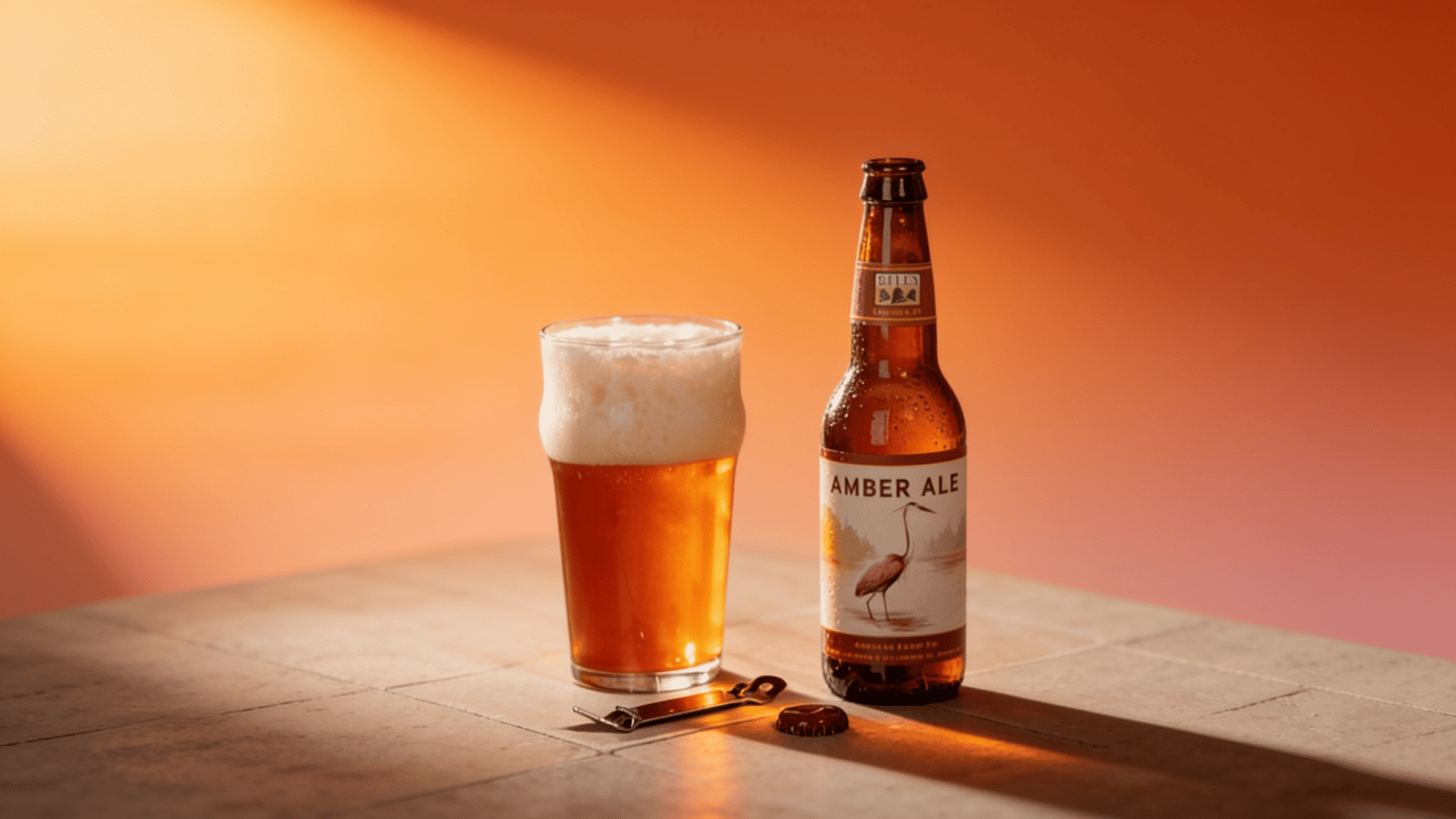
Amber Ale sits between malty comfort and light hop bite. Its reddish-gold color hints at caramel flavor, toasted grain, and a fuller body than many lighter beers.
- Origin: American craft brewing, inspired by English ales
- Taste: Caramel, toasted malt, mild bitterness
- ABV: Usually 4.5% to 6.2%
- Popular brands: New Belgium Fat Tire, Alaskan Amber, Bell’s Amber Ale, Troegs HopBack Amber Ale
- Best with: Barbecue, tacos, roasted chicken, burgers
- Special tip: Amber Ale is a smart party pick because it has flavor without feeling too heavy.
7. Blonde Ale
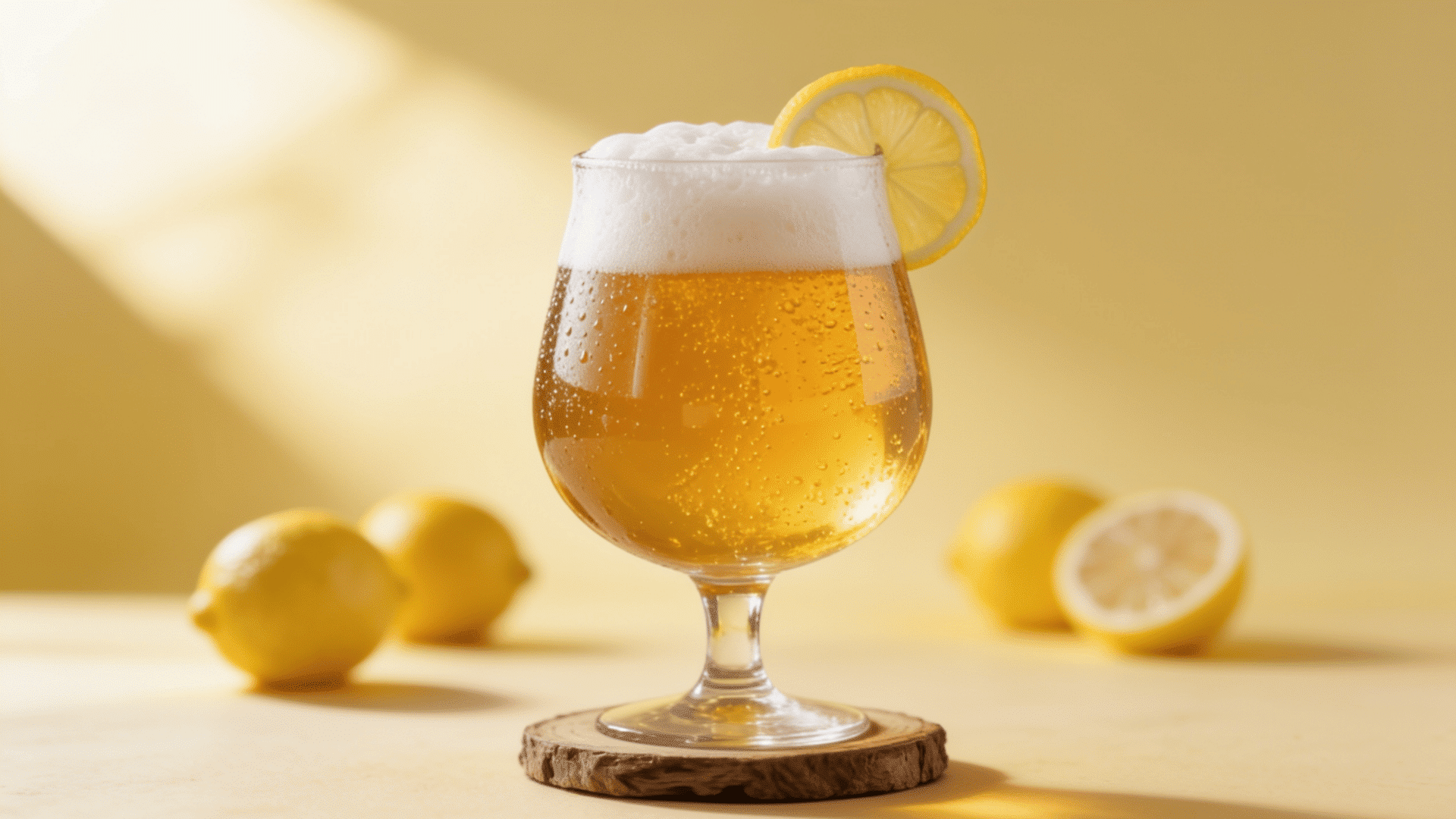
Blonde Ale is clean, smooth, and easygoing. It is light enough for lager fans but still has enough soft malt flavor to feel interesting, making it one of the most approachable ale styles.
- Origin: American craft brewing
- Taste: Light malt, gentle sweetness, mild hops
- ABV: Usually 4% to 5.5%
- Popular brands: Kona Big Wave, Firestone Walker 805, Genesee Cream Ale, SweetWater 420 Extra Pale Ale
- Best with: Sandwiches, fries, grilled fish, light snacks
- Special tip: Serve it cold, but not ice-cold, so the soft malt flavor does not disappear.
8. American Lager
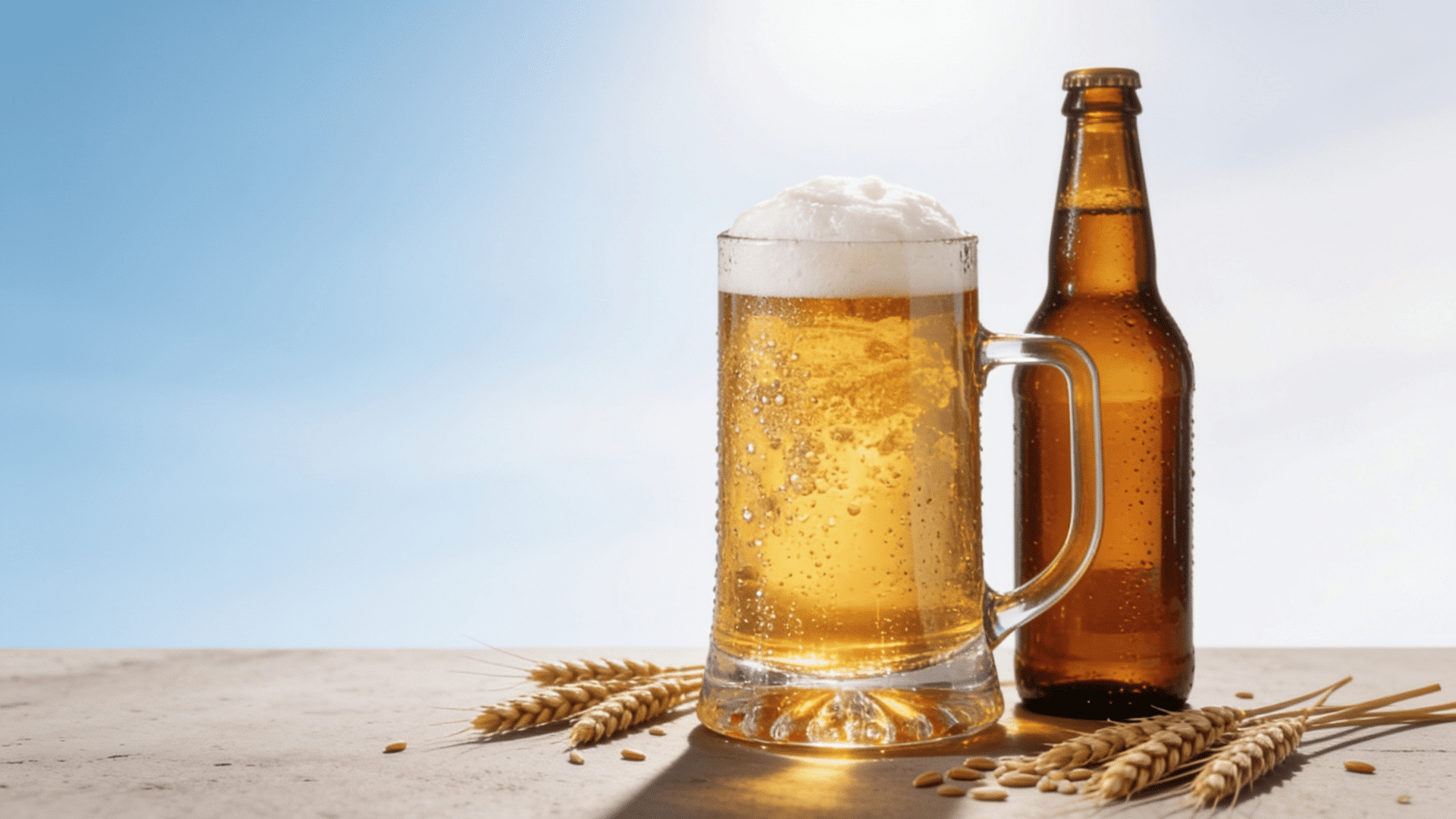
American Lager is crisp, light, and easy to enjoy. It is one of the most familiar beer styles, known for its pale color, clean finish, and laid-back drinking feel.
- Origin: America, with European lager influence
- Taste: Clean, light, mildly grainy, low bitterness
- ABV: Usually 4% to 5%
- Popular brands: Budweiser, Coors Banquet, Miller High Life, Pabst Blue Ribbon
- Best with: Hot dogs, chips, fried snacks, burgers
- Special tip: This beer works best very cold with salty comfort food.
9. Pilsner
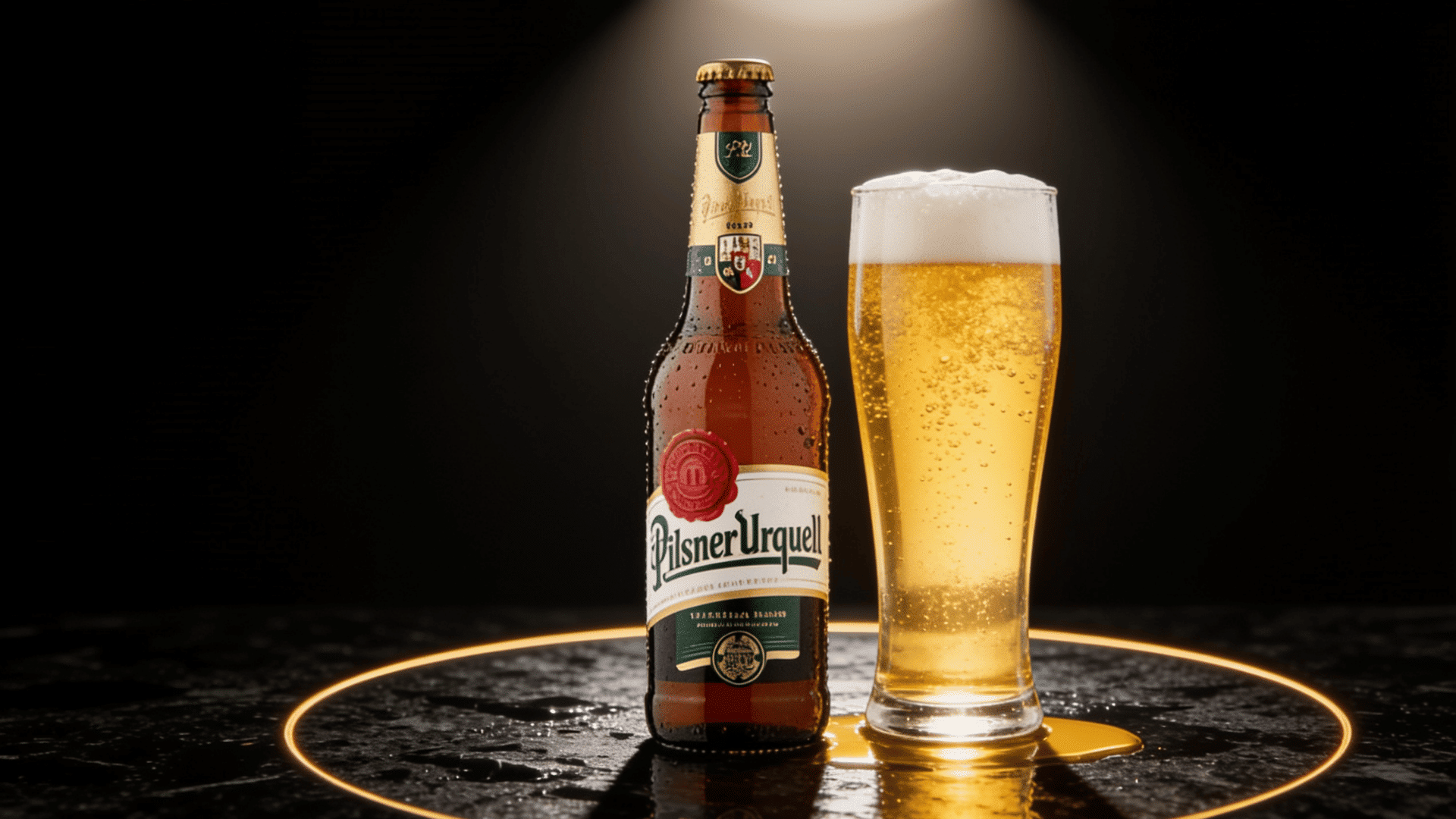
Pilsner is a bright golden lager with crisp bitterness and a clean snap. It may look simple, but a good Pilsner balances soft malt, floral hops, and a dry, refreshing finish.
- Origin: Plzeň, Czech Republic
- Taste: Crisp, floral, bready, lightly bitter
- ABV: Usually 4.2% to 5.5%
- Popular brands: Pilsner Urquell, Trumer Pils, Victory Prima Pils, Firestone Walker Pivo Pils
- Best with: Fried fish, sausages, pretzels, roasted chicken
- Special tip: Try Czech Pilsner for a softer malt feel and German-style Pilsner for a drier finish.
10. Mexican Lager
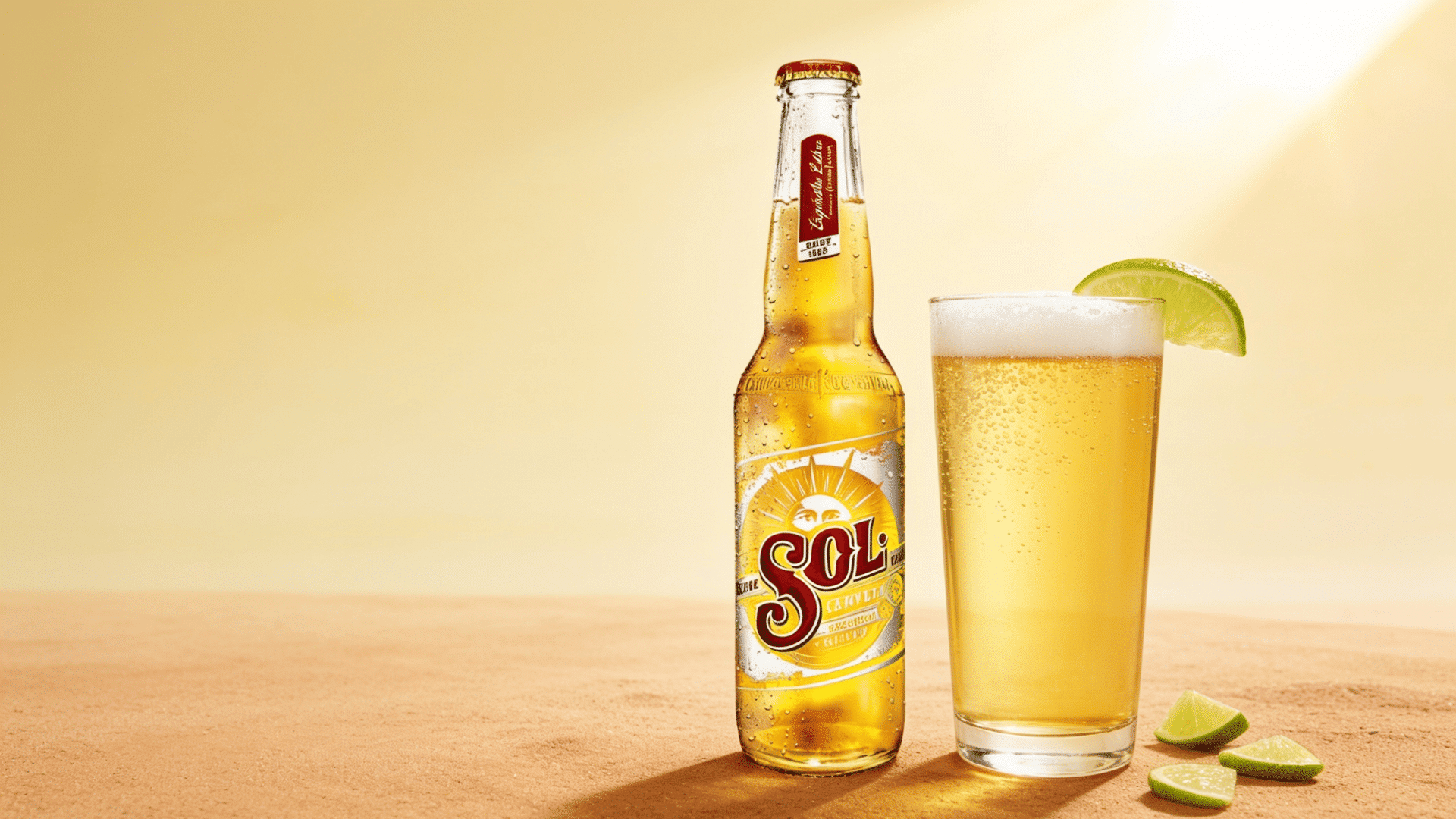
Mexican Lager is light, crisp, and sunny, often linked with beach days, lime wedges, and spicy food. It is usually pale, smooth, refreshing, and easy to drink with casual meals.
- Origin: Mexico, influenced by European lager brewing
- Taste: Crisp, light, mildly sweet, very clean
- ABV: Usually 4% to 5%
- Popular brands: Modelo Especial, Pacifico Clara, Corona Extra, Tecate
- Best with: Tacos, ceviche, grilled corn, nachos
- Special tip: A lime wedge can brighten the flavor, but a good one should still taste clean without it.
11. Sour Beer
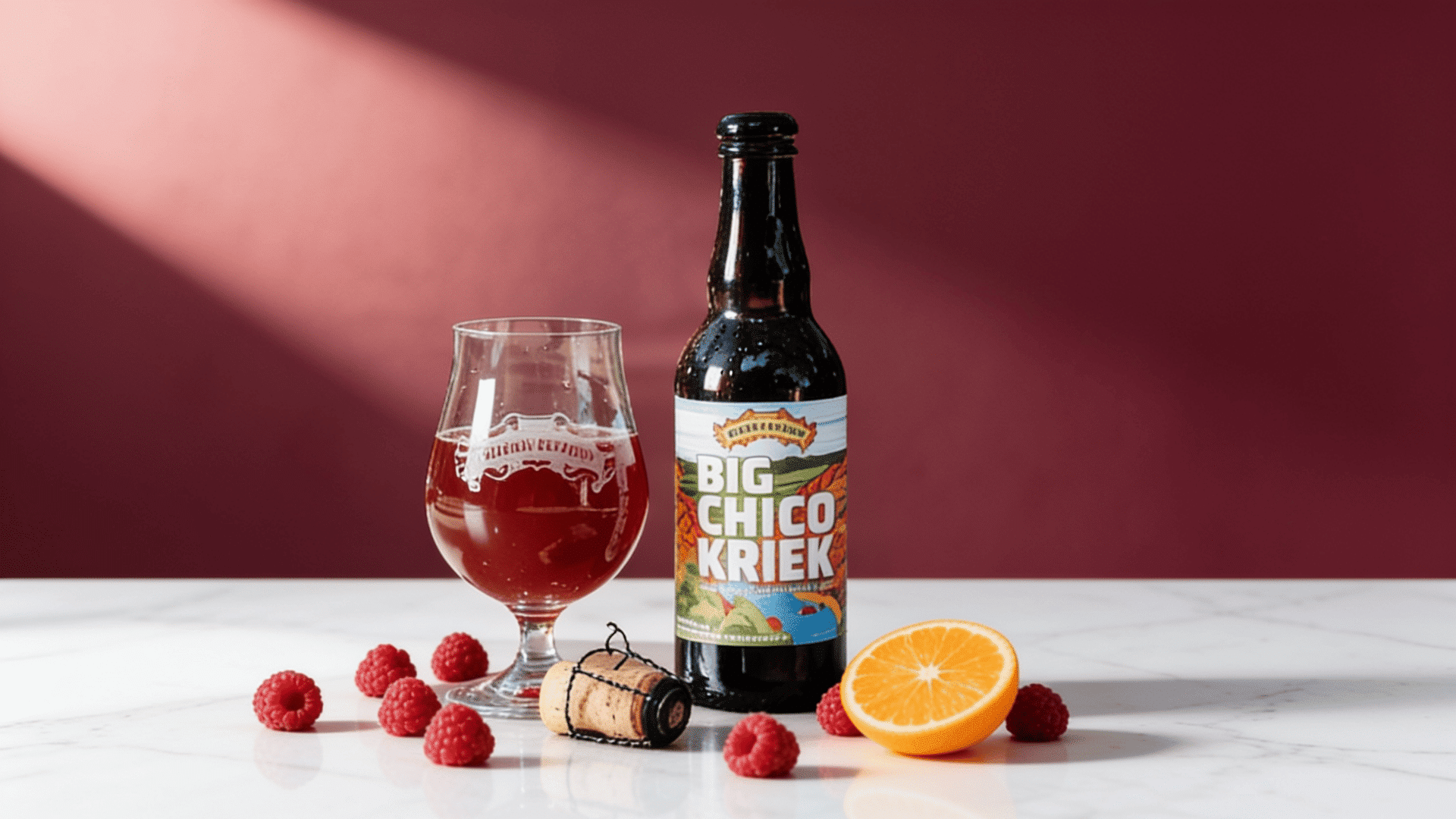
Sour Beer is tart, lively, and full of personality. Instead of relying on bitterness, it gets its punch from acidity, fruit, wild yeast, or bacteria, making it funky, juicy, sharp, or bright.
- Origin: Belgium, Germany, and modern craft breweries
- Taste: Tart, fruity, funky, sharp, refreshing
- ABV: Usually 3% to 7%
- Popular brands: Dogfish Head SeaQuench Ale, New Belgium La Folie, The Bruery Terreux, Anderson Valley Gose
- Best with: Goat cheese, seafood, fruit desserts, spicy dishes
- Special tip: Start with a fruited sour if sharp acidity feels too strong at first.
12. Barrel-Aged Beer
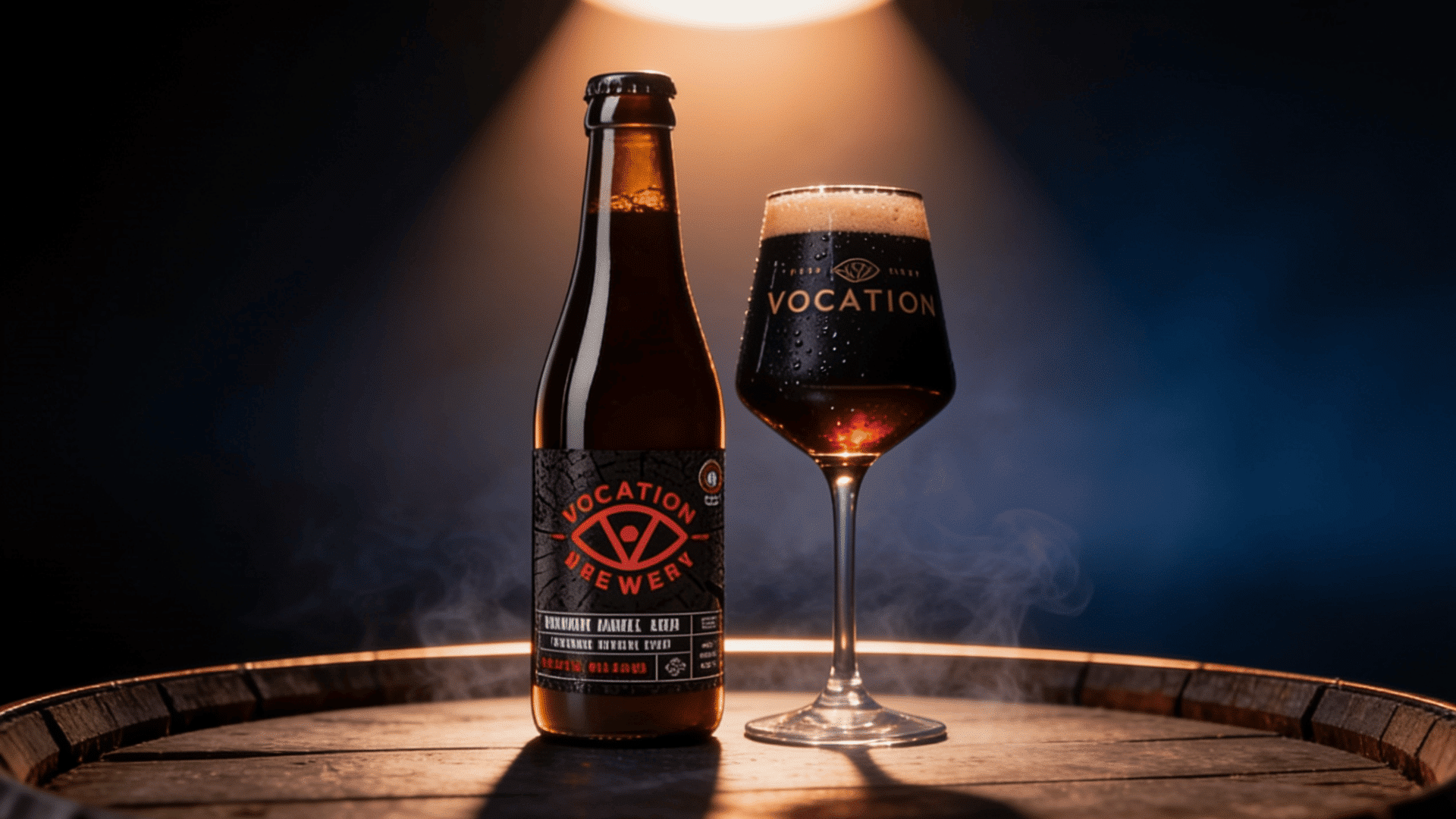
Barrel-Aged Beer is bold, deep, and made for slow sipping. Brewers age beer in barrels that once held whiskey, wine, rum, or other spirits, adding wood, vanilla, spice, and warmth.
- Origin: Modern craft brewing, with older aging traditions
- Taste: Rich, boozy, woody, vanilla-like, complex
- ABV: Usually 8% to 14% or higher
- Popular brands: Goose Island Bourbon County Stout, Founders KBS, Firestone Walker Parabola, The Bruery Black Tuesday
- Best with: Steak, dark chocolate, smoked meats, rich desserts
- Special tip: Pour this style in small servings and sip it slowly.
13. Seasonal / Craft Beer
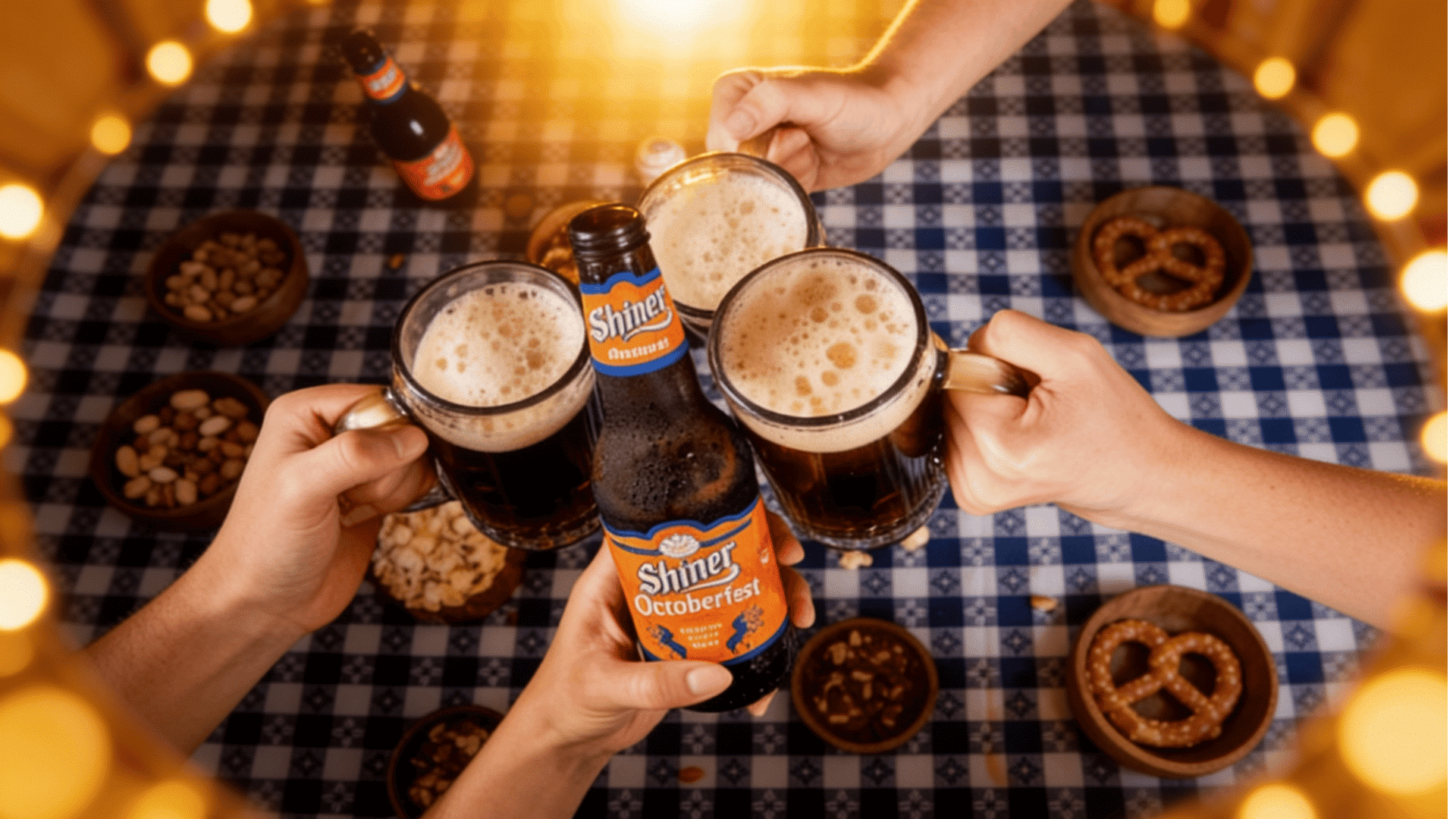
Seasonal and craft beers are where brewers get playful. These beers change with the weather, holidays, ingredients, and local trends, so flavors can range from pumpkin spice to citrus, berries, maple, or pine.
- Origin: Modern craft brewing and older seasonal brewing traditions
- Taste: Varies by season, style, and ingredients
- ABV: Usually 4% to 9%, depending on the beer
- Popular brands: Samuel Adams OctoberFest, Sierra Nevada Celebration, Great Lakes Christmas Ale, Shiner Holiday Cheer
- Best with: Holiday meals, grilled foods, desserts, party snacks
- Special tip: Buy seasonal beers fresh because many taste best close to their release date.
Hybrid Beers: When Ales and Lagers Overlap
Hybrid beers blend the crisp finish of lagers with the flavor depth of ales. These styles are smooth, balanced, and great for curious beer drinkers.
| Beer Style | Flavor Profile | Key Traits |
|---|---|---|
| Kölsch | Pale, crisp, soft fruit notes | Clean finish, ale yeast, lager-like feel |
| California Common | Toasty, caramel malt, firm bitterness | Amber color, lager yeast, rustic craft feel |
| Cream Ale | Light, mild sweetness, low bitterness | Smooth, easy-drinking, great for lager fans |
| Altbier | Toasted malt, gentle fruitiness | Copper-colored, richer than lager, cleaner than ale |
| Steam Beer | Malty, lightly fruity, refreshing | Warm-fermented lager character |
| Bière de Garde | Malt-rich, earthy, smooth finish | French farmhouse style, lager-like polish |
| Kellerbier | Fresh grain, mild hops, soft mouthfeel | Unfiltered, rustic, fuller character |
| Rye Beer | Spicy grain, crisp finish | Bold yet refreshing, it bridges ale and lager traits |
Beer Tasting 101: How to Actually Notice Flavor
Beer tasting gets easier when drinkers slow down and use more than just taste. First, look at the color, foam, and clarity. Then smell the beer before sipping, since aroma carries many flavors.
Take a small sip and let it sit for a moment. Notice whether it tastes bitter, sweet, sour, roasted, fruity, spicy, or crisp. Pay attention to the finish, too.
Some beers leave a dry snap, while others feel creamy or warm. Comparing two styles side by side also helps. The best tip is simple: sip slowly, stay curious, and trust what the palate notices.
How to Store Beer the Right Way
Beer tastes best when it is stored with a little care. Keep bottles and cans in a cool, dark place, away from sunlight and heat. Light can make beer smell skunky, while heat can dull the flavor fast.
Most beers should be stored upright, especially bottles, because this helps reduce oxidation and keeps sediment at the bottom.
Refrigeration is best for hoppy beers, wheat beers, lagers, and most craft beers.
Stronger beers, like barrel-aged stouts, can handle short cellar storage. Once beer is cold, try to keep it cold until serving for the freshest taste.
Wrapping Up
Beer has a way of fitting every mood, meal, and moment.
Some styles are light and crisp enough for sunny afternoons, while others are rich and bold, perfect for slow evenings.
The fun part is that every beer brings its own flavor, aroma, color, and personality to the glass. A simple bar order or a random bottle from the shelf can become a new favorite.
So next time the same old beer feels too predictable, pick a style that sounds a little different, take a sip, and let the taste buds have some fun.
Frequently Asked Questions
Does Beer Age Like Wine?
Some strong or specialty beers can develop better flavors over time. However, most beers are best enjoyed fresh for the right taste and aroma.
Why Does Beer Foam Form when Poured?
Foam forms when carbon dioxide is released during pouring, creating bubbles. It also helps enhance the beer’s aroma and overall drinking experience.
Is Beer Gluten-Free?
Most beers contain gluten because they are made from barley or wheat. Gluten-free beers are available and made with grains such as sorghum, rice, or millet.