

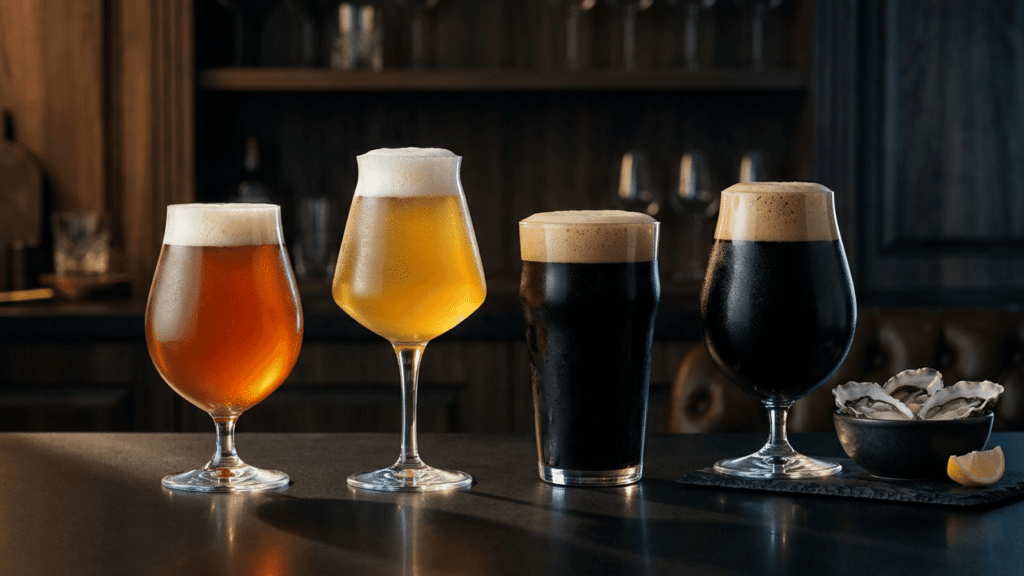
Most people assume beer is vegan. It is made from grain, hops, yeast, and water, none of which come from animals.
So it seems like a safe assumption. But it can be wrong, and for anyone on a plant-based diet, the details matter.
Many breweries use animal-derived substances to clarify or filter beer, and these substances often never appearon the label. That makes it surprisingly hard to know what is actually in your glass.
This post covers what makes a beer non-vegan, which beer styles to watch out for, how to spot vegan-friendly options, and what to drink instead.
What Actually Makes Beer Non-Vegan?
Beer goes through a filtering stage before it reaches your glass.
During this stage, some breweries add substances called fining agents to remove cloudiness and yeast particles. Several of these agents come from animals.
The most common is isinglass, a substance made from the dried swim bladders of fish like sturgeon and cod. It has been used in brewing since the 19th century.
Another is gelatin, made by boiling animal bones, skin, and connective tissue. Some breweries also use egg whites, though this is more common in wine production. None of these are usually listed on the label.
In most countries, fining agents are classified as processing aids rather than ingredients, so disclosure is not required.
Vegan Beer Alternatives
Avoiding non-vegan beer does not mean limiting your options. Many popular beers are vegan-friendly, especially those brewed without animal-derived fining agents.
Vegan-Friendly Lager Options
If you prefer crisp, easy-drinking lagers, these are commonly vegan-friendly choices:
Heineken, Budweiser, Bud Light, Stella Artois, packaged versions only
These beers are widely available and are generally produced using animal-free methods, but product formulations can vary by country and package type.
Vegan-Friendly Craft Beer Options
Many craft breweries now use vegan brewing practices, and several of their beers are suitable for vegans:
- BrewDog, most beers
- Beavertown Brewery, most beers
- Cloudwater Brew Co.
- Brooklyn Brewery
- Sierra Nevada Brewing Co.
- Thornbridge Brewery
Some breweries still make a few non-vegan or version-specific beers, especially when using ingredients like honey, lactose, or animal-based finings, so it is always best to check the exact label or the brewery’s listing.
Beer Styles with Hidden Animal Ingredients
Not every beer style carries the same risk. These consistently use animal ingredients.
Cask Ales (Real Ales)
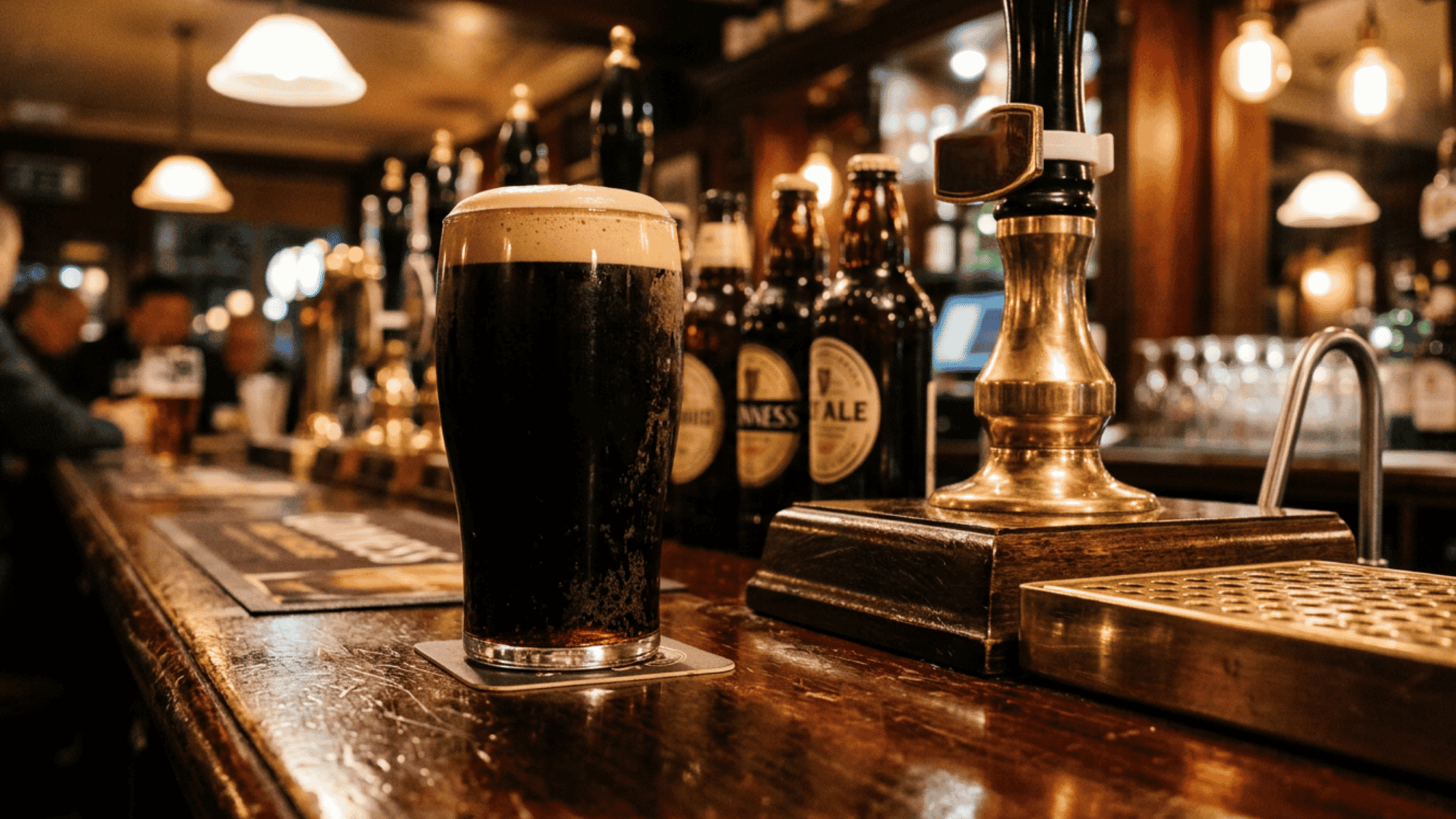
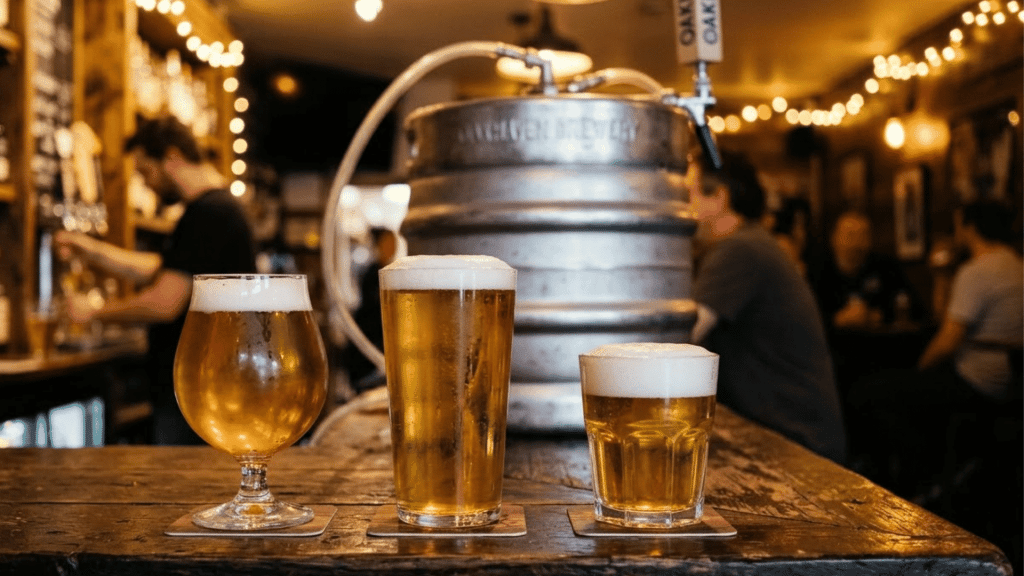
Traditional British cask ales are among the most likely to be non-vegan. Isinglass is routinely added directly into the cask, where it settles out the yeast in the pub cellar before serving.
The practice remains widespread across UK breweries, even where plant-based alternatives are readily available.
If you are at a British pub and ordering from the hand pump, there is a good chance the beer has been fined with isinglass.
Milk Stouts and Pastry Stouts
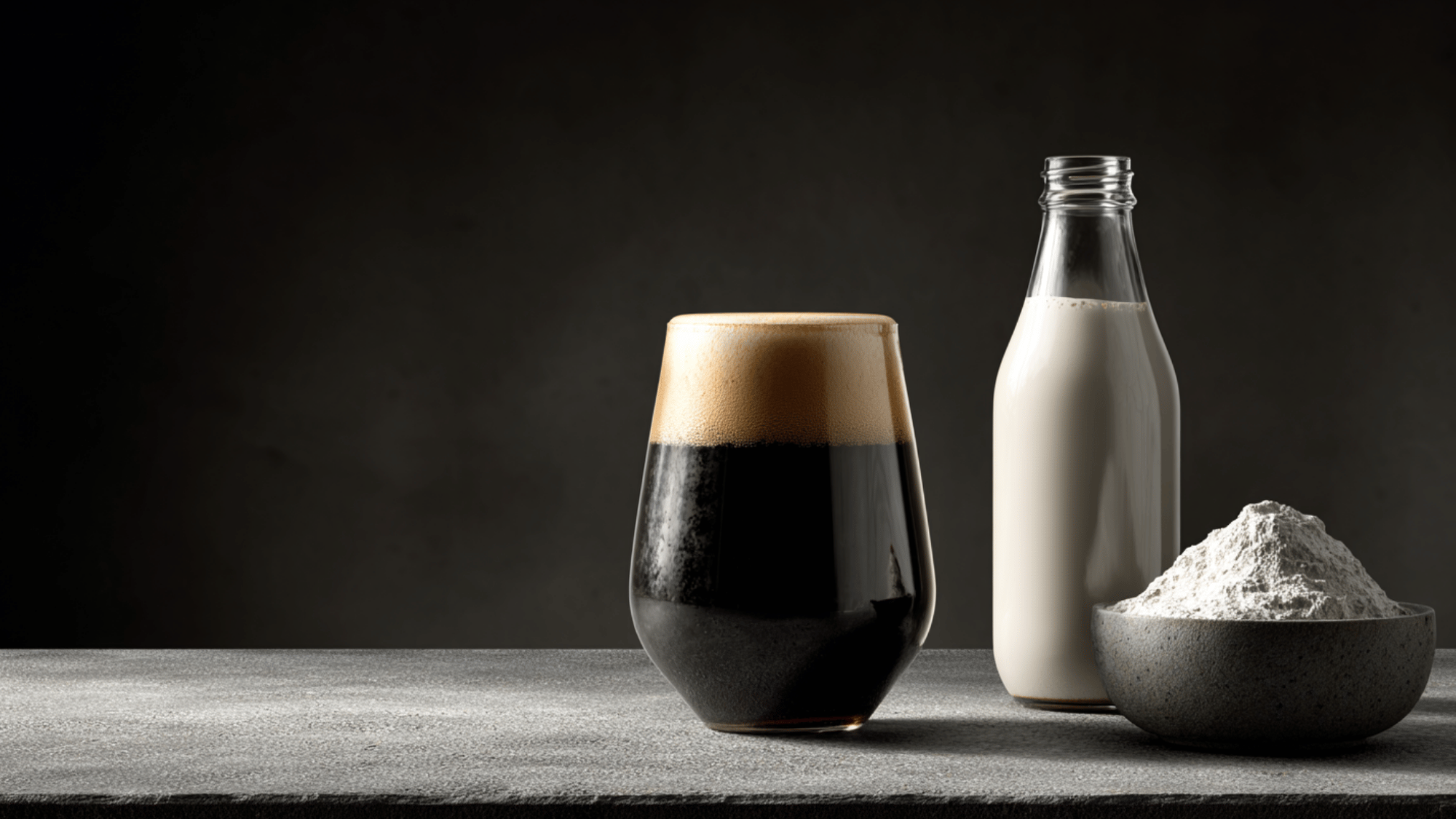
These styles often include lactose, a sugar derived from milk, added to the brew to contribute body and sweetness.
Unlike fining agents, lactose stays in the finished beer as an actual ingredient. Beers labeled “milk stout,” “sweet stout,” or “pastry stout” are likely to contain dairy.
Checking the ingredients or allergen information is the most reliable way to confirm, as lactose must be declared as an allergen in many markets.
Honey Beers and Meads
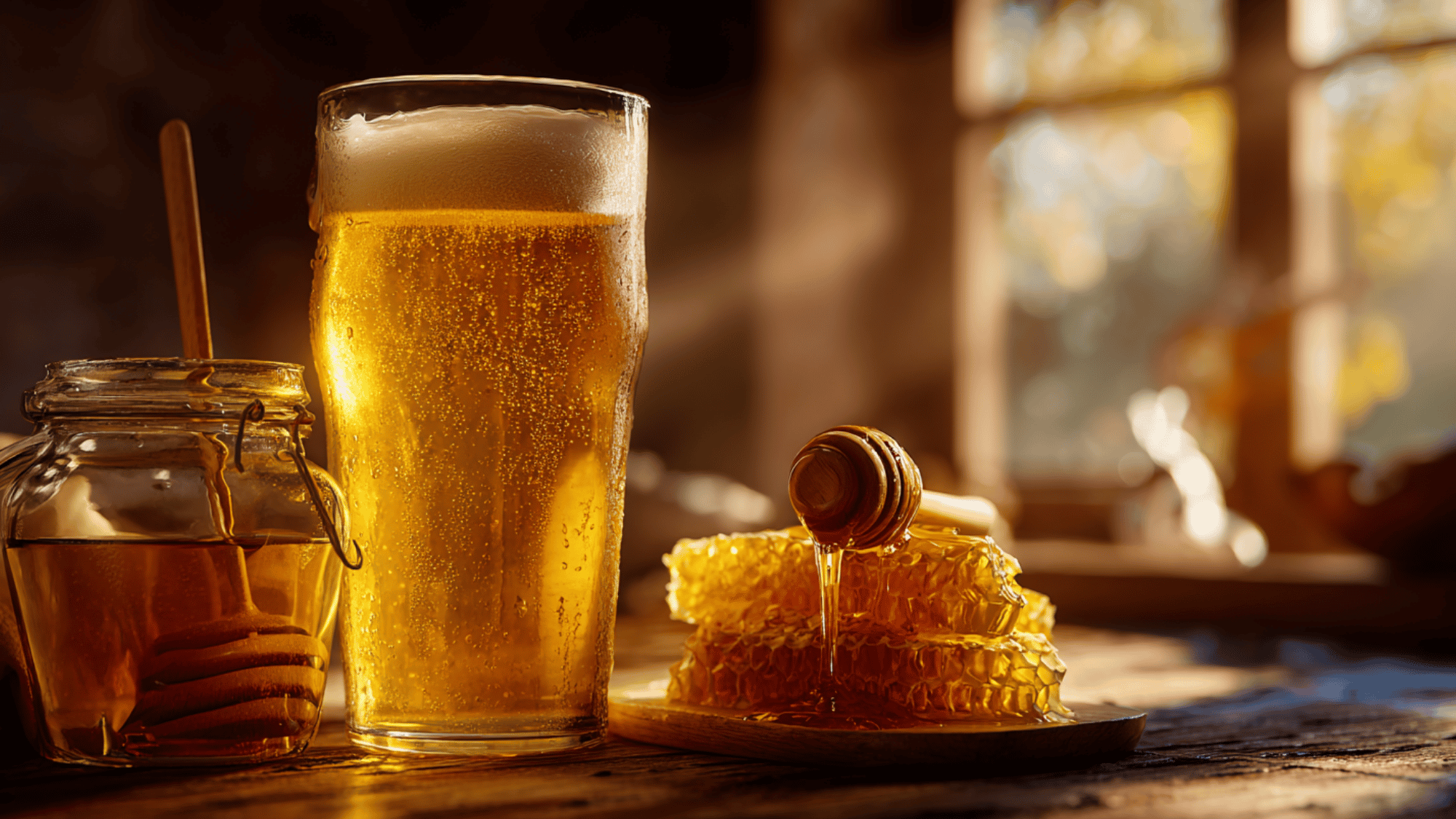
Honey is an animal product, which makes it off-limits for vegans. Beers with “honey” in the name, as well as mead, which is produced by fermenting honey, are not suitable for vegans.
The honey is an intentional flavoring addition, not a processing aid, so it will typically appear in the name or ingredients list.
Some wheat beers and seasonal ales also include small amounts of honey that are not always obvious from the label, so it is worth checking first.
Oyster Stouts
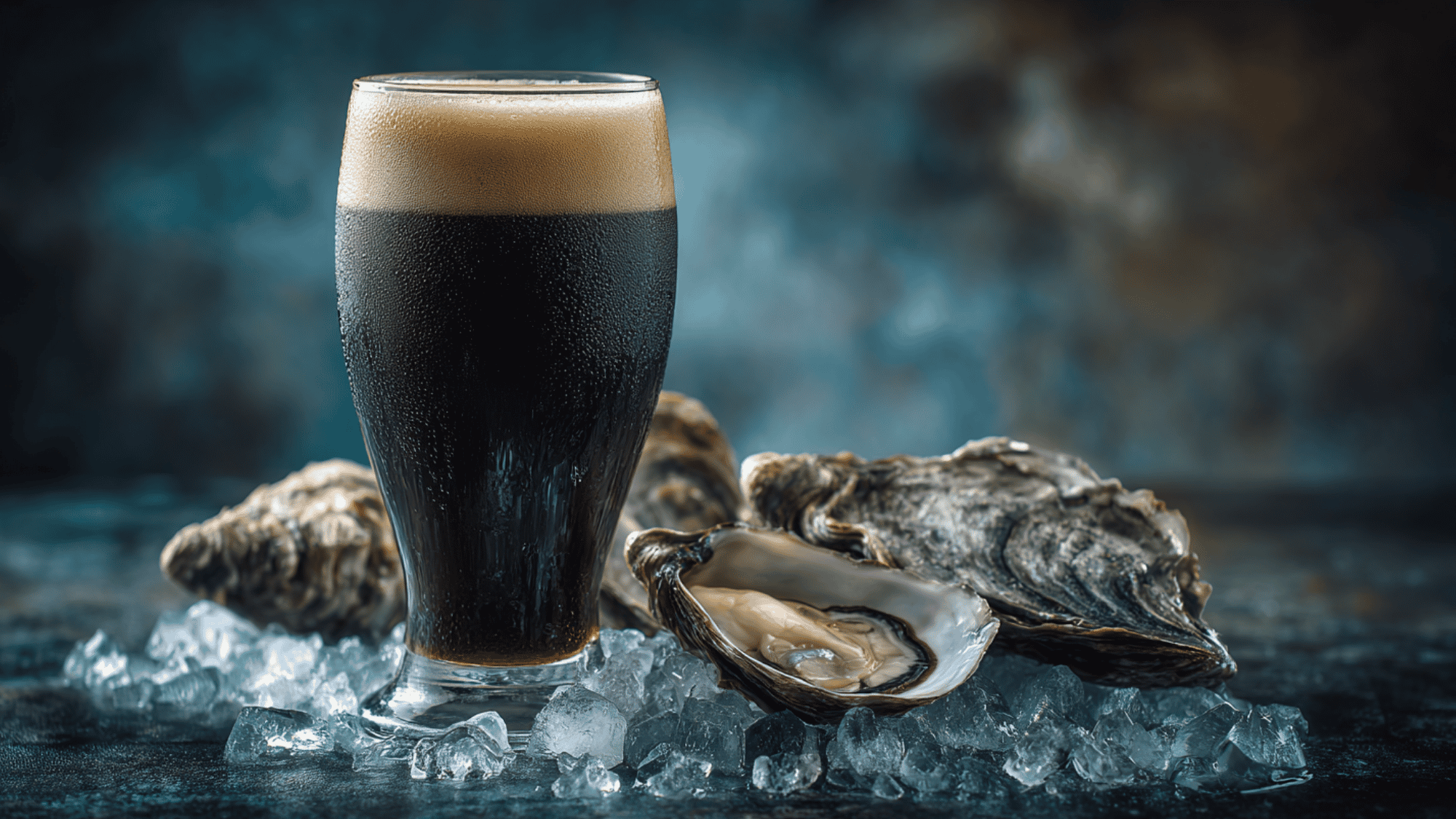
Some breweries add whole oysters or oyster extract directly to the brew kettle for added mineral flavor. This is a niche style, but it is real.
The name almost always signals the presence of oysters, making it one of the easier non-vegan beers to spot.
That said, not every oyster stout is made the same way, and a small number of breweries use the name without actually adding oysters, so checking with the brewery is the safest approach.
Best Choice If You’re Unsure
If you cannot confirm a beer’s vegan status, choose one of the following:
- A mainstream lager with confirmed vegan credentials
- A brewery that publicly states its beers are vegan
- An unfiltered or hazy craft beer
- A beer carrying official vegan certification
These options dramatically reduce the risk of accidentally consuming animal-derived ingredients or processing aids.
How to Check If a Beer Is Vegan
Unlike food products, beer labels often do not disclose processing aids, meaning animal-derived fining agents such as isinglass (fish bladder), gelatin, egg whites, or casein may never appear on the packaging.
Start by checking the ingredients list for obvious non-vegan ingredients, including lactose, milk sugar, whey, honey, cream, or oyster extract. If any of these are present, the beer is not vegan.
For products without clear labeling, Barnivore is one of the most reliable resources, with thousands of beers verified directly with manufacturers.
You can also check the brewery’s website or contact them directly to ask about fining agents and ingredients.
Wrapping Up
Choosing vegan-friendly beer often comes down to knowing what questions to ask rather than relying on the label alone.
Brewing traditions, regional practices, and specialty recipes can all influence whether a beer aligns with a plant-based lifestyle.
When trying new beer styles or sticking to familiar favorites, a little research can go a long way.
By staying informed and checking products when needed, you can enjoy a wider range of beers with confidence while ensuring your choices reflect your dietary preferences and values.
Frequently Asked Questions
Is Mead Vegan?
Mead is fermented honey, which is an animal product, so traditional meads are not vegan. Some producers use agave nectar or plant-based sweeteners as substitutes, though these differ from traditional mead.
Do Organic Beers Have to Be Vegan?
No. Organic certification covers how ingredients are grown, not how the beer is processed. An organic beer can still use isinglass or gelatin during filtration and remain fully certified organic.
Does Vegan Beer Taste Different from Regular Beer?
No. Plant-based fining alternatives produce the same clarity and finish as animal-derived ones. Since fining agents are removed before the beer reaches you, they do not affect flavor or strength.