

Most people stare at a wine list and guess.
The names look complicated, the regions mean nothing, and the price tells you almost nothing about what is inside the bottle.
Once you understand the core wine varieties, choosing wine becomes straightforward. You stop picking based on label design and start picking based on what you actually like.
Read on to learn the most common wine varieties, their flavor profiles, food pairings, and exactly what to look for next time you are in a wine shop or scrolling a restaurant menu.
What are Wine Varieties?
A wine variety refers to the specific type of grape used to make a wine. Every grape carries its own natural sugar levels, acidity, tannins, and aroma compounds, all of which shape what ends up in your glass.
When a bottle is labeled “Cabernet Sauvignon” or “Chardonnay,” it is named after the grape inside. That is called a varietal wine.
In France and Italy, wines are often labeled by region instead, for example, “Burgundy” or “Chianti,” but a dominant grape still drives the flavor.
A Chardonnay from California tends to be buttery and weighty. The very same grape grown in Chablis, France, comes out lean and mineral. Location changes everything. That is how grapes work.
Red Wine
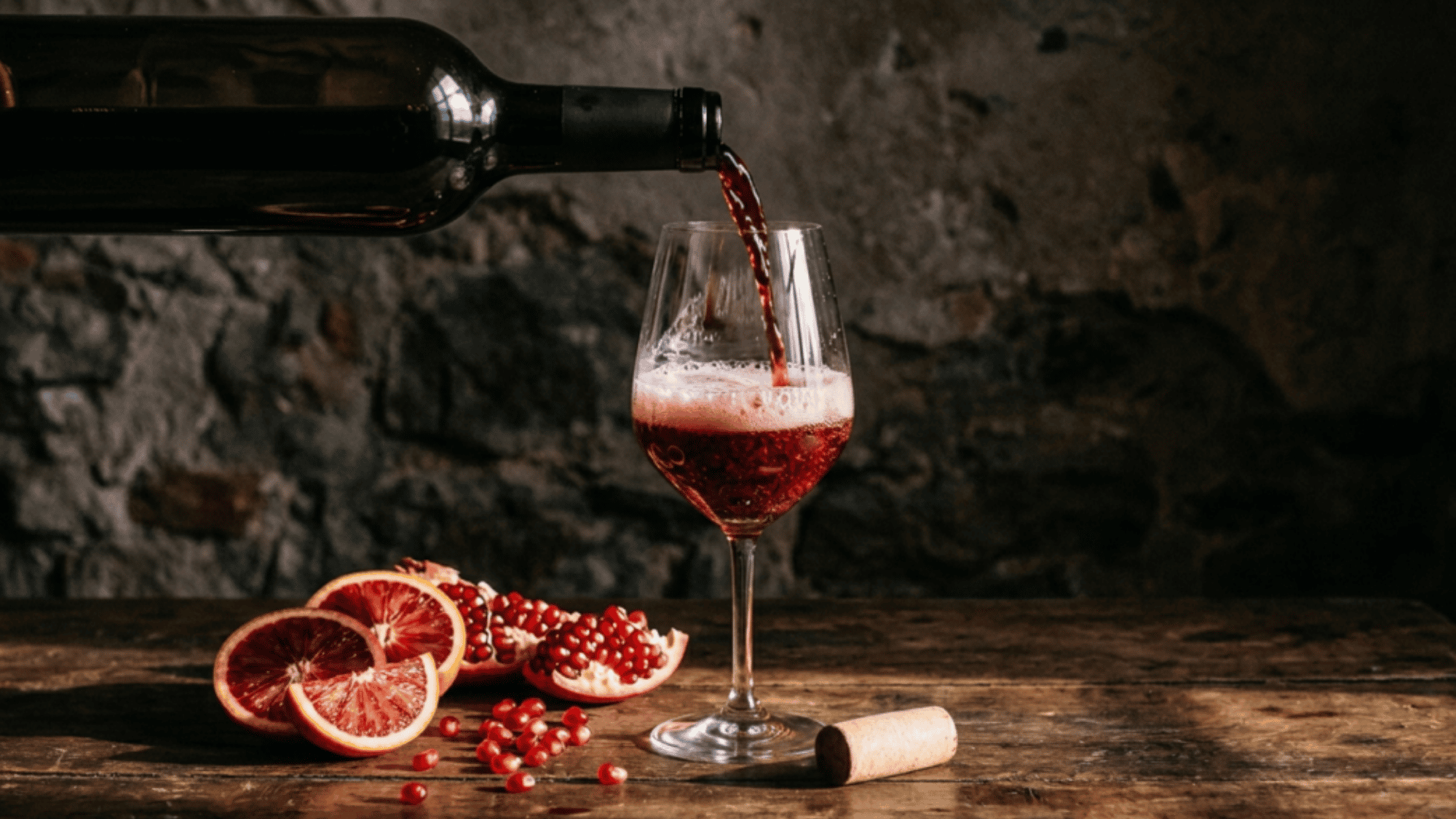
Bold flavors, firm tannins, and deep color. These are the most common red wine varieties a beginner will come across.
1. Cabernet Sauvignon
Cabernet Sauvignon is the most planted red grape in the world. It is full-bodied and structured, with firm tannins and a flavor profile built around blackcurrant, black cherry, cedar, and tobacco that develops beautifully with age.
It thrives in warm climates like Napa Valley and Bordeaux, where long growing seasons concentrate its flavors to their fullest potential.
If you want a bold, rewarding, and long-lasting red wine, Cabernet Sauvignon is where to begin.
2. Pinot Noir
Pinot Noir is light, silky, and high in acidity, producing some of the most elegant and nuanced red wines in the world.
It delivers bright red cherry, fresh raspberry, and earthy forest floor character that evolves beautifully in the glass over time.
Few reds work as well at the dinner table, pairing naturally with duck, salmon, and mushroom dishes. Burgundy in France and Oregon’s Willamette Valley firmly set the benchmark for excellence.
3. Merlot
Merlot is softer and rounder than Cabernet Sauvignon, making it one of the most approachable red grapes in the world.
It carries rich plum, black cherry, and chocolate character with moderate tannins and a smooth, velvety finish that lingers pleasantly.
Anyone new to red wine will find Merlot immediately approachable because it rarely feels harsh or astringent. Bordeaux’s Right Bank and Washington State both produce consistently excellent examples worth exploring.
4. Syrah / Shiraz
This grape goes by Syrah in France and Shiraz in Australia, and the two expressions could hardly feel more different.
French Syrah from the Rhône Valley leans savory, peppery, and earthy, with an elegance that rewards patience. Australian Shiraz runs richer, jammier, and more fruit-driven, delivering immediate pleasure in every glass.
Both are weighty, with medium-high tannins, and pair beautifully with grilled meats, smoky BBQ, and hearty stews.
5. Sangiovese
Sangiovese is the backbone of Chianti and Brunello di Montalcino, two of Tuscany’s most celebrated wines.
High acidity and firm tannins give it a distinctive tart cherry, tomato leaf, and dried herb character that sets it apart from richer, fuller reds.
It is built for food, especially Italian cuisine, because its natural tartness cuts cleanly through rich sauces, braised meats, and aged cheeses with effortless precision and balance.
6. Zinfandel
Zinfandel is California’s signature red grape, producing some of the most distinctly American wines on the market.
It delivers ripe, jammy wines loaded with blackberry, fig, dried fruit, and baking spice that feel bold and generous from the very first sip.
Alcohol runs high, and the body is full and warming. Old vine Zinfandel from Lodi or Dry Creek Valley concentrates those flavors even further and is absolutely worth seeking out
White Wine
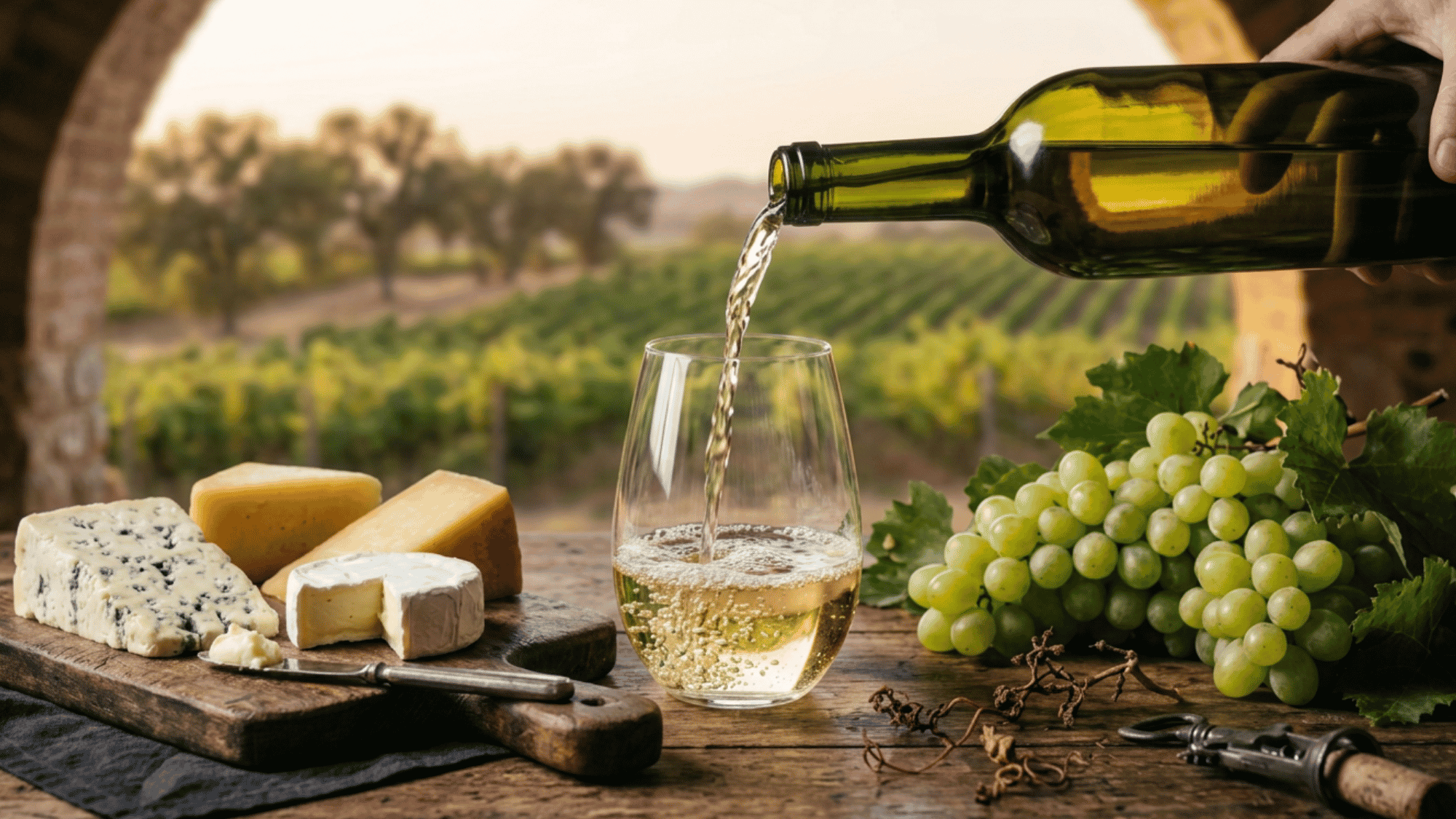
White grapes cover everything from bone-dry and mineral to lush and buttery. These are the most common types of white wine worth knowing from the start.
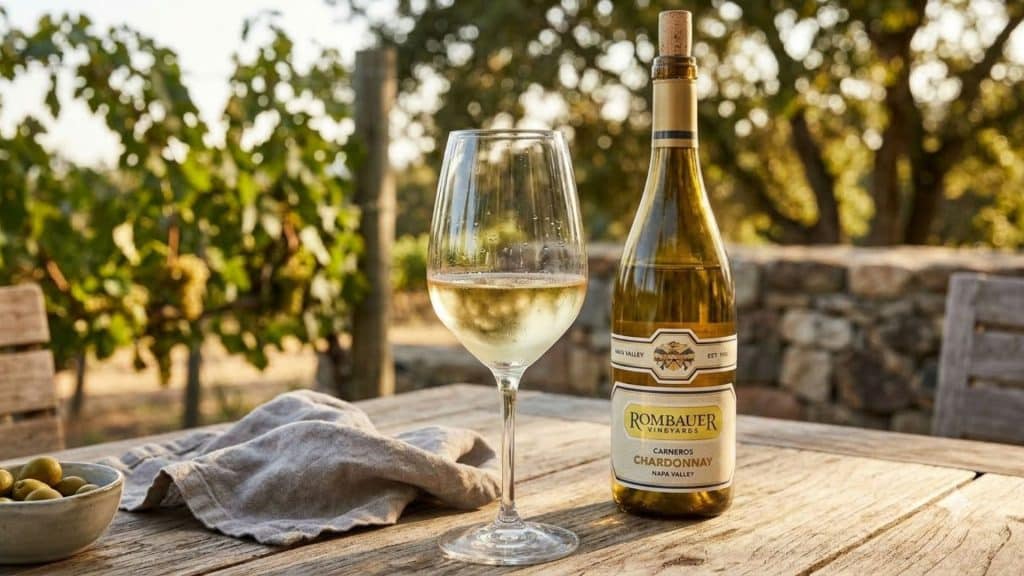
7. Chardonnay
Chardonnay is the most widely planted white grape in the world. Unoaked versions are bright, clean, and citrus-driven with crisp apple and fresh lemon notes.
Oaked versions develop rich vanilla, butter, and toast character through time spent in a barrel. If heavy oak has put you off in the past, try a Chablis or any bottle clearly labeled unoaked.
It is a completely different and rewarding experience, made from the same grape.
8. Sauvignon Blanc
Sauvignon Blanc is zippy, high in acidity, and intensely aromatic. Grapefruit, fresh-cut grass, gooseberry, and passionfruit lead the way, creating a wine that feels alive and energetic in the glass.
New Zealand’s Marlborough region made this bold style famous worldwide, drawing attention to the variety like never before.
It is an excellent aperitif and a natural match for seafood, light salads, and fresh cheeses of all kinds.
9. Riesling
Riesling is among the most wide-ranging whites you will find. It spans every sweetness level from bone-dry to lusciously sweet, all backed by very high natural acidity that allows it to age gracefully for decades.
Germany and Alsace in France are the heartland regions, producing some of the finest examples in the world.
Off-dry Riesling is outstanding with spicy food, cutting through heat while beautifully complementing bold, complex flavors.
10. Pinot Grigio / Pinot Gris
Two names, two personalities. Italian Pinot Grigio is light, refreshing, and easy-drinking with bright pear, crisp lemon, and subtle almond character that makes it a natural choice for warm afternoons.
Alsatian Pinot Gris is richer, weightier, and sometimes gently sweet, often pairing beautifully with richer dishes.
Oregon sits comfortably between both expressions, offering balance and complexity. It is one of the most reliable everyday whites on any shelf.
11. Gewurztraminer
Gewurztraminer is unmistakably aromatic and impossible to confuse with any other white wine.
Lychee, rose petal, ginger, and exotic spice dominate the glass the moment the bottle opens, filling the room with an intense, captivating fragrance.
Alsace in France is its spiritual home, producing the most complete and complex expressions of the grape.
It handles Thai and Vietnamese cuisine better than almost any other white wine because its floral sweetness balances the heat without disappearing.
Sparkling Wine
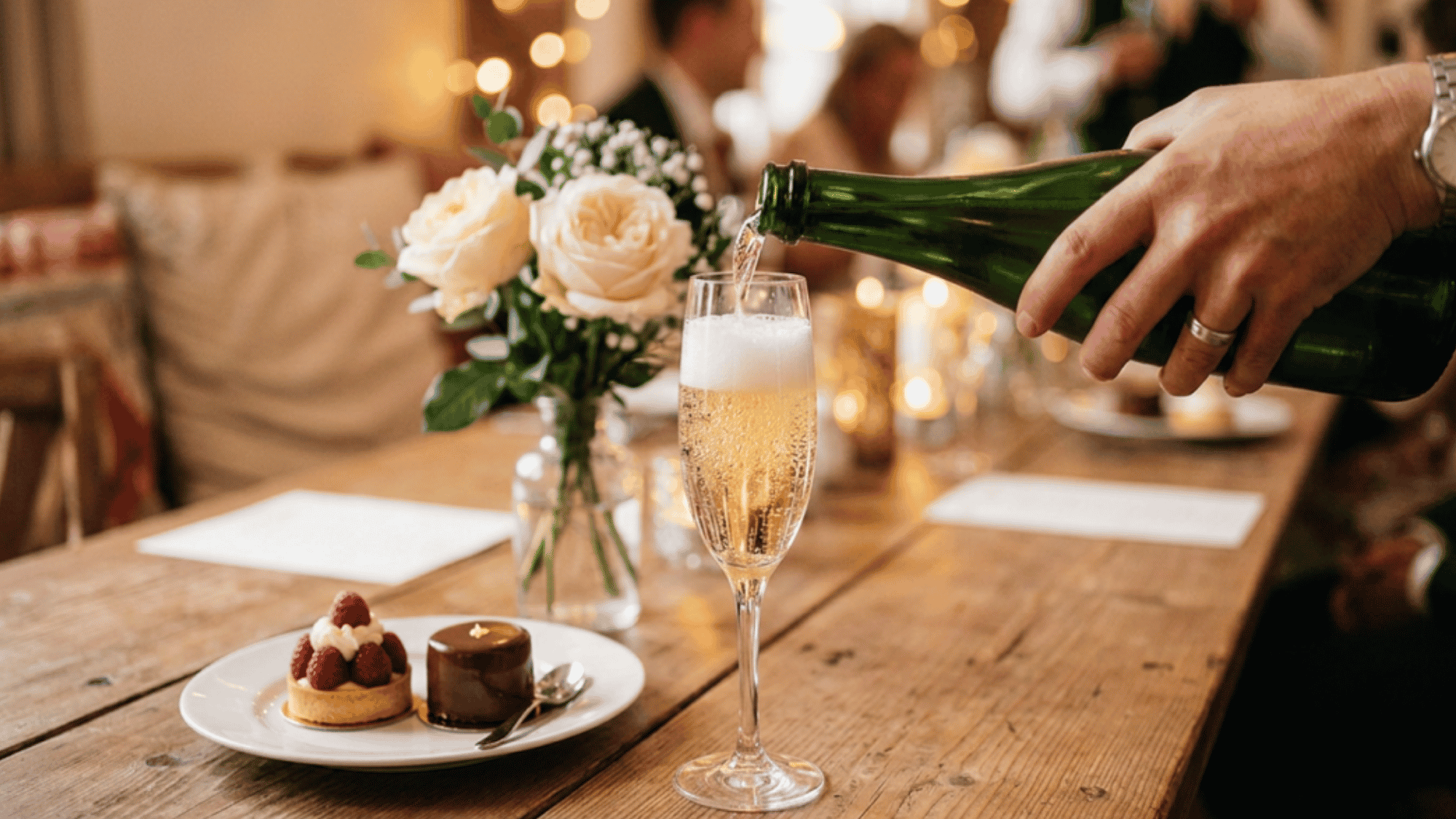
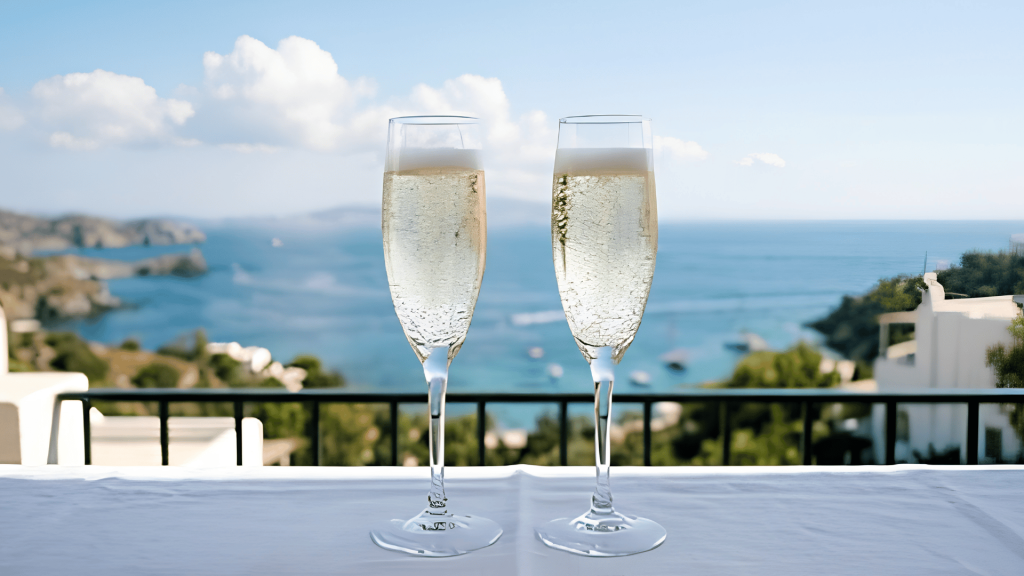
Sparkling wines get their bubbles through several distinct production methods, and each one shapes the final character of the wine.
12. Champagne
Produced exclusively in northeast France from Chardonnay, Pinot Noir, and Pinot Meunier, Champagne undergoes secondary fermentation inside each bottle.
The result is fine, persistent bubbles with flavors of toasted brioche, green apple, lemon curd, and cream.
No other sparkling wine matches it for depth and precision. A great vintage bottle rewards decades of cellaring and remains the definitive benchmark for everything that follows.
13. Prosecco
Made in Italy’s Veneto region from the Glera grape, Prosecco uses the Charmat method, fermenting in large tanks rather than individual bottles.
The result is light and fruity, with soft bubbles and flavors of white peach, pear, and fresh florals.
Approachable and affordable, it is the natural starting point for anyone new to sparkling wine and the backbone of the classic Aperol Spritz.
14. Cava
Spain’s traditional sparkling wine, made primarily in Catalonia from Macabeo, Xarel·lo, and Parellada using the same bottle-fermentation method as Champagne.
Cava offers earthy, nutty complexity alongside fresh citrus and apple, with a crisp, clean finish.
It delivers genuine bottle-fermented quality at a fraction of the cost. Look for Reserva or Gran Reserva labels for extra depth and development.
15. Crémant
France’s category of bottle-fermented sparkling wines made outside Champagne spans Alsace, the Loire, and Burgundy, among others.
Each region brings its own character: Alsace leans floral, Loire brings crisp Chenin Blanc, and Burgundy gets closest to Champagne’s richness.
For anyone wanting bottle-fermented complexity without the premium price, Crémant is consistently one of the most rewarding categories to explore.
16. Pétillant Naturel (Pét-Nat)
The oldest sparkling wine method, bottled before fermentation completes, so natural sugars create carbonation without added dosage or secondary fermentation.
Slightly hazy, with wild yeast character, funky fruit, and gentle fizz, it feels entirely different from the precision of Champagne or Cava.
A cornerstone of the natural wine world, it pairs well with casual food and feels genuinely handmade in every bottle.
Rosé Wine
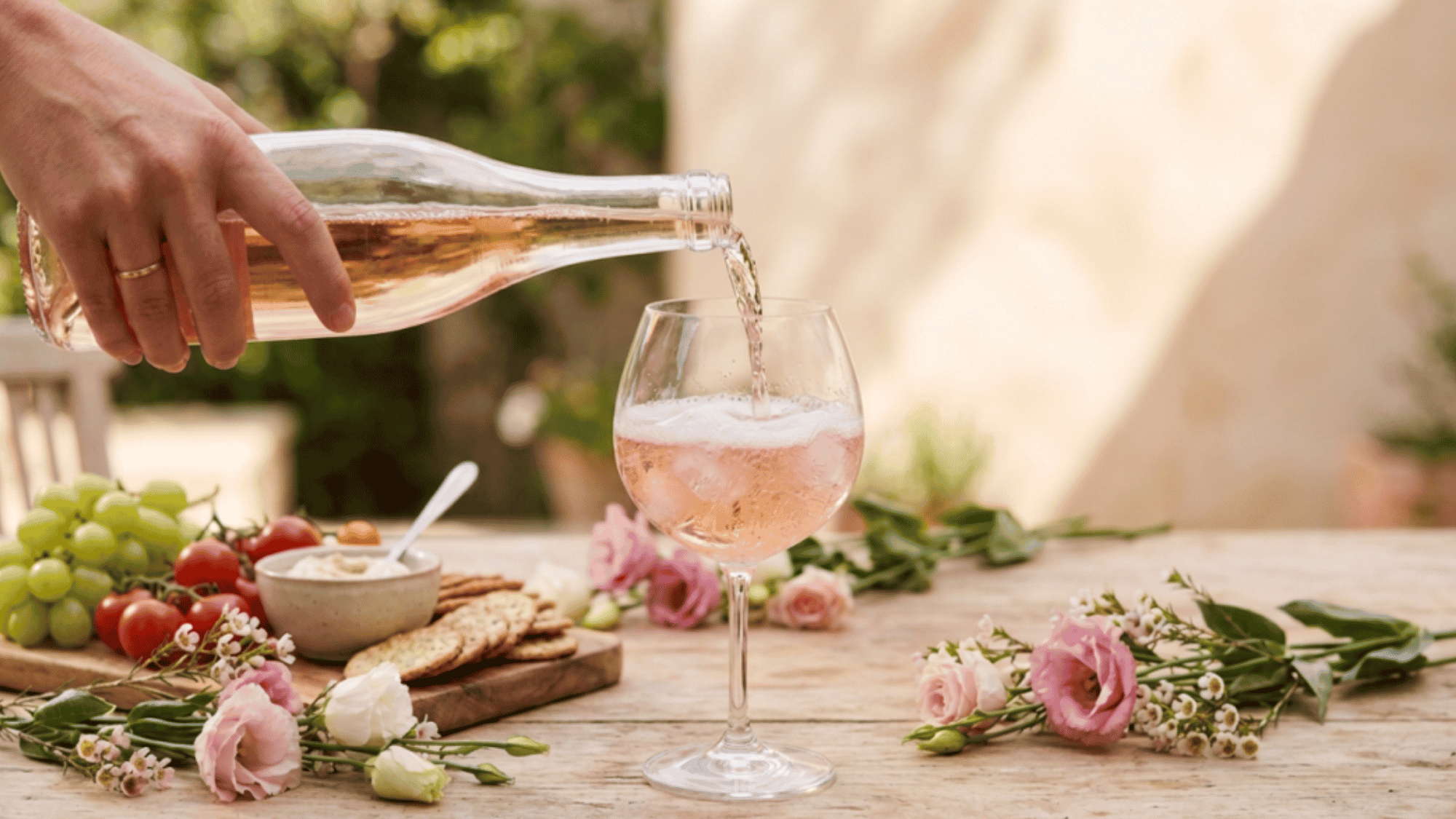
Rosé is not a grape but a winemaking style, made by limiting the time red grape skins remain in contact with the juice after pressing.
17. Provence Rosé
The global benchmark for dry rosé, made from Grenache, Cinsault, and Mourvèdre along France’s Mediterranean coastline.
Pale blush in color, it delivers subtle strawberry, peach, and citrus with a saline minerality and a clean, refreshing finish.
If you only know rosé from sweet pink blends, a well-made Provence rosé will completely reframe what the category is capable of. Seek out Bandol and Côtes de Provence.
18. Grenache Rosé
One of the most widely planted rosé grapes in the world, producing styles that range from pale Provençal expressions to bolder, fruit-forward wines from Spain and Australia.
Ripe strawberry, watermelon, and gentle spice come with a soft, round texture and enough body to hold up alongside grilled fish or charcuterie.
Reliably crowd-pleasing and widely available, it is an easy entry point into dry rosé.
19. Pinot Noir Rosé
Pinot Noir’s naturally high acidity and delicate red fruit character translate into a pale, precise rosé with real freshness.
Expect salmon color, flavors of fresh raspberry, cherry blossom, and citrus zest, with a lean, bone-dry finish approaching the complexity of a light red.
Burgundy and Champagne produce standout still rosés, as do Oregon and New Zealand for single-variety expressions worth seeking out.
20. Tavel
France’s only appellation dedicated exclusively to rosé, produced in the southern Rhône Valley from Grenache and Cinsault.
Fuller, richer, and deeper in color than most pink wines, Tavel carries bold strawberry, cherry, dried herbs, and warming spice.
It is built for food rather than poolside sipping, standing up comfortably to lamb, duck confit, and hearty Mediterranean dishes that would overpower a lighter rosé.
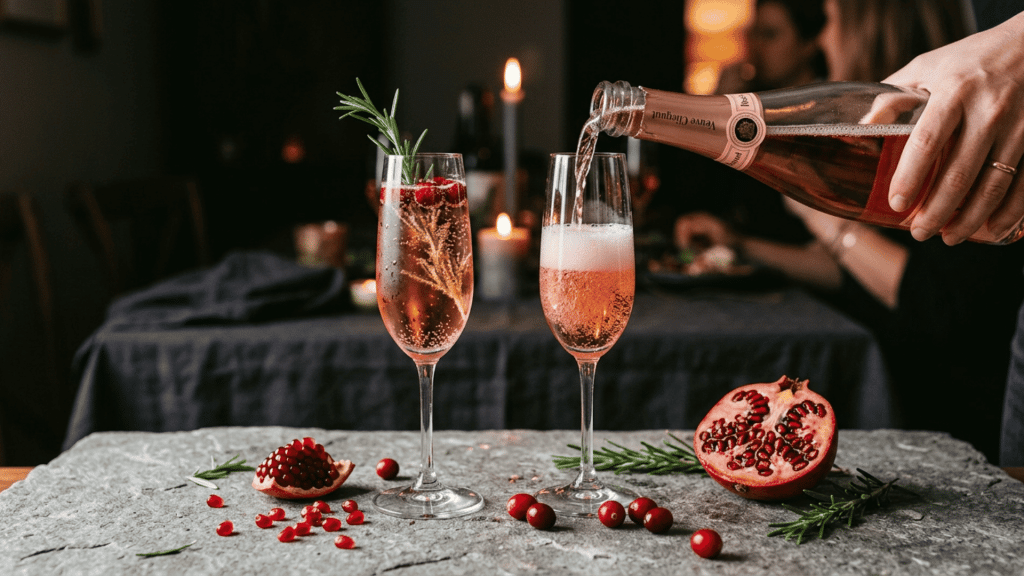
21. Rosé Champagne
Rosé Champagne combines everything that makes non-vintage Champagne great with an additional layer of strawberry, cherry, and raspberry from Pinot
Noir skin contact or blending. Richer and more layered than blanc de blancs, it is arguably more versatile at the dinner table.
It commands a premium, but few wines deliver as much sheer pleasure in a single glass.
Dessert Wine
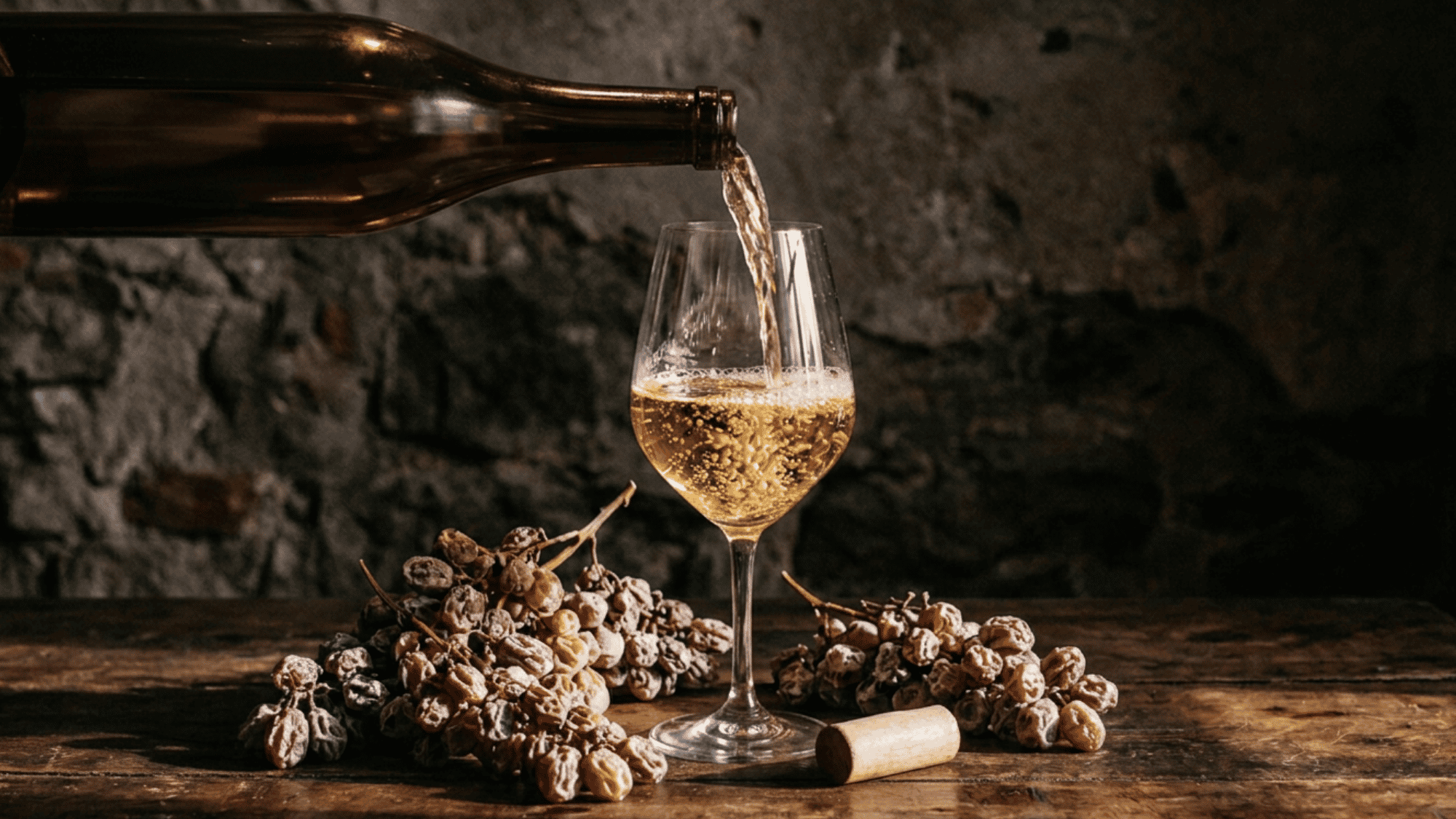
Dessert wines achieve their sweetness through several methods, including late harvesting, noble rot, drying grapes on mats, or halting fermentation with spirits.
22. Sauternes
Produced in Bordeaux from Sémillon, Sauvignon Blanc, and Muscadelle grapes affected by Botrytis cinerea, a beneficial mold that concentrates sugars and flavors to extraordinary levels.
The result is opulent honey, apricot, peach, and marmalade with rich texture balanced by bright acidity. Excellent bottles exist well below the Château d’Yquem price point.
A small pour alongside foie gras or Roquefort is one of wine’s truly great pairings.
23. Riesling Spätlese / Auslese
Germany’s Prädikat classification system ranks Riesling by harvest concentration, with Spätlese and Auslese representing increasingly rich levels of natural sweetness.
These wines balance residual sugar with piercing acidity, delivering white peach, apricot, lime blossom, and petrol character that evolves impressively over decades.
The Mosel and Rheingau are the definitive regions. Lower in alcohol than most dessert wines, they pair beautifully with spicy food and smoked fish.
24. Port
Portugal’s great fortified wine from the Douro Valley, made primarily from Touriga Nacional, with fermentation stopped by grape spirit, resulting in substantial sweetness at around 20% alcohol.
Tawny Port develops dried fig, walnut, and caramel from oak aging, while Vintage Port builds dark fruit and leather over decades in the bottle.
A 10- or 20-year Tawny is the most reliable and rewarding entry point into the category.
25. Icewine / Eiswein
Made from grapes that freeze naturally on the vine, concentrating sugars and acids before pressing.
Canada and Germany lead production, working with Vidal, Riesling, and Cabernet Franc. The wine is intensely sweet and thick, with mango, lychee, honey, and tropical fruit cut by vibrant acidity.
Bottles are small and expensive, reflecting the perfect conditions and significant risk required to produce even a single vintage.
26. Moscato d’Asti
A light, low-alcohol dessert wine from Piedmont, made from Muscat Blanc à Petits Grains using partial fermentation that preserves natural sweetness.
Intensely aromatic, with peach, apricot, orange blossom, and honey supported by barely perceptible fizz and a featherlight texture.
At around 5-6% alcohol, it is one of the most approachable sweet wines made anywhere and pairs beautifully with fresh fruit and light pastries.
27. Vin Santo
Tuscany’s traditional dessert wine is made by drying Trebbiano and Malvasia grapes on straw mats for months, then pressing and aging the concentrated must in small, sealed barrels called caratelli for several years.
The result is amber-colored, with dried apricot, walnut, honey, and vanilla in a silky texture ranging from medium-sweet to fully luscious.
Traditionally served alongside cantucci almond biscuits for dipping, it is one of Italy’s great end-of-meal pleasures.
How Grape Varieties Shape Wine
Wine begins with the grape, and each variety brings its own character to the bottle.
Differences in sugar, acidity, tannins, and skin thickness affect the color, aroma, flavor, and texture of the finished wine.
Cabernet Sauvignon often produces full-bodied wines with dark fruit notes and firm tannins, while Pinot Noir is lighter with red berry flavors.
Chardonnay can range from fresh and crisp to rich and creamy, depending on production methods.
Sauvignon Blanc is known for bright citrus and herbal notes. Climate, soil, and harvest timing also influence the final result, giving the same grape different qualities in different regions.
Learning about grape varieties makes it easier to choose wines that suit your taste and pair well with food.
Food Pairing Basics for Wine Beginners
Pairing wine with food comes down to three reliable principles any beginner can apply straight away.
| Wine Variety | Best Pairings |
|---|---|
| Cabernet Sauvignon | Ribeye steak, lamb, aged cheese |
| Pinot Noir | Duck, salmon, and mushroom dishes |
| Chardonnay (oaked) | Lobster, roast chicken, creamy pasta |
| Sauvignon Blanc | Goat cheese, oysters, herby dishes |
| Riesling (off-dry) | Thai food, pork, and spiced dishes |
| Sangiovese | Pizza, pasta with tomato sauce |
Tips for Choosing the Right Bottle
Finding the right bottle is easier when you know what to look for:
- Start with a grape you already enjoy. If you like Merlot, try wines with similar plush, fruity character, such as Malbec, Carménère, or Grenache.
- Aim to spend $18 to $45 for the best balance of quality and value. Wines under $15 can be hit-or-miss, while wines above $60 often cost more due to brand and prestige.
- Learn a few key regions and the flavors they usually deliver. For example, Napa Valley is often bold and oak-driven, Burgundy is more earthy and elegant, and Marlborough is known for crisp, high-acid Sauvignon Blanc.
- Try underrated regions for strong value. Spanish Garnacha, South African Chenin Blanc, and Greek Assyrtiko often offer excellent quality for the price.
- Keep a simple tasting log. Write down the wine name, your rating out of 5, and one short note. After 15 to 20 bottles, your preferences will become much clearer.
Final Thoughts
Learning the varieties of wine does not happen overnight. It builds one bottle at a time, one meal at a time, and one honest preference at a time.
Start small. Pick one red and one white from this post. Open them with food, pay attention to what you enjoy, and note it down. That single habit moves you further than hours of reading ever will.
The more you drink with curiosity, the faster your palate develops. Labels that once felt confusing start making sense.
Regions become familiar. Choosing a bottle becomes instinct rather than guesswork. You now have everything you need to begin.
Frequently Asked Questions
Does the Vintage Year on A Bottle Actually Matter?
Vintage refers to the year the grapes were harvested, and the weather that year directly affects flavor. A poor growing season produces thinner, less concentrated wine even from a reliable grape and region.
What Does Tannin Actually Feel Like in A Glass?
Tannins create a dry, slightly grippy sensation on your gums, similar to strong black tea. High-tannin reds like Cabernet feel more structured, while low-tannin options like Gamay feel much softer.
Is There a Difference Between Drinking Young versus Aged Wine?
Young wines are fruitier and more vibrant, while aged wines develop earthy, complex secondary characters. Not every bottle benefits from aging; most everyday whites and light reds are best drunk within two years.
How Should Wine Be Stored at Home?
Keep bottles on their sides in a cool, dark space, away from direct sunlight and temperature fluctuations. A consistent temperature between 12 and 15 degrees Celsius protects both flavor and longevity.