

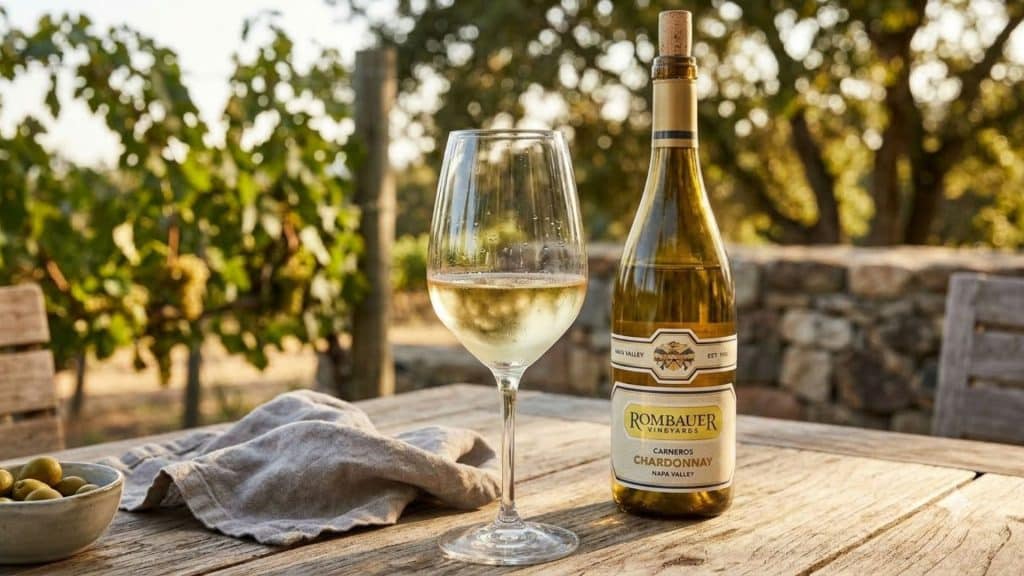
An opened bottle of white wine does not always get finished in one sitting. When some is left for another day, keeping its fresh becomes an important consideration.
Air exposure, storage, and temperature can gradually affect the wine after the bottle is opened.
Some changes may be easy to notice, while others develop over several days. Knowing how long white wine lasts after opening can make it easier to decide when a bottle is still worth serving.
Read on for practical information that can help keep every opened bottle tasting its best.
How Long Does White Wine Last After Opening?
For most bottles, the answer to how long white wine lasts after opening is around 3 to 5 days in the refrigerator. Similar storage factors apply to red varieties as well.
The bottle should be closed with its original cork, screw cap, or a tight wine stopper.
Cold temperatures help slow the changes that begin when wine meets oxygen. Refrigeration does not stop those changes completely.
A bottle may therefore remain drinkable on day four while tasting less fresh than it did on the first night.
Aroma, fruit flavor, and crispness can slowly fade before the wine becomes unpleasant.
White Wine Shelf Life Depends on The Style
Different white wine styles stay fresh for different periods after opening because sweetness, acidity, carbonation, and storage conditions affect their quality.
| White Wine Type | Typical Time After Opening | Storage |
|---|---|---|
| Sauvignon Blanc | 3–5 days | Sealed in the refrigerator |
| Pinot Grigio | 3–5 days | Sealed in the refrigerator |
| Riesling | 3–5 days | Sealed in the refrigerator |
| Chardonnay | 3–5 days | Sealed in the refrigerator |
| Sweet white wine | About 5–7 days | Sealed in the refrigerator |
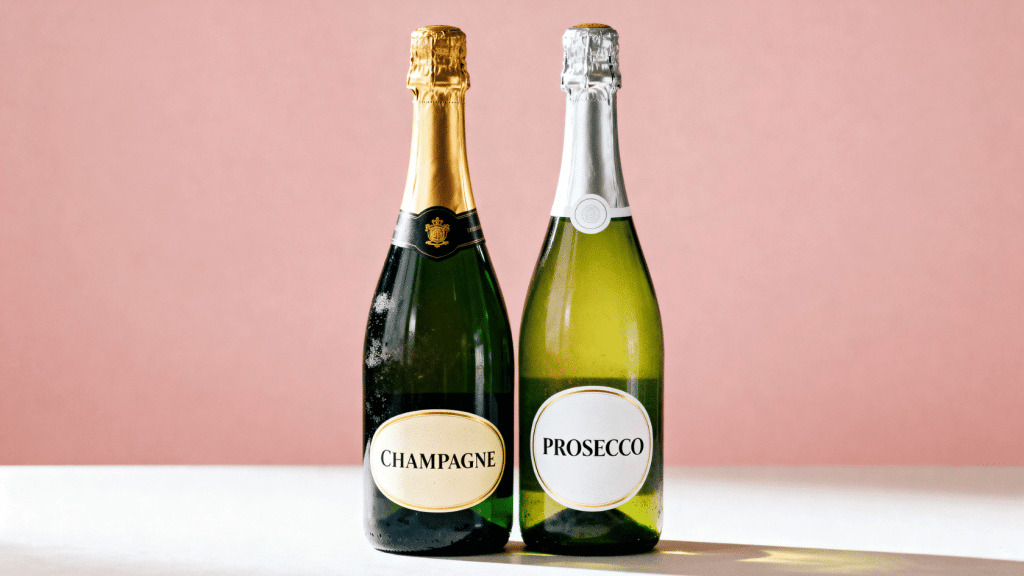
| Sparkling white wine | 1–3 days | Refrigerator with sparkling stopper |
How to Tell if Opened White Wine Has Gone Bad
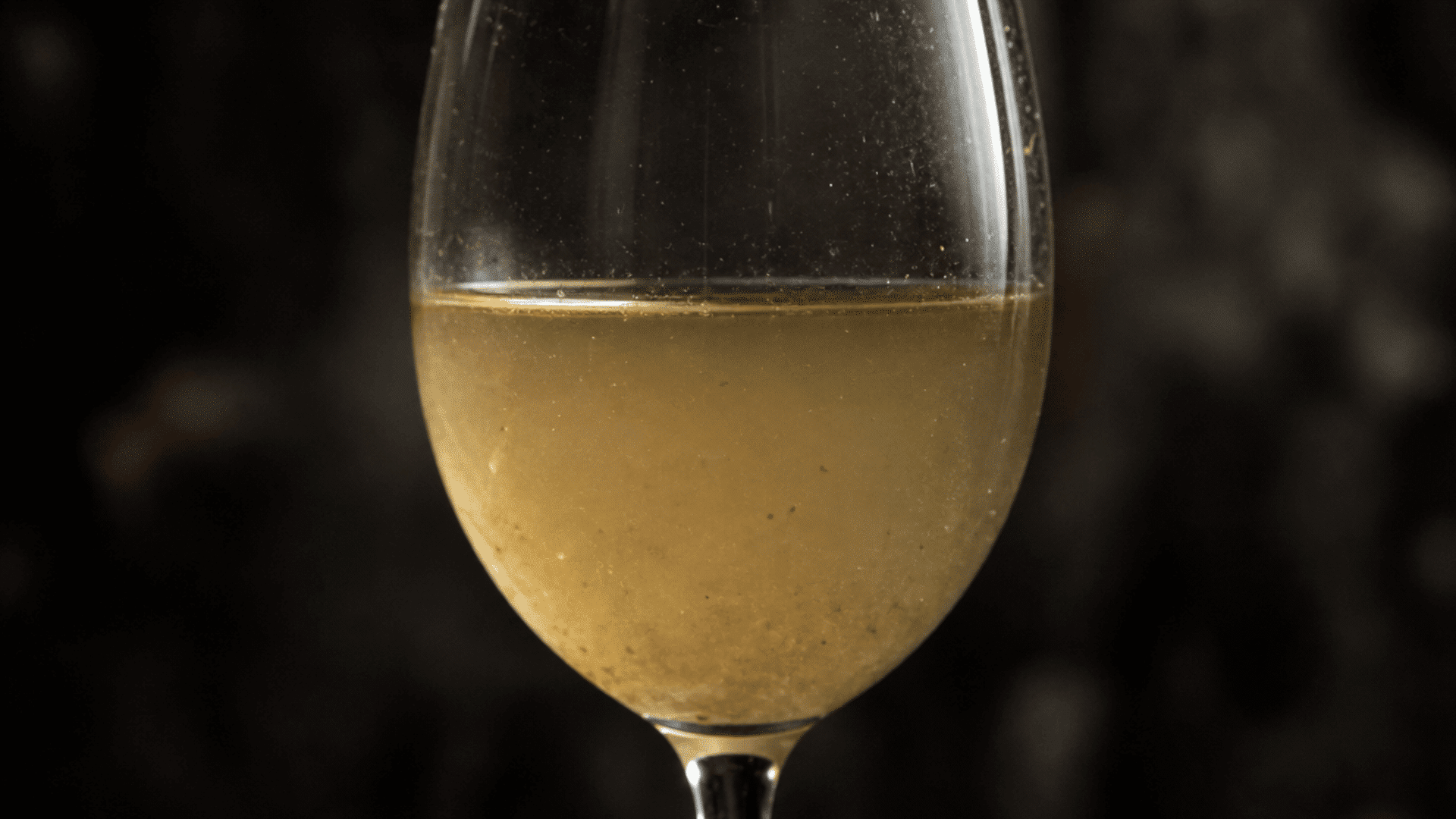
Check the wine’s appearance, smell, and taste instead of relying only on how long it has been open.
Check The Color
White wine may become darker as oxidation progresses. A pale wine that develops an unusually deep yellow, golden, or brown shade may be well past its best.
Color alone does not always prove that a wine has spoiled. Some white wines naturally have deeper shades.
A noticeable change from the wine’s original appearance matters more than the exact color.
Smell The Wine
For instance, the scent of new white wine can be fruity, floral, citrus, or herbal based on the type. The opened old bottle can have a different scent.
The strong smell of vinegar indicates that one should not drink the wine. Other indications might include the odor of the wine smelling bad.
Comparing the aroma to that of the opened bottle can help notice the change.
Take a Small Taste
If the appearance and smell seem normal, a small taste can help settle the question.
Wine that tastes flat, sharply sour, or unpleasant has probably moved beyond its useful drinking window. A wine can also be past its best without having a dramatic bad smell.
If its fresh flavors have disappeared, there is little reason to keep serving it simply because it falls within a general storage estimate.
Why Does Opened White Wine Lose Its Freshness?
Opening a bottle of white wine causes it to lose its freshness since it is exposed to oxygen. Once a bottle is opened, oxidation starts, causing alterations in the smell, taste and color of the wine.
The fruity and floral aroma may be lost, and the wine may taste flat. The effect is accelerated by heat exposure when the bottle is left open on the counter.
Refrigeration helps slow these changes. Resealing the bottle also limits further air exposure.
White wine left open and refrigerated will remain fresh in taste and aroma for a few days after the initial pour.
How to Make Opened White Wine Last Longer
Proper storage can slow flavor changes and help opened white wine stay fresh for several days.
-
Reseal The Bottle: Replace the cork, tighten the screw cap, or use a wine stopper soon after pouring.
-
Refrigerate Immediately:Keep opened white wine in a refrigerator maintained at 40°F (4.4°C) or below, as recommended by the USDA.
-
Reduce Air Exposure: Keep the bottle closed between servings to limit contact with oxygen.
-
Store It Upright: Storing the bottle upright reduces the surface area of wine exposed to air inside the bottle. If leftover wine is no longer ideal for drinking but still has good flavor, it can also be used in recipes.
-
Avoid Temperature Changes: Keep the bottle consistently cold rather than repeatedly moving it between warm and cold conditions.
Conclusion
Knowinghow long white wine lasts after opening can help prevent a good bottle from losing its best qualities.
Proper refrigeration and a tight seal give leftover wine a better chance of staying fresh. Still, time alone does not tell the full story.
Changes in color, aroma, or flavor can offer a clearer sign of whether the wine is still enjoyable.
A little extra attention after opening can certainly help make the remaining wine easier to enjoy over the next few days.
How long does white wine usually stay fresh at home? Share the experience in the comments.
Frequently Asked Questions
Can Opened White Wine be Used for Cooking?
Yes, leftover white wine can work well for cooking if its smell and flavor remain pleasant rather than noticeably spoiled overall.
Can Opened White Wine be Frozen?
Yes, white wine can be frozen for later cooking, although freezing may change its original flavor and texture after thawing slightly.
Does a Screw Cap Keep Opened White Wine Fresh Longer?
A screw cap can provide a tight seal, but refrigeration and limiting oxygen exposure remain important for maintaining freshness after opening.