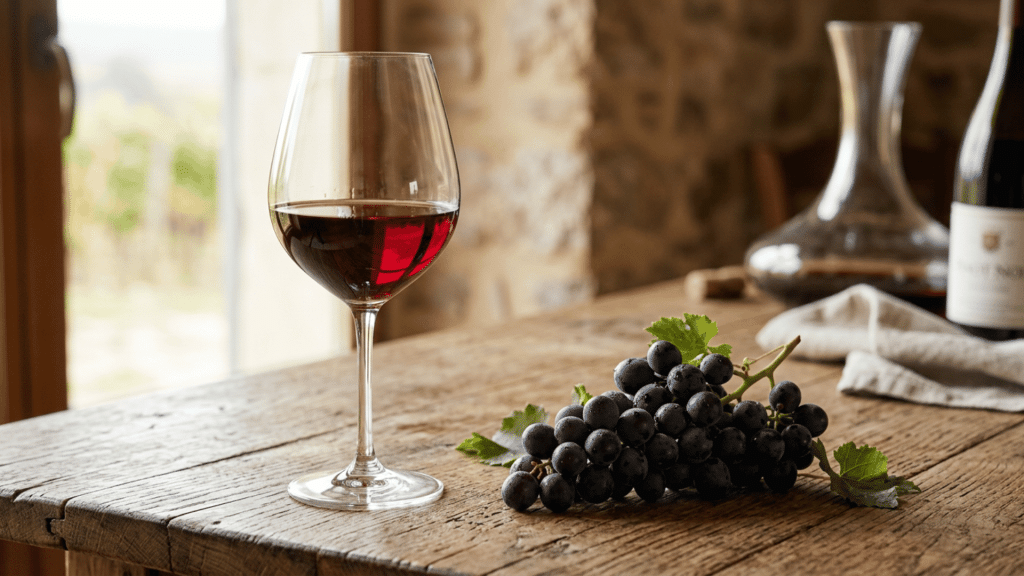


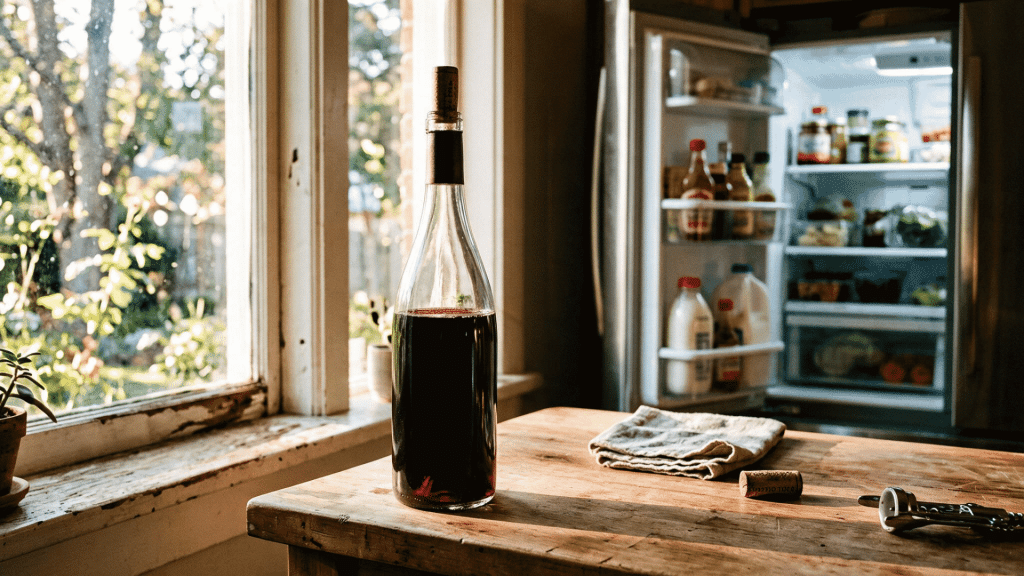
Ever opened a bottle of red wine, enjoyed a glass, and wondered whether the rest would still taste good a few days later? Once exposed to air, red wine slowly loses its fresh aromas and flavors, but it does not spoil immediately.
Most opened red wines remain drinkable for three to five days when properly sealed and stored in the refrigerator.
However, the exact time depends on the wine style, storage temperature and type of closure used.
This blog explains how long opened red wine lasts, what affects its freshness and how to identify signs that it has gone bad.
How Long Does Opened Red Wine Last?
Most opened red wine stays fresh for three to five days when tightly sealed and stored in the refrigerator. If left at room temperature, its flavor may begin to fade within one or two days, especially when the room is warm.
Light-bodied reds, such as Pinot Noir, usually remain fresh for two to three days because they contain fewer tannins. Medium-bodied varieties, including Merlot, may last three to five days.
Full-bodied reds, such as Cabernet Sauvignon and Syrah, can retain their flavor for four to six days due to their stronger tannin structure. Fortified red wines often last much longer.
When properly sealed and refrigerated, they may keep their quality for two to four weeks after the bottle has been opened.
What Affects Opened Red Wine Freshness?
Several factors affect how quickly opened red wine loses its freshness. Oxygen is the main cause because it gradually changes the wine’s aroma, color and flavor. The same storage principles apply across different wine styles.
Warm temperatures speed up this process, while refrigeration slows it down. Direct sunlight may also damage the wine and create unpleasant flavors.
The amount of wine remaining in the bottle also affects freshness. A nearly empty bottle contains more air, which increases oxygen contact.
Wines with higher tannin, acidity, or alcohol levels may retain their quality longer than lighter varieties.
How to Store Opened Red Wine
Proper storage reduces oxygen exposure and slows flavor loss. Seal the bottle soon after pouring, then refrigerate it to preserve its aroma, taste, and freshness for much longer.
Step 1: Seal The Bottle Tightly
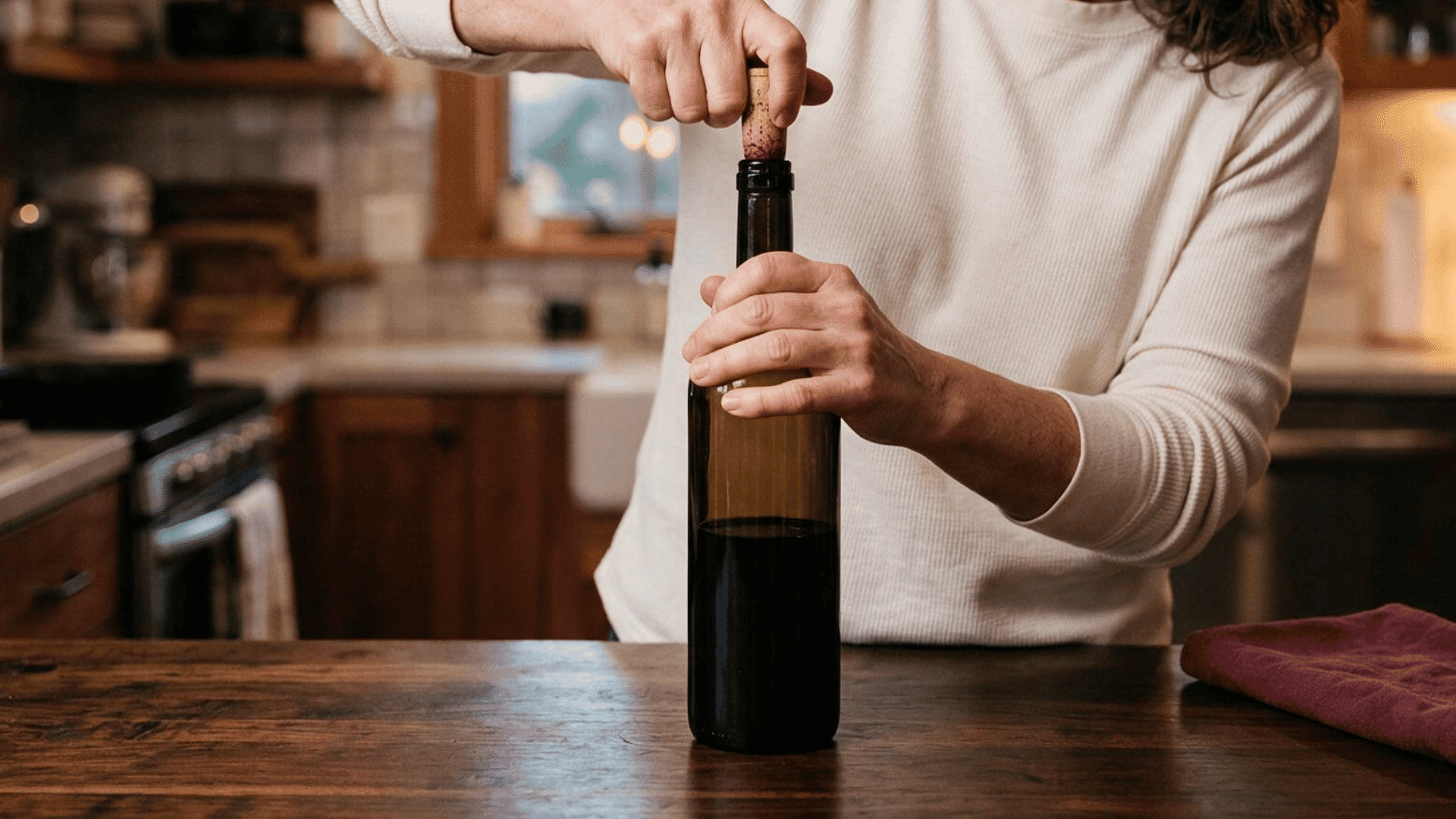
After pouring, replace the original cork with the stained end facing the wine. If the cork no longer fits well, use an airtight wine stopper to create a firm seal.
Closing the bottle limits the amount of fresh air reaching the wine and slows oxidation.
Do not leave it open between servings, because repeated exposure to oxygen can weaken its aroma, dull its flavor and shorten its freshness over time.
Step 2: Place It in The Refrigerator
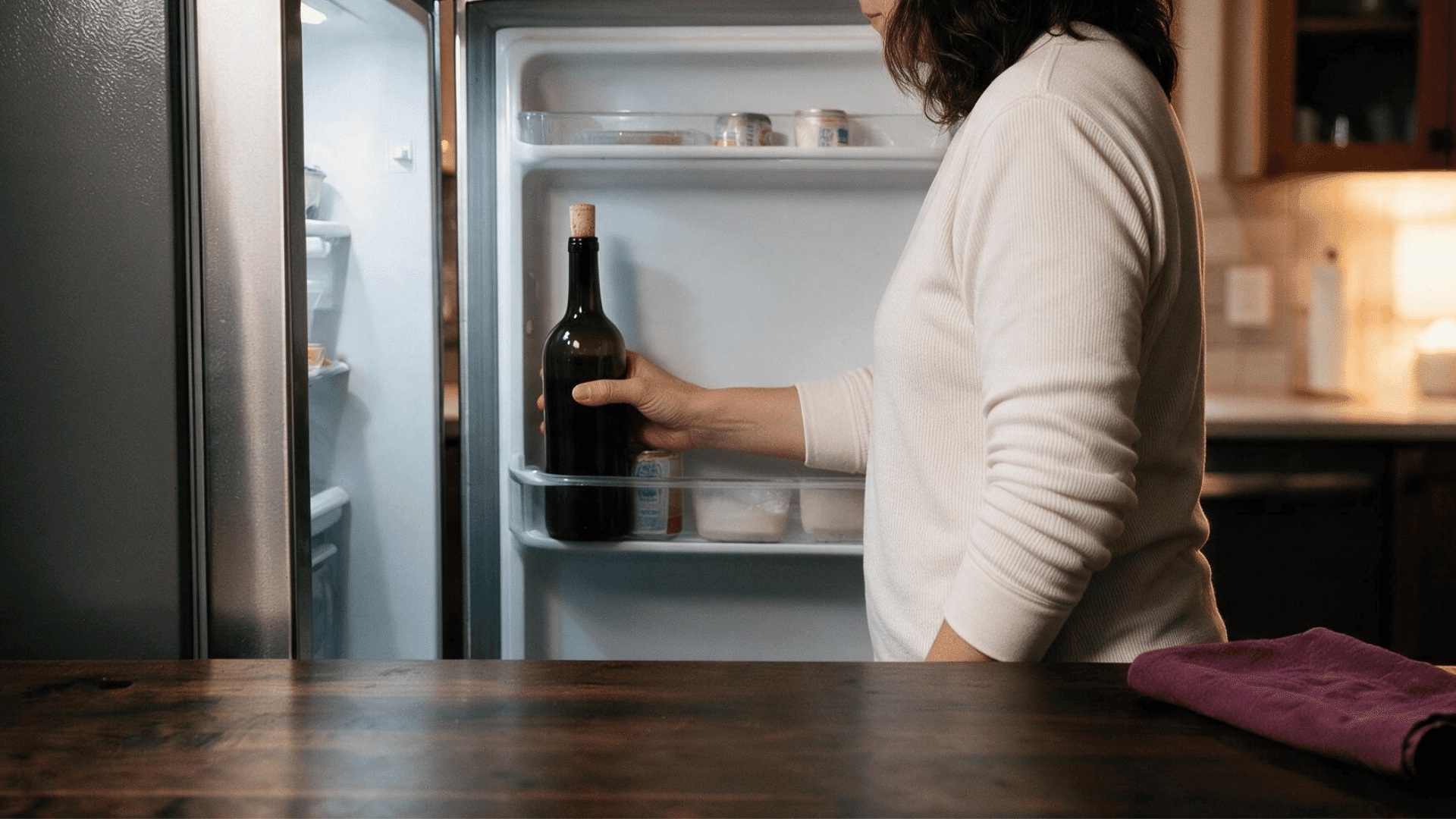
Keep opened red wine upright in the refrigerator after resealing it. Storing the bottle upright reduces the surface area of wine exposed to the air inside.
The cool temperature also slows oxidation, helping preserve the wine’s aroma, flavor, and overall character.
Refrigeration is more effective than leaving the bottle on a kitchen counter or in a warm cupboard. Let it warm briefly before the next serving to restore balanced flavor.
Step 3: Reduce Air Inside The Bottle
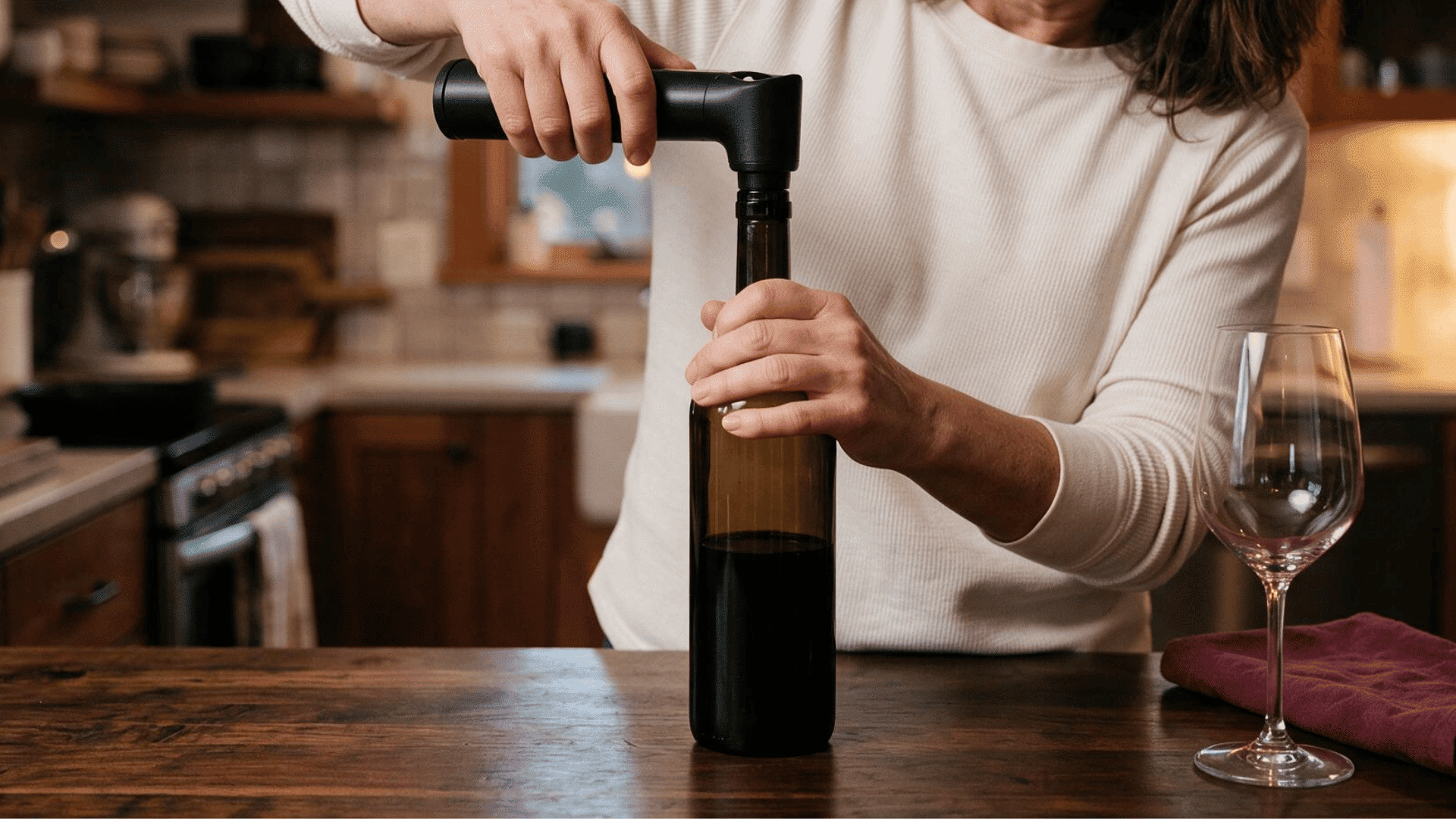
Use a vacuum pump to remove some of the air from an opened bottle before sealing it.
If a pump is unavailable, transfer the leftover wine into a smaller, clean bottle with a tight cap or stopper. Reducing the empty space leaves less oxygen around the wine.
This can slow oxidation and help maintain its aroma, flavor, and freshness for several more days when refrigerated properly between servings.
Step 4: Warm it Before Serving
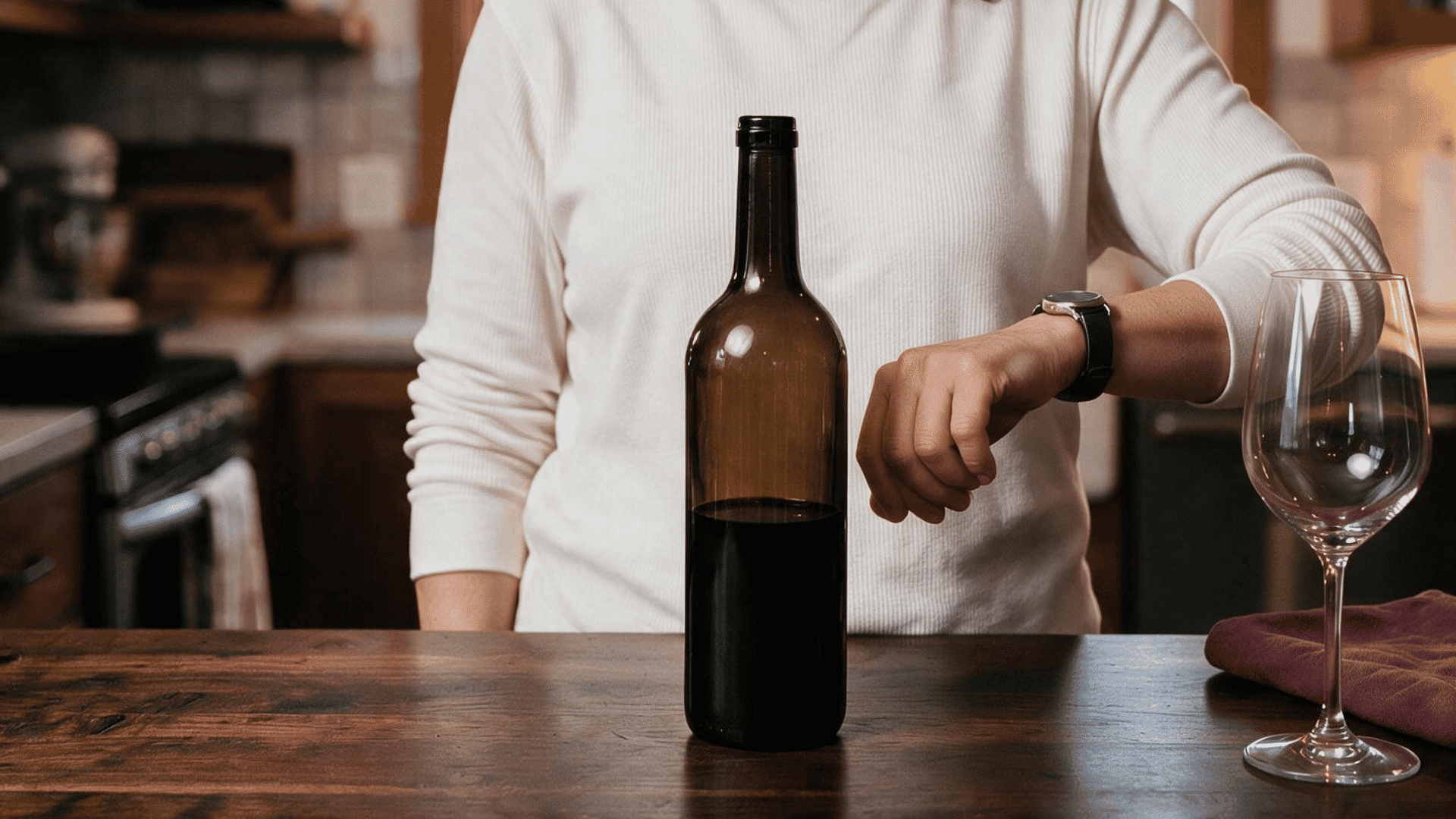
Red wine may taste dull or muted when served directly from the refrigerator. Let it warm slightly before serving.
Remove the bottle about 20 to 30 minutes before serving, allowing it to warm gradually and recover its aroma, flavor, and balance. Keep the bottle tightly sealed while it warms to reduce oxygen exposure.
Once it reaches a suitable temperature, open it and pour only the amount needed to protect the remaining wine’s freshness between later servings.
What People are Saying About Opened Wine
Reddit users report that opened wine changes at different rates. Most agree that refrigeration slows oxidation, though taste often declines after several days.
“After about 5 days the taste won’t be that great. Some young full bodied reds will last a good week.” Reddit
This experience suggests that wine style influences how well an opened bottle holds its flavor.
“I typically drink a bottle over 3 days. I keep in the fridge after I’m done.” Reddit
This user found that refrigeration helped preserve wine across several servings.
“If you wait too long and it starts to taste bad you can always use it for cooking!” Reddit
Wine that no longer tastes fresh may still suit sauces, stews, or marinades.
Typical Time Ranges for Opened Red Wine
Opened red wine begins losing freshness as oxygen alters its aromas and flavors. Storage time depends on the wine style, tannin level, temperature, seal quality, and preservation method used after pouring.
| Red Wine Type or Storage Method | Typical Time After Opening | Storage Conditions |
|---|---|---|
| Light-Bodied Red Wine | 2–3 days | Tightly resealed and refrigerated |
| Pinot Noir | 2–4 days | Recorked and refrigerated |
| Medium-Bodied Red Wine | 3–5 days | Tightly resealed and refrigerated |
| Cabernet Sauvignon | 3–5 days | Recorked and refrigerated |
| Full-Bodied or Tannic Red Wine | 3–5 days, sometimes up to 6 days | Tightly resealed and refrigerated |
| Red Wine Kept at Room Temperature | About 1–2 days | Tightly sealed and protected from heat and light |
| Red Wine With a Vacuum Stopper | About 3–6 days | Air reduced, bottle sealed, and refrigerated |
| Red Wine With an Argon Preservation System | Up to several weeks | Stored according to the system instructions |
| Opened Boxed Red Wine | About 3–6 weeks | Refrigerated after opening |
Signs Opened Red Wine Has Spoiled
Spoiled red wine often shows clear changes in smell, color, and taste. Checking these signs before serving helps determine whether the remaining wine is safe to drink or should be discarded.
- Unpleasant Smell: Vinegar, nail polish remover, damp cardboard or bruised fruit aromas may indicate spoilage.
- Changed Color: Fresh red or purple shades may turn dull brown, brick-red or orange.
- Poor Taste: Spoiled wine may taste sour, flat, bitter or unusually sharp.
- Visible Mold: Mold around the opening or inside the bottle means the wine should be discarded.
- Unexpected Fizz: Bubbles in still red wine may indicate unwanted fermentation.
- Harmless Sediment: Sediment can occur naturally in older bottles and does not always indicate spoilage.
Tips for Keeping The Red Wine Fresh
Simple storage habits can help opened red wine retain its aroma, flavor and freshness. These practical tips reduce oxygen exposure and protect the remaining wine for several days between servings.
- Seal the bottle immediately after every serving to reduce exposure to fresh air.
- Store opened red wine in the refrigerator rather than on a warm kitchen counter.
- Keep it upright so less wine remains exposed to oxygen inside the bottle.
- Protect the wine from direct sunlight, heat, and sudden temperature changes.
- Transfer small amounts into a clean, smaller bottle with a tight seal.
- Never pour unused wine from a glass back into the bottle, as it may introduce bacteria and impurities.
Final Thoughts
Opened red wine usually lasts three to five days when sealed and refrigerated. Wine style, temperature, oxygen exposure and storage method all affect how long it keeps its flavor.
A tight seal and cool storage can slow oxidation, while changes in smell, color and taste can reveal when the wine has spoiled. These simple checks make it easier to store and serve leftover wine with confidence.
So, the answer depends on both the type of red wine and how the bottle is stored after opening.
Have a useful storage method or experience with opened red wine? Share an opinion in the comments.
Frequently Asked Questions
Can Opened Red Wine be Frozen?
Opened red wine can be frozen in small portions for later use in sauces, marinades, stews, and other cooked recipes.
Why Does Red Wine Taste Better The Next Day?
Limited air exposure can soften firm tannins and reveal deeper aromas, making some full-bodied red wines taste smoother the following day.
Does Decanted Red Wine Lose Freshness Faster?
Yes, decanting increases the wine’s contact with air, which speeds up oxidation and may cause delicate red wines to fade sooner.