

Red wine is often associated with room-temperature serving, but that does not mean every bottle tastes best when left unrefrigerated.
The ideal serving temperature depends on the wine’s style, body, and flavor profile. While some reds benefit from a slight chill, others are better served a little warmer to bring out their aromas and texture.
Understanding when to chill red wine can improve its taste and overall drinking experience.
This blog explains when to chill red wine, the best serving temperatures and which red wines are best enjoyed slightly chilled.
Should Red Wine Be Chilled?
Yes, red wine should be chilled, but not to the same temperature as white wine or sparkling wine.
Most red wines taste best when served slightly chilled, typically between 55°F and 65°F (13°C to 18°C), depending on the style.
Lighter-bodied reds benefit from a cooler serving temperature, while fuller-bodied reds are usually served a little warmer.
Serving red wine at the right temperature helps balance acidity, tannins and fruit flavors.
Wines that are too warm can taste overly alcoholic, while overly cold red wines may lose their aroma and complexity.
Best Temperature for Chilled Red Wine
Serving red wine at the proper temperature helps bring out its aroma, flavor, and overall balance. Different styles perform best within different temperature ranges, so a slight adjustment can noticeably improve the drinking experience, according to NIH.
| Red Wine Style | Ideal Serving Temperature |
|---|---|
| Light-bodied reds (Pinot Noir, Gamay) | 55–60°F (13–16°C) |
| Medium-bodied reds (Merlot, Sangiovese) | 60–65°F (16–18°C) |
| Full-bodied reds (Cabernet Sauvignon, Syrah) | 63–65°F (17–18°C) |
Which Red Wines Should Be Chilled?
Different red wine styles respond differently to chilling, making serving temperature an important factor in preserving flavor, aroma, and overall balance.
Light-Bodied Red Wines
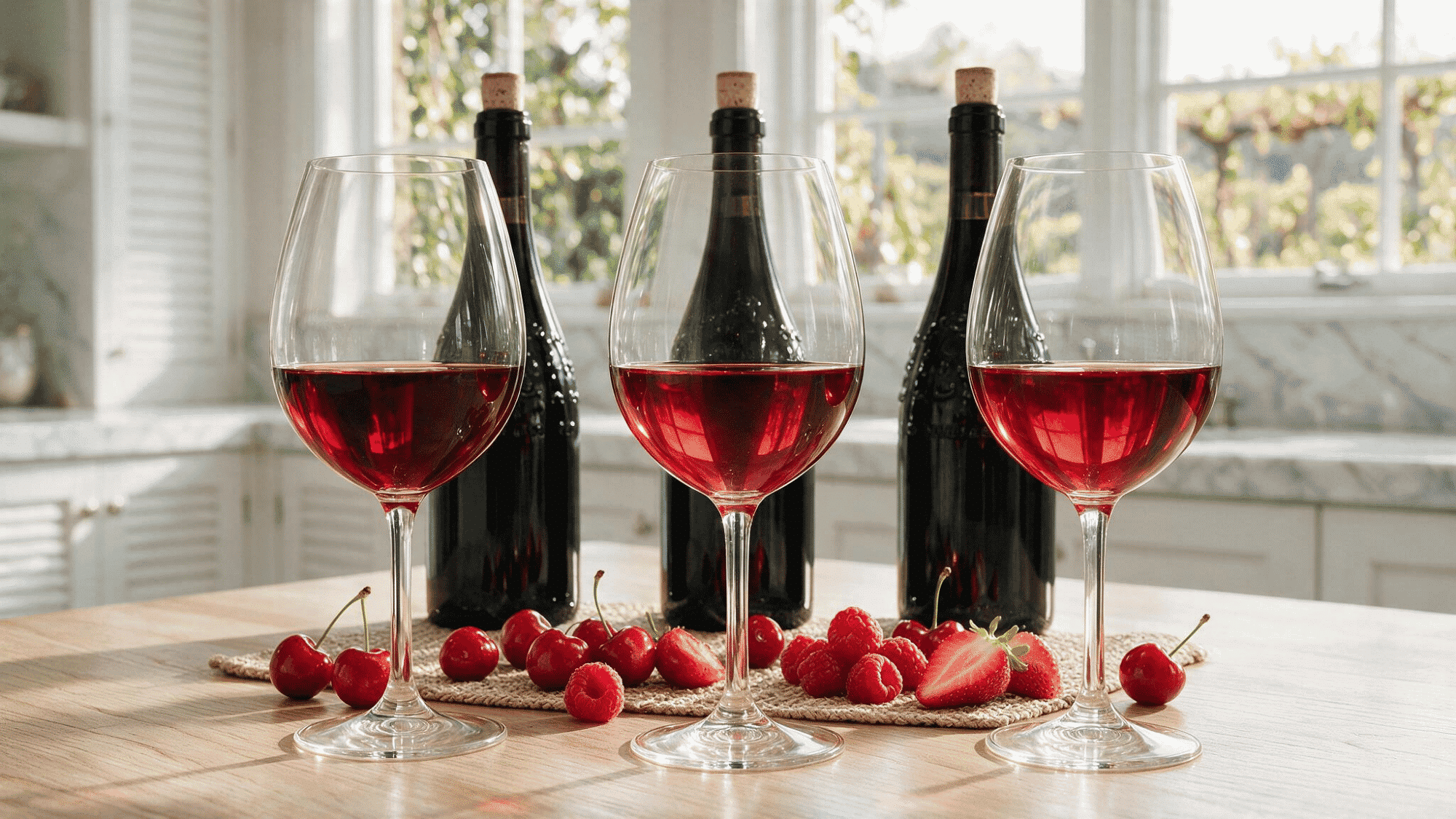
Light-bodied reds such as Pinot Noir, Gamay, and Frappato are among the best choices for serving slightly chilled.
A temperature of 55–60°F (13–16°C) helps preserve their bright fruit flavors, refreshing acidity and delicate aromas without muting their character.
Chilling these wines for about 20 to 30 minutes before serving creates a fresher, more balanced taste, especially during warmer weather or outdoor gatherings.
Medium-Bodied Red Wines
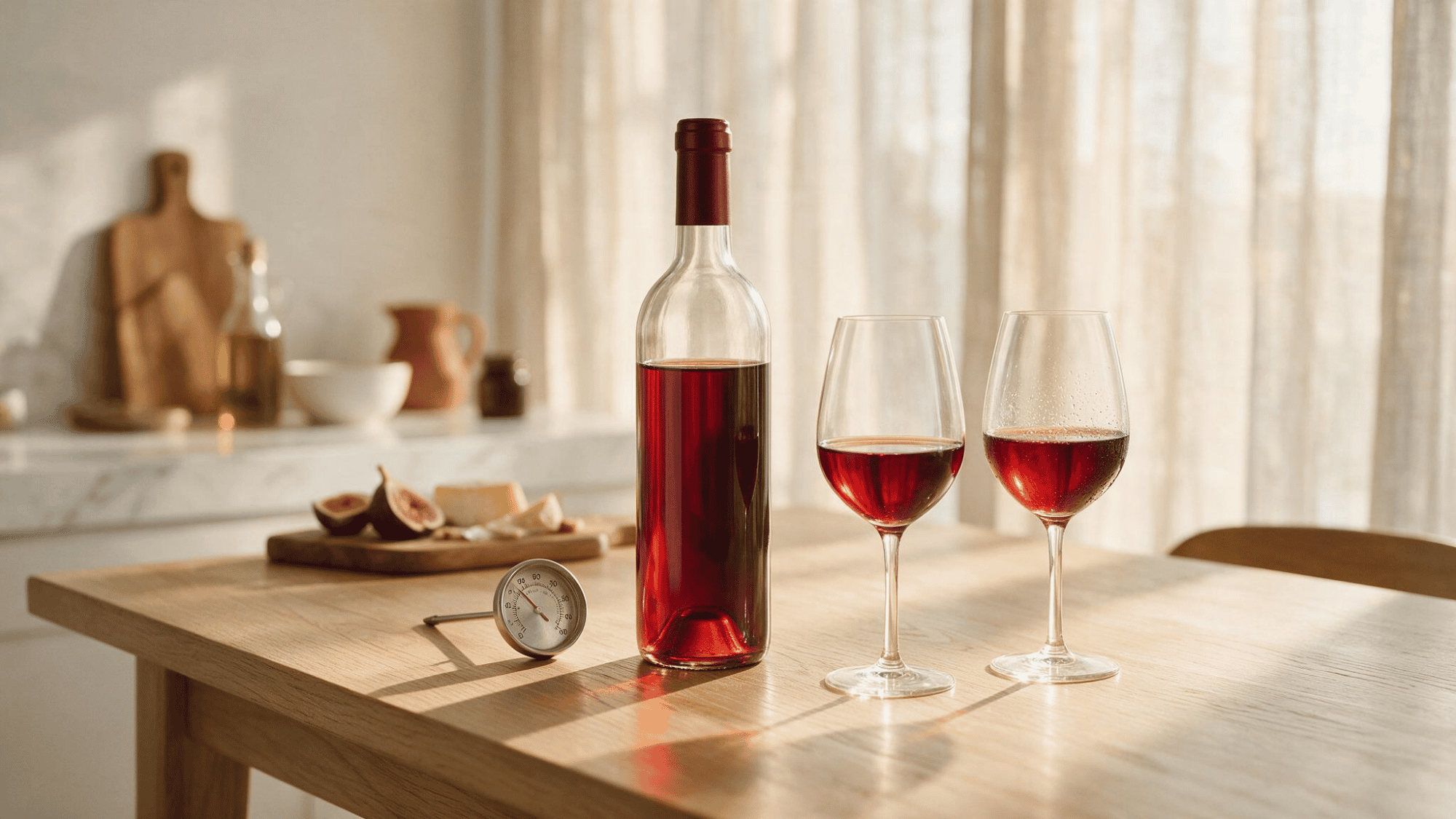
Medium-bodied reds, including Merlot, Sangiovese and Grenache, benefit from a light chill that keeps their fruit flavors fresh while maintaining a smooth texture.
They are best served at 60–65°F (16–18°C), making them slightly cooler than room temperature.
Placing the bottle in the refrigerator for 10 to 20 minutes before serving usually brings it into the ideal range without reducing its aroma or overall complexity.
Full-Bodied Red Wines
Full-bodied wines such as Cabernet Sauvignon, Syrah, and Malbec generally require only a slight chill before serving.
The ideal temperature is 63–65°F (17–18°C), which softens the perception of alcohol while keeping rich fruit flavors, tannins, and aromas well balanced.
If the bottle has been stored in a warm room, 10 to 15 minutes in the refrigerator is usually enough before serving.
The 20/20 Rule
If you only remember one tip from this post, make it the 20/20 rule. This sommelier-endorsed shortcut works for both reds and whites.
Put red wine in the refrigerator for 20 minutes before serving. Take white wine out of the refrigerator 20 minutes before serving.
Most home kitchens sit around 70–75°F, and most refrigerators run at roughly 35–38°F.
A standard bottle shifts about 4 to 6°F over a 20-minute window. That is enough to bring a room-temperature red into the 60–65°F zone where it tastes balanced, fresh and less alcoholic.
This rule works for everyday situations when you don’t have a wine thermometer or a wine fridge. It is simple, fast, and gets you close to the ideal range every time.
How Long Should Red Wine Be Chilled?
The amount of chilling time depends on the wine’s body, starting temperature and the desired serving temperature for the best flavor.
| Red Wine Style | Refrigerator Time | Ideal Temperature |
|---|---|---|
| Light-bodied | 20–30 minutes | 55–60°F (13–16°C) |
| Medium-bodied | 10–20 minutes | 60–65°F (16–18°C) |
| Full-bodied | 10–15 minutes | 63–65°F (17–18°C) |
Avoid leaving red wine in the freezer for long periods, as excessive chilling can dull aromas and alter the wine’s flavor profile.
Wine Fridge vs. Regular Fridge
A dedicated wine fridge set to around 55°F is ideal for storing red wine at a ready-to-serve temperature.
You can pull a bottle out and pour without waiting.
A standard kitchen refrigerator runs much colder, typically between 35°F and 38°F. At that temperature, red wine will over-chill quickly if left too long.
Stick to 15–20 minutes max for light reds and 10–15 minutes for fuller styles. Set a timer if needed. The goal is a slight chill, not a cold bottle.
How to Tell if Your Red Wine is Too Cold
Over-chilling red wine is easy to do, and it changes the drinking experience in a few noticeable ways.
If the aromas seem muted and you cannot smell much fruit or earth when you swirl the glass, the wine is likely too cold.
If the tannins feel harsh or grippy instead of smooth, that is another sign that the temperature is too low. Cold can exaggerate astringency in some wines rather than softening it.
The fix is simple. Let the glass sit at room temperature for 5 to 10 minutes. The wine warms up quickly once poured, and the aromas and flavors return as it reaches a better range.
Why Room Temperature Can Be Misleading
The traditional advice to serve red wine at room temperature dates back to a time when homes were much cooler than they are today.
Historic room temperatures were typically around 60–65°F (16–18°C), which closely matches the ideal serving range for many red wines.
Modern indoor temperatures often reach 70–75°F (21–24°C) or higher, making red wine taste warmer than intended.
Serving it at today’s room temperature can make alcohol flavors more noticeable and reduce the wine’s freshness.
A short time in the refrigerator helps many red wines reach a more balanced serving temperature without making them too cold.
The goal is not to serve red wine cold like white wine but to keep it slightly chilled so its fruit flavors, aromas, and structure remain balanced.
Conclusion
Red wine does not always need to be served at room temperature. In many cases, a slight chill helps improve its balance, aroma and flavor, especially for lighter-bodied varieties.
Serving each style within its recommended temperature range allows the wine’s natural characteristics to stand out without making the alcohol seem overpowering or muting delicate notes.
A short time in the refrigerator is often all it takes to reach the ideal temperature.
Try serving your favorite red wine slightly chilled and share your preferred style and serving method in the comments.
Frequently Asked Questions
Does Chilling Red Wine Affect Tannins?
Yes. Slight chilling can make tannins feel smoother, creating a more balanced and refreshing drinking experience.
Should Red Wine be Decanted Before Chilling?
It depends. If decanting is recommended, chill the wine first, then decant shortly before serving.
Can Red Wine be Chilled in an Ice Bucket?
Yes. A bucket with ice and water chills red wine quickly, usually reaching the ideal serving temperature within 10–15 minutes.
Should All Red Wines be Served at The Same Temperature?
No. Light-bodied reds are generally served cooler than medium- and full-bodied reds to highlight their flavors and aromas.
Can Red Wine be Stored in The Refrigerator?
Yes. Once opened, you can store red wine in the refrigerator with a stopper for several days to help preserve its freshness and slow oxidation.
{
“@context”: “https://schema.org”,
“@type”: “FAQPage”,
“mainEntity”: [
{
“@type”: “Question”,
“name”: “Does Chilling Red Wine Affect Tannins?”,
“acceptedAnswer”: {
“@type”: “Answer”,
“text”: “Yes. Slight chilling can make tannins feel smoother, creating a more balanced and refreshing drinking experience.”
}
},
{
“@type”: “Question”,
“name”: “Should Red Wine be Decanted Before Chilling?”,
“acceptedAnswer”: {
“@type”: “Answer”,
“text”: “It depends. If decanting is recommended, chill the wine first, then decant shortly before serving.”
}
},
{
“@type”: “Question”,
“name”: “Can Red Wine be Chilled in an Ice Bucket?”,
“acceptedAnswer”: {
“@type”: “Answer”,
“text”: “Yes. A bucket with ice and water chills red wine quickly, usually reaching the ideal serving temperature within 10–15 minutes.”
}
},
{
“@type”: “Question”,
“name”: “Should All Red Wines be Served at The Same Temperature?”,
“acceptedAnswer”: {
“@type”: “Answer”,
“text”: “No. Light-bodied reds are generally served cooler than medium- and full-bodied reds to highlight their flavors and aromas.”
}
},
{
“@type”: “Question”,
“name”: “Can Red Wine be Stored in The Refrigerator?”,
“acceptedAnswer”: {
“@type”: “Answer”,
“text”: “Yes. Once opened, you can store red wine in the refrigerator with a stopper for several days to help preserve its freshness and slow oxidation.”
}
}
]
}