

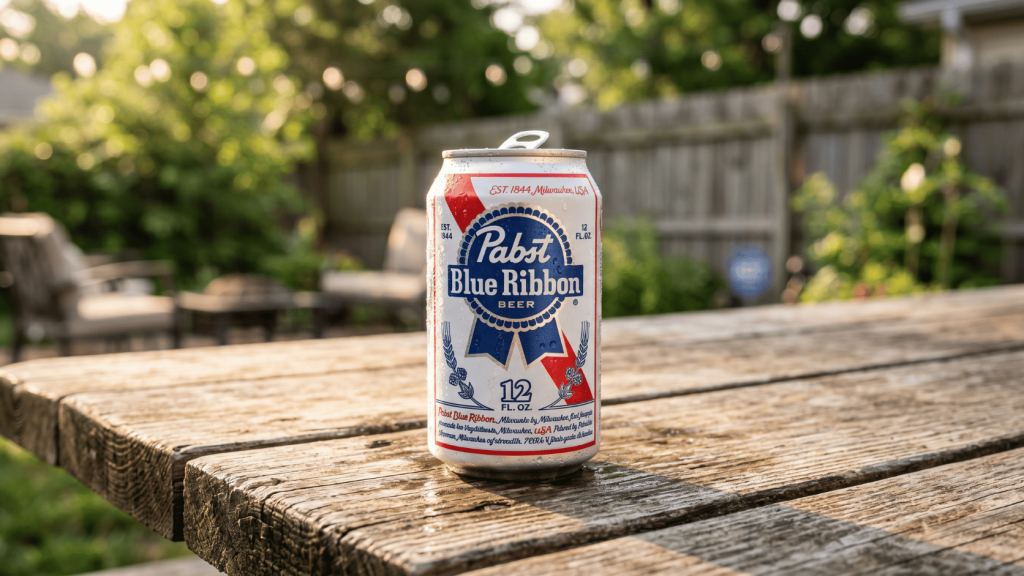
Pabst Blue Ribbon has a reputation for being simple and no-frills. But the calorie count inside that can is more involved than the price tag suggests.
ABV, serving size, and beer style all push the number up or down, sometimes by more than people expect.
From a standard 12-ounce can to a 24-ounce tallboy or a light variant, the difference can span over 150 calories in a single session. That adds up fast.
This blog breaks down PBR calories by serving size, by product type, and against other beers, so you know exactly what you’re drinking. Keep reading for the full numbers.
PBR Calories by Serving Size
If you’re just here for the number: a standard 12-oz can of Pabst Blue Ribbon contains 144 calories, 12.8 grams of carbs, 1.3 grams of protein, and 0 grams of fat.
Alcohol accounts for the majority of those calories, with an ABV of 4.74%. PBR sits right in the middle of the pack; not a light beer, not a heavy one.
It’s a solid session lager that won’t destroy your calorie budget if you’re keeping an eye on it.
Read on for the full breakdown, a comparison with other popular beers, and everything you need to know about drinking PBR mindfully.
PBR Calories by Type
Not all PBR is the same. The brand offers multiple products, and the calorie gap between them is significant enough to affect any diet plan.
PBR Original
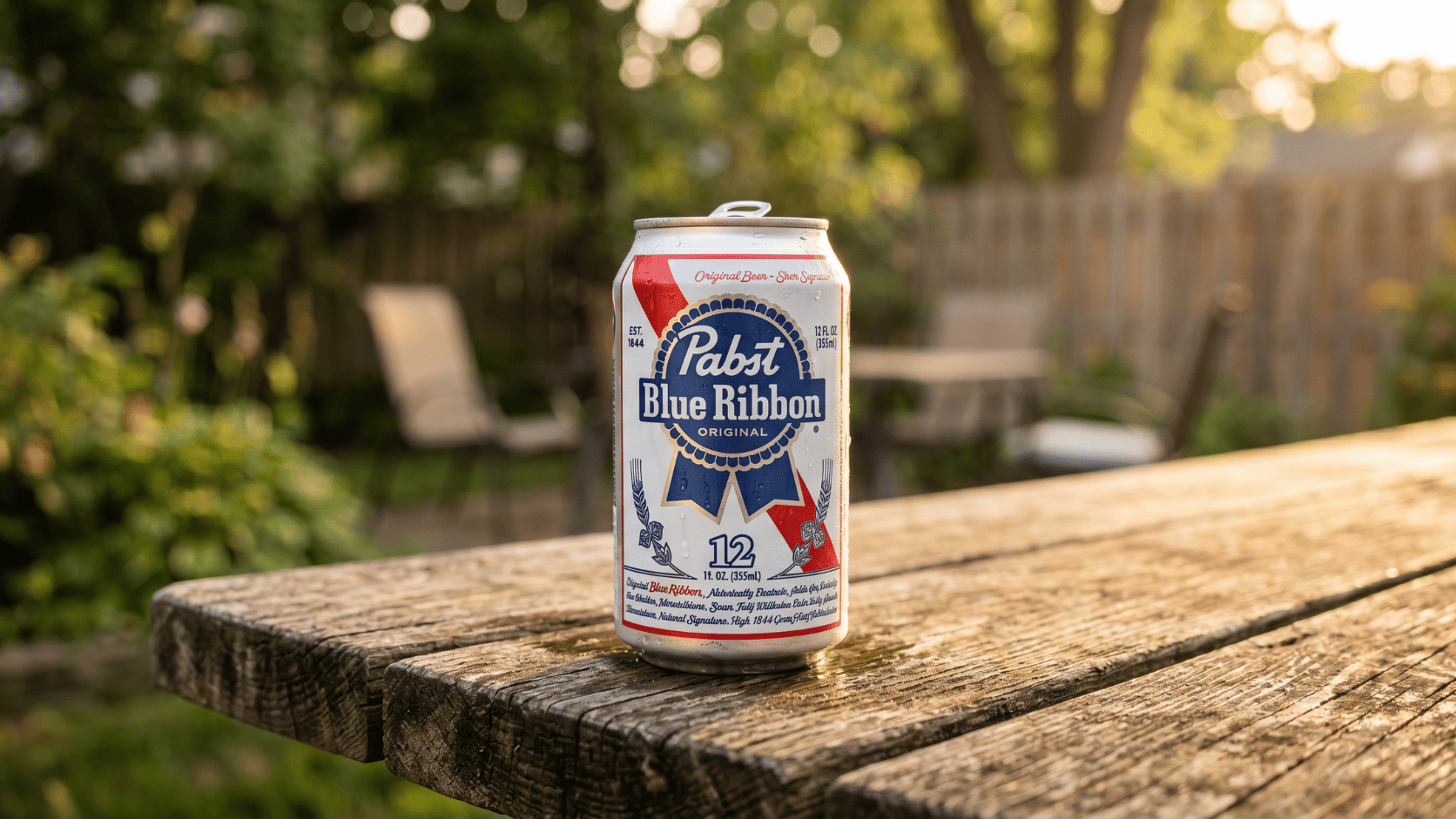
The classic. PBR Original comes in at 144 calories per 12-ounce serving, with 4.74% ABV.
It has a balanced malt profile with light bitterness and a clean finish, which is a big part of why it sells as much as it does. This is the version most people mean when they say “a PBR.”
PBR Light
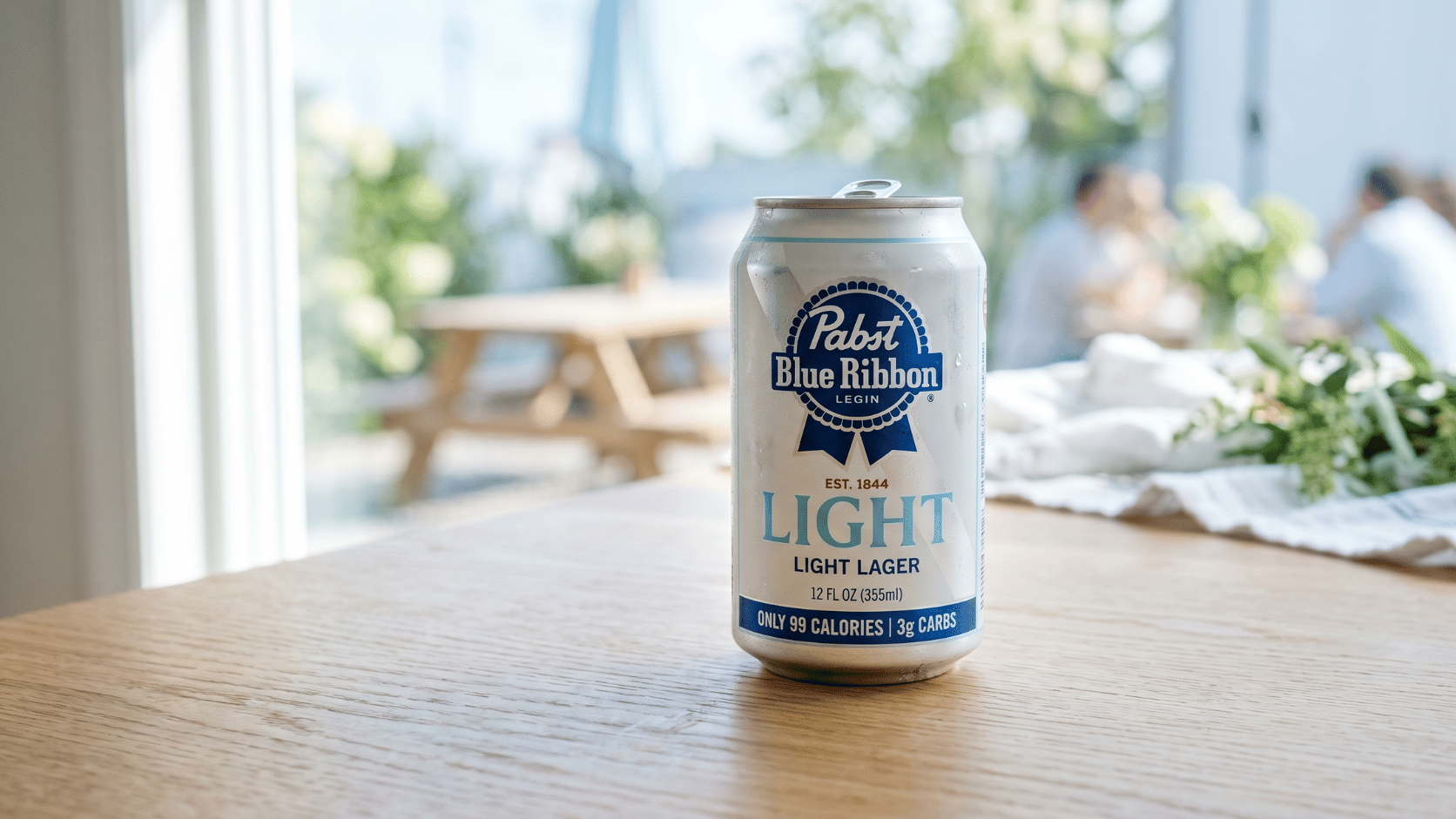
Pabst Light comes in at 96 calories and 3.5 grams of carbs per 12-ounce can, with 4.2% ABV.
The flavor is noticeably lighter, with a thinner body and milder taste. If cutting calories is the main goal and you’re fine trading some flavor, this is the version to reach for.
Higher-ABV PBR Variants
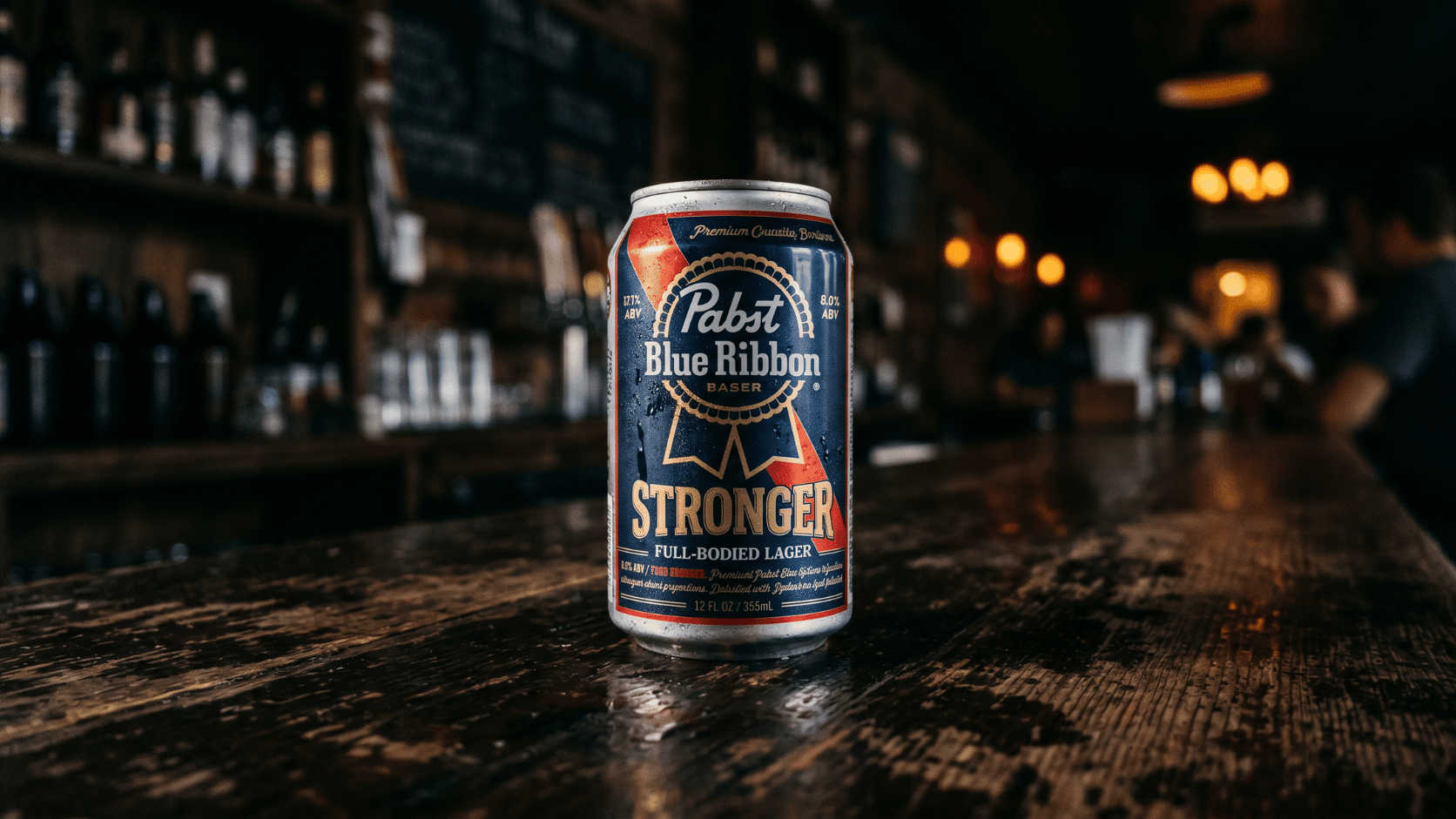
PBR has released stronger variants in select markets. PBR Extra, the most documented of these, comes in at 149 calories per 12 oz with a 6.5% ABV.
Only slightly more calories than the original, despite the jump in alcohol strength. The malt profile is bolder, and the alcohol content is meaningfully higher.
These aren’t everyday session beers; the calorie load reflects that.
PBR Hard Coffee
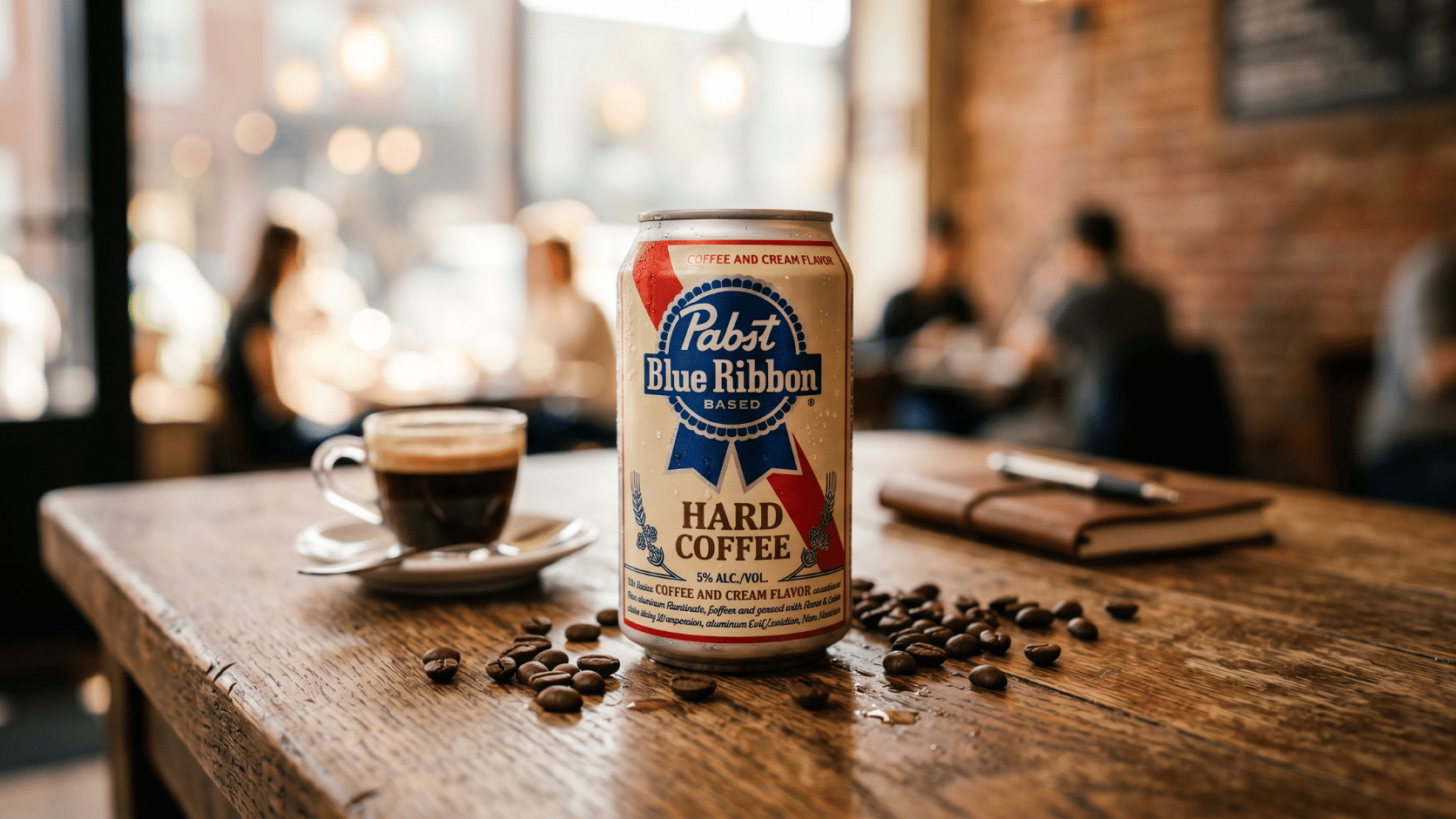
This is a different category entirely. PBR Hard Coffee combines arabica and robusta coffee with whole milk, cream, and vanilla flavor, coming in at 5% ABV and 245 calories per 11-ounce can.
It’s closer in nutrition profile to a spiked iced coffee than a beer. If you grab one thinking it’s comparable to a regular PBR, the numbers won’t match up.
How PBR Compares to Other Beers
PBR sits in the middle of the calorie spectrum. It’s not a light beer, but it’s well below most craft options. Here’s how it stacks up against common alternatives.
| Beer | Calories (12 oz) | ABV |
|---|---|---|
| Coors Light | ~102 calories | 4.2% |
| Bud Light | ~110 calories | 4.2% |
| PBR Original | ~144 calories | 4.8% |
| Typical IPA | ~180–240 calories | 6–7%+ |
| Craft Beer (average) | ~180–300+ calories | Varies |
PBR lands right in the middle, cheaper and lighter than most craft and IPA options, but a step above dedicated light beers.
The 40-calorie gap between Coors Light and PBR is real, but it’s also the difference between a light lager and a full-flavored one.
If you’re not chasing the lowest number possible, PBR holds its own.
Full Nutrition Breakdown (Per 12 oz)
A 12-oz PBR contains around 144 calories, 12–13 grams of carbs, 1–2 grams of protein, and zero fat, pretty standard for an American lager.
The calories come almost entirely from two sources: alcohol (ABV ~4.8%) and carbohydrates.
There’s no fat to speak of, and the sugar content is minimal, varying slightly depending on fermentation.
If you’re tracking macros, the carb count is the number to watch; 12–13 grams per can add up quickly across a few drinks. Otherwise, PBR is about as nutritionally straightforward as beer gets.
How Serving Size Changes Your Calorie Intake?
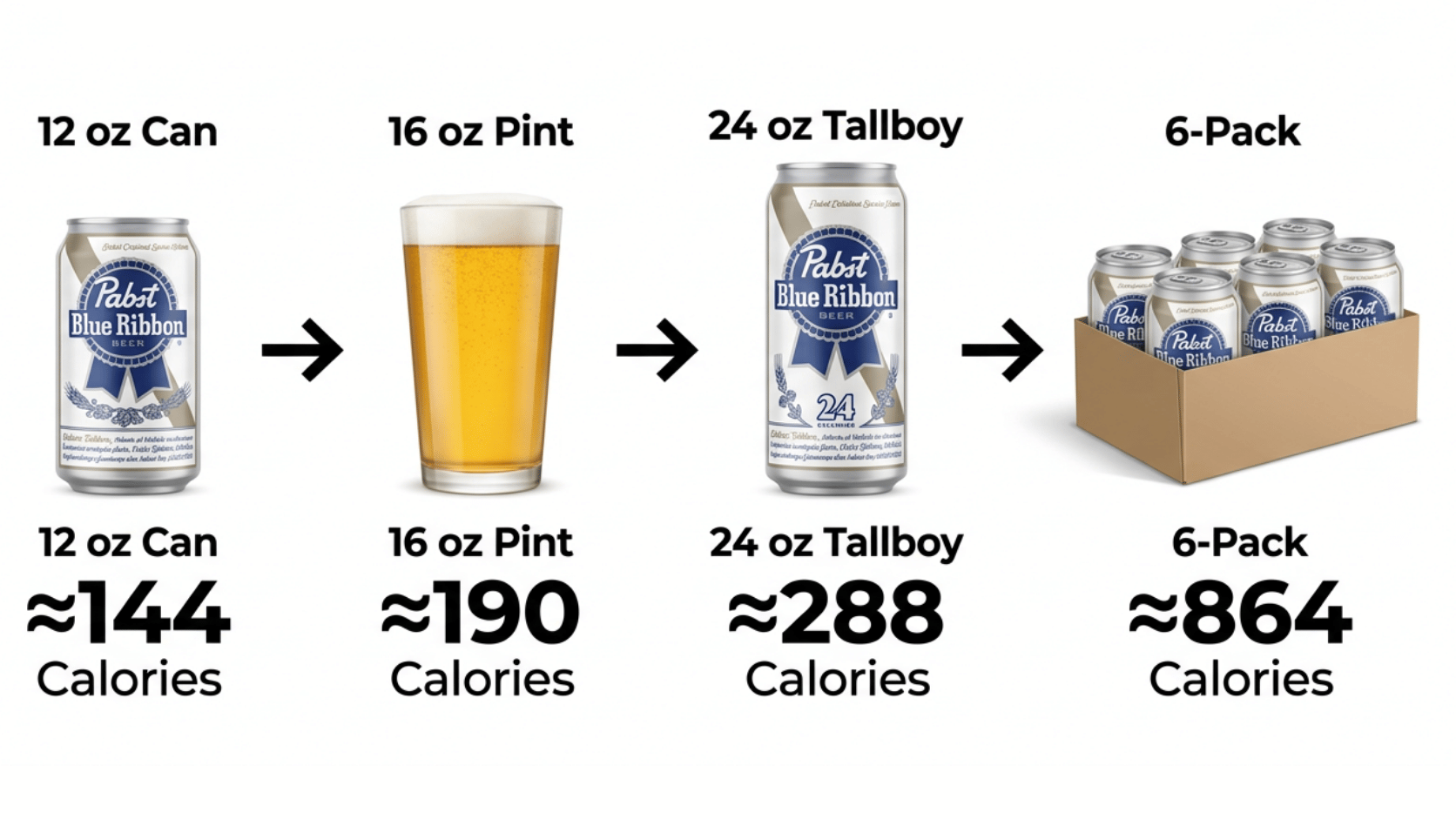
This is the part most people skip, and it’s where the real miscounts happen. A 12-ounce can is the labeled serving. But draft pours at bars are typically 16 ounces.
Pouring from a bottle at home, especially without measuring, can land anywhere from 12 to 20 ounces, depending on the glass. None of that matches the number on the label.
The beer choice matters less than the pour size and the session length.
Two large draft pints of PBR deliver more calories than a six-pack of Coors Light; that’s the kind of math that gets lost in casual tracking.
Simple Ways to Reduce Calories When Drinking PBR
You don’t have to switch beers to manage calories. A few practical changes make a noticeable difference without changing what you’re drinking.
- Stick to 12 Oz Cans over Pints: The controlled size makes tracking easier.
- Alternate with Water: It slows the pace and cuts total intake without cutting alcohol entirely.
- Choose PBR Light when Available: The 30–50-calorie reduction per can adds up over the course of a night.
- Skip the Mixers: Adding juice, soda, or syrup to beer increases the calorie count more than most people realize.
- Use a Measured Glass at Home: Free-pouring into a pint glass often yields more than 12 ounces without looking like it.
Beer Mixes and Their Calorie Impact
Some drinkers mix PBR with lemonade, citrus soda, or juice for shandies and beer cocktails, and the calorie count shifts quickly once you do.
A shandy lands somewhere between 160 and 220 calories, a radler between 140 and 200, and a beer cocktail with syrups or juice can push past 250.
The culprit is added sugar: a full-sugar lemonade alone contributes 60–80 extra calories on top of the beer.
None of these are dramatic numbers in isolation, but across a few drinks, they add up faster than most people expect.
Conclusion
PBR isn’t the lightest beer on the shelf, but it’s far from the heaviest. It sits comfortably in the middle; not a diet beer, not a calorie bomb.
Where it lands in your diet depends on how you drink it, not just what’s in the can.
Stick to standard pours, keep track of how many you’re having, and it fits into most lifestyles without much hassle.
Now that you have the full picture, you can make the call for yourself. Curious how other beers stack up? Check out our full beer calorie and nutrition guides.
Frequently Asked Questions
What is the Most Drunk Beer in Italy?
Explores popular beer choices in Italy, highlighting widely consumed brands, drinking culture, preferences, and regional differences among beer drinkers there.
Why Do You Feel Buzzed After Drinking Non-Alcoholic Beer?
Explains reasons non-alcoholic beer can cause buzz sensations, including the placebo effect, trace alcohol, carbonation, hydration, and psychological expectations during drinking.
What is the Lowest-Calorie, Healthiest Beer?
Breaks down the lowest-calorie beer options, comparing nutrition, alcohol content, carbs, and healthier choices for calorie-conscious beer drinkers everywhere today.