

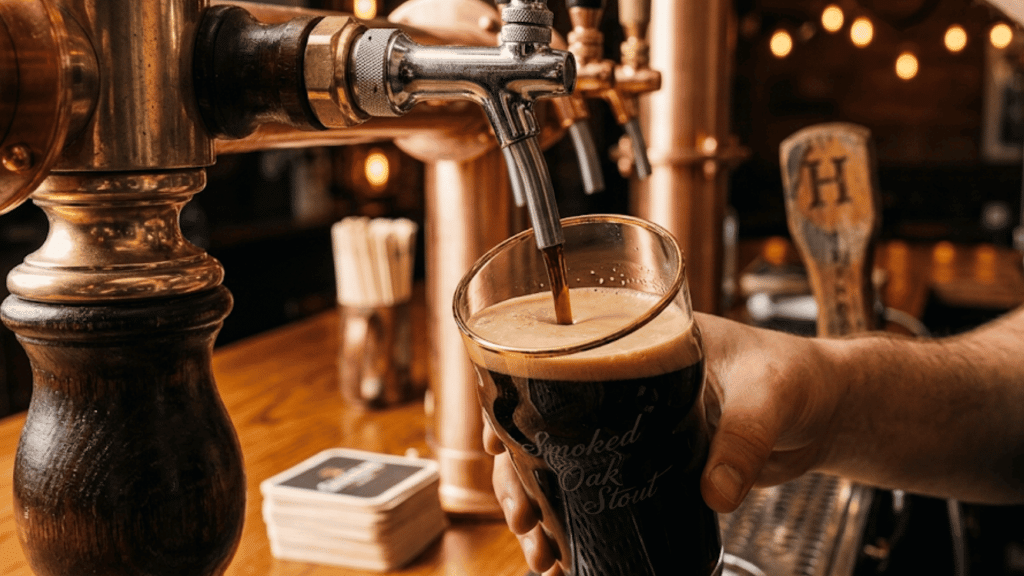
Have you ever cracked open a cold beer and wondered what actually goes into making it?
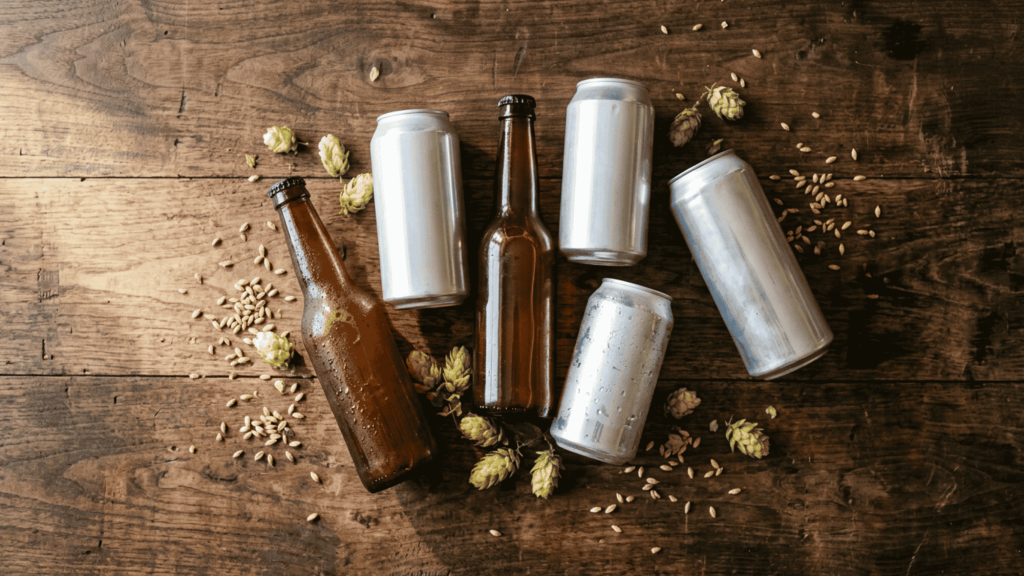
Beer starts with just four basic ingredients: water, grains, hops, and yeast. From there, it goes through a series of steps that turn those raw materials into the cold, fizzy drink most people reach for after a long day.
If you are curious about what goes into your favorite pint or are thinking about trying homebrewing for the first time, this blog breaks it all down in plain, simple terms.
Read on to find out exactly how beer is made, step by step.
A Brief History of Beer
Beer is one of the oldest drinks ever made.
Evidence of brewing dates back to ancient Mesopotamia around 7,000 years ago (5,000 BCE), though a famous 5,000-year-old cuneiform tablet from Uruk shows workers were paid with beer rations.
By the Middle Ages, monasteries across Europe were producing and refining brewing techniques. Hops became a standard ingredient in 14th-century Europe, then in England by the 15th century.
The Industrial Revolution brought mass production and refrigeration, permanently changing brewing.
Today, craft brewing has brought small-batch, experimental beer back into focus, giving drinkers more variety than at any point in history.
What is Beer Made Of?
Beer comes down to four basic ingredients. Water, grains, hops, and yeast, everything else is just a bonus. Let’s take a look at what each one actually does:
- Water makes up over 90% of beer. Its mineral content shapes taste and mouthfeel, quietly influencing whether a beer feels crisp or smooth.
- Grains, usually barley, provide the sugars yeast converts into alcohol. The type used determines the beer’s color, body, and base flavor.
- Hops balance the sweetness from grains by adding bitterness. They also contribute aroma, think citrus, pine, or floral notes depending on the variety.
- Yeast converts sugar into alcohol and carbon dioxide. It also shapes flavor, producing fruity, spicy, or clean notes depending on the strain used.
- Additional Ingredients: Some brewers add fruits, spices, or honey for extra character. These extras build on the core four without changing the fundamental structure of the beer.
What Types of Grains Are Used in Beer?
Barley is the most common grain used in beer. It converts starches into fermentable sugars efficiently and gives beer its body and base flavor.
Wheat is the second most popular, used in wheat beers for a lighter, softer texture. Oats add a creamy, smooth mouthfeel, common in oat stouts.
Rye brings a spicy, dry edge to the flavor. Corn and rice are often used in mass-produced lagers to lighten the body and keep costs low. Each grain brings something different to the final glass.
The Beer Brewing Process
Beer is made by brewing grains, water, hops, and yeast into a flavorful beverage.
The process involves extracting sugars from grains, boiling with hops, fermenting with yeast, and then conditioning before packaging. Each step shapes the taste, aroma, and style of the finished beer.
1. Milling
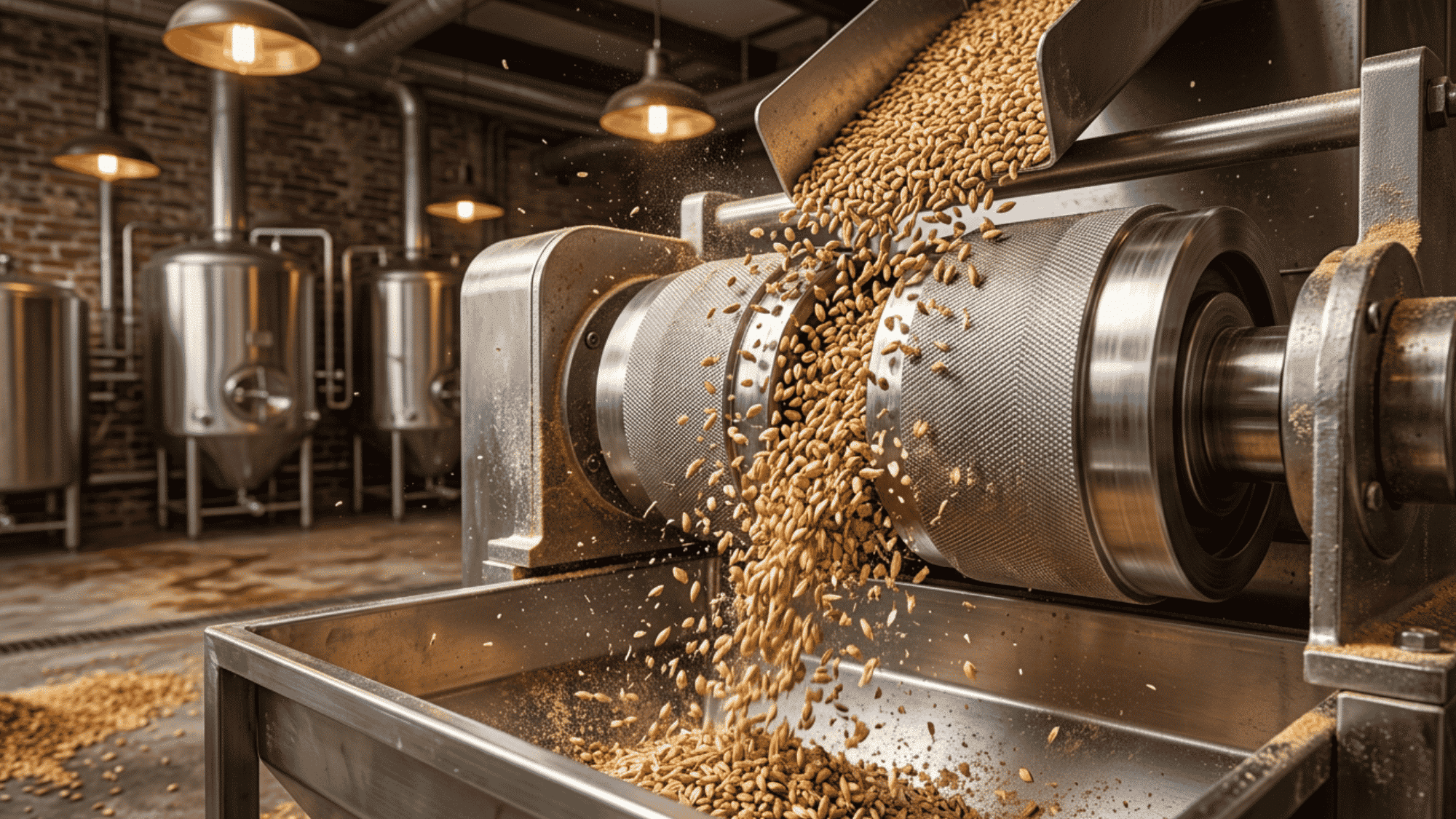
Before anything else, the grains need to be cracked open. Brewers run them through a mill that crushes the outer shell without destroying the husk.
This exposes the starchy inside while keeping the husk intact. The husk acts as a natural filter later in the process. Get this step wrong, and the rest of the brew can go sideways fast.
Milling consistency matters more than most beginners realize, and even small variations can affect how well the sugars extract later.
2. Mashing
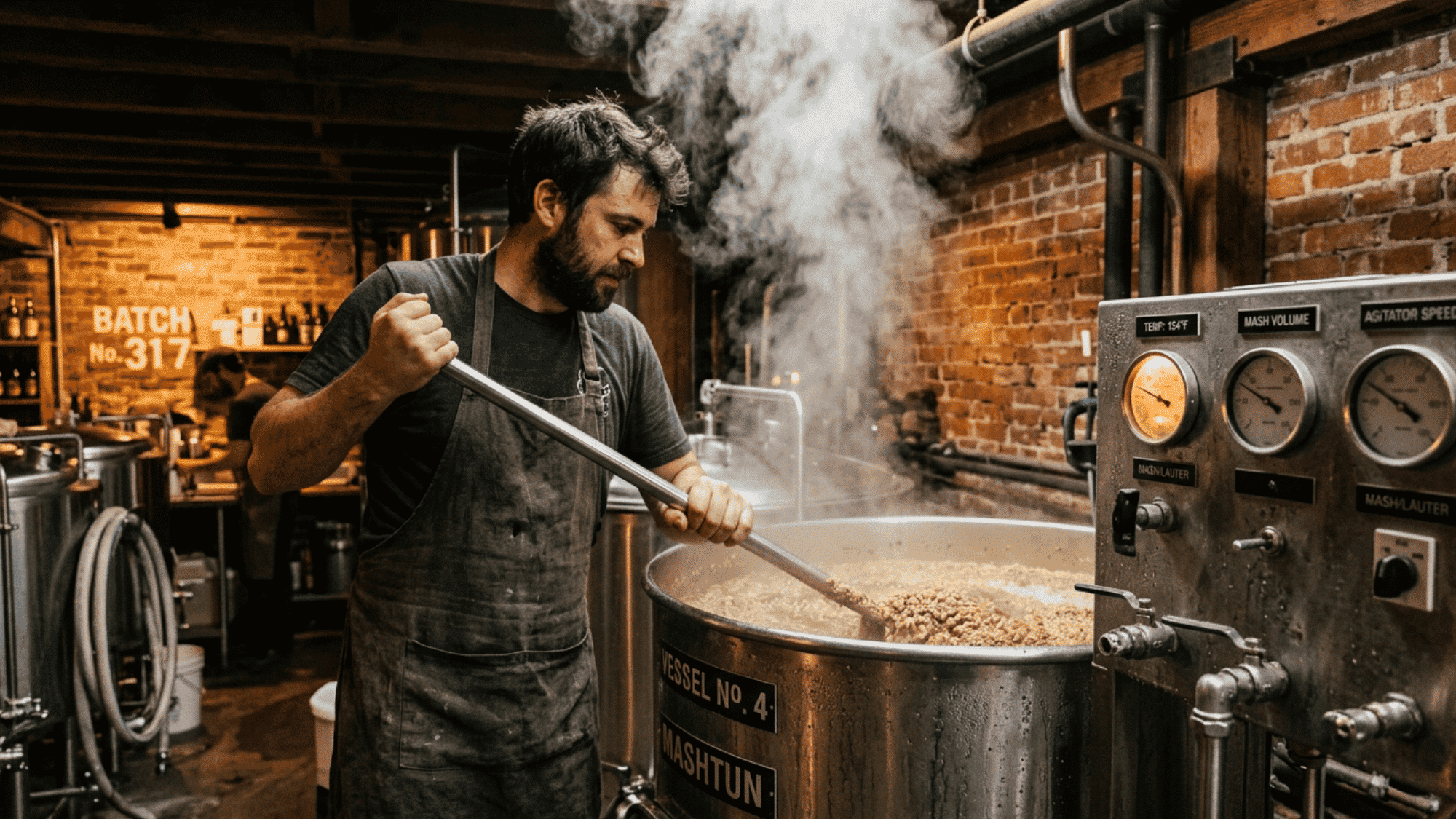
The crushed grains are mixed with hot water in a large vessel. The heat activates enzymes inside the grains that break down starches into fermentable sugars.
The result is a thick, sweet liquid called wort. Think of it as the backbone of the beer.
Temperature control here is critical: too hot or too cold, and the sugar conversion won’t happen properly, considerably throwing off the flavor, body, and strength of the entire batch.
3. Lautering
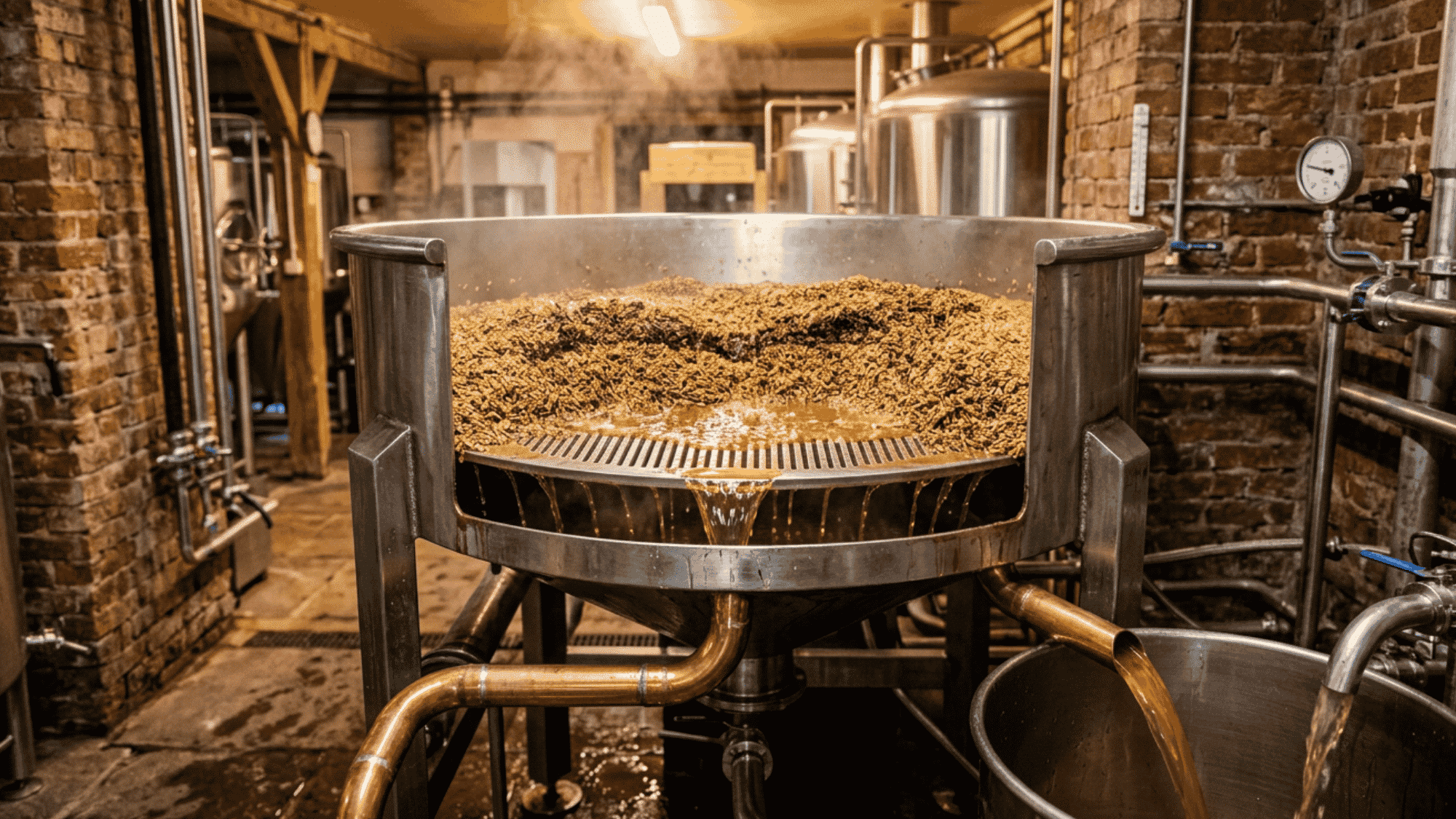
Once mashing is done, the wort needs to be separated from the spent grains. That’s lauter.
The liquid drains out while the grains stay behind. Brewers sometimes rinse the grains with extra water to pull out any remaining sugars, a step called sparging.
It’s not the most glamorous part of brewing, but skipping it means leaving fermentable sugars behind, which directly affects the beer’s final strength, sweetness, and overall flavor in noticeable ways.
4. Boiling
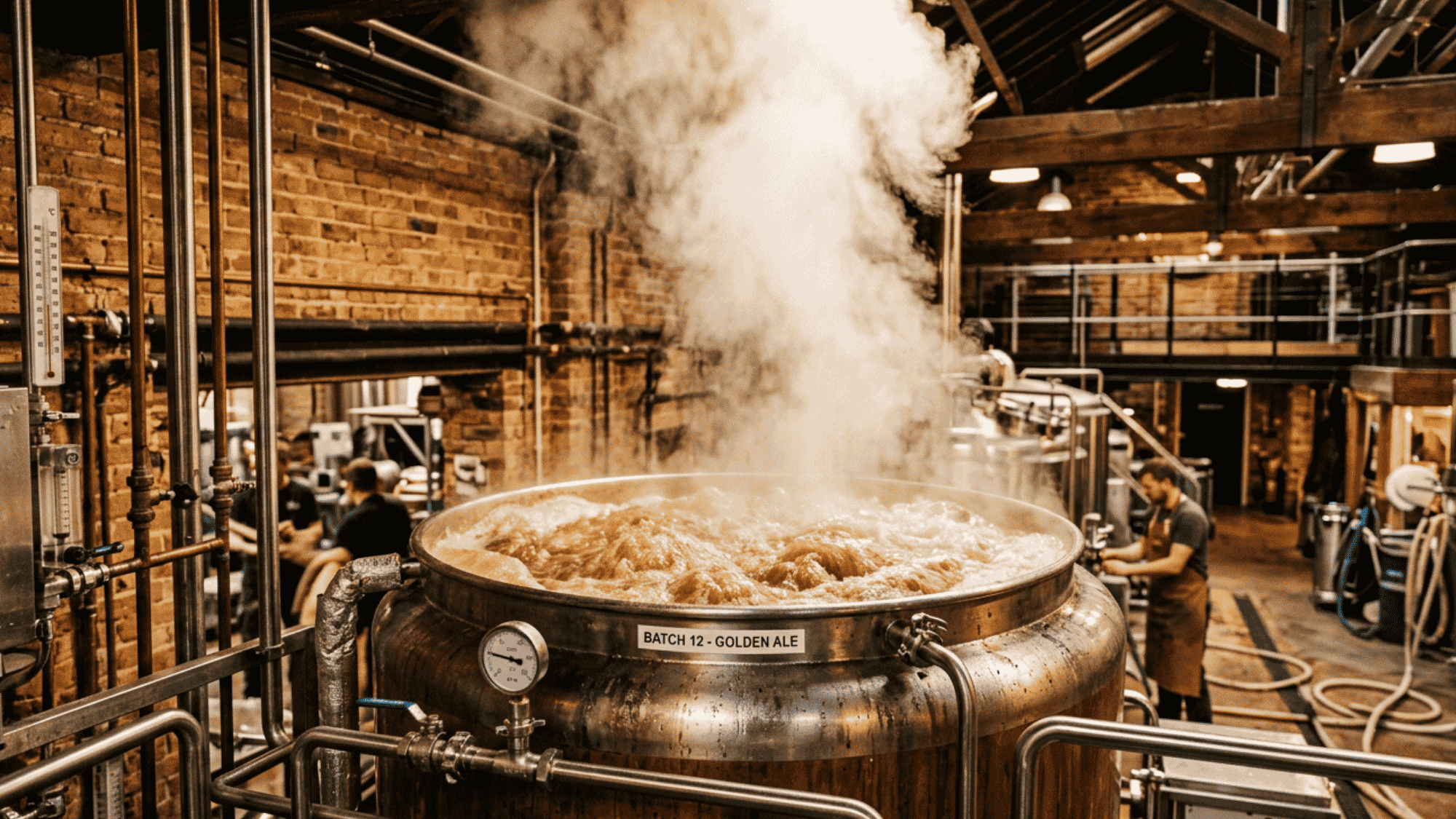
The wort goes into a large kettle and gets brought to a rolling boil. This is when hops are added. Early additions bring bitterness. Later additions bring aroma.
Boiling also sterilizes the wort, killing off any bacteria that could ruin the batch. Most boils last about 90 minutes, though some styles use 60 minutes.
The longer the boil, the more concentrated the flavors become, and the darker and richer the wort gets, giving the beer more depth and character overall.
5. Cooling and Fermentation
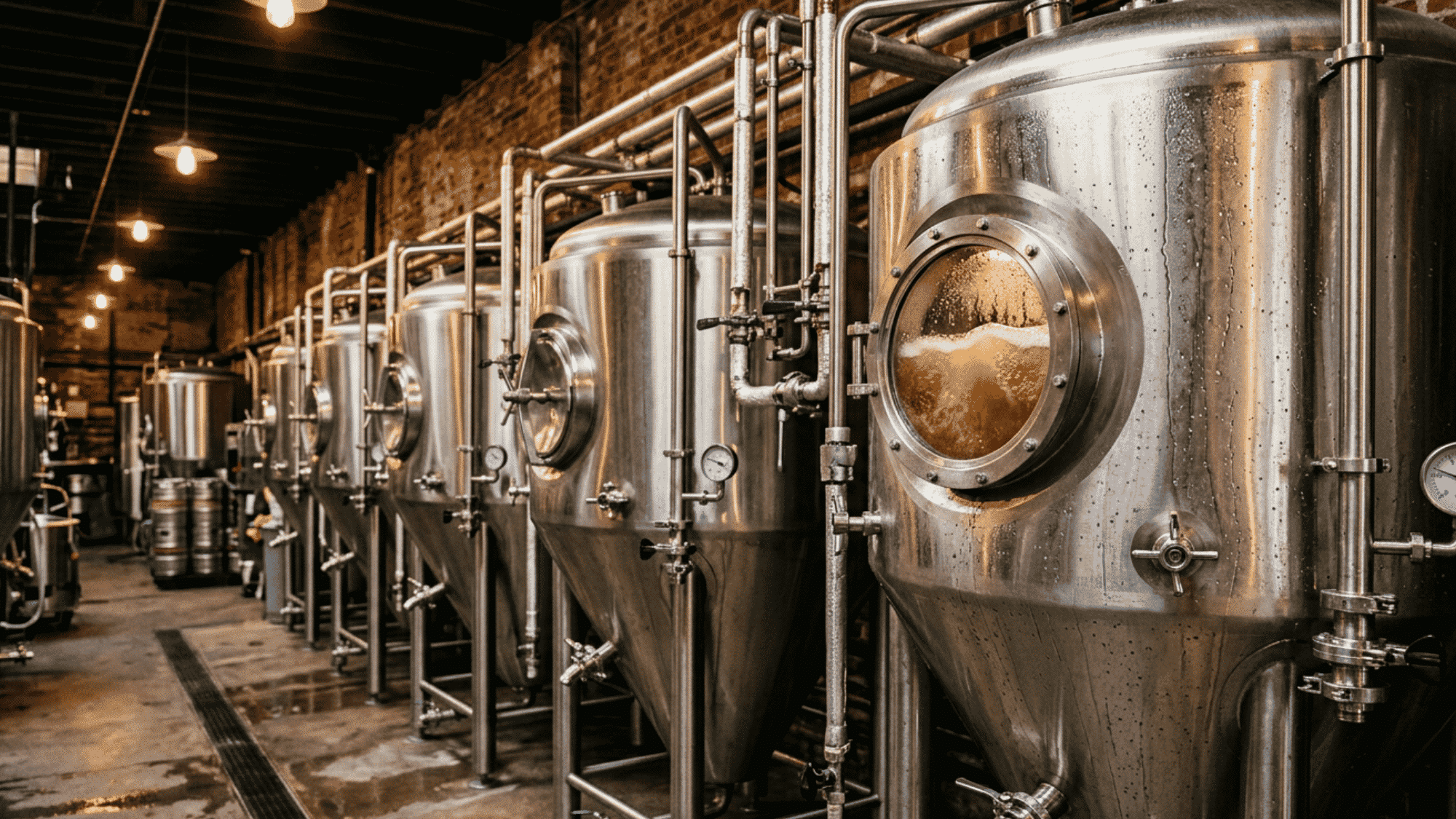
After boiling, the wort is quickly cooled to a temperature at which yeast can survive. Then the yeast goes in. This is where fermentation begins.
Yeast eats through the sugars and produces alcohol and carbon dioxide as a result. This stage can take anywhere from a few days to a couple of weeks, depending on the beer style.
Temperature during fermentation plays a big role in shaping the final flavor, aroma, and overall character of the beer.
6. Conditioning
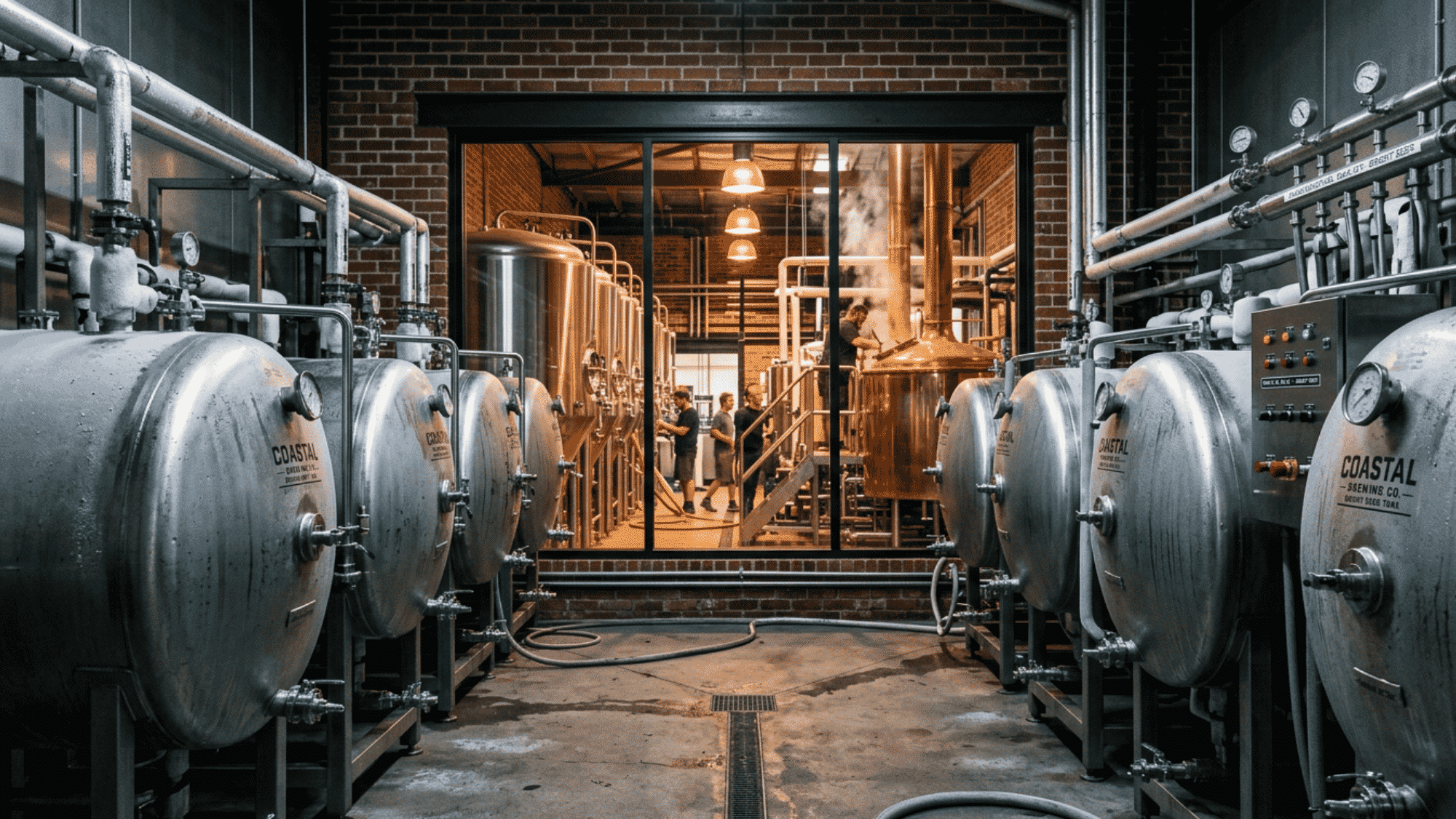
Once fermentation wraps up, the beer isn’t ready to drink just yet. It needs time to rest. During conditioning, the flavors settle and blend together.
Harsh or sharp notes from fermentation soften out.
Sediment drops to the bottom, and the beer gradually becomes clearer and more refined. Some beers condition for just a few days, while others sit for several weeks.
Either way, this step is what separates a rough, green beer from a smooth, well-finished one.
7. Packaging
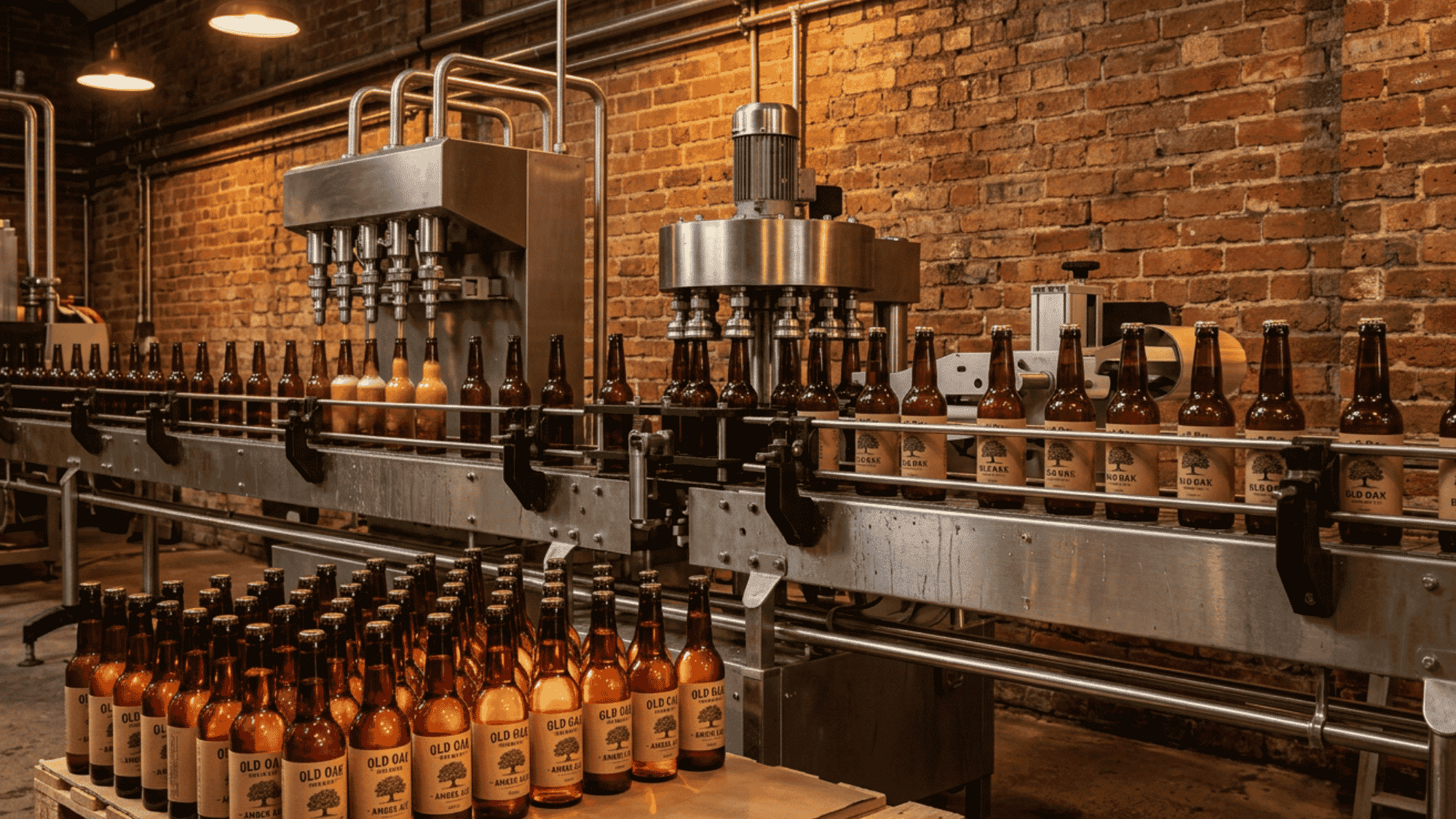
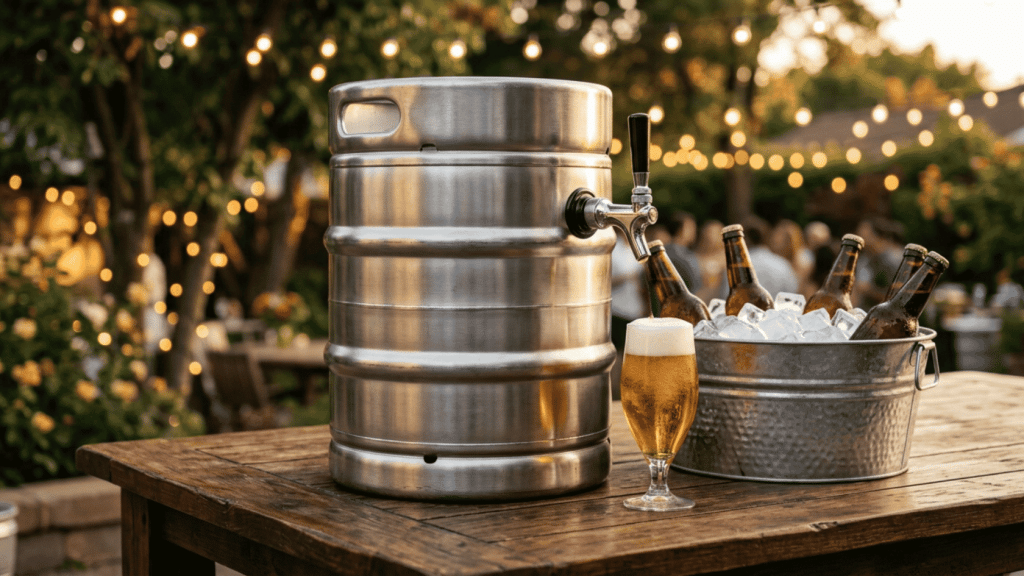
The last step is getting the beer into its final form. It gets transferred into bottles, cans, or kegs depending on the brewery.
Some beers get filtered before packaging for a cleaner look, while others are left unfiltered for added texture and flavor.
Carbonation is adjusted at this stage too, either naturally or by adding CO2 directly. Once sealed, the beer is ready to ship, sell, and eventually land in someone’s glass, fresh and ready to enjoy.
How Different Beers Are Brewed: A Quick Comparison
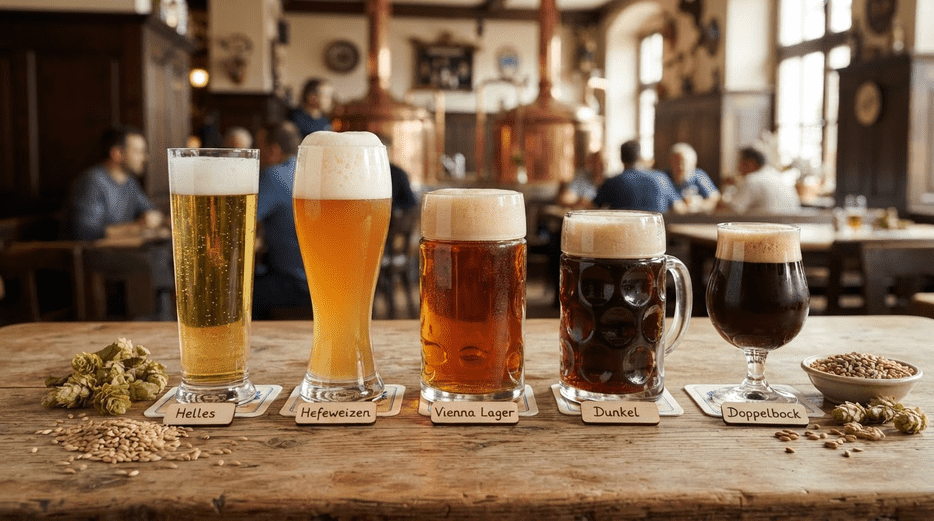
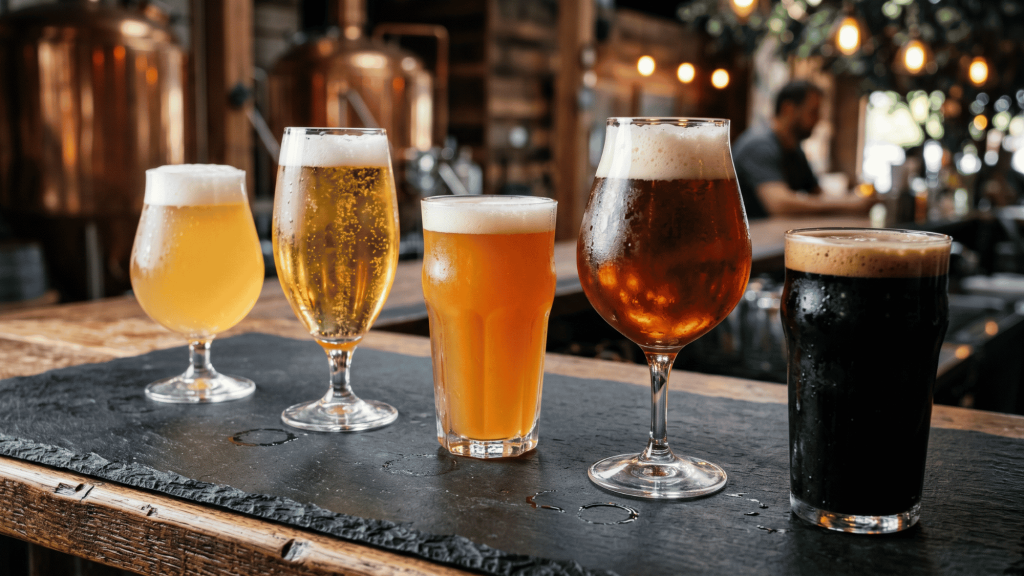
Every beer starts with the same four ingredients, but small changes in yeast, temperature, and malt create dramatically different results.
Let’s take a quick look at how the three main beer categories compare.
| Beer Type | Yeast Type | Fermentation Temp | Malt Profile | Brewing Duration | Flavor Profile |
|---|---|---|---|---|---|
| Ale | Top-fermenting | 60–75°F (15–24°C) | Light to dark; often aromatic | Shorter (1–3 weeks) | Fruity, aromatic, sometimes bitter |
| Lager | Bottom-fermenting | 35–50°F (2–10°C) | Pale to medium; clean and malty | Longer (4–8 weeks) | Clean, crisp, smooth |
| Specialty/Craft | Varies by style | Varies by style | Can include alternative grains | Varies by style | Complex, unique, experimental |
Ales ferment faster at warmer temperatures, producing bold, expressive flavors. Lagers take longer at cooler temperatures, resulting in that clean, crisp finish most people recognize.
Craft beers sit outside the rulebook entirely; brewers incorporate alternative grains, fruits, or spices to create something entirely their own.
Can You Brew Beer at Home?
Yes, and it is more straightforward than most people think. Home brewing kits are widely available and provide everything you need to make a basic batch.
The process follows the same steps as commercial brewing, just at a much smaller scale. A standard homebrew batch produces around 5 gallons, roughly 48 bottles.
The whole process from start to finish takes about two to four weeks, depending on the beer style. Starting with a simple ale kit is the easiest way in. Many professional brewers started exactly the same way.
How is Homebrewed Beer Different From Commercial Beer?
Homebrewed beer is made in small batches, usually in a kitchen or garage, with basic equipment. Commercial beer is produced at a massive scale with industrial machinery and strict quality controls.
The core process is the same, but commercial breweries have more consistency, faster turnaround, and tighter filtration. Homebrew tends to be less filtered, giving it a cloudier look and sometimes a rougher finish.
The biggest difference is scale and precision. Homebrew gives you creative freedom. Commercial beer gives you consistency every single time.
Final Thoughts
Beer is more than just a drink. It is the result of a carefully controlled process where every step, from cracking open the grain to sealing the final bottle, shapes what ends up in your glass.
Knowing what goes into brewing makes every sip that much better.
Whenever you pick your next pint or think about brewing at home, use this knowledge to drink smarter and enjoy more.
Ready to put it to use? Start by trying a new beer style this week.
Frequently Asked Questions
Is Beer 100% Alcohol?
No, beer is not 100% alcohol. Typical beer contains around 4–8% alcohol by volume (ABV), with stronger craft or specialty beers reaching higher percentages, but still far below pure alcohol.
What Beer is Not Bitter?
Beers with low hop bitterness, such as wheat beers, cream ales, or some lagers, are smooth and mild, often featuring sweet, malty, or fruity flavors rather than a sharp bitterness.
What is the Strongest Type of Beer?
The strongest traditional beers are typically barleywines, imperial stouts, and high-ABV Belgian ales (12–16% ABV).