

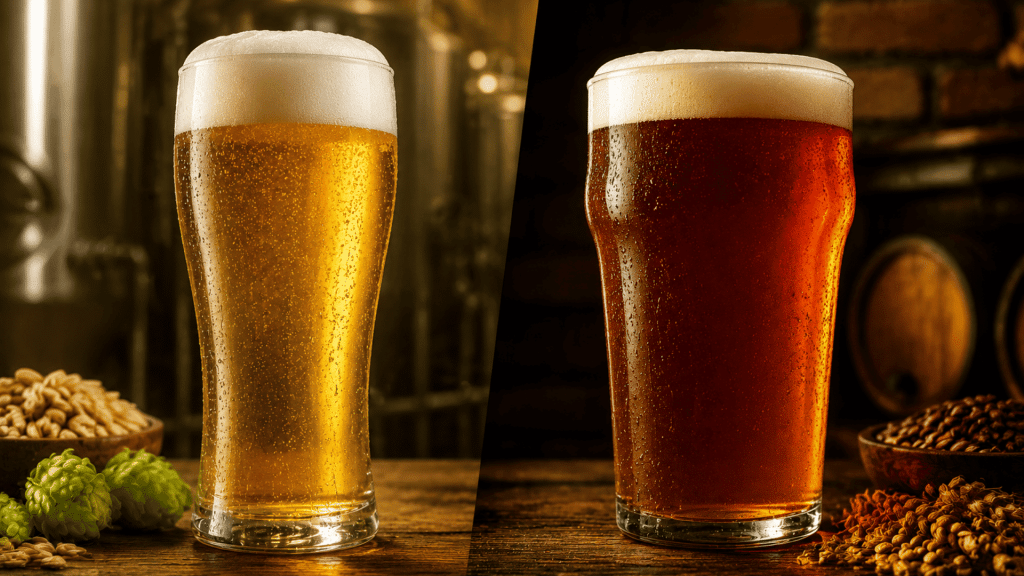
There’s a question that comes up constantly at bars, bottle shops, and backyard barbecues: what’s actually the difference between a lager and an ale?
Most people know they taste different. Fewer know why. And when you’re standing in front of a wall of unfamiliar bottles, that gap in knowledge gets frustrating fast.
The difference comes down to one thing: yeast. Once that clicks, everything else makes sense.
This blog breaks down both beer types, how they’re brewed, what they taste like, and how to choose between them.
Lager vs Ale: The One Thing That Separates Them
It’s not color. It’s not strength. It’s not even a taste. The one thing that separates a lager from an ale is yeast and how that yeast behaves during fermentation.
Ale uses Saccharomyces cerevisiae, a top-fermenting yeast that works quickly at warm temperatures of 60–75°F, and it floats to the surface, producing bold, fruity, complex flavors.
Lager uses Saccharomyces pastorianus, a bottom-fermenting yeast that works slowly and cold, sinking to the bottom of the tank and producing something clean, crisp, and smooth.
Same four ingredients. Completely different results.
That single difference in fermentation is responsible for every lager and ale ever brewed, thousands of styles, all traced back to one thing: yeast behavior.
Ale is the Oldest Beer Style in the World
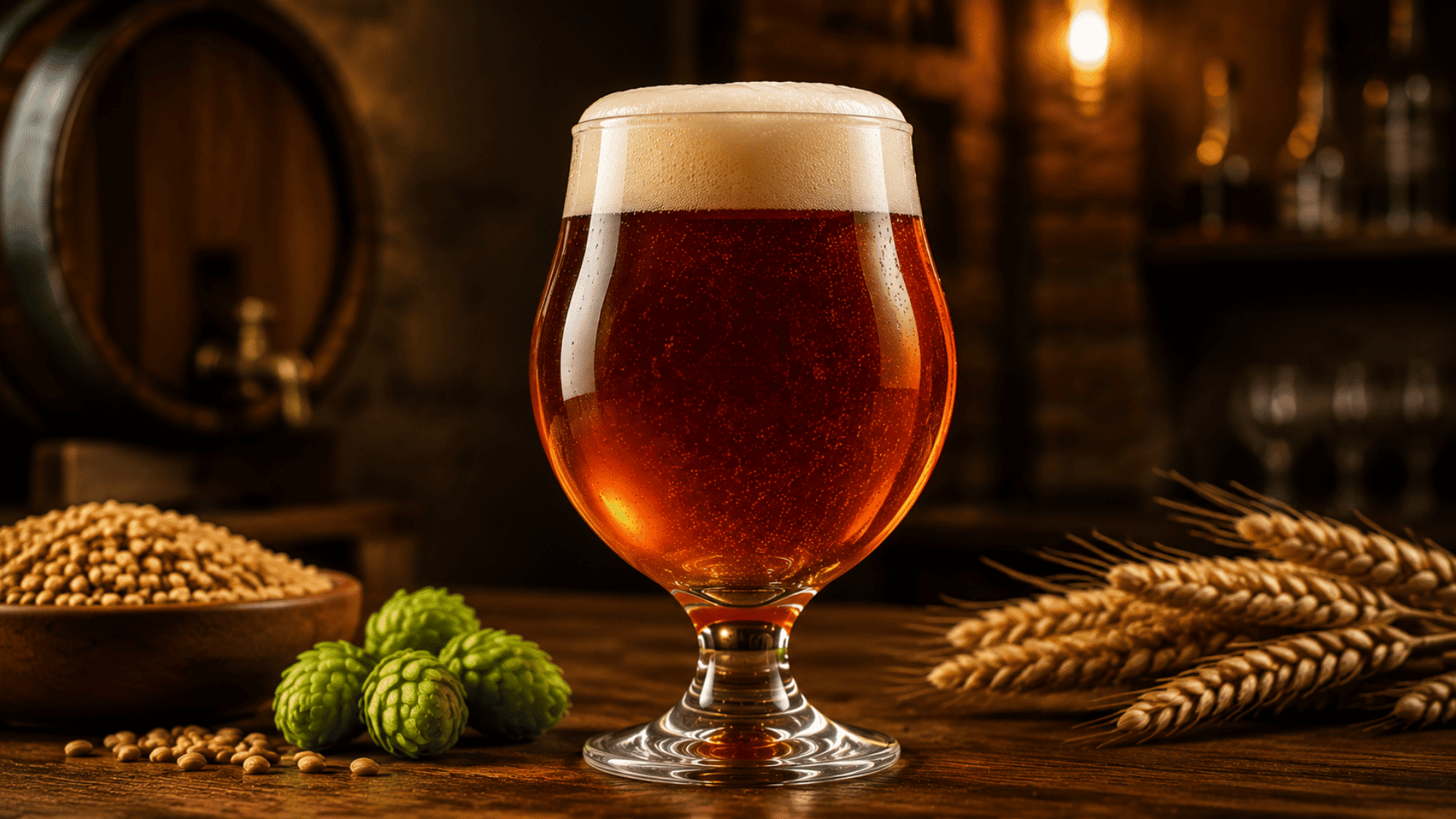
Ales have been brewed for thousands of years and remain one of the two major beer styles.
They are made with top-fermenting yeast that works best at warmer temperatures, usually between 60°F and 75°F, allowing fermentation to proceed quickly and typically finishing within one to two weeks.
That warmer fermentation produces esters and other flavor compounds, giving ales their signature fruity, complex, and sometimes spicy character.
Because of this, ales often feel more expressive and aromatic than lagers, with flavors that can range from bright and citrusy to rich, malty, or boldly hoppy depending on the style.
Common ale styles include:
- Pale Ale
- India Pale Ale (IPA)
- Stout
- Porter
- Wheat Beer
- Belgian Tripel
Lager Arrived Late but Made Up for Lost Time
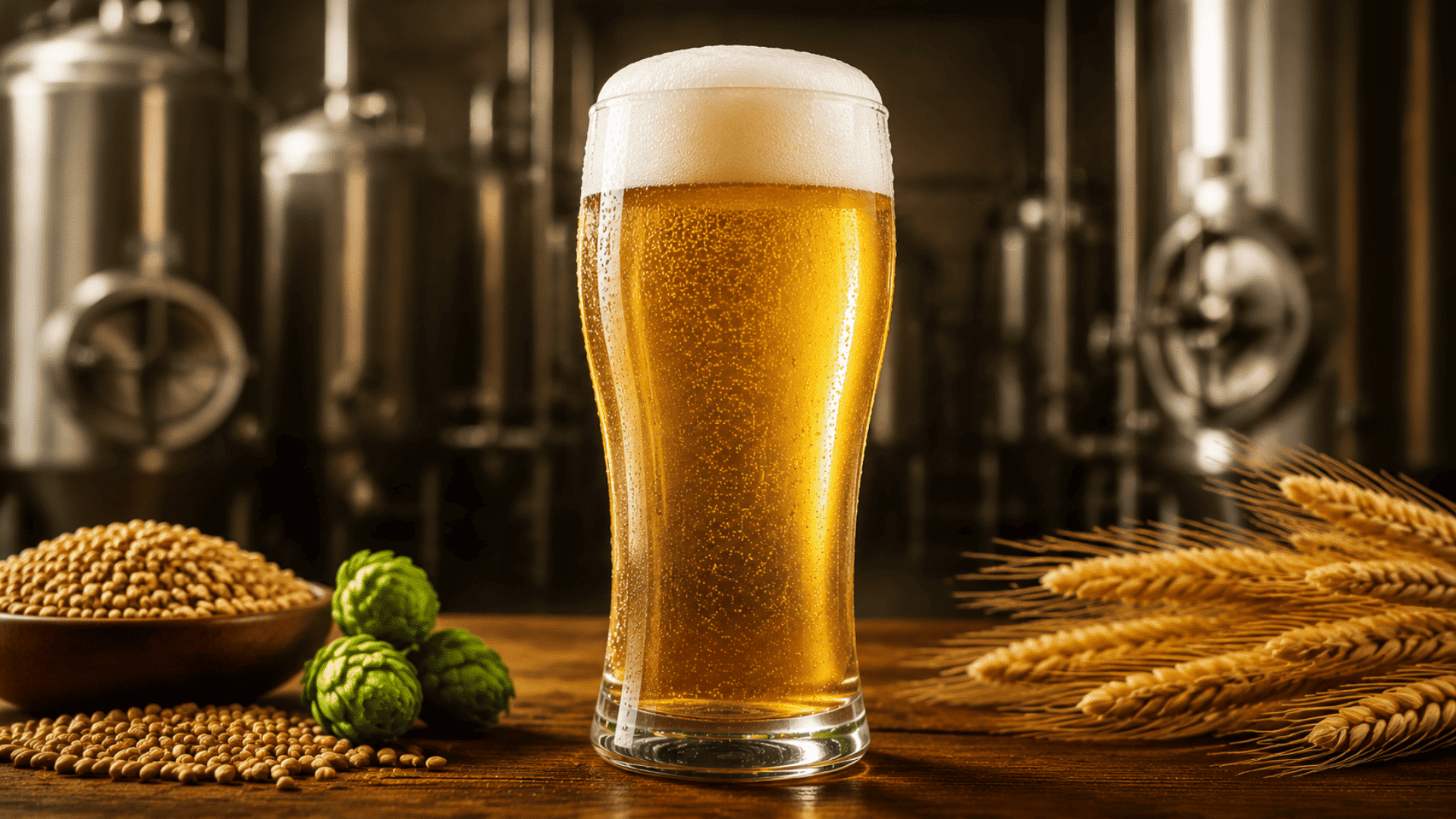
Lager emerged as a distinct style in 16th-century Bavaria, when brewers discovered that beer stored in cold alpine caves fermented slowly and clarified beautifully. The name comes from the German word lagern, meaning “to store.”
The modern pale lager we know today was later perfected in 1842 in Plzeň, Bohemia, giving the world the first-ever Pilsner.
Unlike ale, lager uses bottom-fermenting yeast that sinks to the bottom of the tank and works slowly at cold temperatures, usually between 35°F and 50°F.
After fermentation, lagers go through a cold conditioning phase that can last weeks or even months. That extra time and patience produce something clean, smooth, and remarkably consistent.
Common lager styles include:
- Pilsner
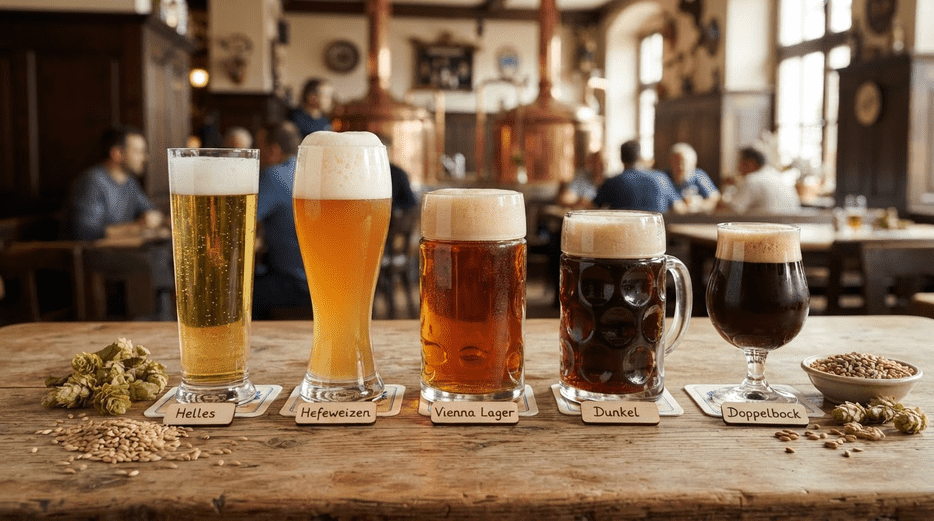
- Helles
- Dunkel
- Märzen / Oktoberfest
- Bock
Brewing Process: Lager vs Ale
Here’s a side-by-side breakdown of how the two differ in production:
| Factor | Ale | Lager |
|---|---|---|
| Yeast type | Top-fermenting | Bottom-fermenting |
| Fermentation temp | 60–75°F (15–24°C) | 35–50°F (2–10°C) |
| Fermentation time | 1–2 weeks | 2–4 weeks |
| Conditioning time | Short | Long (weeks to months) |
| Flavor byproducts | Fruity esters, phenols | Clean, minimal byproducts |
The temperature difference is everything. Cold fermentation slows yeast activity right down, which suppresses those fruity ester compounds.
That’s why lagers taste so clean; there’s less going on chemically, but that restraint is the point.
Ales, by comparison, run hotter and faster. The yeast produces more flavor compounds, which is why ales have that fruity, sometimes spicy character.
Taste and Aroma: What to Expect
Ales bring bold, fruity flavors. Lagers keep it clean and crisp. Here’s what to expect from each in the glass.
Ales tend to deliver more upfront flavor. Depending on the style, you might notice:
- Stone fruit (apricot, peach, plum)
- Citrus
- Roasted coffee or chocolate (in stouts and porters)
- Herbal or resinous hop bitterness (in IPAs)
- Spice or banana notes (in Belgian and wheat styles)
Lagers are typically defined by what they don’t have: no heavy fruit esters, no roasted notes unless it’s a dark lager. What you get instead:
- Crisp, light grain flavor
- Subtle floral or herbal hops
- Clean bitterness
- Refreshing carbonation
Neither is objectively better. It depends entirely on what you’re in the mood for.
Appearance and Mouthfeel
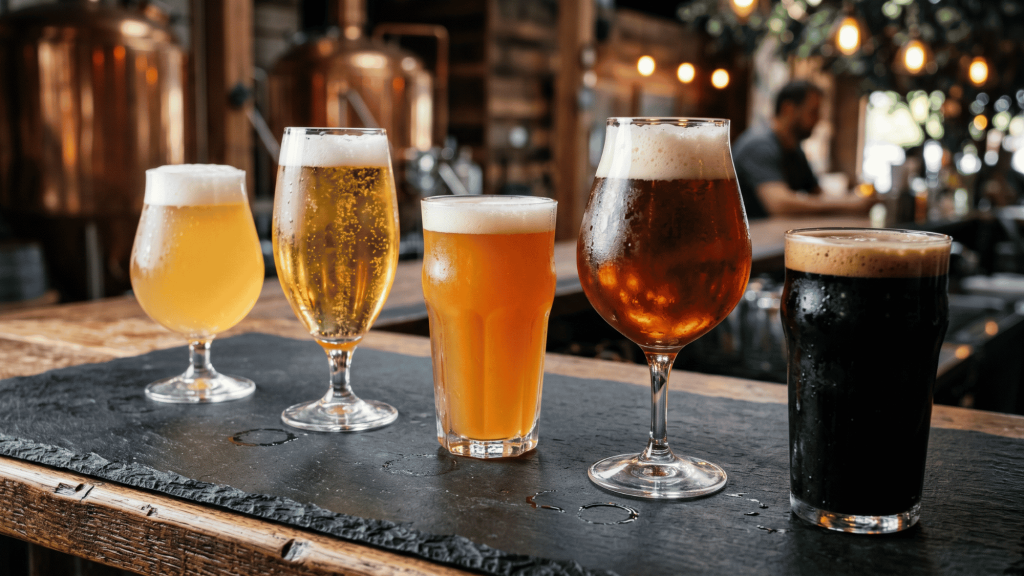
Both lagers and ales come in a full spectrum of colors, from straw-yellow to deep black.
Color mostly comes from how long the malt was roasted before brewing; it doesn’t reliably tell you whether something is a lager or an ale.
That said, there are some general patterns:
Ales:
- Often amber, copper, or dark
- Can be hazy (especially New England IPAs and wheat beers)
- Medium to full body
- Sometimes lower carbonation
Lagers:
- Often pale to golden
- Typically very clear, with good clarity after cold conditioning
- Light to medium body
- High, fine carbonation
Mouthfeel is where lagers often stand out for casual drinkers; they’re lighter, more fizzy, and go down easily.
That’s not a coincidence. It’s what makes them the best-selling beers in the world.
Popular Examples and Styles
From hoppy IPAs to cold-crisp pilsners, here are some of the most well-known ales and lagers worth trying.
Well-known ales:
- Guinness: Irish dry stout, roasty and smooth
- Sierra Nevada Pale Ale: The beer that defined American craft
- Chimay Blue: Belgian Trappist ale, rich and complex
- Newcastle Brown Ale: Malty, approachable, English-style
Well-known lagers:
- Pilsner Urquell: The original pilsner, Czech, malty, and bitter
- Heineken: Dutch pale lager, globally recognizable
- Modelo Especial: Mexican-style lager, crisp and clean
- Augustiner Helles: Bavarian lager, soft and bready
Most mass-market beers: Budweiser, Coors, and Corona are lagers. That’s given lager an unfair “cheap beer” reputation in some circles.
But spend time with a Czech Pilsner or a German Märzen, and that idea falls apart fast.
Food Pairing Tips
Choosing between a lager and an ale often comes down to what you’re eating.
Ales pair well with:
- Burgers and grilled red meat
- Strong cheeses
- BBQ and smoked foods
- Spicy dishes (a hoppy IPA can cut through heat)
- Chocolate desserts (stouts especially)
Lagers pair well with:
- Pizza
- Fried foods (fish and chips, fried chicken)
- Light salads and seafood
- Tacos and Mexican food
- Salty snacks
The general rule: richer, heavier food goes with richer, heavier ale. Lighter, cleaner food goes with lager.
When in doubt, a crisp lager works with almost anything.
Lager vs Ale Calories: Which One is Lower
Watching your calories but still want a beer? This is what you need to know.
Lagers are generally lower in calories than ales. A standard lager sits around 100–150 calories per 12oz serving. Ales tend to run higher, anywhere from 150–200 calories depending on the style.
The stronger and darker the beer, the higher the calorie count. Higher ABV and residual carbs from roasted malts drive calories. Imperial stouts can exceed 300 cal per 12 oz.
Lager calories by style:
- Light Lager: 90–110 cal
- Pilsner: 140–160 cal
- Helles: 130–150 cal
- Märzen: 150–170 cal
- Bock: 160–180 cal
Ale calories by style:
- Pale Ale: 160–190 cal
- Wheat Beer: 150–180 cal
- Hefeweizen: 150–180 cal
- IPA: 170–240 cal
- Stout: 180–210 cal
The general rule is simple. Lower ABV means fewer calories, regardless of whether it’s a lager or an ale. If cutting calories is the goal, a light lager is always your safest pour.
How to Choose Between Lager and Ale
If you’re new to beer, start with a pale lager. It’s accessible and clean, and it lets you establish a baseline before moving into more complex territory.
From there:
- Want something fruity and aromatic? Try a pale ale or wheat beer.
- Want something bitter? Go for an IPA.
- Want something dark but drinkable? A porter or Irish stout is a good entry point.
- Back to clean and crisp? Pilsner.
There’s no wrong answer. The best beer is the one you actually enjoy drinking.
Final Thoughts
Lagers and ales are two different approaches to the same basic process. Lagers lean on precision, cold fermentation, and clean flavors.
Ales lean on warmth, complexity, and variety. Neither is better; they’re just different tools for different moments.
If you’ve always stuck to one style, try switching it up. You might find a pale ale you love, or a dunkel that changes how you think about dark beer entirely.
Tried both styles? Drop a comment and share which one you keep coming back to.
Frequently Asked Questions
Which Beer is Least Harmful to Your Liver?
Non-alcoholic beer has minimal liver impact for healthy adults due to its near-zero alcohol content. However, those with pre-existing liver conditions (cirrhosis, NAFLD) should approach cautiously; even trace alcohol (0.5% ABV) can affect liver enzymes.
What Are the Top 3 Beers in The US?
Michelob Ultra became the best-selling beer in the U.S. in 2025, surpassing Modelo Especial. Bud Light dropped to #3 after more than two decades as the top seller.
Which Beer Has 75% Alcohol?
No beer naturally reaches 75% ABV in normal brewing. The strongest verified beers are around 65–68% ABV using special freeze-distillation methods. Claims of 75% are unverified or not considered true beer.