

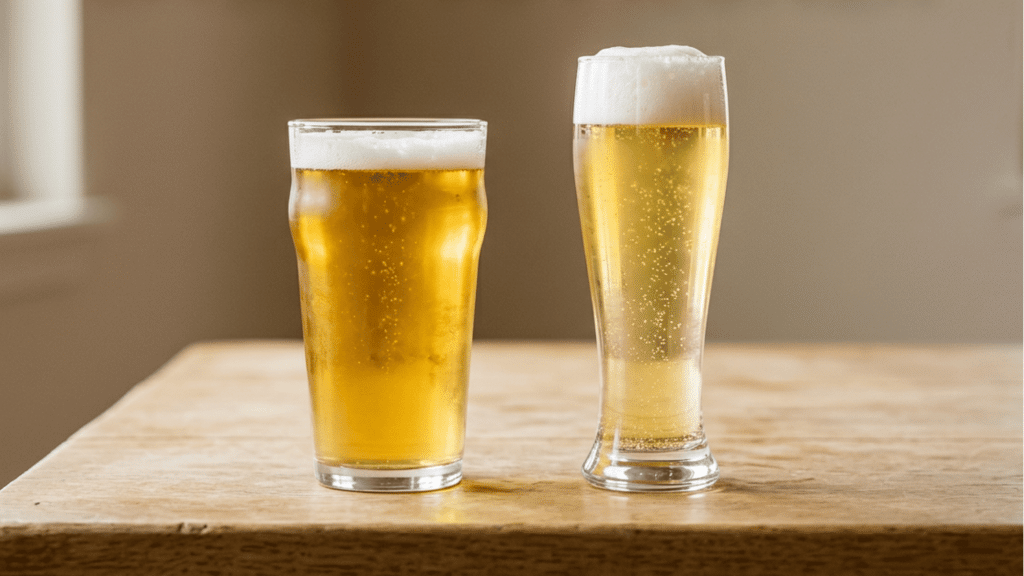
In the vast and varied world of beer, there’s no shortage of styles to enjoy. Two favorites that often get mixed up are Pilsner and Lager.
While they might look similar at first glance, each has its own distinct flavor, brewing method, and personality.
Lagers are smooth, easy-drinking, and go down almost effortlessly, while pilsners hit with a light, crisp bite and just enough hop to keep things interesting.
Beyond taste, the way they’re brewed and even their history give each its own personality.
In this article, we’ll break down the basics of beer, highlight what makes Pilsners and Lagers unique, and compare their key differences and similarities.
Lager vs Pilsner: Are They Actually the Same Thing?
Not quite, and it’s simpler than you think.
Lager brewing dates back to 14th-century Bavaria, with modern cold fermentation perfected in the 1800s. It was born in Germany through cold, slow fermentation.
It was paler, crisper, and cleaner than anything people had tasted before. Beer changed forever that day.
Let’s learn the easy way to think about it. Lager is the family. Pilsner is the most famous member of that family. Every pilsner is a lager, but not every lager is a pilsner.
They’re related. They’re just not the same thing.
What is a Lager Beer?
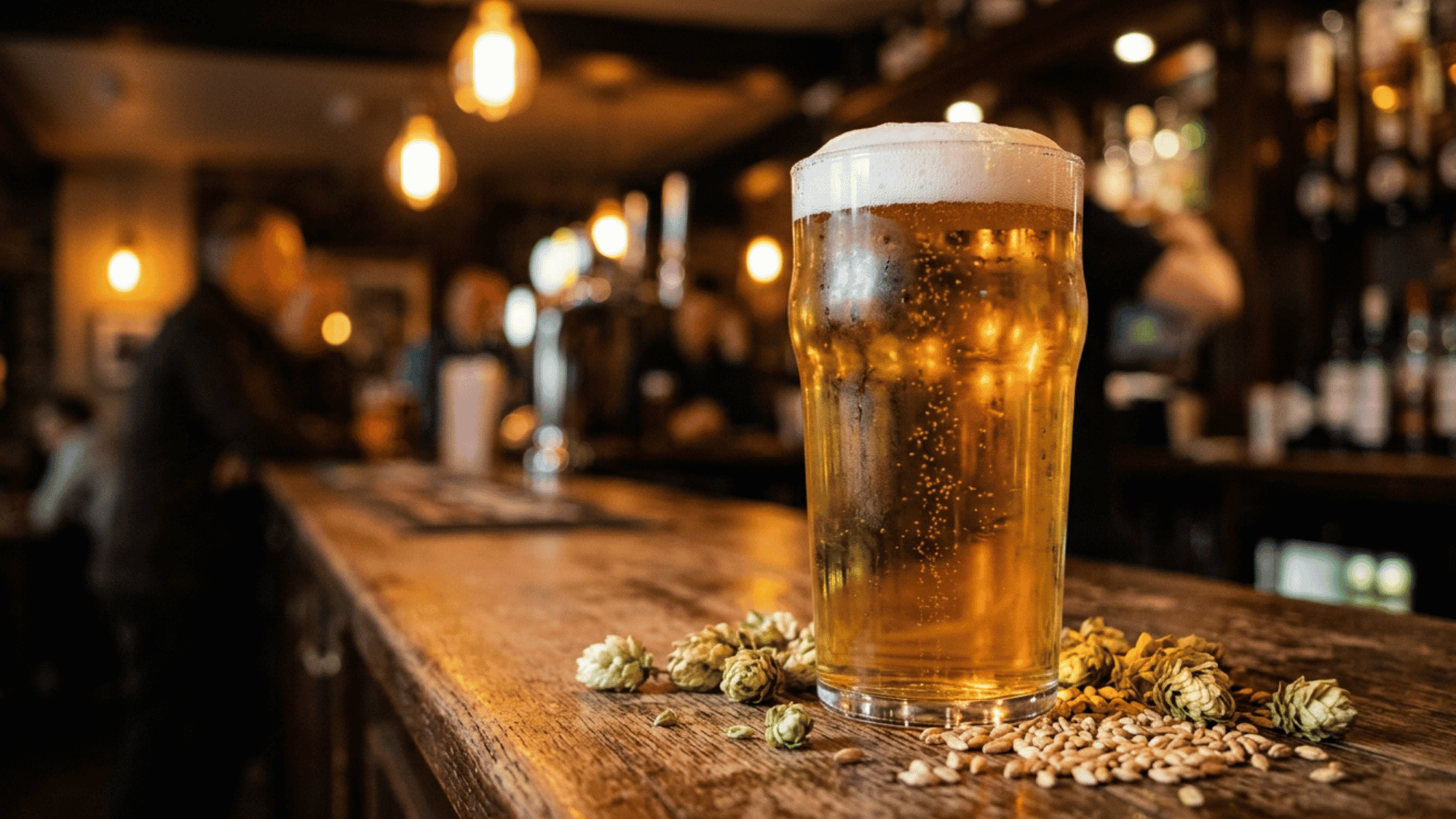
The world of craft beer is generally divided into two main categories: Ales and Lagers. A lager falls under this broad category and is known for its smooth, clean, and easy-drinking flavor.
Unlike ales, lagers are brewed with bottom-fermenting yeast at cooler temperatures and conditioned for longer, giving them a crisp, mellow taste and exceptional clarity.
This slow, cold fermentation also allows the flavors to develop gradually, resulting in a balanced beer that’s never too sharp or overpowering.
While many lagers share a smooth profile, they vary in style; some are pale and light, while others are darker and richer. Often less hoppy than other beers, lagers are approachable for nearly any palate.
Whether enjoyed on a hot day or paired with hearty food, lagers are versatile, reliable, and a favorite around the world.
What is a Pilsner Beer?
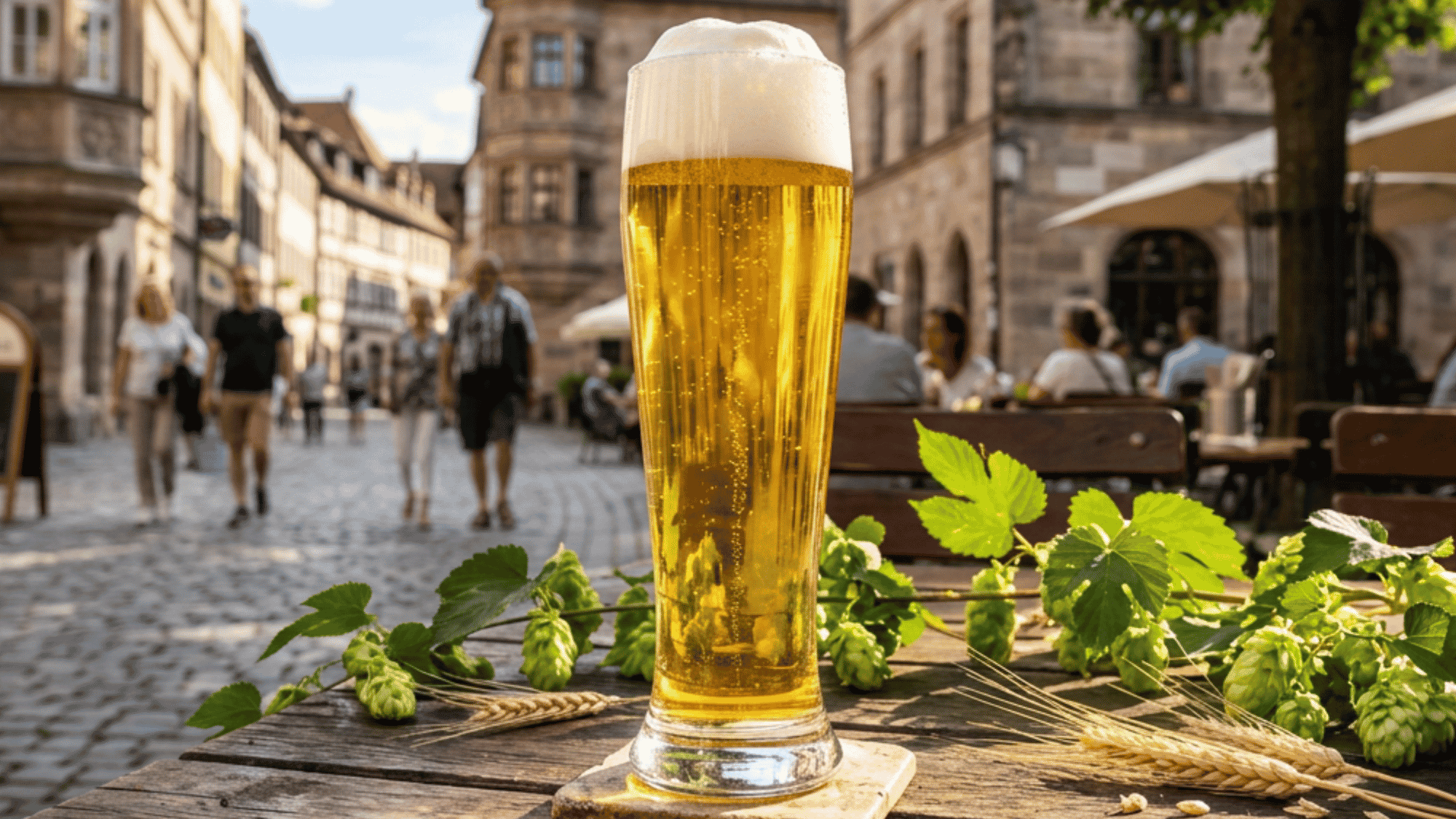
A Pilsner is one of the most recognizable types of beer, often the first thing that comes to mind when people think of a classic cold beer.
It originated in the city of Plzen in the Czech Republic in the 19th century and quickly gained popularity worldwide.
Pilsners are a type of pale lager, usually ranging from straw to golden in color, with a clean, crisp flavor that’s easy to drink.
What sets them apart is their moderate bitterness, driven by a distinct spicy hop character that adds a refreshing, lively edge. They typically have brisk carbonation, making each sip feel light and sparkling.
Pilsners pair exceptionally well with warm weather, lighter meals, and spicy dishes, making them a go-to choice for casual gatherings or simply enjoying a crisp, refreshing beer.
Lager vs Pilsner: Key Differences
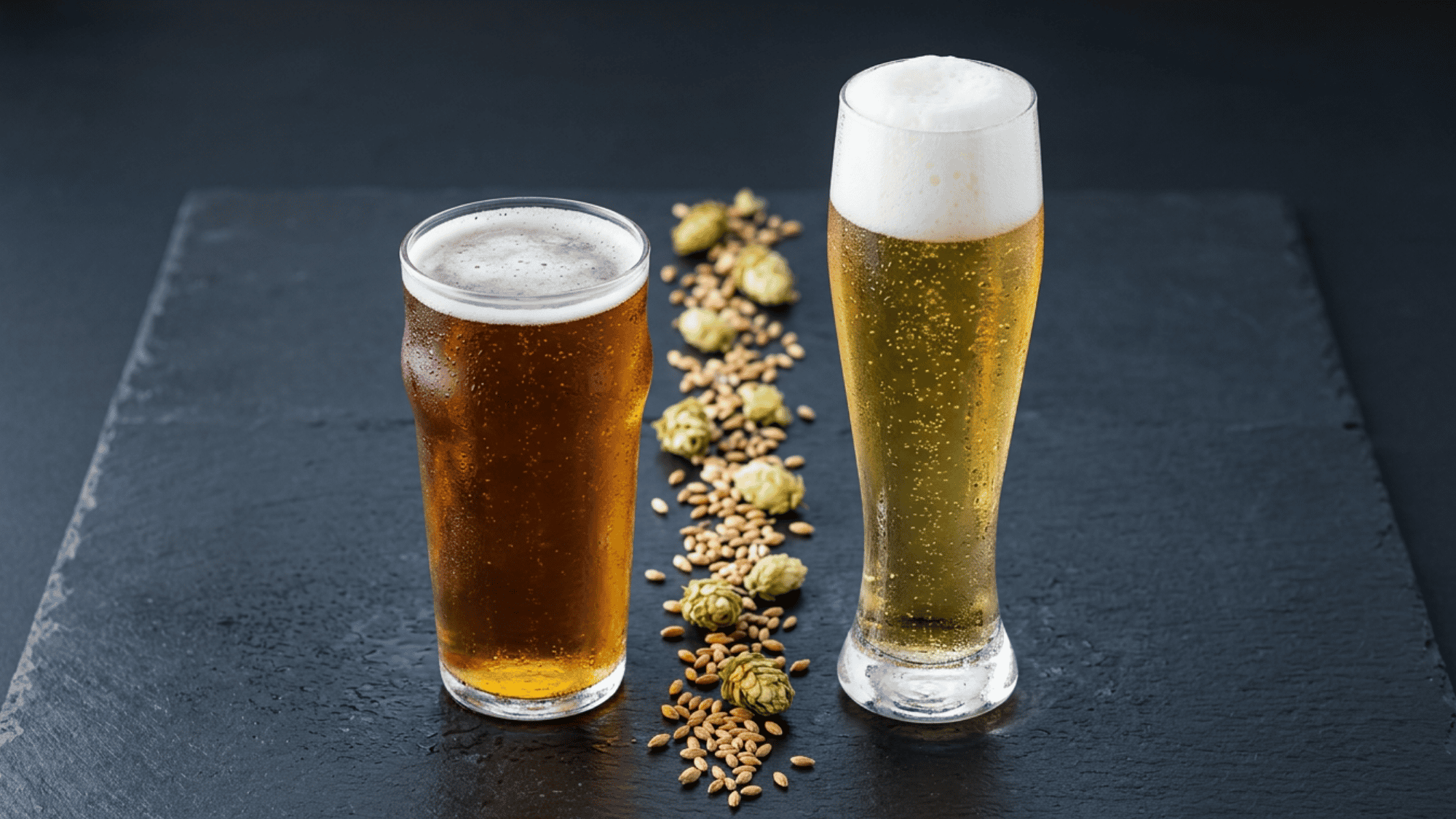
Lagers and pilsners share some similarities, but a closer look reveals clear distinctions in taste, brewing methods, and overall feel. Let’s look at the key differences that make each beer unique.
How The Brewing Process Affects The Taste
Lagers are fermented slowly at cold temperatures using bottom-fermenting yeast. This long, cold aging process keeps the flavors clean and mellow. The result? A smooth, easy-drinking beer with no sharp or overpowering notes.
Pilsners use the same bottom-fermenting lager yeast as other lagers, but with one key difference: Noble hops are added during brewing. These hops bring a crisp, slightly bitter, aromatic finish.
Even a small shift in fermentation temperature or aging time can noticeably change the taste. So the brewing process isn’t just a behind-the-scenes step; it’s the reason these two beers taste nothing alike.
Taste Comparison: Lager vs Pilsner Side by Side
Lagers taste smooth, clean, and mellow. There’s a subtle sweetness to them with very little bitterness. They go down easily and never feel sharp or heavy on the palate. Perfect for slow, relaxed sipping.
Pilsners hit differently. They’re crisp and bright, with a noticeable hoppy bitterness. That slight bite is what makes them feel refreshed and lively. Every sip feels a little more energetic than a lager.
Both are cold, refreshing, and easy to drink. But if lagers are the laid-back option, pilsners are the ones that keep your taste buds on their toes.
Appearance and Aroma
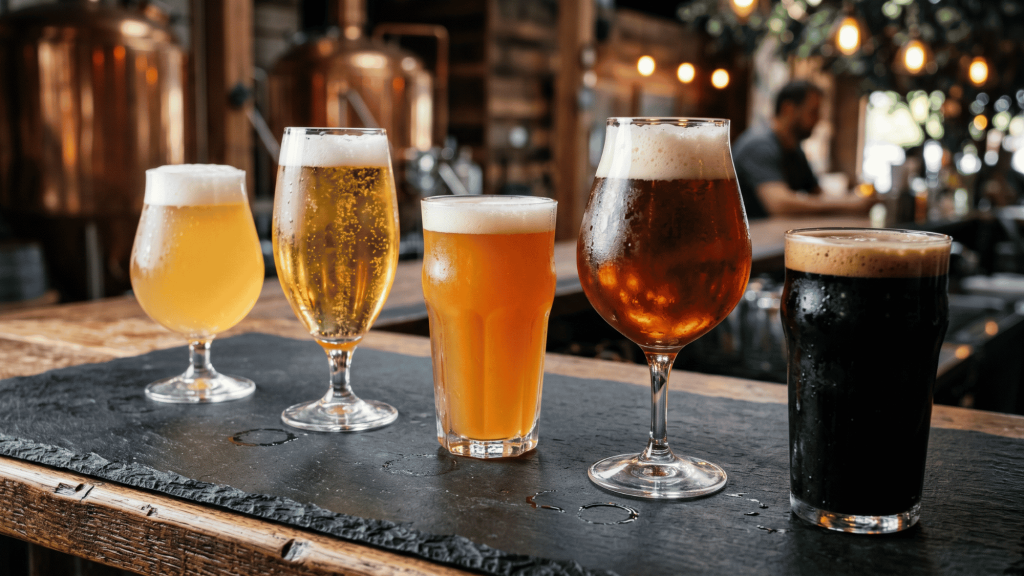
Lagers can range anywhere from pale straw to deep amber, depending on the style. They usually have soft carbonation and subtle aromas that don’t hit you right away. More understated, more relaxed in the glass.
Pilsners are lighter and golden with a bright, crystal-clear appearance. The carbonation is brisk, which adds to that crisp, refreshing mouthfeel. Aromatically, you’ll catch hints of spice and floral hops right from the first sniff. Head retention is also stronger in pilsners, giving them that effervescent, freshly poured look.
Bottom line: what you see and smell before the first sip already shapes how the beer tastes to you.
Food Pairing and Occasions
Lagers are versatile and pair well with hearty meals, roasted meats, and comfort foods, thanks to their smoothness. They’re ideal for casual, everyday drinking.
Pilsners, with their crisp, slightly bitter edge, complement lighter dishes, spicy foods, and outdoor summer occasions. Whether enjoying a picnic, barbecue, or a casual get-together, knowing which beer pairs best with the meal or setting can enhance flavor and refreshment.
Their distinct profiles also make them suitable for different moods: lagers for relaxed evenings and pilsners for lively gatherings, giving beer lovers options for every occasion.
Popularity and Global Reach
Lagers dominate the global beer market due to their approachability, smooth taste, and versatility, making them a top choice for casual drinkers.
Pilsners, though a subtype, have a strong niche following, especially among craft beer enthusiasts who appreciate their crisp, hoppy flavor and refreshing profile.
While lagers are widely available, pilsners are often prized for their quality and tradition, especially in Europe and the craft beer scene. Together, they highlight how subtle differences can create distinct beer experiences enjoyed worldwide.
Types of Pilsners and Lagers
Both lagers and pilsners come in a variety of styles, each with its own flavor, color, and character. Knowing the different types can help you choose the right beer for any occasion or meal.
Pilsners
Pilsners come in a variety of styles, each offering a unique take on the classic pale lager with its crisp, refreshing character and balanced hop flavor. Some of the popular types are:
1. Czech Pilsner: The original Pilsner from Plzen, Czech Republic. Light golden color, soft malt sweetness, and a gentle, spicy hop bitterness. Smooth, balanced, and highly drinkable.
2. German Pilsner (Pils): Pale, clear, and slightly more bitter than Czech versions. Crisp with floral hops and a dry finish. Popular in Germany and globally recognized.
3. American Pilsner: Lighter in body and hops than European pilsners. Refreshing, easy to drink, and often slightly sweet, making it perfect for casual occasions.
4. Imperial/Double Pilsner: Stronger in alcohol and hoppier than standard pilsners. Full-bodied, with pronounced bitterness and aroma. A bolder choice for craft beer enthusiasts.
5. Hoppy/Modern Craft Pilsner: Modern twist on the classic, emphasizing unique hop varieties. Bright, aromatic, and crisp, often brewed by craft breweries to highlight hop flavors.
Lagers
Lagers encompass a diverse range of beer styles, from light and refreshing to dark and full-bodied. Each type offers its own distinctive blend of flavor, smoothness, and drinkability. Types of lagers include:
1. Pale Lager: Light-colored and mild in flavor, with a soft malt sweetness and gentle carbonation. Perfect for casual drinking or pairing with a variety of foods.
2. Amber/Dark Lager: Richer in color and flavor, often with caramel or toasty notes. Smooth and balanced, making it a satisfying option for those who prefer depth.
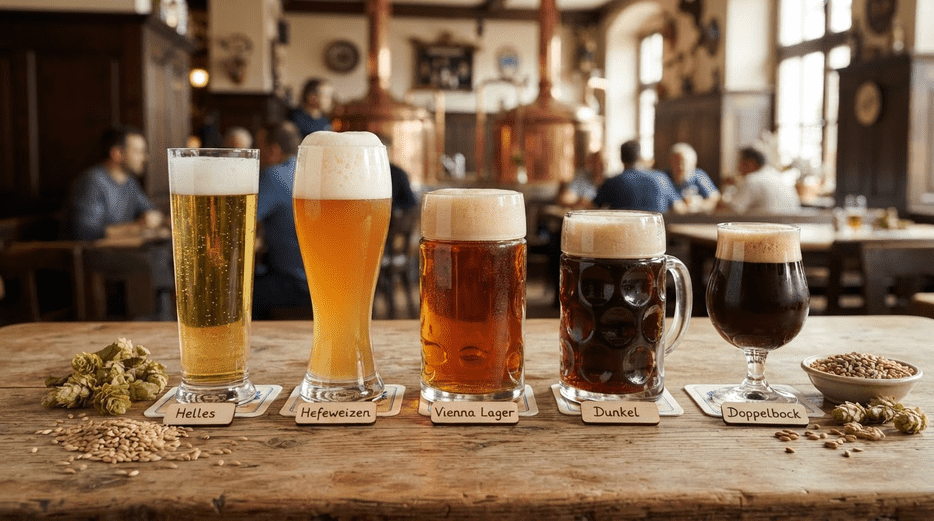
3. Vienna Lager: Medium-bodied, amber to copper in color, with a subtle malt sweetness and gentle hop bitterness. Classic European style with a smooth, easy-drinking finish.
4. Bock: Stronger and darker lager, typically with a malty, slightly sweet flavor. Often brewed for special occasions or seasonal enjoyment.
5. Märzen/Oktoberfest: Medium to full-bodied, amber-colored, with toasty malt notes and mild bitterness. Traditionally served at festivals, especially the Oktoberfest in Germany.
Calorie Comparison: Lager vs Pilsner
Watching what you drink? Take a look at how the two stack up.
| Beer Type | Typical Calorie Range | Why It Differs |
|---|---|---|
| Pale lagers | 100–150 kcal | Light body and moderate malt content |
| Dark lagers (Bock, Märzen) | 150–180 kcal | Richer malt profile and fuller body |
| Pilsners | 100–140 kcal | Lighter body and lower malt content, slightly fewer calories |
Can You Substitute Pilsner for Lager in Recipes?
Yes, in most cases, you can. Since pilsners are technically a type of lager, they work well as a substitute in most recipes.
The one thing to keep in mind is the difference in taste. Pilsners have a slightly bitter, hoppy edge that lagers don’t. In beer-braised meats, stews, or marinades, that bitterness can come through in the final dish.
For light batters, bread, or sauces, the swap works perfectly fine. Stick to a mild pilsner, and the difference will be barely noticeable.
Conclusion
Which One Should You Pick?
Both lagers and pilsners have earned their place in the beer world for good reason. Lagers give you that smooth, easy-drinking experience you can count on. Pilsners bring a crisp, hoppy bite that keeps things interesting.
Neither is better than the other. It really comes down to what you’re in the mood for. Some days call for a slow, mellow lager. Other days, a cold, refreshing pilsner hits the spot.
The best way to decide? Grab one of each, pour them side by side, and let your taste buds make the call.
Frequently Asked Questions
Can Pilsners Be Considered Lagers?
Yes. Pilsners are actually a type of lager, but they are distinguished by their pale color, crisper taste, and pronounced hop character.
Can You Store Lagers and Pilsners for a Long Time?
Pilsners actually have shorter shelf life because their delicate floral hop aromatics fade rapidly after 3 months. Lagers are more stable, lasting 3–6 months (light beers) or up to 6–12 months if pasteurized.
What Glassware is Best for Serving?
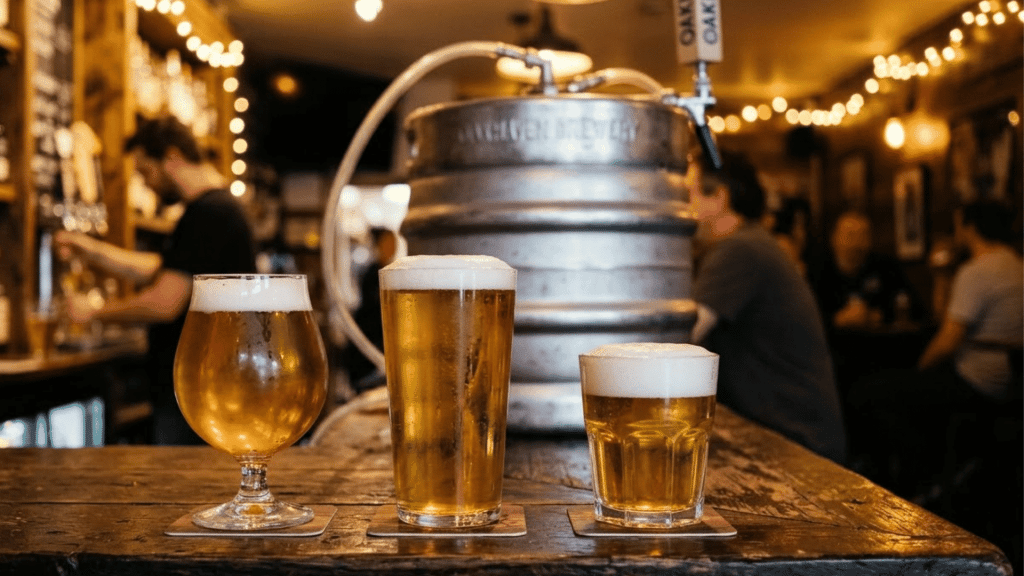
Lagers work well in standard lager glasses or mugs, while pilsners shine in tall, narrow pilsner glasses to showcase color and carbonation.