

A pint may seem like a simple drink measurement, but it can hold more servings than you expect.
Knowing how many shots in a pint makes it easier to understand serving sizes, compare bottles, and keep track of pours.
The answer also changes with shot size, local measurement rules, and the type of drink being served.
This blog breaks down the numbers in plain terms, compares beer with spirits, and covers common liquor types.
Keep reading for quick calculations and easy tables that make pint-to-shot measurements simple.
How Many Shots are in a Pint?
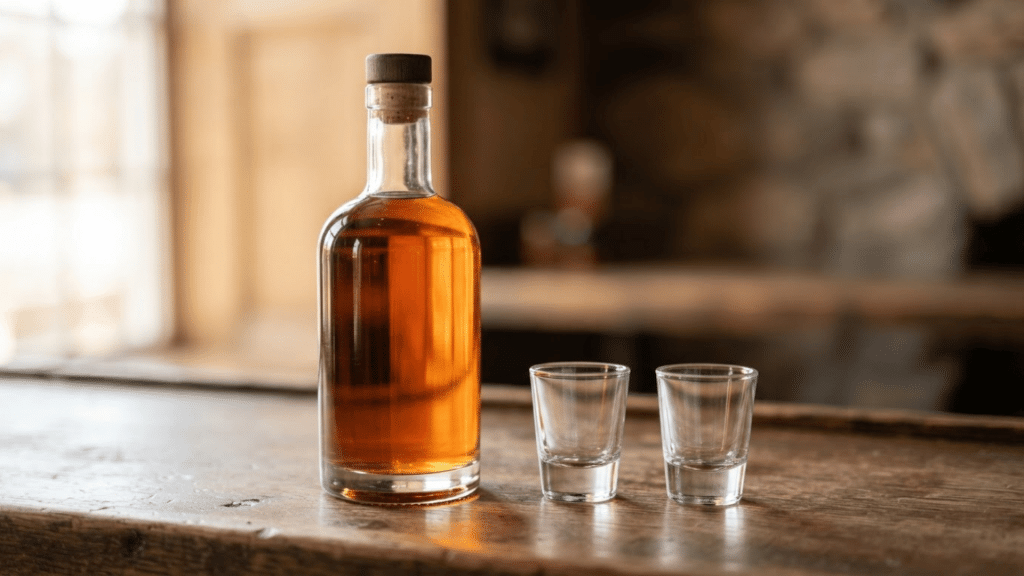
A standard U.S. liquid pint holds 16 fluid ounces. Using a common 1.5-ounce shot, one pint contains about 10.7 shots. In everyday use, that is often rounded to about 10 or 11 shots.
The exact number can change when a bar, restaurant, or home pour uses a different shot size. A 1-ounce shot gives 16 servings from a pint, while a 2-ounce pour gives only eight.
It also helps to remember that a 375 mL liquor bottle is smaller than a true 16-ounce U.S. pint. The same logic applies to figuring out a fifth of liquor, since it uses the same volume-divided-by-pour-size math.
| Shot Size | Shots in a 16 oz Pint |
|---|---|
| 1 oz | 16 |
| 1.25 oz | 12.8 |
| 1.5 oz | 10.7 |
| 2 oz | 8 |
Shot Sizes Around The World and Why They Matter
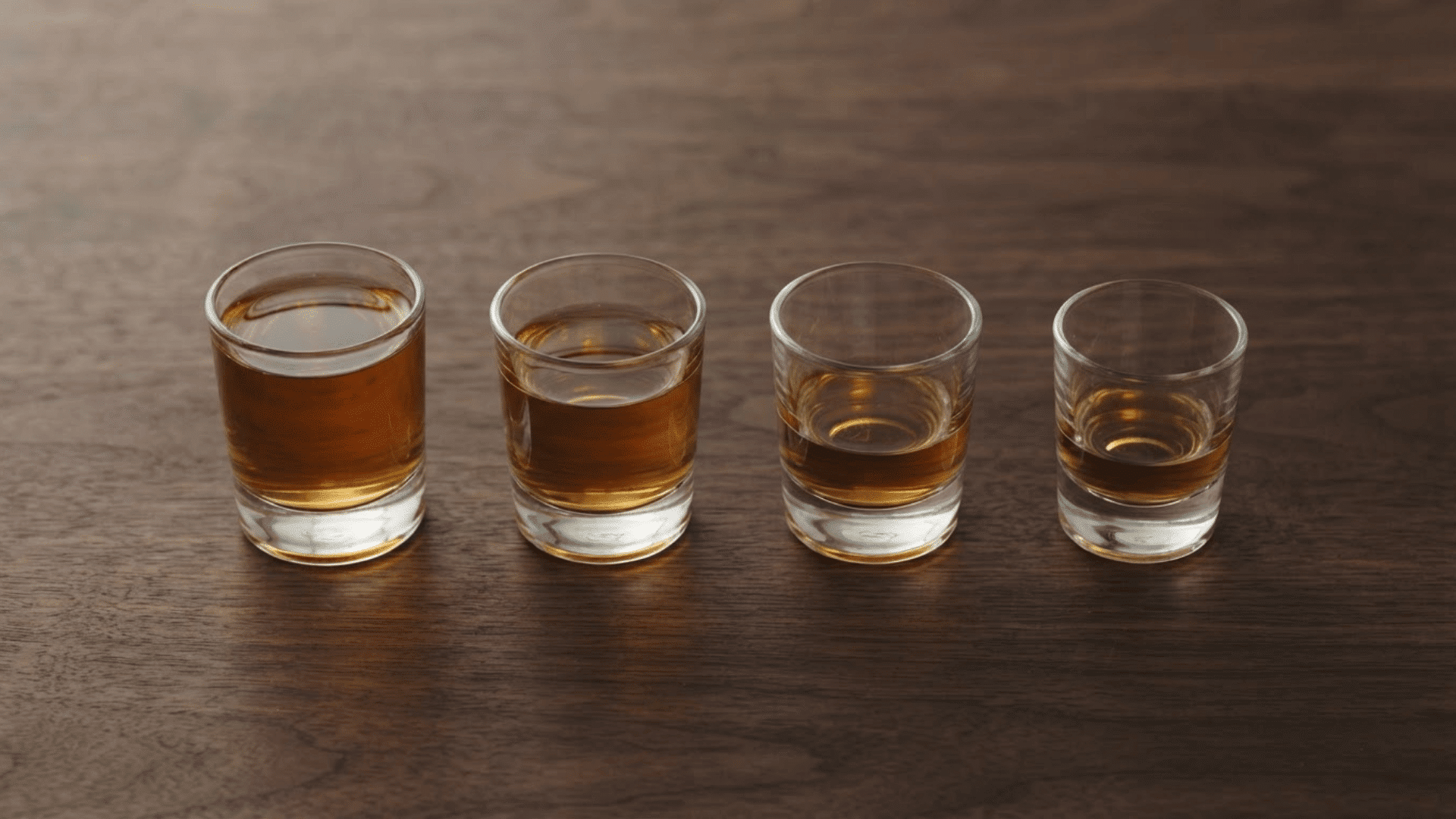
A “shot” does not have one fixed size everywhere. Local serving rules and bar practices can change the final pint-to-shot count.
-
United States: A common shot is about 1.5 fluid ounces, or roughly 44 mL, though bars may use smaller or larger pours depending on the drink.
-
United Kingdom: Spirits are commonly sold in 25 mL or 35 mL measures, so a pint would contain more servings than with a 1.5-ounce U.S. shot.
-
Australia: A standard spirits pour is often around 30 mL, which makes the number of servings from a pint higher than the typical U.S. count.
-
Canada: Pour sizes may differ by province and venue, with 1-ounce and 1.5-ounce servings both commonly seen in bars and restaurants.
What Can Affect How Strong a Pint Feels?
The same pint can feel stronger for one person than another because several factors affect how alcohol is processed.
A drink with a higher ABV contains more pure alcohol, even when the serving size stays the same, which is what the proof number on a bottle label measures.
Drinking quickly can also make the effects feel stronger because the body has less time to process the alcohol.
Body size and composition can influence how alcohol is distributed, while eating before or during drinking may slow absorption.
Some medications can also interact with alcohol and increase side effects. Tolerance can change how noticeable the effects feel, but it does not remove the alcohol from the body.
How is The Number of Shots in a Pint Calculated?
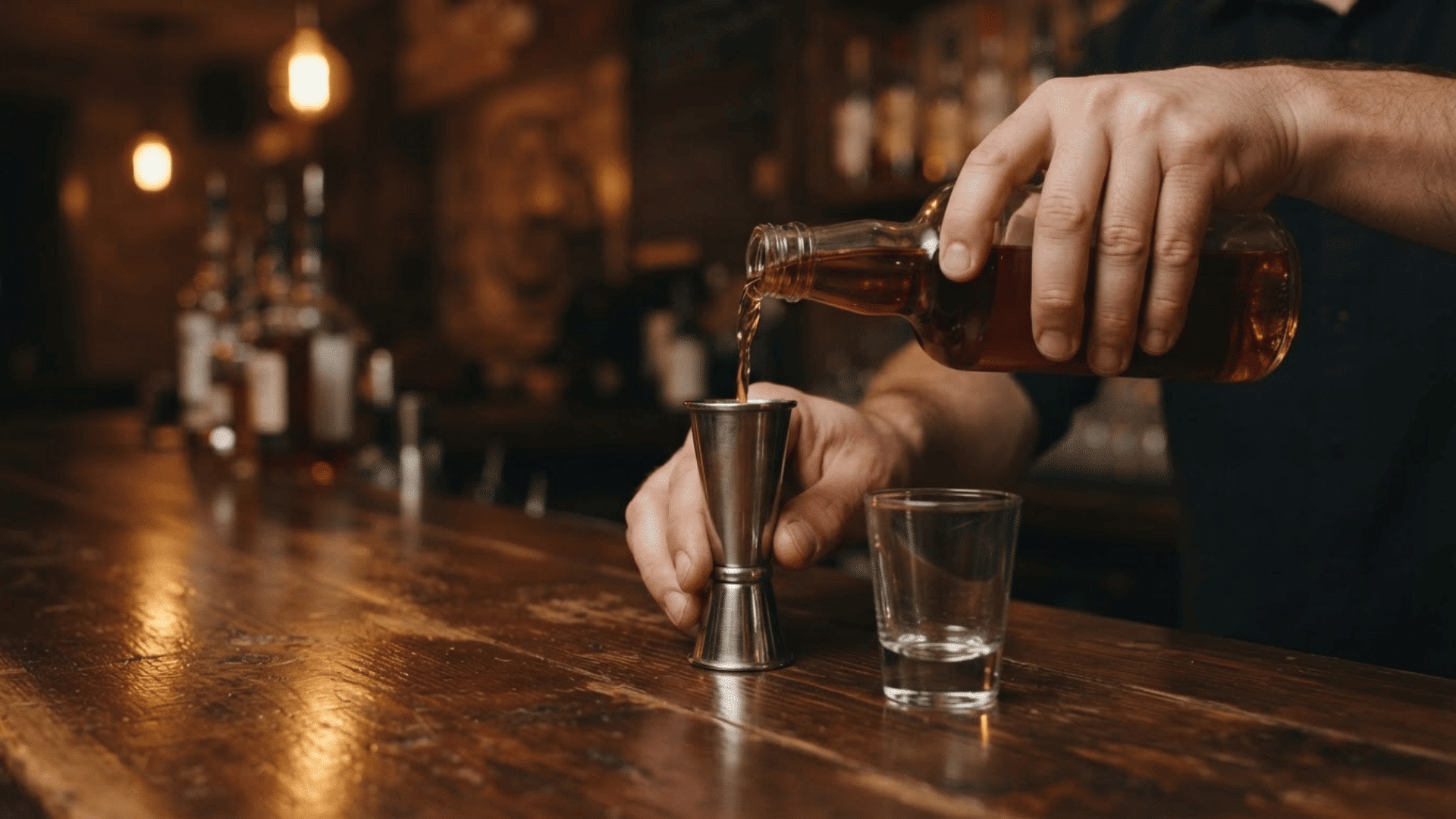
The calculation is based on two measurements: the total volume of the pint and the size of each shot. Once both numbers are known, the math is simple.
Start with The Pint Size
A U.S. liquid pint contains 16 fluid ounces. This is the base number used for the calculation. It is important to separate a true pint from liquor bottles that may casually be called a pint.
For example, a 375 mL bottle holds about 12.7 fluid ounces, one of several standard liquor bottle sizes worth knowing before comparing labels. Checking the actual bottle volume first prevents the final serving count from being overstated.
This difference matters when planning servings or comparing bottle sizes. Always check the volume printed on the label before calculating the number of shots.
Check The Shot Measurement
A 1.5-ounce pour is commonly used as the standard reference for a U.S. shot. Still, actual pours are not always identical.
Some glasses hold one ounce, while larger pours may reach two ounces. Since the size of each serving directly changes the final number, using the correct shot measurement matters.
Smaller servings create more shots per pint, while larger servings reduce the total count. A measured shot glass or jigger can help keep each pour consistent and make the final count more accurate
Divide The Pint Volume by The Shot Size
The basic formula is simple: pint volume ÷ shot size = number of shots. For a 16-ounce pint and a 1.5-ounce shot, the calculation is 16 ÷ 1.5, which equals about 10.67.
That means a pint provides roughly 10 full shots with a small amount left over. For easier planning, the result is often stated as about 10 to 11 shots.
Using the same formula makes it easy to calculate other shot sizes without guessing, and the same math scales up for a full liter once you swap in the larger volume. Just keep both measurements in the same unit, such as fluid ounces, before dividing.
Account for Real Pouring Differences
Measured calculations work well on paper, but real pours can differ. A bartender may use a jigger for consistency, while home pours are often less exact.
Ice, spills, overpouring, and glass shape can also affect the amount served. Using a jigger can reduce these differences and help keep every serving closer to the intended measurement.
For that reason, the calculated number should be treated as a volume estimate rather than a promise that every pint will produce the exact same number of servings.
Pint of Beer vs. Pint of Liquor: How Does The Alcohol Compare?
A pint of beer and a pint of spirits may have the same liquid volume, but their alcohol content can be very different. Alcohol by volume, or ABV, is the main reason.
| Comparison | Pint of Beer | Pint of Liquor |
|---|---|---|
| Typical volume | 16 fl oz in the U.S. | 16 fl oz for a true U.S. pint |
| Common ABV | Around 4%–6% | Around 35%–40% |
| Typical serving style | Sipped as one drink | Divided into smaller pours |
| 1.5 oz shot equivalents by volume | About 10.7 | About 10.7 |
| Alcohol concentration | Much lower | Much higher |
| Drinking context | Usually consumed gradually | Usually served in small measures |
How Many Shots in a Pint of Vodka, Whiskey, and Other Spirits?
The spirit type does not change the shot count when the pint size stay the same. The main difference comes from each drink’s ABV. If you’re stocking a party instead of a single pour, it also helps to know how those numbers scale up in a full handle bottle.
- Vodka: A 16-ounce pint gives about 10.7 shots at 1.5 ounces each. Many vodkas are around 40% ABV, though strength varies.
- Whiskey: The serving count stays the same at about 10.7 shots per pint. Whiskey can range widely in strength depending on the bottle.
- Rum: A pint of rum also gives about 10.7 standard pours. Light, dark, and overproof rum may have very different alcohol percentages.
- Gin: A 16-ounce pint of gin provides about 10.7 shots. The number of servings stays fixed, but the ABV can change by brand.
- Tequila: Tequila follows the same volume calculation, giving about 10.7 shots per pint. Check the label to compare alcohol strength between bottles.
Conclusion
Understanding pint measurements helps make sense of serving sizes, whether comparing spirits, planning pours, or checking drink volumes.
That small difference between a 1-ounce and 1.5-ounce shot can add several servings to the same amount of liquid.
Keeping the measurements clear also helps avoid confusion between a true U.S. pint and smaller liquor bottles sold under familiar names.
Use the tables above as a quick reference before measuring drinks, planning servings, or comparing bottle sizes. Save this page for the next time a pint-to-shot conversion comes up.
Frequently Asked Questions
Is a Shot Glass Always Equal to One Shot?
No. Shot glasses come in different capacities, so the marked or measured volume matters more than the glass itself.
Why Do Some Liquor Bottles Use Milliliters Instead of Ounces?
Many bottles follow metric packaging standards, so their volume is listed in milliliters rather than U.S. fluid ounces.
Is a Double Shot Exactly Twice a Regular Shot?
Usually, but serving rules vary by location. Check a double against the venue’s stated single-pour measurement.