

A night out often comes with one simple question: How much is a shot? The answer depends on more than just what is poured into the glass.
Liquor quality, bar location, venue type, and serving size can all influence the final price.
A basic shot at a neighborhood bar may cost relatively little, while premium or top-shelf spirits at an upscale venue can cost considerably more. Even the amount served as a “shot” may vary between establishments.
This blog breaks down typical shot prices, serving sizes, and the main factors that determine what a bar charges.
How Much is a Shot of Liquor?
In the United States, a shot of liquor is commonly 1.5 fluid ounces (44 milliliters). However, there is no single universal shot size, and the amount served can vary depending on the bar, location, and house pouring policy.
Some establishments use smaller pours, while others may serve slightly larger amounts.
Shot glasses also come in different capacities, so the size of the glass does not always indicate the exact amount of liquor being served.
The pour size matters when considering price because bars generally calculate drink costs based partly on the amount and type of liquor served.
How Much Does a Shot Cost at a Bar?
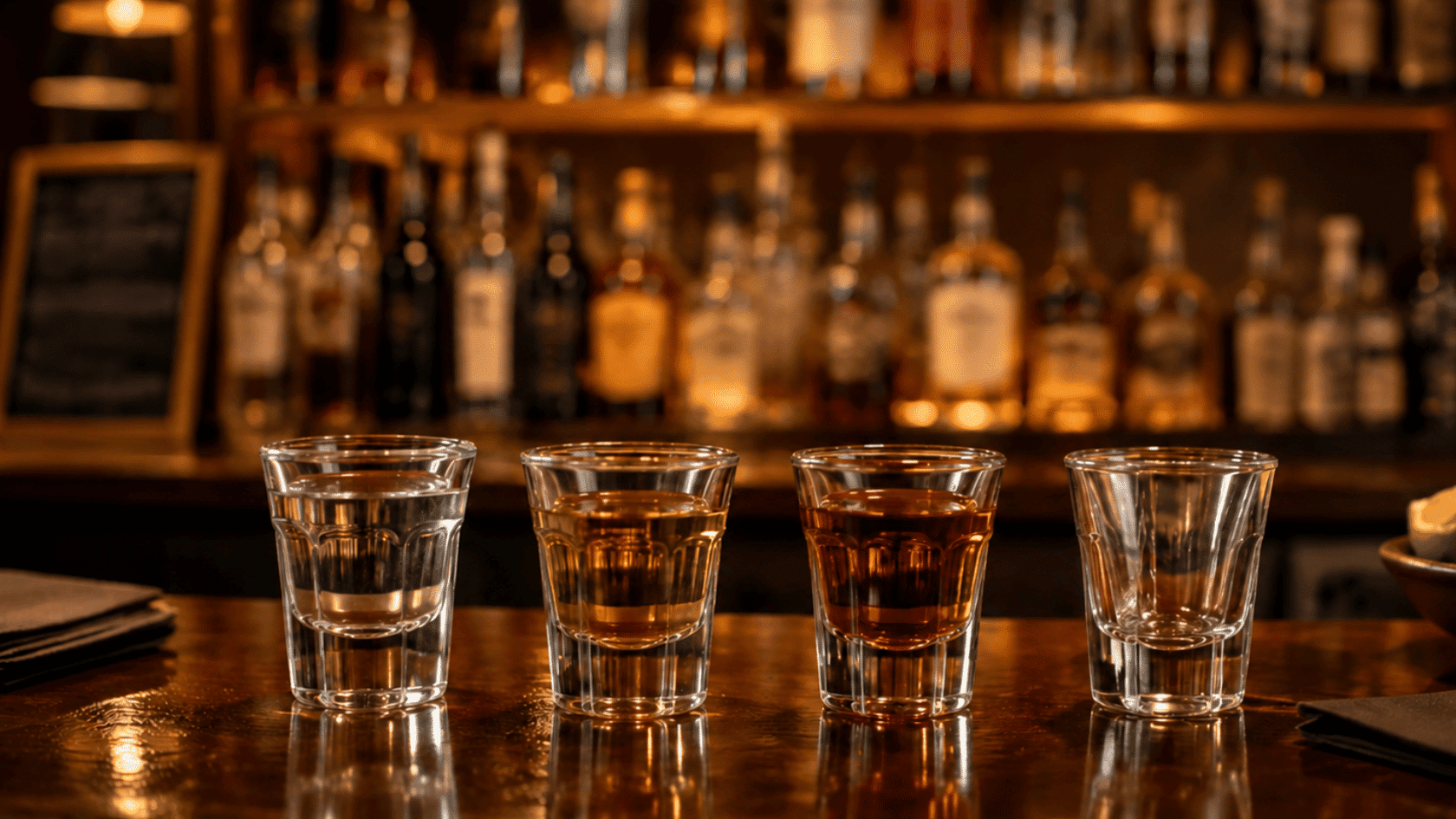
A shot at a bar commonly costs around $5 to $15, although the actual price can vary considerably between establishments.
Well liquor usually falls toward the lower end of the price range because it is the bar’s standard house option.
Premium and top-shelf spirits generally cost more, with some pours priced at $15 or higher depending on the bottle.
The venue type also affects pricing. Neighborhood bars and casual pubs may charge less, while nightclubs, rooftop bars, luxury hotels, and upscale restaurants often charge more.
Bottle cost, local taxes, staffing expenses, rent, and customer demand may also contribute to the final price charged for a shot.
What Affects The Price of a Shot?
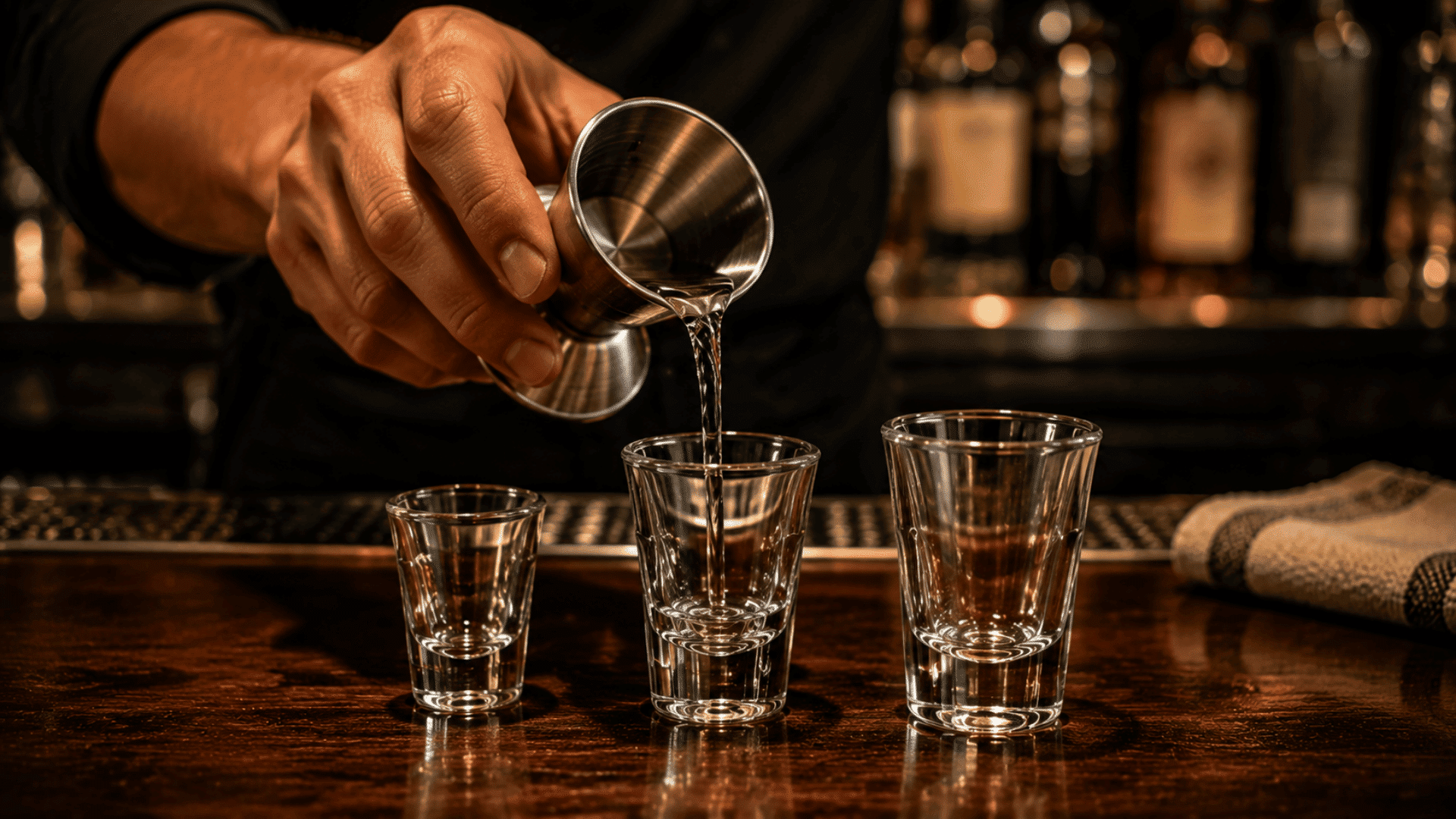
The price of a shot is not based on the liquor alone. Bars consider the spirit selected, venue, location, pour size, and other operating factors when setting prices.
1. Type and Quality of Liquor
Well liquors are usually the least expensive because they serve as a bar’s standard option.
Premium and top-shelf spirits generally cost more due to higher wholesale prices, production methods, aging, reputation, or availability.
As a result, two shots containing the same amount of liquor can have considerably different prices depending on the bottle selected and its position within the bar’s liquor selection.
2. Bar or Venue Type
The type of establishment can significantly influence shot prices. Neighborhood bars and casual pubs may offer relatively affordable pours, while nightclubs, luxury hotels, rooftop bars, and upscale restaurants often charge more.
Higher prices at these venues can reflect operating expenses, service standards, atmosphere, entertainment, and overall positioning.
The same spirit may therefore cost noticeably different depending on where you order it.
3. Location
Bars in major cities, tourist destinations, entertainment districts, and other high-demand areas often charge more for shots than establishments in lower-cost locations.
Commercial rent, wages, local taxes, licensing expenses, and customer demand can all contribute to these differences.
Pricing may even vary between neighborhoods within the same city, making location an important factor when estimating how much a shot will cost.
4. Pour Size
The amount of liquor served can affect the price of a shot. Although 1.5 ounces is commonly associated with a standard U.S. shot, bars may use different serving measurements depending on local rules and house policies.
Larger pours generally contain more liquor and may cost more. Customers should not assume that every shot glass or serving represents exactly the same quantity.
5. Premium and Top-Shelf Spirits
Premium and top-shelf bottles can raise the price of a shot considerably compared with standard well options.
These spirits may cost more because of longer aging periods, specialized production, limited releases, imported ingredients, or market positioning.
Bars typically factor in the bottle’s acquisition cost when setting pour prices, which is why certain high-end spirits can cost substantially more per shot.
Average Shot Prices by Liquor Type
Shot prices generally increase with the quality and market positioning of the liquor. While exact prices differ between establishments, the following ranges provide a general idea of what bars may charge.
| Liquor Category | Typical Price per Shot | What to Expect |
|---|---|---|
| Well Liquor | $4–$7 | Standard house spirits |
| Call Liquor | $6–$10 | Recognizable, commonly requested spirits |
| Premium Liquor | $8–$15 | Higher-quality or more expensive bottles |
| Top-Shelf Liquor | $15–$30+ | Luxury, aged, rare, or high-end spirits |
Why Do Shot Prices Vary Between Bars?
Shot prices vary because every bar has different operating costs, customers, and pricing strategies. Rent, staffing expenses, liquor licensing, taxes, and supplier costs can influence what an establishment charges.
Bars in busy nightlife districts or tourist areas may also charge more because demand is higher. Happy hours, promotions, and special events can temporarily lower or raise typical prices.
Even when two bars serve the same liquor and pour size, these differences can result in noticeably different prices.
Conclusion
Prices at the bar can catch you off guard if you are not paying attention. How much a shot really costs comes down to the liquor you pick and where you are drinking it.
Well liquor keeps things budget-friendly, while top-shelf bottles push the price up fast.
Venue type and location matter just as much as the pour itself. A neighborhood pub and a rooftop bar can charge very different prices for the exact same spirit.
Before you order, take a quick look at the menu. Knowing what drives the price can help you choose a shot that fits both your taste and your budget.
Frequently Asked Questions
Is a Shot The Same Size Everywhere?
No. Shot sizes vary by country, region, and establishment. Bars may follow different standard measurements or house pouring policies.
Is a Shot Cheaper Than a Cocktail?
A basic shot may cost less than a cocktail because cocktails often contain multiple ingredients. However, premium liquor can make a shot more expensive than some mixed drinks.
Does Ordering a Specific Brand Cost More?
It can. Requesting a specific brand instead of the standard well liquor may increase the price, particularly when choosing premium spirits.
Do Bars Charge Extra for Chilled Shots?
Some establishments may charge differently for specially prepared pours, while others charge the same price. Pricing depends on the bar’s individual policy.