

A standard wine bottle looks straightforward enough, but judging the pours by eye can throw off the count surprisingly quickly.
A 750 mL bottle of wine holds about five glasses if you pour 5 ounces each, or about four at a generous 6-ounce pour.
Knowing how many glasses of wine are in a bottle helps when you set the table or work out how much wine to buy for guests.
You’ll also find the count for other bottle sizes, a table for how many bottles to buy, and a quick water test to check your own pour.
How Many Glasses of Wine are in a Bottle?
A standard wine bottle can provide a different number of glasses depending on how generously each serving is poured.
A 750 mL bottle holds 25.4 fluid ounces, according to the Alcohol and Tobacco Tax and Trade Bureau (TTB), so divide 25.4 by your pour size to get your count.
The table below shows how common pour sizes affect the number of servings.
|
Pour Size |
Approximate Glasses per 750 mL Bottle |
|---|---|
|
4 oz |
6 |
|
5 oz |
5 |
|
6 oz |
4 |
|
8 oz |
3 |
Wine Glasses and Standard Drink Sizes
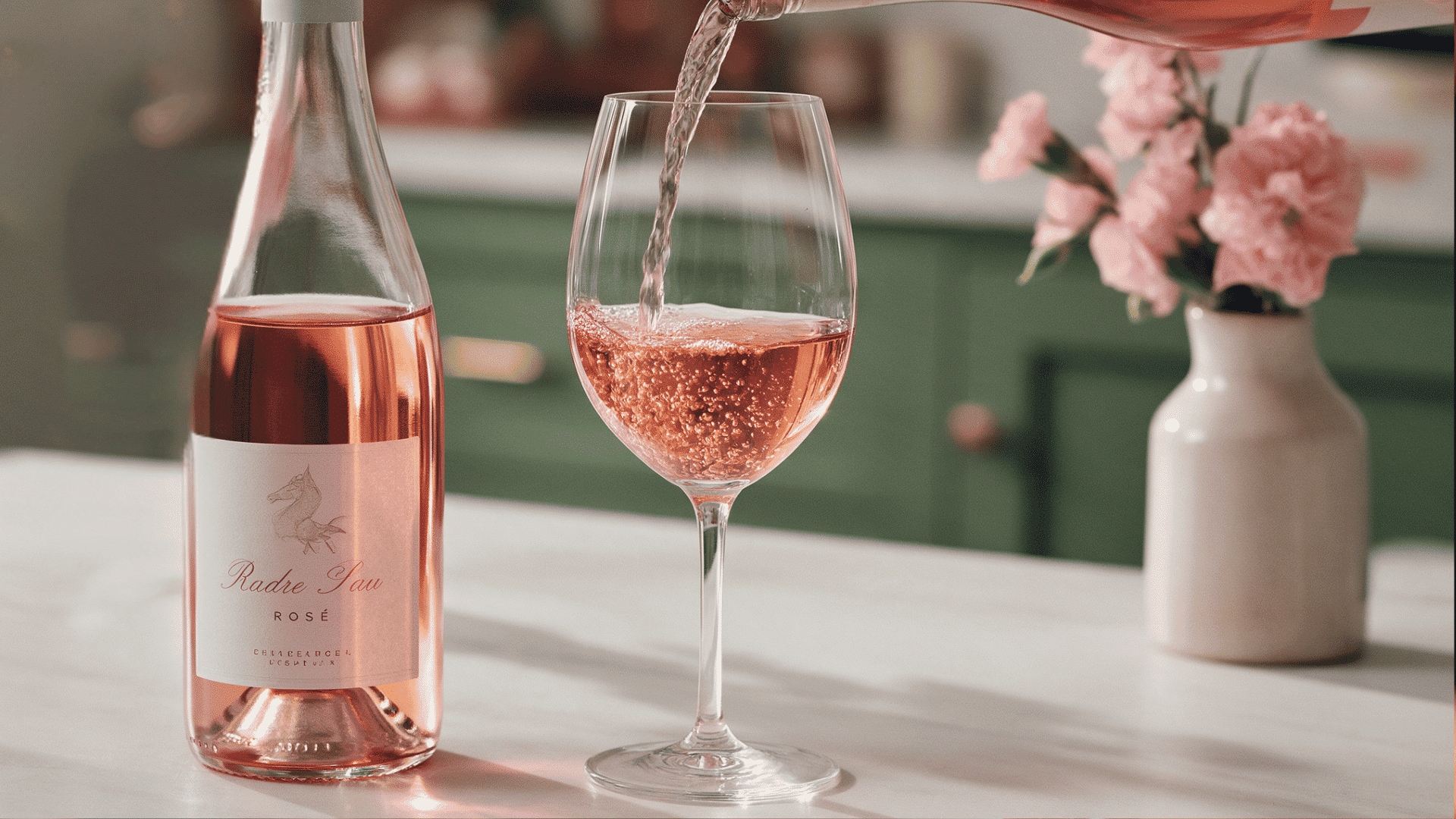
A “glass of wine” is not a fixed measurement. Depending on the glass and the person pouring, the actual serving can vary quite a bit.
For wine, one example is 5 fluid ounces at 12% ABV. That 5-ounce amount is commonly used as a reference, but it should not be applied to every wine without considering its alcohol content.
Check the ABV on the label. At 12% ABV, a 750 mL bottle holds about five standard drinks, and at 14% it holds about six. A single 5-ounce pour of a 14% wine counts as about 1.2 drinks.
When planning servings for a group, knowing the bottle size can help you estimate how much wine you’ll need. For other group sizes, multiply your guests by the glasses each will drink, divide by five, and round up.
If you’re buying magnums, count each one as two bottles, and adjust for other wine bottle sizes to match the bottle’s volume.
How Many Bottles of Wine Do You Need for Guests?
Planning wine for a group is easier when you count in 5-ounce pours. The table below estimates the bottles needed based on the number of guests and planned servings.
|
Number of Guests |
1 Glass Each |
2 Glasses Each |
|---|---|---|
|
4 |
1 bottle |
2 bottles |
|
6 |
2 bottles |
3 bottles |
|
8 |
2 bottles |
4 bottles |
|
10 |
2 bottles |
4 bottles |
|
15 |
3 bottles |
6 bottles |
|
20 |
4 bottles |
8 bottles |
Adjusting Wine Temperature Before Serving
Wine may need a small temperature adjustment between storage and serving. These simple methods can help bring the bottle closer to the preferred range.
-
Cool a Warm Bottle in The Refrigerator:Place the wine in the refrigerator for a short time before opening.
-
Use Ice and Water for Faster Chilling:Put the bottle in a bucket of ice and cold water to cool it faster than loose ice alone.
-
Let an Overly Cold Bottle Rest:Remove the wine from the refrigerator and leave it at room temperature for a while. Reds are the usual example, since chilling red wine for too long can mute its fruit.
-
Allow Wine to Warm in The Glass: If only a slight adjustment is needed, pour the wine and let it sit for a few minutes. A single serving warms faster than an entire bottle.
Sparkling wine is served coldest, whites and rosés cool, and reds just below room temperature. If a bottle is left open at the end of the night, check how long an open bottle of wine stays fresh.
A Simple Way to Measure Your Usual Wine Pour
Wine glasses come in all sorts of shapes and sizes, so judging a pour by sight can be misleading. Five ounces can look surprisingly small in a wide bowl but much fuller in a narrower glass, so a wide glass can lead to heavier pours without you noticing.
1. Measure 5 ounces (about 150 mL) of water in a kitchen measuring cup; a bar jigger works too if you add up the fills.
2. Pour it into the glass you normally use.
3. Take note of where the water sits.
That level becomes an easy reference the next time you open a bottle. After a few pours, you may find that you can recognize your usual serving without reaching for the measuring cup each time.
Prefer 4 ounces instead? Measure it once. You can do the same with a larger 6-ounce pour to see how much the level shifts in your own glass, especially if it has a wide bowl.
Final Thoughts
Knowing your pour makes wine planning simple. Pouring every glass to about the same level keeps the count steady, so you’re less likely to run out halfway through dinner.
Before guests arrive, check your usual glass once with water, count your crowd, and use the guest table to pick how many bottles to buy.
If you’re unsure, a spare bottle is easy to save for another night. Once the wine is open, put the measuring cup away. Pour, relax, and enjoy the evening.
Have a serving trick that works well at home? Share it in the comments below.
Frequently Asked Questions
Does Decanting Change Wine Serving Amounts?
Not usually. Decanting changes how wine is presented and aerated, but the total amount in the bottle stays the same, so you still pour the same number of glasses.
How Many Glasses of Wine are in a 1-Liter Bottle?
A 1-liter bottle holds 33.8 fluid ounces. That’s six full 5-ounce glasses, with almost 4 ounces left over, or five full glasses at a generous 6-ounce pour.
Is a 750 mL Wine Bottle the Same as a Fifth?
Almost. A fifth of a gallon is 25.6 fluid ounces, while a 750 mL bottle holds 25.4, so they’re nearly equal. Both pour about five 5-ounce glasses.