

Marsala wine is far more versatile than its familiar role in creamy sauces and classic Italian recipes might suggest to many first-time drinkers.
This fortified Sicilian wine comes in several colors, sweetness levels and aging classifications, creating styles suited to both cooking and drinking occasions.
Understanding these differences can make choosing a bottle easier, especially when deciding between dry, sweet, younger or more mature Marsala for a particular use.
So, what is Marsala wine, and what makes each style distinct? Read below to learn about its origin, production, characteristics, cooking uses, serving methods, and more.
What is Marsala Wine?
Marsala is a fortified wine from Sicily, Italy, made mostly from white Grillo, Catarratto and Inzolia grapes with grape spirit added. It comes dry (Secco), medium sweet (Semisecco) or sweet (Dolce), in gold, amber or ruby.
Dry Marsala is the one for savory dishes like Chicken Marsala, and sweet Marsala suits desserts or an after-dinner glass.
Its flavors can include dried fruit, nuts, caramel, vanilla, tobacco and warm spices depending on the style and age. It belongs to the same family as port, sherry, and Madeira, which are also wines with added spirit.
Marsala takes its name from the coastal Sicilian city of Marsala, which became closely associated with the wine’s commercial production.
Although widely used for cooking, quality Marsala is also made for drinking. Its sweetness level, color, grape varieties and aging classification determine how each bottle tastes and how best to serve it.
Where Does Marsala Wine Come From?
Marsala comes from western Sicily, particularly the area surrounding the coastal city of Marsala. Its international reputation grew after English merchant John Woodhouse encountered the local wine during the late 18th century.
-
Before the 1700s: Western Sicily already had a long tradition of grape growing and winemaking.
-
1770s: English merchant John Woodhouse encountered local Sicilian wine near Marsala.
-
Late 1700s: Fortification helped the wine withstand long trips by ship and encouraged international trade.
-
1800s: Marsala production expanded as additional producers established wineries in western Sicily.
-
1969: Marsala became a DOC wine, with production centered in western Sicily around the city of Marsala.
How is Marsala Wine Made?
Marsala wine begins with permitted Sicilian grape varieties. White varieties such as Grillo, Catarratto and Inzolia are commonly used, while red varieties like Nero d’Avola, Pignatello and Nerello Mascalese produce ruby-colored Rubino Marsala.
The process starts with fermentation, where grape juice turns into wine. Producers then add grape-derived alcohol to increase its strength. The timing of fortification affects sweetness. Adding alcohol during fermentation preserves more natural sugar, while adding it after fermentation produces a drier style.
Next, Marsala ages in wooden barrels for at least one year, with longer aging required for certain styles. Some producers use the in perpetuum system, similar to solera, to blend younger and older wines for a consistent flavor.
Once the wine reaches its desired color, sweetness, flavor and maturity, it is ready for bottling.
Tip: Not all Marsala wines are made the same way. The process depends on the producer, grapes used, sweetness level, and wine classification.
Marsala Styles and Characteristics
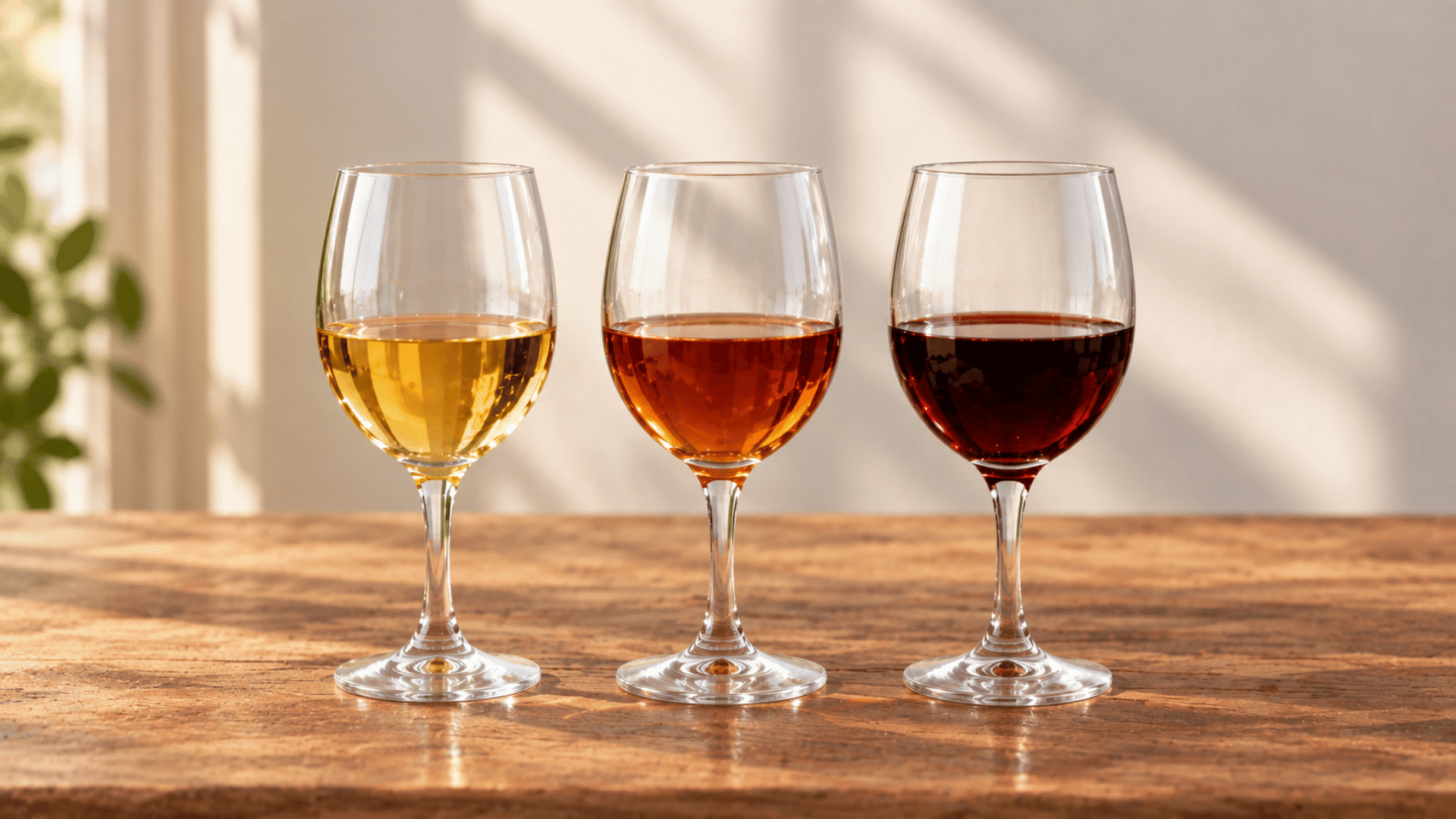
Marsala comes in several styles, distinguished by flavor, sweetness, color, alcohol strength and aging, each with its own character and suitable uses.
1. Rich Dried-Fruit and Nutty Flavors
Young Marsala tastes fresh and savory. Older bottles taste nutty and full of dried fruit, with an oxidative edge. That’s the sherry-like taste wine picks up from slow contact with air.
Nutty notes such as almond, walnut, and hazelnut can appear alongside caramel, vanilla, toasted sugar and gentle spice, particularly in more mature bottles.
These flavors vary by producer and style, so fruitiness doesn’t always mean sweetness. Dry Marsala can still show ripe fruit and caramelized notes while maintaining a balanced, savory character and pleasantly warming finish.
2. Dry to Sweet Styles
Marsala is produced at different sweetness levels, so bottles range from distinctly dry and savory to noticeably rich and sweet.
Dry styles often complement savory foods, while sweeter Marsala can work well with desserts or after dinner.
Marsala is classified by sweetness as Secco, Semisecco or Dolce, ranging from dry to sweet. These classifications help indicate how a Marsala may taste and how it can be used.
3. Oro, Ambra, and Rubino Colors
Marsala is divided into three main color styles known as Oro, Ambra and Rubino, with grape selection and production methods influencing their appearance.
Oro is golden, and Ambra is amber, and both come from white grapes. Ambra receives its deeper amber color from mosto cotto, a cooked grape must used in certain Fine and Superiore bottlings.
Vergine Marsala does not permit these additions. Rubino is ruby red because it’s made mostly from red grapes.
Color does not determine sweetness, so Marsala within these styles can still vary in sweetness and aging classification.
4. Fortified Alcohol Content
Marsala is a fortified wine made by adding grape spirits during production. This raises its alcohol content and gives it a stronger profile than most regular table wines.
Most Marsala wines contain 15% to 20% alcohol by volume (ABV). The exact strength varies based on the wine’s classification, production process, and style.
Fortification also helps preserve the wine and supports its aging potential. Despite its higher alcohol content, Marsala can offer a balanced taste, with flavors ranging from dry and nutty to rich and sweet.
5. Marsala Aging Classifications
Marsala wines are grouped by their aging periods, which influence their taste, aroma, and overall character.
Fine and Superiore are aged for at least one and two years, respectively. Fine is often used in recipes, while Superiore develops a fuller flavor suitable for drinking or cooking.
Superiore Riserva and Vergine require a minimum of 4 and 5 years of aging, respectively. Superiore Riserva gains richer flavors over time, while Vergine is a dry style made without added sweeteners.
Vergine Stravecchio (or Riserva) undergoes at least ten years of aging. Its long maturation creates layered aromas and a more developed taste, making it especially suitable for sipping.
Marsala vs. Port, Sherry, and Madeira
Marsala is often grouped with port, sherry, and Madeira because all are fortified wines, but they differ in origin, grape varieties, sweetness, and typical serving style.
|
Wine |
Origin |
Typical character |
Common use |
|---|---|---|---|
|
Marsala |
Western Sicily, Italy |
Nutty, dried-fruit, caramel, and spice notes; dry to sweet |
Savory sauces, desserts, aperitif or digestif |
|
Port |
Douro Valley, Portugal |
Rich, fruity, sweet; usually red |
Dessert wine or after dinner |
|
Sherry |
Andalusia, Spain |
Dry to sweet; saline, nutty, or oxidized styles |
Aperitif, food pairing, cooking |
|
Madeira |
Madeira, Portugal |
Bright acidity with caramel, nut, and cooked-fruit notes |
Aperitif, dessert, cooking |
How is Marsala Wine Used in Cooking?
Marsala is useful in both savory and sweet cooking because its concentrated wine flavor can add richness without requiring a large quantity.
1. Chicken Marsala: Dry Marsala is commonly reduced with mushrooms and pan juices to create the familiar sauce served with chicken.
2. Savory Sauces: A small amount can deglaze a pan and add wine, fruit and nutty flavors to sauces for meat or vegetables.
3. Risotto: Add a splash of dry Marsala after you toast the rice and before the broth goes in, then let it cook off.
4. Desserts: Sweet Marsala works well in desserts such as zabaglione, where its sweetness and fortified-wine character complement eggs and sugar.
How to Drink Marsala Wine
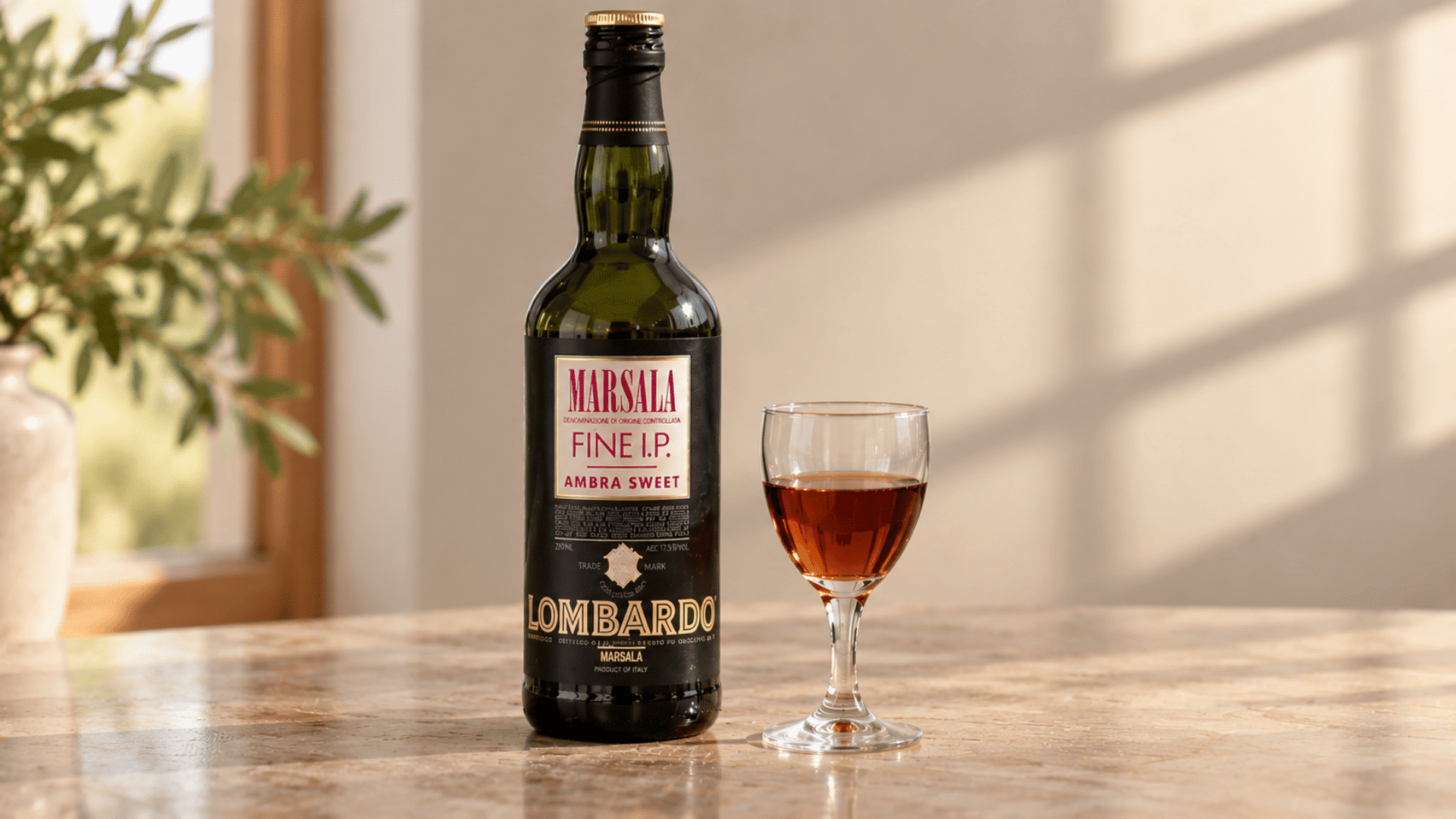
Pour Marsala into a small wine glass to better appreciate its concentrated aromas. Serve dry styles lightly chilled and sweeter styles at room temperature.
Dry Marsala can be enjoyed before a meal or alongside savory dishes, while sweeter styles are commonly paired with desserts or enjoyed after dinner.
Serve it in a small wine glass to better appreciate its concentrated aromas. Serving temperature can vary by style, with lighter Marsala often served slightly cooler than richer, older examples.
Once it’s open, cap the bottle tightly and keep it in the fridge to keep the flavor fresh longer.
Which Marsala Should You Buy?
For savory cooking, grab a dry (Secco) Marsala labeled “Fine” or “Superiore”. For desserts or a glass after dinner, look for Dolce.
|
What You’re Making or Pouring |
Look for |
Why it Works |
|---|---|---|
|
Chicken Marsala, veal or mushroom sauces |
Fine or Superiore, Secco |
Dry and savory, and a young bottle is fine once it cooks down |
|
Zabaglione and other desserts |
Dolce |
The sweetness matches egg and sugar custards |
|
A glass before dinner |
Superiore Secco or Vergine |
Dry and complex enough to sip on its own |
|
A glass after dinner |
Superiore Dolce or Superiore Riserva Dolce |
Rich and sweet, like dessert in a glass |
Is Cooking Marsala The Same as Marsala Wine?
No. Marsala sold as “cooking wine” isn’t the same as a bottle made for drinking.
Cooking versions often have added salt and preservatives, while drinking-quality Marsala is produced as a finished fortified wine with its own sweetness, color and aging classification.
For recipes where the wine contributes noticeable flavor, drinking-quality Marsala can give you more control over the style you add.
Check the bottle label before buying. Terms such as Secco, Semisecco, Dolce, Fine, Superiore or Vergine can provide useful clues about the wine inside.
Conclusion
Marsala offers plenty of variety, so choosing the right bottle depends largely on how you plan to use it.
Dry styles are well-suited to savory sauces, mushroom dishes, risotto, and other pairings, while sweeter versions complement desserts or make a pleasant after-dinner pour.
Aging classifications also influence flavor, with younger wines offering simpler profiles and older wines developing greater depth. Checking the sweetness level and aging label can help you find the right bottle.
From weeknight cooking to an after-dinner glass, Marsala can bring a distinctive Sicilian character to the table. Have you cooked with Marsala or enjoyed it on its own? Share your experience in the comments below.
Frequently Asked Questions
Does Marsala Wine Need to be Refrigerated?
Marsala is relatively stable because it is fortified, but storage recommendations can vary. Keep it tightly sealed and follow the producer’s instructions after opening.
Does Marsala Wine Contain Sugar?
Yes, but the amount varies by style. Secco contains the least residual sugar, followed by Semisecco, while Dolce is the sweetest category.
How Long Does Marsala Wine Last After Opening?
A tightly sealed, properly stored bottle can remain usable for a long time, though its flavor may gradually change.