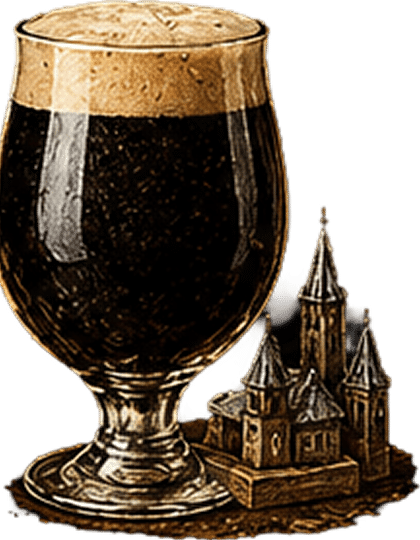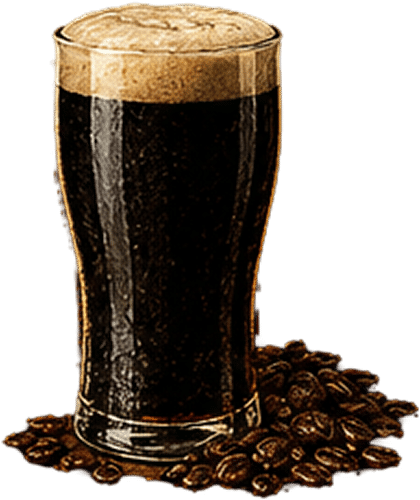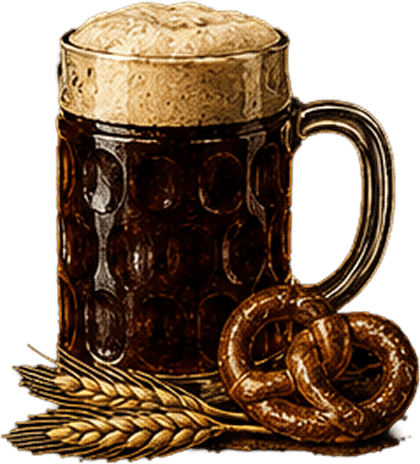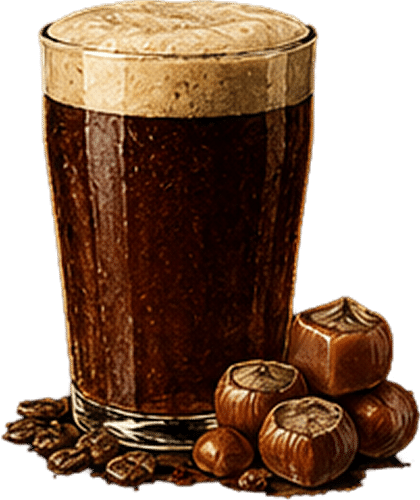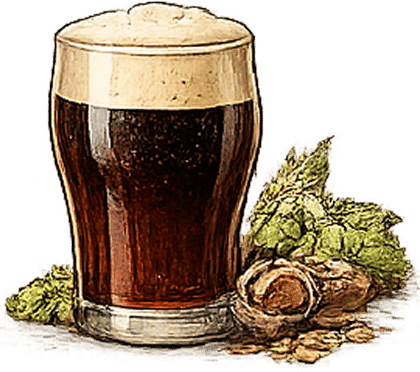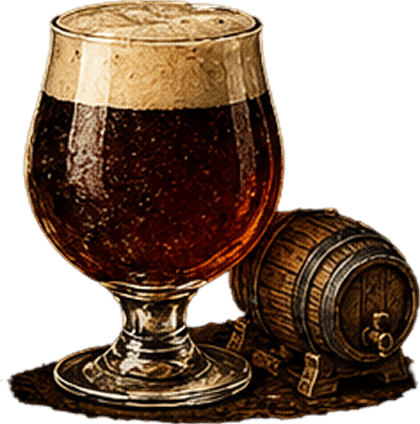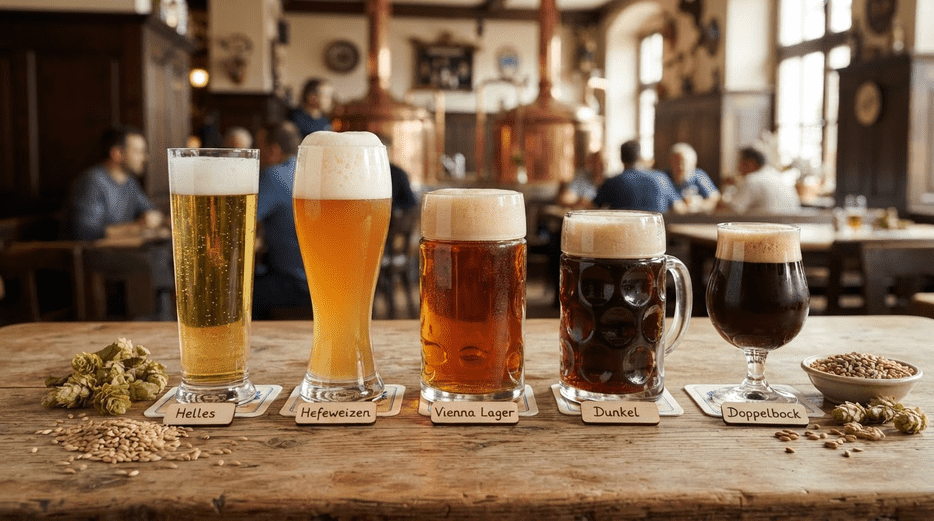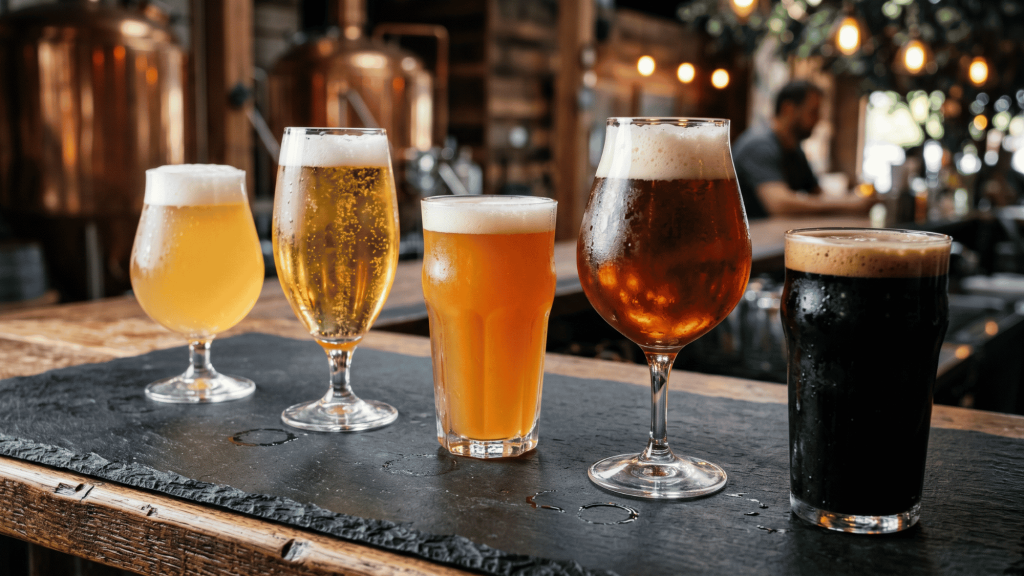

Most people assume dark beer means heavy, bitter, and best saved for cold winter nights. That is not always the case.
Many dark styles are many are easy to drink and lighter than they look year-round. Dark beer covers everything from a dry Irish stout with sharp coffee notes to a smooth Bavarian dunkel that goes down easy after work.
This blog breaks down every major dark beer type and picks the best options to try in each style. By the end, you will know exactly what to order at any bar or bottle shop, no guessing required.
What is Dark Beer?
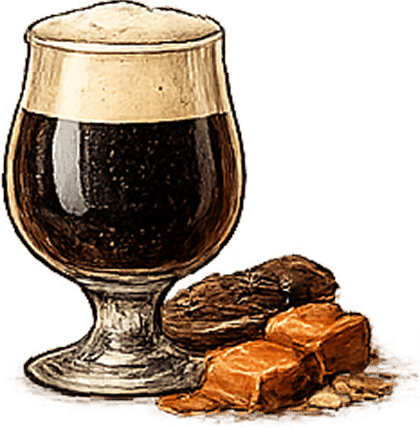
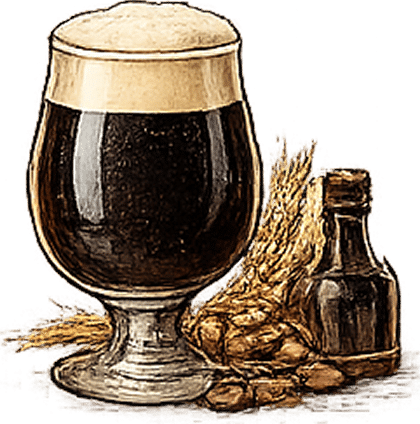
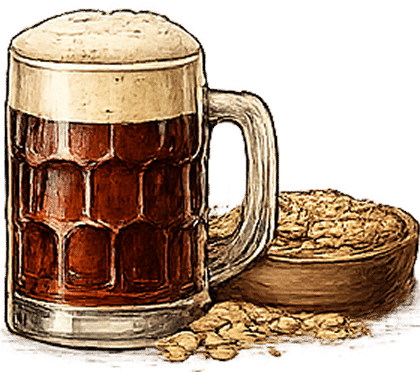
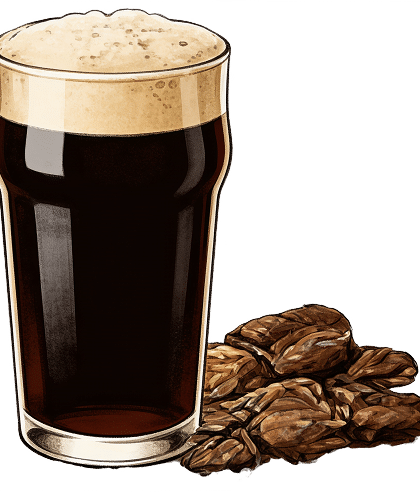
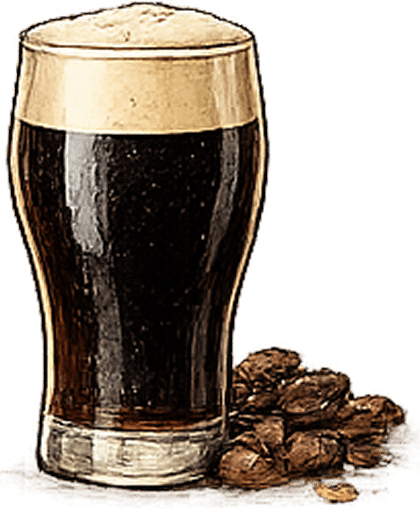
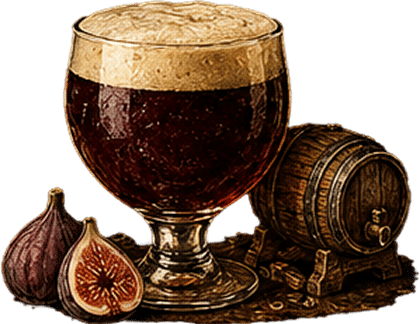
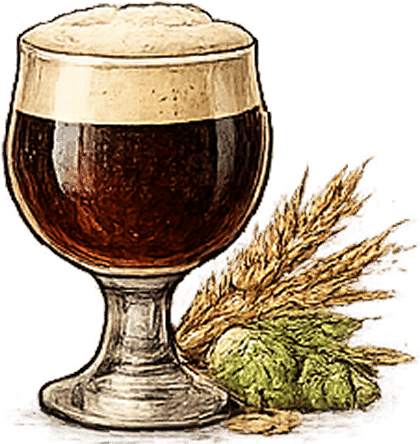
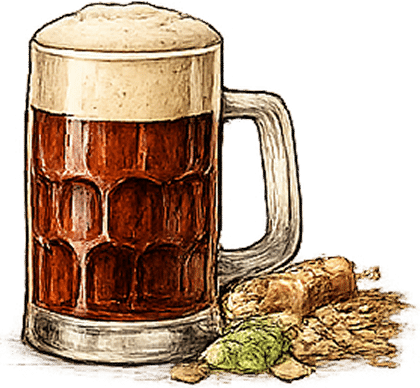
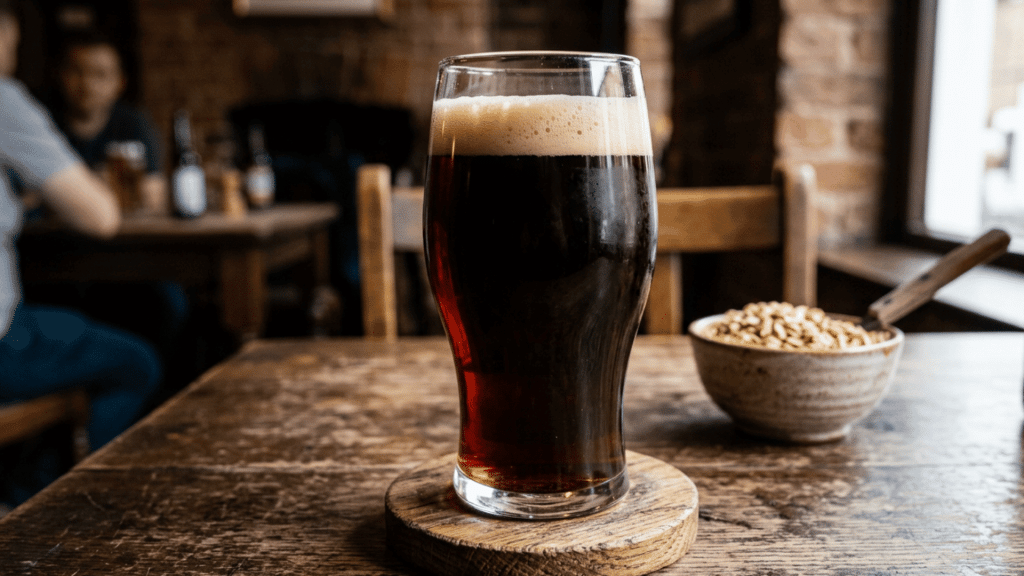
Dark beer is any beer that ranges from deep amber to jet-black, deriving its rich color and complex flavors from roasted malts or barley.
Instead of a crisp, grainy profile, dark beers offer deep, roasted notes like dark chocolate, espresso, toffee, and toasted nuts.
The color comes entirely from how long the malt is roasted; the longer it stays in the kiln, the darker and richer the beer gets.
That roasting process is also what creates those bold coffee and chocolate flavors without adding a single extra ingredient.
Picking the Right Dark Beer for Your Taste: Choosing the right dark beer comes down to matching your flavor preferences with the right style. Not all dark beers are heavy; many are light, crisp, and easy to drink.
The Main Dark Beer Types
Dark beer covers a wide range of styles, and each one brings its own set of flavors, body, and character to the glass!
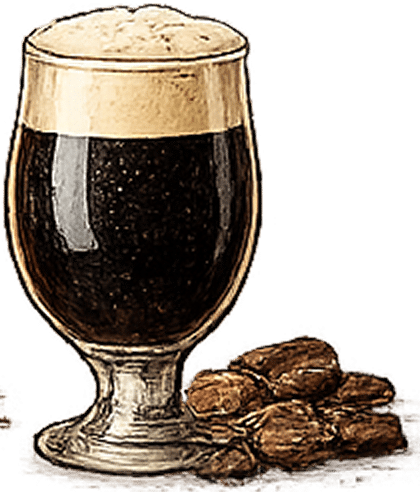
1. Irish Dry Stout
The driest of all dark beers, roasty, sharp, and lighter than it looks. Don’t let the dark color fool you; this one drinks easily.
- Flavor: Strong roasted coffee and bitter chocolate with a dry, clean finish
- ABV: Typically 3.8–5%, making it among the best sessionable dark styles
- Try it: Guinness Draught remains the gold standard for this style worldwide
2. Milk Stout
Lactose sugar makes this stout creamy, sweet, and smooth from the first sip. It tastes more like dessert than your average beer.
- Flavor: Rich chocolate, caramel, and vanilla with a gentle sweetness throughout
- ABV: Usually 4.5–6%, easy to drink without feeling too heavy
- Try it: Left Hand Milk Stout Nitro is a top-pick, loved version available
3. Imperial Stout
This is the big one, thick, rich, and packed with bold flavor in every sip. Barrel-aged versions take it even further with bourbon and vanilla layers.
- Flavor: Dark fruit, espresso, dark chocolate, often with bourbon or vanilla barrel notes
- ABV: Ranges from 8–12%, sometimes higher in barrel-aged versions
- Try it: Founders KBS and Goose Island Bourbon County are standout options.
4. Oatmeal Stout
Oats give this stout a silky, smooth texture that sets it apart from other dark styles. It’s roasty but never harsh a well-rounded dark beer for any occasion.
- Flavor: Mild coffee and chocolate with a subtle nuttiness and soft roasted finish
- ABV: Sits around 4.5–6%, less aggressive than imperial versions
- Try it: Samuel Smith’s Oatmeal Stout is a reliable, well-balanced classic
5. English Porter
One of the oldest dark beer styles still being brewed today, and for good reason. It’s medium-bodied, smooth, and packed with chocolate and toffee flavor.
- Flavor: Smooth chocolate, toffee, roasted nuts, and a mocha-like finish
- ABV: Typically 4–6%, making it a great starting point for dark beer beginners
- Try it: Deschutes Black Butte Porter is widely available and consistently well-rated
6. Baltic Porter
This one is brewed cold, like a lager, but drinks rich, like a stout. Dark fruit, chocolate, and a warming finish make it a cold-weather favorite.
- Flavor: Dark plums, cherries, and dark chocolate with a smooth, warming finish
- ABV: Higher at 7–9%, closer to an imperial stout in strength
- Try it: Żywiec Porter from Poland is a classic and widely recognized Baltic example
7. Schwarzbier
It pours pitch-black but drinks crisp and light, a dark beer that surprises almost everyone. Germany has been perfecting this style for centuries.
- Flavor: Subtle coffee and chocolate notes with a clean, dry, refreshing finish
- ABV: Light at 4.4–5.4%, making it a go-to drinkable dark style
- Try it: Köstritzer Schwarzbier has been brewed since 1543 and sets the style standard
8. Munich Dunkel
Bavaria’s go-to dark lager is malty, bready, and easy to drink all night long. No sharp roast, no heavy body, just smooth, reliable flavor.
- Flavor: Bread crust, mild caramel, and light chocolate without any sharp roast bite
- ABV: Falls between 4.5–5.6%, ideal for those who want a dark beer without the weight
- Try it: Ayinger Dunkel is a well-known Bavarian example worth seeking out
9. Brown Ale
Brown ale sits right in the middle, not too dark, not too light, and full of character. Toasted malt, caramel, and a hint of nuts make it widely rated as an accessible dark style.
- Flavor: Roasted malt, toast, caramel, and light nuttiness in a smooth, easy-drinking package
- ABV: Usually 4–6%, making it a solid everyday dark beer choice
- Try it: Newcastle Brown Ale is the most recognized name in this style globally
10. Belgian Dubbel
Belgian monks originally brewed this style, and it still carries that rich, complex character. Raisins, dates, and spicy yeast make every sip worth slowing down for.
- Flavor: Raisins, figs, caramel, and a gentle spice from Belgian yeast strains
- ABV: Sits at 6–7.5%, strong enough to sip slowly but not overwhelming
- Try it: Westmalle Dubbel and Chimay Red are two of the finest examples available
11. Belgian Quadrupel
The Belgian Quad is the strongest and most intense of the Belgian dark ale family. Rich dried fruit, dark toffee, and warming alcohol make it a true slow sipper.
- Flavor: Raisins, plums, figs, chocolate, and toffee with a noticeable alcohol warmth
- ABV: Starts at 9% and can go well above that in stronger versions
- Try it: Rochefort 10 is widely regarded as one of the best dark beers ever made
12. Dunkelweizen
A German dark wheat beer that combines the fruity character of a hefeweizen with dark malt flavor.
Banana, clove, caramel, and bread crust all show up in one glass.
- Flavor: Banana and clove from wheat yeast, layered with caramel and dark bread notes
- ABV: Typically 4.8–5.6%, light enough to enjoy more than one
- Try it: Erdinger Dunkel is a standout, widely available version of this style
13. Bock
Bock is a strong German lager with deep malt sweetness and very little bitterness. It’s rich, warming, and originally brewed by monks to sustain fasting periods.
- Flavor: High malt sweetness, caramel, and toasted grain with minimal hop presence
- ABV: Usually 6–7.5%, stronger than most standard lagers
- Try it: Einbecker Ur-Bock Dunkel is a well-regarded traditional example of the style
14. Doppelbock
Doppelbock means double bock, and it delivers twice the malt richness and body. Dried fruit, dark nuts, and a full, warming finish make this one a cold-weather staple.
- Flavor: Dried fruit, dark nuts, toffee, and rich malt sweetness in a full-bodied pour
- ABV: Typically 7–10%, with some versions pushing even higher
- Try it: Weihenstephaner Korbinian and Paulaner Salvator are both excellent starting points
15. Old Ale
Old Ale is aged for months or even years, developing a complexity that most beers never reach. Sherry notes, dark toffee, and a warming strength make it unlike anything else on this list.
- Flavor: Sherry, dark toffee, dried fruit, and a rich malt base with aged complexity
- ABV: Ranges from 6–12% depending on the brewery and aging process
- Try it: Theakston Old Peculier is one of the most well-known examples from England.
What Food Goes Well with Dark Beer?
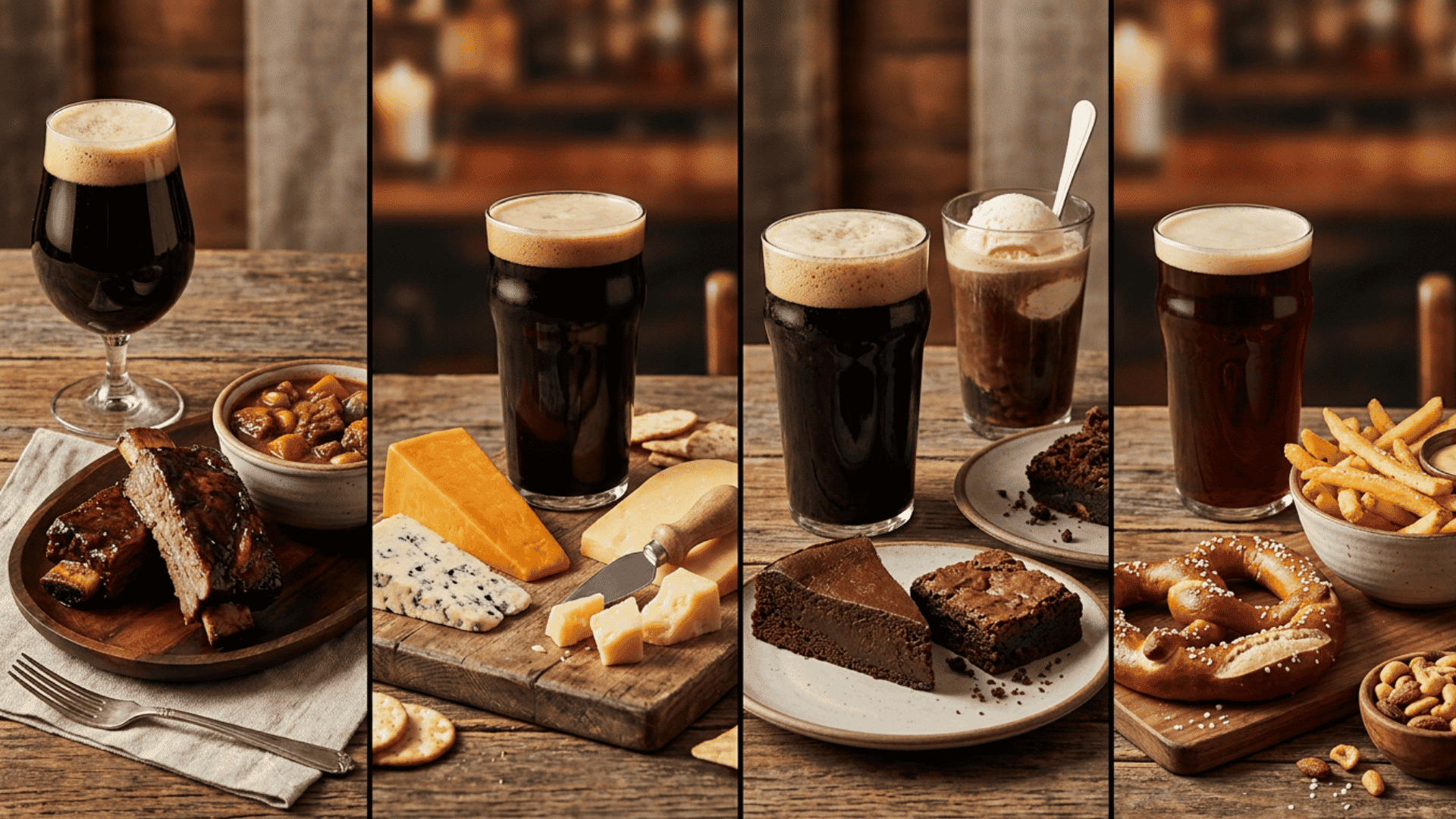
Dark beers pair best with rich, hearty, and roasted foods. Their natural notes of chocolate, caramel, and coffee make them a strong match for smoky BBQ, aged cheeses, and sweet desserts.
1. Hearty Meats: The roasted malt in dark beers balances the char and umami of grilled or smoked meats. Porters and stouts work well with BBQ ribs, brisket, and slow-cooked stews.
2. Aged and Sharp Cheese: The richness of a dark beer cuts right through the creamy fats of aged Cheddar, Gouda, or sharp blue cheese.
3. Rich Desserts: Stouts and porters mirror the bitterness of dark chocolate, a natural match for brownies, chocolate cake, or a classic stout float with vanilla ice cream.
4. Salty Snacks: Salted nuts, soft pretzels, or French fries all contrast well against the smooth body of a dark ale.
Dark Beer vs. Regular Beer
Dark beer and light beer differ in color, taste, malt character, and mouthfeel.
| Attribute | Dark Beer | Light Beer |
|---|---|---|
| Color | Dark brown, black, or amber | Pale yellow or gold |
| Flavor | Roasty, coffee, chocolate, caramel | Crisp, malty, hoppy, fruity |
| Ingredients | Roasted malts | Pale malts, hops, yeast, water |
| Serving Temp | Slightly warmer | Colder |
| Common Styles | Stout, porter, dunkel, brown ale | Lager, pale ale, IPA, light beer |
Conclusion
Dark beer is not one thing. Dark beer spans more styles than most people expect: some light and crisp, others rich and warming, each worth trying on its own terms.
Now that you know what sets each style apart, walking into a bar or bottle shop and picking the right one becomes much easier.
Start with a porter or a Schwarzbier if you are new to dark beer. Work your way up from there.
If you want to keep building your beer knowledge, check out our other beer-related blogs for more ways to enjoy what is in your glass.
Frequently Asked Questions
Which Mexican Beer is Dark?
Modelo Negra is a Mexican dark lager first brewed in 1925. It has caramel and dark malt notes, a medium body, and a smooth finish.
Does Corona Have a Dark Beer?
Yes. Corona Familiar is darker and fuller than regular Corona. Many drinkers like it slow or mixed into a Michelada with lime.
Why Put Rice in Beer?
Rice gives beer a lighter color and body. Brewers use it with barley malt to make a crisp finish, not only to cut costs.