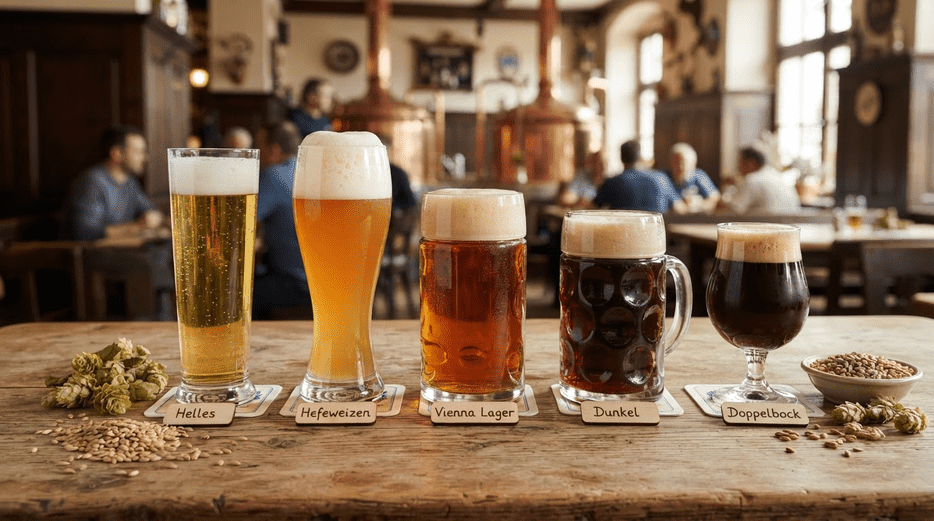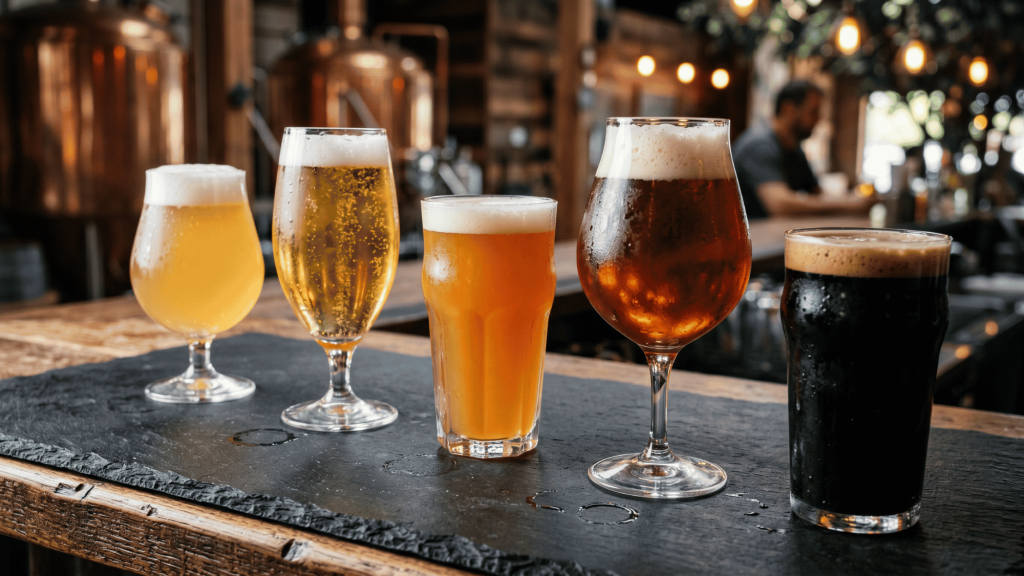

Take one sip of a malty lager and you’d swear it’s packed with sugar. It’s an easy assumption, since beer gets so much of its flavor from grain.
But here’s the surprise: most of the time, there’s very little sugar left in your glass.
Still, a basic lager, a low-carb beer, a non-alcoholic pick and a fruit-flavored brew can have quite different nutrition profiles once you look past the sugar line.
The label words on the can don’t always mean what you’d expect, either.
Does Beer Have Sugar?
Yes. Beer can contain sugar, although many standard beers have very little left once beer fermentation is finished.
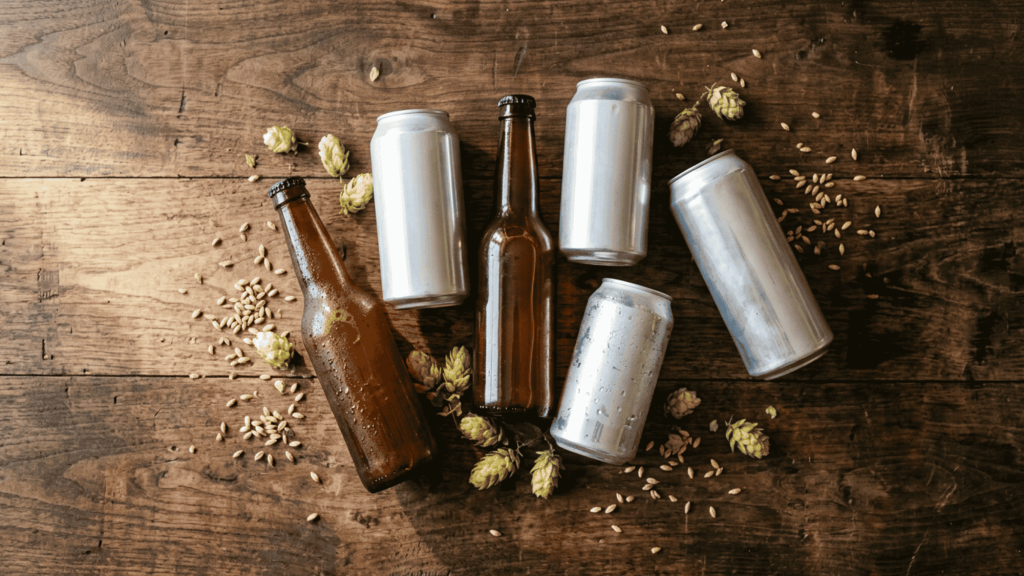
Beer begins with grains, commonly malted barley. During brewing, starch from those grains is converted into sugars that yeast can use. The yeast consumes much of that sugar and produces alcohol and carbon dioxide.
What remains depends on the recipe and how the beer was fermented. A brewer may also use ingredients such as fruit, honey, lactose, or syrup, which can affect the finished product.
This is also why a beer with almost no measurable sugar can still contain carbohydrates. Sugar forms only part of its total carbohydrate content.
How Beer is Brewed and Where the Sugar Comes From
The sugar in most beer never arrives in a bag. The brewer coaxes it out of the grain, then hands most of it straight to the yeast. Brewing generally follows five main stages:
-
Malting:Grain is soaked and allowed to germinate for several days, developing enzymes that help convert starch into sugars during mashing. It is then dried or roasted to stop germination and develop different malt flavors and colors.
-
Mashing: Crushed malted grains are mixed with hot water, allowing enzymes to convert starches into fermentable sugars and other carbohydrates. The resulting liquid is called wort.
-
Boiling: The wort is separated from the grain, then boiled with hops, which add bitterness and aroma. After boiling, it is cooled before fermentation.
-
Fermentation: Yeast eats most sugar, turning it into alcohol and carbon dioxide, so very little remains.
-
Maturation: The finished beer rests so its flavors can settle and round out before it’s packaged.
How Much Sugar is in Beer?
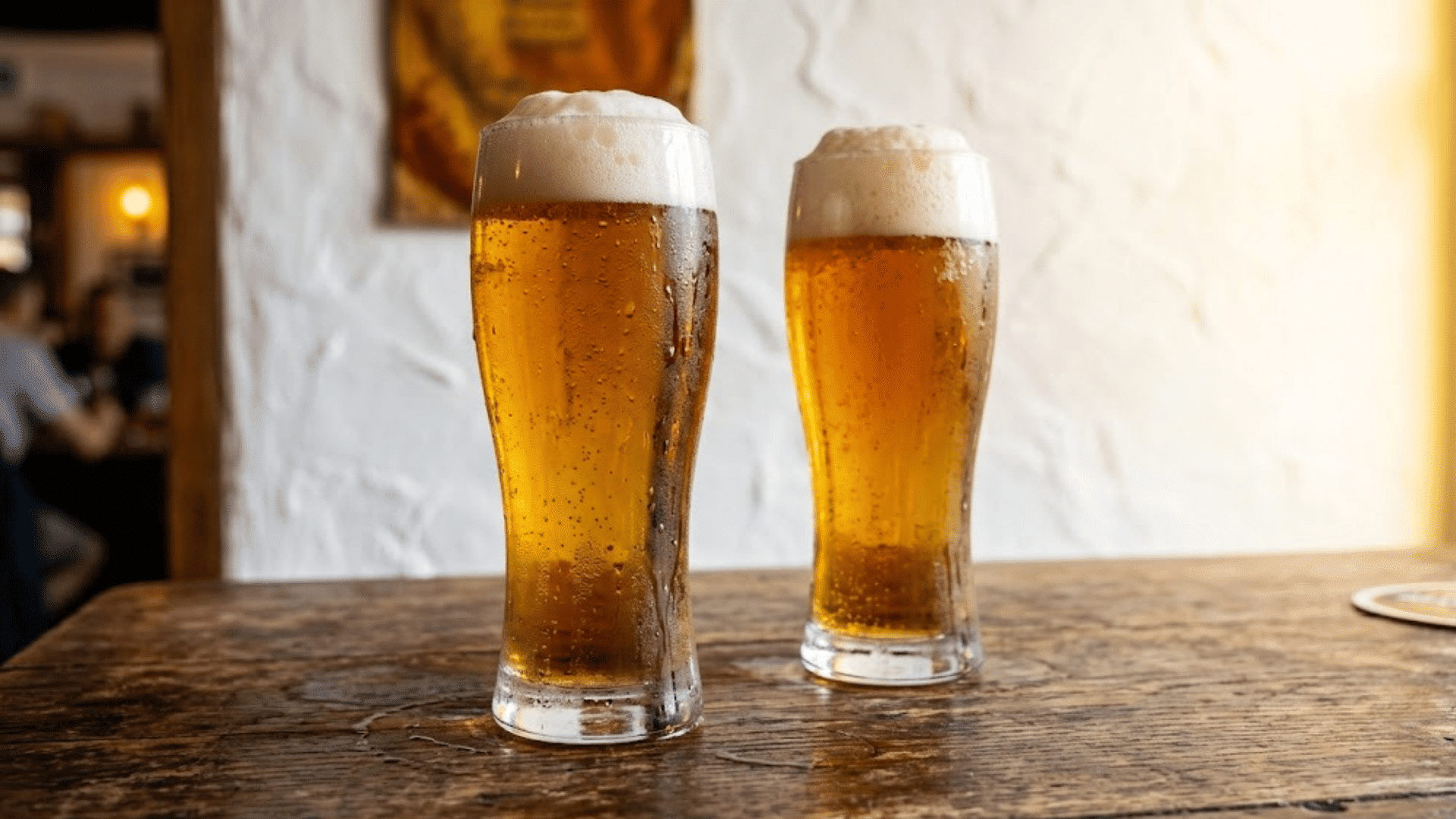
A standard 12-ounce regular beer may show 0 grams of sugar on its nutrition label, even though it contains around 12 to 13 grams of carbohydrates.
This doesn’t always mean it is completely sugar-free. Under US nutrition labeling rules, amounts below 0.5 grams per serving can generally be rounded down to zero.
The actual amount varies by beer style and recipe, so checking the individual product’s nutrition information is the best way to get an accurate figure.
1. Regular Beer
Most of the sugars available to yeast have already been used during fermentation. Other carbohydrates do not disappear in the same way, so they can remain in the beer and contribute to its body as well as its carbohydrate count.
2. Light Beer
Light beer often brings the carbohydrate count down considerably. Some products also contain only a fraction of a gram of measurable sugar in a 12-ounce serving.
However, the word light doesn’t come with a specific sugar figure. Beer can be formulated as light for reasons related to calories or alcohol, and products carrying the term do not all contain the same amount of carbohydrates.
Under TTB guidance in the US, a light beer doesn’t automatically qualify as low carb. So if you’re comparing the two, skip the label words and go straight to the carbohydrate figures.
3. Low-Carb Beer
Low carb is a more specific claim. In the US, under TTB guidance on carbohydrate and sugar labeling, a malt beverage described as “low carbohydrate” or “low carb” can contain no more than 7 grams of carbohydrates per standard serving.
Sugar is included in carbohydrates, but the terms don’t mean the same thing. A beer could meet that carbohydrate limit while still containing a small quantity of sugar.
Wording such as Zero Sugar, No Sugar, or Sugar Free is allowed when a serving contains less than 0.5 grams of sugar. The label must also list the calories and grams of carbohydrate, protein, and fat per serving.
So if sugar is what you’re cutting back on, look for an actual sugar claim, because not every low-carb beer is sugar-free.
4. Non-Alcoholic Beer
The name “non-alcoholic beer” can really trip you up. Non-alcoholic tells you about the alcohol, not the sugar.
In the US, non-alcoholic beer generally contains less than 0.5% alcohol by volume (ABV), while alcohol-free beer is labeled as containing 0.0% ABV.
Production methods differ. Some brewers restrict fermentation before much alcohol develops. Others brew beer with alcohol and remove some or most of it afterward.
Those processes can leave different amounts of carbohydrates and residual sugars behind.
A plain non-alcoholic lager and a fruit-flavored version may have little in common nutritionally.
Check the manufacturer’s figures when they are available, especially if sugar or carbohydrate intake is the reason you’re reaching for a non-alcoholic beer.
Why Does Beer Have Carbs but Little Sugar?
Beer can have several grams of carbohydrates while containing very little measurable sugar. The brewing and fermentation process explains the difference.
-
Some Carbohydrates Remain: Yeast cannot ferment every carbohydrate in beer. Larger carbohydrate compounds may remain in the finished drink even after much of the sugar is gone.
-
Check Both Numbers: Sugar is only one slice of total carbs, so a beer can show almost no sugar and still have several grams of carbohydrates. Look at both figures when comparing.
What Can Increase the Sugar in Beer?
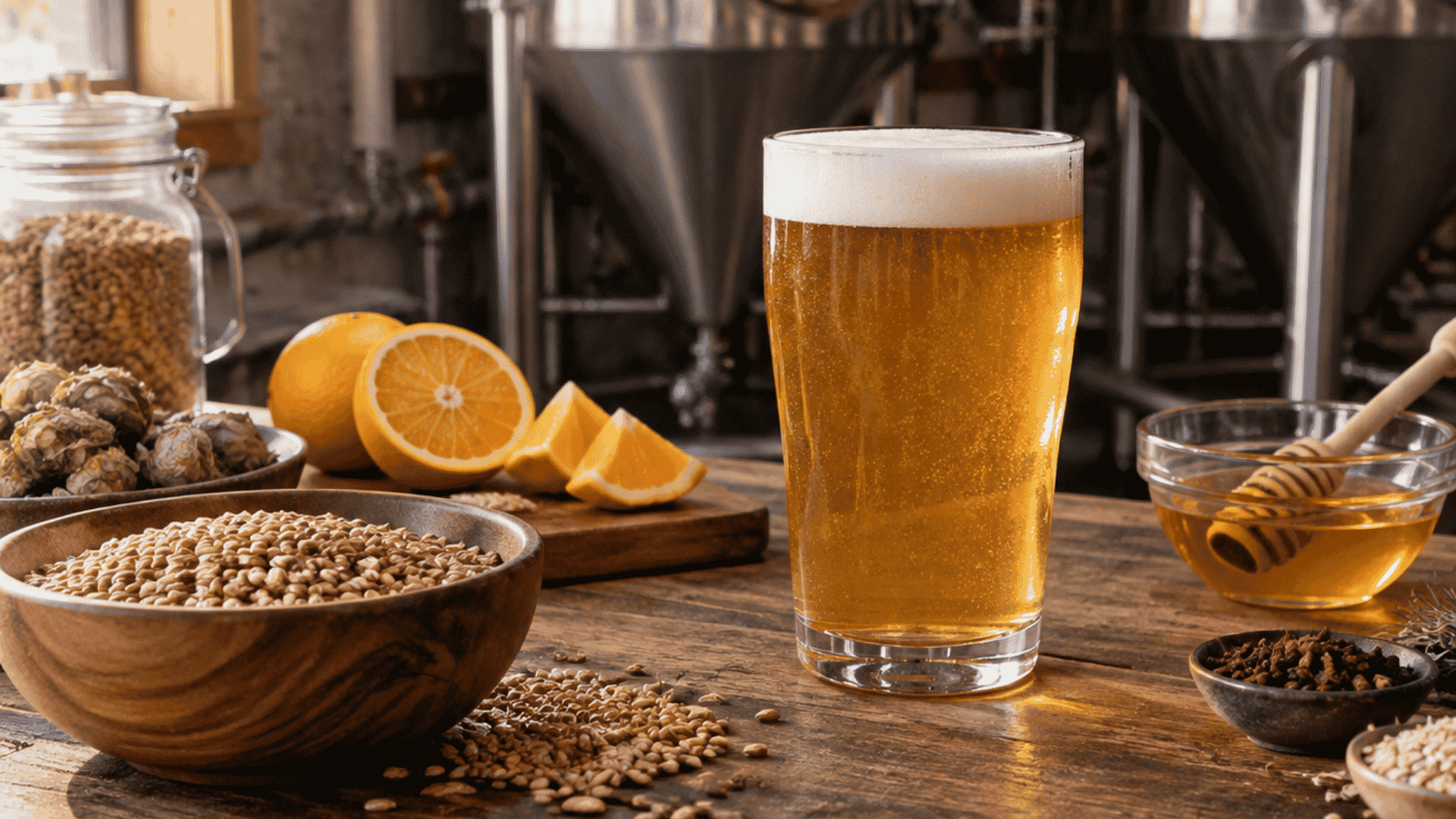
Several factors can affect how much sugar remains in a finished beer. The recipe and brewing process matter most, while serving size affects how much sugar you actually consume.
1. Fermentation: If fermentation leaves more residual sugar behind, the finished beer may contain a higher amount of sugar.
2. Added Fruit or Juice: Fruit and fruit juice can introduce extra sugars. Some may ferment, while some can remain in the finished beer.
3. Honey and Other Sweeteners: Honey, syrups, and similar ingredients add fermentable sugars and may change the final sugar content depending on how they are used.
4. Lactose: Traditional brewer’s yeast cannot readily ferment lactose, so beers made with it may retain more sweetness and residual sugar.
5. Serving Size: A larger serving naturally provides more sugar than a smaller one. Compare products using the same serving size for a more accurate picture.
Can Beer Raise Blood Sugar Levels?
It can. Beer does not need to contain much measured sugar to affect blood glucose because its total carbohydrate content also matters.
Alcohol makes the response less predictable. It affects the liver, which helps regulate glucose, and for people who take insulin or certain diabetes medicines, it can cause seriously low blood sugar.
Timing and food intake can change the response too. Drinking on an empty stomach raises the risk of low blood sugar, which is why people with diabetes are advised to drink only with a meal or a carbohydrate-rich snack.
For someone managing diabetes, a low sugar figure does not tell the whole story. The full picture includes the carbohydrates, the alcohol, how much you’re drinking, your medications, and how your own body responds.
Your doctor or diabetes educator is the best person to help you work out what’s safe for you.
How to Check The Sugar in a Beer
Beer labels do not always display a full nutrition panel, so finding the sugar content may require checking beyond the bottle or can.
Start with the brewery’s official website. Many brands publish nutrition details for individual products, including calories, carbohydrates, and sometimes sugar.
If sugar is not listed, avoid estimating it from the beer’s color, taste, or alcohol percentage. These characteristics cannot provide an exact sugar amount.
For flavored or specialty beers, check the ingredient information when available. Fruit juice, lactose, honey, and other additions can affect the finished beer differently depending on how it is brewed.
When an exact figure is important and the manufacturer does not publish one, the sugar content may simply not be available to consumers.
Final Thoughts
If you are checking beer for sugar, the most useful number may actually be sitting beside it on the nutrition information: total carbohydrates.
For comparisons, use the same serving size and check the individual product whenever nutrition information is available.
Pay closer attention to beers containing fruit, lactose, honey, juice, or other sweet ingredients, since their numbers can differ substantially from a basic lager.
If blood glucose is the concern, factor in the alcohol as well as the carbohydrates rather than choosing a beer from its sugar figure alone.
Frequently Asked Questions
Is Dark Beer Higher in Sugar than Light Beer?
Not necessarily. Light-colored beer isn’t the same as light-style beer. Beer color depends on the malts used, not residual sugar. Dark beers can be low in sugar, while pale fruit beers may contain more. Milk stouts with lactose also tend to taste sweeter.
Does Malt Flavor Always Mean More Sugar?
No. Roasting and kilning malt can create pronounced toasted, caramel-like, or roasted flavors without telling you how much sugar remains after fermentation.
Can Diabetics Drink Beer with Low Sugar?
Diabetics should be cautious: alcohol can lower blood sugar while carbs raise it. Even low-sugar beers warrant medical advice, and drinking with food helps manage unpredictable glucose responses.