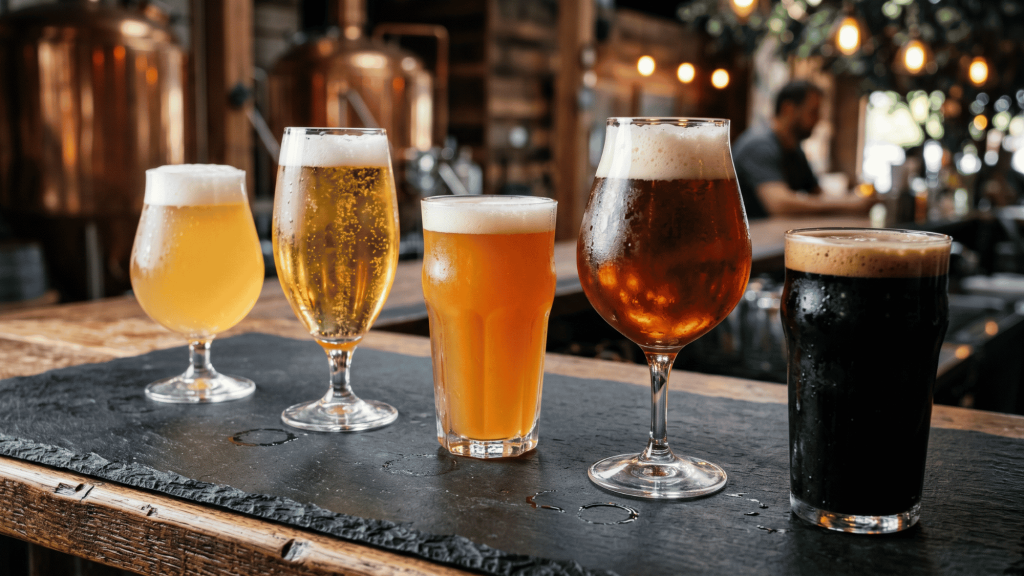


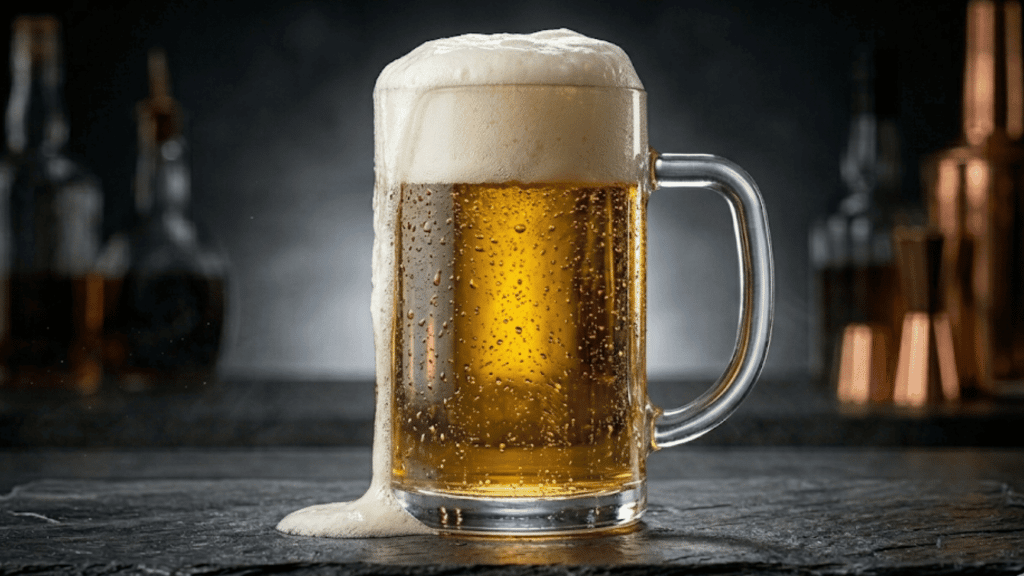
Is non-alcoholic beer actually good for you? The answer depends on what is in the bottle and how often it is consumed.
Many labels use the term loosely. Some non-alcoholic beers still carry trace alcohol, added sugar, and extra calories that add up with daily use. That makes the choice less straightforward than it looks on the shelf.
This article breaks down what non-alcoholic beer actually contains, how it affects the body, and what it means for liver health over time. Keep reading to get the full picture.
What Non-Alcoholic Beer is Made Of?
Non-alcoholic beer is made using the same base ingredients as regular beer.
These include water, barley malt, hops, and yeast. The brewing process starts the same way as traditional beer.
After fermentation, alcohol is removed by heat treatment or specialized filtration methods. This step lowers alcohol content but does not always remove it completely.
Some products contain up to 0.5% alcohol, while others are labeled 0.0%. Small differences in production methods can also affect taste, sugar levels, and calorie content.
Because of these variations, two brands of non-alcoholic beer may not have the same nutritional profile. Sugar content varies widely, from 0g to 10g per 12oz serving, so label-checking is essential.
Alcohol Content in Non-Alcoholic Beer

The term “non-alcoholic” does not always mean zero alcohol. Most non-alcoholic beers contain up to 0.5% ABV, a trace amount left behind after the fermentation and alcohol removal process.
Some newer products are labeled 0.0% ABV, meaning almost no detectable alcohol remains.
For most healthy adults, 0.5% ABV is too low to cause any noticeable effect and will not lead to intoxication. However, labels still matter.
Pregnant individuals, people on certain medications, and those with specific health conditions or religious restrictions should check carefully, since even trace amounts of alcohol can be a concern depending on personal circumstances.
Liver Response and Overall Health Effects of Non-Alcoholic Beer Consumption
Many people switching to non-alcoholic beer still wonder about its effect on the liver. The answer varies depending on personal health and consumption habits.
- The liver processes even trace amounts of alcohol found in most non-alcoholic beers, but for healthy adults, the metabolic load remains very low.
- Daily consumption, combined with a high-fat diet and low activity levels, creates a different risk profile from occasional moderate use.
- Regular intake can trigger repeated alcohol metabolism and add extra calories, quietly affecting weight and metabolic health over time.
- Those with existing liver conditions like fatty liver disease or hepatitis face a higher risk, even from minimal alcohol exposure.
- For anyone with a compromised liver, choosing a certified 0.0% ABV option is the safer move to avoid unnecessary strain.
This blog is for informational purposes only and does not replace professional medical advice. Consult your doctor before consuming non-alcoholic beer.
Benefits of Non-Alcoholic Beer
Non-alcoholic beer can offer some practical benefits when used in moderation.
- Non-alcoholic beer contains little to no alcohol, making it a safer option for those looking to cut back on drinking.
- Many people use it as a practical tool when trying to reduce alcohol intake without losing the familiar taste and experience.
- It allows people to join social gatherings comfortably, since it looks and tastes like regular beer without the strong alcohol content.
- Non-alcoholic beer often has fewer calories than regular beer, but some brands have similar calories due to added sugars, so check labels.
- Compared to soda or energy drinks, non-alcoholic beer is often lower in sugar, making it a better choice in certain social settings.
Non-Alcoholic Beer Use During Pregnancy and Safety Considerations
Can you drink non-alcoholic beer while pregnant? It is best to be cautious, since many health guidelines advise avoiding alcohol completely during pregnancy.
Some non-alcoholic beers still contain up to 0.5% ABV, while 0.0% options have little to no alcohol. Always check the label carefully, because alcohol content varies by brand.
Even 0.0% options may still contain sugar and carbohydrates, so they should not replace more nutrient-rich drinks during pregnancy.
Speak with your healthcare provider before drinking any non-alcoholic beer while pregnant.
Comparison Between Non-Alcoholic Beer, Regular Beer, and Soft Drinks
A simple comparison of how non-alcoholic beer, regular beer, and soft drinks differ in alcohol content, health impact, and overall nutritional value
| Factor | Non-Alcoholic Beer | Regular Beer | Soft Drinks |
|---|---|---|---|
| Alcohol Content | Very low (0.0%–0.5%) | High (4%–8%) | None |
| Liver Impact | Low in moderation | High risk with frequent use | No alcohol impact |
| Calories | Moderate | High | High (sugar-based) |
| Sugar Level | Low to moderate (0–10g per serving; varies by brand) | Low | High |
| Intoxication | No | Yes | No |
| Health Position | Middle option | Less healthy | Depends on intake |
Risks and Side Effects of Non-Alcoholic Beer
Despite its benefits, non-alcoholic beer is not free from concerns.
- Certain non-alcoholic beers contain added sugars and sweeteners, which can increase daily calorie intake and affect weight management over time.
- Many products still contain up to 0.5% ABV, making them unsuitable for those avoiding alcohol for medical, religious, or personal reasons.
- For people in alcohol recovery, the taste and smell of non-alcoholic beer can trigger cravings and make sobriety harder to maintain.
- Some individuals experience bloating, gas, or mild stomach discomfort after drinking non-alcoholic beer, particularly in larger amounts or on an empty stomach.
- People with liver conditions or those on alcohol-sensitive medications should avoid it, as even trace alcohol can place additional strain on the body.
Recent research suggests that some non-alcoholic beers (especially wheat-based varieties) may affect glucose and insulin levels, so choose brands carefully and consider 0.0% ABV options if you have metabolic concerns.
Wrapping Up
Non-alcoholic beer is generally safe for most healthy adults when consumed occasionally, carrying far less impact than regular beer on the liver.
That said, trace alcohol, added sugars, and individual health conditions can all change how the body responds over time.
A balanced approach works best. Occasional use fits most routines, while those with liver concerns or alcohol sensitivity may need to avoid it altogether.
Have questions about how non-alcoholic beer fits your lifestyle? Drop them in the comments below.
Frequently Asked Questions
What is the 1-Hour Rule for Drinking?
The 1-hour drinking rule suggests waiting at least one hour per standard drink before consuming more alcohol, helping the body metabolize alcohol safely and reduce intoxication risks.
Is Beer Bad for A1 C?
Regular beer can raise A1C with frequent use due to carbs and alcohol. Non-alcoholic beer varies: 0.0% showed no HbA1C change in healthy men, but wheat-based types may increase glucose. Diabetics should check labels and consult their doctor.
How Many Non-Alcoholic Beers Equal One Beer?
It depends on strength, but roughly 8–10 non-alcoholic beers (0.5%) may equal the alcohol content of one regular beer, though brands and alcohol levels can vary.