

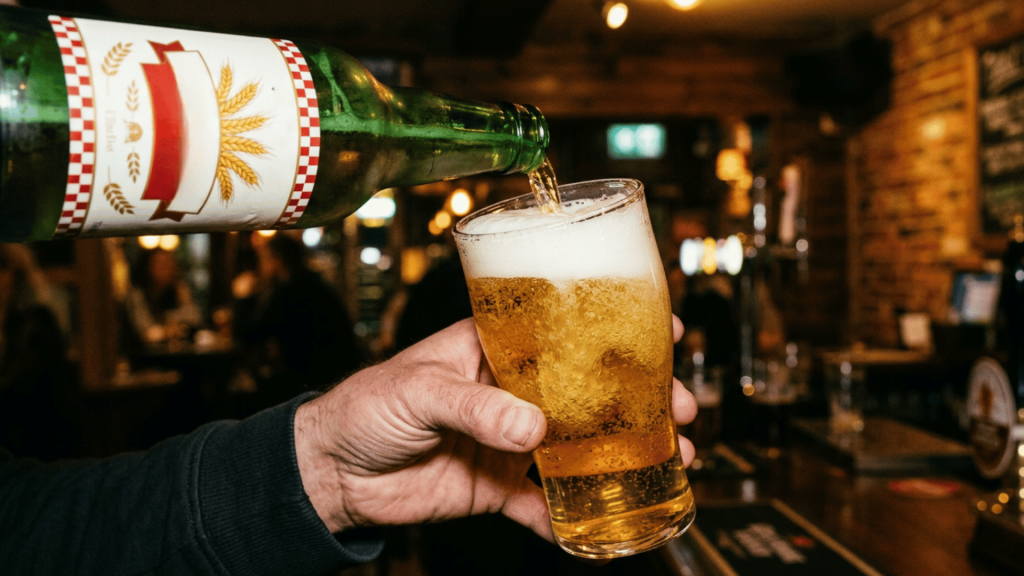
You pick up a can of non-alcoholic beer and think you are making the safer choice. But do you actually know what is inside that can?
Most people assume non-alcoholic means zero alcohol. That is not always true. Labels can mislead, trace amounts still exist, and some brands carry real risks for certain people.
This blog breaks down exactly what non-alcoholic labels mean, how much alcohol these drinks actually contain, and the legal age rules around buying them.
By the end, you will know exactly what you are drinking and what to watch out for!
What Do “Non‑Alcoholic” and “Alcohol‑Free” Labels Mean?
Alcohol-free means the drink contains strictly zero alcohol. No exceptions. Many of these products skip fermentation entirely or use advanced filtration to guarantee zero alcohol in the final product.
Non-alcoholic means the drink may still contain trace amounts of alcohol legally, up to a very small percentage. U.S. regulations require the label to clearly state this next to the term “non-alcoholic.”
Labeling rules also differ by country. In the UK, the “alcohol-free” cut-off is stricter: 0.05% ABV or below. In the U.S., it means 0.0% ABV. Rules vary by country, so always check local labels
For anyone with religious restrictions, medical conditions, or those in recovery, knowing the exact difference between these two labels is not optional; it is necessary.
Does Non-Alcoholic Beer Have Alcohol?
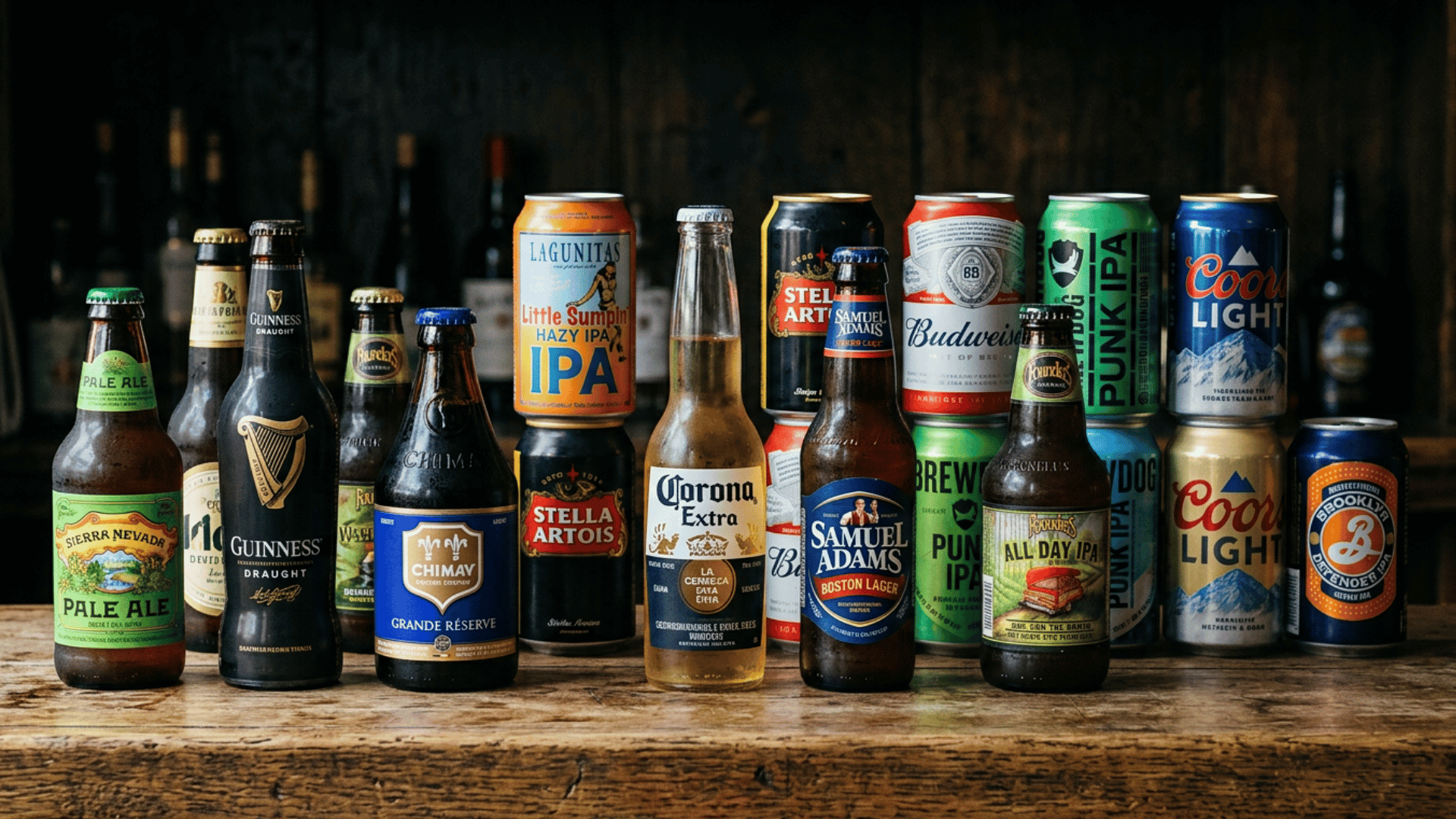
Yes. The non-alcoholic beer can contain up to 0.5% Alcohol by Volume (ABV). This small amount comes from natural fermentation. For zero alcohol, choose “alcohol-free” or “0.0% ABV” labels.
Non-alcoholic beer (up to 0.5% ABV) is brewed like regular beer, and then the alcohol is removed, or fermentation is stopped early. It won’t cause intoxication. Alcohol-free (0.0% ABV) contains no alcohol.
People in recovery or those avoiding alcohol for medical or religious reasons should pick 0.0% ABV options.
The trace alcohol in 0.5% brews is similar to what occurs naturally in ripe fruit, apple juice, and some breads.
How is Non-alcoholic Beer Made?
Non-alcoholic beer starts the same way as regular beer, but brewers either remove the alcohol after fermentation or stop it from forming in the first place.
Dealcoholization
Brewers may produce full‑strength beer and then extract ethanol. One method lowers pressure so alcohol evaporates at lower temperatures, protecting natural aromatics.
Another forces the beer through a membrane that separates water and alcohol from flavor compounds; makers then recombine the retained flavors with fresh water.
These techniques require careful temperature control and testing to avoid dulling bitterness or losing hop aroma during the process.
Controlled Fermentation
Some breweries limit alcohol formation by interrupting yeast activity early. They chill or pasteurize the wort soon after fermentation begins, curbing ethanol production while retaining some fermentation‑derived flavors.
Others select yeast strains that ferment fewer sugars, producing beerlike esters without typical alcohol levels.
This route often yields a lighter body and a slightly different sweetness, so brewers fine‑tune grain bills and hopping rates to balance flavor when alcohol levels are minimal.
Do You Have to Be 21 to Buy Non‑alcoholic Beer?
The legal age to buy or drink non-alcoholic beer in the U.S. depends on your state.
Under federal law, any drink under 0.5% ABV is not classified as alcoholic. But state laws tell a different story. Some states allow minors to buy and drink NA beer freely. Others treat it exactly like regular beer.
A handful of states fall somewhere in between, with conditions such as parental supervision or age limits of 18 or older. Most retailers simply card everyone to avoid legal confusion.
Check your state’s specific rules before purchasing. Laws vary widely, and what is allowed in one state may not be allowed in another.
Non Alcoholic Beer and Medications: Are There Any Risks?
Non-alcoholic beer can still pose risks when mixed with certain medications.
Even trace amounts of alcohol in NA beer can cause problems depending on what you take daily. Here is what to watch out for:
Medications That React Poorly:
- CNS Depressants: Benzodiazepines like Xanax or Valium, and sleep aids
- Psychotropics: SSRIs and certain antipsychotics
- Cardiovascular Drugs: Blood pressure and heart medications
- Antibiotics: Some like Flagyl react badly even with trace alcohol
0.5% ABV is comparable to alcohol in ripe fruit or vinegar, but for daily medication users, 0.0% options like Heineken 0.0 or Budweiser Zero are the safest pick.
Note: Always check the label and talk to your doctor before drinking NA beer with any prescription.
Alcoholic Beer vs Non-Alcoholic Beer
Non-alcoholic and alcoholic beer start the same way but end up very different in the glass!
| Feature | Non-Alcoholic Beer | Alcoholic Beer |
|---|---|---|
| Alcohol | 0.0%–0.5% | 4%–15% |
| Calories | 50–90 | 140–200+ |
| Carbs | Moderate | Moderate |
| Production | Alcohol removed or stopped early | Full fermentation |
| Taste | Close to beer, lighter | Stronger, fuller |
| Health | No alcohol effects | Alcohol-related risks |
| Hydration | More hydrating | Less hydrating |
| Pregnancy | Not recommended | Not safe |
| Post-workout | Sometimes used | Not suitable |
Expert Interviews: What Addiction Specialists Say About NA Beer
Addiction specialists say non‑alcoholic beer can spark cravings and may not protect people with alcohol use disorder.
Craving Triggers and The Slippery Slope
Some research found NA drinks increase cravings in people with alcohol use disorder because the look, taste, and branding mimic real beer.
Psychiatrist Aviva Zohar calls this a slippery slope. If a person reaches for NA beer, they may later drink regular alcohol.
For recovery, the safest plan is zero‑alcohol options and clear support from a clinician.
Mixed Results and Individualized Guidance
Some patients report mixed outcomes when using NA beverages to cut drinking.
These drinks share cues with alcohol, so they might strengthen desires for stronger drinks and, in some cases, lead back to regular alcohol.
Experts recommend individualized guidance.
If a person wants to try NA beer, they should ask their therapist or physician and watch for craving spikes.
Conclusion
Non-alcoholic beer is not as straightforward as the label makes it seem.
Trace alcohol is often present, age restrictions vary by location, and certain medications do not mix well even with small amounts of alcohol.
It is about reading labels correctly and making smarter decisions every time you shop. Now that you have the full picture, check out our breakdown of the best non-alcoholic beer brands worth trying this year.
Have a brand you already love? Leave it in the comments below!
Frequently Asked Questions
Is 0% Alcohol Bad for Your Liver?
Zero-alcohol beer is generally not harmful to the liver in healthy adults. Studies show no direct link to liver damage, though individual conditions vary.
What’s the Healthiest Beer for Your Liver?
No beer is truly healthy for the liver. Overall quantity matters most for liver health. Ales may contain more antioxidants than lagers from the fermentation process.
Which is Harder on The Liver, Vodka or Beer?
Vodka and beer affect the liver similarly when equal amounts of alcohol are consumed. Total alcohol intake, not beverage type, determines liver damage risk and overall health.