

Vodka is one of the most widely used spirits in the world, but many people are still unsure what goes into it. Some think it is always made from potatoes. Others think it only comes from grain.
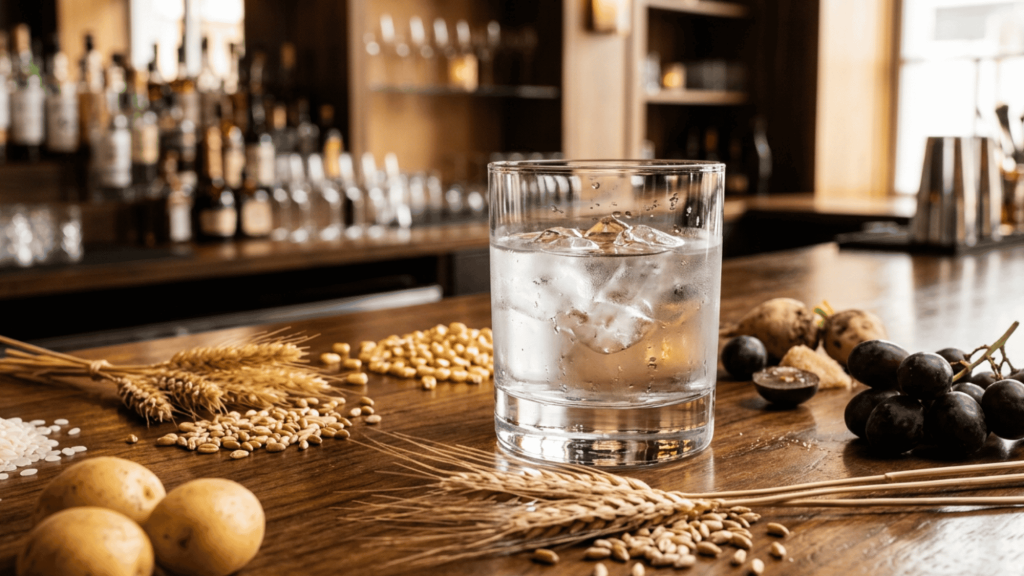
The simple answer is this: vodka can be made from any ingredient that has fermentable sugar or starch. That includes wheat, rye, corn, potatoes, barley, grapes, rice, sugar beets, and more.
The base ingredient may add small changes in texture, smell, and taste. Still, vodka is usually made to feel clean, smooth, and fairly neutral.
Keep reading to learn what vodka is made from and how each ingredient can change the final drink.
What is Vodka Made From?
Vodka is made from fermentable ingredients. These are ingredients that contain sugar or starch that can be turned into alcohol.
Common vodka bases include:
| Ingredient | How It Affects Vodka |
|---|---|
| Wheat | Soft, smooth, and clean |
| Rye | Crisp, dry, and slightly spicy |
| Corn | Lightly sweet and round |
| Potatoes | Creamy and full-bodied |
| Barley | Mild grain-like taste |
| Grapes | Light and slightly fruity |
| Rice | Clean and soft |
| Sugar beets | Neutral with mild sweetness |
Vodka does not have a required base. The main rule is that the ingredient must be fermentable. After that, the liquid is distilled and usually filtered to create a clean spirit.
Common Ingredients Used to Make Vodka
Different brands use different base ingredients. Some choose grains for a clean finish. Others use potatoes for a richer feel. Some use fruit or sugar-based sources for a softer profile.
1. Wheat
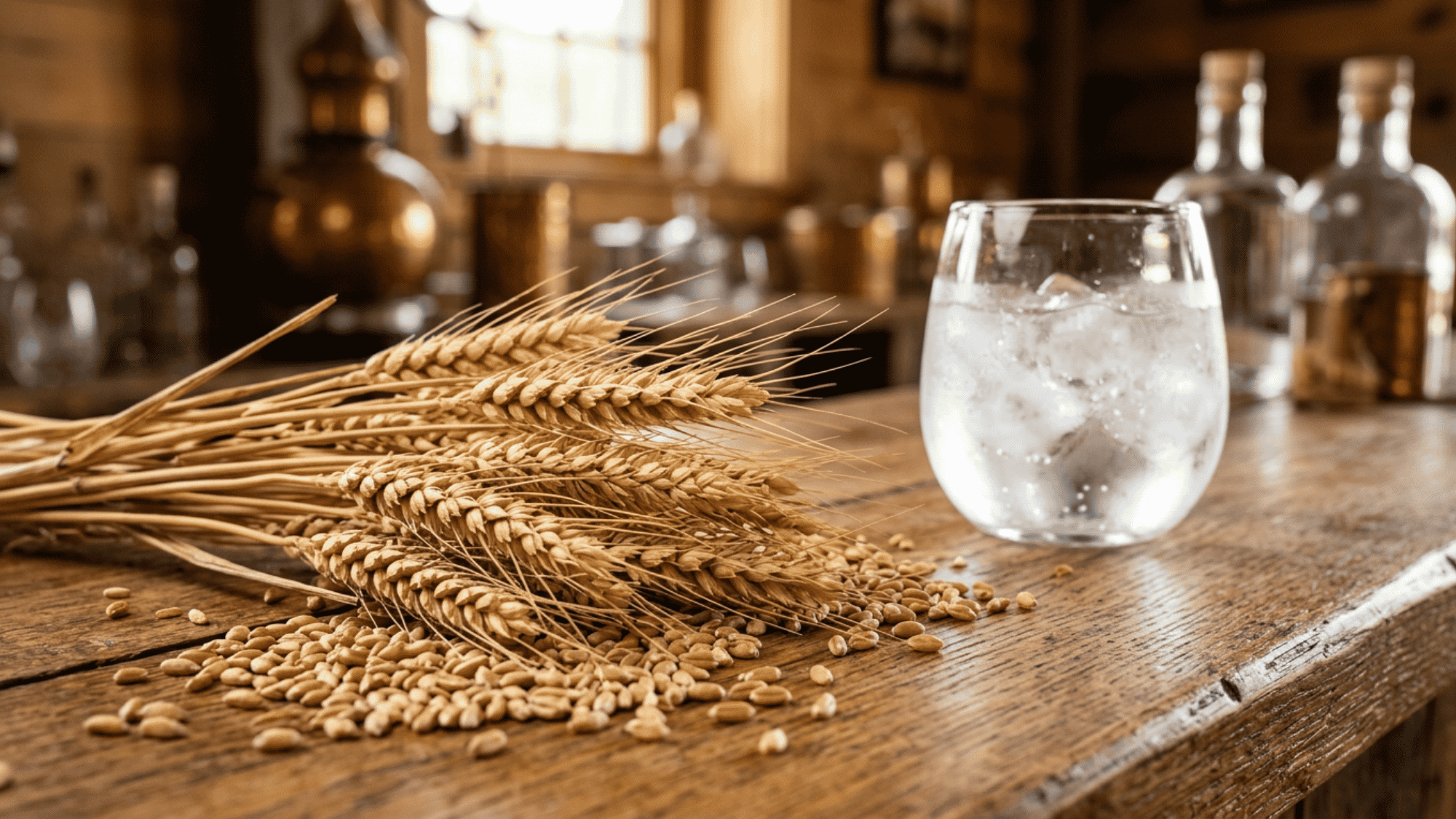
Wheat is one of the most common ingredients in vodka. It often creates a smooth and mild spirit.
Wheat vodka can feel soft on the palate, which makes it a good choice for simple cocktails. It also works well when the vodka needs to blend with citrus, soda, tonic, or fruit juice.
Many popular vodkas use wheat because it gives a clean finish without too much bite.
2. Rye
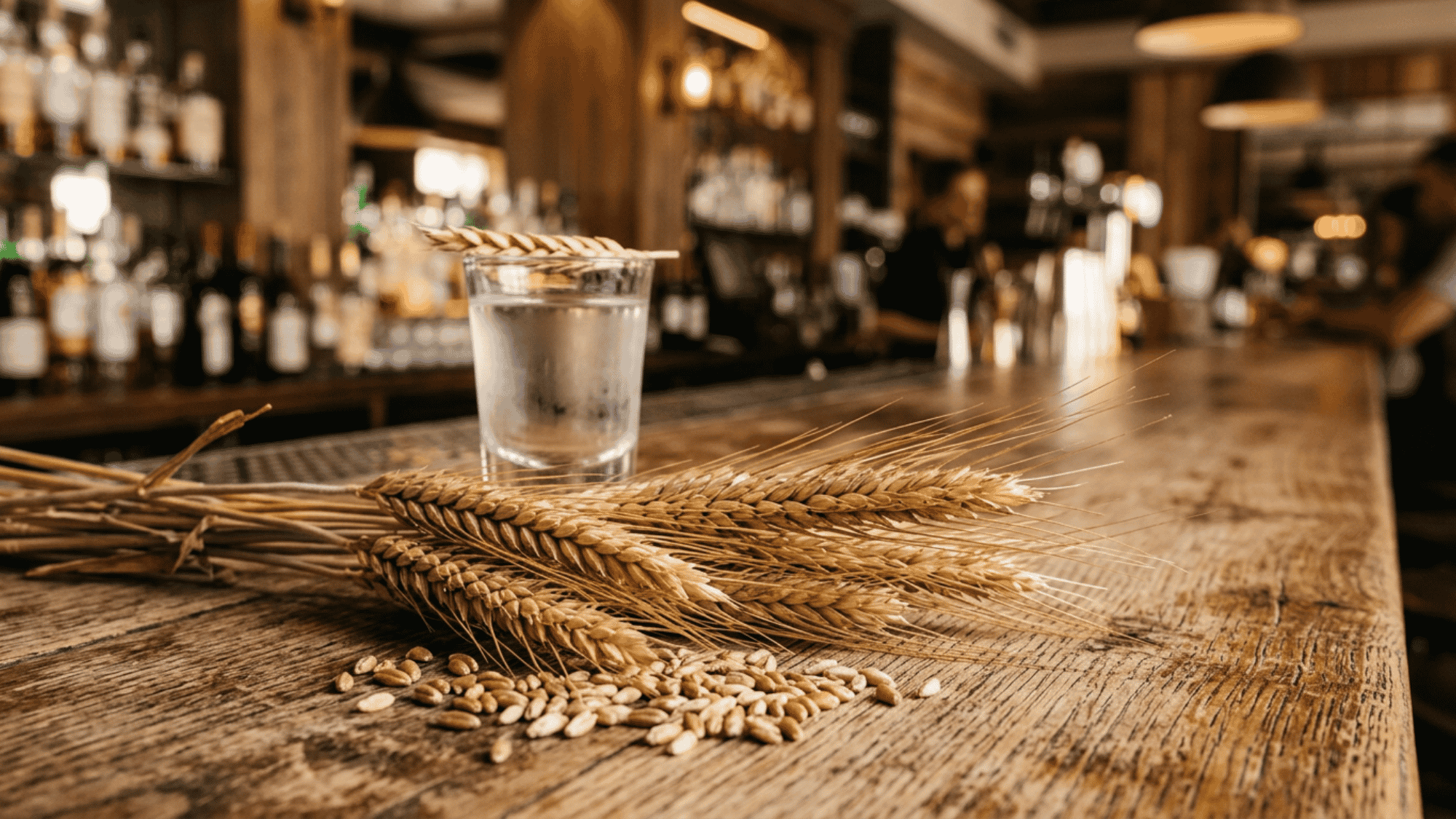
Rye vodka often has a sharper character than wheat vodka. It can feel dry, crisp, or slightly peppery.
This style works well for people who like vodka with a little more edge. Rye vodka is often used in classic drinks because it can hold its own without feeling heavy.
It is also common in many Eastern European vodka styles.
3. Corn
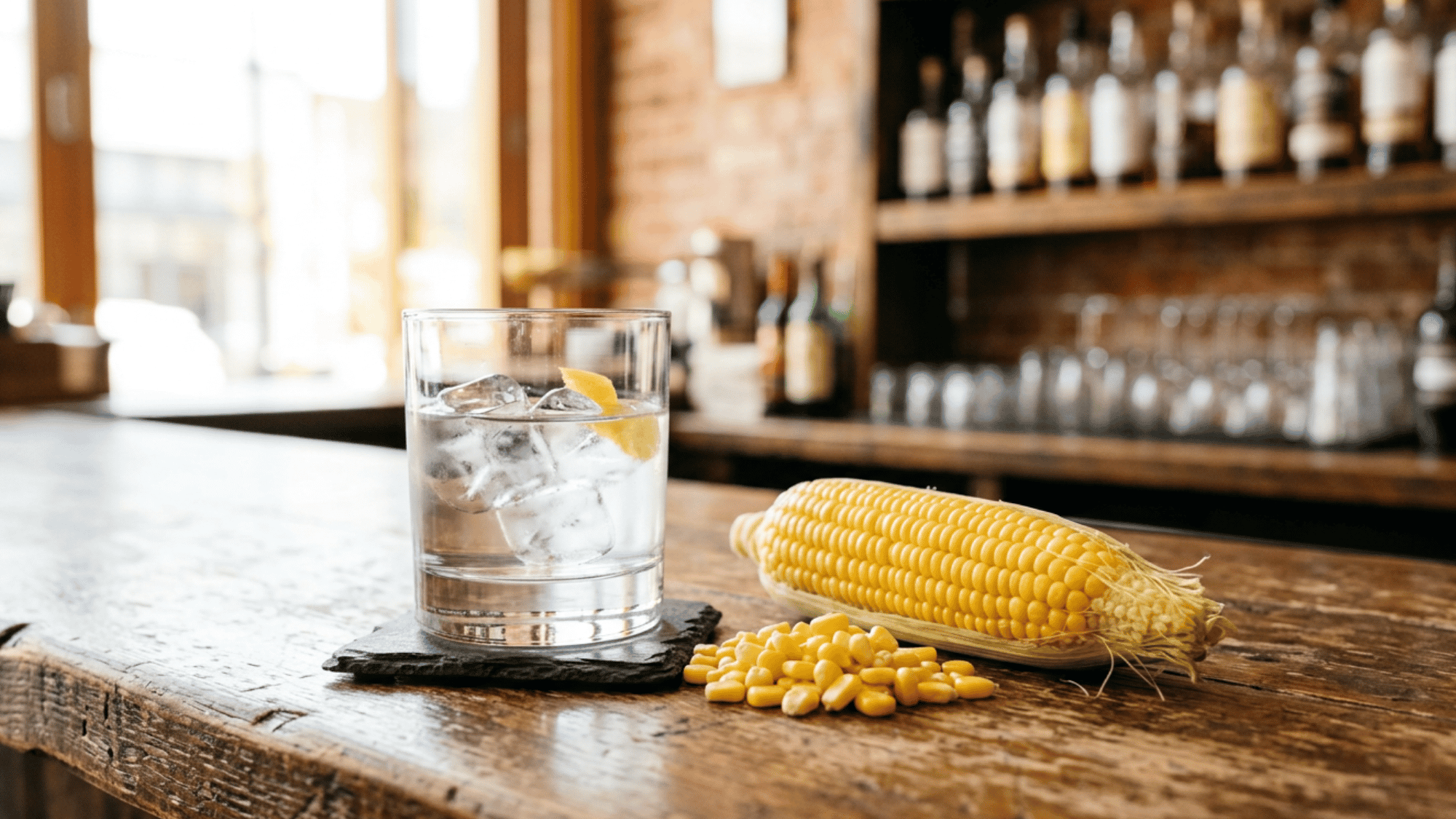
Corn vodka often has a round, slightly sweet profile. It can taste softer than rye and lighter than potato vodka.
Many American vodkas use corn as the base ingredient. Corn-based vodka can work well in mixed drinks because it blends easily with soda, juice, and flavored mixers.
Corn-based vodka is also a common choice for people who avoid gluten, but the label should still be checked if gluten is a concern.
4. Barley and Other Grains
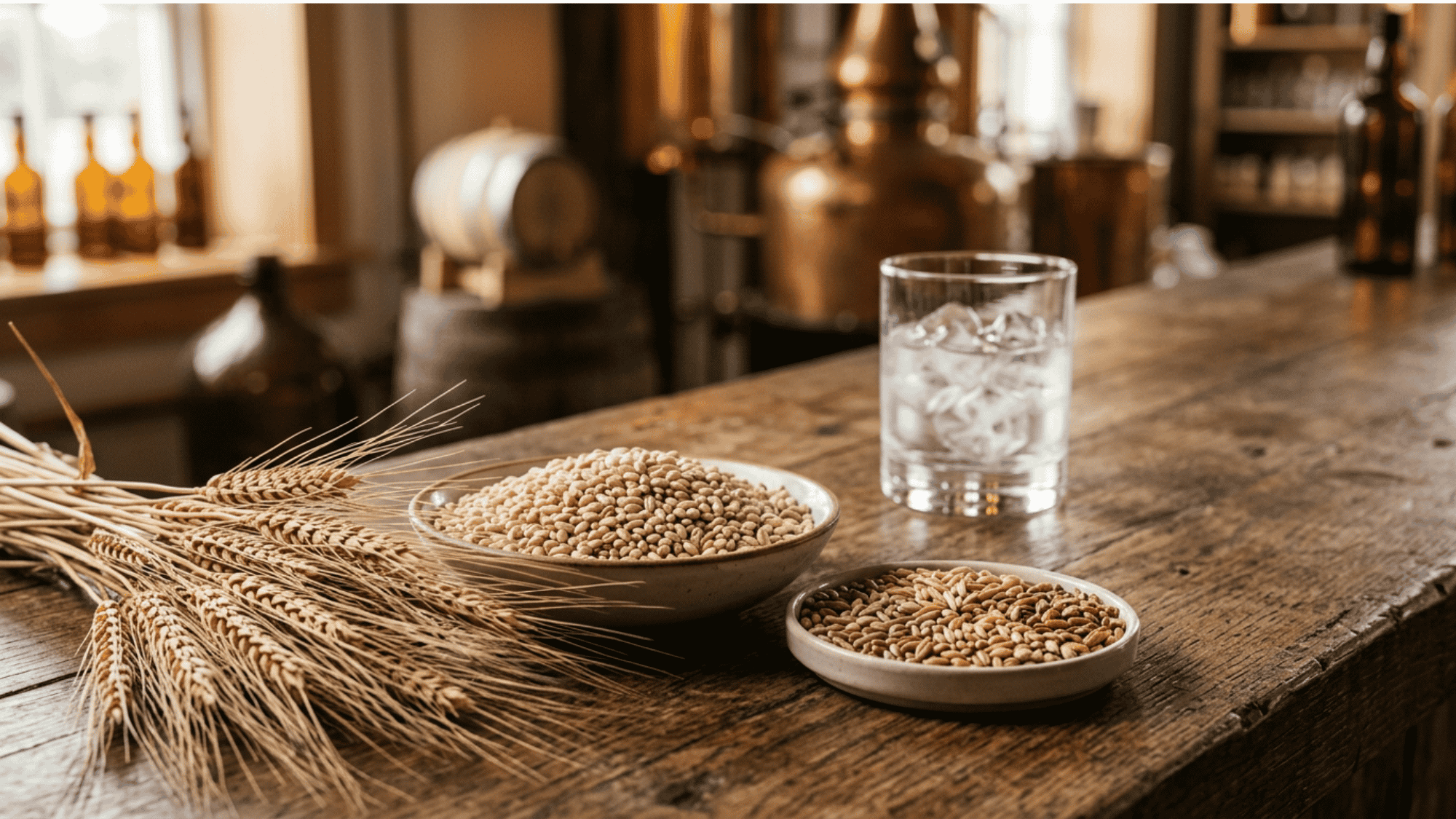
Barley can be used to make vodka, either on its own or with other grains. It may add a mild grain note, though the final spirit is still usually clean.
Other grains may also be used depending on the brand and region. The goal is to create alcohol from starch, then refine it through distillation.
5. Grapes, Rice, Sugar Beets, and Other Sources
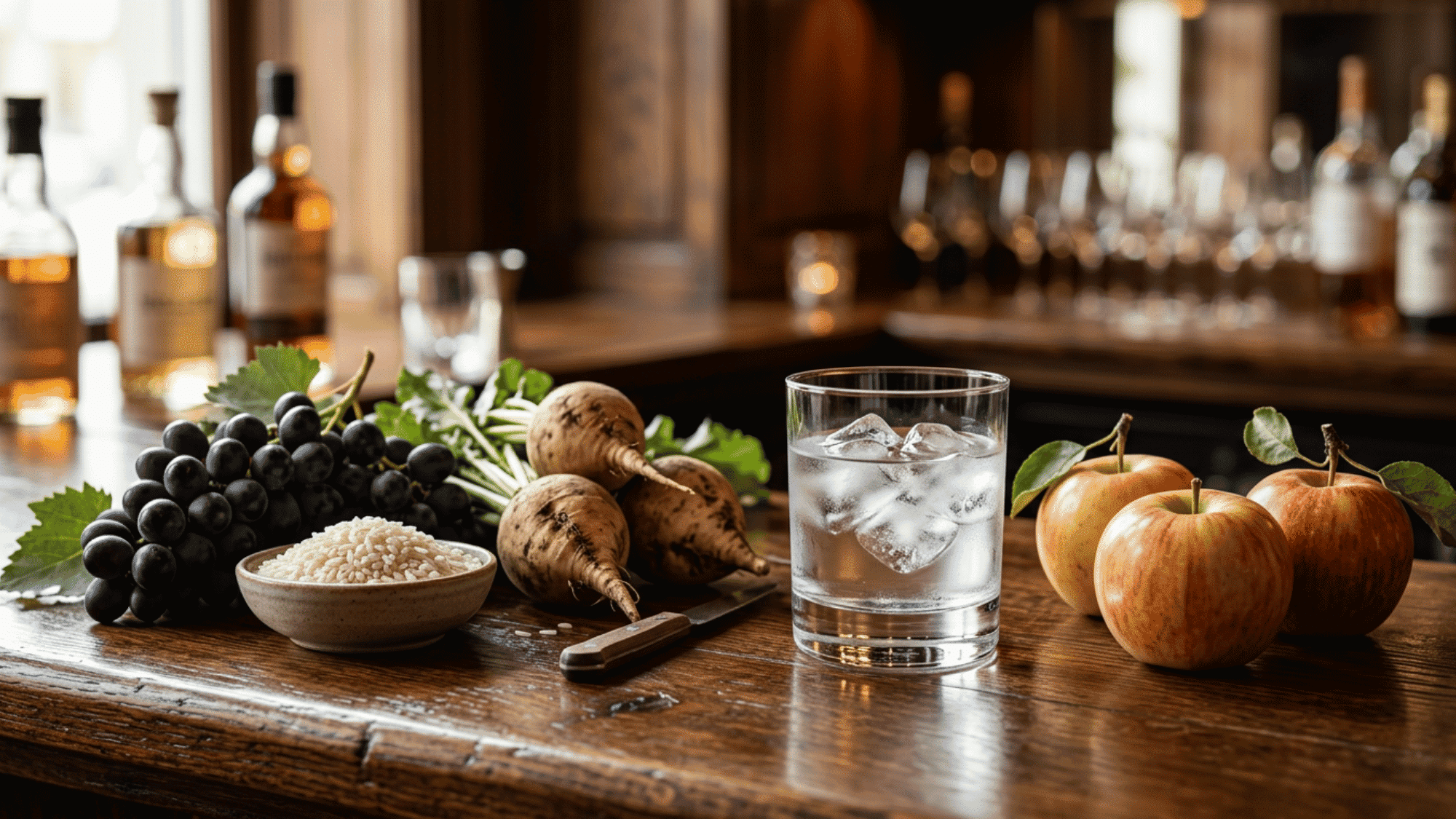
Vodka can also be made from ingredients beyond grains and potatoes. Grapes, rice, apples, sugar beets, and molasses can all be used if they provide fermentable sugar or starch.
These vodkas may have small differences in aroma, body, or finish. For example, grape-based vodka may feel a little softer or fruitier, while rice vodka may feel clean and light.
How is Vodka Made?
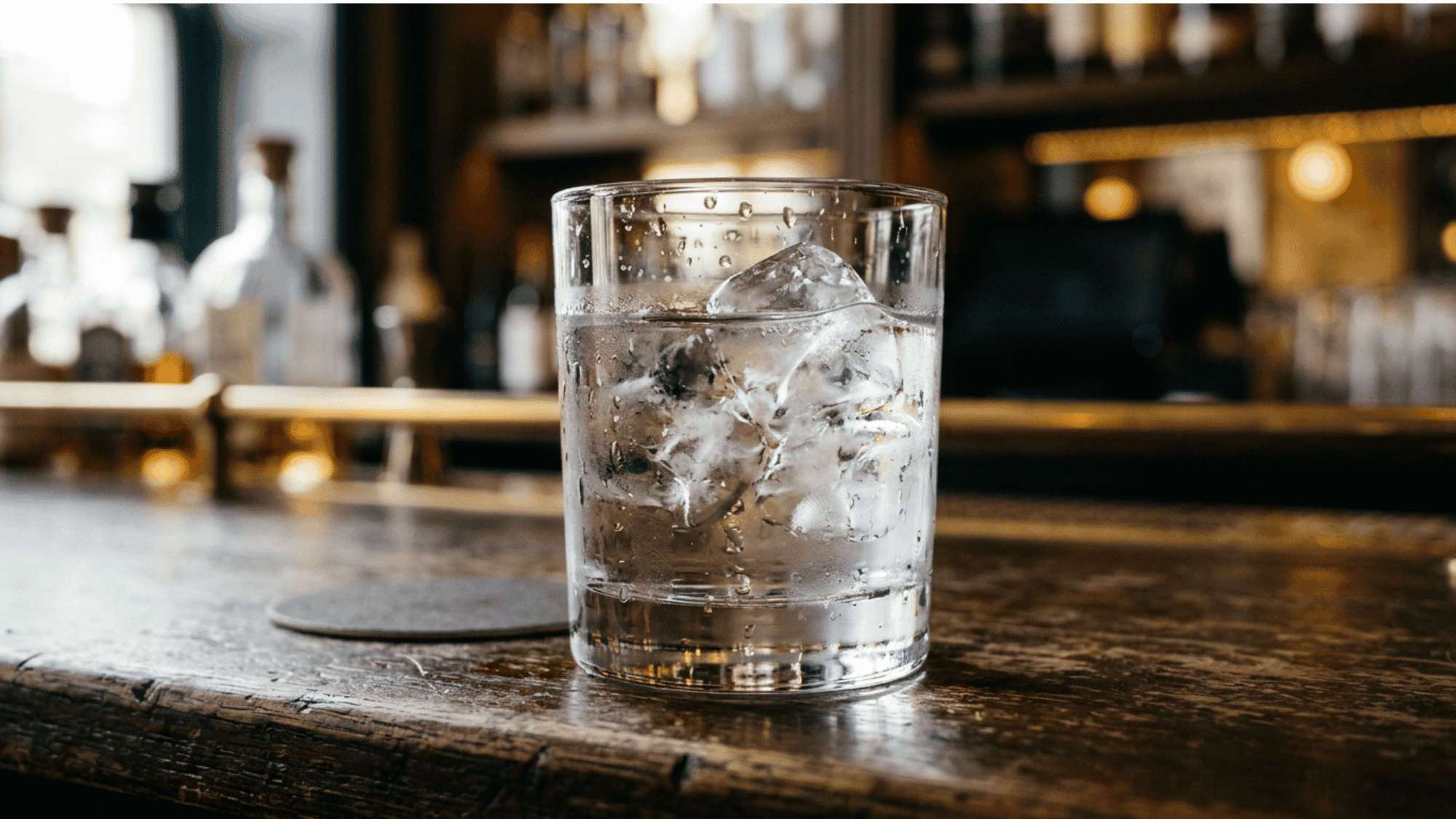
Vodka starts with a base ingredient that contains sugar or starch. If the ingredient is starchy, such as grain or potatoes, the starch must first be changed into sugar.
After that, yeast is added. The yeast turns the sugar into alcohol through fermentation.
Once fermentation is done, the liquid is distilled. Distillation raises the alcohol level and helps clean up the spirit. Some vodka is distilled more than once to create a smoother result.
The basic process looks like this:
| Step | What Happens |
|---|---|
| Base selection | A fermentable ingredient is chosen |
| Sugar conversion | Starches are changed into sugars if needed |
| Fermentation | Yeast turns sugar into alcohol |
| Distillation | Alcohol is separated and refined |
| Filtration | The spirit is cleaned and softened |
| Dilution | Water lowers it to bottling strength |
| Bottling | The finished vodka is sealed and sold |
How to Choose Vodka Based on Ingredients
Start by checking the bottle label. Many brands list the base ingredient, such as wheat, rye, corn, or potatoes.
Choose wheat vodka for a soft and clean taste. Choose rye vodka for a drier and sharper feel. Choose corn vodka for a rounded and lightly sweet profile. Choose potato vodka for more body.
For cocktails with strong mixers, a neutral vodka is often enough. For martinis, chilled pours, or simple soda drinks, the base ingredient may matter more.
People avoiding gluten can look for vodka made from corn, potatoes, grapes, or rice and a certified gluten-free label.
Vodka Ingredient Comparison
Here is a simple comparison of common vodka bases:
| Base Ingredient | Common Character | Works Well For |
|---|---|---|
| Wheat | Soft and smooth | Martinis and simple mixers |
| Rye | Crisp and dry | Vodka tonics and savory cocktails |
| Corn | Lightly sweet and round | Mixed drinks |
| Potato | Creamy and full-bodied | Sipping and martinis |
| Barley | Mild grain note | Classic cocktails |
| Grapes | Soft with light fruit notes | Citrus drinks |
| Rice | Clean and light | Simple chilled serves |
| Sugar beets | Mild and neutral | Everyday mixing |
This table can help when choosing vodka for a drink or recipe. A neutral vodka works well when mixers should stand out. A fuller vodka works better when the spirit itself should be noticed.
Common Myths About Vodka Ingredients
Not everything people believe about vodka holds up. Some of the most common ideas about it are simply not accurate.
- Myth: Vodka is always made from potatoes
Truth: Many vodkas use grains like wheat, rye, and corn instead - Myth: Vodka has no taste at all
Truth: The base ingredient, water, and production method can all affect the finish - Myth: More distillation always means better vodka
Truth: Too much refinement can strip away character and make it feel flat - Myth: All vodkas taste the same
Truth: Potato and rye vodkas can feel very different, especially when served chilled or in a martini
Conclusion
Vodka can be made from many fermentable ingredients, not just potatoes. Wheat, rye, corn, barley, potatoes, grapes, rice, sugar beets, and other sources can all be used.
The base ingredient can affect the vodka’s texture, finish, and subtle taste. Wheat may feel smooth, rye may feel crisp, corn may feel lightly sweet, and potato may feel creamy.
Still, the ingredient is only part of the story. Distillation, filtration, water quality, and blending also shape the final bottle.
Next time you buy vodka, check what it is made from before choosing. It can help you pick the right bottle for cocktails, sipping, cooking, or a simple mixed drink.
Frequently Asked Questions
Can Vodka Be Made from Fruit?
Yes, vodka can be made from fruit if the fruit has fermentable sugar. Grapes and apples are two possible examples.
Why is Water Important in Vodka?
Water is added after distillation to bring vodka down to its final strength. It can also affect smoothness and mouthfeel.
Why is Vodka Usually Clear?
Vodka is clear because it is distilled and filtered to remove many color-producing compounds. Unlike aged spirits, it is usually not stored in barrels that add color.