
Does alcohol make you bloated? It can and a bloated stomach after drinking can be uncomfortable, distracting and sometimes confusing.
Alcohol can cause bloating in some people, often because of stomach irritation, gas from carbonated drinks, fluid changes or heavy food and mixers.
The swelling may appear the same night or the next morning, making it hard to tell what caused it or how long it will last. Understanding these factors can make it easier to manage the discomfort and reduce the chance of it happening again.
You will learn what causes bloating after alcohol, how to ease it, how long it may last and when it needs medical attention. Read the full blog to find practical steps that can help you feel more comfortable after drinking.
Does Alcohol Make You Bloated?
Yes, alcohol can make some people feel bloated after drinking. Bloating does not always mean the same thing. It may involve trapped gas and fullness, visible abdominal swelling, temporary fluid retention or discomfort caused by acid reflux.
Each has a different cause and may need a different approach to relief. For example, avoiding carbonated drinks may help with gas, while staying upright after eating may ease reflux-related discomfort.
The National Institute on Alcohol Abuse and Alcoholism (NIAAA) states that alcohol can damage and irritate the gastrointestinal lining. It may also contribute to digestive problems.
Bloating can appear in the abdomen and some people also notice facial puffiness the next day. How much alcohol was consumed, the type of drink, food intake, hydration and existing digestive problems can all affect the symptoms.
Reasons Why Alcohol Causes Bloating
Several digestive and fluid-related changes can make the stomach feel swollen, tight or uncomfortable after drinking.
1. Stomach Irritation: Alcohol can irritate the stomach lining and increase acid production. This may lead to fullness, soreness or swelling, especially after heavier drinking or drinking without food.
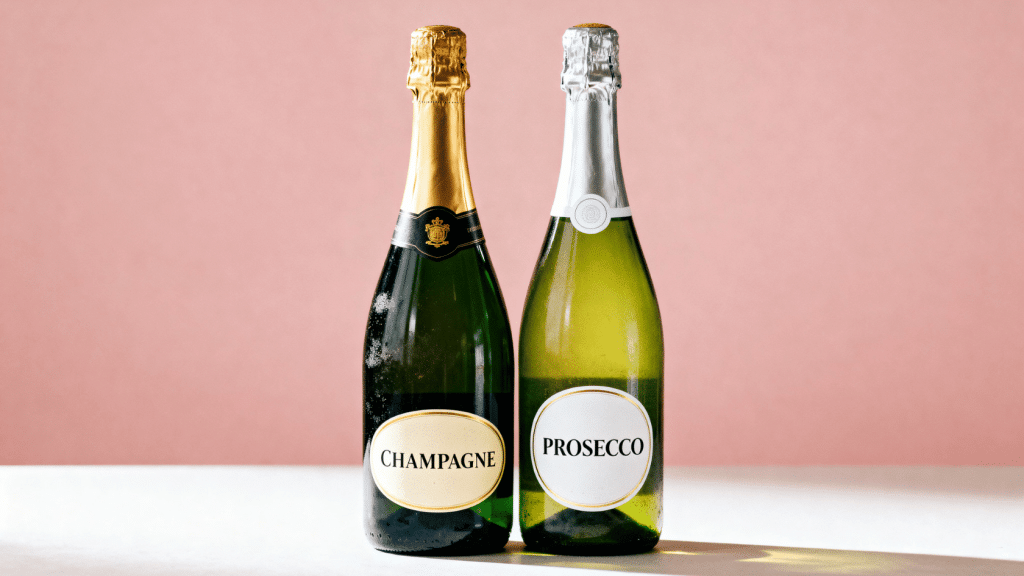
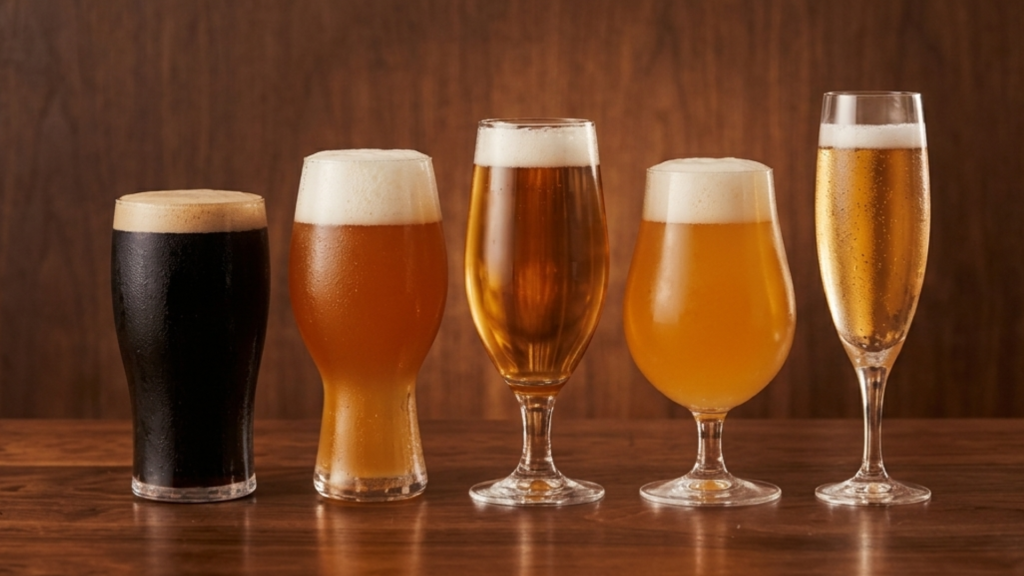
2. Extra Gas from Carbonation: Beer, hard seltzer, sparkling wine and soda-based cocktails contain carbon dioxide, which can build digestive pressure and cause burping, tightness and abdominal swelling. Drinking too quickly, using straws or talking while drinking can also cause aerophagia, leading to trapped gas and bloating.
3. Changes in Fluid Balance: Alcohol can increase urination and contribute to dehydration. Changes in fluid balance may leave some people feeling puffy the next day, including around the face and stomach.
4. Mixers and Heavy Meals: Sugary mixers, fizzy drinks, salty snacks and large meals can add to abdominal fullness. Fried foods, overeating, or certain ingredients may also worsen digestive discomfort.
5. Constipation: Dehydration, changes in eating habits, and disrupted routines after drinking may contribute to constipation. When stool moves slowly through the digestive tract, gas and fullness can build up, making the stomach feel bloated.
How to Get Rid of Alcohol Bloating
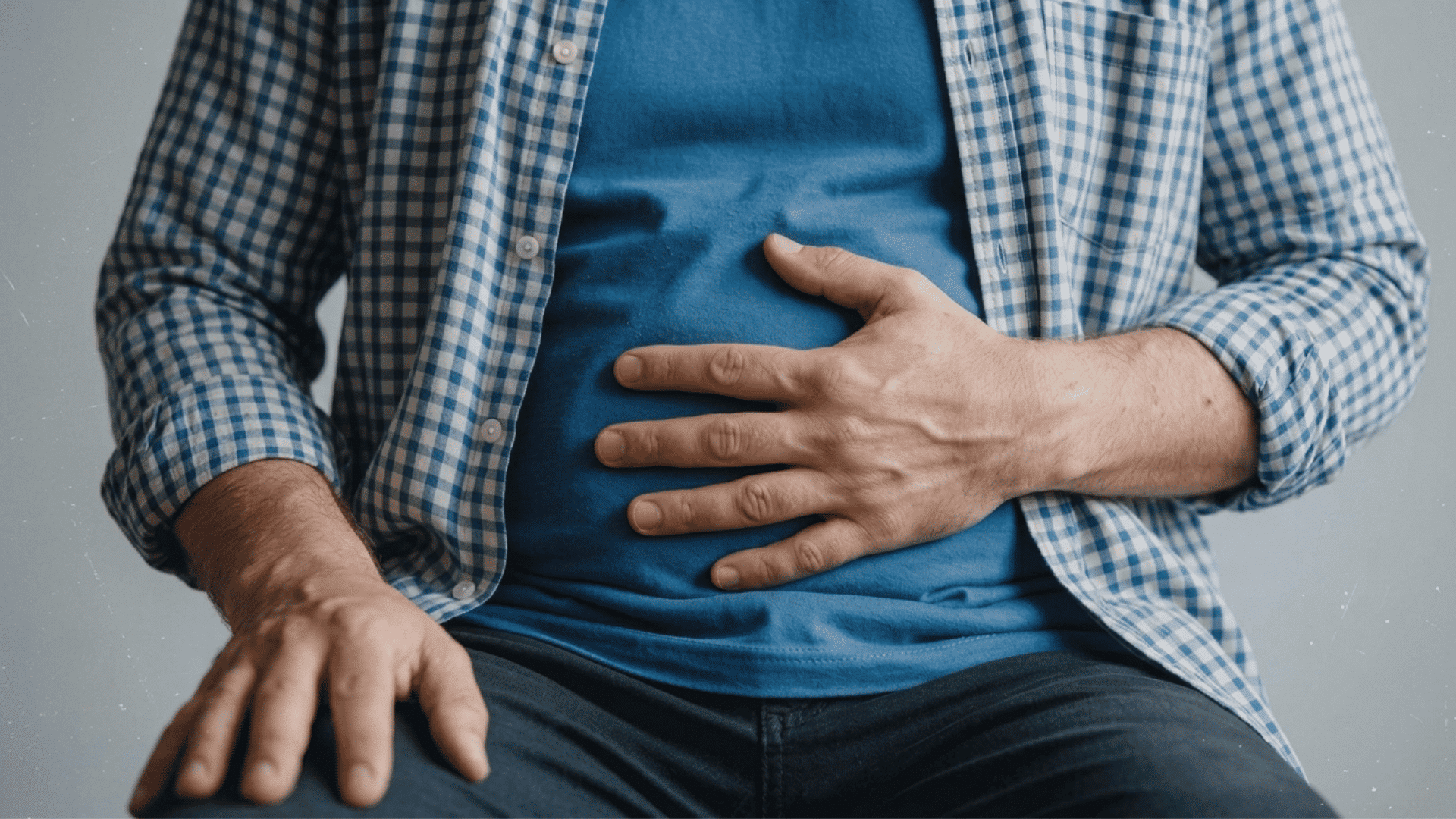
There is no instant fix for bloating after drinking, but a few simple habits may reduce discomfort while the digestive system and fluid balance return to normal.
1. Rehydrate Gradually with Water
Drinking water can help replace fluids lost through increased urination and support normal hydration after alcohol use, but it does not flush alcohol out of your system faster.
Sip water slowly throughout the day instead of drinking a large amount at once, which may make an already full stomach feel more uncomfortable. Plain water is usually easier on the stomach than soda, sweetened drinks, or more alcohol.
Rehydration will not remove trapped gas immediately, but it can support recovery and may help reduce the overall heavy or puffy feeling over time. They may help after heavy sweating, vomiting or diarrhea.
2. Take a Short Gentle Walk
Light movement can help gas move through the digestive tract and may ease some of the pressure that comes with bloating.
A short walk after drinking or the next morning can also help the body return to a normal routine. Keep the pace easy, especially if you feel nauseated, dizzy, fatigued or dehydrated.
Intense exercise is not a reliable way to remove alcohol faster and may leave the body feeling worse. The goal is gentle movement, not pushing through discomfort.
3. Keep Meals Smaller and Familiar
Large meals can make a bloated stomach feel even tighter, so smaller portions may be easier to manage until symptoms improve.
Choose familiar foods that normally sit well and avoid very greasy, spicy or heavy meals if they tend to trigger indigestion. Eating slowly can also reduce the chance of swallowing extra air.
If constipation is contributing to the bloating, regular fluid intake and normal amounts of fiber may help. Avoid suddenly eating large amounts of fiber because this can increase gas.
4. Skip More Carbonated Drinks
Carbonated drinks can add more gas to the digestive system and increase pressure when the stomach already feels swollen.
For the rest of the day, choose plain water or another noncarbonated drink instead of soda, sparkling water, beer or hard seltzer. This can help especially if burping, pressure, or trapped gas are the main symptoms.
Avoiding carbonation will not fix every cause of bloating, but it can remove one common trigger and give the stomach time to settle naturally.
5. Limit Salty and Heavy Foods
Salty foods may add to the puffy feeling that can happen after drinking, especially when they are combined with large portions or late-night meals.
Heavy fried foods may also worsen indigestion and leave the stomach feeling full for longer. Choose lighter meals until the discomfort improves.
Foods do not need to be overly restrictive, but keeping portions moderate can make recovery easier. Paying attention to which meals worsen symptoms can also help you identify personal triggers for future occasions.
6. Give The Stomach Time to Settle
Mild bloating often improves as the body rehydrates, gas passes, and the digestive system returns to its usual routine.
Rest can help during this period, especially after poor sleep or a late night, while understanding how long it takes to sober up can also prevent unrealistic expectations about recovery.
There is no reliable way to force bloating to disappear immediately. In many cases, hydration, simple meals, gentle movement and enough time are the most practical steps.
Alcohol Belly vs Temporary Bloating
Alcohol belly usually refers to abdominal fat gained over time, while temporary bloating involves fullness or swelling that may change as gas passes after drinking.
|
Feature |
Alcohol Belly |
Temporary Bloating |
|---|---|---|
|
Main cause |
Abdominal fat accumulation |
Gas or digestive discomfort |
|
Pattern |
Develops gradually |
May appear after drinking |
|
Common signs and symptoms |
Gradual waist enlargement that does not disappear after passing gas |
Stomach tightness, fullness, burping or passing gas |
|
Improvement |
Requires longer-term habit changes |
May ease as digestion settles |
|
When to seek assessment |
Unexplained or increasing abdominal swelling |
Swelling that persists, worsens or comes with pain |
Note: As alcohol belly is fat, not gas, the fix takes longer. Drinking less, cutting the extra calories from drinks and mixers and staying active are the main ways to reduce it over time.
How Long Does Alcohol Bloating Last?
Mild bloating after drinking often eases within a few hours and usually settles within a day or so. Gas and fullness tend to clear first, while stomach irritation can take longer.
After occasional drinking, symptoms often improve as trapped gas passes, hydration returns to normal and the digestive system has time to recover.
Food choices and the amount of alcohol consumed can also affect how quickly someone feels normal again. Bloating and intoxication do not follow the same timeline, so how long alcohol stays in the body may differ from how long digestive discomfort lasts.
Bloating that lasts several days or occurs after small amounts of alcohol may signal alcohol intolerance or sensitivity to histamines or sulfites. These reactions can also cause flushing, headaches, nasal congestion or rosacea flare-ups.
If the bloating keeps returning after drinking, tracking when it starts and how long it lasts can help identify possible triggers.
Tips to Prevent Bloating After Drinking
A few habits before and during drinking may help reduce the chance of bloating later, especially when gas, large meals or dehydration are common triggers.
-
Eat Before Drinking: A balanced meal can slow alcohol absorption and may reduce stomach irritation compared with drinking on an empty stomach.
-
Choose Noncarbonated Drinks: Beer, hard seltzer, sparkling wine and fizzy mixers can add extra gas and increase abdominal pressure.
-
Drink Water Alongside Alcohol: Alternating with water can support hydration and may reduce the heavy, puffy feeling that sometimes follows drinking.
-
Keep Portions Moderate: Larger amounts of alcohol can increase stomach irritation and make digestive symptoms more noticeable.
-
Limit Salty Foods: Salty snacks and heavy meals may add to fullness and next-day puffiness.
-
Notice Personal Triggers: Tracking specific drinks, mixers, foods and symptoms can help identify combinations that repeatedly cause bloating.
When to Speak with a Healthcare Professional
Occasional bloating after drinking may improve on its own, but recurring or severe symptoms deserve medical attention.
Get urgent medical care right away if bloating comes with severe abdominal pain, repeated vomiting, black or bloody stools, blood in vomit, yellowing of the skin or eyes or trouble breathing. See a doctor soon if you notice trouble swallowing or unexplained weight loss.
Severe or persistent upper-abdominal pain after drinking, especially if it spreads to the back, may indicate a serious condition such as pancreatitis or gallbladder disease and requires urgent medical evaluation.
Persistent abdominal swelling should not automatically be blamed on alcohol. Other digestive, liver or medical conditions can sometimes cause similar symptoms.
Getting checked can help identify the cause, rule out more serious problems and make sure the right treatment or lifestyle changes are considered.
Disclaimer: This blog provides general information and does not replace medical advice. Consult a qualified healthcare professional for severe, persistent or recurring bloating after drinking alcohol.
Conclusion
Bloating after drinking is usually easier to manage when the cause is clear. Gas, stomach irritation, fluid changes, food choices and carbonation can all play a role, so the best response may differ from person to person.
Simple habits such as drinking water slowly, choosing smaller meals, avoiding extra fizz and allowing the stomach time to settle can help with mild discomfort. Noticing repeated triggers may also make future episodes easier to prevent.
Don’t ignore symptoms that are severe, persistent or paired with warning signs. In those cases, medical advice is the safer next step.
If bloating after alcohol is something you experience often, comment below with what seems to trigger it most.
Frequently Asked Questions
Does Lying Down Make Alcohol Bloating Worse?
It can, especially when reflux or indigestion is involved. Staying upright after eating may feel more comfortable.
Can Stress Make Alcohol Bloating Feel Worse?
Stress may influence digestion and make abdominal discomfort feel more noticeable for some people, but its effect can vary. If stress frequently affects your stomach, consider discussing it with a healthcare professional.
Can Artificial Sweeteners Make Alcohol Bloating Worse?
Some people may be more sensitive to certain artificial sweeteners, which can contribute to gas or digestive discomfort. Responses differ, so it may help to notice if specific mixers consistently trigger symptoms.
Does Beer Make You More Bloated than Liquor?
Often, yes. Beer brings both carbonation and a lot of liquid. A spirit with a still mixer, or a glass of still wine, adds no extra gas.