

A beer label can reveal more than its name and alcohol percentage, but numbers like IBU can leave casual drinkers guessing. Understanding how hops and bitterness connect makes IBU easier to interpret.
IBU becomes easier to understand when you connect hops with bitterness and brewing choices. The number helps explain differences in hop character between beers.
This guide breaks down how IBU works, what different levels indicate, and how to use the information when selecting a beer.
Before comparing IBU numbers, it helps to understand what the measurement actually represents and how it relates to bitterness in beer.
What Does IBU Mean in Beer?
IBU stands for International Bitterness Units and measures the concentration of iso-alpha acids created from hops during brewing.
A higher IBU indicates more measured hop-derived bitter compounds, while a lower IBU indicates fewer of these compounds.
One IBU roughly equals one part per million of isohumulone, a hop-derived acid that contributes bitterness to beer.
However, IBU does not account for other factors that affect taste, including malt character, alcohol content, and brewing methods.
The measurement provides a useful reference for comparing hop bitterness, but it doesn’t describe a beer’s full flavor.
How Does the IBU Scale Work?
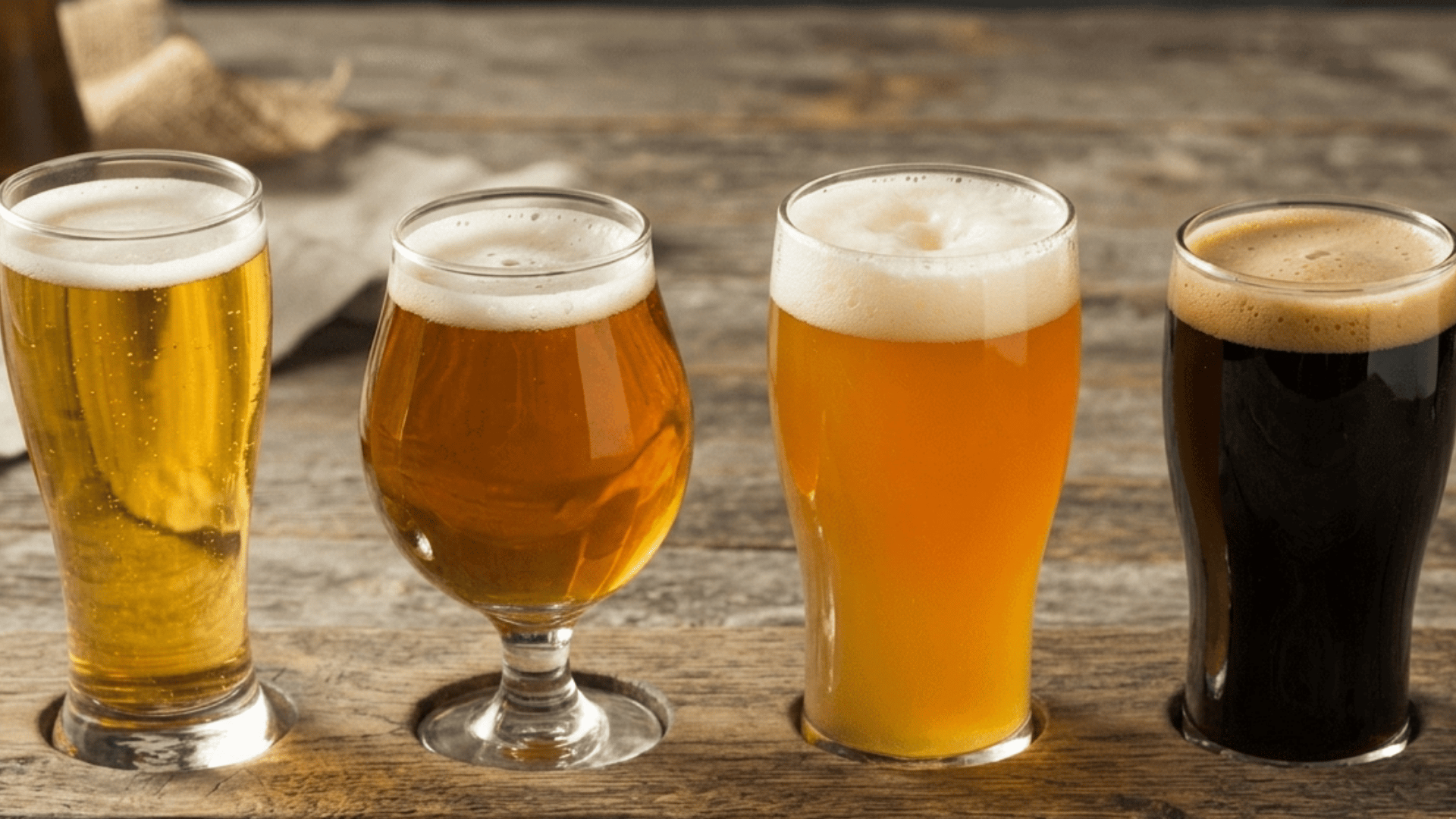
IBU numbers help drinkers understand the potential bitterness level of a beer before choosing a specific style or flavor profile.
|
IBU Range |
Bitterness Level |
Common Beer Examples |
|---|---|---|
|
0–20 |
Low bitterness |
Light lagers, wheat beers |
|
20–40 |
Moderate bitterness |
Pale ales, amber ales |
|
40–70 |
Noticeable bitterness |
IPAs, pale ales |
|
70–100+ |
Strong bitterness |
Double IPAs, imperial styles |
Disclaimer: These ranges are general guides rather than official categories, and individual beer styles can fall outside them.
Common Beer Styles and Their Typical IBU Levels
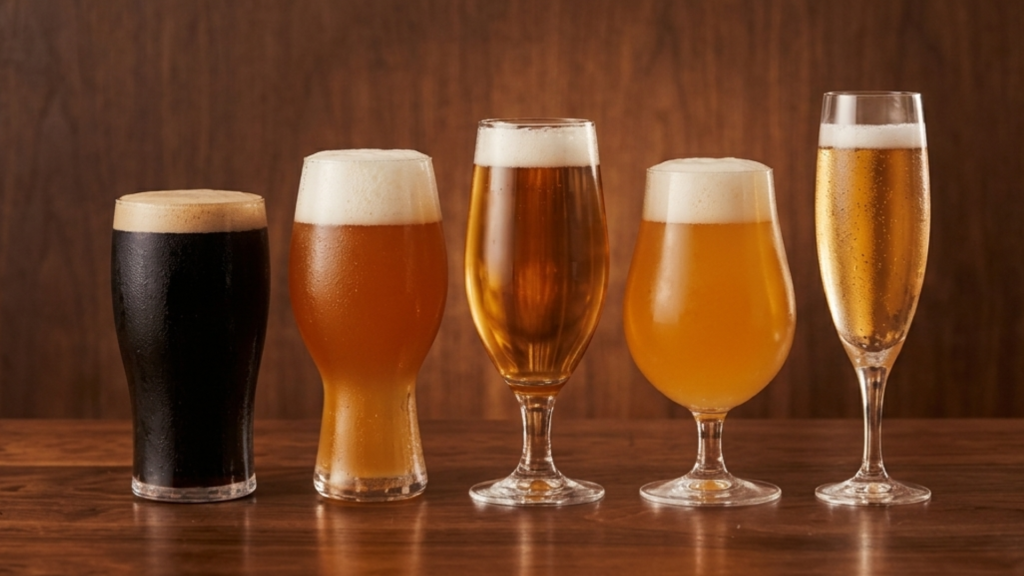
Different beer styles use hops in different ways, so their typical IBU levels can vary considerably. The styles below show how bitterness generally changes across popular beer categories.
1. Light Lagers
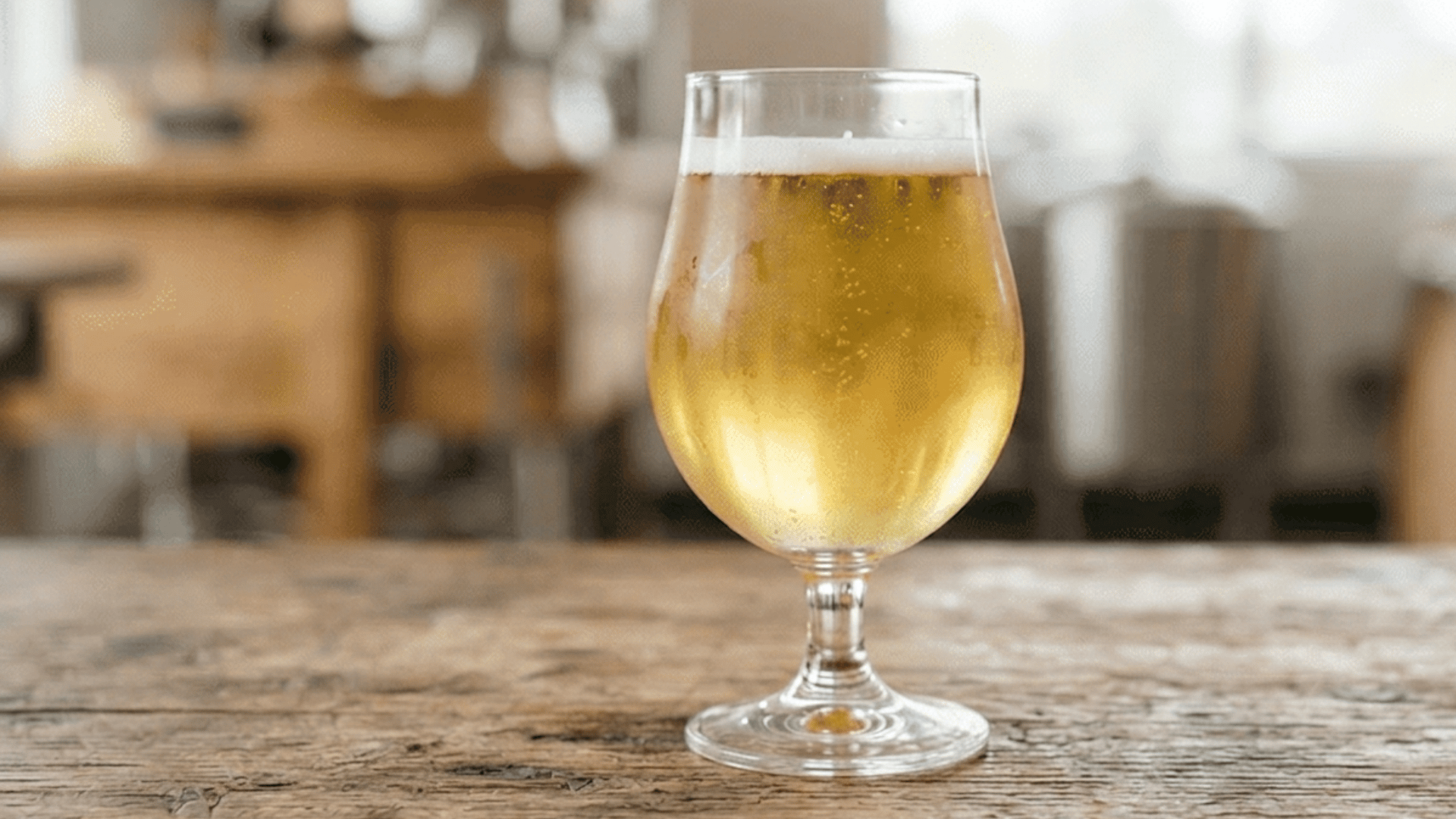
Approximate IBU Range: 8–12
Light lagers typically have lower IBU levels, emphasizing a clean, refreshing, and easy-drinking character.
Mild hop additions keep bitterness subtle while allowing the crisp malt profile, light body, and refreshing finish to stand out more clearly.
Popular American lager styles often follow this lighter bitterness profile, keeping hop character present without making it the main focus of the beer.
Their lower bitterness makes light lagers a common choice for drinkers who prefer straightforward, refreshing beers without a strong hop bite.
2. Wheat Beers
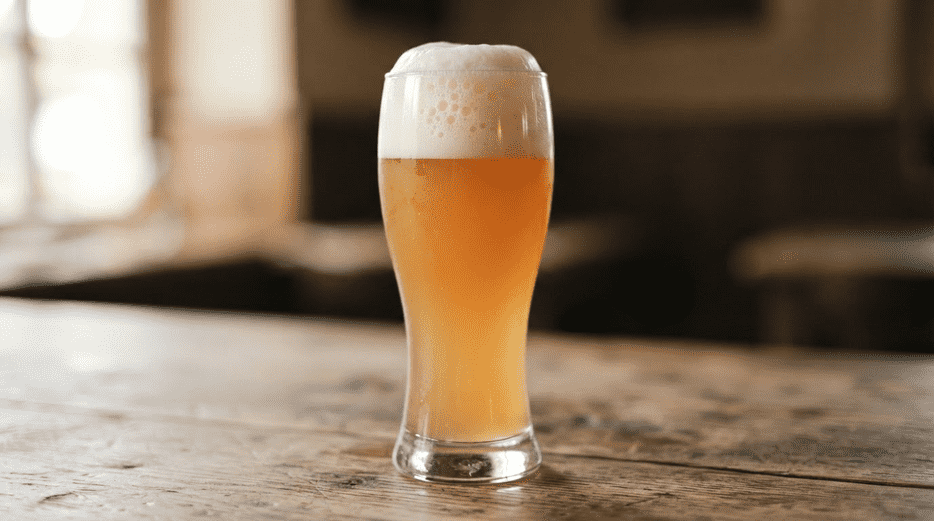
Approximate IBU Range: 15–30
Wheat beers typically have mild bitterness, with smooth textures, refreshing finishes, and fruity or spicy flavors.
Their brewing styles often keep hop bitterness balanced, letting other flavors stay more noticeable throughout the beer.
Bitterness can still vary depending on the specific wheat beer style and the recipe the brewer uses.
Yeast character, wheat-rich body, and aromatic notes can make hop bitterness feel less central to the overall experience.
3. Pale Ales
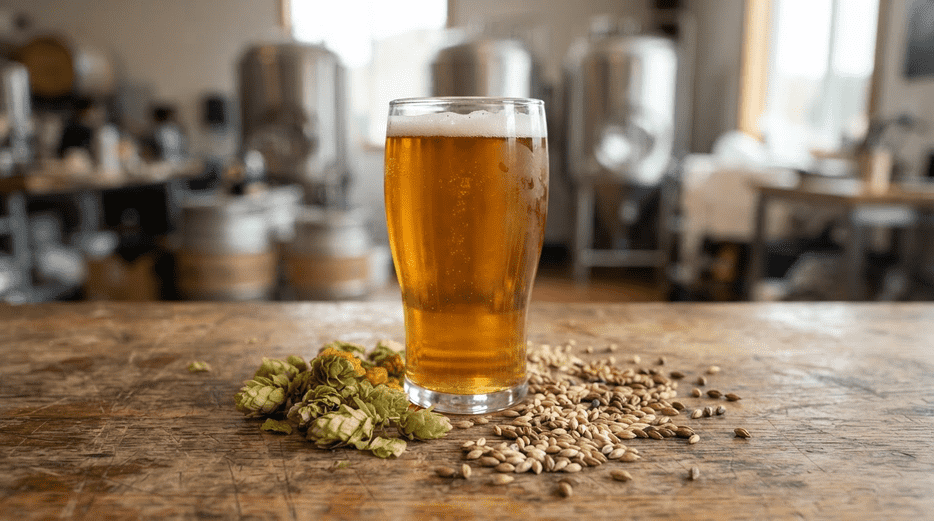
Approximate IBU Range: 30–50
Pale ales typically balance malt flavors with noticeable hop character, often falling within a moderate IBU range without overwhelming the beer’s other flavors.
They can suit drinkers who want clear hop character without making bitterness the only defining feature of the beer.
Malt sweetness, hop aroma, and moderate bitterness work together to create a broader flavor profile across different recipes.
The balance can vary considerably between pale ales depending on the brewer’s ingredients, hopping choices, and brewing methods.
4. India Pale Ales
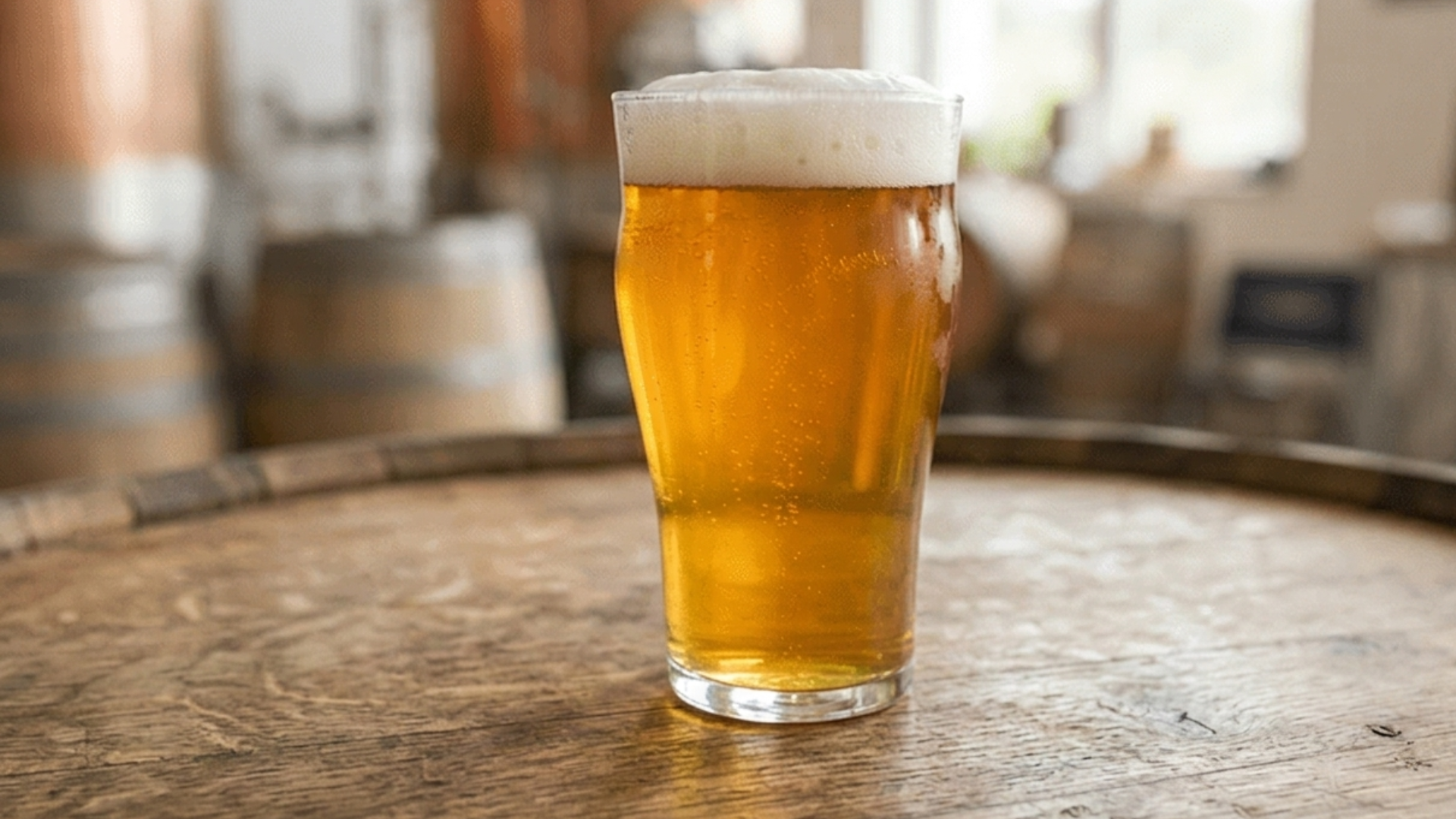
Approximate IBU Range: 40–70+
India pale ales are known for their stronger hop presence and are often associated with higher IBU ranges.
Brewers use larger hop additions to create bold bitterness along with distinct hop aromas and flavors.
The hop character in an IPA can come across as citrusy, piney, floral, tropical, or resinous depending on the hops used.
This makes the style a useful example of why IBU should be considered alongside hop aroma and flavor rather than viewed as a standalone measure of the beer.
5. Stouts and Dark Beers
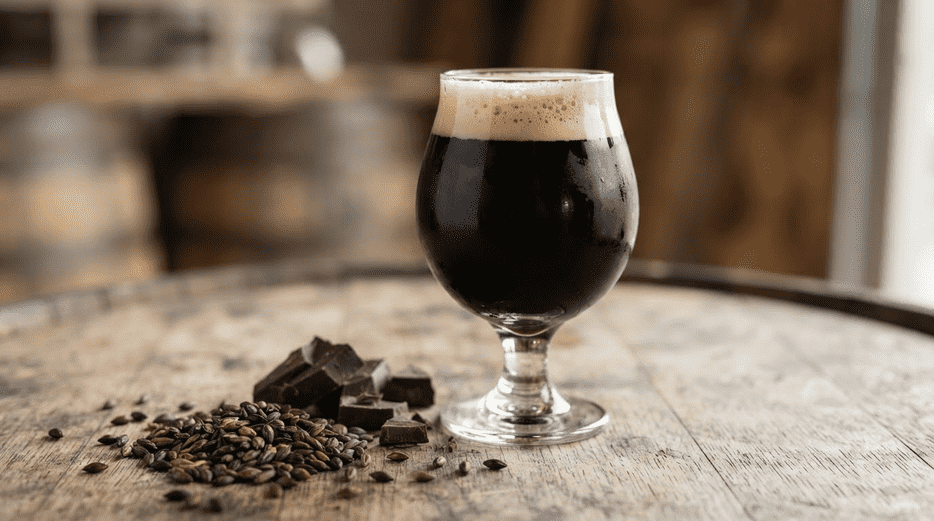
Approximate IBU Range: 25–50+, depending on style
Stouts and other dark beers can have higher IBU levels while tasting smoother because roasted malts and richer flavors can balance hop bitterness.
Their deeper malt character can soften the perception of hop bitterness, creating a fuller and more rounded drinking experience.
Stout bitterness can also come from roasted grains, creating a different sensation from the hop bitterness measured by IBU.
Dark beers show why IBU alone cannot describe the full flavor, bitterness, and character of a beer.
Why a High IBU Doesn’t Always Taste Bitter
IBU measures hop-derived bitter compounds, not the full taste experience. Other brewing factors can change how noticeable bitterness feels, even at similar IBU levels.
- Malt sweetness: Caramel, roasted, and sweeter malts can balance hop bitterness by adding richer flavors and body. This can make some high-IBU beers taste smoother than expected.
- Alcohol content: Higher alcohol levels add warmth and fullness, which can soften the sharp edge of hop bitterness and create a rounder flavor profile.
- Hop timing: Hops added early during boiling create more bitter compounds, while late additions and dry hopping mainly contribute aroma and hop flavor with limited additional bitterness.
- Beer Style: Different beer styles can have similar IBU levels but taste completely different because of their ingredients and brewing methods.
IBU vs ABV: What is The Difference?
IBU and ABV are two common numbers found on beer labels, but they explain different qualities of a beer. The comparison below shows how each measurement helps drinkers understand bitterness and alcohol strength.
|
Feature |
IBU (International Bitterness Units) |
ABV (Alcohol by Volume) |
|---|---|---|
|
Measures |
Hop-derived bitterness |
Alcohol strength |
|
Comes From |
Iso-alpha acids from hops |
Sugars converted into alcohol during fermentation |
|
Higher Number Means |
More measured bitterness compounds |
Higher percentage of alcohol |
|
Commonly Used For |
Comparing hop bitterness between beers |
Understanding alcohol intensity |
|
Found On |
Beer labels, menus, and brewery descriptions |
Beer labels, menus, and brewery descriptions |
Why IBU Matters When Choosing a Beer
IBU is most useful for comparing beers within a similar style rather than judging every beer across the board.
A drinker comparing two pale ales, for example, can use IBU as one clue about their likely hop bitterness level before making a choice. However, the number becomes less meaningful once it reaches levels beyond what the human palate can clearly distinguish.
Some very high-IBU beers use large numbers as part of their identity or marketing, but a higher value doesn’t always mean a noticeably more bitter drinking experience.
When choosing a beer, IBU works best alongside other details such as beer style, malt character, and personal flavor preferences. It provides useful context but shouldn’t be the only factor in deciding what belongs in a glass.
Conclusion
Understanding IBU beer meaning helps drinkers read labels and make informed choices without judging a beer by a single number.
While IBU provides useful information about hop bitterness, the most enjoyable beer often comes from finding the right balance between bitterness, aroma, body, and personal preference.
Instead of chasing the highest number, consider how different brewing choices create unique experiences in every glass. The next time you pick a beer, use IBU as a helpful clue rather than a strict rule.
The next time you choose a beer, use IBU alongside style, malt character, aroma, and personal preference to understand what the number may indicate.
Frequently Asked Questions
What is Considered a High IBU in Beer?
A beer with an IBU above 70 is generally considered high, with many hop-forward styles reaching this range.
Can a Low IBU Beer Still Have Strong Flavors?
Yes, beers with lower IBU levels can have bold flavors from malt, yeast, spices, fruit, or roasting techniques.
Do All Beer Styles Use IBU Ratings?
Most commercially produced beers can have IBU measurements, but some traditional styles focus more on other flavor characteristics.
Why Do Breweries Include IBU Numbers on Beer Cans?
Breweries include IBU ratings to give drinkers a quick reference for hop bitterness when comparing different beer options.