
A bottle you are saving for a future dinner may spend far more time in storage than it ever will on the table. Where it sits and the storage temperature of that spot can affect what eventually reaches your glass.
Heat is one of the main concerns, especially when bottles are kept somewhere that regularly warms up and cools down.
Most home collections do not require an elaborate cellar. The right temperature, limited light exposure, and a suitable storage spot can go a long way toward keeping bottles in good condition.
Read on for practical storage temperatures, humidity targets, and placement tips that can help you choose the right place for your collection.
What is The Ideal Wine Storage Temperature?
For long-term storage, keep wine at around 55°F (13°C). There is no need to worry about keeping every bottle at precisely that temperature from one day to the next.
The Wine & Spirit Education Trust (WSET) recommends 50–59°F (10–15°C) for wines intended for long-term storage. Staying within a cool range while avoiding major fluctuations gives bottles more consistent conditions as they age.
If you have a mixed collection, setting a wine fridge near 55°F also makes storage easier. Reds, whites, rosés, and sparkling wines can stay together instead of taking up separate temperature zones.
A degree or two of variation is less concerning than prolonged heat or a room that changes significantly throughout the day.
Wine Storage Temperature by Type
Red and white wines can usually share the same long-term storage conditions, but red wine serving temperatures vary depending on the wine’s body and style.
You may see colder storage ranges for whites, rosés, and sparkling wines elsewhere. Those colder figures are closer to serving temperature and suit bottles you plan to open soon. For long-term storage, one cool range covers every style.
|
Wine |
Long-Term Storage |
Before Serving |
|---|---|---|
|
Red |
Around 55°F |
Serve full-bodied reds at 59–64°F (15–18°C) |
|
White |
Around 55°F |
Lightly chill full-bodied whites to 50–55°F (10–13°C), and serve lighter whites a little colder |
|
Rosé |
Around 55°F |
Chill, but not below about 43°F (6°C) |
|
Sparkling |
Around 55°F |
Chill well, but not below about 43°F (6°C) |
What Happens if Wine is Stored Too Hot or Too Cold?
Wine can react differently when stored at either end of the temperature scale. Extended exposure to excessive heat or cold may affect how the bottle develops over time.
-
Freezing Temperatures: A bottle left somewhere below freezing, such as a car or an unheated garage in winter, is at risk because wine can freeze and expand, pushing the cork out or cracking the glass. Very cold storage also slows how a wine develops.
-
Long-Term Refrigeration: Over months in a household fridge, natural corks can harden and lose elasticity, which may eventually affect the seal.
-
Prolonged Heat:Warm conditions can accelerate the changes taking place inside the bottle. Over time, the wine may lose some of its fresh fruit character and develop dull or stale flavors. Extreme heat can also cause the liquid to expand and put pressure on the cork.
-
Frequent Temperature Changes: Repeatedly moving wine between warm and cool conditions creates an inconsistent storage environment.
Best Temperature Settings for a Wine Fridge
If you bought a wine fridge primarily for storage, about 55°F is a straightforward setting for a mixed collection.
A single-zone model will suit many households. Once it reaches the desired temperature, there is no need to adjust the thermostat according to every bottle you add.
Where you put the appliance still matters. Give it the ventilation space the manufacturer specifies, and avoid locations beside ovens, radiators, or windows that get strong sunlight.
Dual-zone models can be handy when you want bottles closer to drinking temperature. Different types of red wine may benefit from slightly different serving temperatures, depending on their body and flavor.
Recommended Conditions for Long-Term Wine Storage
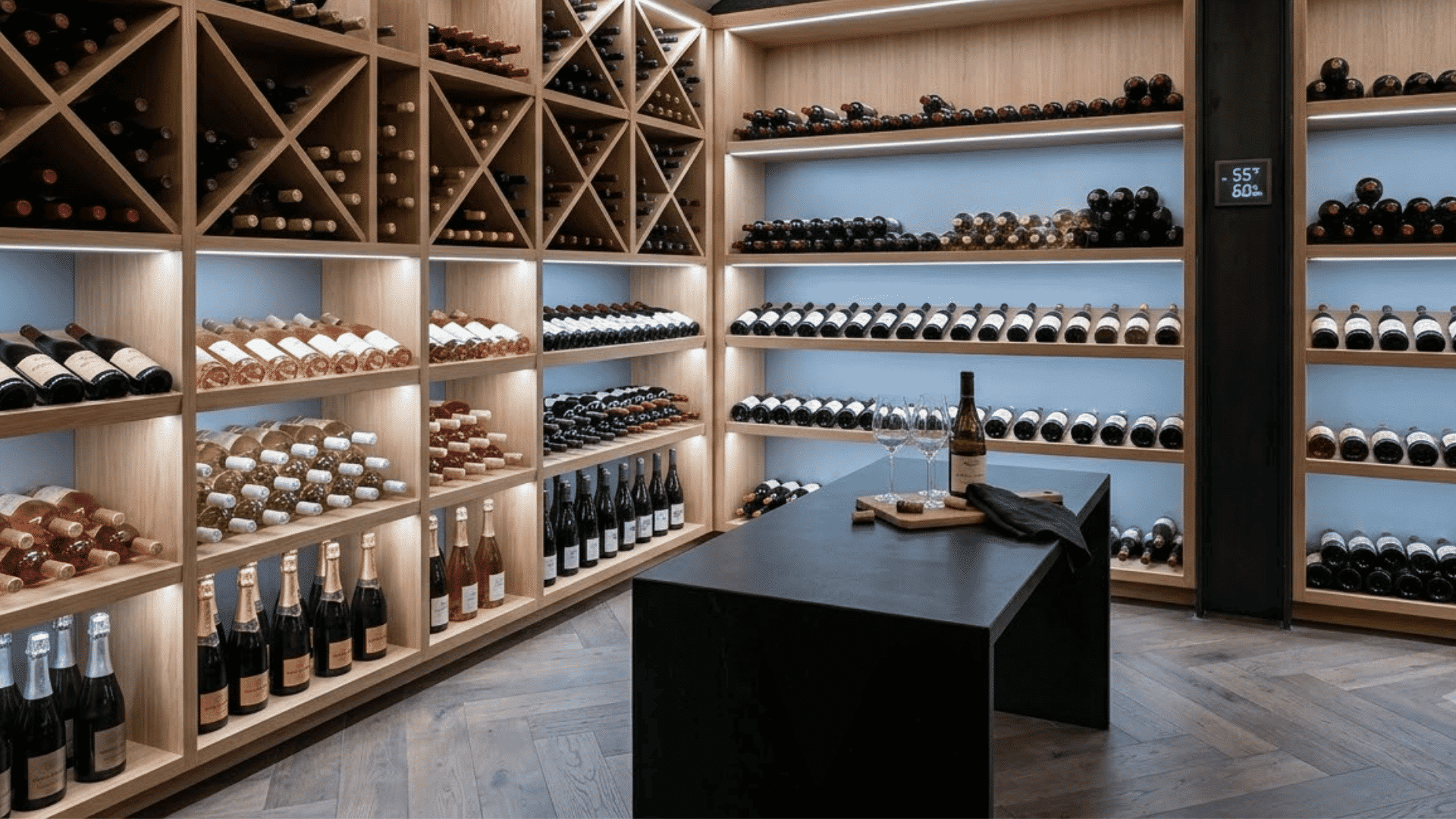
Temperature gets most of the attention, but a few other details matter when a bottle sits untouched for years.
1. Keep Bottles Away from Bright Light: A dark storage area protects wine from prolonged light exposure and avoids the extra warmth that direct sunlight can bring.
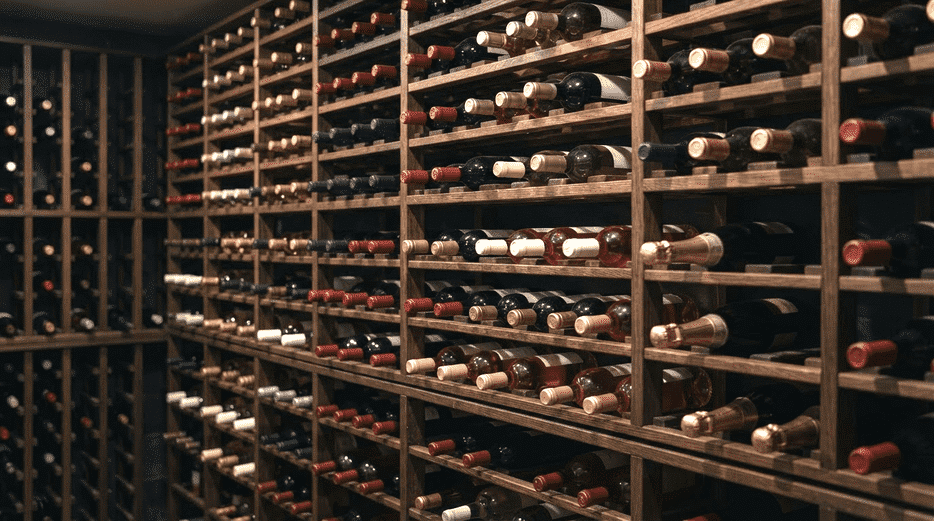
2. Lay Natural-Cork Bottles on Their Sides: Horizontal storage keeps the wine in contact with the cork during extended cellaring. This is not necessary for bottles closed with screwcaps.
3. Find a Spot without Regular Vibration: A cellar or storage rack beside machinery or a frequently vibrating appliance is not ideal for bottles intended to age. Choose a spot where they can remain relatively undisturbed.
4. Keep the Air from Getting Too Dry: Over years of storage, very dry air can dry out natural corks and let more air reach the wine. A simple hygrometer shows how humid your storage spot really is.
Where Should You Store Wine at Home?
A household refrigerator works well for short-term chilling and storing opened white wine, but it is not the best place for aging unopened bottles over several years.
Without a wine fridge or cellar, look for a cool interior space that does not change much between day and night. A dark cupboard can work for shorter periods if it is away from heating, sunlight, and cooking appliances.
-
Kitchen: It may be convenient, but it is rarely a good place to age wine. Ovens and other appliances introduce heat, and some areas can become noticeably warmer while cooking.
-
Garages and Attics: The seasons are the problem here. A space that feels perfectly cool in winter may become hot during summer.
-
Spots Near Heat or Sun: The top of the refrigerator, sunny windows, heating vents, and cabinets beside the oven are also better left out of consideration.
For valuable bottles meant to age for many years, a professional temperature-controlled storage facility is an option when home conditions are hard to keep steady.
Final Thoughts
When deciding where to keep wine, look beyond how the space feels today. Think about what happens there during a hot afternoon, while the oven is running, or when the seasons change.
For most collections, one cool, steady wine storage temperature is a practical long-term target, and different wine styles can comfortably share that storage environment. Serving temperature can be dealt with later, shortly before the bottle is opened.
A suitable storage spot should stay cool, dark, and reasonably consistent without requiring constant attention. Checking the temperature at different times of the day can help you spot changes before they affect your bottles.
How do you store your wine at home? Share your setup in the comments below!
Frequently Asked Questions
Is It Okay to Store Wine at Room Temperature?
For a few weeks, unopened wine is usually fine in a cool, stable indoor space. Avoid prolonged storage at typical warm room temperatures, especially above 21–22°C / 70–72°F.
How Do You Store Wine Long Term without a Fridge?
Pick a cool, dark interior closet or cupboard away from ovens, heaters and sunny windows. Lay corked bottles on their sides and keep them where temperatures stay steady.
Can You Store Wine After Opening It?
Yes. Reseal it with its cork, screw cap or a stopper and refrigerate it right away. Cold slows oxidation, so most opened still wines stay enjoyable for a few days.