

Have you ever come across a bottle of wine that can be preserved for many days after you open it? This can happen because the wine is fortified.
A fortified wine is wine made using distilled spirits, such as grape brandy, to boost its alcohol level.
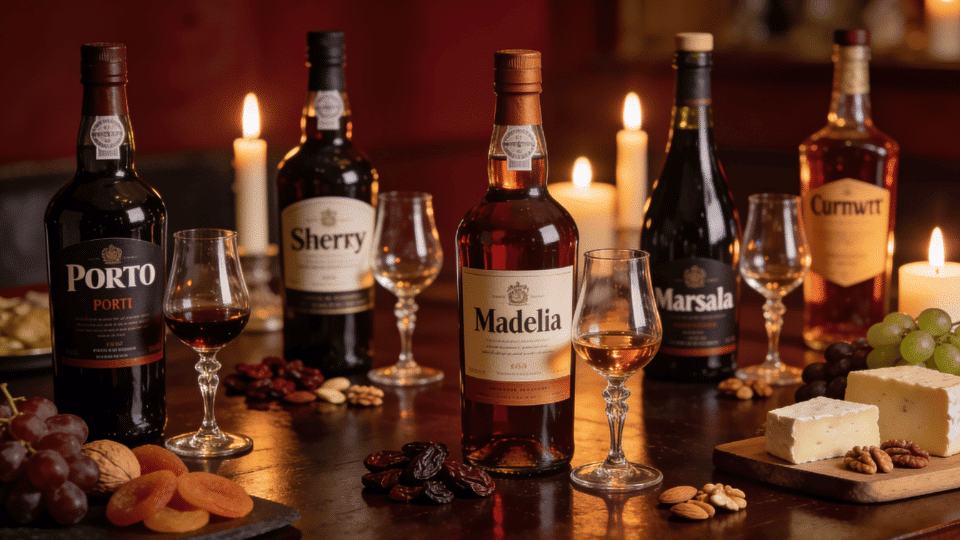
Among the most common types of fortified wines are Port, Sherry, Madeira, and Marsala, with different flavors and uses.
In this blog, you will find out about fortified wine, how it is made, its types, serving advice, and the best food combinations with fortified wine. Let us begin with the definition of fortified wine.
What is Fortified Wine?
Fortified wine is a wine that has been fortified by adding a distilled spirit, normally grape brandy, before or during the fermentation process.
This fortification increases the alcohol content up to 15%–22% ABV while altering the taste, sweetness level, and ageability of the wine.
Unlike table wine, which has 9%–15% ABV and is made exclusively using the fermentation process, fortified wine is purposely fortified using distilled spirits.
Common types of fortified wines include Port, Sherry, Madeira, and Marsala. Fortified wines have better longevity since they are fortified by distilled spirits.
How Fortified Wine is Made
The method used to fortify a wine dictates the sweetness, alcohol content, and final taste of the beverage. Here is a look at the process:
Step One: Grape Harvesting and Fermentation
This involves crushing the grapes and fermenting the juice, where yeast acts on the natural grape sugars to convert them into alcohol. This stage is common when making normal table wines.
Step Two: Addition of a Distilled Spirit
The winemaker adds a neutral grape spirit or grape brandy to the fermented juice to increase its alcohol content and make a fortified wine.
Step Three: Time of Addition Determines Sweetness of the Wine
The addition of the distillate prior to the completion of fermentation stops the fermentation process and leaves natural grape sugars to produce sweet wine, such as port.
Step Four: Aged
Once the wine has been fortified, it is left to age to develop the characteristics of the fortified wine.
Why Wine Gets Fortified in the First Place
The concept of fortified wine started as a practical solution to a problem and not as a new style of wine.
Years back, merchants would transport wine on long journeys by ship, and during such trips, normal wine would spoil due to exposure to factors such as heat, humidity, and motion.
To resolve the problem, winemakers began including grape brandy, increasing the alcohol level in the wine, thereby making the wine resistant to changes during transportation.
The process was so effective that it became routine among the Portuguese and Spanish.
Eventually, the wines took on unique characteristics, resulting in styles like Port, Sherry, and Madeira.
Common Types of Fortified Wine
There are several major styles, shaped by region, grape variety, production method and sweetness level.
Alcohol content varies by style too, which is worth knowing before you shop; the alcohol content of wine shifts quite a bit between a dry table red and a fortified Port.
1. Port
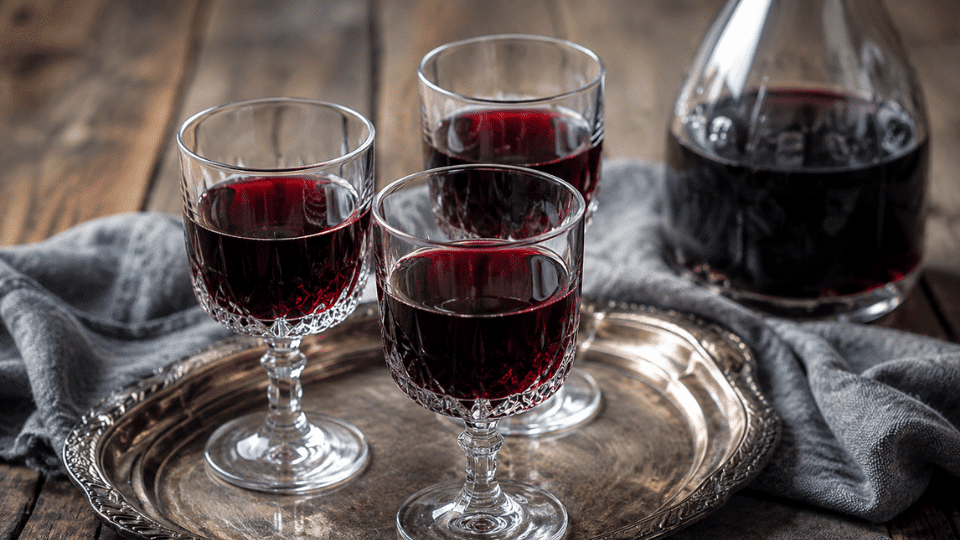
Port is made in the Douro Valley of Portugal and is normally rich and sweet.
Brandy is added to it when the process of fermentation is not completed in order to maintain the natural sugar in the grape.
Various types are available, like the Ruby Port, which has a fresh and fruity flavor. The Tawny Port has a nutty and caramel flavor because of aging in barrels.
The port is best consumed as a dessert wine along with chocolate, cheese, nuts, and fruit desserts.
2. Sherry

Sherry comes from Jerez in southern Spain.
Unlike Port, the brandy goes in after fermentation finishes, so most Sherry styles land dry rather than sweet. Fino and Manzanilla are light and briny, Oloroso is rich and nutty, and Pedro Ximénez is intensely sweet.
A dry Sherry is a textbook aperitif, while sweeter styles work well after a meal.
3. Madeira
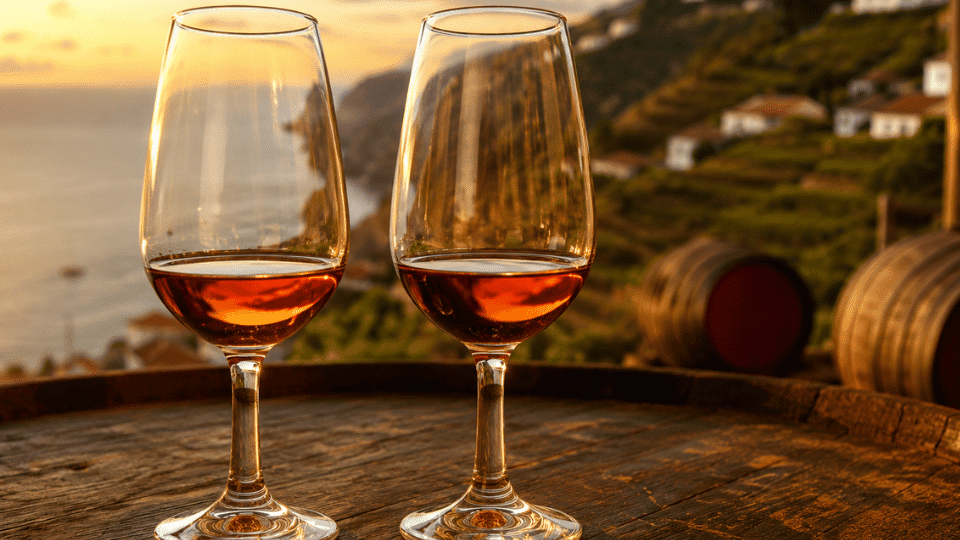
Madeira originates from the Portuguese island of Madeira and is noted for its excellent stability.
The wine is heated during the making process and exposed to oxygen, thus resulting in flavors of a roasted, nutty, and caramelized nature.
Varieties differ from dry Sercial to sweet Malmsey. Its natural acidity allows even sweet wines to stay balanced.
Depending on its sweetness level, Madeira goes well with soups, roasted meat, aged cheeses, nuts, and various desserts.
4. Marsala
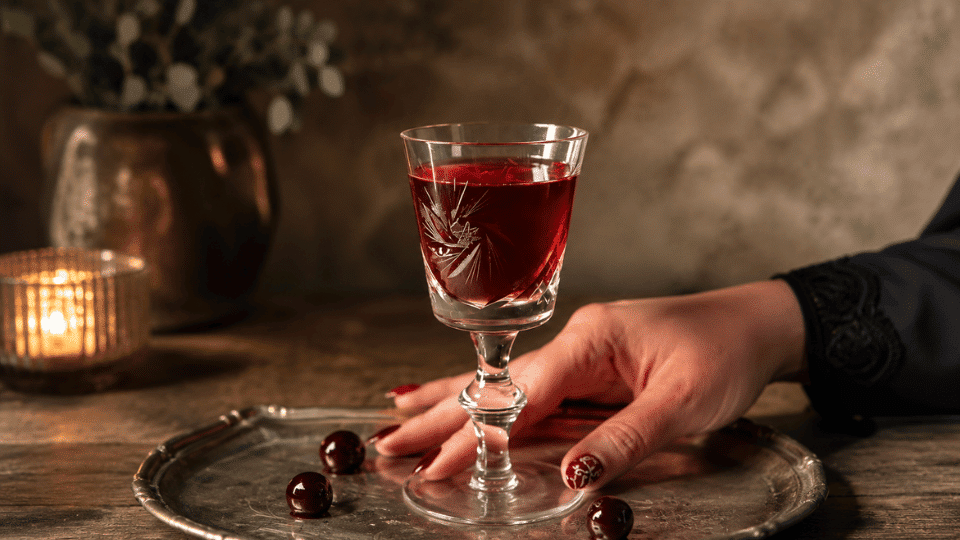
Marsala is a fortified wine hailing from Sicily, Italy.
There are different types of Marsala, including dry, semi-sweet, and sweet; flavors include dried fruits and vanilla, toasted nuts, and caramel.
Despite the widespread use of Marsala in recipes such as chicken Marsala or various desserts, you can always taste it on its own in high-quality bottles.
Dry Marsala works well with savory food, whereas sweet ones go well with pastries and cheese.
5. Vermouth
Vermouth is a flavored wine beverage that gets its flavor from herbs, spices, roots, flowers, and citrus peels.
It belongs to a different category since it has its own added ingredients that determine the flavor of the drink.
Nevertheless, it is mentioned here because the basic wine for this drink is fortified wine. Dry vermouth is used for making martinis, whereas sweet vermouth is used for making Manhattan and Negroni.
Fortified Wine vs. Dessert Wine: What’s the Difference?
Fortified wine and dessert wine can overlap, but they are defined by different factors. Fortified wine is made stronger by adding a spirit, while dessert wine gets its sweetness mainly from grape-growing and winemaking methods. Some fortified wines are served as dessert wines, creating confusion between the two categories.
| Feature | Fortified Wine | Dessert Wine |
|---|---|---|
| Main definition | Wine with added distilled spirit, usually brandy | Sweet wine with high residual sugar from winemaking methods |
| Alcohol level | Usually higher, often around 15–22% ABV | Varies widely; many are lower than fortified wines |
| How sweetness develops | Depends on when the spirit is added during fermentation | Comes from late harvest grapes, noble rot, freezing grapes, or stopping fermentation naturally |
| Spirit added | Yes | No |
| Examples | Port, Sherry, Madeira, Marsala | Sauternes, Tokaji, Ice Wine |
| Can be sweet? | Yes, such as Sweet Port and Pedro Ximénez Sherry | Usually sweet, but styles vary |
| Serving style | Often served as an after-dinner drink | Commonly paired with desserts or enjoyed alone |
| Category overlap | Some fortified wines are considered dessert wines | Not all dessert wines are fortified |
| Tax classification (US) | Many qualify as dessert wine due to ABV above 14% | Any wine above 14% ABV may fall under the dessert wine category for tax purposes |
How to Taste Fortified Wine
Pour yourself a small portion in a wineglass and start by examining the wine’s color and clarity.
Swirl your glass and try to perceive the presence of smells such as dried fruits, nuts, caramel, herbs, citrus, or spices.
Taste a small amount and evaluate the wine’s sweetness, acidity, alcohol, body, and length of aftertaste.
Lighter and drier types of sherry like Fino and dry vermouth should be served cold – at 7-10 degrees Centigrade.
The richer versions of Port, Madeira, and sweet Marsala should be consumed at a slightly cooled temperature of 12-16°C.
Food Pairing Basics
Pairing fortified wine with the right food brings out its flavors and creates a more balanced tasting experience.
| Fortified Wine | Best Food Pairings |
|---|---|
| Port | Dark chocolate, blue cheese, walnuts, dried figs, berry desserts |
| Sherry | Olives, seafood, sushi, cured ham, almonds, aged cheese |
| Madeira | Roasted meats, mushrooms, hard cheese, fruitcake, bread pudding |
| Marsala | Roast chicken, creamy pasta, tiramisu, biscotti, soft cheese |
| Vermouth | Smoked salmon, olives, charcuterie, roasted nuts, dark chocolate |
The right pairing doesn’t have to be complicated. Start with the wine’s sweetness and intensity, then choose foods with similar richness for the best results.
How Long Fortified Wine Lasts Once Opened
Fortified wines have greater longevity compared with ordinary table wines owing to their high alcohol content.
- Port Wine: You can consume Ruby Port for 2–4 weeks; however, you can drink Tawny Port for up to 1–2 months due to long barrel aging.
- Sherry Wine: The delicate Fino and Manzanilla should be consumed within 1 week; Amontillado and Oloroso – in 3–6 weeks. Sweet Pedro Ximénez can be stored up to 2 months.
- Madeira Wine: This is one of the most stable fortified wines and may be kept in good condition for 3–6 months and sometimes even more if stored properly.
- Marsala Wine: Generally speaking, the opened bottle of Marsala may be preserved for 1–3 months.
- Vermouth: The opened vermouth becomes less tasty in 1 month because of the additional botanicals and should always be refrigerated.
Good storage makes it possible to preserve the taste, aroma, and freshness of your fortified wine.
Storage Tips for Fortified Wine
Fortified wines generally last longer than regular wines because of their higher alcohol content, but proper storage still helps preserve their flavor and aroma.
Keep unopened bottles in a cool, dark place away from direct sunlight and temperature changes.
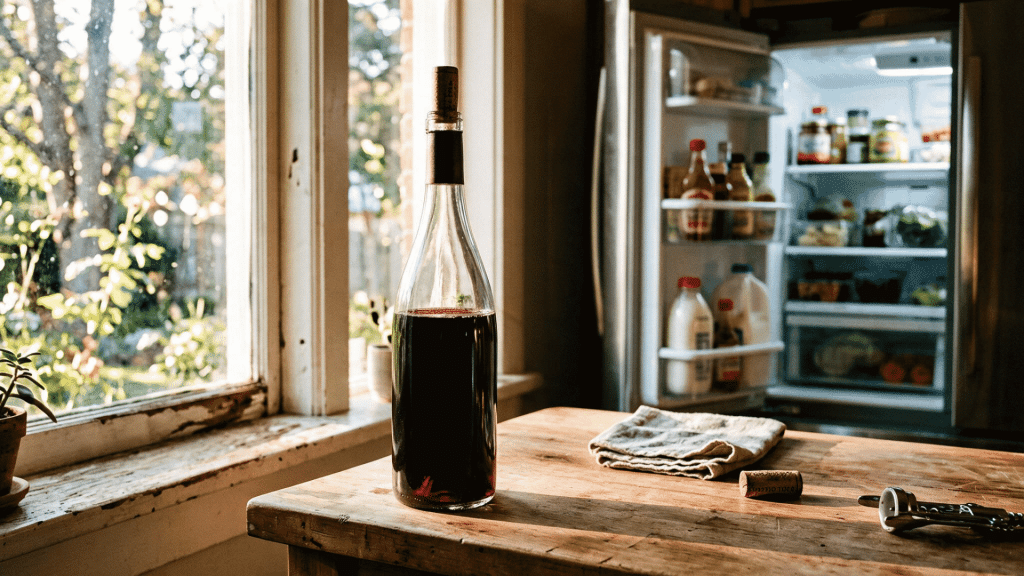
Once opened, reseal the bottle tightly and refrigerate it unless the producer recommends otherwise.
Lighter styles like vermouth and fino sherry are best enjoyed within a few weeks, while richer styles such as port, Madeira, and cream sherry can stay fresh for several weeks or even months when stored correctly.
Conclusion
Fortified wine offers a unique mix of rich flavors, higher alcohol content, and impressive versatility.
Whether you enjoy the sweetness of Port, the crisp character of Sherry, the complexity of Madeira, or the herbal notes of Vermouth, there’s a style to suit every taste and occasion.
Once you understand how it’s made, served, paired, and stored, choosing the right bottle becomes much easier.
Have a favorite fortified wine or pairing? Share your thoughts in the comments, and pass this blog along to fellow wine lovers looking to explore something new.
Frequently Asked Questions
Is Fortified Wine Stronger Than Regular Wine?
Yes. Fortified wine typically contains 15% to 22% ABV, while most table wines range from 11% to 14% ABV.
Should Fortified Wine Be Refrigerated After Opening?
Yes. Refrigerating an opened bottle helps preserve its flavor and extends its shelf life, especially for lighter styles like Sherry and Vermouth.
Can You Drink Fortified Wine on Its Own?
Absolutely. Many fortified wines are enjoyed as aperitifs or dessert wines, though they also pair well with a variety of foods.