

Ever wondered how strong your whiskey really is? Understanding its alcohol content can make every sip more enjoyable and help you make smarter choices.
From everyday bottles to high-proof cask-strength varieties, knowing the ABV, proof, and units can guide safe consumption and elevate your tasting experience.
This blog breaks down what whiskey is made of, how its strength is measured, and how it stacks up against other spirits.
Whether you’re a beginner or a seasoned enthusiast, get ready to pour with confidence and discover the right whiskey for your taste. Start your journey now!
What ABV Means in Whiskey
ABV stands for Alcohol by Volume. It shows how much pure alcohol a drink contains. In whiskey, ABV is listed as a percentage on the bottle, such as 40% or 45%.
This means a bottle with 40% ABV contains 40 ml of pure alcohol per 100 ml of liquid, while a 45% ABV bottle contains 45 ml of pure alcohol per 100 ml of liquid. A higher percentage means a stronger drink, while a lower one means a lighter pour.
Most standard whiskeys sit around 40% ABV, which is also the legal minimum in many countries.
Some cask-strength whiskeys can exceed 60% ABV. Knowing the ABV helps you understand the drink’s strength and drink more safely.
Whiskey Alcohol Content by Type
Whiskey’s alcohol content varies by type, influenced by the grains used, distillation, aging, and bottling. Different styles, from bourbon to Japanese whisky, have distinct ABV ranges that affect flavor, strength, and drinking experience.
1. Bourbon
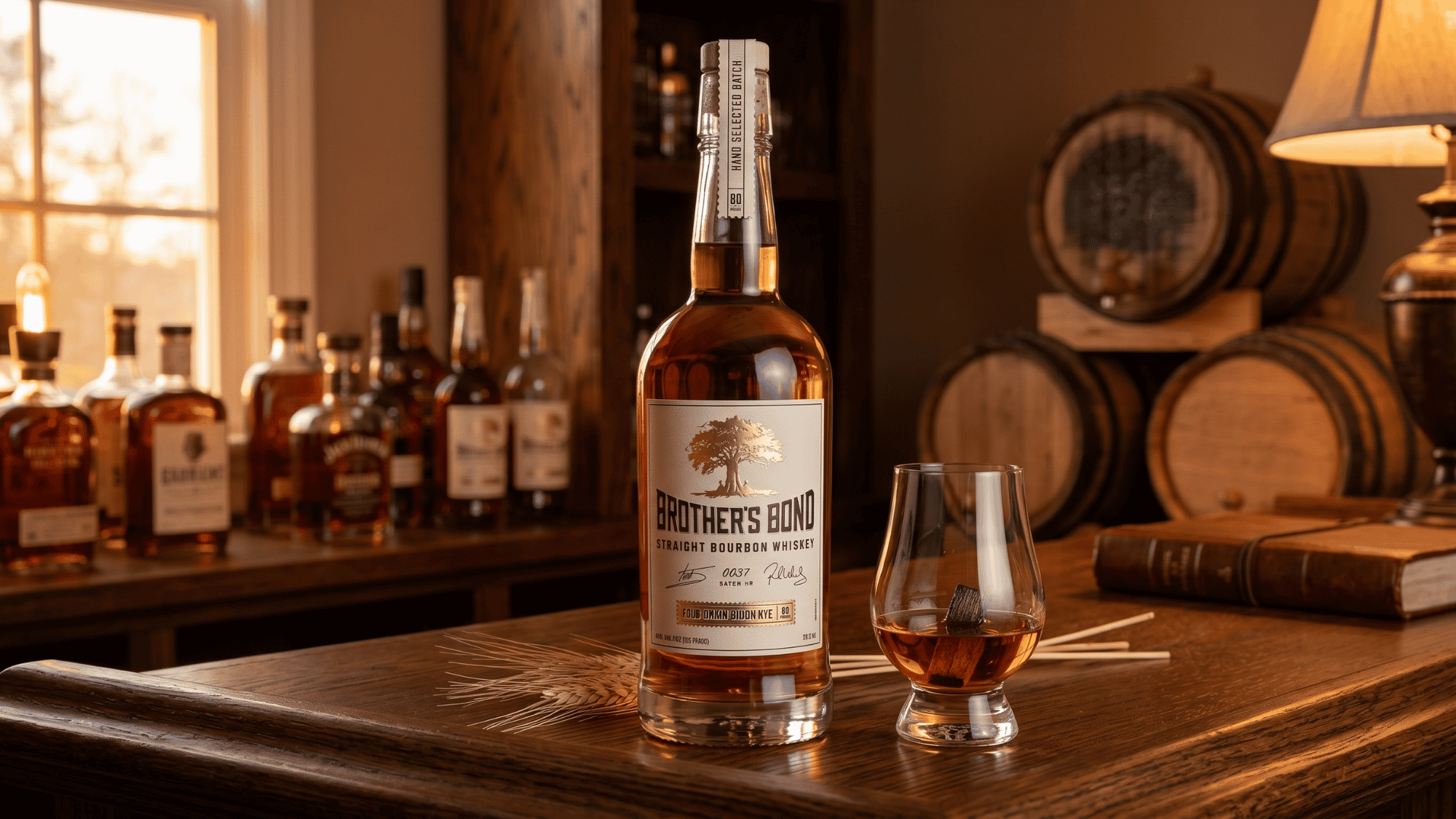
Bourbon must enter the barrel at no more than 62.5% ABV and be bottled at a minimum of 80 proof, typically reaching 40–50% ABV. Corn-heavy mash bills give bourbon a sweet, full-bodied flavor.
Aging in charred oak barrels develops rich caramel and vanilla notes, and standard bottlings offer a balanced strength suitable for both sipping and cocktail mixing.
2. Standard Scotch
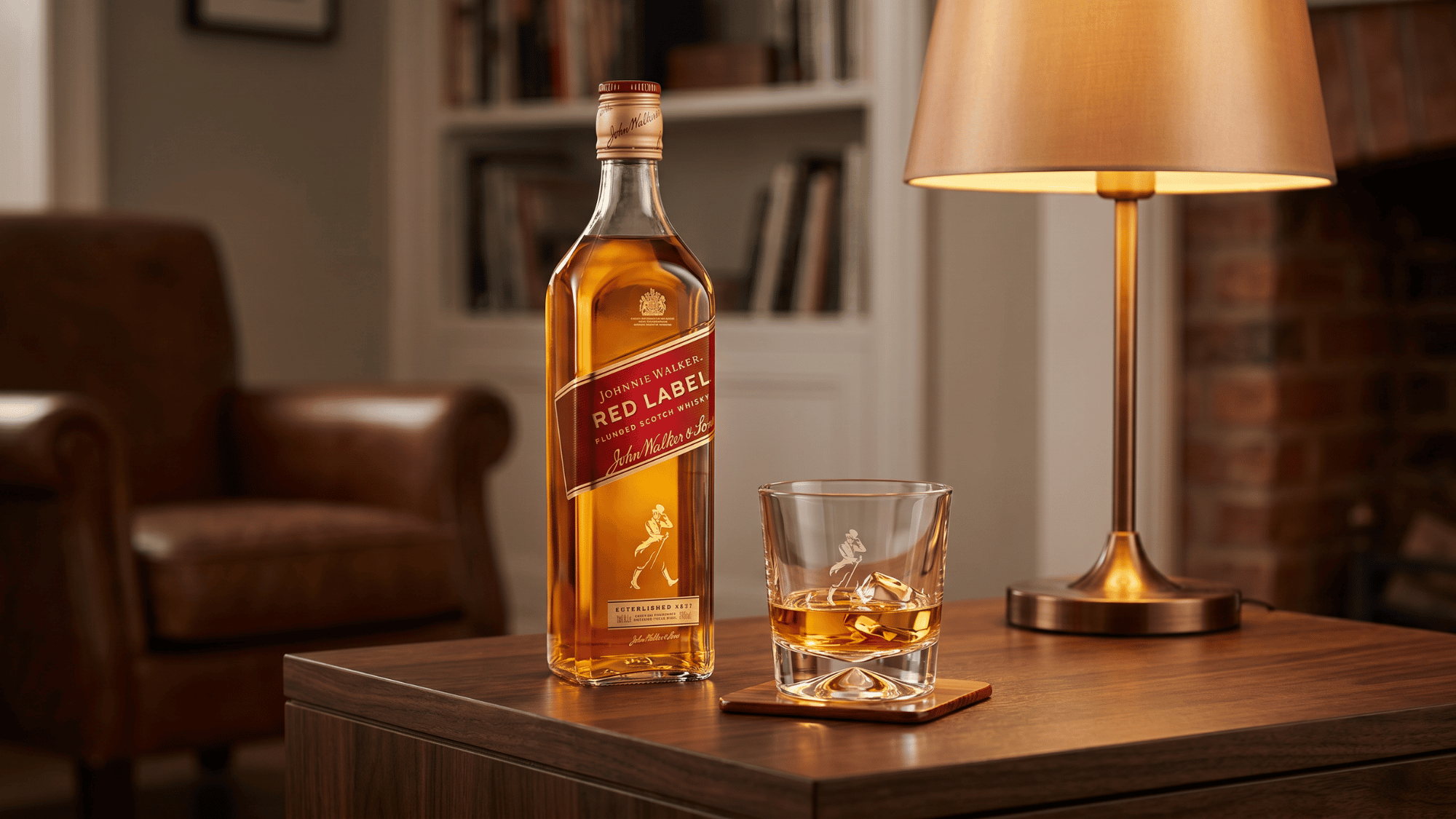
Most single malt and blended Scotch whiskies are bottled between 40–46% ABV. Distilled primarily from malted barley, they are aged in oak casks that previously held sherry or bourbon.
This range maintains consistent flavor intensity while allowing the nuanced aromas of peat, fruit, and spice to come through, making Scotch approachable for both casual drinkers and connoisseurs.
3. Irish Whiskey
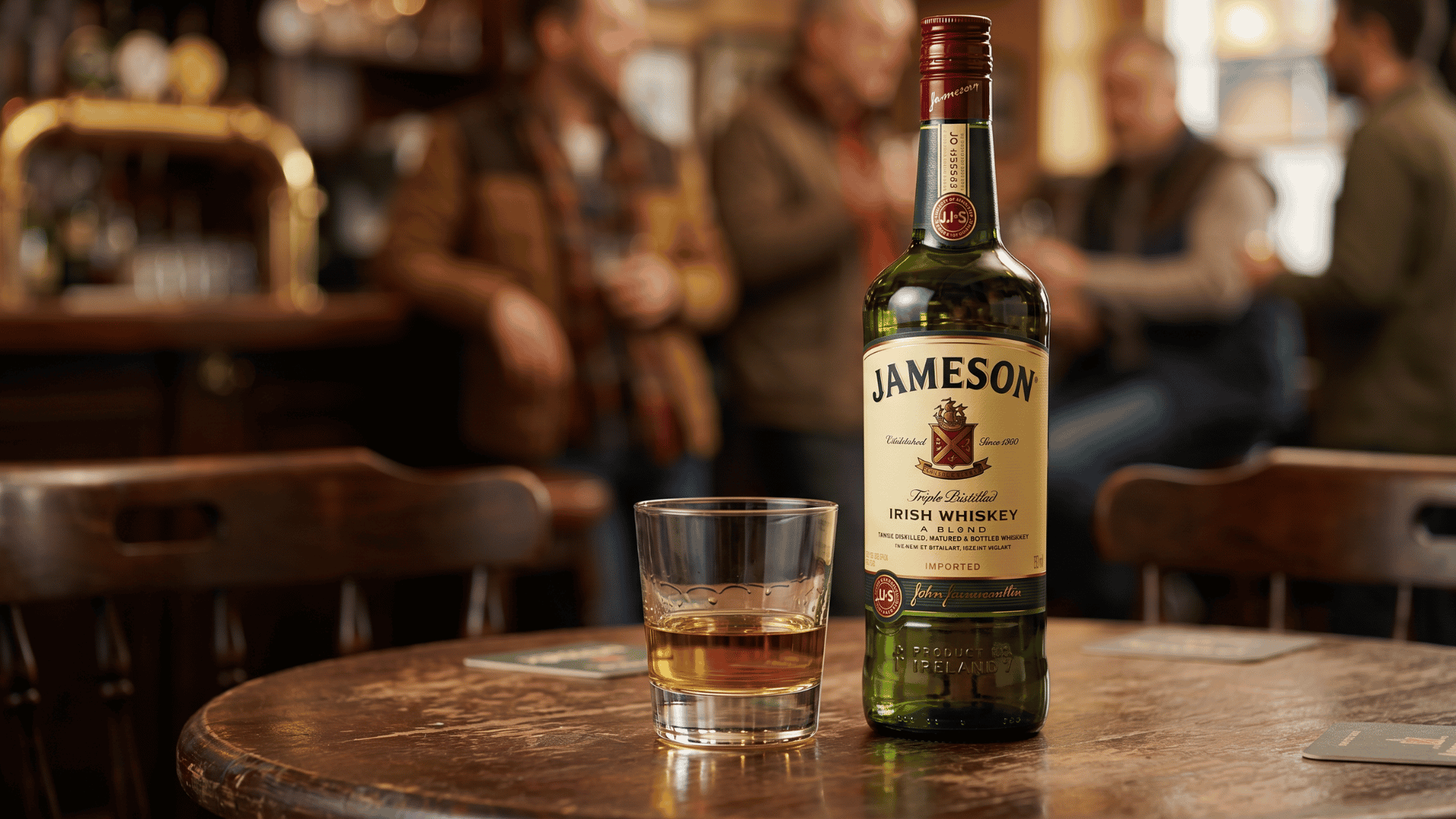
Irish whiskey generally falls between 40–43% ABV, offering a lighter, smoother style. Triple distillation and a mix of malted and unmalted grains contribute to its delicate, approachable flavor.
Standard bottlings emphasize subtle fruit, vanilla, and floral notes, making Irish whiskey ideal for sipping neat, on the rocks, or in cocktails where a softer spirit is preferred.
4. Tennessee Whiskey
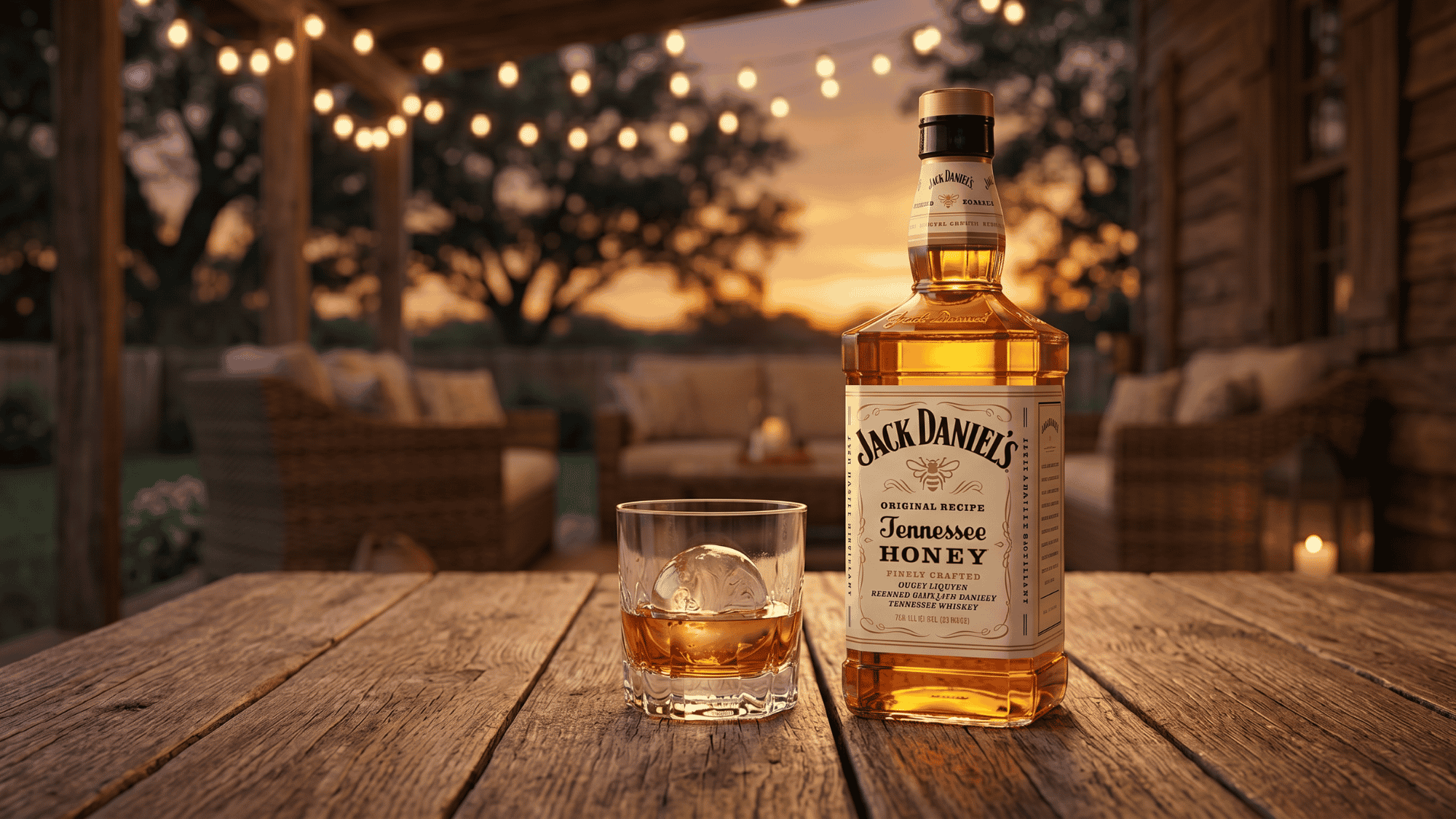
Tennessee whiskey follows the same federal rules as bourbon and typically ranges from 40–50% ABV. Distilled mainly from corn, it undergoes charcoal mellowing before aging, producing a smooth, slightly sweet character.
The combination of filtration, aging, and barrel selection ensures consistency while highlighting caramel, vanilla, and oak flavors suitable for both casual enjoyment and premium tasting experiences.
5. Japanese Whisky
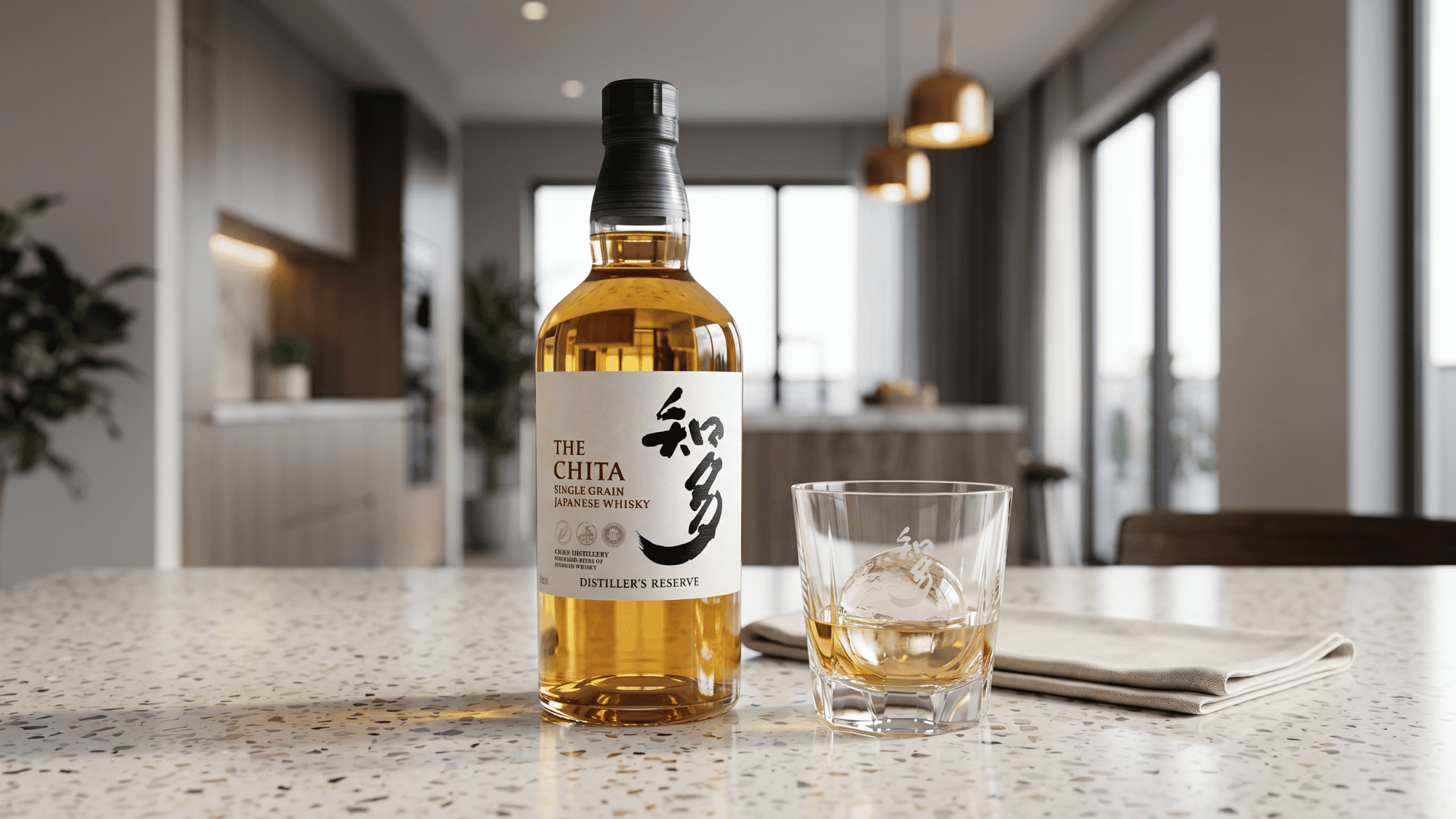
Japanese whisky typically ranges from 40–43% ABV and is carefully and precisely bottled. Often inspired by Scotch production techniques, it emphasizes balance and subtlety, with clean malt flavors, light smoke, and delicate fruit notes.
Consistent ABV ensures a refined, approachable drinking experience, making Japanese whisky popular for neat sipping or in cocktails that showcase its nuanced character.
6. Rye Whiskey
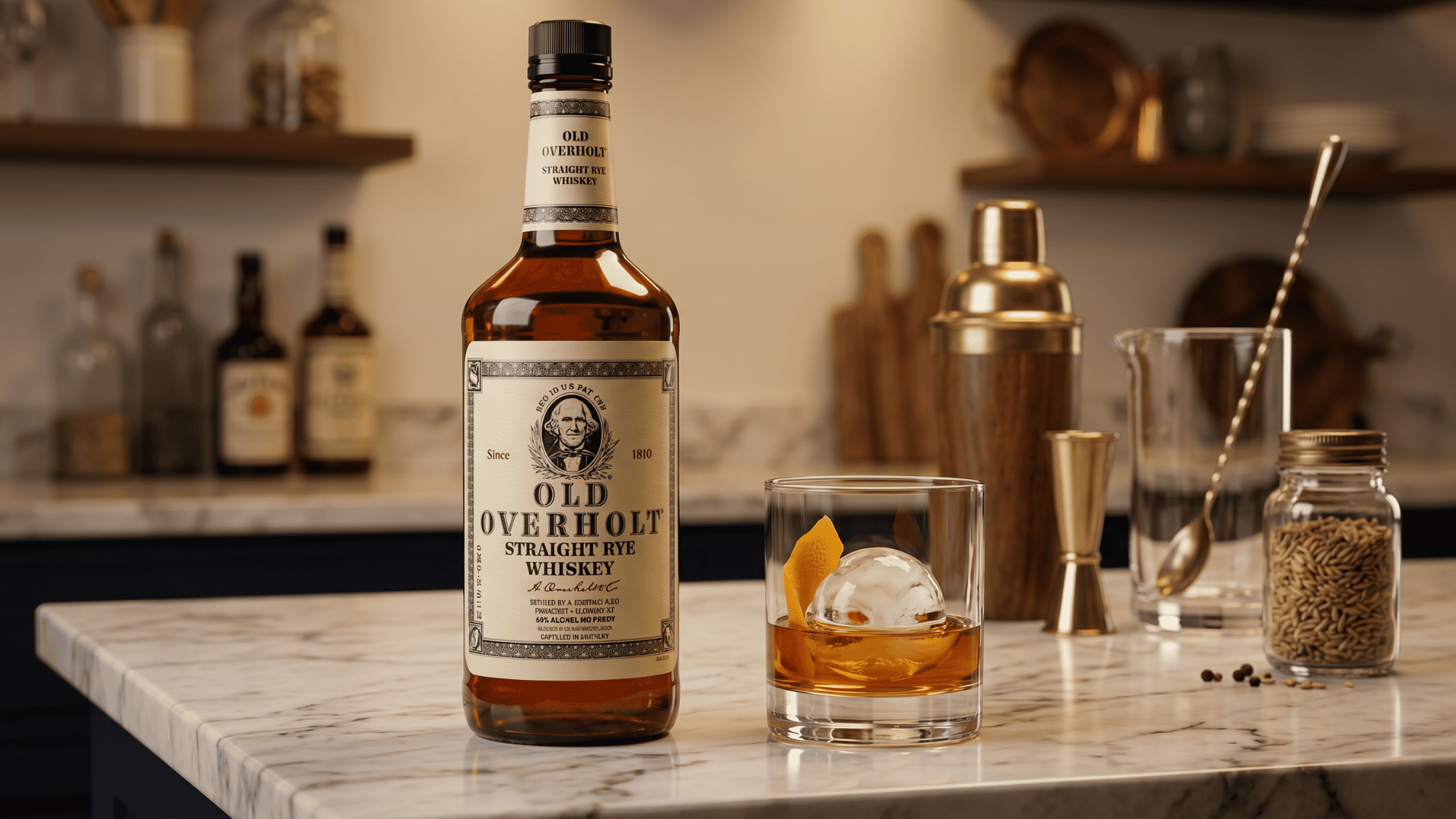
Rye whiskey typically ranges from 40–50% ABV and has a spicier, more robust grain profile. Distilled from at least 51% rye, it delivers bold flavors of pepper, fruit, and grain.
Bottlings vary widely in strength, offering enthusiasts options for cocktails, neat sipping, or high-proof tasting, while the higher ABV enhances intensity and aroma without overwhelming the palate.
7. Cask Strength (Any Style)
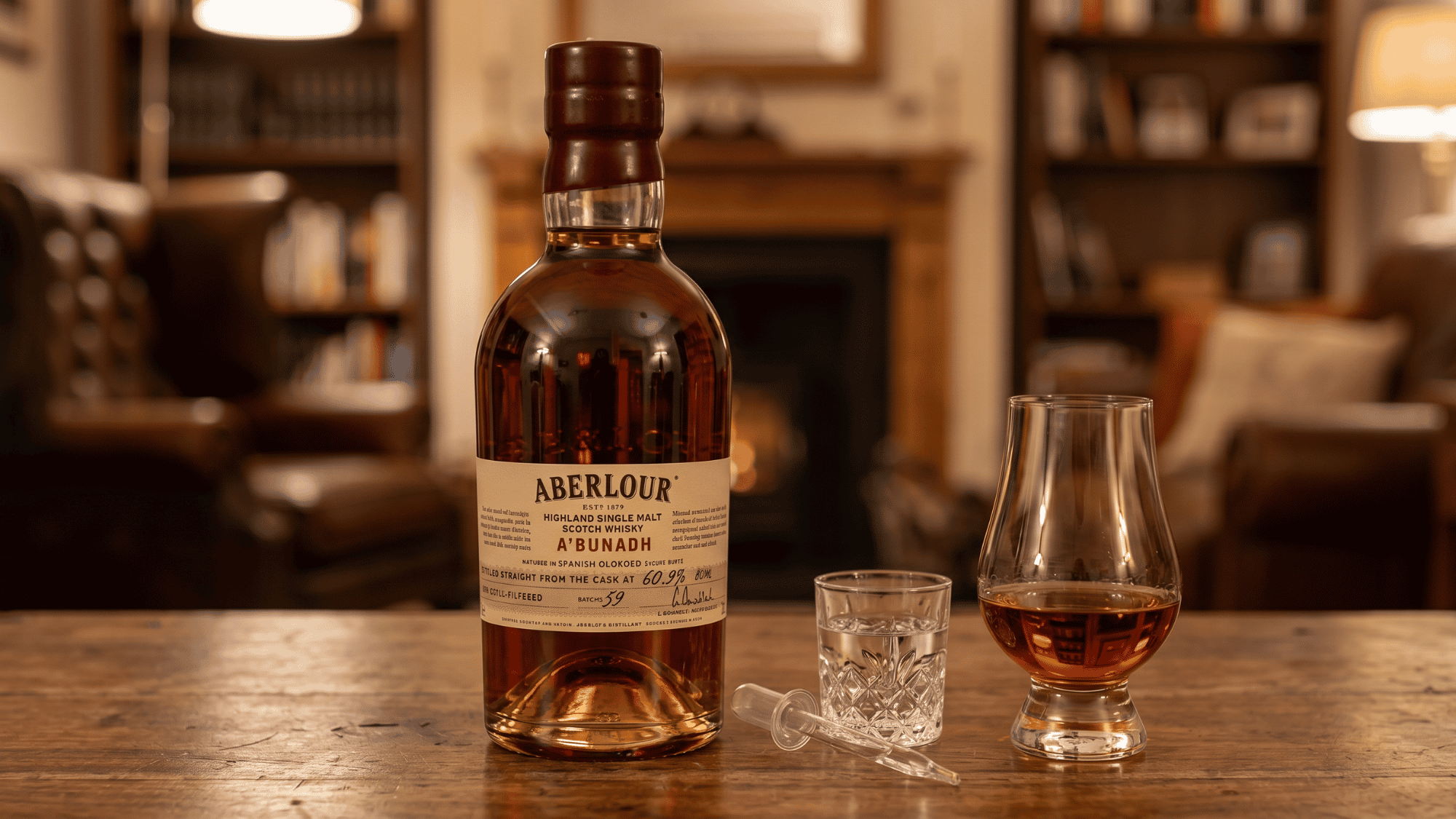
Cask-strength whiskey is bottled straight from the barrel, usually between 50–70% ABV, without water dilution. This preserves the full concentration achieved during aging, offering a denser, more intense flavor.
Drinkers can dilute to taste, opening aromas and tailoring strength. Cask-strength bottles provide a raw, authentic experience, reflecting barrel character and giving enthusiasts control over every pour.
How Whiskey Compares to Other Drinks
Context matters when looking at whiskey alcohol content. A standard 1.5 oz pour of 40% ABV whiskey contains the same amount of pure alcohol as a 12 oz beer at 5% ABV or a 5 oz glass of wine at 12% ABV, all of which count as one standard US drink.
| Drink | Typical ABV | Standard Serving |
|---|---|---|
| Beer | 4%–6% | 12 oz |
| Wine | 11%–14% | 5 oz |
| Whiskey | 40%–50% | 1.5 oz |
| Vodka | 40%-50% | 1.5 oz |
| Rum | 40%-50% | 1.5 oz |
| Gin | 40%-47% | 1.5 oz |
| Brandy | 35%–60% | 1.5 oz |
What Is a Standard Drink of Whiskey
A standard drink is a measure of pure alcohol. In the United States, one standard drink contains about 14 grams of pure alcohol.
For whiskey, this equals 1.5 ounces or about 44 ml at 40% ABV. This is the usual serving size for neat whiskey.
A standard drink helps compare whiskey with beer and wine, since they have different strengths but similar alcohol amounts per serving.
For example, one whiskey shot equals one beer or one small glass of wine in alcohol content. Understanding this helps people track their intake and drinking more effectively.
Global Legal Minimum ABV Standards for Whiskey
Every major whiskey-producing country sets a legal floor for what qualifies as whiskey. These minimums exist to protect both quality standards and the integrity of regional styles.
| Region | Minimum ABV |
|---|---|
| United States | 40% (80 proof) |
| European Union | 40% |
| Scotland (Scotch Whisky) | 40% |
| Ireland | 40% |
| Australia | 37% |
| South Africa | 40% |
Whiskey strength varies widely depending on style, ingredients, and production choices. Factors like grain selection, distillation method, aging, and whether water is added before bottling all affect the final alcohol content.
Serving Size, Units, and Calories
One standard US drink contains 14 grams of pure alcohol. For a 40% ABV whiskey, that equals 1.5 fluid ounces, a typical single pour.
A standard 750ml bottle of 40% ABV whiskey contains approximately 17 standard drinks. At 50% ABV, the higher alcohol concentration means the number increases to roughly 21 standard drinks per bottle.
On the calorie side, alcohol carries 7 calories per gram. A 1.5 oz pour of 40% whiskey contains roughly 97 calories.
A cask-strength pour at 60% ABV in the same serving size comes to around 145 calories, all from the alcohol, since whiskey contains no sugar or fat.
Things to Look out for While Reading the Label
When reading a whiskey label, look for these key terms:
- ABV or Alc/Vol: Shows the alcohol percentage, often near the bottom of the label.
- Proof: The U.S. version of ABV is calculated by doubling the alcohol percentage.
- Cask Strength or Barrel Proof: Means little or no water was added after aging, often resulting in a higher-strength pour.
- Bottled in Bond: A U.S. whiskey term that requires 50% ABV and at least four years of aging under set rules.
- NAS: Means “No Age Statement.” It refers to aging details, not alcohol strength.
How to Convert ABV Into Actual Alcohol Intake
To convert ABV into alcohol intake, you need to know the drink size and the ABV percentage. First, multiply the drink volume by the ABV.
Then, convert that number into grams of alcohol. For example, a 40% ABV whiskey shot of 44 ml contains about 17.6 ml of pure alcohol.
Since alcohol is lighter than water, this equals about 14 grams, which is one standard drink. This method helps compare different drinks, such as beer, wine, and spirits.
It makes it easier to track how much alcohol you actually consume from each serving.
What the Research Says
Whiskey contains no carbohydrates, which can make it appealing for people monitoring blood sugar.
However, the American Diabetes Association emphasizes that alcohol affects glucose levels and advises anyone with type 2 diabetes to consult their doctor before drinking spirits such as whiskey.
Regarding cholesterol, some studies suggest moderate alcohol consumption may be associated with higher HDL levels, but the American Heart Association cautions that the risks generally outweigh potential benefits.
In both cases, it is the alcohol content that matters most, not the type of whiskey, making moderation and awareness of ABV essential for managing health safely.
The Bottom Line
Most whiskeys range from 40% to 50% ABV, with the 40% minimum required by law in many countries.
Higher alcohol levels are found in cask-strength releases, which skip water dilution to preserve the raw intensity and distinct characteristics of the barrel.
Whether enjoying a standard 80-proof pour or a potent barrel-proof bottle, knowing these numbers enhances every sip.
Wanna know about specific brands or types? Check your favorite whiskey’s ABV and proof to make informed choices.
Frequently Asked Questions
Can Flavored or Infused Whiskeys Have a Lower ABV?
Yes, adding flavorings, sweeteners, or other liquids during production can reduce ABV, resulting in a milder whiskey compared to standard or cask-strength options.
Why Do Some Whiskeys List Multiple Proofs on The Label?
Multiple proofs reflect differences between batches, barrels, or regions, helping consumers understand the precise alcohol strength for that specific release.
Do Craft or Small-Batch Whiskeys Tend to Have Higher Alcohol Content?
Small-batch and craft whiskies often experiment with cask strength or unique aging methods, which can result in higher ABV than mass-produced bottles.