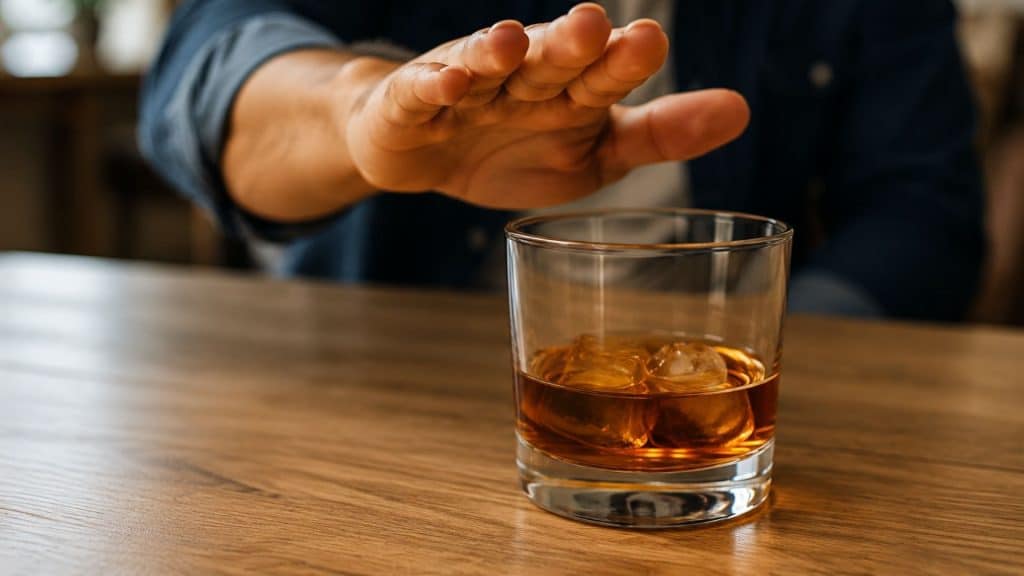


Feeling drunk does not last the same amount of time for everyone. The effects may fade within a few hours, but the timing can change based on the drinks, the person, and the situation.
Someone may also feel more alert before alcohol has fully left the body, which can make it hard to judge when they are truly sober.
Understanding the usual timeline can help people make safer choices after drinking.
This blog explains how long drunkenness may last, what can affect the duration, and why common sobering methods do not work as quickly as many people think. Keep reading for clear, practical answers.
How Long Does Being Drunk Last?
Feeling drunk may last a few hours, but there is no fixed timeline. It depends on how much alcohol was consumed, and factors such as body size, medicines, and liver function.
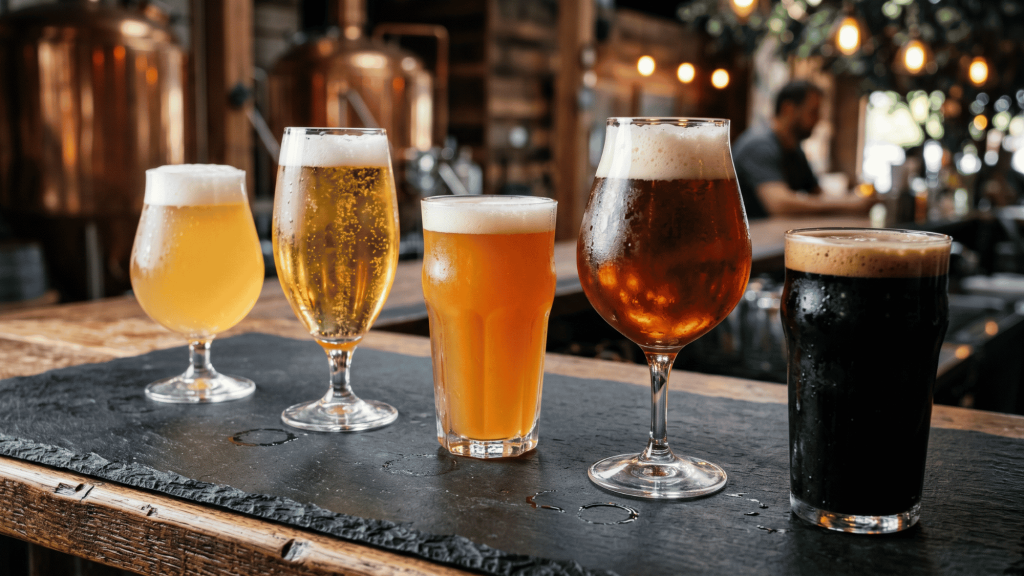
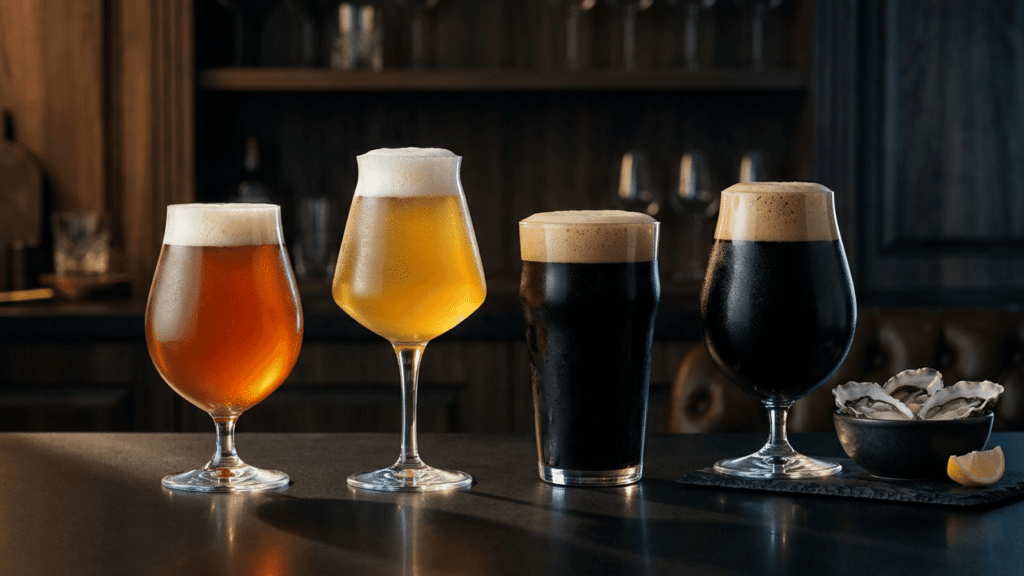
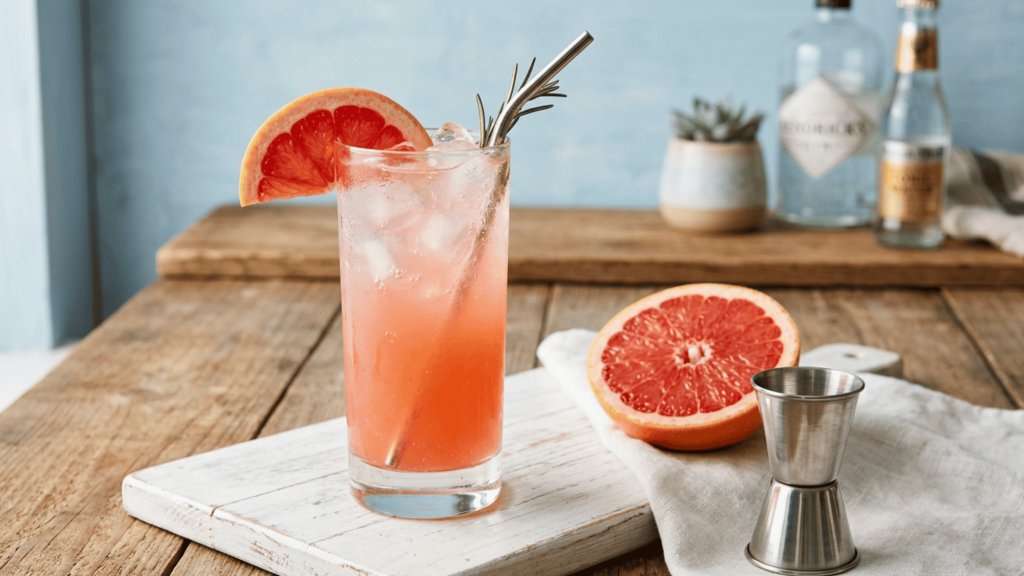
The type of drink matters too, since alcoholic beverages can contain very different amounts of alcohol.
Alcohol can keep entering the bloodstream after the last drink, so impairment may become stronger before it begins to fade.
The liver processes alcohol at a limited rate, and coffee, cold showers, exercise or vomiting cannot speed up this process.
A person may feel more alert while their coordination, judgment, and reaction time remain affected.
Never use how you feel to decide whether driving is safe. After heavy drinking, effects can continue into the next morning.
What Affects How Long You Feel Drunk?
Alcohol affects each person differently, so the duration of intoxication cannot be predicted exactly.
- Amount Consumed: More alcohol generally produces stronger effects that take longer to wear off.
- Drinking Speed: Drinking several servings quickly can raise blood alcohol levels faster than spacing them out.
- Food Intake: Food may slow alcohol absorption, but it does not prevent intoxication or remove alcohol already absorbed.
- Body Composition: Body size and the amount of water, fat and muscle can affect alcohol concentration.
- Biological Sex: Hormones and body composition may cause alcohol to affect people differently.
- Medicines: Some medicines can increase drowsiness, dizziness, poor coordination or other alcohol-related effects.
- Age and Health: Age, liver function and general health may influence how the body handles alcohol.
- Tolerance: Regular drinkers may feel fewer effects, but their judgment and coordination can still remain impaired.
How Long Does Alcohol Stay in Your System?
Alcohol does not remain detectable for the same length of time in every test. Blood and breath tests usually detect recent drinking for several hours, while urine tests may detect alcohol or its metabolites for longer.
Hair testing can show a pattern of alcohol use over months, but it cannot reliably confirm exactly when someone drank.
Detection time depends on the amount consumed, drinking speed, body composition, liver function, food intake, and the test used.
The liver breaks down most alcohol at a limited rate, so coffee, water, exercise, sleep or cold showers do not clear it faster.
Feeling sober also does not prove that alcohol is gone. Always follow local laws or professional testing advice after drinking.
Signs of Dangerous Alcohol Poisoning
Alcohol poisoning can affect breathing, heart rate, body temperature, and consciousness. Treat the following symptoms as a medical emergency rather than assuming the person can sleep it off.
- Severe Confusion: The person may not know where they are, respond clearly or understand what is happening.
- Loss of Consciousness: They cannot be awakened, remain alert or respond normally to touch or speech.
- Slow or Irregular Breathing: Breathing may become very slow, uneven, shallow or stop for short periods.
- Repeated Vomiting: Vomiting while barely conscious raises the risk of choking, especially when lying on the back.
- Seizures: Any seizure after heavy drinking requires urgent medical help.
- Pale, Blue or Clammy Skin: Changes in skin color and coolness may signal low oxygen levels or a falling body temperature.
Does Food Change How Long Drunkenness Lasts?
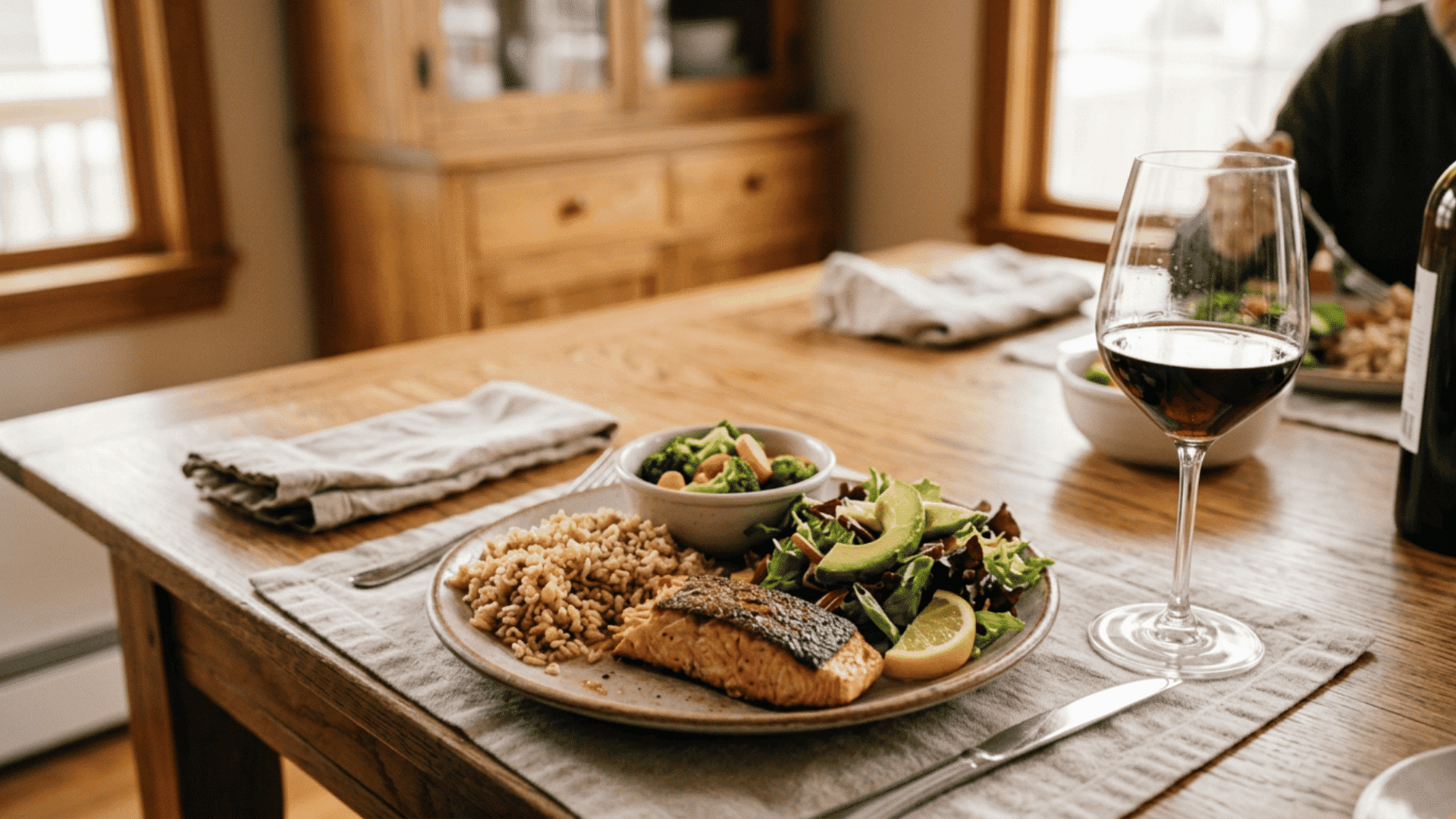
Eating before or while drinking can slow alcohol absorption, which may lower the highest blood alcohol level reached.
As a result, intoxication may feel less sudden or intense than drinking the same amount on an empty stomach.
However, food does not remove alcohol from the bloodstream or make the liver process it faster. Once alcohol has been absorbed, the body still needs time to break it down.
A large meal may delay when the effects peak, so someone could continue becoming more impaired after finishing their drinks.
Eating carbohydrates, protein and fat before drinking may slow absorption, but the safest approach is to drink less, pace each serving, and arrange transport that does not involve driving.
What Affects Alcohol Metabolism?
Alcohol metabolism varies between people because the body does not process every drink in the same way.
Genetics can affect the enzymes that break alcohol into acetaldehyde and then acetate. Liver health also matters because the liver handles most alcohol processing.
Age, body size, body composition, hormones and sex-related biological differences can influence alcohol concentration and its effects.
Some medicines and health conditions may change alcohol’s effects or increase the risk of harmful reactions. Food can slow absorption but does not make the liver clear alcohol faster.
NIAAA explains that the body metabolizes alcohol at a steady rate and that common attempts to sober up do not speed this process.
What Actually Helps You Sober Up?
Only time allows the body to break down alcohol and restore normal judgment and coordination.
| Step | What to Do | Why It Matters |
|---|---|---|
| Stop Drinking Alcohol | Do not consume another drink. | More alcohol extends impairment and may increase the risk of vomiting, injury, unconsciousness, or alcohol poisoning. |
| Rest in a Safe Place | Avoid driving, swimming, cooking, stairs and other risky activities. Ask a sober person to stay nearby if impairment is severe. | Reduced coordination and judgment can increase the chance of accidents or injury. |
| Sip Water Carefully | Drink water slowly only when fully awake and able to swallow. | Water may ease thirst, but it does not speed up alcohol metabolism. |
| Eat for Comfort | Have a light meal or snack if you can safely eat. | Food may settle the stomach or support energy, but it cannot remove alcohol already in the bloodstream. |
| Allow Enough Time | Wait for the body to process the alcohol. Coffee, showers, exercise, vomiting and sleep do not make this happen faster. | Seek emergency help for slow or irregular breathing, seizures, blue or pale skin, repeated vomiting or unconsciousness. |
When Sobering Up Requires Medical Help
Seek emergency medical help if someone cannot stay awake, cannot be woken, has a seizure, vomits repeatedly or becomes severely confused.
Slow, irregular, shallow or stopped breathing is also an emergency. Pale, blue-tinged, cold or clammy skin may signal low oxygen or falling body temperature.
Do not assume the person can safely “sleep it off.” Alcohol may continue entering the bloodstream after drinking stops, so symptoms can worsen.
Call local emergency services, stay with the person, and place them on their side if they are unconscious but breathing.
Do not make them walk, shower, drink coffee or vomit. Tell responders what they drank, how much, when, and whether medicines or other substances were involved. Never leave them alone.
Conclusion
Alcohol leaves the body gradually, and no quick method can make that process happen faster.
A safer night begins before the first drink by setting limits, arranging transport and avoiding alcohol with medicines that may cause harmful reactions.
Pay attention to how someone is behaving rather than waiting for every warning sign to appear.
When a person becomes difficult to wake, breathes abnormally or appears seriously unwell, contact emergency services without delay.
Clear planning and fast action can prevent injuries and save lives. Share your safest post-drinking tip in the comments and pass this article to someone who may need it.
Frequently Asked Questions
Can a Hangover Begin While Alcohol is Still in The Body?
Yes. Hangover symptoms often become strongest as blood alcohol levels return toward zero. A person may still have reduced attention, coordination, or decision-making ability.
Does Alcohol Help You Sleep Better?
Alcohol may make you fall asleep sooner, but it can interrupt sleep later in the night. This can cause early waking, tiredness, and poor concentration the next day.
Is Mixing Alcohol with Other Drugs More Dangerous?
Yes. Combining alcohol with opioids, sedatives, or other drugs can raise the risk of breathing problems and overdose. Avoid mixing them unless a qualified medical professional confirms it is safe.