

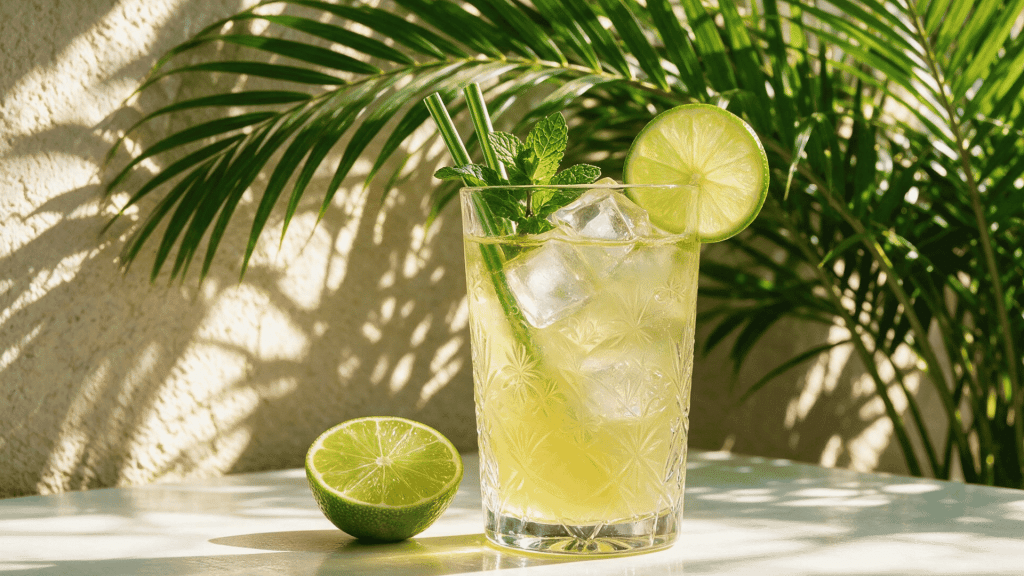
A bottle of tequila may sit in a cupboard for months or even years, raising questions about whether it is still suitable to drink.
Its condition depends on whether the bottle is opened, how it is stored, and how much air it contains.
Knowing what to check can help you avoid wasting a bottle or serving tequila that no longer tastes right.
This blog covers the basics of tequila, its expected shelf life, common signs of quality loss, and simple storage tips. Keep reading to learn whether tequila goes bad and how to keep each bottle in suitable condition.
How is Tequila Made?
Tequila begins with blue Weber agave grown in approved regions of Mexico. Once mature, the plants are harvested, and their leafy stalks are removed to expose the piñas, or hearts.
The piñas are cooked to soften fibers and convert carbohydrates into fermentable sugars. The cooked agave is crushed to release its juice.
Producers ferment the liquid with yeast, creating a low-alcohol mixture. It is distilled to increase the alcohol level and refine the flavor.
Blanco tequila may be bottled soon after distillation, while reposado and añejo varieties are aged in oak containers. This process shapes the spirit’s character but does not change how long tequila lasts once bottled.
The tequila is adjusted, tested, certified, and bottled under Mexican standards.
Does Tequila Go Bad?
Tequila does not usually spoil in the same way as food because its high alcohol content limits microbial growth. An unopened bottle can remain stable for many years when its seal is intact and it is stored correctly.
After opening, exposure to air can slowly weaken the aroma and flavor. Heat, sunlight, temperature changes, and a loose cap may speed up this decline.
The drink may still be safe, but it might taste flatter or less balanced than before. Check the liquid for an unusual smell, appearance, or flavor before serving an older bottle.
Proper storage helps maintain its original character for longer, especially when the bottle is kept upright, tightly closed, and away from direct light between pours.
Understanding Tequila’s Shelf Life
Tequila has a long shelf life, but opening the bottle starts a decline in quality. Storage conditions and the amount of air inside the bottle influence how well its flavor and aroma remain.
| Bottle condition | Expected shelf life | What to expect |
|---|---|---|
| Unopened | Indefinite when properly sealed | The spirit remains stable if kept upright, tightly sealed, and away from heat and sunlight. |
| Opened, under one year | Peak quality for about one year | Aroma and flavor are usually well preserved when the cap is secure, and storage is suitable. |
| Opened, over one year | Often drinkable, but quality may decline | Air exposure can slowly flatten the aroma, alter the taste, or affect the appearance. |
| Poorly stored | No fixed period | Direct light, heat, temperature changes, and a loose closure can cause quality loss sooner. |
Does Tequila Expire Like Other Drinks?
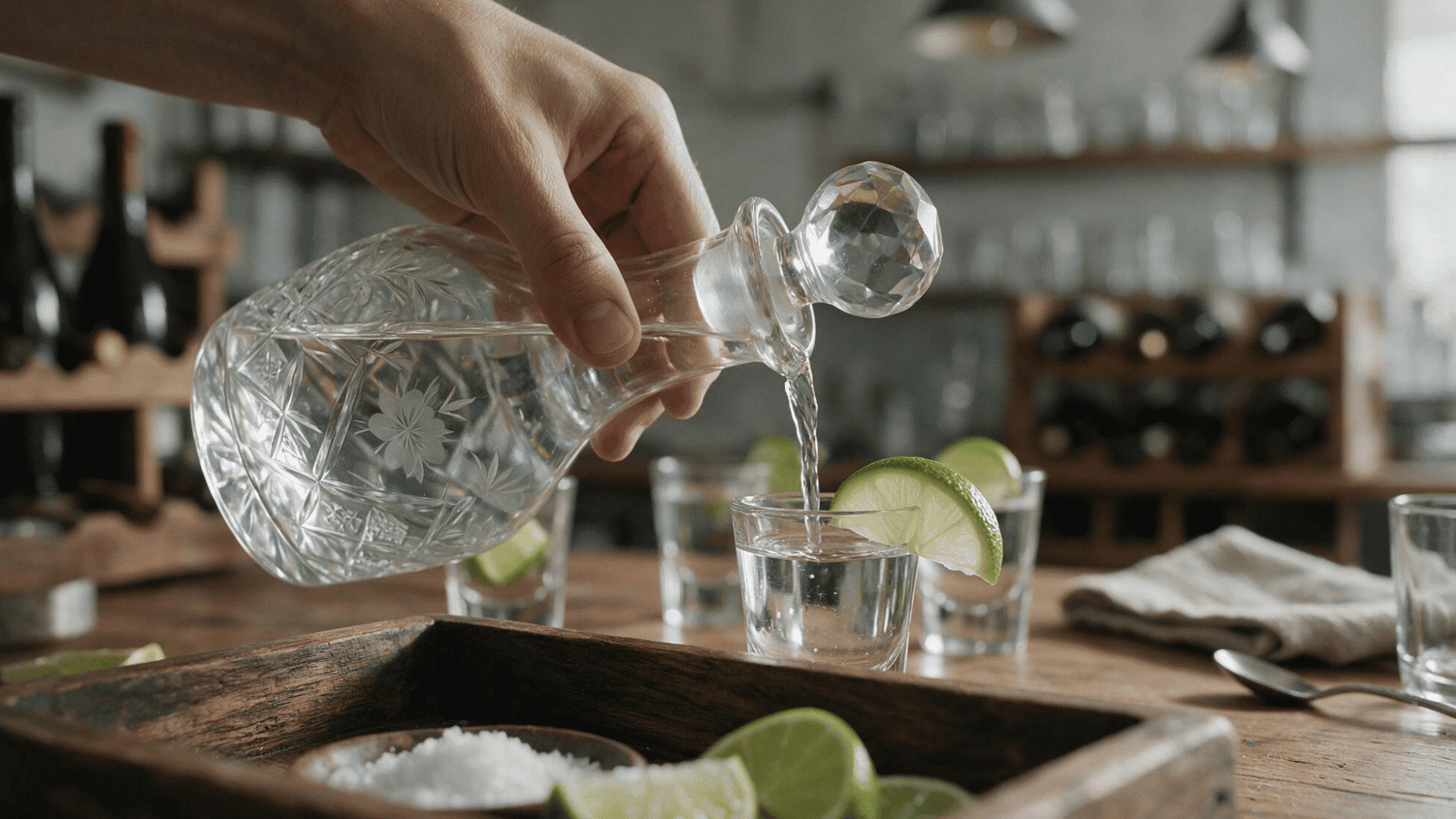
Tequila does not expire as quickly as beer, wine, cream liqueurs, or ready-made cocktails. Its high alcohol content helps prevent the microbial spoilage that affects many lower-alcohol drinks.
An unopened bottle can remain stable for years when the seal is intact and storage conditions are suitable. Once opened, however, oxygen slowly affects its aroma, flavor, and appearance.
Patrón states that opened tequila is generally at peak quality for about one year, though it may remain drinkable after that period.
Tequila should be stored upright, tightly closed, and away from direct sunlight, heat, and changing temperatures. If an older bottle smells sour, looks unusual, or tastes noticeably off, it is safer to discard it.
Quality loss is more common than true spoilage in properly stored tequila after it has been opened.
Factors That Affect Tequila Quality
Tequila can lose aroma and flavor even when it remains safe to drink. These factors affect how quickly its quality changes.
- Air Exposure: Oxygen enters the bottle and weakens aroma, flavor, and color.
- Sunlight: Direct light can warm the liquid and speed changes in taste.
- Heat: Storage near ovens, radiators, or windows may reduce quality.
- Temperature Changes: Repeated shifts between warm and cool conditions can affect the spirit and closure.
- Bottle Seal: A loose cap allows air inside and may increase evaporation.
- Bottle Position: Keeping tequila upright limits contact with the cork and protects the seal.
- Remaining Volume: A nearly empty bottle contains air, which may cause flavor loss sooner.
- Storage Time: Opened tequila is at peak quality for one year.
Is Old Tequila Still Safe to Drink?
Age alone does not make tequila unsafe. The main concern is whether the bottle has been damaged, contaminated, or stored poorly.
Check the cap or cork for cracks, leakage, mould, or signs that the seal has failed. The liquid should look clear unless the tequila naturally contains color from barrel aging.
Unexpected particles, cloudiness, or a sharp unpleasant smell are reasons to avoid drinking it.
Bottles kept in garages, hot cars, or damp storage areas require extra care because heat and damaged closures can affect their condition.
When the bottle appears normal, pour a small amount into a clean glass and inspect it before tasting. Tequila with a doubtful history or damaged packaging should be discarded rather than served.
How Should Tequila Be Stored?
Tequila keeps its character longer when the bottle is protected from poor storage conditions. A closed cabinet in a dry room is usually suitable.
- Use a Dark Cabinet: Place the bottle away from windows and bright display lights.
- Keep it Upright: Vertical storage prevents the spirit from resting against the cork for long periods.
- Choose a Stable Spot: Avoid shelves near cookers, heaters, dishwashers, or other warm appliances.
- Secure The Closure: Wipe the bottle neck and replace the cap firmly after each use.
- Use a Smaller Bottle: Transfer leftover tequila when only a small amount remains to reduce the space filled with air.
- Avoid Damp Areas: Moisture can damage labels, cartons, and some closures.
- Do Not Refrigerate it: Room-temperature storage is suitable unless you prefer serving it chilled.
Conclusion
Tequila rarely becomes unsafe when stored correctly, but its aroma and flavor may weaken after the bottle is opened.
The seal, storage temperature, light exposure, and amount left in the bottle can all affect how well it keeps. Before serving older tequila, check for unusual particles, cloudiness, leaks, or unpleasant smells.
Store the bottle upright in a cool, dark cabinet and close it firmly after every use. Proper storage helps maintain quality and reduce unnecessary waste.
Have you kept an open bottle of tequila for a long time? Drop a comment below and share how well it held its flavor.
Frequently Asked Questions
Can Tequila Develop Sediment in The Bottle?
Some aged or minimally filtered tequilas may contain harmless particles from barrel aging. New sediment in a previously clear bottle may point to contamination or closure damage.
Does The Type of Tequila Affect How Long it Keeps?
Blanco, reposado, and añejo tequila have similar storage needs after bottling. Aged varieties may show flavor changes more clearly because they contain more barrel-derived aromas.
Can Tequila be Stored in a Decanter?
A sealed glass decanter is suitable for short-term serving or display. For longer storage, the original bottle usually provides a tighter closure and better protection from air.