

Why does one beer taste crisp and refreshing while another tastes bitter, sweet, sour, or unpleasant?
Beer’s taste comes from the interaction of aroma, flavor, mouthfeel, and finish. Malt, hops, yeast, water, fermentation, storage, and serving conditions all influence these sensory characteristics.
This article explains how to evaluate beer, recognize its main flavor categories, and identify off-flavors that may indicate brewing, packaging, or storage problems.
Read on to understand what shapes beer’s taste and how each sensory detail can be evaluated with greater accuracy.
What Does Beer Taste Like?
Beer can taste crisp, bitter, sweet, sour, fruity, spicy, roasted or smooth. Its character depends on the style, ingredients, brewing process, freshness, storage, and serving conditions.
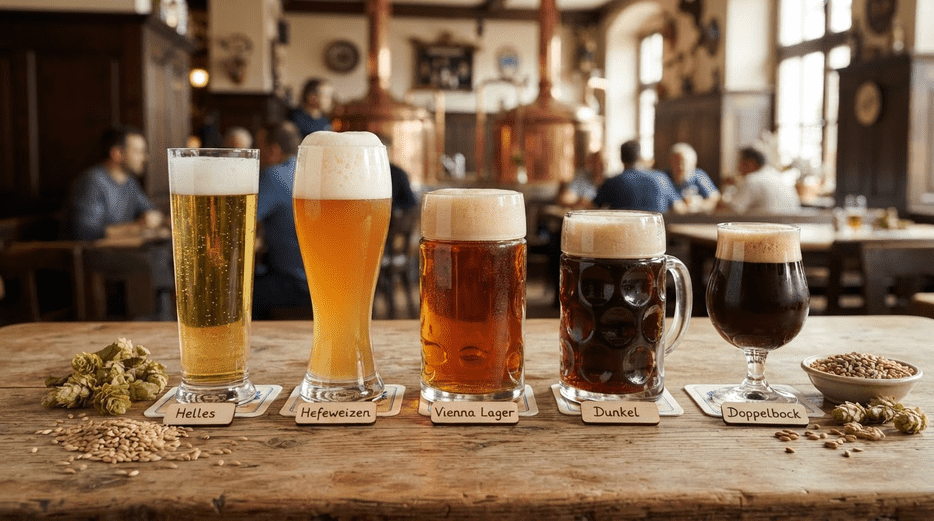
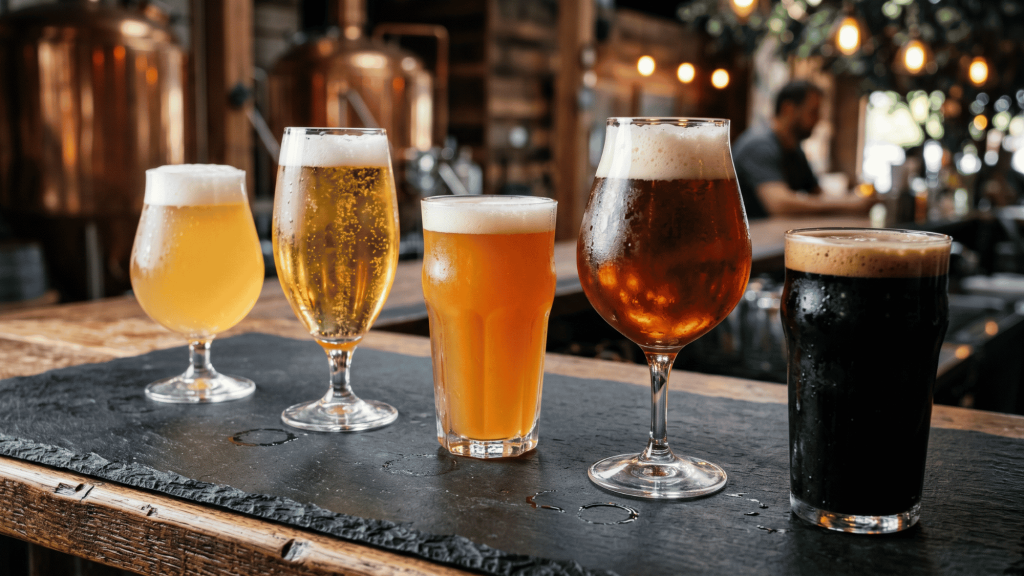
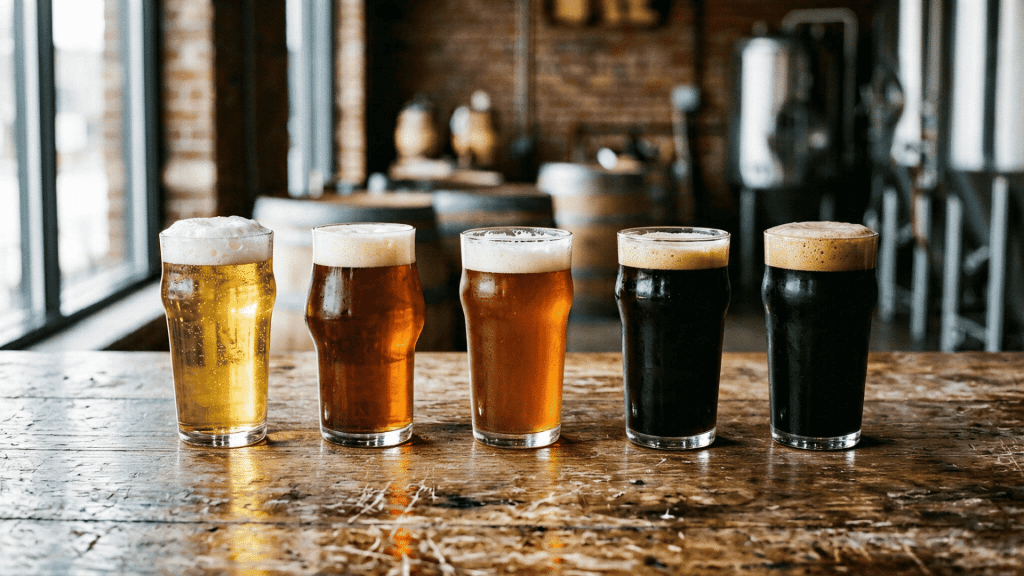
A pale lager commonly tastes light, clean, and mildly bitter. An IPA may have stronger bitterness with citrus, tropical fruit, herbal, or pine notes.
A stout often carries coffee, cocoa, or toasted bread flavors, while wheat beer may taste bready, fruity, or spicy.
Aroma, body, carbonation, dryness, alcohol warmth, and finish also shape the experience. An unfamiliar characteristic is not necessarily a fault; it may be expected and appropriate for that particular beer style.
How to Taste Beer Like an Expert
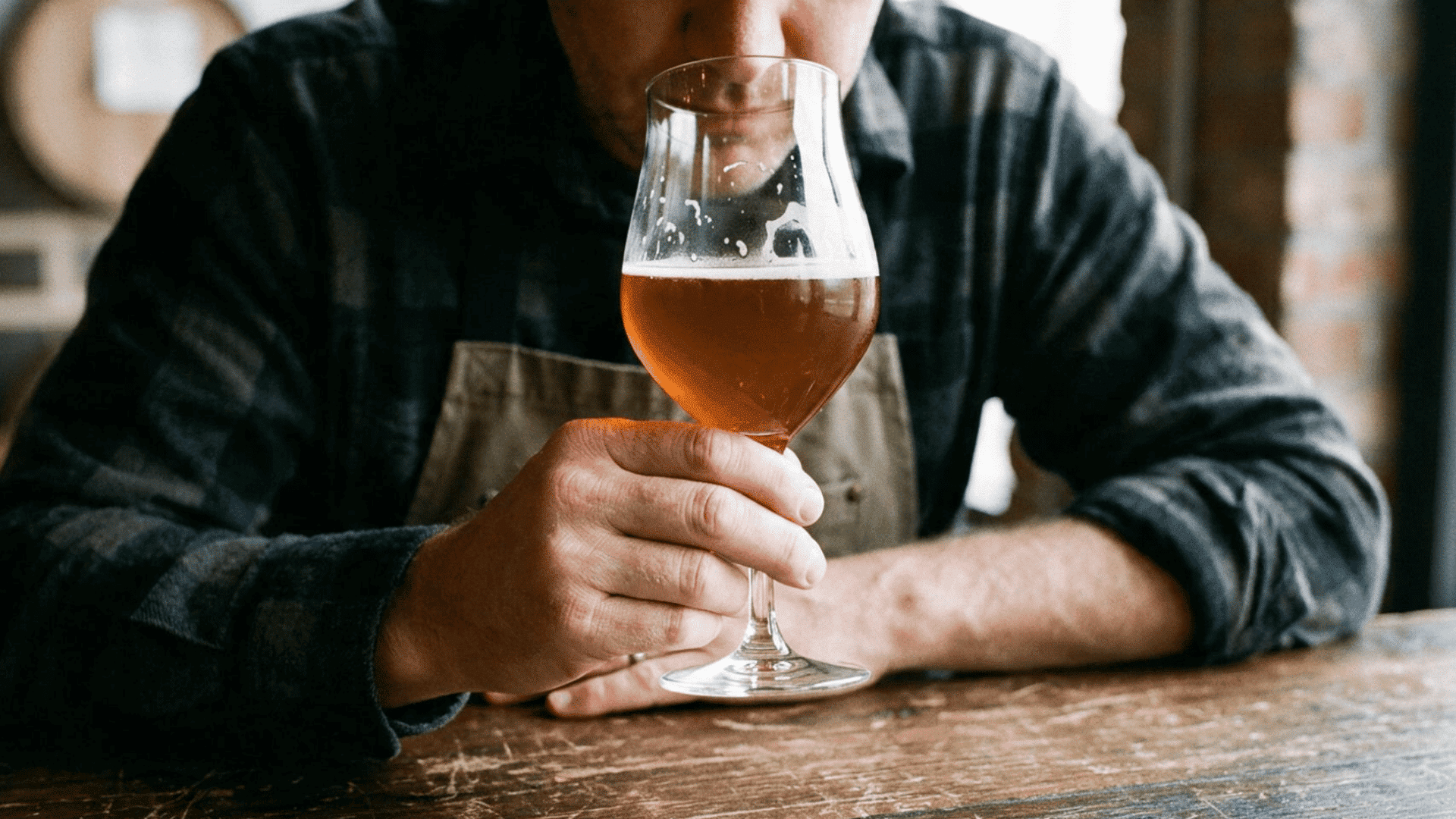
A structured beer evaluation considers appearance, aroma, flavor, mouthfeel, and finish. Examining each element separately helps identify expected characteristics, overall balance and possible quality problems.
Look at Appearance and Color
Beer should be poured into a clean, transparent glass before its color, clarity, bubbles, and foam are examined.
Pale shades may suggest lighter malt character, while darker shades can accompany caramel, toast, coffee or chocolate notes.
Color alone does not determine strength, body, or quality. Some styles are naturally cloudy, and foam retention can vary according to the beer style, carbonation, pouring method, and glass condition.
Smell and Identify Aromas
A gentle swirl can release aromatic compounds before you take several short sniffs.
Evaluation can begin with broad aroma groups such as fruity, floral, spicy, roasted, herbal, or grainy. More specific notes may include citrus, banana, bread, coffee, pepper, or pine.
These aromas should be considered alongside flavor, mouthfeel, balance, and finish before the beer receives an overall assessment.
Taste and Note Flavors
Take a small sip and let it coat the palate before swallowing. Pay attention to the first impression, the flavors that develop, and the sensations that remain afterward.
Malt sweetness may appear first, while hop bitterness can become more noticeable near the finish.
Familiar notes may include bread, caramel, citrus, fruit, spice, coffee, or cocoa. Each characteristic can be recorded with its approximate intensity without forcing an exact description.
Assess Mouthfeel and Finish
Mouthfeel describes the physical sensations a beer creates. Body may feel light, medium, full, creamy, thin, or rich.
Carbonation may seem soft, lively, smooth, or sharp, while alcohol can create warmth. The finish covers the flavors and sensations that remain after swallowing.
Sweetness, bitterness, roast, or acidity may disappear quickly or linger. These characteristics should support the expected beer style without creating distracting harshness.
What Beer Drinkers Say About Its Taste
Beer drinkers describe flavors ranging from bread and caramel to citrus and chocolate. Their experiences show how greatly taste changes between styles.
“Beer tastes like liquid bread most of the time. Some beers are dark and creamy, kinda chocolatey. Some beers are bright and hoppy, kinda citrusy.” Reddit
This drinker noticed how malt, roast, and hops create different flavor profiles. Dark beers may taste creamy, while hoppy beers can seem brighter and fruitier.
“Some have a hops flavour which is almost citrussy; some high-hop pale ales can taste almost like grapefruit. Darker beers have a more malty flavour, sometimes more caramelly.” Reddit
This comment highlights the contrast between beer styles. Hop-forward beers can taste citrusy, while darker varieties often develop richer malt and caramel notes.
“Some are refreshing, some are heavy, some are tart, some are hoppy, some are sweet, some taste like liquid bread, some are fruity.” Reddit
This drinker compared beer with juice because both categories contain many flavors. The taste depends heavily on the ingredients, brewing method, and style.
Core Beer Flavor Categories
Flavor categories provide a shared vocabulary for sensory notes. Several categories may appear in one beer, and their intensity can range from faint to pronounced.
| Flavor category | General character | Familiar notes | Primary source |
|---|---|---|---|
| Malty and sweet | Rich or mildly sweet | Bread, caramel, honey, toffee | Malt and residual sugars |
| Hoppy and bitter | Dry, sharp, or aromatic | Citrus, pine, herbs, flowers | Hops |
| Fruity and estery | Bright or aromatic | Banana, pear, apple, stone fruit | Yeast and hops |
| Spicy and phenolic | Peppery or warming | Clove, pepper, light smoke | Yeast and fermentation |
| Roasted and smoky | Deep or dry | Coffee, cocoa, toast, char | Dark and roasted malts |
| Sour and tart | Acidic or puckering | Lemon, yogurt, tart fruit | Acids from selected microorganisms |
| Clean and crisp | Light, dry, or refreshing | Grain, mild herbs, brief bitterness | Ingredients, fermentation, and carbonation |
Common Off-Flavors and Their Causes
Off-flavors may result from ingredients, fermentation, contamination, packaging, storage, or serving conditions. Some characteristics are acceptable in certain styles but become faults when they conflict with the intended profile or appear too strongly.
- Butter or Butterscotch: Elevated diacetyl associated with fermentation, maturation, yeast health, or contamination
- Cooked or Creamed Corn: Excess DMS, sometimes linked to boiling, cooling, or fermentation conditions
- Green Apple: Elevated acetaldehyde associated with incomplete fermentation or maturation
- Wet Cardboard: Oxidation caused by oxygen exposure, age, or poor storage
- Skunk-Like Aroma: Light exposure affecting hop compounds
- Vinegar or Harsh Sourness: Acetic acid from unwanted microbial activity
- Solvent or Nail Polish: Elevated esters linked to fermentation conditions or yeast stress
- Metallic Taste: Metal ions from ingredients, process materials, or brewing equipment
- Rotten Eggs: Excess hydrogen sulfide produced during fermentation
How Ingredients Shape Beer’s Flavor
Malt provides fermentable sugars, color, and body while producing bread, biscuit, caramel, toast, coffee, or chocolate notes.
Hops contribute bitterness and aromas resembling citrus, flowers, herbs, tropical fruit, or pine. Yeast produces alcohol and carbonation during fermentation and may create fruity esters or spicy phenols.
Water chemistry can affect softness, dryness, malt character, and perceived bitterness. Added ingredients such as fruit, coffee, spices, or oats introduce further flavors and textures. Balance matters more than color alone.
Pale beer can taste strong or intensely bitter, while dark beer can remain light in body and alcohol.
How to Judge Bad Beer
An unpleasant taste doesn’t always mean beer is unsafe. Some unfamiliar characteristics are intentional, while others indicate reduced quality caused by brewing, packaging, storage, or serving problems.
1. Check The Style: Sourness suits sour ales, while banana and clove notes may belong in wheat beer.
2. Inspect The Package: Bulging, leaking, damaged or poorly sealed containers can indicate a problem.
3. Smell Before Tasting: Skunk, vinegar, solvent, sulfur or wet cardboard aromas deserve attention.
4. Assess Carbonation: Unexpected flatness may result from age, a weak seal, or poor storage.
5. Compare Another Sample: A fresh package can confirm whether the unusual taste affects one container or the full batch.
6. Stop When Uncertain: Beer with severe contamination signs or damaged packaging should not be consumed.
Conclusion
Beer can taste crisp, bitter, sweet, sour, fruity, spicy or roasted, depending on its ingredients, fermentation, style, and storage.
Recognizing signs such as butter, cooked corn, wet cardboard, skunk or vinegar also helps separate intended style traits from brewing or storage problems.
So, what does beer taste like? The answer depends on the beer, but a structured sensory check can reveal what shapes every sip.
Share an opinion below about the most enjoyable beer flavor or an off-flavor noticed during a recent tasting.
Frequently Asked Questions
How Can I Tell if My Beer Has Gone Bad?
Look for flat carbonation, a skunky smell, an unexpected sour taste, or a stale, cardboard-like flavor. These usually signal spoilage or poor storage.
Why Does My Beer Taste Skunky or Metallic?
A skunky smell typically comes from light exposure damaging hop compounds. A metallic taste can come from contact with certain metals during brewing or packaging.
Do All Beers Taste Bitter?
No. Bitterness depends on the style and hop levels. Some beers, like stouts or wheat beers, focus more on malt sweetness or fruity notes than bitterness.