

Beer is meant to deliver fresh aromas, balanced flavors, and a satisfying finish. Yet sometimes the first smell from a freshly opened bottle is more like skunk spray than fresh hops.
This unpleasant change is known as skunked beer, and it can happen even before the beer reaches the glass.
Light exposure can trigger chemical reactions that alter hop compounds and create the characteristic skunky aroma, while storage conditions and packaging can affect how easily the flavor develops.
Understanding why skunked beer happens can help preserve flavor, improve storage habits, and make better buying decisions.
It can also explain why some beers are more vulnerable to light damage than others. Curious about what causes this off-flavor and whether it can be prevented? Keep reading to find out.
What is Skunked Beer?
Skunked beer is beer that develops a strong sulfur-like aroma after exposure to certain wavelengths of light.
Brewers commonly call this light-struck beer because the off-flavor develops through a light-driven chemical reaction involving hop-derived compounds.
When susceptible hop compounds are exposed to light, they can react to produce 3-methyl-2-butene-1-thiol (MBT).
This sulfur-containing compound has an aroma similar to a skunk’s defensive spray, so even a small amount can noticeably change the smell of beer.
Although skunked beer is generally safe to drink, its unpleasant smell and altered taste make it far less enjoyable than fresh beer.
Why Does Beer Become Skunked?
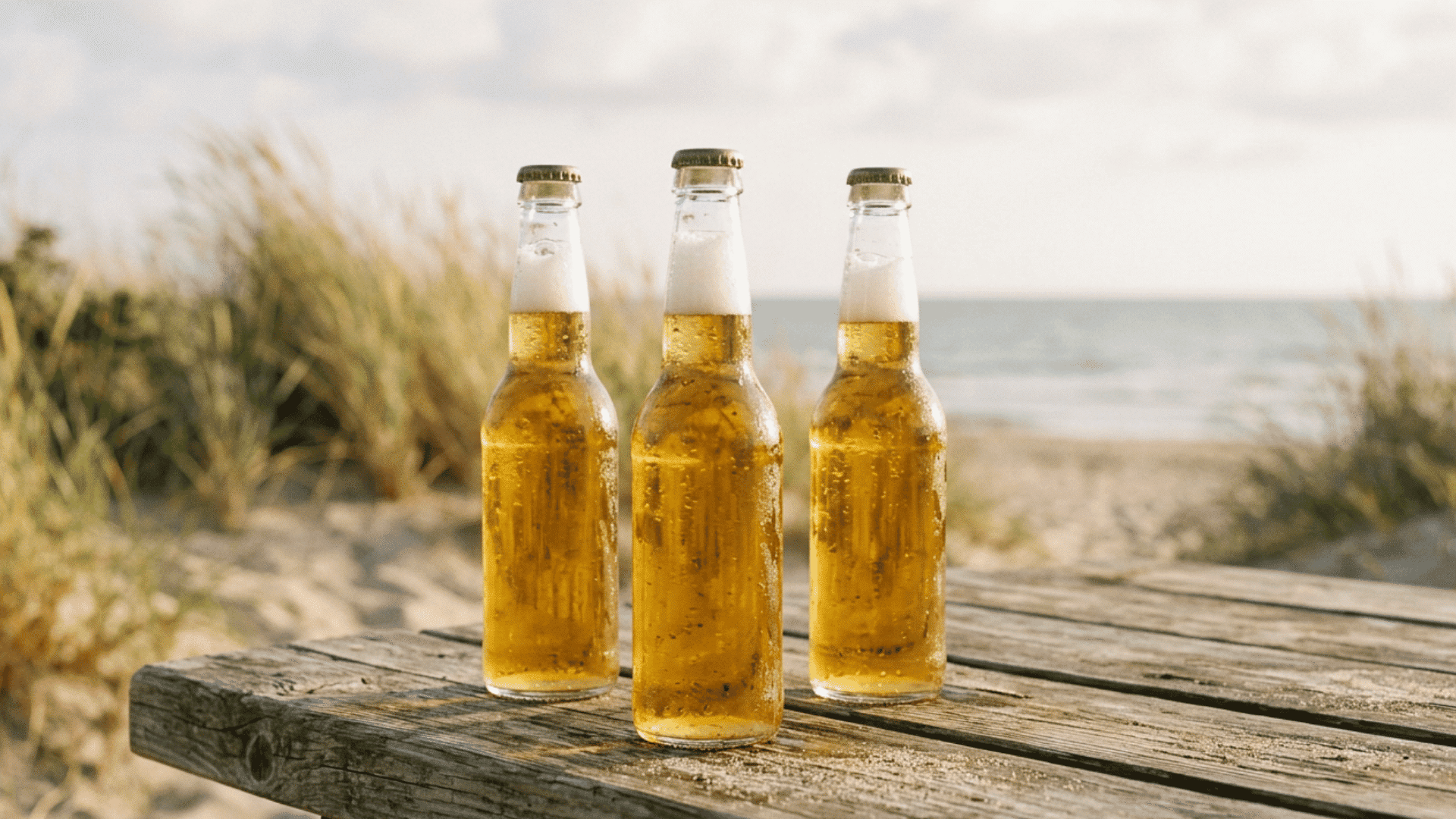
Light exposure can trigger chemical changes in susceptible hop-derived compounds, producing the characteristic skunky aroma.
Light Exposure and Skunking
Light is the main factor behind skunking. Sunlight can be particularly effective at triggering the reaction, but certain artificial light sources can also contribute when beer remains exposed for extended periods.
The reaction involves light-sensitive hop-derived compounds that can ultimately contribute to the formation of MBT. The resulting compound produces the characteristic sulfur-like aroma associated with skunked beer.
Because this reaction changes the beer chemically, moving an affected bottle into a dark refrigerator afterward cannot restore its original aroma.
The Role of Beer Packaging
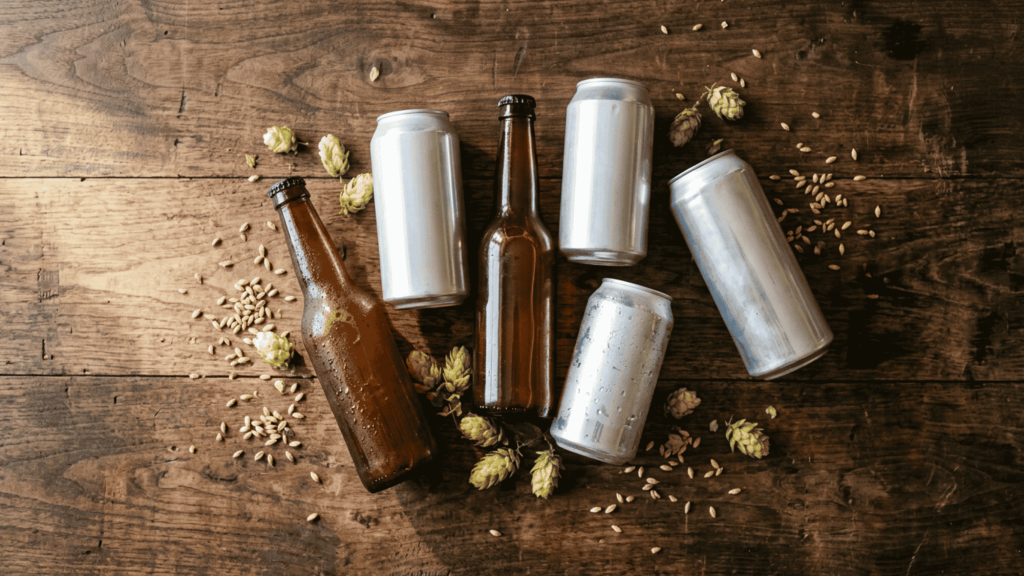
Beer packaging affects light exposure. Clear glass offers the least protection, green glass provides some protection, and brown glass offers greater protection.
Brown glass blocks much of the light that causes skunking, while aluminum cans provide even stronger protection by blocking light completely.
Packaging does not completely determine whether beer will become skunked, however. A beer in a protective container can still deteriorate in other ways if it is stored improperly for long periods.
Preventing Skunked Beer
The best prevention is to limit light exposure and store beer in a cool, dark place away from sunlight and strong indoor lighting.
Packaging also affects light exposure during storage. Cans and brown bottles offer better light protection than clear or green bottles.
Retail storage can also affect the beer before purchase. Beer displayed away from strong lighting and direct sunlight is less likely to experience unnecessary light exposure while waiting on the shelf.
Beer Packaging Comparison
Different packaging materials provide varying levels of light protection, directly affecting how well beer retains its intended flavor and freshness.
| Packaging Type | Light Protection | Risk of Skunking | Common Use |
|---|---|---|---|
| Aluminum can | Excellent | Very Low | Craft beers, lagers, IPAs |
| Brown bottle | High | Low | Most premium and craft beers |
| Green bottle | Limited | Moderate | Imported lagers and specialty beers |
| Clear bottle | Poor | High | Some mass-market and flavored beers |
Does Skunked Beer Affect Different Beer Styles?
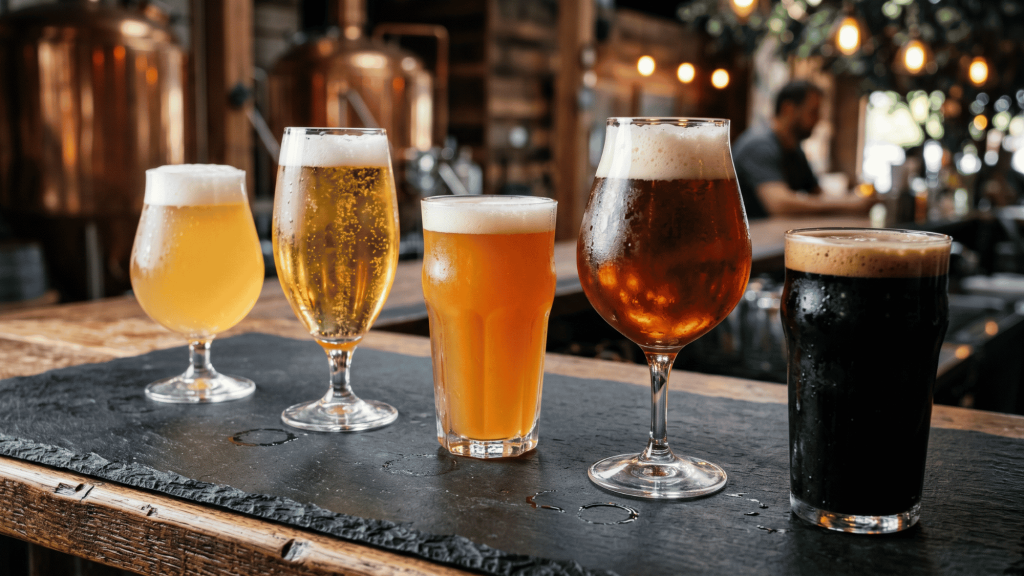
Not all beer styles respond to light exposure in exactly the same way. The risk depends on the beer’s hop-derived compounds, packaging, and how much light reaches the beer during storage or display.
Hop-forward beers, including India Pale Ales (IPAs) and pale ales, are generally more likely to develop skunked beer because they contain higher levels of hop compounds.
Lighter lagers are also at risk if left in direct sunlight or under bright indoor lighting for extended periods.
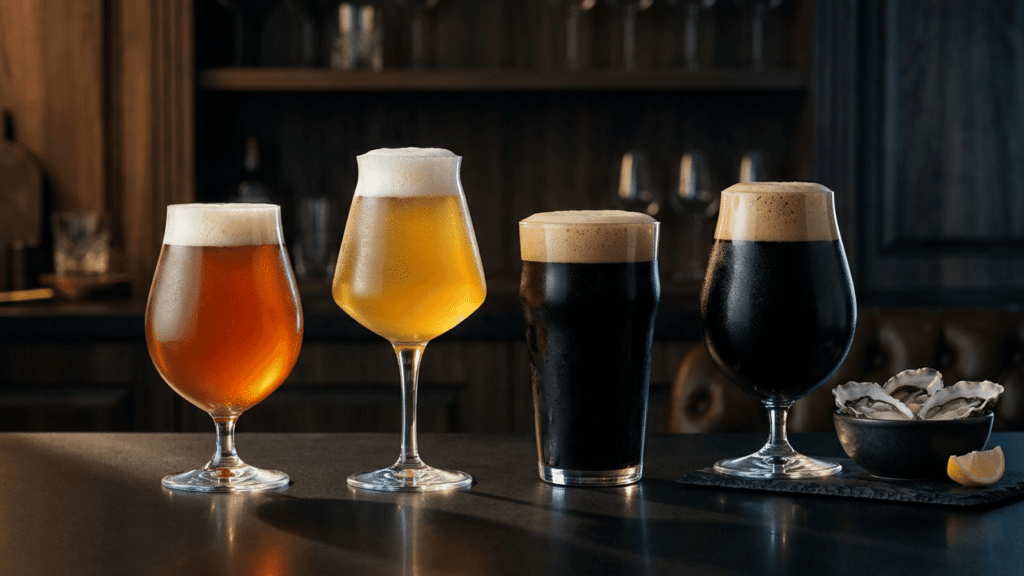
Darker beers like stouts and porters may not develop the same strong skunky aroma. They are still not immune to light damage.
Packaging remains an important consideration across beer styles. Cans and brown bottles generally provide greater protection from light than clear or green bottles.
Common Signs of Skunked Beer
Recognizing these common signs helps distinguish skunked beer from stale beer before drinking and protects the intended tasting experience.
- Strong Skunky Aroma: A smell resembling skunk spray, sulfur, burnt rubber, or stale cannabis usually indicates beer has become light-struck through exposure.
- Harsh Flavor: Fresh hop and malt flavors become muted, leaving an unpleasant, sharp taste that feels unbalanced and lingers after each sip.
- Noticeable Light Damage:Unlike stale beer caused by oxidation, skunked beer develops only afterultraviolet light permanently triggers chemical changes within hop compounds.
- Permanent Flavor Change: Once skunking occurs, the original aroma and flavor cannot return, even if the beer is properly refrigerated afterward.
- Reduced Freshness: The beer loses its crisp aroma and balanced character, making it taste noticeably less fresh than originally intended.
Common Myths About Skunked Beer
Several misconceptions about skunked beer often lead to confusion. Understanding the facts helps identify what truly affects beer quality.
Myth: Warm beer becomes skunked.
Fact: Heat can accelerate beer aging, but skunking results from a light-triggered chemical reaction involving susceptible hop-derived compounds.
Myth: Every green bottle contains skunked beer.
Fact: Green glass provides less light protection than brown glass, but a green-bottled beer is not automatically skunked. Storage conditions also affect exposure.
Myth: Skunked beer is unsafe to drink.
Fact: Skunking is primarily a flavor and aroma issue. The beer may still be drinkable, although its intended sensory character can be significantly altered.
Myth: Chilling skunked beer restores its flavor.
Fact: Refrigeration can slow further quality changes but cannot reverse the chemical reaction responsible for an existing skunky aroma.
Conclusion
Skunked beer is a common but preventable issue that occurs when light reacts with hop compounds, creating an unpleasant skunky aroma and altering the beer’s flavor.
While it is generally safe to drink, the chemical reaction is permanent, so proper storage and packaging are key to preserving freshness.
Choosing aluminum cans or brown bottles and keeping beer away from direct sunlight can greatly reduce the risk of skunking.
Has a bottle of beer ever smelled or tasted skunky? Share the experience, storage tips, or favorite beer recommendations in the comments below. Every insight helps fellow beer enthusiasts enjoy a fresher pint.
Frequently Asked Questions
Can Beer Skunk in a Refrigerator?
Yes. Beer can become skunked in a refrigerator if it remains exposed to light through the packaging. Refrigeration does not prevent the light-triggered reaction.
Why Do Some Beers Use Green Bottles?
Many breweries keep green bottles for branding. They offer less UV protection than brown bottles but remain popular.
Can Unopened Beer Become Skunked?
Yes, Sunlight and bright retail lighting can skunk unopened beer before it reaches consumers or store shelves.