

A light label does not always mean a beer is the lighter choice. Nutrition and alcohol content can vary considerably between products, so it’s worth checking the label before choosing.
If you’re comparing options based on calories, carbs, or alcohol content, certain light and non-alcoholic beers may fit those priorities better than others.
No alcoholic beer should be considered healthy simply because it contains fewer calories.
Read below to learn which beers compare favorably for calories, carbs, and ABV and what factors matter when choosing a lighter option.
What Makes a Beer Healthier in The First Place
Every healthiest beer comparison comes down to calories, carbohydrates, ABV, and added sugar. These factors don’t make beer healthy, but they can help you identify lighter options, similar to other low-calorie beer options worth comparing.
A practical benchmark is under 100 calories, 10 grams of carbs, and 5% ABV per 12-ounce serving. Lower numbers do not remove alcohol-related health risks.
The 2026 U.S. Dietary Guidelines no longer use the previous one-drink or two-drink daily limits. Instead, they recommend consuming less alcohol for better health. Lower-calorie beer may reduce calorie and carb intake, but it does not eliminate alcohol’s risks.
Health Note: The Dietary Guidelines for Americans, 2025–2030 recommends consuming less alcohol for better overall health. Choosing a beer with fewer calories or carbs may fit certain dietary goals, but it does not remove the health risks associated with alcohol- Official Dietary Guidelines
The Best Light Beers for Fewer Calories and Carbs
Light beers generally contain fewer calories and carbs than many regular beers. The options below can be compared by calories, carbohydrates, and alcohol content per 12-ounce serving.
Budweiser Select 55
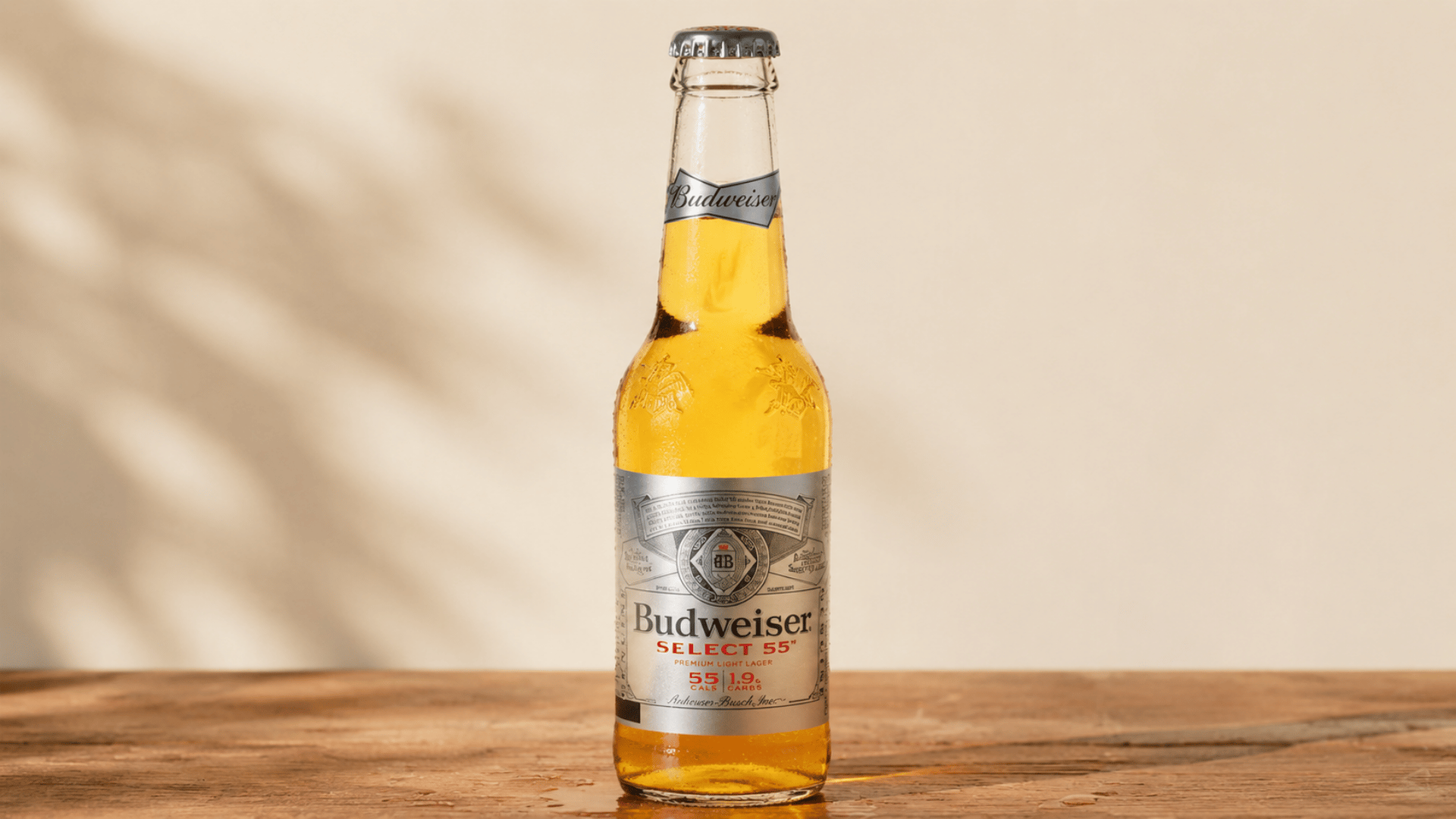
Budweiser Select 55 is one of the lightest beer options when comparing calories and carbohydrates. Its lower alcohol content also contributes to fewer calories per serving, making it different from many standard light beers.
- Calories: Contains 55 calories per 12-ounce serving.
- Carbs: Provides about 1.9 grams of carbohydrates.
- ABV: Contains 2.4% ABV, lower than most light beers.
- Best for: Suitable for drinkers seeking a very low-calorie beer with a lighter body and familiar lager character.
Corona Premier
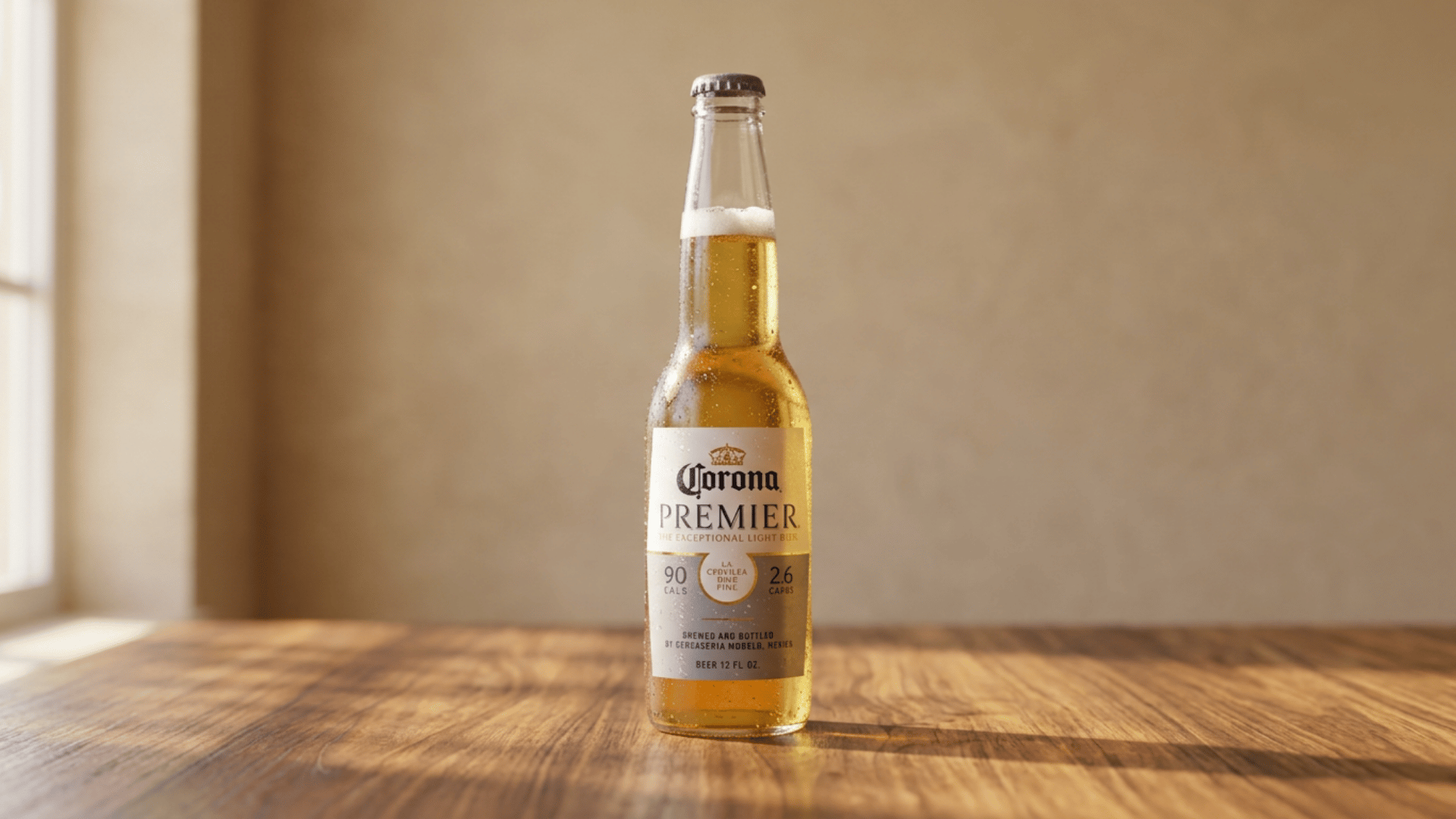
Corona Premier combines relatively low calories and carbs with an alcohol level closer to that of standard light beers.
- Calories: Provides about 90 calories per 12-ounce serving.
- Carbs: Contains approximately 2.6 grams of carbohydrates.
- ABV: At 4.0% ABV, it offers more alcohol than Select 55 while remaining relatively light.
- Best for: A suitable choice for drinkers who enjoy a Mexican lager style with a lower-calorie profile.
Michelob Ultra
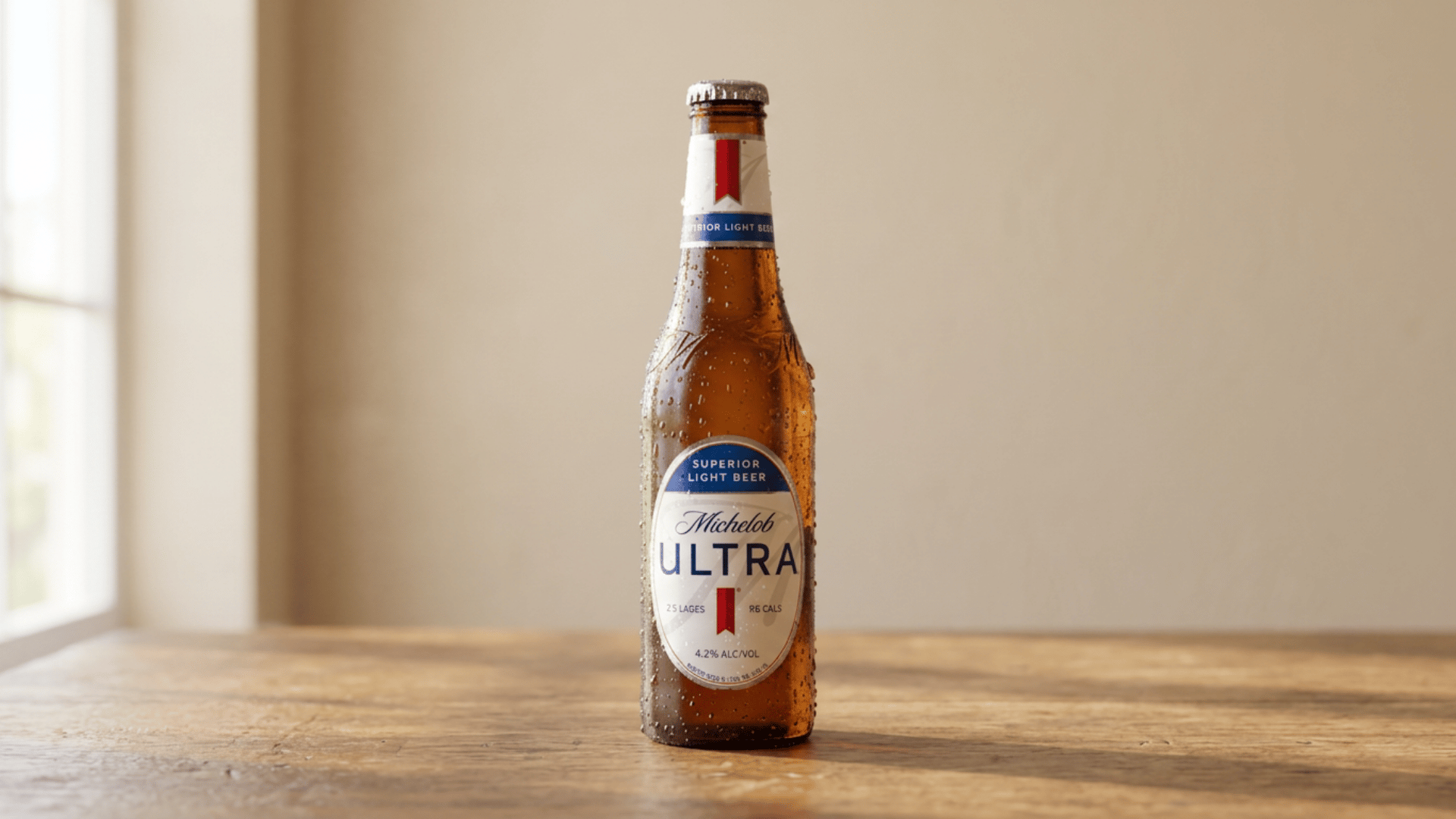
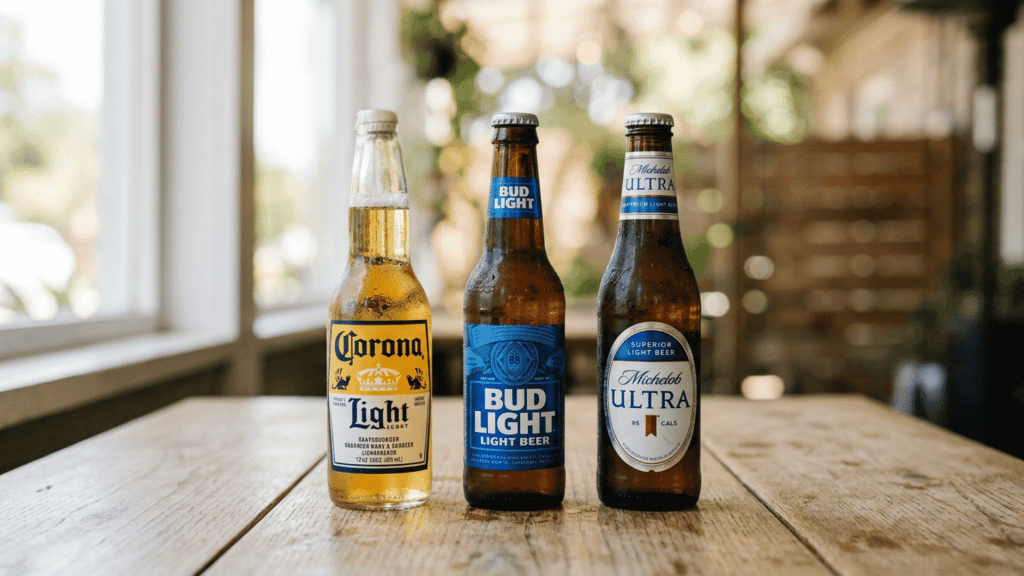
Michelob Ultra is widely associated with its lower-carb profile and keeps its calorie count below 100 per serving.
- Calories: Contains about 95 calories in a 12-ounce serving.
- Carbs: Provides approximately 2.6 grams of carbohydrates.
- ABV: At 4.2% ABV, its alcohol content is similar to several popular American light lagers.
- Best for: Often chosen by people looking for a crisp beer option that fits calorie-conscious preferences.
Miller Lite
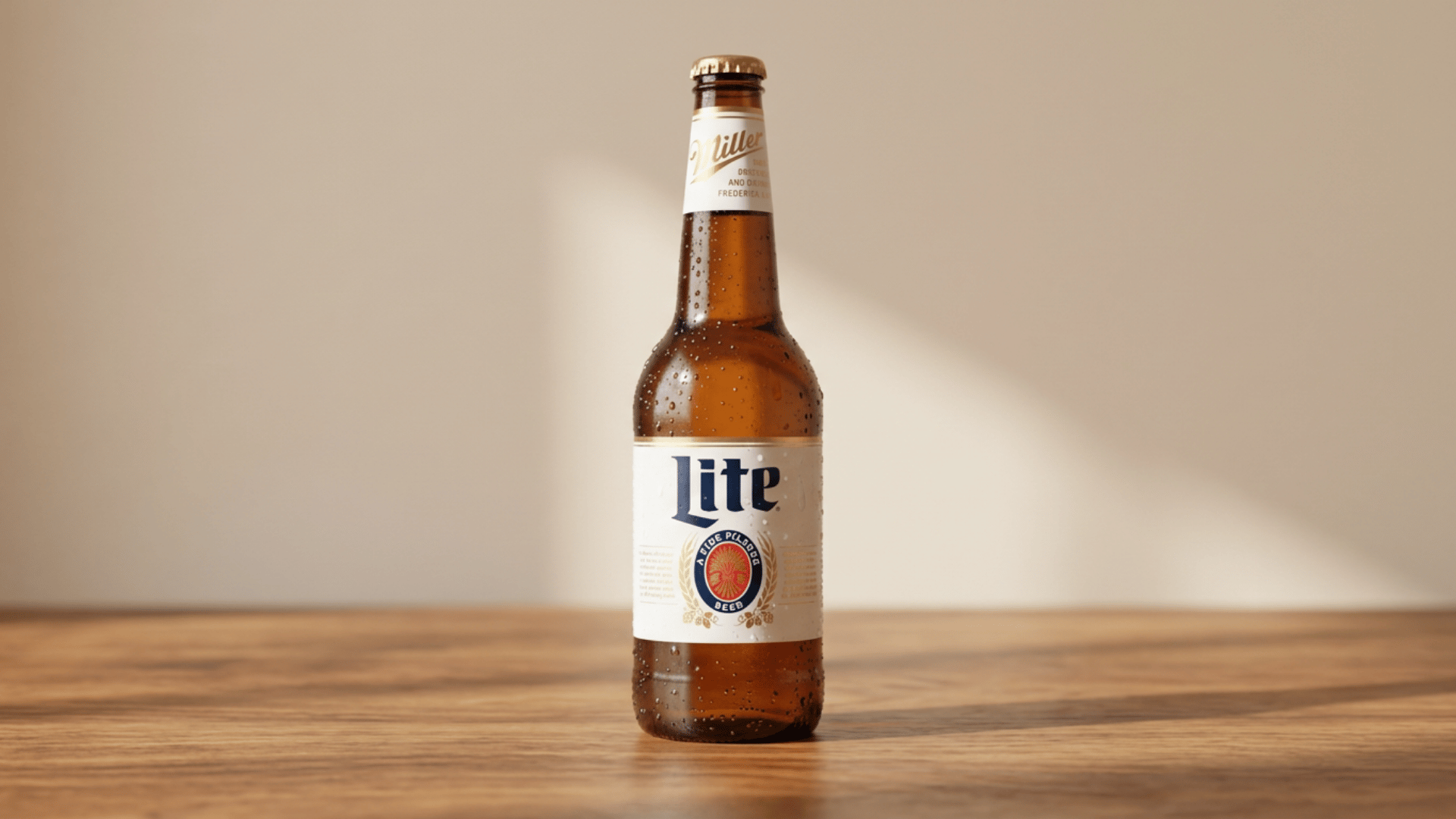
Miller Lite combines fewer than 100 calories with a relatively low carbohydrate count and standard Miller Lite’s alcohol percentage for a light beer.
- Calories: Provides approximately 96 calories per 12-ounce serving.
- Carbs: Contains about 3.2 grams of carbohydrates.
- ABV: At 4.2% ABV, it matches Michelob Ultra while containing slightly more calories and carbs.
- Best for: Works well for drinkers who prefer a classic American lager taste with a lighter profile.
Corona Light
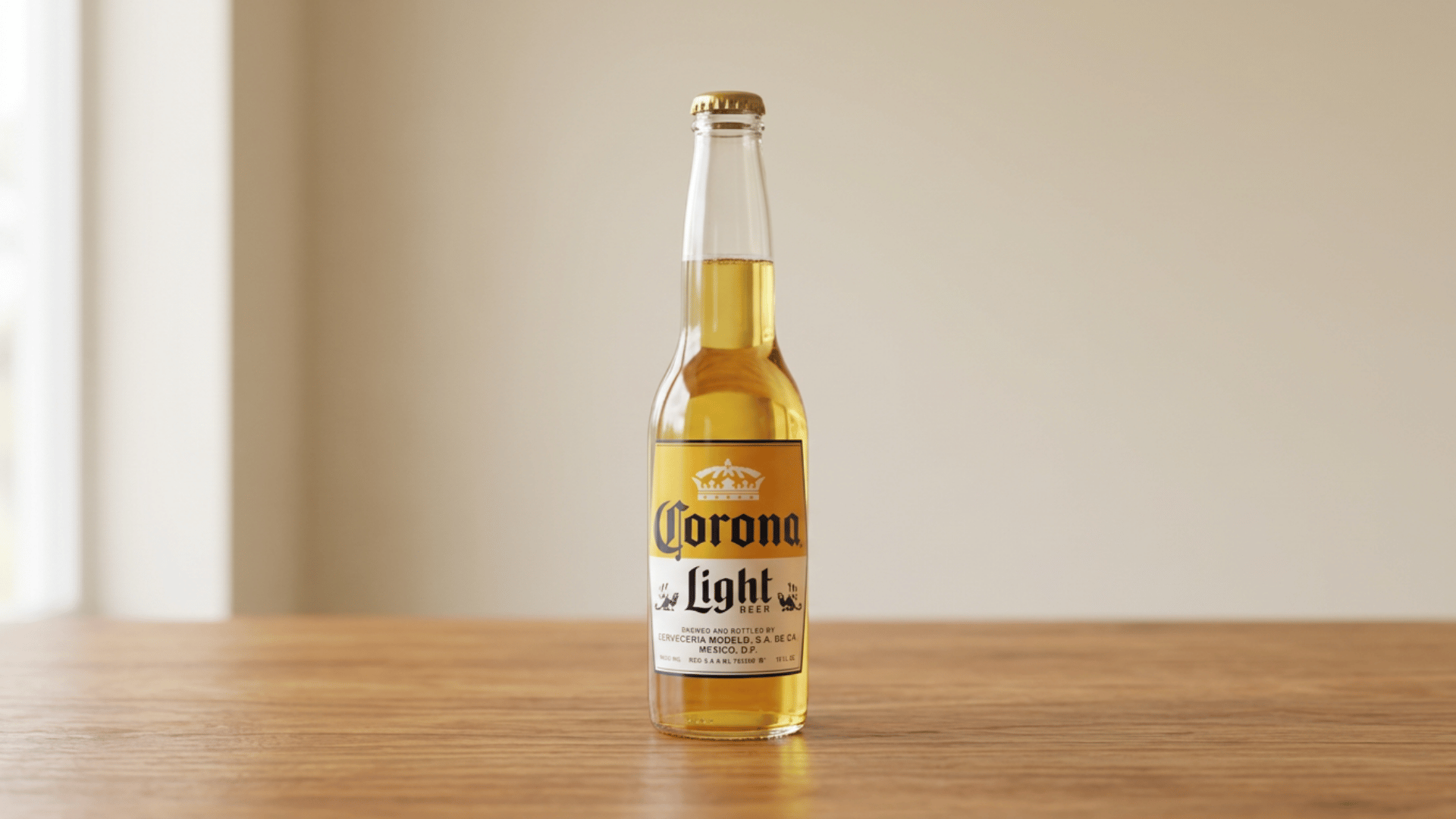
Corona Light remains below 100 calories per serving but contains more carbohydrates than Corona Premier and Michelob Ultra.
- Calories: Contains approximately 99 calories per 12-ounce serving.
- Carbs: Provides about 5 grams of carbohydrates.
- ABV: At 4.5% ABV, it has the highest alcohol percentage among the seven options compared here.
- Best for: Fits those who enjoy Corona’s familiar flavor but prefer a lighter version of the original style.
Coors Light
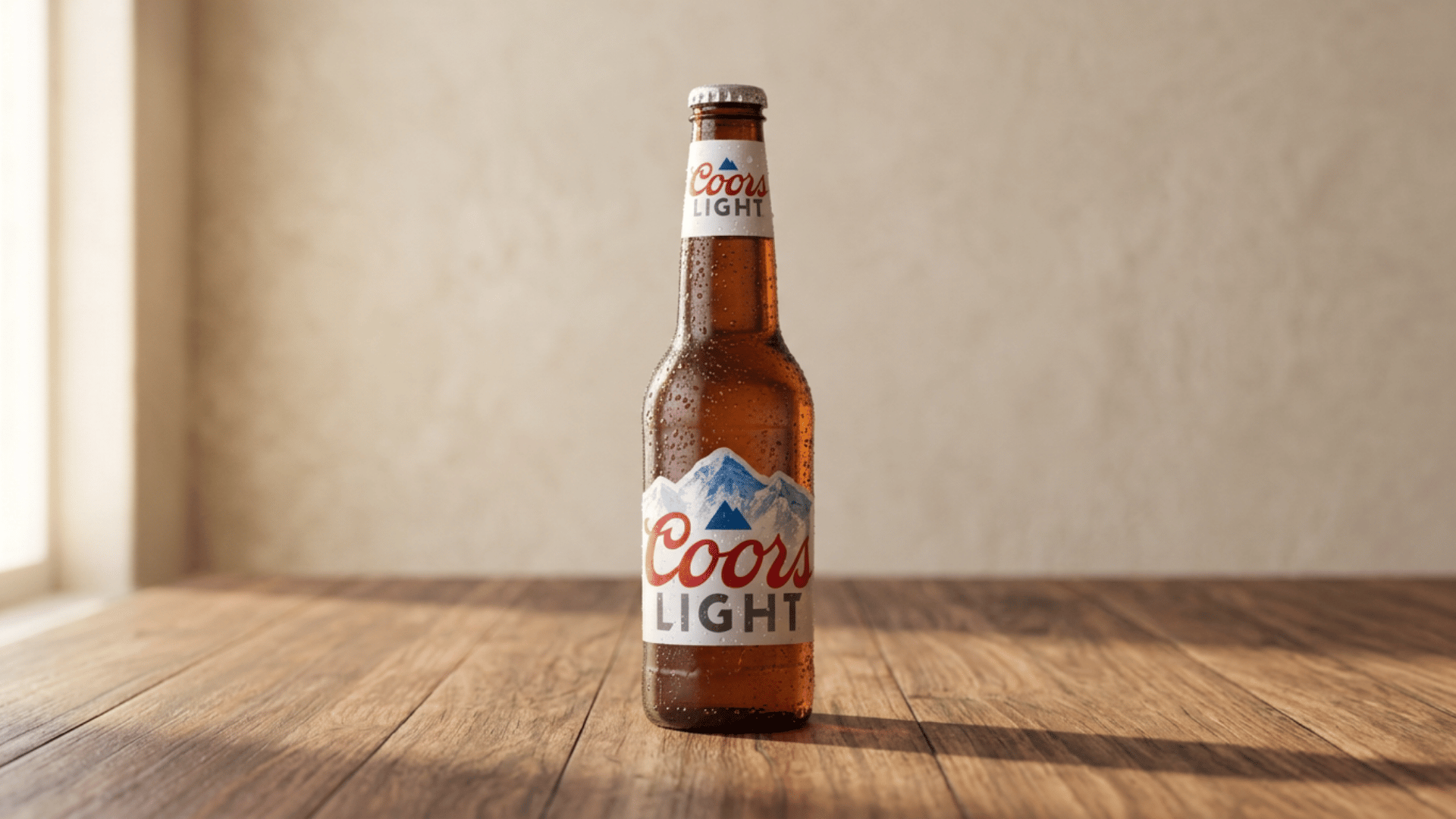
Coors Light sits toward the middle of this comparison when considering calories, carbohydrates, and alcohol content together.
- Calories: Provides approximately 102 calories per 12-ounce serving.
- Carbs: Contains around 5 grams of carbohydrates.
- ABV: At 4.2% ABV, its alcohol level matches Michelob Ultra and Miller Lite.
- Best for: A practical option for people who prefer a refreshing lager with a widely recognized taste.
Bud Light
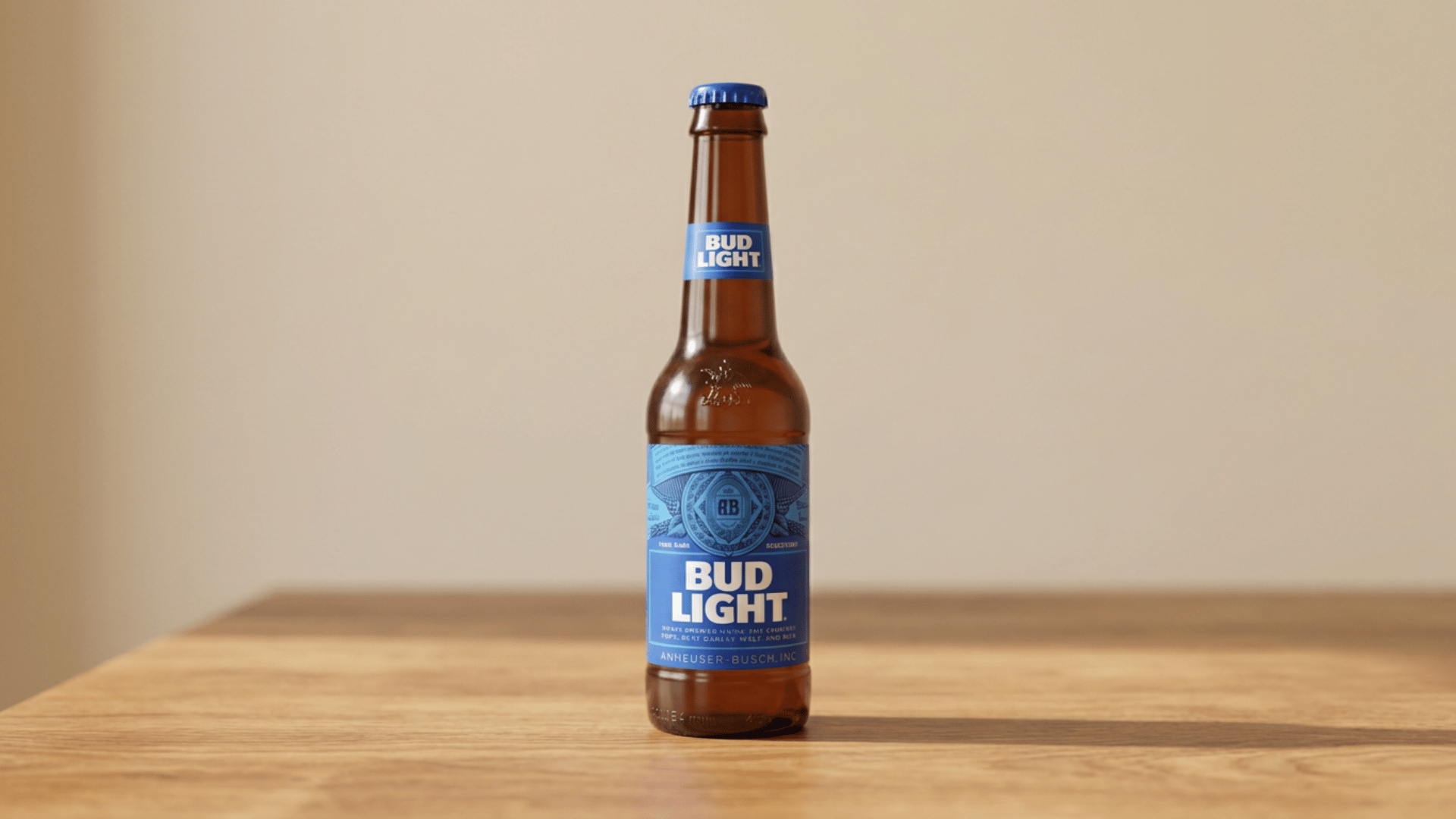
Bud Light contains the most calories and carbohydrates among these seven options, though it is still marketed as a light beer.
- Calories: Provides approximately 110 calories per 12-ounce serving.
- Carbs: Contains about 6.6 grams of carbohydrates.
- ABV: At 4.2% ABV, its alcohol content is comparable to several other light beers listed.
- Best for: Remains a familiar option for casual drinkers who prefer easy availability.
Non-Alcoholic Beer: Fewer Calories, Not Zero Trade-Offs
Non-alcoholic beer removes almost all the alcohol, though it’s worth knowing how much alcohol non-alcoholic beer actually has, and alcohol carries about 7 calories per gram. That’s where most of the calorie drop comes from.
| Beer | Calories | Carbs | ABV |
|---|---|---|---|
| Coors Non-Alcoholic | 58 | 12.2 g | <0.5% |
| Corona Non-Alcoholic | 60 | 17.5 g | <0.5% |
| Clausthaler Non-Alcoholic | 70 | 16 g | <0.5% |
Non-alcoholic beer can still contain carbs similar to or higher than regular light beer because malt sugars help preserve flavor. It can be a useful alternative for reducing alcohol intake, but it is not automatically a low-carb or healthier drink.
How to Choose a Lighter Beer
Choosing a lighter beer starts with comparing the nutrition information rather than relying only on the word “light.” Serving size, calories, carbohydrates, and ABV can differ considerably between products.
1. Check Calories: Compare calories using the same serving size, preferably 12 ounces.
2. Compare Carbs: Lower-carb options may better suit specific nutrition goals.
3. Look at ABV: Lower alcohol content generally means fewer alcohol-derived calories.
4. Check Serving Size: A larger pour can increase total calories even when the beer itself is light.
5. Read The Label: Compare the available nutrition information before making a choice.
The lighter option depends on which nutritional factor matters most, and it’s worth weighing that against the best-tasting light beer options so you’re not sacrificing flavor entirely.
Are Stouts and Craft Beers Healthier?
Guinness Draught is relatively moderate for a dark beer, with about 126 calories, 10 grams of carbs, and 4.2% ABV per 12 ounces. Its dark color comes mainly from roasted malt rather than added sweetness.
Not every stout has similar numbers. Imperial and barrel-aged versions can exceed 10% ABV and contain far more calories.
Hoppy beers also contain polyphenols from hops, but the amounts are relatively small.
Double IPAs and imperial styles usually contain more alcohol and calories, so any potential nutritional advantage should not make them a healthier choice.
Conclusion
The healthiest beer choice depends on what someone wants to prioritize, whether that means fewer calories, lower carbohydrates, or reduced alcohol intake.
Light beers may help reduce calorie intake, while non-alcoholic options can be useful for those reducing alcohol consumption. However, product differences still matter when choosing.
Checking factors like ABV, serving size, and nutrition information provides a clearer picture of what each option offers.
Choosing a beer based on personal goals can make comparisons easier and more practical. Found this information useful? Share it with others and leave a comment about your preferred lighter beer option.
Frequently Asked Questions
Does Higher ABV Mean More Calories in Beer?
Generally, higher alcohol content can increase a beer’s calorie count because alcohol contributes calories. Carbohydrates and serving size also affect the total.
Does Beer Contain Added Sugar?
Beer contains carbohydrates from grains, but added sugar varies by product and brewing method. Checking available nutrition information can help when sugar intake is a concern.
Does Serving Size Affect Beer Calories?
Yes. Calorie information is based on a specific serving size. A larger bottle, can, or pour can contain considerably more calories than the listed 12-ounce comparison.