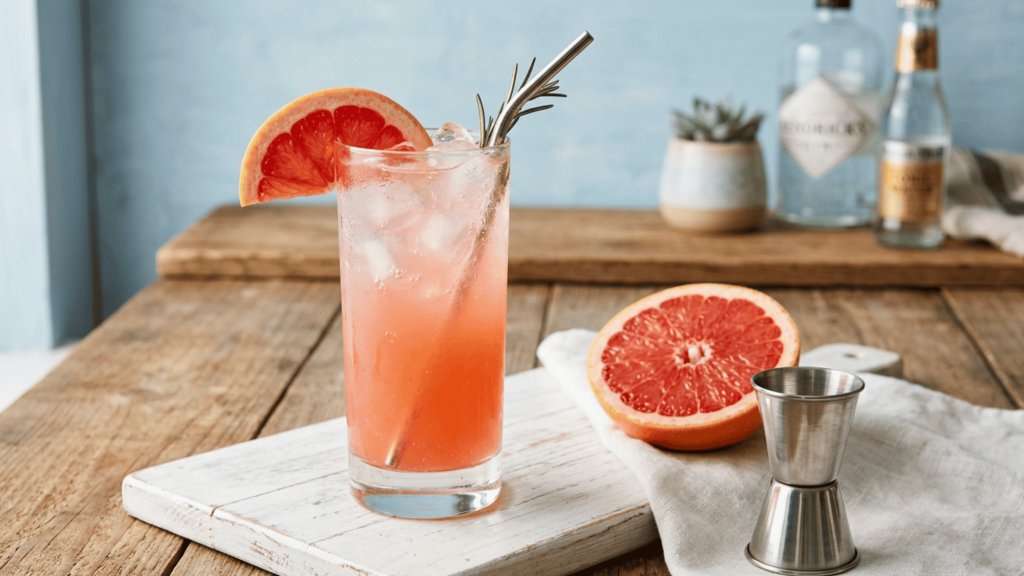


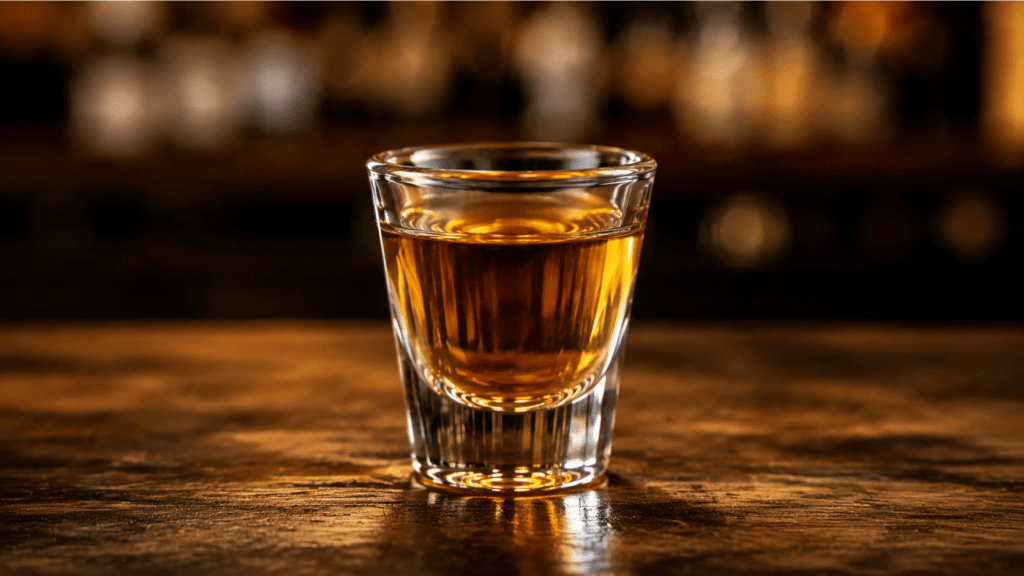
Whiskey is often considered one of the simpler alcoholic drinks when it comes to nutrition. Unlike beer, wine, or many cocktails, a standard pour contains virtually no carbs, sugar, or fat.
But it still contributes calories, and those calories can add up depending on the proof, serving size, and how you drink it.
You’re tracking calories, comparing whiskey to other alcoholic beverages, or simply curious about what’s in your glass; understanding the numbers can help you make more informed choices.
This guide breaks down whiskey calories by serving size, whiskey type, and popular cocktails, along with the factors that have the biggest impact on your total calorie intake.
What Determines the Calorie Count in Whiskey?
The calorie count in whiskey comes almost entirely from alcohol. Unlike beer, wine, or sugary cocktails, straight whiskey contains virtually no carbohydrates, fat, or added sugar.
This means that the calories in whiskey are primarily determined by its alcohol content and serving size.
Alcohol Content (ABV) is the Biggest Factor
The most important factor affecting whiskey’s calorie content is its alcohol by volume (ABV), also known as proof. Higher-proof whiskeys contain more alcohol in each ounce, which means they also contain more calories.
For example, a 100-proof whiskey will contain more calories per serving than an 80-proof whiskey, even if both are poured in the same amount. In general, the stronger the whiskey, the higher the calorie count.
Serving Size Matters Just as Much
The amount you pour has a direct impact on total calories. A standard 1.5-ounce shot contains fewer calories than a 2-ounce home pour or a 3-ounce double.
Even a small increase in serving size can significantly raise your calorie intake over multiple drinks.
This is why measuring pours can be helpful for anyone tracking calories or alcohol consumption.
Quick Takeaway
When it comes to whiskey calories, focus on proof and pour size. The higher the ABV and the larger the serving, the more calories you’ll consume, regardless of the whiskey style or brand.
Calories in Whiskey by Serving Size









Calories in Whiskey by Type
Here’s the short answer: at the same proof, all whiskey types have nearly identical calorie counts. Grain type, aging, and region affect flavor, not calories.
The breakdowns below reflect a standard 1.5 oz pour at 80 proof.
Blended Whiskey
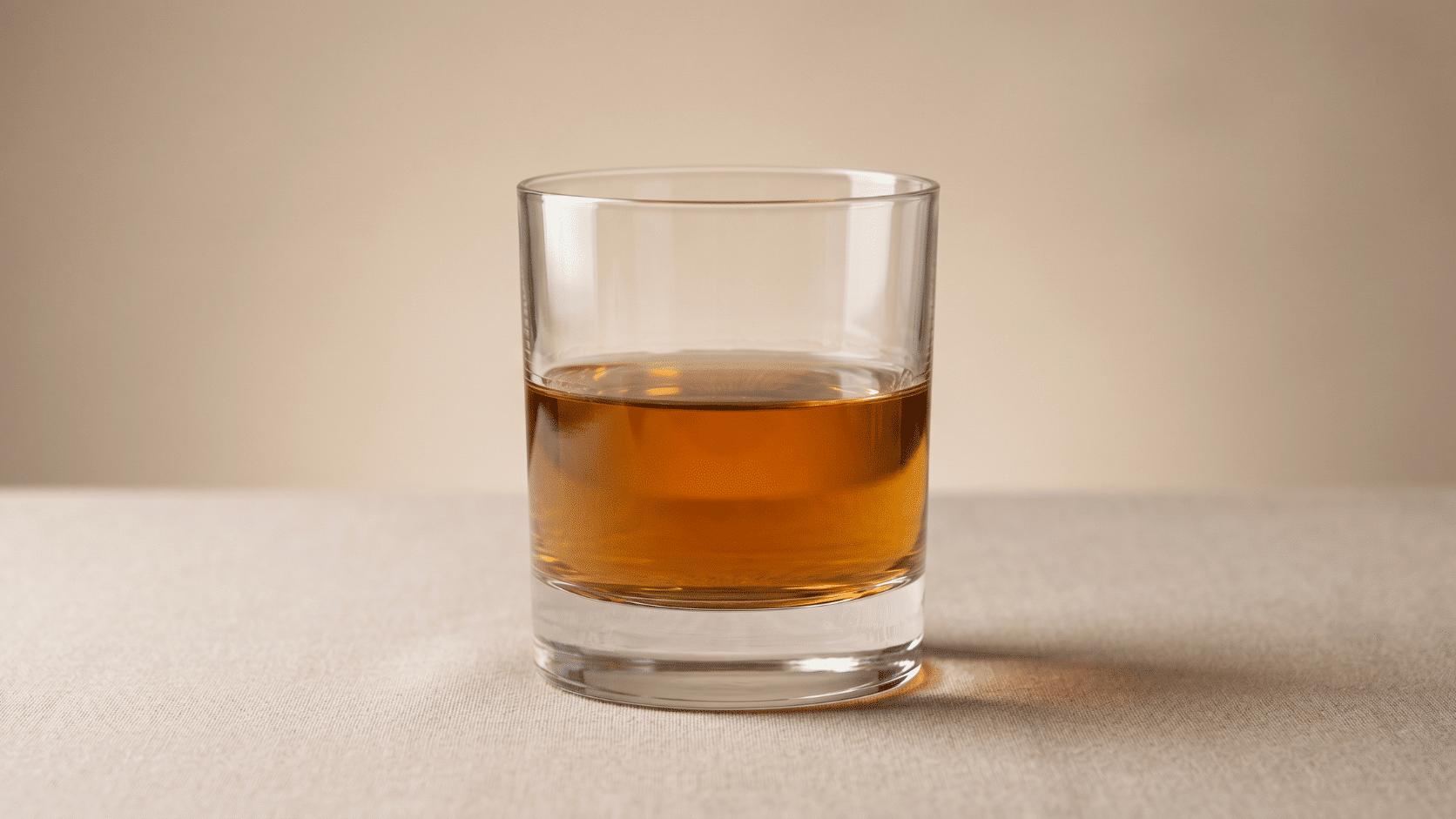
Made by combining grain and malt whiskies, blended whiskey is one of the most widely consumed styles in the world. Brands like Johnnie Walker and Seagram’s 7 fall into this category.
- Calories per 1.5 oz shot: ~96–105
- Carbs/sugar: 0g
- The smooth, approachable profile makes it popular in mixed drinks, though the mixer, not the whiskey, is where most of those cocktail calories live.
Bourbon
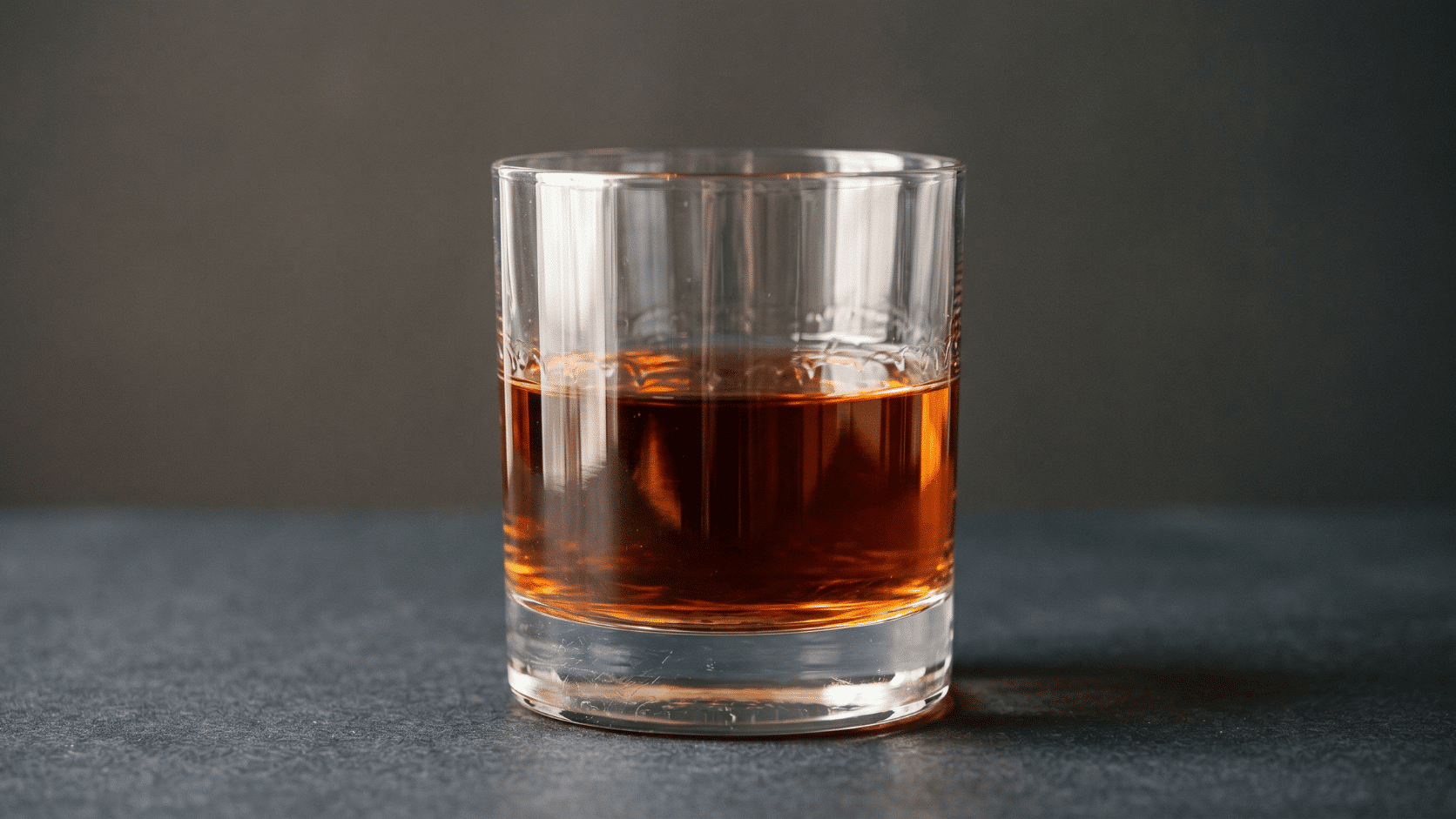
Bourbon must be made from at least 51% corn and aged in new charred oak barrels. It tastes sweeter than most whiskeys, but that flavor comes from the barrel, not added sugar.
There’s no more sugar in bourbon than in Scotch.
- Calories per 1.5 oz shot: ~96–105
- Carbs/sugar: 0g
- The perceived sweetness comes from the corn mash and barrel aging process, not from added sugar or extra carbohydrates.
Scotch Whisky
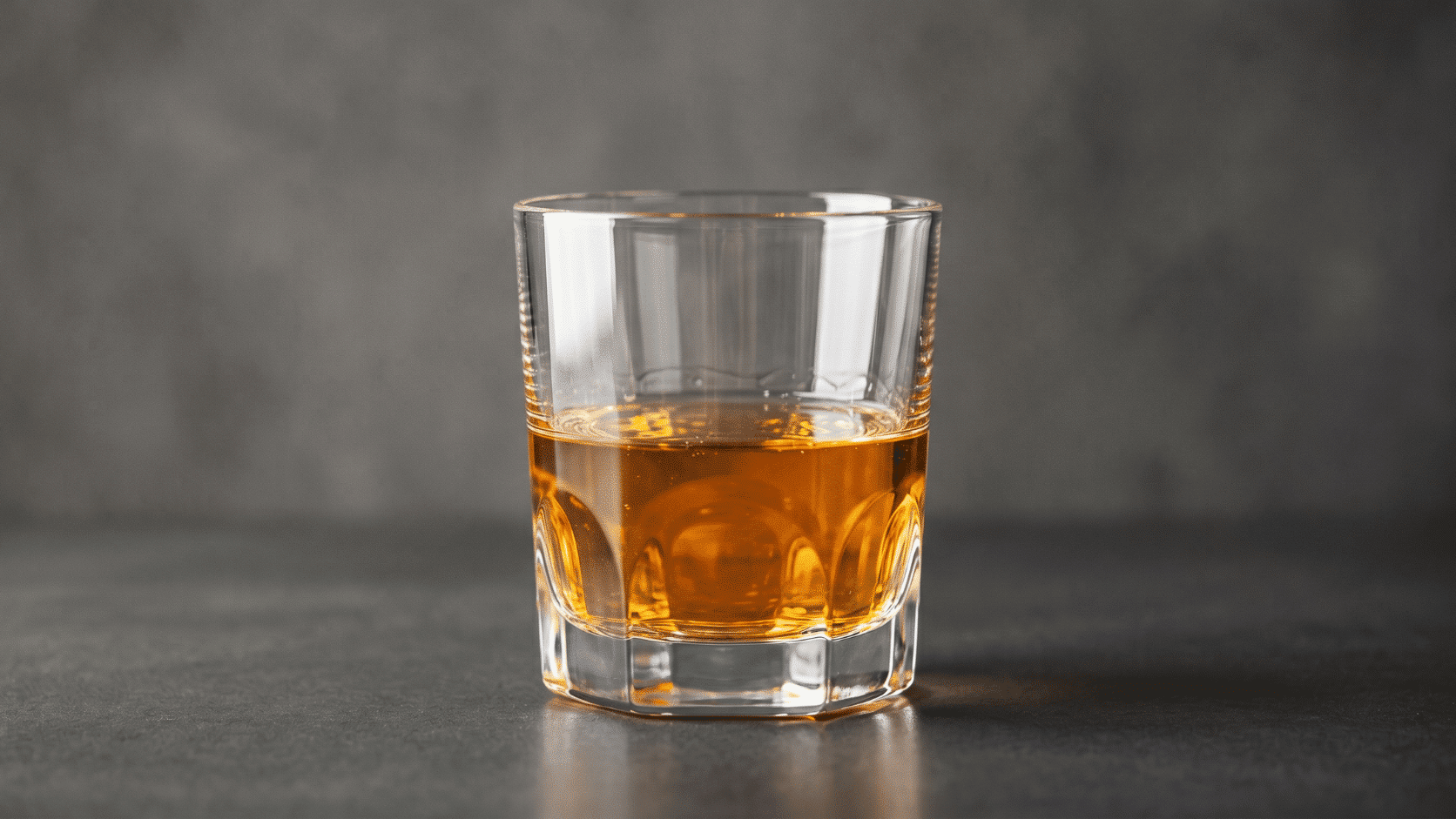
Scotch is produced in Scotland from malted barley, aged a minimum of three years, and often carries a smoky, complex flavor from peat. Single malts like Glenfiddich and blended Scotches like Johnnie Walker are both in this category.
- Calories per 1.5 oz shot: ~96–105
- Carbs/sugar: 0g
- The peaty, smoky flavor has no impact on calorie count; it’s purely a product of how the barley is dried.
Irish Whiskey
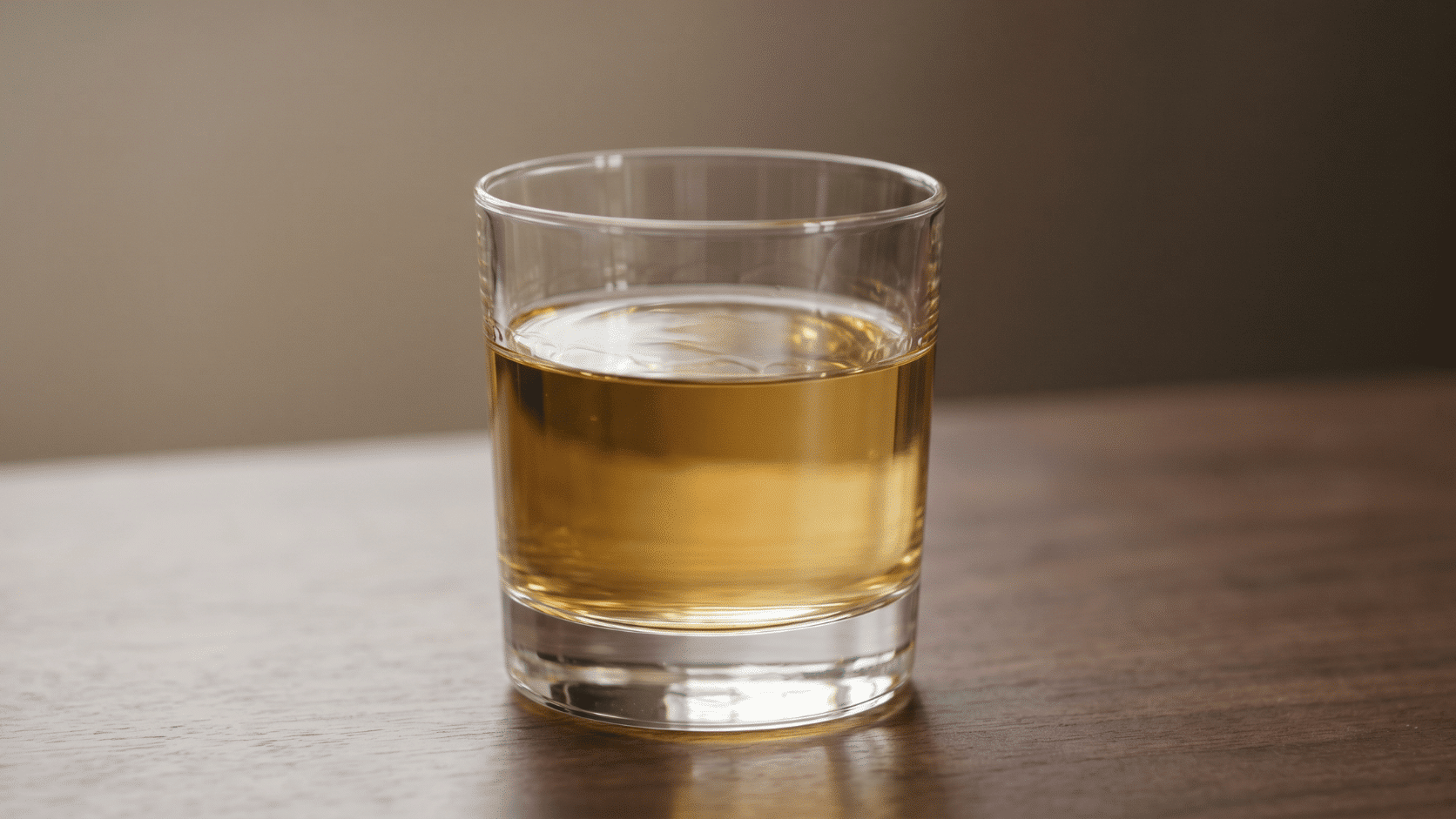
Irish whiskey tends to be lighter and smoother than Scotch, partly because it’s typically triple-distilled. Jameson is the best-known example globally.
- Calories per 1.5 oz shot: ~96–105
- Carbs/sugar: 0g
- Triple distillation doesn’t reduce calories; it just removes more impurities, resulting in a cleaner spirit.
Rye Whiskey
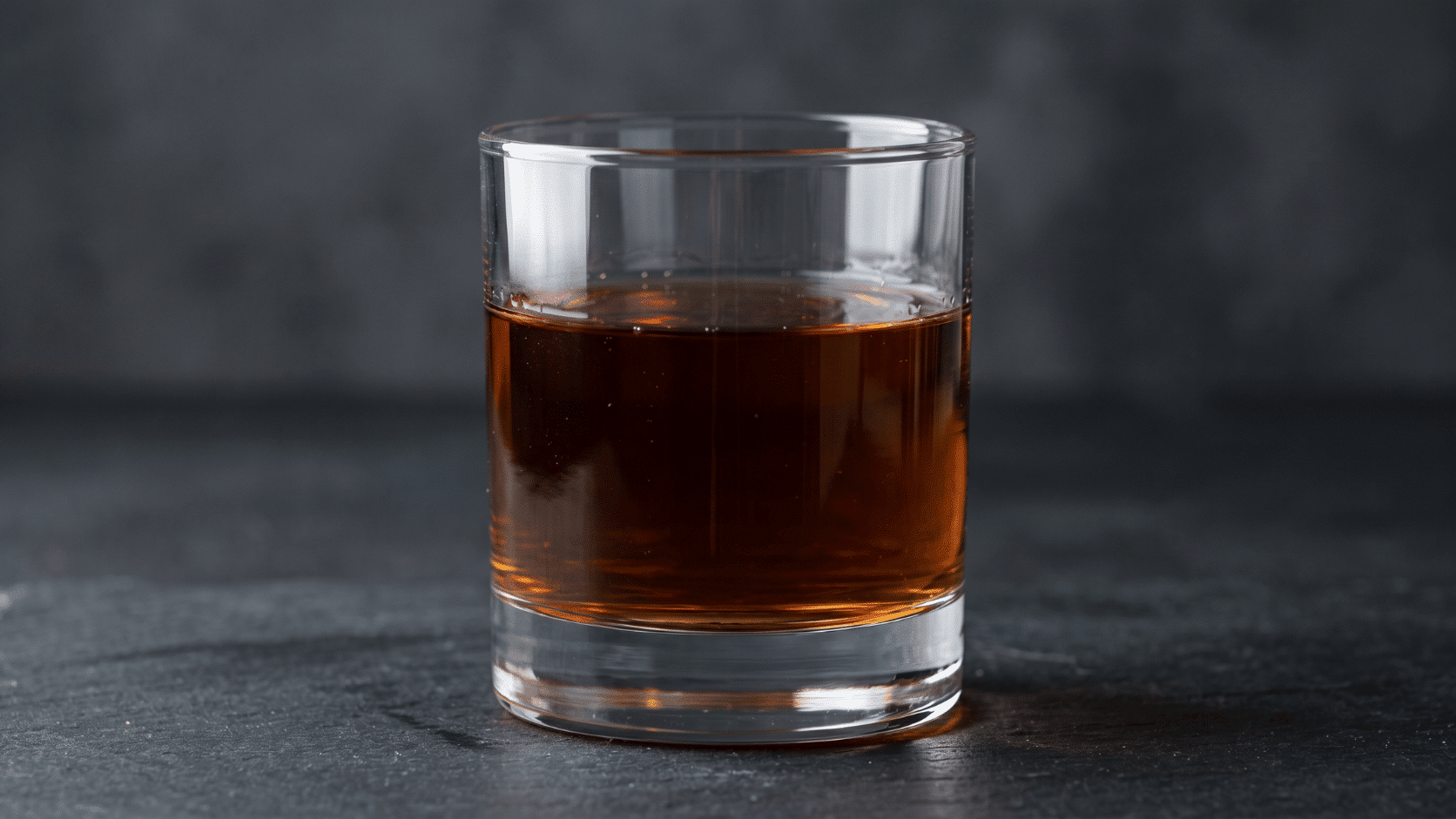
Rye whiskey uses a mash of at least 51% rye grain, giving it a spicier, drier flavor than bourbon. It’s the spirit of choice in cocktails like the Manhattan and Sazerac.
- Calories per 1.5 oz shot: ~96–105
- Carbs/sugar: 0g
- The grain change affects flavor only. Calorie content is the same as that of any other standard-proof whiskey.
Flavored Whiskey
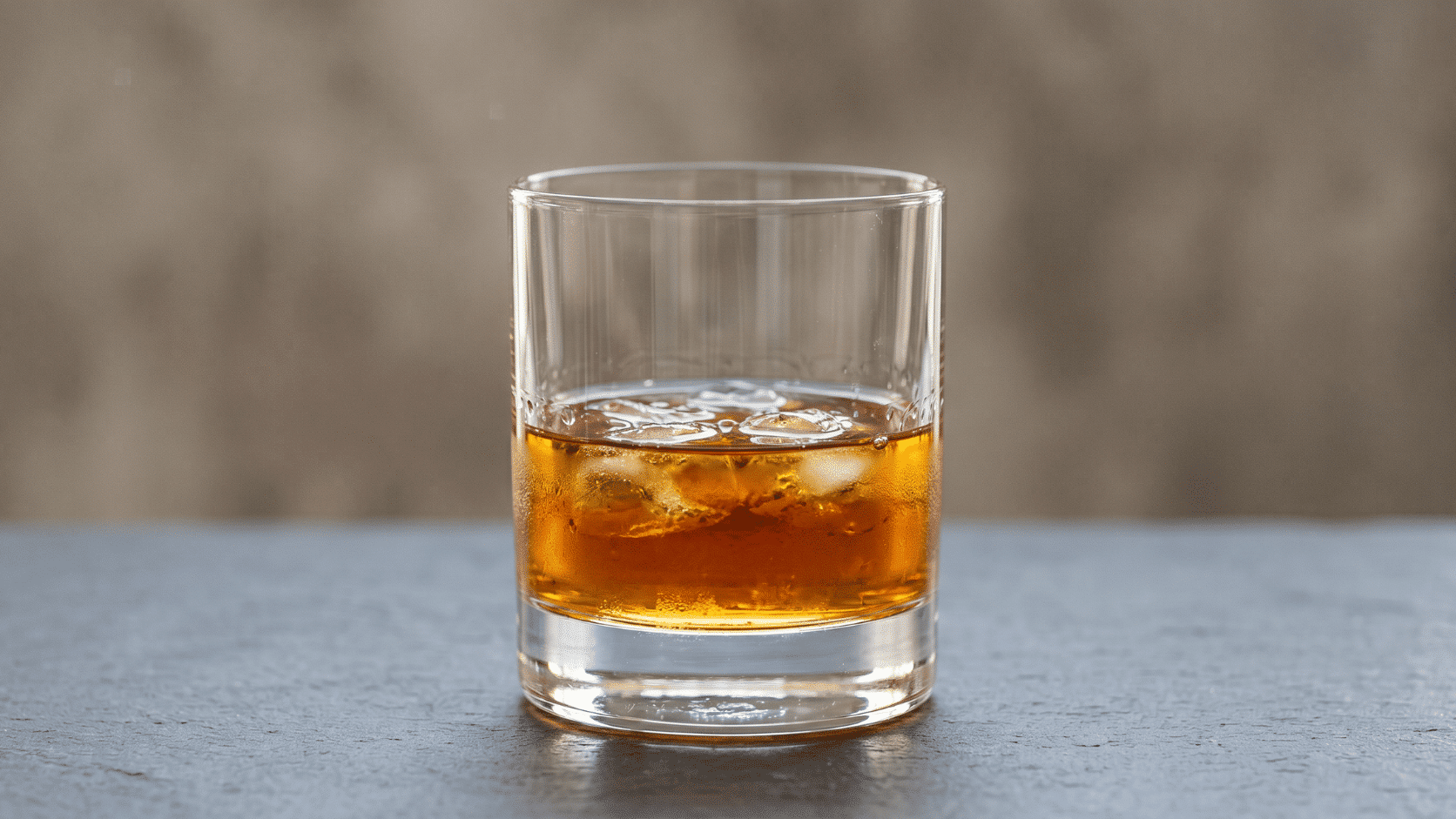
This is the one exception worth flagging. Flavored whiskeys, such as honey whiskey, cinnamon whiskey, and apple whiskey, often contain added sugars and flavorings. The ABV is also typically lower.
- Calories per 1.5 oz shot: ~70–110 (varies by brand)
- Carbs/sugar: May contain 1–10g of added sugar depending on the product
- Always check the label or brand’s nutrition data for flavored varieties; they don’t follow the same rules as straight whiskey.
Key takeaway: For unflavored whiskey, type and region don’t move the calorie needle. Proof does. Check the bottle’s ABV, not the style.
How Whiskey Calories Compare to Other Alcohol
Whiskey often comes out looking favorable in alcohol calorie comparisons, mostly because the serving size is small. Here’s how it stacks up.
| Drink | Standard Serving | Approximate Calories | Carbs |
|---|---|---|---|
| Whiskey (80-proof) | 1.5 oz | ~96–105 | 0g |
| Vodka (80-proof) | 1.5 oz | ~96–100 | 0g |
| Tequila (80-proof) | 1.5 oz | ~96–100 | 0g |
| Rum (80-proof) | 1.5 oz | ~96–100 | 0g |
| Red wine | 5 oz | ~120–130 | ~3–4g |
| White wine | 5 oz | ~115–125 | ~3–4g |
| Regular beer | 12 oz | ~150–200 | ~12–15g |
| Craft/IPA beer | 12 oz | ~200–300 | ~15–25g |
The calorie difference between whiskey and other base spirits (vodka, tequila, rum) is minimal; they’re all distilled, zero-sugar spirits in the same proof range.
The bigger gap is between spirits and wine or beer, where the serving sizes are larger, and carbohydrates add to the total.
Calories in Popular Whiskey Cocktails
Straight whiskey is around 100 calories. Add a mixer, and that number can more than double, depending on what’s in the glass.
The whiskey itself isn’t the issue; it’s the sugar, syrups, and sodas that go with it.
| Cocktail | Approx. Calories | Main Calorie Source |
|---|---|---|
| Whiskey neat / on the rocks | ~96–105 | Whiskey only |
| Whiskey highball (whiskey + soda water) | ~96–110 | Whiskey only |
| Manhattan | ~140–200 | Sweet vermouth |
| Old Fashioned | ~150–220 | Sugar cube + bitters |
| Whiskey & Cola | ~180–260 | Cola (added sugar) |
| Whiskey Sour | ~160–250 | Sweetened sour mix or simple syrup |
| Hot Toddy | ~150–200 | Honey |
| Irish Coffee | ~210–300 | Sugar + whipped cream |
The whiskey highball, whiskey plus plain soda water, is the cleanest option if you want to keep calories low while still having a mixed drink.
The carbonation gives it body without adding a single calorie.
Low-Calorie Ways to Drink Whiskey
If you’re watching intake, the rules are simple:
- Drink It Neat or on the Rocks: This keeps the calorie count exactly at the base number, nothing added.
- Use Soda Water as a Mixer: Zero calories, no sugar, no impact on your total.
- Avoid Pre-Made Cocktail Mixes: Bottled sours, cocktail syrups, and flavored sodas all add sugar. Some add a surprising amount; a flavored soda mixer can add 100+ calories on its own.
- Choose 80-Proof over High-Proof: The calorie difference between an 80-proof and a 100-proof pour is about 15–20 calories per shot, but over multiple drinks, it adds up.
- Measure Your Pour: The single most reliable way to track calories accurately. Even a small kitchen measuring cup is enough; a 1.5 oz pour versus a 2.5 oz eyeballed pour is a 60–70 calorie difference.
Does Whiskey Cause Weight Gain?
Whiskey itself does not directly cause weight gain.
A standard shot contains around 100 calories, and as long as your overall calorie intake stays within your daily needs, occasional whiskey consumption is unlikely to affect your weight.
However, alcohol can make weight management more difficult. Your body prioritizes processing alcohol before burning fat, which can temporarily slow fat metabolism.
It may also increase appetite and lower inhibitions, leading to extra snacking or larger meals. In addition, mixers such as cola, syrups, and sweet cocktail ingredients can add significant calories.
When consumed in moderation, whiskey is one of the lower-calorie alcoholic drinks. The bigger impact on weight often comes from mixers and food choices rather than the whiskey itself.
Conclusion
Whiskey is one of the lower-calorie alcoholic drinks, with a standard 1.5-ounce shot containing roughly 100 calories and virtually no carbs, sugar, or fat.
While different whiskey styles may vary in flavor, their calorie counts remain largely similar when the proof is the same.
A neat pour or whiskey highball will keep calories relatively low, while sugary cocktails can significantly increase the total.
If you’re watching your calorie intake, paying attention to proof, pour size, and mixers will make a far bigger difference than choosing between bourbon, Scotch, rye, or Irish whiskey.
Frequently Asked Questions
Is Whiskey the Lowest-Calorie Alcohol?
Whiskey is relatively low in calories compared to beer and wine, but not always the absolute lowest among all alcoholic drinks.
Does Alcohol Increase Belly Fat?
Alcohol can contribute to belly fat when consumed in excess, mainly by adding extra calories and slowing fat metabolism.
What is the 20 Minute Rule for Alcohol?
The 20-minute rule suggests alcohol takes about 20 minutes to start affecting the body after consumption begins.