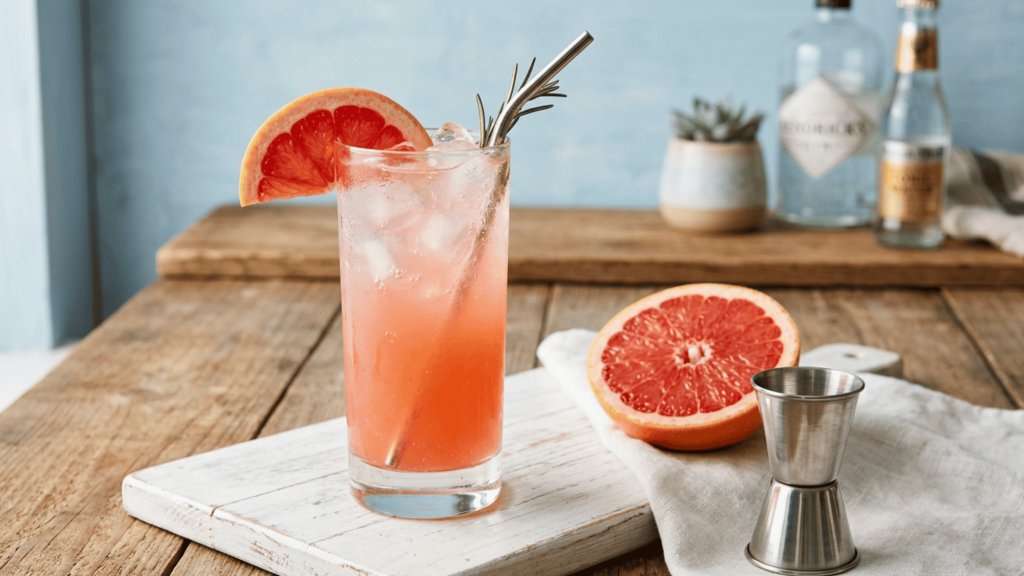


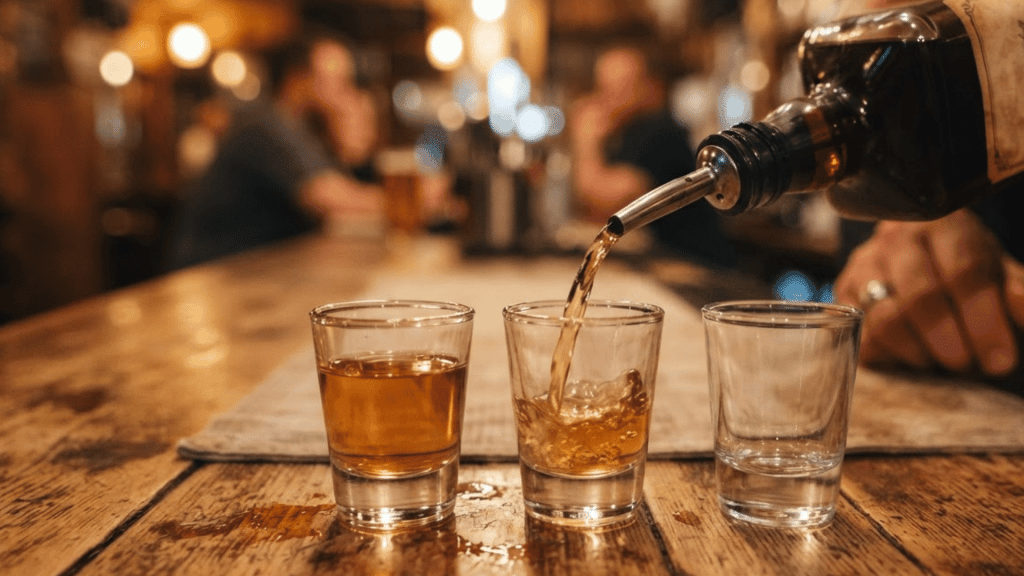
A large bottle of liquor can look like plenty, but serving math gets tricky once glasses start filling. Without a clear serving count, it is easy to misjudge how far one bottle will actually go.
Knowing how many shots in a handle makes party planning, cocktail prep, and bottle comparisons much easier.
The final serving count depends on the size of each pour, so the same bottle can provide very different numbers of drinks.
That simple number can help prevent buying far too much or running short. Keep reading for clear conversion math, bottle comparisons, country-based shot sizes, and easy tips for getting more consistent pours.
What is a Handle of Liquor?
A handle of liquor is a large bottle that holds 1.75 liters, or 1,750 milliliters. That equals about 59.2 US fluid ounces.
The term “handle” comes from the large bottle format, since many bottles of this size have a grip that makes them easier to carry and pour.
Handles are commonly sold for popular types of liquor such as vodka, whiskey, rum, gin, and tequila. They contain more than twice the liquid found in a standard 750 ml bottle, often called a fifth.
Because the bottle is fairly large, handles are often used for parties, group events, cocktail preparation, and home bars.
Knowing the exact bottle volume also makes it easier to estimate shots, cocktail servings, and the amount of liquor needed for recipes.
How Many Shots in a Handle of Liquor?
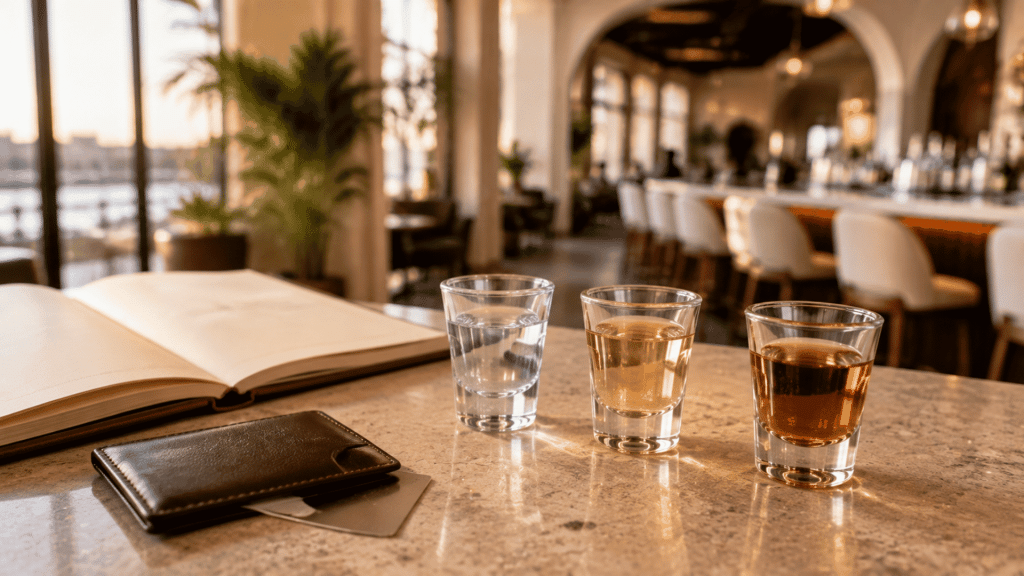
A 1.75-liter handle contains about 39 to 40 standard 1.5-ounce shots. The bottle holds roughly 59.2 US fluid ounces, so dividing that amount by 1.5 gives about 39.5 shots.
The number changes when the pour size changes. Smaller 1-ounce pours produce almost 59 shots, while 2-ounce pours give close to 30.
For quick planning, 39 to 40 shots is a useful estimate when using the common US 1.5-ounce measure.
| Shot Size | Approximate Shots in a 1.75L Handle |
|---|---|
| 1 oz | 59 |
| 1.25 oz | 47 |
| 1.5 oz | 39–40 |
| 2 oz | 29–30 |
How to Calculate The Number of Shots in a Handle
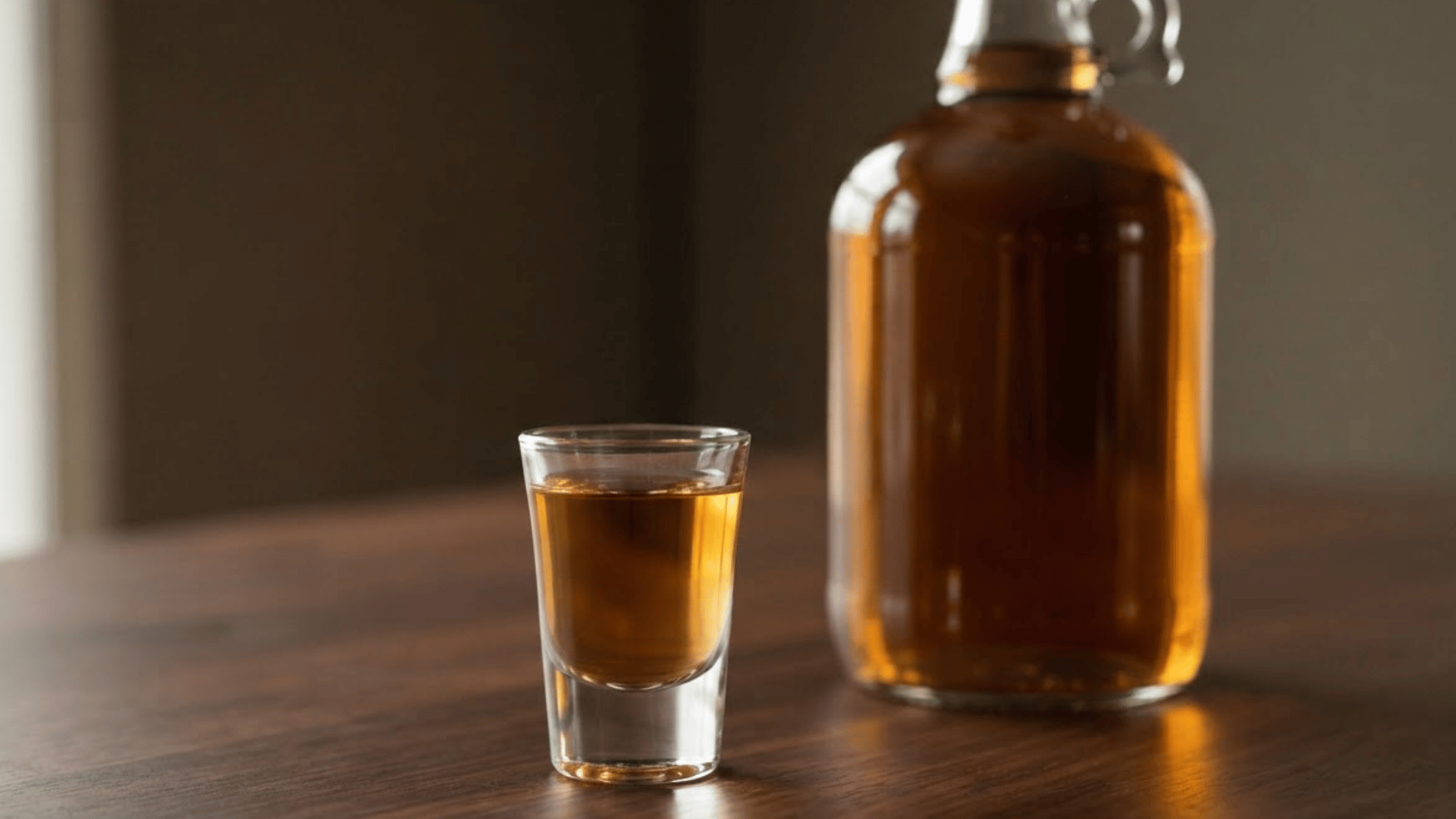
The calculation only needs the bottle volume and the size of each pour. Once both measurements use the same unit, simple division gives the estimated number of shots.
1. Find The Total Bottle Volume
A standard handle contains 1.75 liters of liquor. That equals 1,750 milliliters or about 59.2 US fluid ounces. Start with this total because it represents all the liquid available in the bottle.
Ounces work well when the shot glass or jigger is marked in ounces, while milliliters are often easier for metric measuring tools, the same approach used for figuring shots in a liter on a smaller bottle.
Either method gives nearly the same final estimate once the units are converted correctly. Keeping both numbers handy also makes other serving calculations much easier.
2. Check The Size of Each Shot
Next, check how much liquid goes into each shot. A common US reference for spirits is 1.5 fluid ounces, which is about 44 milliliters. However, actual glasses and measured pours can hold different amounts.
A small pour may be 1 ounce, while a larger serving may reach 2 ounces. This difference can change the total count by many servings.
For the most useful estimate, base the calculation on the jigger, shot glass, or recipe measurement actually being used.
3. Divide The Bottle Volume by The Shot Size
Once both measurements use the same unit, divide the bottle volume by the amount used for one shot. For a common 1.5-ounce serving, the calculation is simple:
59.2 ÷ 1.5 = about 39.5 shots
Since a bottle cannot usually provide half a full measured pour, this is commonly stated as about 39 to 40 shots.
The same formula works with other sizes. For example, dividing 59.2 ounces by 2 gives roughly 29.6 two-ounce pours from one handle.
4. Allow for Small Pouring Differences
Mathematical totals assume every drop from the bottle reaches the measuring tool. Real serving conditions can produce slightly different results.
For that reason, the calculated number works best as an estimate rather than a guaranteed serving count.
When planning drinks for a gathering, using measured pours makes the total much more predictable. A jigger also helps keep each serving close to the amount used in the original calculation.
Shots in a Handle vs. Other Bottle Sizes
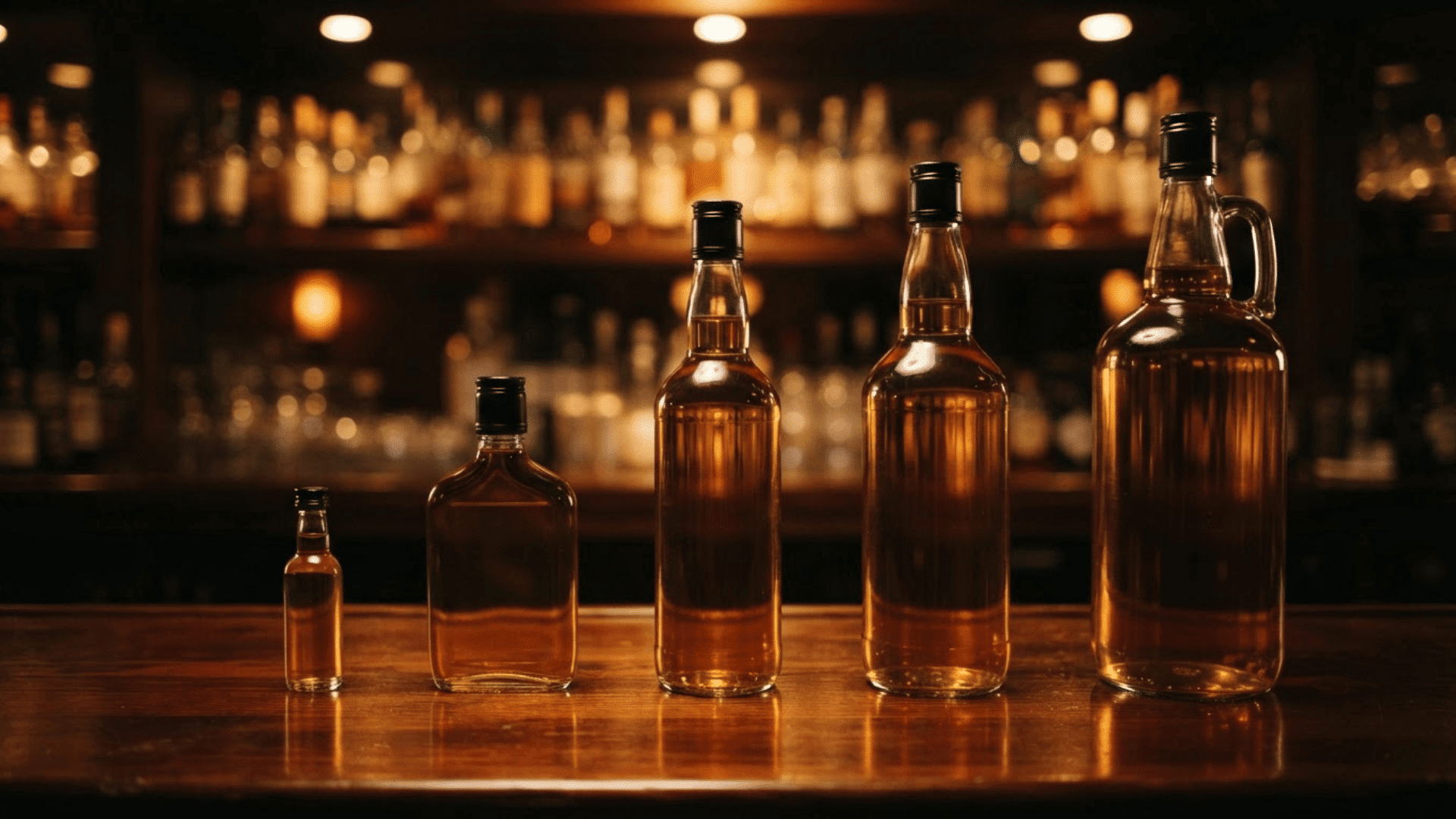
A handle is one of the larger common liquor bottle sizes, and comparing it with smaller bottles makes serving estimates easier.
-
50 ml Mini Bottle: A mini contains slightly more than one common US 1.5-ounce shot, making it one of the smallest single-serving bottle formats.
-
375 ml Bottle: This smaller bottle contains about 8.5 standard 1.5-ounce pours and holds roughly half the liquor found in a 750 ml bottle.
-
750 ml Bottle: Often called a fifth in the US, this size provides about 16 to 17 pours when each serving measures 1.5 ounces.
-
1-Liter Bottle: A full liter contains roughly 33.8 US fluid ounces, giving about 22 standard 1.5-ounce pours when measured consistently.
-
1.75-Liter Handle: At about 59.2 US fluid ounces, a handle provides roughly 39 to 40 standard 1.5-ounce pours.
Shot Size by Country: US vs. UK vs. Australia
Shot measurements are not the same in every country. In the United States, 1.5 fluid ounces of 40% spirits is used by the NIAAA as an example of one standard drink.
That works out to about 44 milliliters. In the UK, gin, rum, vodka, and whisky sold by the glass must use 25 ml or 35 ml measures, or multiples of the chosen size.
Australia uses a different system for standard drinks. One Australian standard drink contains 10 grams of pure alcohol, and 30 ml of 40% spirits is an example of one standard drink.
These differences mean the number of measured servings from the same bottle can change by country.
Tips for Pouring Accurate Shots from a Handle
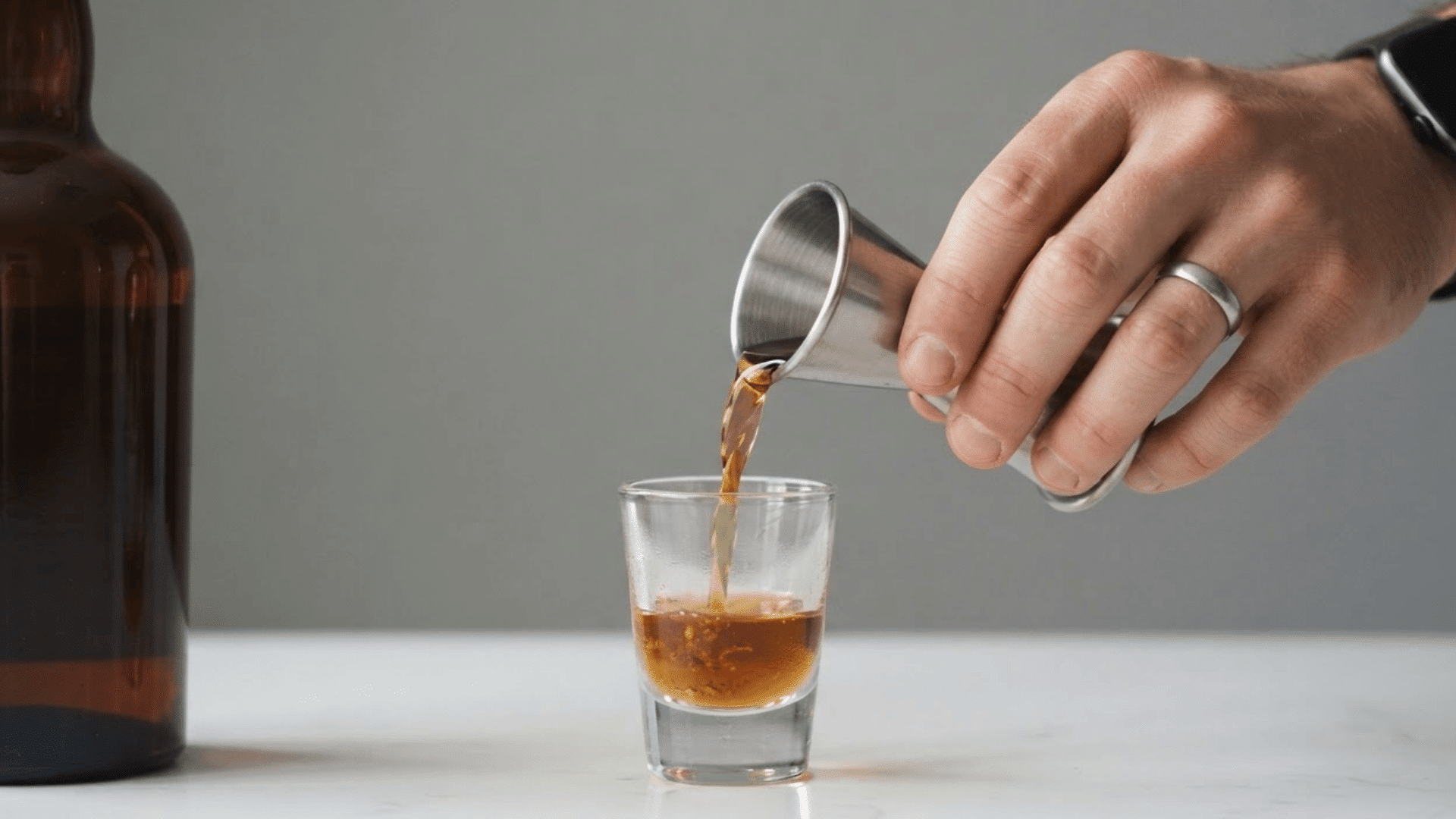
Small differences can add up quickly when pouring from a 1.75-liter bottle. A few simple habits can make serving estimates much more consistent.
- Use a Jigger: A marked jigger gives a clear measurement and reduces the chance of pouring far more or less than the amount used in calculations.
- Check The Shot Glass Capacity: Bar glasses, pint glasses, and shot glasses all vary in size, so confirm the actual volume instead of assuming every glass holds 1.5 ounces.
- Pour on a Steady Surface: Holding the measuring tool over a flat counter can reduce spills and make it easier to stop at the correct measurement line.
- Measure Cocktail Ingredients Separately: Recipes may call for 1, 1.5, or 2 ounces of liquor, so follow the stated amount instead of using one fixed pour.
- Keep Serving Sizes Consistent: Using the same measuring tool for each pour helps the bottle last closer to the calculated number of servings.
Conclusion
One large bottle can go a long way, but accurate serving math makes that bottle far easier to plan around.
A simple jigger and a known pour size can mean the difference between a reliable estimate and a bottle that empties sooner than expected.
Keep the 1.75-liter volume in mind, measure pours instead of guessing, and use the conversion that fits the serving size.
Save the bottle-size chart for the next party, home-bar setup, or cocktail batch so the math takes only a few seconds.
Frequently Asked Questions
Can a Handle Have a Different Alcohol Percentage?
Yes. Bottle volume and alcohol percentage are separate measurements, so two 1.75-liter bottles can have different alcohol strengths.
Does Ice Affect the Number of Shots in a Handle?
Ice does not change the liquor inside the bottle. It only changes the total volume and dilution of the finished drink.
Can The Same Calculation be Used for Cocktail Batching?
Yes. Divide the bottle volume by the amount of liquor required for each cocktail to estimate how many drinks the bottle can supply.