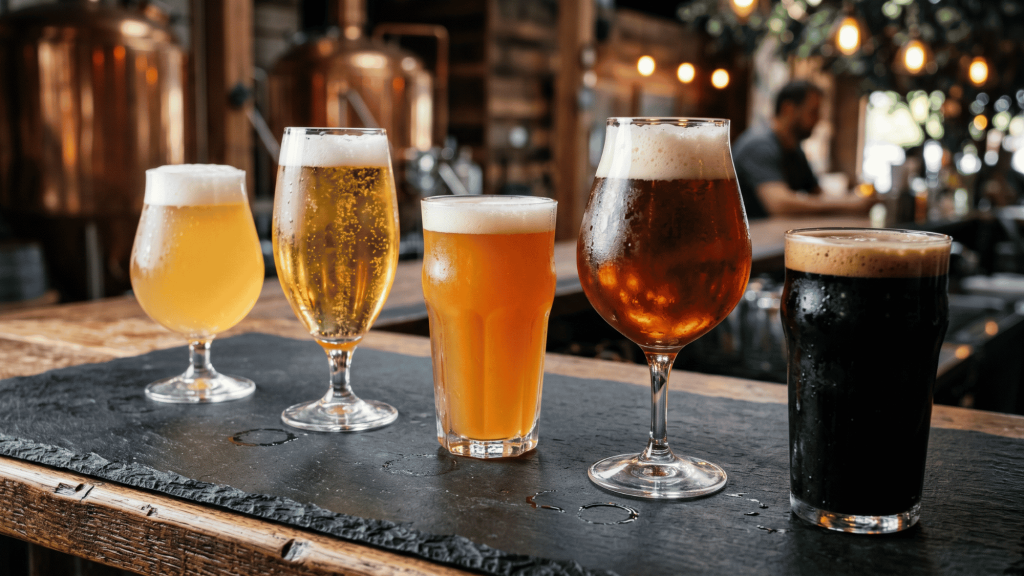


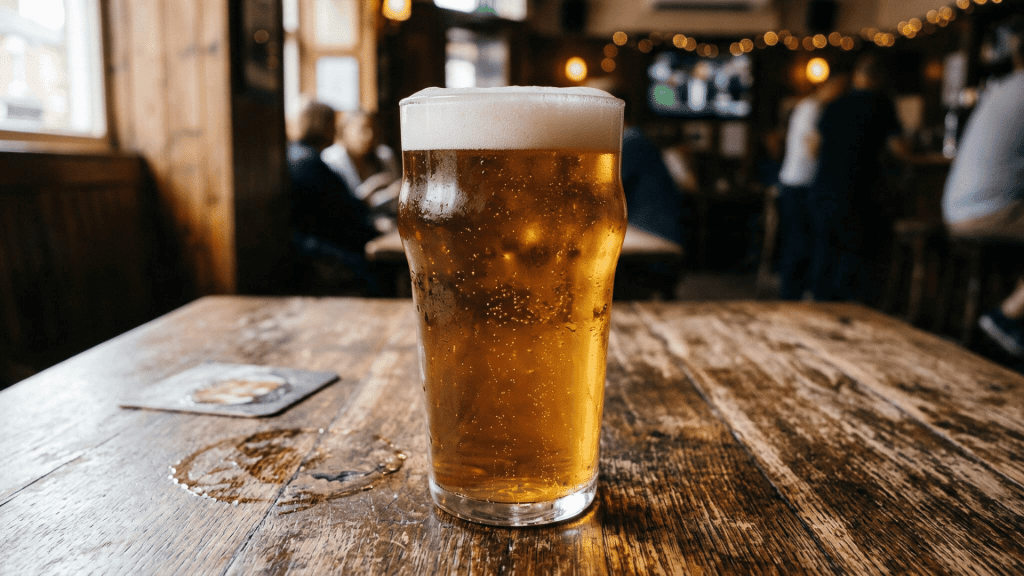
Can a light-tasting beer still contain a noticeable amount of carbohydrates? The answer may be surprising, especially since alcohol itself is not a carb.
Beer gets its carbohydrates from brewing grains, while fermentation determines how much remains in the finished drink. These carbohydrates mainly come from brewing grains and compounds that remain after fermentation.
This blog explains how many carbs are commonly found in beer, why beer is considered high-carb, and how alcohol relates to carbohydrates and calories.
Keep reading before raising the next glass; the carb count may surprise you.
How Many Carbs are in Beer?
A regular 12-ounce beer typically contains 10 to 15 grams of carbohydrates. Light beers often contain between 2 and 7 grams, while strong, sweet, or specialty beers may contain 15 grams or more.
Carbohydrate content varies because breweries use different grains, ingredients, yeast strains, and fermentation methods. The serving size also affects the total.
For example, a 16-ounce pint contains more carbs than a 12-ounce bottle of the same beer. An official product label or brewer nutrition page provides the most reliable figure.
When verified details are unavailable, the beer style can offer a useful estimate but it should not be treated as an exact carbohydrate count for that particular product.
Why Does Beer Contain Carbohydrates?
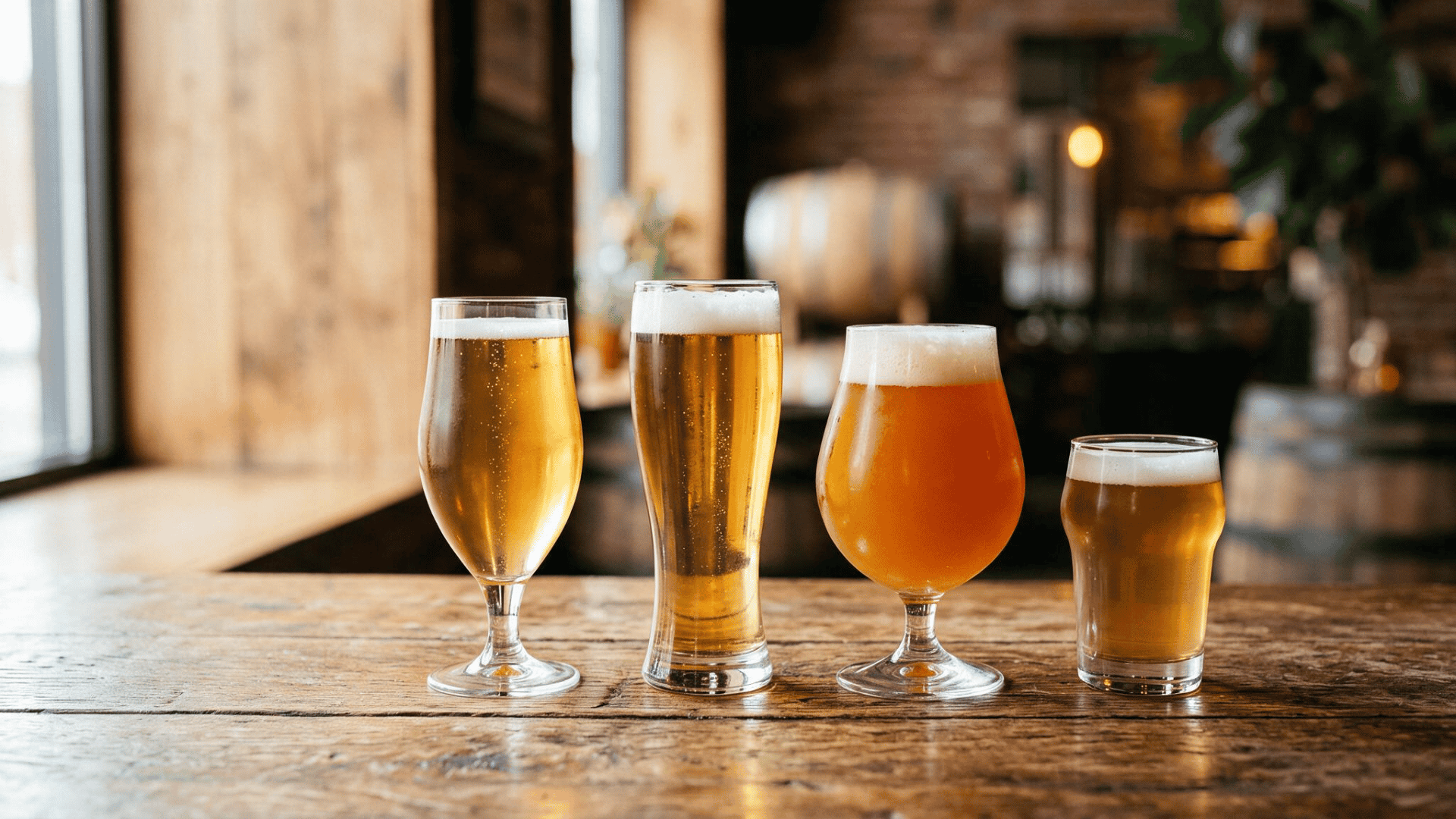
Beer is considered high in carbohydrates because it is brewed from starch-rich grains such as barley and wheat.
During mashing, grain starches break down into sugars that yeast uses during fermentation, a process that shapes how beer is made from start to finish. However, yeast cannot consume every sugar or complex carbohydrate.
The remaining carbohydrates, including dextrins, stay in the finished beer and add body and texture. Some recipes also include fruit, honey, lactose or extra grains, which may increase the total.
Beer usually contains more carbs than dry wine or plain distilled spirits because those drinks retain fewer grain-based carbohydrates. Multiple servings can also quickly raise total carb intake.
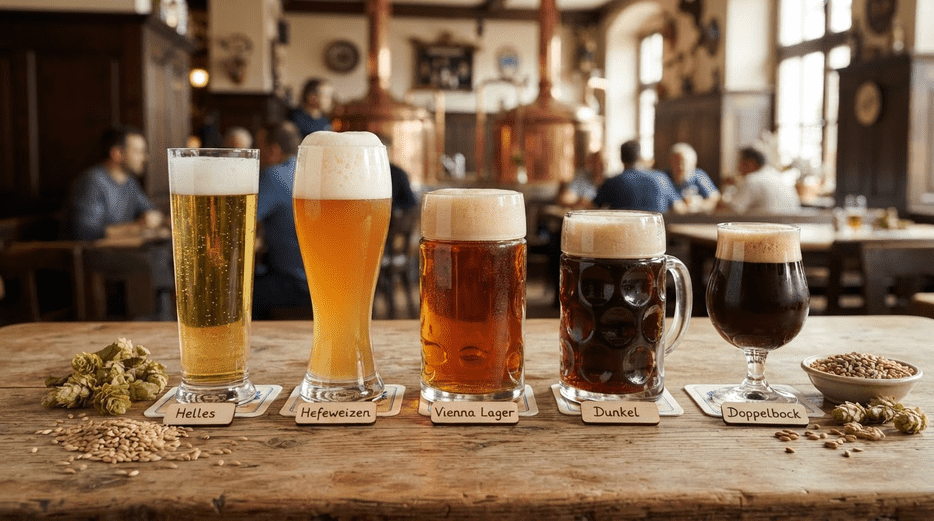
Carbs in Different Types of Beer
The table compares typical carbohydrate ranges across common beer types and explains why their totals may differ, including where a beer like PBR’s carb count tends to land within the regular lager range.
| Beer type | Serving size | Typical carb range | Main reason for variation |
|---|---|---|---|
| Light beer | 12 oz | 2–7 g | More complete fermentation |
| Regular lager or ale | 12 oz | 10–15 g | Moderate residual carbohydrates |
| IPA or specialty beer | 12 oz | 15–25+ g | Larger grain bill or added ingredients |
| Non-alcoholic beer | 12 oz | Varies widely | Limited fermentation or remaining sugars |
These are general estimates, not fixed nutritional standards. Actual carbohydrate content varies by product and serving size.
Breaking Down The Carbs and Calories
Alcohol, carbohydrates, calories and ABV describe different parts of a beer’s nutritional profile:
- Alcohol: Ethanol is not a carbohydrate, but it provides about seven calories per gram.
- Carbohydrates: Beer contains residual carbohydrates left from grains and other ingredients after fermentation.
- Calories: Total calories can come from both alcohol and carbohydrates, so low-carb beer is not necessarily low-calorie.
- ABV: Alcohol by volume measures alcohol strength, not carbohydrate content. A higher ABV does not always mean more carbs.
- Blood glucose: Alcohol may complicate blood-glucose management, especially for people taking certain diabetes medications.
How Multiple Beers Affect Total Carb Intake?
Carbohydrate totals increase with every serving, even when each beer appears moderate on its own. One regular 12-ounce beer contains 12 grams of carbohydrates, which becomes 24 grams after two servings and 36 grams after three.
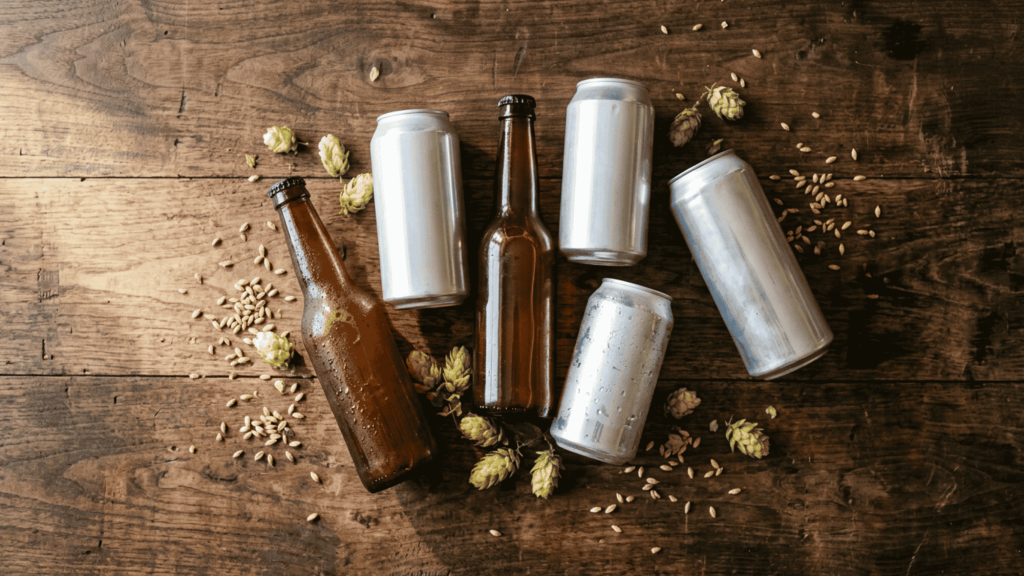
Larger cans and pints also raise the total because nutrition figures commonly use a 12-ounce reference serving.
A 24-ounce container may provide approximately twice the carbohydrates listed for 12 ounces of the same beer.
Consider drink strength separately from serving volume. The NIAAA defines a standard beer serving as 12 ounces at 5% ABV, but stronger beers may contain more alcohol within the same volume.
How to Check Beer Carb Counts
Finding an accurate beer carb count requires reliable nutrition data and a consistent serving size because recipes, labels, and container volumes can vary widely across brands.
- Check the brewer’s official product or nutrition page first.
- Confirm whether the figure applies to 12 ounces, a bottle, a can, or another serving.
- Compare carbohydrates, sugar, calories, and ABV as separate values.
- Use style averages only when verified product data is unavailable.
- Avoid treating ABV, color, sweetness, or mouthfeel as exact measures of carbs.
- Use the NIAAA standard drink information when comparing alcohol servings.
Note: This blog offers general nutrition information, not medical advice. People with diabetes, prescribed diets, or medications should consult a healthcare professional before drinking alcohol.
Can Beer Fit Into a Low-Carb Diet?
Beer can fit some low-carb eating plans when the product, serving size, drinking frequency, and total daily carbohydrate intake are considered together carefully in advance.
- Choose Lower-Carb Options: Light beers containing two to seven grams of carbs, similar to most light beer options, use less of the daily carbohydrate allowance.
- Check Serving Size: Larger cans, bottles, and pints contain more carbohydrates than the standard serving listed on nutrition information.
- Count Every Serving: Drinking several low-carb beers can still add a noticeable amount of carbohydrates to the daily total.
- Consider Calories: Low-carb does not mean calorie-free because alcohol still contributes calories that may affect dietary goals.
- Seek Medical Advice: People following prescribed diets or managing health conditions should consult a qualified healthcare professional before drinking alcohol.
Common Beer Carb Myths
Several common assumptions can make beer carb comparisons misleading. Dark beer is not always higher in carbohydrates, as color comes mainly from roasted malt rather than residual sugar.
A higher ABV also does not confirm a higher carb count because efficient fermentation may produce more alcohol while leaving fewer sugars behind.
Non-alcoholic beer is not automatically low-carb. Its carbohydrate content varies by recipe and fermentation process, so the product label is the better reference.
Sweetness is another unreliable measure because some carbohydrates do not taste sweet.
Official nutrition details remain more dependable than beer color, flavor, strength or style when comparing carbohydrate content between products and serving sizes.
Conclusion
Beer gets many of its carbohydrates from brewing grains, while other ingredients can also contribute to the final carb count.
Carb totals vary with the recipe, yeast activity, beer style and serving size, while ABV and color cannot confirm the amount on their own.
For anyone asking how many carbs are in beer, the clearest answer is that the product and pour size matter as much as the style. With these points in mind, carb information becomes easier to assess with confidence.
What beer carb facts have been most surprising for you? Share your opinion or experience in the comments.
Frequently Asked Questions
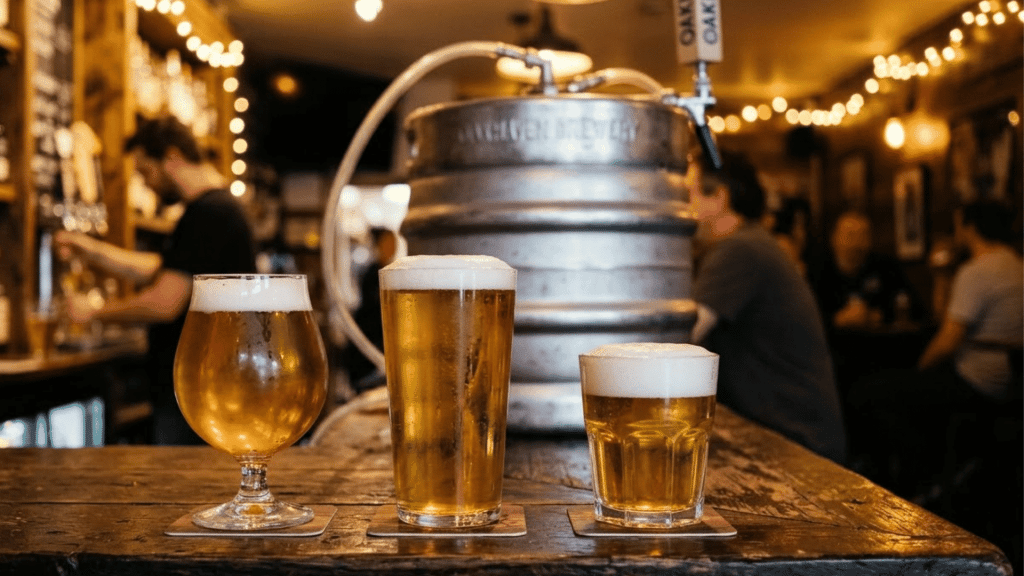
Is Draft Beer Higher in Carbs than Bottled Beer?
Not necessarily. Packaging does not determine carbohydrates. Differences usually come from the recipe, serving volume, or whether the draft and bottled products are different versions.
Are Beer Carbohydrates Considered Added Sugar?
Not always. Many carbohydrates come naturally from brewing grains. Added sugar depends on the recipe and cannot be confirmed from total carbohydrate figures alone.
Can Gluten-Free Beer Still Contain Carbs?
Yes. Gluten-free beer may use rice, corn, sorghum, or other carbohydrate sources. Removing gluten does not remove carbohydrates.