

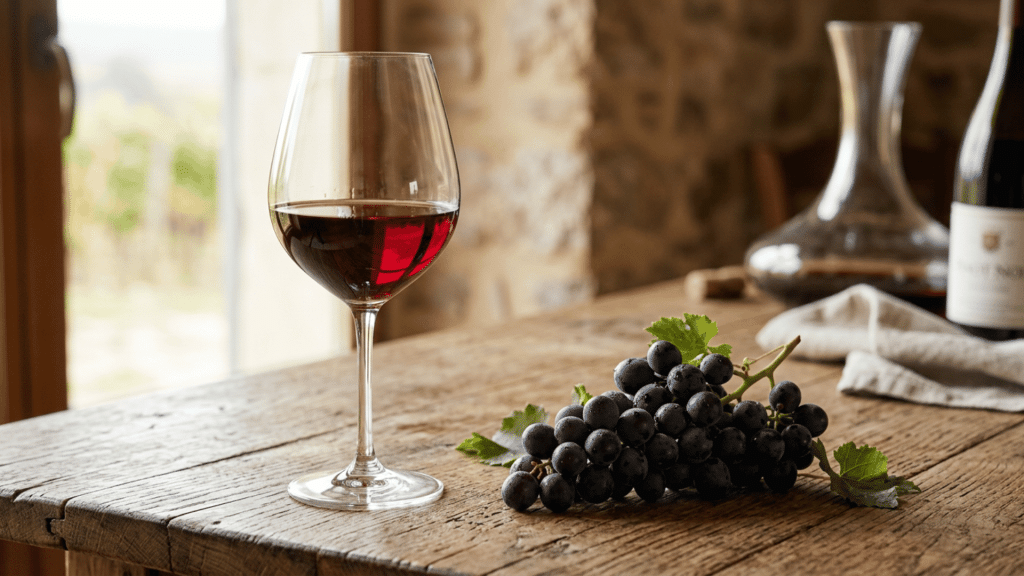
Pinot Noir is a dry red wine, despite its naturally sweet-smelling aromas of cherry, raspberry, and strawberry.
Its smooth texture and balanced flavors can make it seem sweeter than it actually is, which often confuses new wine drinkers. Understanding the difference between fruit flavors and actual sugar helps explain its unique style.
This article explores why Pinot Noir is considered dry, what affects its taste, how it compares with other red wines, and the best ways to enjoy it.
Read below to learn everything about Pinot Noir’s flavor, style, and pairing options.
A Brief Background on Pinot Noir
This grape variety is one of the oldest wine grapes, originating over a thousand years ago in France’s Burgundy region.
Known for its tight, pinecone-shaped clusters, the grape is named after the French words for pine and black. It is also one of the most challenging grapes to grow because its thin skins make it sensitive to weather and disease.
Today, this grape variety is grown in regions like Oregon, New Zealand, and coastal California. Its delicate nature and unique flavor profile make it a favorite among wine lovers worldwide.
Is Pinot Noir Dry or Sweet?
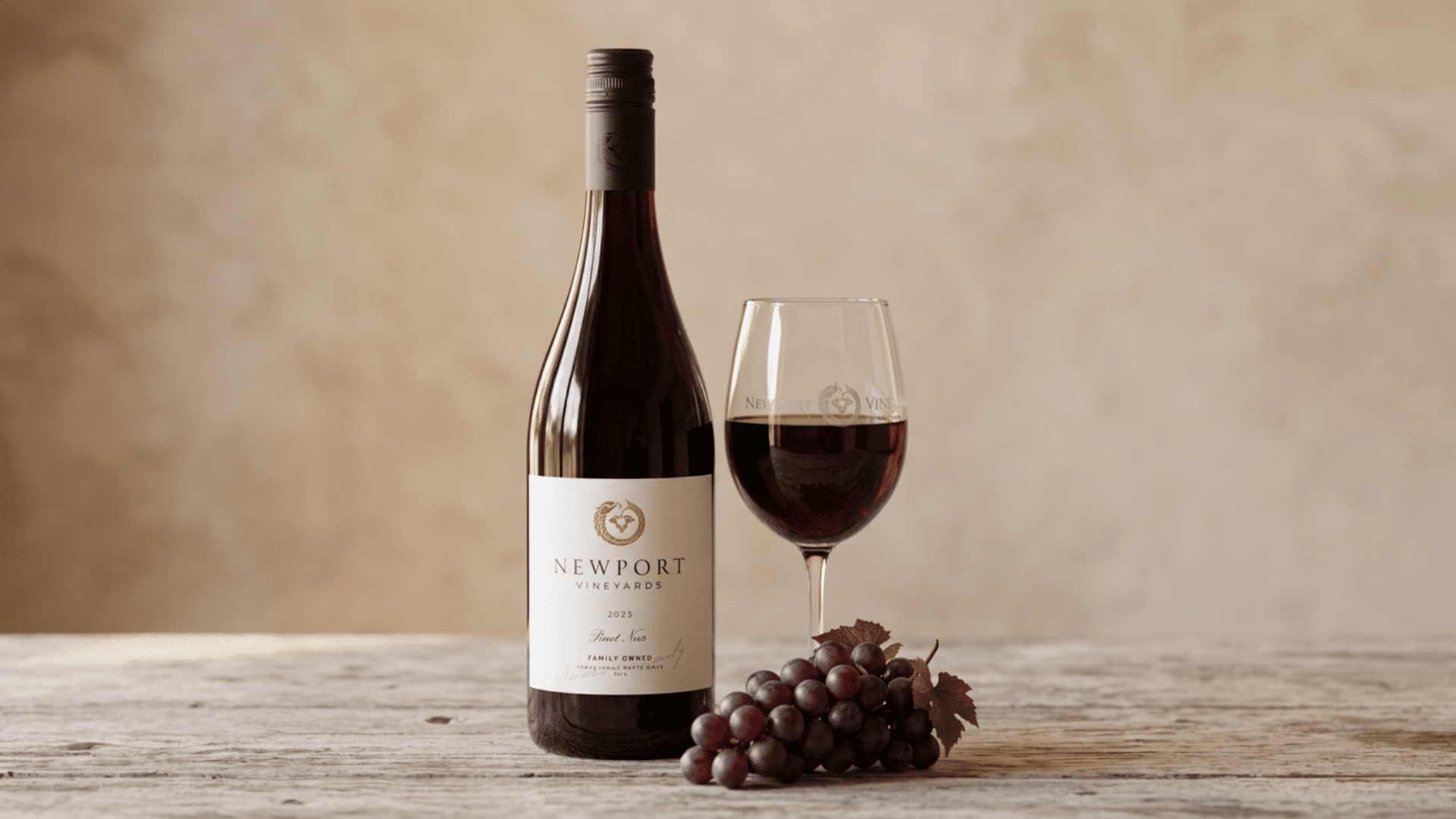
Pinot Noir is a dry red wine with very little residual sugar after fermentation. Yeast converts most grape sugar into alcohol, creating a crisp and balanced finish.
Its light body, soft tannins, and cherry or raspberry flavors can make it seem sweeter than it is. Fruity aromas like cherry, raspberry, and strawberry often create this impression, while lower tannins make the wine feel smoother.
Bright acidity also enhances the fruit flavors, creating a juicy character. Together, fruit, soft tannins, and acidity give this wine a smooth, fruit-forward style while maintaining a dry and balanced finish.
The final taste can vary by region, with cooler climates often showing brighter acidity and warmer areas offering richer fruit flavors.
How Pinot Noir Compares to Other Red Wines
Comparing this red wine with other varieties shows why it feels different, even though it’s dry. Differences in tannins, body, and flavors can change how each wine tastes.
| Wine | Style | Tannin Level | Flavor Profile |
|---|---|---|---|
| Pinot Noir | Dry | Low | Cherry, raspberry, earthy notes |
| Cabernet Sauvignon | Dry | High | Dark fruit, bold and structured |
| Merlot | Dry | Medium | Plum, blackberry, smooth finish |
| Zinfandel (Red) | Dry to off-dry | Medium | Ripe berries and spice |
| Sweet Red Blends | Off-dry to sweet | Low-medium | Sweeter fruit flavors |
This style feels softer and fruitier than many reds because of its lower tannins and lighter body.
How Region Changes this Wine’s Taste
The growing region plays an important role in shaping this wine’s flavor, aroma, acidity, and overall style.
- Cool Climate Regions: Burgundy, Oregon, and New Zealand produce wines with higher acidity, lighter body, and flavors of cherry, cranberry, and earthy notes.
- Warm Climate Regions: California and similar areas create fuller-bodied styles with riper fruit flavors and softer acidity.
- Overall Style: Regional differences influence aroma, flavor, and texture, but most bottles remain dry.
- Choosing a Style: Cooler regions suit those who prefer a lighter, elegant profile, while warmer regions offer richer, fruit-forward flavors.
What Foods Pair Well with Pinot Noir?
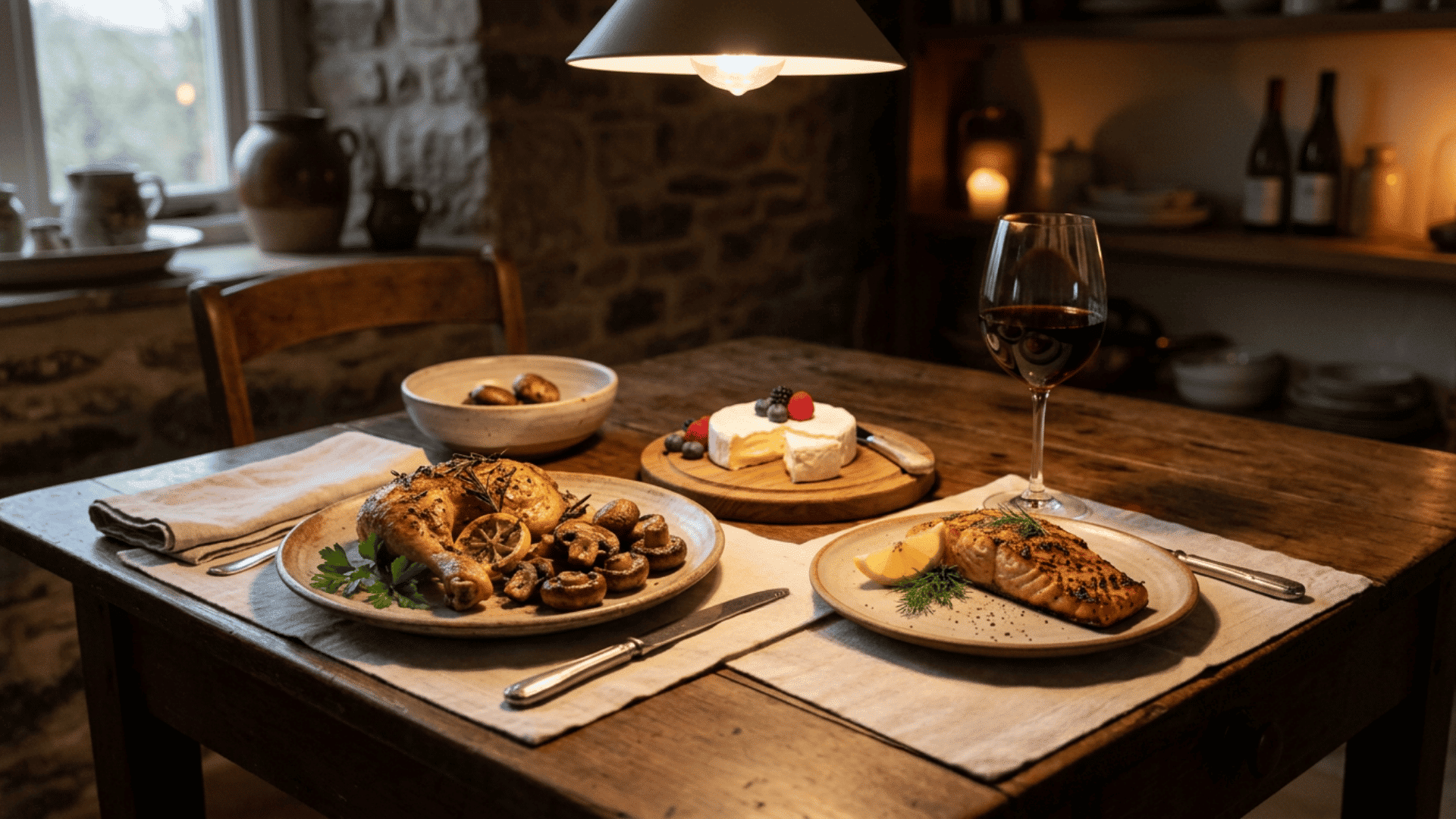
This versatile red wine pairs well with a variety of foods because of its bright acidity, light body, and smooth tannins.
Classic pairings include roast chicken, duck, pork dishes, and grilled salmon, where the wine complements the flavors without overpowering the meal.
Mushroom-based dishes also work especially well because earthy ingredients match the wine’s subtle savory notes. Soft cheeses such as Brie and Camembert can create a balanced pairing by combining creamy textures with the wine’s acidity.
Served with a simple dinner or a refined meal, its balanced character makes it an easy choice for many occasions.
Best Temperature to Serve Pinot Noir
This wine tastes best when served slightly chilled, as the right temperature helps preserve its delicate flavors and balance.
1. Ideal Serving Temperature: Serve this wine between 55°F and 60°F (13°C to 16°C) to maintain its fruit flavors, acidity, and aroma.
2. Avoid Serving Too Warm: Higher temperatures can make the alcohol feel stronger and reduce the wine’s cherry, raspberry, and earthy notes.
3. Avoid Serving Too Cold: Excessive chilling can mute the wine’s aromas and subtle flavors.
4. Quick Cooling Tip: Place the bottle in the refrigerator for about 30 minutes before serving to reach the ideal temperature.
Serving this wine at the right temperature allows its smooth texture and balanced character to stand out.
How to Store Pinot Noir Properly
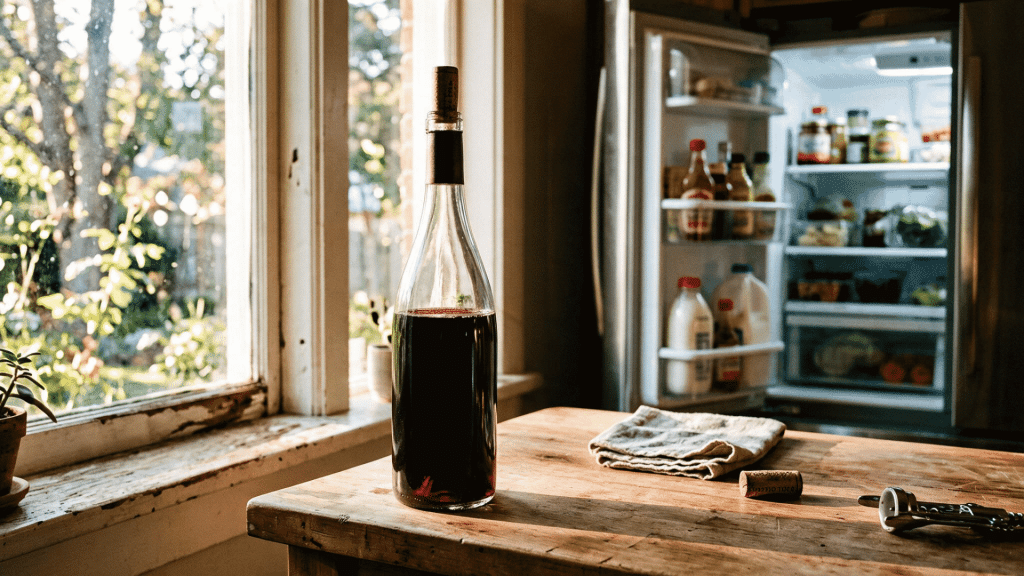
Proper storage helps preserve the flavor, aroma, and quality of Pinot Noir, especially when saving a bottle for later.
Keep the wine in a cool, stable place away from heat, sunlight, and sudden temperature changes.
Store bottles in a dark area to protect their delicate flavors from light exposure. Avoid moving or shaking the bottle frequently, as this can affect the aging process.
For bottles with cork closures, storing them horizontally helps keep the cork moist and prevents it from drying out. A consistent storage environment allows the wine to maintain its intended character until it is ready to be enjoyed.
Conclusion
This red wine stands out for its balance of bright fruit flavors, smooth texture, and elegant style. Although its cherry and raspberry notes may suggest sweetness, the wine remains a dry red with a refreshing character.
Regional differences, serving temperature, and food pairings can all influence the overall experience, making each bottle slightly different.
Whether you choose a lighter Burgundy-style bottle or a richer fruit-forward option, understanding these factors helps you choose better.
Found this information helpful? Share it with fellow wine lovers, leave a comment with your favorite wine choice, and explore more wine topics for your next bottle.
Frequently Asked Questions
Why Is Pinot Noir Considered a Premium Wine?
The grape is difficult to grow because of its thin skin and sensitivity to weather conditions. Careful cultivation and limited production in some regions can make certain bottles more valuable.
Does Pinot Noir Have High Alcohol Content?
Most bottles contain moderate alcohol levels, usually around 12.5% to 14%. The exact amount depends on the region, grape ripeness, and winemaking style.
Is Pinot Noir Good for Beginners?
Yes, it is beginner-friendly because of its smooth texture, lighter body, and balanced fruit flavors. It also pairs easily with food.