

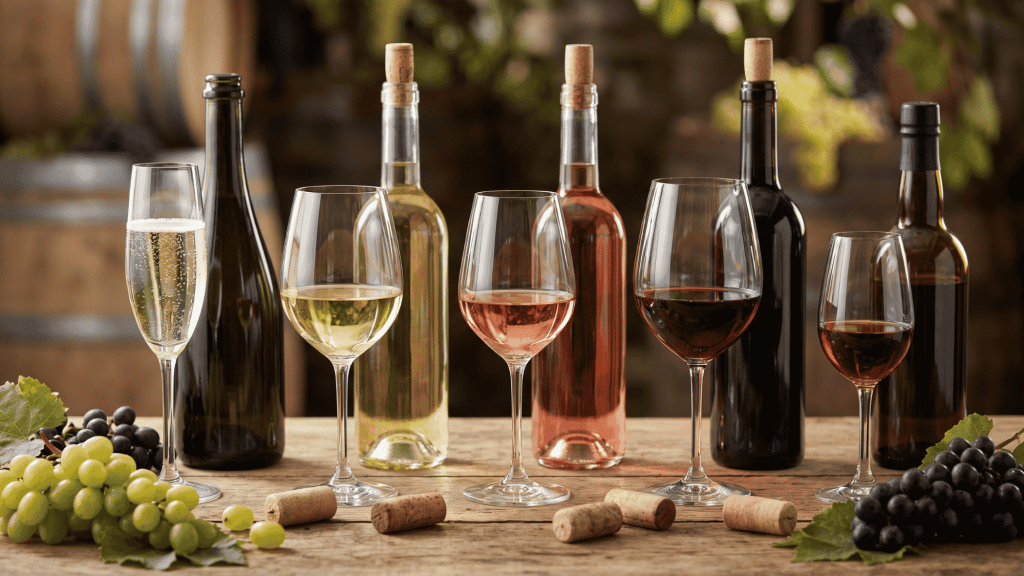
Some wines feel light and easygoing, while others leave a deeper, warming impression after every sip. That difference isn’t random; it mainly comes from alcohol content.
ABV (alcohol by volume) quietly shapes how a wine tastes, feels, and even how it fits into a meal.
A small percentage shift can turn a wine from crisp and refreshing to bold and full-bodied.
Once this is understood, choosing wine becomes less about guesswork and more about matching the right strength to the right moment, whether it’s a relaxed afternoon, a dinner table pairing, or a celebratory toast.
How Wine Strength Shapes Your Choice?
Wine strength isn’t just a number on the bottle; it changes how a wine feels in the glass and how it fits into a moment. It can decide whether a wine feels light and refreshing or rich and slow-sipping.
Stronger wines often bring more weight, warmth, and depth, while lighter wines feel smoother, fresher, and easier to drink casually.
This difference also plays a role in how food tastes alongside the wine, especially when balancing delicate or hearty dishes.
Understanding this idea helps narrow down choices before even looking at specific ABV levels. It makes it easier to pick a wine that suits the mood, the meal, and the occasion without second-guessing the bottle.
Understanding Wine by Strength
Knowing a wine’s strength helps you anticipate flavor, body, and suitability for meals or occasions, making your selection effortless.
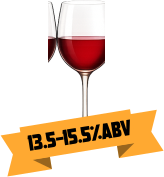
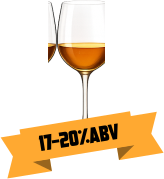
Typical ABV by Wine Type
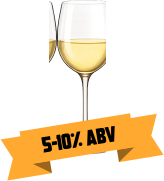
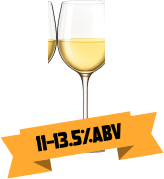
Knowing the typical alcohol range for each wine type helps you select the right bottle for taste, occasion, and pairing preferences.
| Wine Type | Typical ABV | Notes |
|---|---|---|
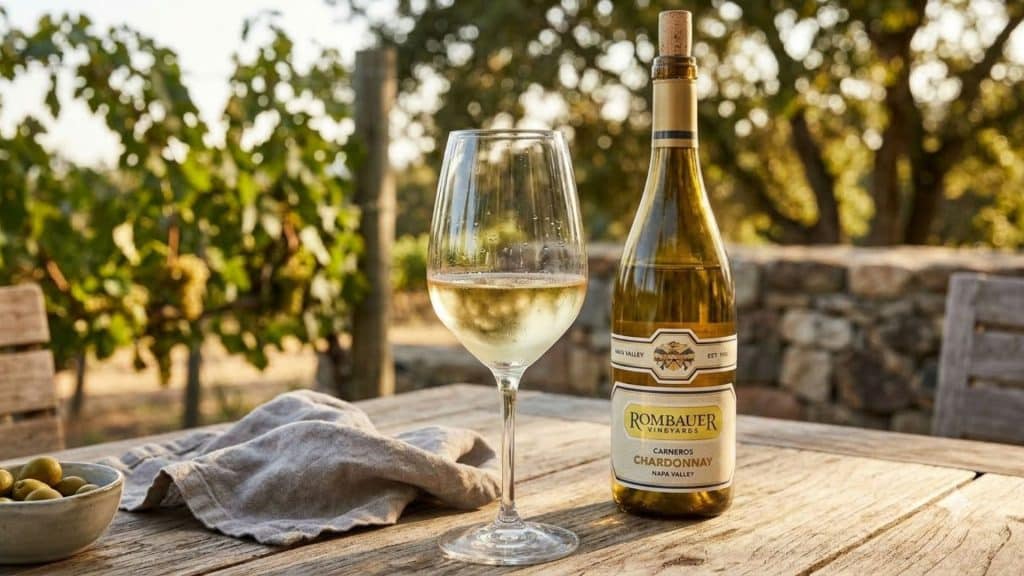
| White | 11–14% | Crisp, lively options like Sauvignon Blanc or Pinot Grigio are ideal for light meals or casual sipping. |
| Red | 13–15% | Rich, full-bodied wines such as Merlot or Cabernet Sauvignon, perfect with hearty dishes or evening dinners. |
| Rosé | 11–13% | Light, fruity, and versatile, suitable for summer gatherings or pairing with salads and seafood. |
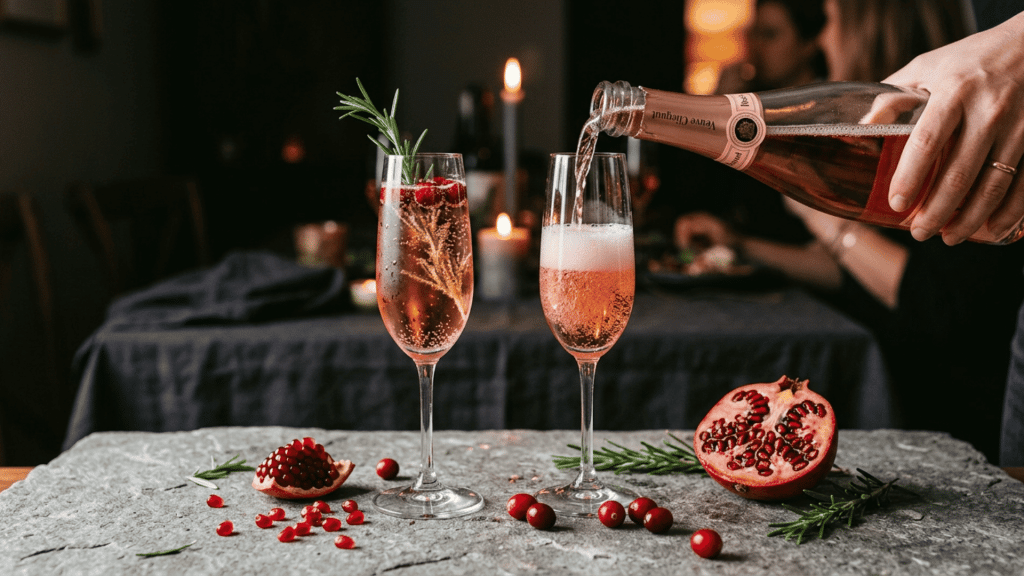
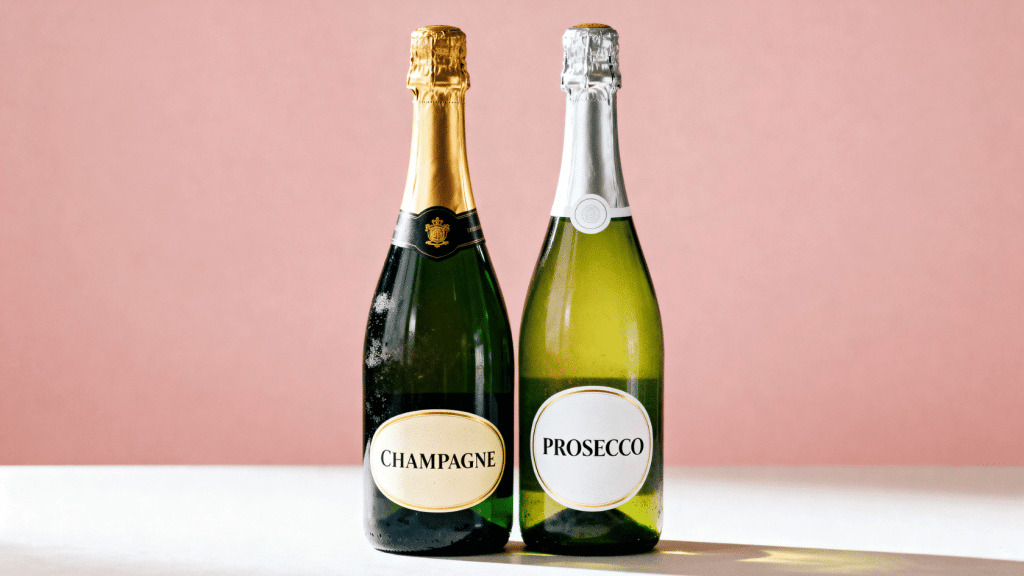
| Sparkling | 10.5–12.5% | Prosecco, Champagne, or sparkling blends offering refreshing bubbles and a lively, celebratory feel. |
| Fortified | 17–20% | Port, Sherry, and Madeira; intense, warming, and often enjoyed in small servings or with desserts. |
Key Factors That Affect Alcohol Content
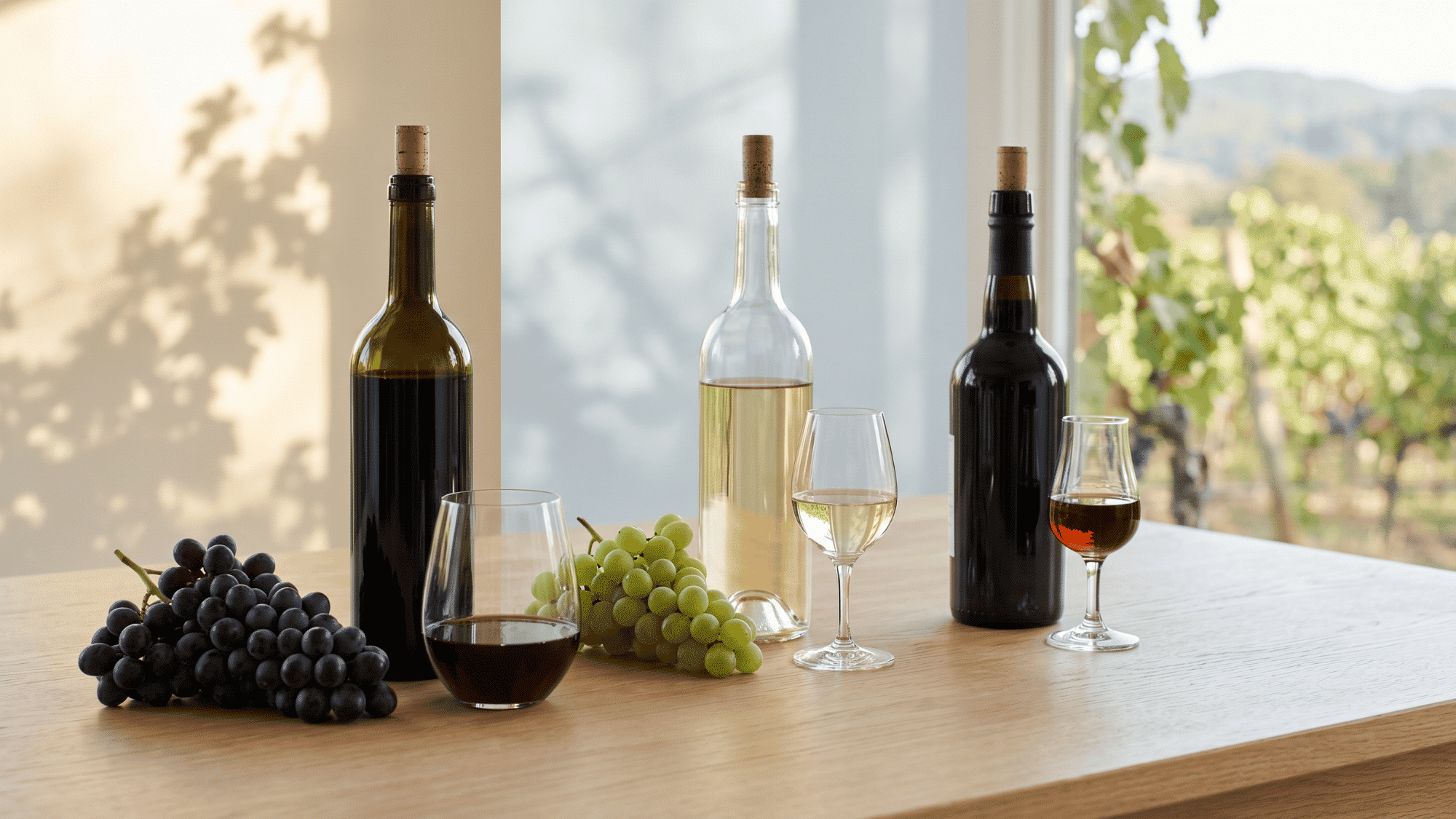
Several factors influence a wine’s alcohol content, from the grapes themselves to the region and methods used during winemaking. Understanding these can help you anticipate strength and flavor.
Sugar in Grapes
Riper grapes have higher sugar, which yeast converts into alcohol during fermentation. This naturally leads to stronger wines with more body, richness, and lingering flavors in the finished product.
Climate & Region
Wines from warmer regions often have higher ABV because grapes ripen faster and develop more sugar. Cooler climates produce lighter, more delicate wines with subtle flavors and lower alcohol.
Winemaking Methods
Yeast selection, fermentation length, and techniques like chaptalization all affect ABV. Winemakers adjust these steps to balance strength, sweetness, and body for the desired wine style.
Wine Type
Different styles naturally carry varying alcohol levels. Reds often have higher ABV than whites or rosés, while fortified wines are the strongest due to added spirits.
Harvest Timing
Late-harvest grapes accumulate more sugar, resulting in higher alcohol wines. Early-harvest grapes tend to produce lighter wines with lower ABV and fresher, more delicate flavor profiles.
How ABV Shapes Taste & Texture
Alcohol content plays a key role in a wine’s flavor, texture, and mouthfeel, influencing how it complements food and occasions.
| Factor | How ABV Influences Wine |
|---|---|
| Flavor Profile | Higher alcohol intensifies flavors and richness, while lighter wines taste fresher and more delicate. |
| Mouthfeel | Wines with higher ABV feel fuller and heavier on the palate; lower ABV wines are lighter and easier to sip. |
| Perceived Sweetness | Alcohol can enhance the perception of fruitiness, making ripe flavors more pronounced even in dry wines. |
| Pairing Compatibility | Lighter wines pair well with subtle dishes; bolder, stronger wines complement rich, hearty meals. |
| Aroma Intensity | Alcohol helps release aromatic compounds, so wines with moderate to high ABV often have more expressive scents. |
| Finish | Higher ABV can create a longer, lingering finish on the palate, while lower ABV wines finish clean and crisp.; |
| Body & Texture | Alcohol contributes to viscosity, giving fuller-bodied wines a creamy or lush mouthfeel, compared with lighter, more watery textures. |
Reading Labels Like a Pro
Understanding how to read ABV on a bottle helps you anticipate the wine’s taste, strength, and portion size, making every wine selection more confident and enjoyable.
- Locate ABV: The alcohol content is almost always listed as a percentage on the label. Checking this number lets you know how strong the wine is before pouring, helping plan servings and pairings.
- Interpret the Numbers: Lower ABV (below 12%) usually indicates a lighter, crisp wine, while higher ABV (above 14%) suggests a fuller-bodied, richer flavor profile that lingers longer on the palate.
- Regional Rules: U.S. regulations allow slight variations in the labeled ABV, typically ±1% for wines >14% and ±1.5% for wines ≤14%, ensuring consumers receive reliable information and avoid misleading expectations about strength when choosing a wine.
- Practical Use: Knowing ABV helps manage consumption, match wines to meals, and plan responsible servings, whether for a casual gathering or a special dinner, ensuring a balanced drinking experience.
The Bottom Line
Knowing the alcohol content in wine helps you choose bottles that align with your taste, meal, and occasion. From crisp, light whites to full-bodied reds and fortified selections, each type offers a unique experience shaped by grapes, region, and winemaking style.
Paying attention to ABV ensures you enjoy a satisfying glass while remaining mindful of strength and flavor.
Whether it’s a lively Rosé on a warm afternoon, a refreshing Sauvignon Blanc at brunch, or a deep Cabernet with dinner, understanding alcohol levels enhances enjoyment.
Curious about a wine’s ABV? Check the label or query your favorite producer before pouring.
Frequently Asked Questions
Do Organic or Natural Wines Have Different Alcohol Levels?
Organic and natural wines generally have alcohol levels similar to or lower than those of conventional wines. Differences in perception usually come from winemaking techniques and grape ripeness, not being organic.
Does Sparkling Wine Have Lower Alcohol than Still Wine?
Typically, yes, sparkling wines have a slightly lower ABV than still wines made from the same grape, resulting in a lighter, more refreshing drinking experience.
Can the Type of Glass Affect How Strong a Wine Feels?
Yes, wider or tulip-shaped glasses enhance aroma and warmth, making the wine feel stronger, while narrow glasses soften the perception of alcohol.