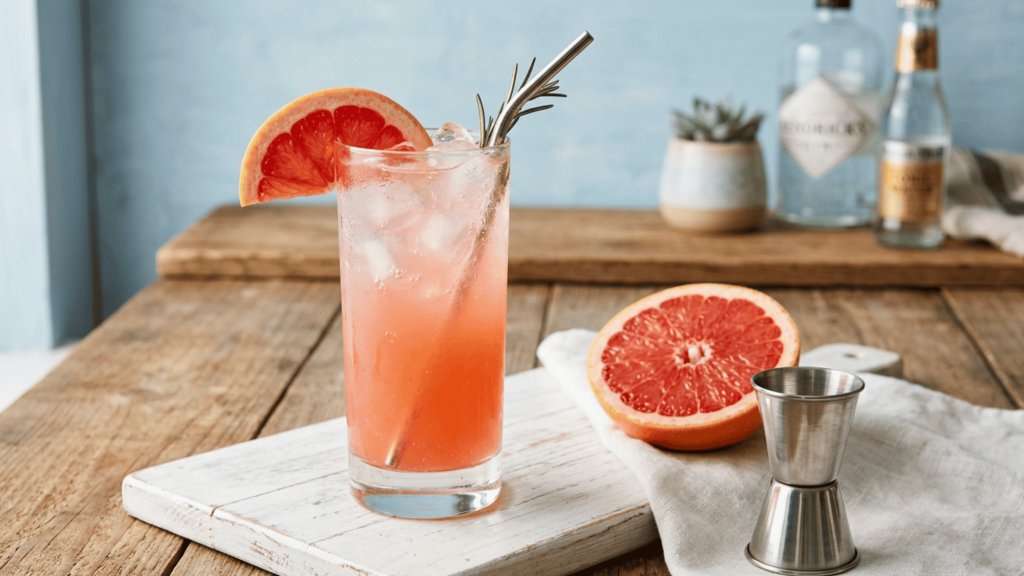


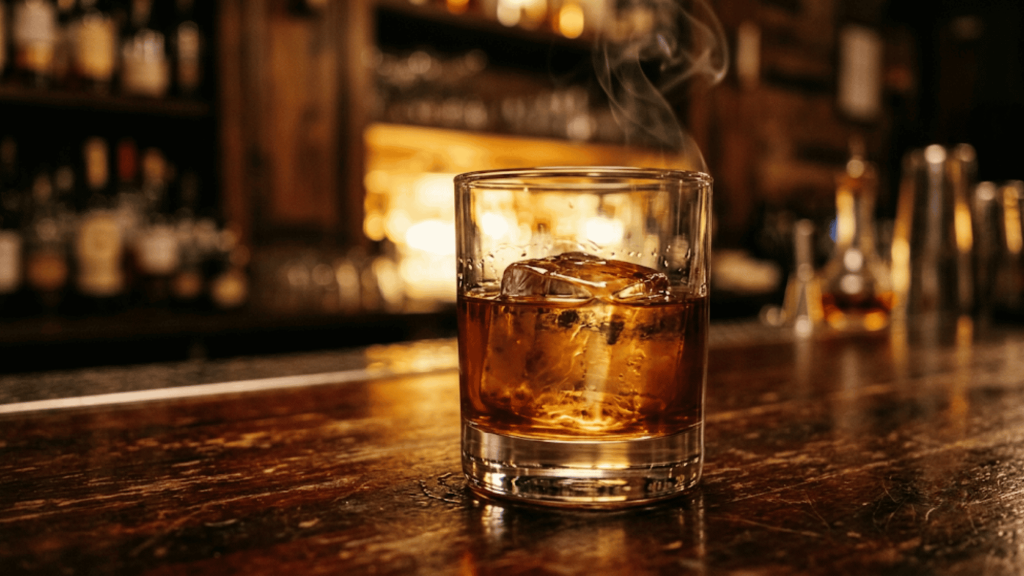
Ever thought what’s actually in your rum? Most people enjoy it in cocktails or straight, but few know what goes into making it.
Rum is a distilled spirit made from sugarcane-derived ingredients such as molasses, sugarcane juice, sugarcane syrup, or other sugarcane by-products.
It is closely associated with Barbados, where early commercial rum production dates back to the early 1700s, and Mount Gay’s oldest deed dates to February 1703.
In this article, you’ll learn exactly what rum is made from, how it’s produced, the different types, and answers to the most common questions about it.
Where Did Rum Come From? A Brief History
Rum’s story starts in 17th-century Barbados. Enslaved workers on sugarcane plantations noticed that molasses, a thick byproduct of sugar production, could ferment into alcohol. That discovery changed everything.
From the Caribbean, rum spread to New England, where it became a major trade commodity. It was cheap, widely available, and deeply tied to colonial commerce.
Today, the Caribbean remains the heart of rum production. But it’s also made across Latin America, Southeast Asia, and beyond.
Production styles vary by region:
- English-style (Jamaica, Barbados); bold, full-bodied
- Spanish-style (Cuba, Puerto Rico); light, clean
- French-style / Rhum Agricole (Martinique); made from fresh cane juice, earthy and grassy
The Core Ingredient: What Is Rum Made From at Its Base?
Rum is always made from a cane product. No exceptions. Here is a breakdown of exactly what goes into it.
1. Molasses
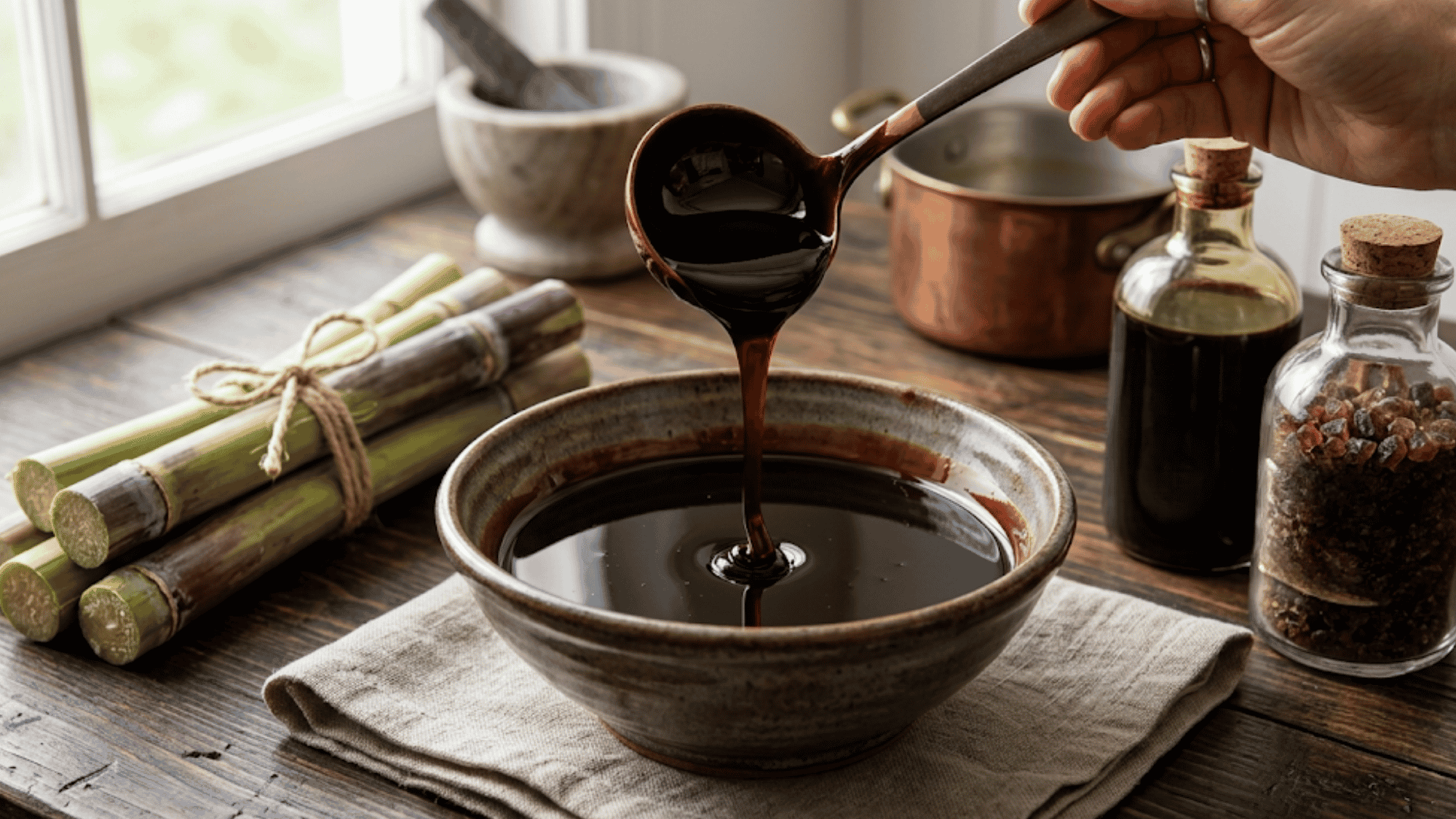
Molasses is the most common base ingredient for rum. It is a thick, dark syrup left over after sugarcane juice is refined into crystallized sugar.
Sugar producers once considered it a waste product. Today, it forms the foundation of the majority of rum production worldwide.
Molasses-based rums tend to be richer and fuller, with noticeable caramel, toffee, and dried fruit notes in the final spirit.
2. Fresh Sugarcane Juice
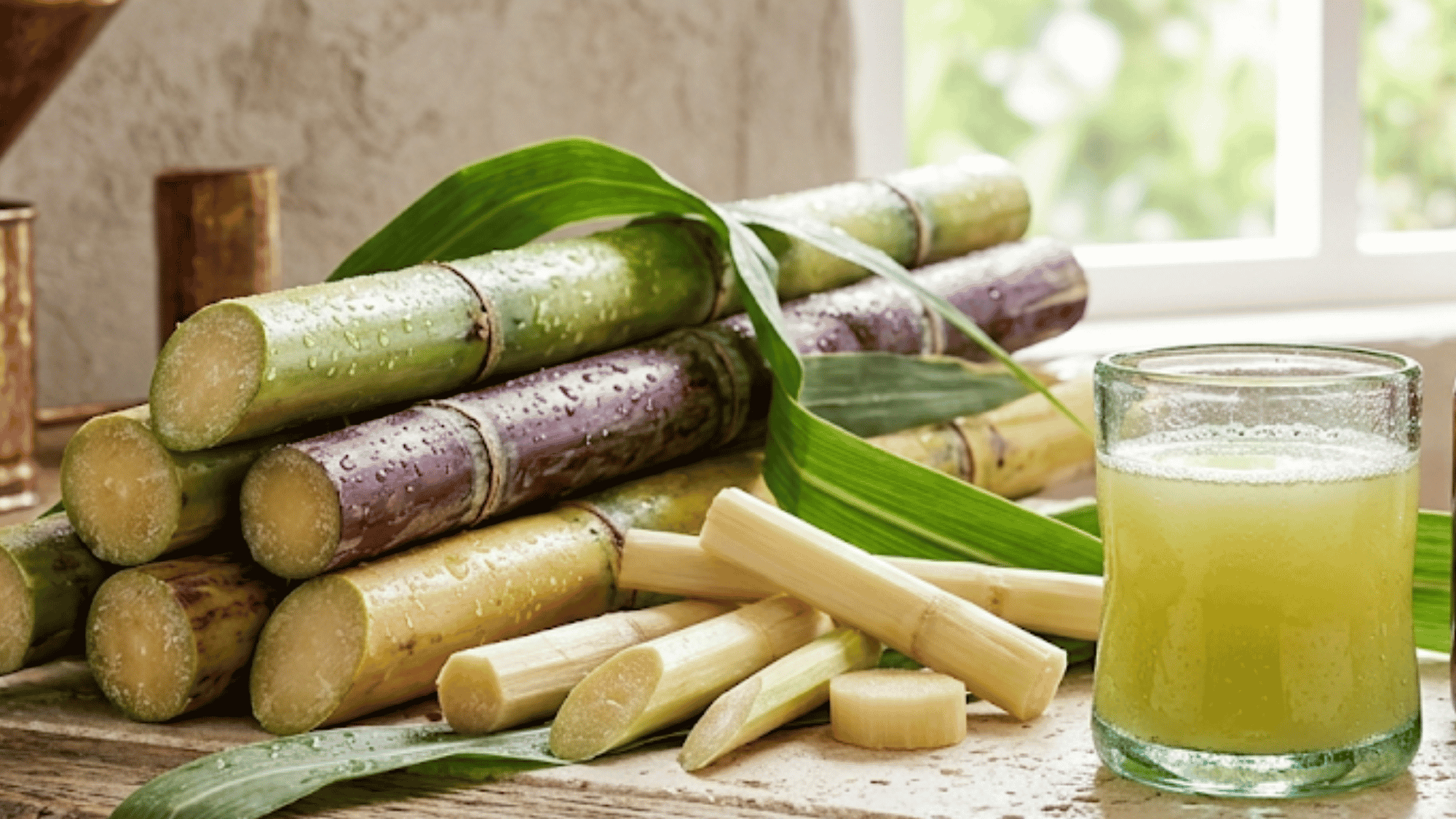
Fresh sugarcane juice is pressed directly from raw sugarcane stalks. It is used primarily in rhum agricole, a style of rum produced in the French West Indies, particularly Martinique.
Because the juice is used fresh, it must be fermented quickly before the natural sugars degrade.
Rums made from cane juice taste noticeably different from molasses-based rums. They are grassier and earthier, carrying more of the raw plant’s natural character.
3. Cane Syrup
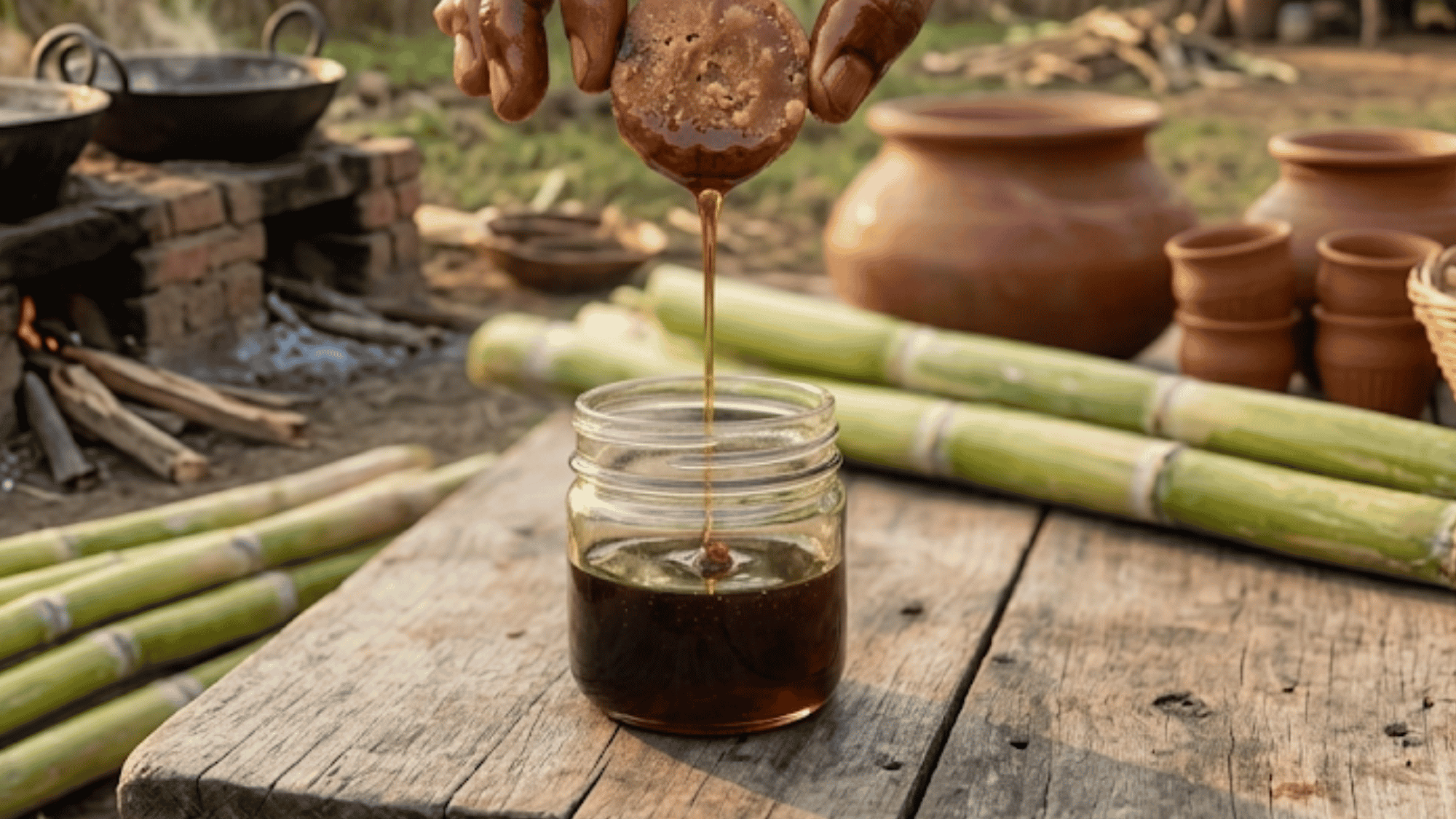
Cane syrup is made by reducing fresh sugarcane juice to a thick, concentrated syrup before fermentation.
Fewer distilleries use this method. One practical advantage is that it allows production to continue year-round, not just during the sugarcane harvest season.
The resulting rum sits somewhere between molasses-based and fresh juice-based in terms of flavor, with a mild sweetness and slightly more body than rhum agricole.
4. Evaporated Cane Sugar
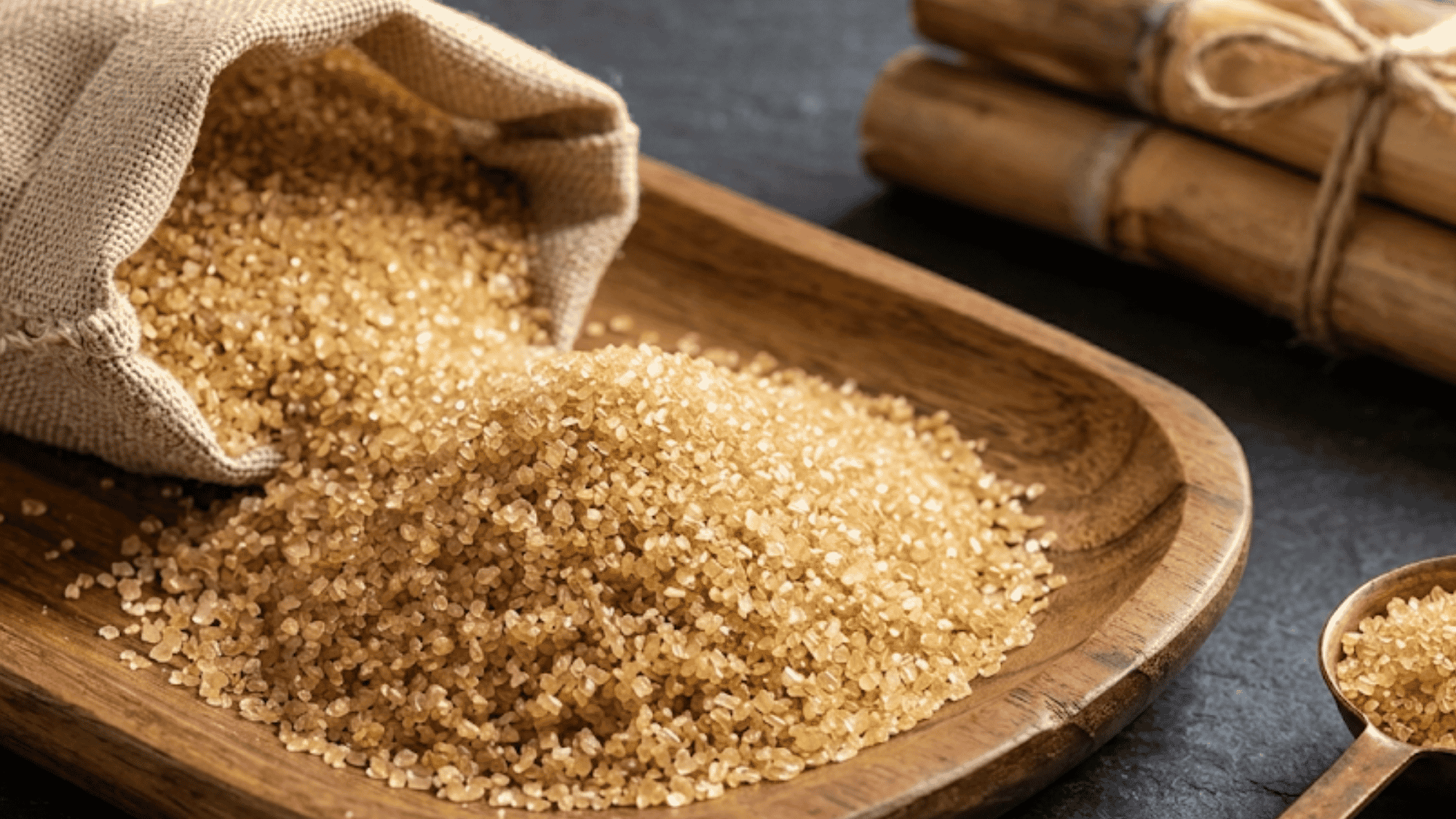
Evaporated cane sugar is sugarcane juice that has had most of its moisture removed through evaporation.
It is less common than molasses or fresh juice as a rum base, but it is still a fully legitimate ingredient.
Some craft distilleries use it for greater control over sugar concentration during fermentation.
The flavor profile it produces depends heavily on the distillery’s process, but it generally yields a cleaner, lighter spirit than molasses.
5. Panela
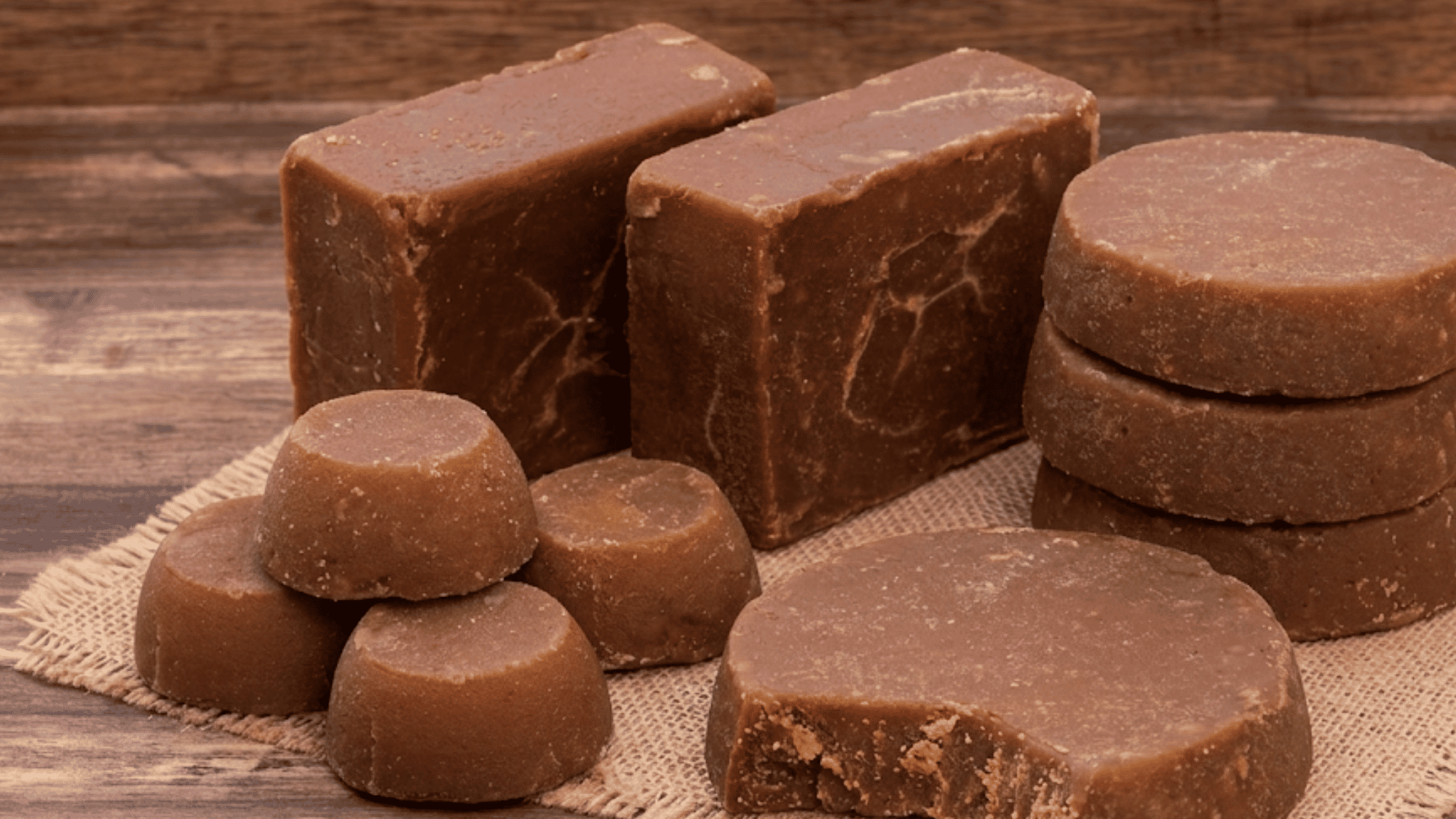
Panela is an unrefined whole cane sugar widely used across Latin America, particularly in Colombia and Ecuador.
Unlike refined sugar or molasses, panela retains its natural molasses content and trace minerals from the sugarcane.
This gives rums made from panela a distinctly raw, earthy sweetness. It is also known as piloncillo in Mexico and rapadura in Brazil.
Panela-based rums are less common globally but are considered a traditional production method in parts of South America.
What Does Not Qualify as Rum
Not everything made from sugar can be called rum. Beet sugar, for example, does not qualify.
Rum is generally defined as a spirit distilled from sugarcane-derived ingredients, and in U.S. regulations, it must be made from sugarcane juice, sugarcane syrup, sugarcane molasses, or other sugarcane by-products.
This is a legal requirement in most producing countries. If a spirit is distilled from beet sugar or any non-cane source, it cannot be labeled or sold as rum, regardless of how similar the production process may be.
How Is Rum Made? The Step-by-Step Production Process
Making rum is a straightforward process, but every step shapes the final flavor. Take a look at exactly how sugarcane becomes the spirit in your glass.
- Harvesting Sugarcane: Sugarcane takes 10 months to 2 years to mature. It is harvested by hand or machine and must be milled within 24 hours of cutting.
- Extracting and Processing the Base: Distillers either ferment fresh cane juice directly, cook it into syrup first, or refine it into sugar, using the leftover molasses. Molasses is the most common route globally.
- Fermentation: Molasses is diluted with water, and yeast is added. Yeast converts sugars into alcohol and CO₂. Fast fermentation gives lighter rum; slow or wild fermentation gives more complexity.
- Distillation: The fermented liquid is heated to around 175°F, and alcohol vapor is collected and condensed. Pot stills give heavier rum; column stills give lighter spirit. Rum is typically distilled to about 95%-96% ABV, depending on the governing standard, to retain its character.
- Aging: White rum is unaged or filtered after brief aging. Dark and gold rums age in oak barrels, often ex-bourbon. Tropical climates speed up aging significantly compared to colder regions.
- Blending and Bottling: Most rums are blended from multiple batches for consistency. Some are infused with spices or fruits post-distillation. Final bottling occurs at 40%-50% ABV.
Types of Rum and What Each is Made From
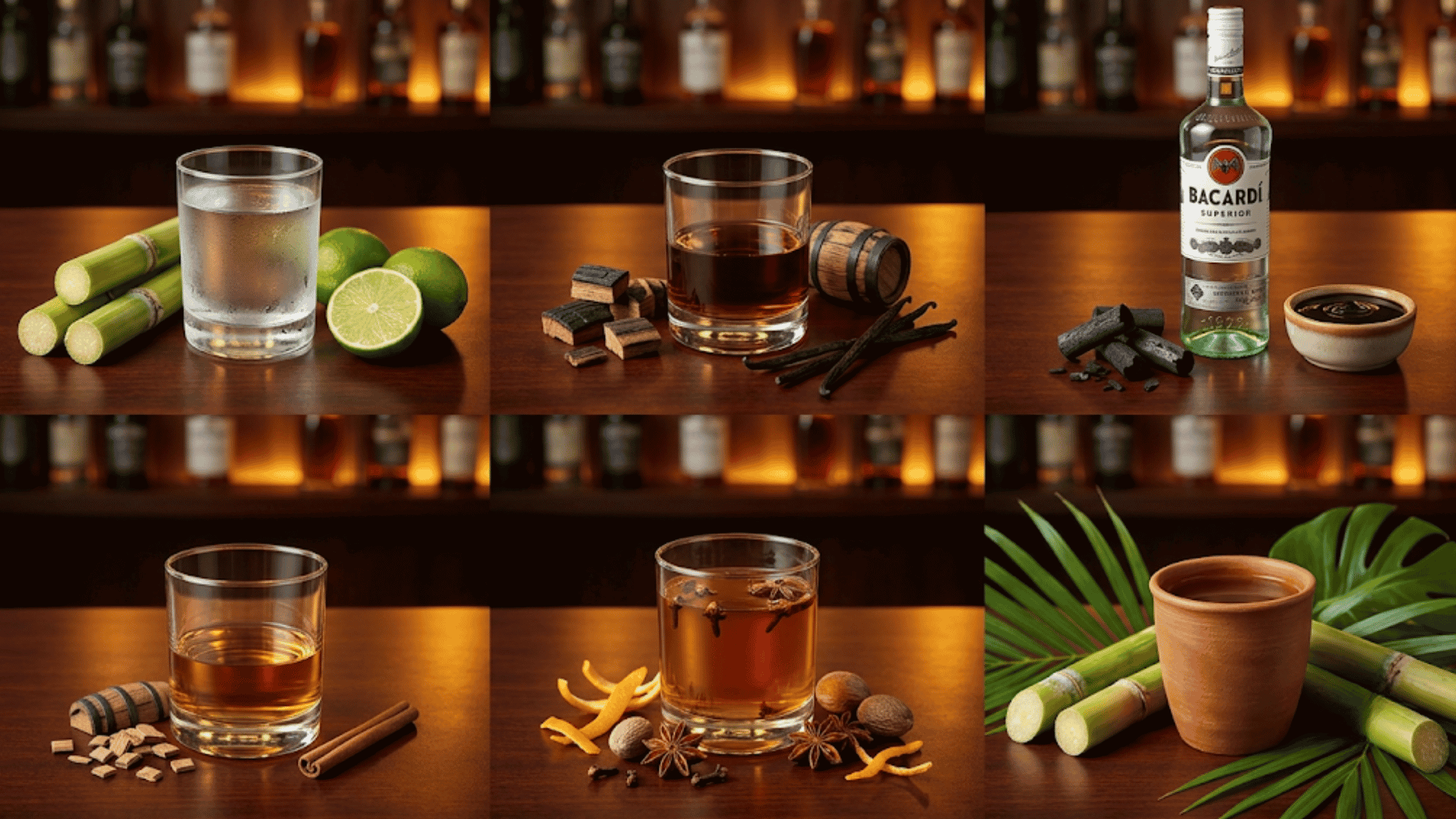
Not all rums are made the same way. The base ingredient, distillation method, and aging process all determine what type of rum ends up in your glass.
1. White Rum
- Base ingredient: Made from molasses or fresh cane juice, distilled, then either left unaged or lightly aged and filtered to remove color.
- Flavor profile: Mild and clean with a subtle sweetness, making it the go-to base for cocktails like mojitos, daiquiris, and piña coladas.
- Alcohol content: Almost always bottled at 40% ABV, which is the standard legal minimum for rum sold in the US.
2. Dark Rum
- Base ingredient: Made from the same sugarcane base as white rum but aged longer in charred oak barrels, which gives it a deep brown color.
- Worth knowing: Some mass-market dark rums skip aging entirely and use added caramel coloring (E150a) to fake the dark appearance.
- Flavor profile: Fuller and richer than white rum, with strong notes of vanilla, caramel, molasses, and toffee.
3. Bacardi Rum
- Base ingredient: Made from molasses and distilled in column stills, which produces a lighter, cleaner spirit than traditional pot still distillation.
- Signature process: Charcoal-filtered after distillation, a step that removes impurities and gives Bacardi its distinctly smooth, neutral character.
- Origin: Founded in Santiago de Cuba in 1862 by Facundo Bacardí Massó, it later expanded production to Puerto Rico.
4. Gold or Amber Rum
- Base ingredient: Made from a sugarcane base and aged in oak barrels for 2 to 5 years, picking up color and flavor from the wood.
- Flavor profile: Sits between white and dark rum in body, with mild notes of vanilla, light caramel, and subtle oak.
5. Spiced and Flavored Rum
- Base ingredient: Starts as a white or dark rum base, then is infused post-distillation with spices such as cinnamon, cloves, vanilla, and nutmeg, or with fruits.
- Worth knowing: The infusion happens after distillation, meaning the base rum itself is still made entirely from a sugarcane-derived ingredient.
6. Rhum Agricole
- Base ingredient: Made from fresh-pressed sugarcane juice rather than molasses, setting it apart from nearly every other style of rum globally.
- Protected status: An AOC-protected style originating from Martinique, giving it a distinctly grassier, earthier, and more vegetal flavor than molasses-based rums.
Is Rum Good for Heart Patients?
This is not a straightforward yes-or-no. This is what the research actually says.
Some studies suggest that moderate alcohol consumption may raise HDL cholesterol, the “good” kind, and reduce the risk of artery blockage.
Research indicates that moderate alcohol consumption can lower the risk of heart attacks and strokes by improving blood flow and enhancing the function of blood vessel linings.
However, excessive consumption raises blood pressure and puts extra strain on the heart. Excess consumption can increase blood pressure and raise the risk of cardiovascular problems.
Disclaimer: Alcohol affects everyone differently; consult your doctor before drinking rum, especially if you have heart conditions or take medications.
The Best Rums Worth Trying
There are hundreds of rums on the market, but a few consistently stand out. Here are six worth trying across different styles.
- Mount Gay Eclipse (Barbados): A well-balanced, approachable rum with notes of banana, vanilla, and subtle oak. Great for sipping neat or mixing into classic cocktails.
- Appleton Estate 12 Year (Jamaica): Aged for at least 12 years, this Jamaican rum delivers rich flavors of orange peel, molasses, and warm baking spices.
- Diplomatico Reserva Exclusiva (Venezuela): A pot still rum aged up to 12 years in oak barrels. Known for its deep caramel, chocolate, and dried fruit character.
- Bacardi Superior (Puerto Rico): A light, clean white rum made from molasses and charcoal-filtered for smoothness. The most popular choice for everyday cocktails worldwide.
- Foursquare Spiced Rum (Barbados): Made using real spices rather than artificial flavoring, this is one of the most honest and well-crafted spiced rums available today.
- Rhum Barbancourt 5 Star 8 Year (Haiti): Made from fresh sugarcane juice rather than molasses, aged 8 years in oak barrels, with a smooth, complex, and slightly grassy finish.
Final Thoughts
Rum starts with one thing: sugarcane. Whether it’s molasses, fresh cane juice, or cane syrup, every bottle traces back to the same plant.
From harvest to fermentation, distillation to aging, each step shapes the flavor, color, and character of the final spirit.
Now that you know what rum is made from and how it gets made, you’re better equipped to pick a bottle that suits your taste.
Want to know which rum is right for you? Check out our post on the best rums to try this year.
Frequently Asked Questions
Is Rum Basically Vodka?
No. Rum is made from sugarcane products and retains its natural flavor. Vodka is made from grains or potatoes and distilled to near neutrality, with little to no taste.
What is the Smoothest Rum to Drink Straight?
Aged rums like Diplomatico Reserva Exclusiva, Appleton Estate 12 Year, and Mount Gay XO are widely considered the smoothest options for sipping neat.
What is the Oldest Rum Still Made?
Mount Gay Rum from Barbados holds that title. Its oldest surviving deed dates back to February 1703, making it the world’s oldest commercial rum brand.