


Drinking less does not always mean giving up alcohol completely. For many people, it simply starts with becoming more aware of when, why, and how often they drink.
That idea has helped bring the term “sober curious” into everyday conversations about drinking habits, social choices, and alcohol-free alternatives.
Unlike sobriety, sober curiosity has no fixed rules. This blog explains its meaning, common uses, key differences, and practical ways to try it.
Keep reading to understand what being sober curious can involve.
What Does “Sober Curious” Mean?
The term “Sober Curious” was coined by British author Ruby Warrington and gained wider attention around 2018–2019 through her book Sober Curious.
It first became popular among millennials and later drew growing interest from Gen Z. Over time, sober curiosity grew into a wider cultural and online movement.
The idea is not based on religion or spirituality. It simply means questioning the role alcohol plays in everyday life and paying closer attention to why, when, and how often someone drinks.
A sober curious person does not have to give up alcohol completely. They may take a break for a few weeks, drink only on certain occasions, or choose alcohol-free options more often.
Social media, alcohol-free events, changing drinking habits, and greater interest in health helped bring the idea into mainstream conversation.
Sober Curious vs. Sober: Key Differences
The main difference is that sobriety means avoiding alcohol, while sober curiosity allows flexibility to question and adjust drinking habits.
| Sober curious | Sober |
|---|---|
| Questions current drinking habits | Usually avoids alcohol |
| May still drink at times | Typically follows alcohol abstinence |
| Can involve short alcohol-free periods | May be a long-term or permanent decision |
| Often focuses on personal habits and health | Can have personal, medical, religious, recovery, or other reasons |
| Does not require one fixed set of rules | Usually has a clearer no-alcohol boundary |
Why Are People Becoming Sober Curious?
People are becoming sober curious for health, social, and personal reasons that encourage them to reconsider their usual relationship with alcohol.
1. Health and Well-Being: Some people cut back after learning more about alcohol’s effects on health, while paying closer attention to sleep, energy, and overall well-being.
2. Changing Social Habits: Alcohol-free gatherings and changing attitudes toward drinking can make socializing without alcohol feel more familiar.
3. Less Social Pressure: Some people want drinking to be a personal choice rather than something expected at parties, dinners, or celebrations.
4. Greater Habit Awareness: Sober curiosity encourages people to notice when, why, and how often they drink instead of treating alcohol as automatic.
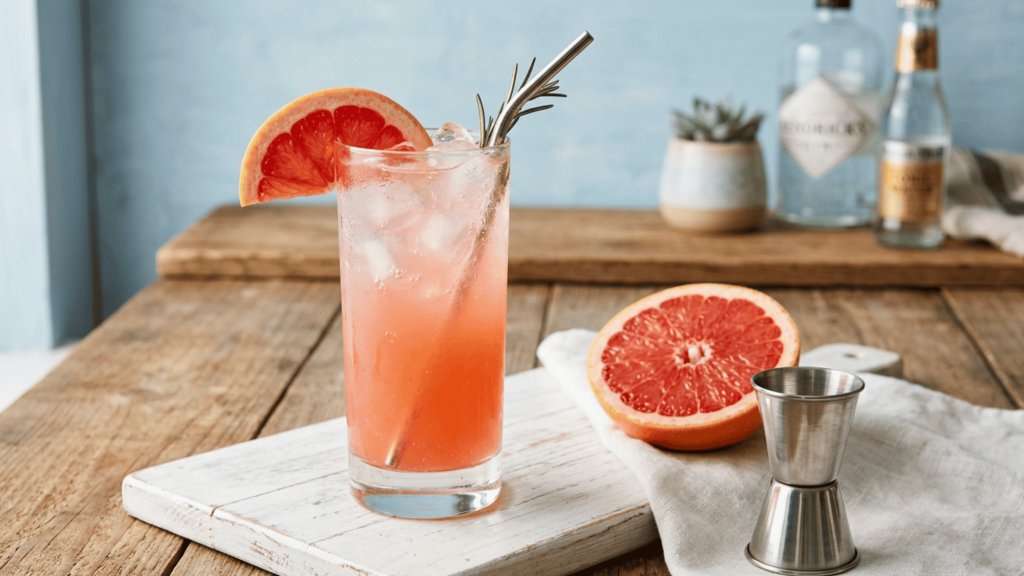
5. More Alcohol-Free Choices: Zero-proof drinks provide more options for people who want the experience of a social drink without standard alcoholic spirits.
6. Personal Control: Cutting back or taking temporary breaks can help people set clearer boundaries around when and how often they choose to drink.
Is Sober Curious The Same as Mindful Drinking?
Sober curiosity and mindful drinking are similar, but they are not exactly the same. Mindful drinking focuses on paying attention to when, why, and how much alcohol a person drinks.
Sober curiosity often goes a step further by questioning the overall role of alcohol and trying periods with little or no drinking.
The two approaches can work together. A person may practice mindful drinking while also being sober curious.
Both encourage more thoughtful choices, greater awareness of drinking habits, and less reliance on alcohol as an automatic part of social or daily life.
How to Try a Sober Curious Lifestyle

Trying a sober curious lifestyle can start with a few simple changes that make drinking habits easier to notice and understand.
Track Current Drinking Habits
Write down when, where, and how much alcohol is consumed for a week or two. Note the reason for drinking as well. This creates a clear picture of current patterns.
Try an Alcohol-Free Period
Choose a realistic break, such as one week or one month. During this time, notice changes in sleep, energy, spending, social habits, and cravings.
Plan for Social Events
Decide in advance what to drink at parties, dinners, or work events. Choosing a mocktail or another alcohol-free option beforehand can make social situations easier to manage.
Replace Familiar Drinking Routines
Swap regular drinking moments with another activity, such as walking, cooking, reading, or exercising. This can make old habits easier to change.
Review The Experience
At the end, compare the results with the starting point. Note what felt easier, what felt difficult, and which habits may be worth keeping.
How is The Term ” Sober Curious” Used?
In everyday conversation, “sober curious” usually describes someone who is reconsidering their relationship with alcohol without necessarily deciding to stop drinking permanently.
Someone might use the term while taking an alcohol-free month, drinking less at social events, or choosing mocktails and other alcohol-free options more often.
In lifestyle and media coverage, sober curiosity commonly refers to the broader shift toward questioning drinking habits and making alcohol more optional in social settings.
The term does not describe one strict drinking plan. Different people may use it for different levels of alcohol reduction or experimentation.
What to Avoid When Going Sober Curious
Trying a sober curious approach can become harder when expectations are too strict or drinking habits are changed without enough planning.
- Setting Unclear Goals: Decide what cutting back means, such as taking alcohol-free days or choosing a specific break.
- Ignoring Drinking Triggers: Notice situations, emotions, or routines that regularly lead to drinking.
- Relying Only on Willpower: Plan alcohol-free alternatives and activities before social events or familiar drinking occasions.
- Expecting Perfection: One drinking occasion does not have to end the entire sober curious experiment.
- Comparing With Others: Drinking habits and personal goals differ, so another person’s approach may not be suitable.
- Ignoring Dependence: Anyone concerned about alcohol dependence or withdrawal symptoms should seek medical guidance before suddenly stopping alcohol.
Conclusion
Sober curiosity is about making more thoughtful choices around alcohol without committing to permanent sobriety.
A person may drink less, take short breaks, choose alcohol-free options, or pay closer attention to drinking habits. Clear goals, social planning, and awareness of personal triggers can make the process easier to manage.
Signs of dependence should not be ignored, as medical support may be needed in some cases.
Has sober curiosity changed the way alcohol fits into daily life? Share thoughts, experiences, or questions in the comments.
Frequently Asked Questions
Does Sober Curiosity Have an Age Limit?
There is no formal age category for the term, though alcohol laws and health guidance still apply.
Can Sober Curiosity Change Over Time?
Yes. A person’s goals may shift as they learn more about their habits, preferences, and comfort around alcohol.
Can Sober Curiosity Become Long-Term Sobriety?
Yes. Some people may later choose long-term sobriety, while others continue with flexible limits that suit their goals.