


For anyone cutting back on gluten or managing a dietary condition, knowing what’s in your drink matters just as much as what’s on your plate.
Beer is one of those beverages that raises a lot of questions, and for good reason. The ingredients vary, the brewing process plays a role, and not all beers are made the same way.
Before you write beer off completely or grab the first bottle that says gluten-free on the label, it helps to know what you’re actually looking at.
Keep reading to break down exactly what’s in beer, what that means for gluten, and which options are worth trying.
Does Beer Contain Gluten?
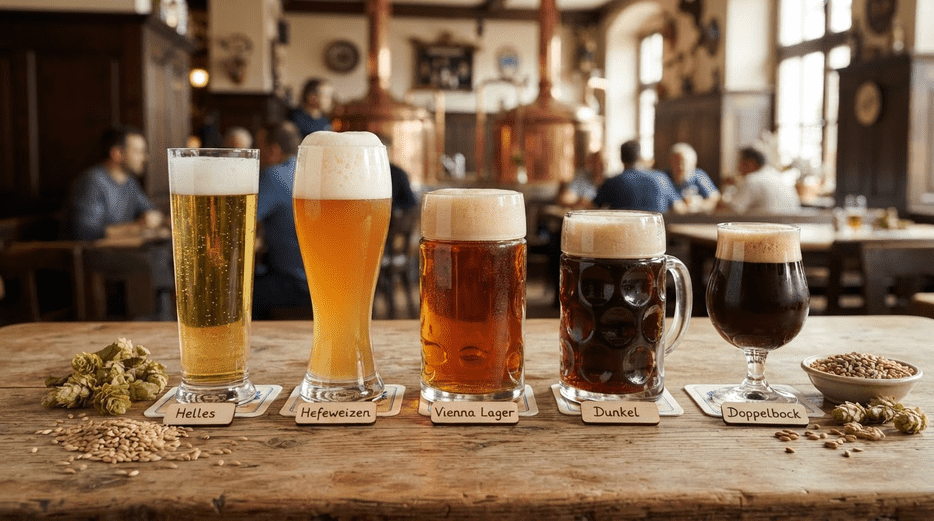
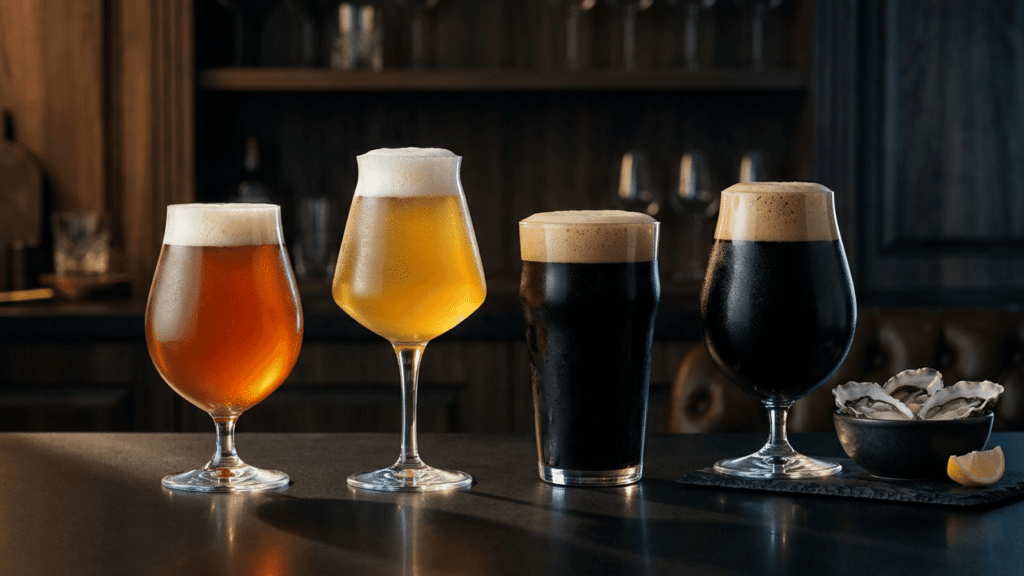
For most traditional beers, the answer is yes. Beer is typically brewed with barley, wheat, or rye, all of which contain gluten. That means common styles like lagers, ales, IPAs, stouts, and wheat beers are generally not gluten-free.
Why Does Traditional Beer Contain Gluten?
Traditional beer relies on malted barley to provide fermentable sugars, flavor, color, and body. Many styles also include wheat, which contains even more gluten than barley.
While fermentation breaks down some gluten proteins, traditional beer is still generally considered unsuitable for people with celiac disease or serious gluten sensitivity.
Which Ingredients Contain Gluten?
The most common gluten-containing ingredients in beer are:
- Barley
- Wheat
- Rye
- Malted barley
- Malted wheat
- Brewer’s malt
By contrast, gluten-free beers are brewed with ingredients such as sorghum, millet, rice, buckwheat, or quinoa instead of barley or wheat.
Gluten-Reduced Beer vs. Gluten-Free Beer
Gluten-free and gluten-reduced beers are often confused, but they are not the same. The difference lies in how they are made, their gluten levels, and who they are safe for.
| Aspect | Gluten-Free Beer | Gluten-Reduced Beer |
|---|---|---|
| How It’s Made | Brewed with naturally gluten-free grains like millet, sorghum, rice, or buckwheat | Brewed with gluten-containing grains like barley, then treated with enzymes to reduce gluten |
| Gluten Content | Below 20 ppm, often undetectable | May still contain trace amounts above 20 ppm |
| Safe for Celiac Disease | Yes, if certified gluten-free | Not guaranteed that trace gluten can still trigger a reaction |
| FDA Labeling | Can be legally labeled “gluten-free” | Cannot be labeled gluten-free under FDA guidelines |
| Taste Profile | Can taste different from traditional beer depending on the grains used | Closer in taste to traditional beer since it starts with barley |
| Common Examples | Glutenberg, Ghostfish, Holidaily, Bard’s Gold | Omission, Stone Delicious IPA, Duck Foot Brewing |
| Best For | People with celiac disease or serious gluten sensitivity | People with mild gluten sensitivity who want a more traditional beer taste |
| Certification | Can be certified gluten-free by third-party organizations | Cannot receive gluten-free certification |
Best Gluten-Free Beer Options
Not all gluten-free beers are created equal; some are brewed in fully dedicated gluten-free facilities, while others are simply treated with enzymes to reduce gluten levels.
Here are the best gluten-free beers worth trying, so you know exactly what you’re picking up off the shelf.
1. Glutenberg American Pale Ale
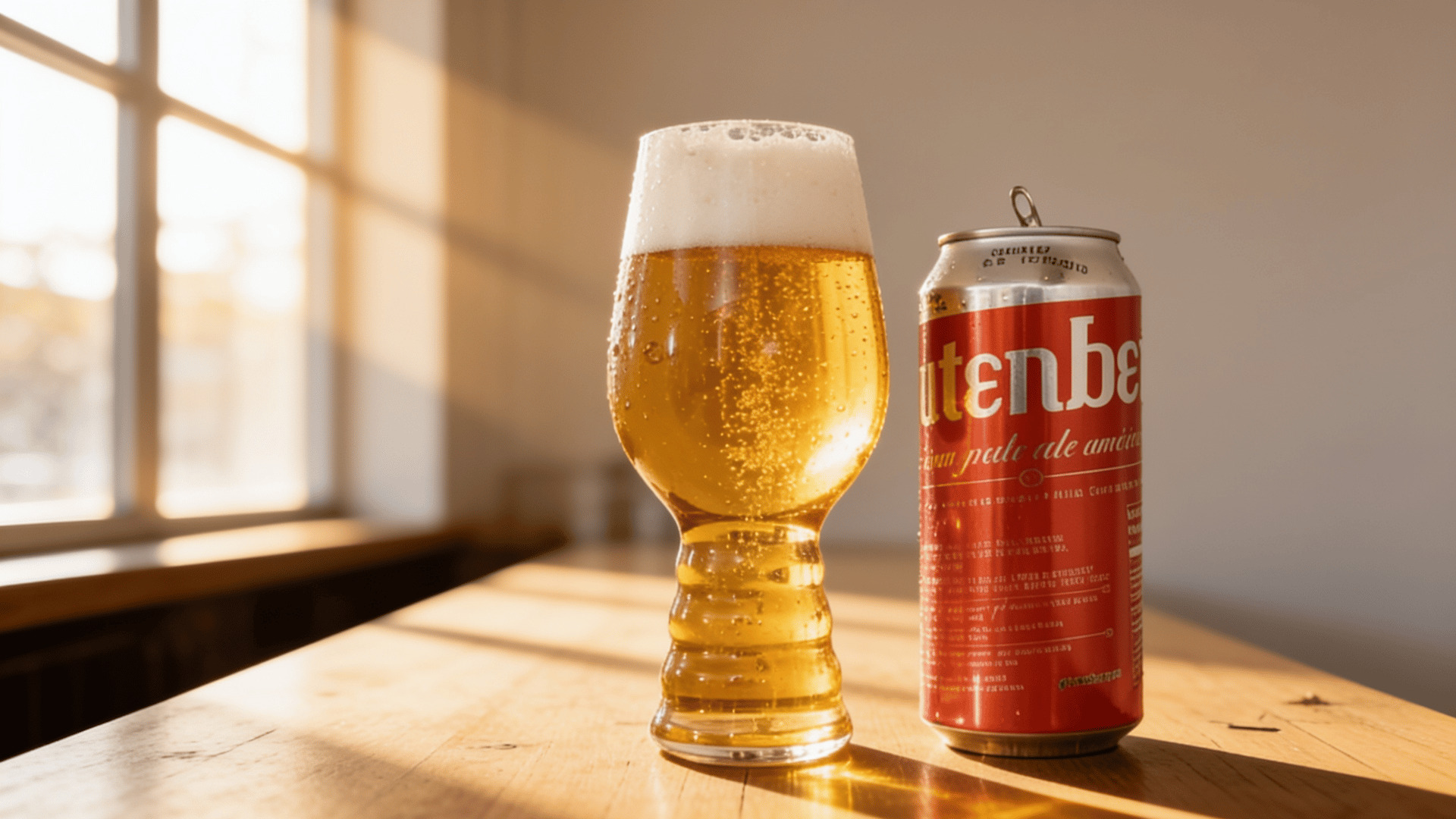
For anyone asking if beer is gluten-free, Glutenberg is one of the most trusted answers on the market.
Brewed with millet, buckwheat, and quinoa, it delivers a bold, hoppy flavor balanced with citrus notes of orange and grapefruit.
Made in a dedicated gluten-free facility, it’s a safe pick for people with celiac disease. One of the most awarded gluten-free beers available, and easy to find in most stores.
2. Ghostfish Grapefruit IPA
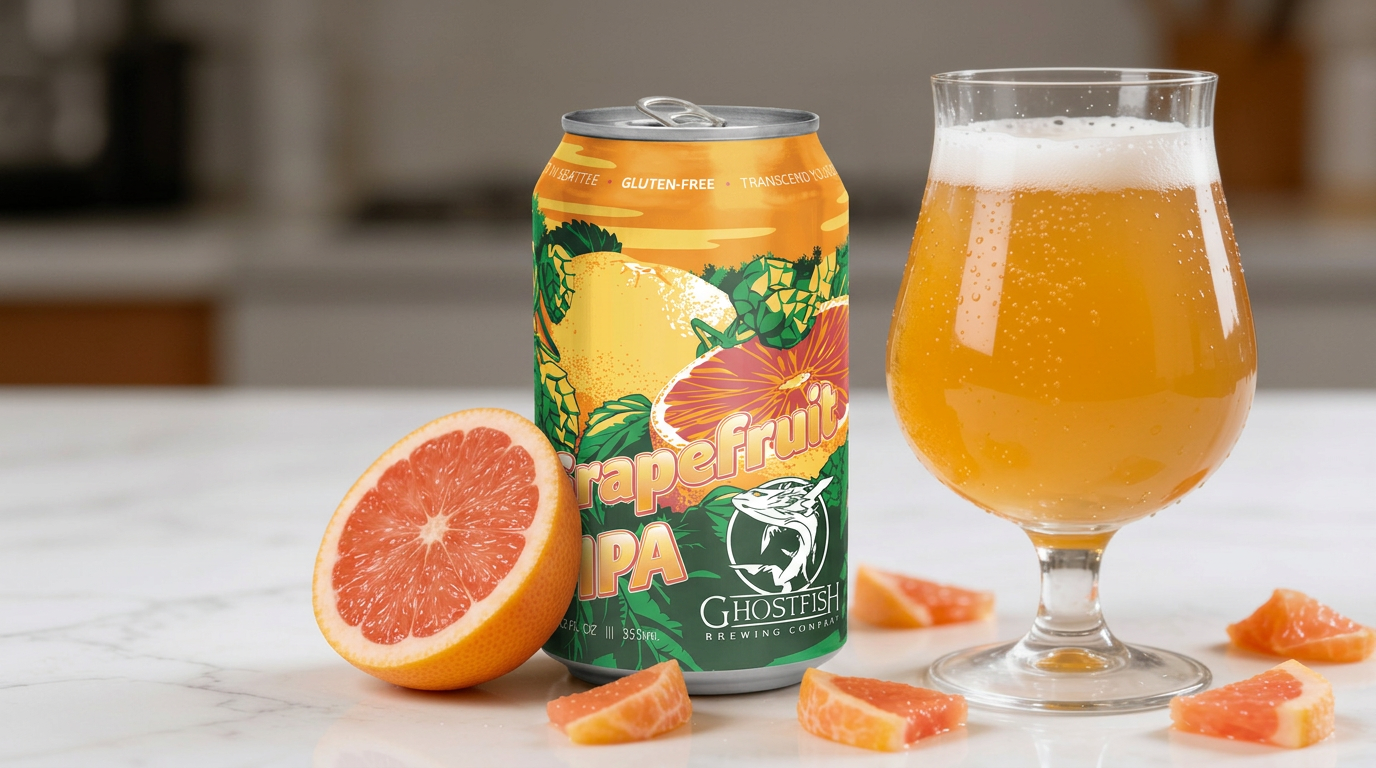
Ghostfish Brewing is a fully dedicated gluten-free brewery based in Seattle.
Their Grapefruit IPA has won multiple accolades, including a Bronze Medal at the 2019 Best of Craft Beer Awards and a Gold Medal at the 2017 Great International Beer, Cider, Mead and Sake Competition.
Brewed with malted rice, millet, and buckwheat, it delivers bold tropical and citrus hop notes without any gluten-containing grains.
3. Ghostfish Watchstander Stout
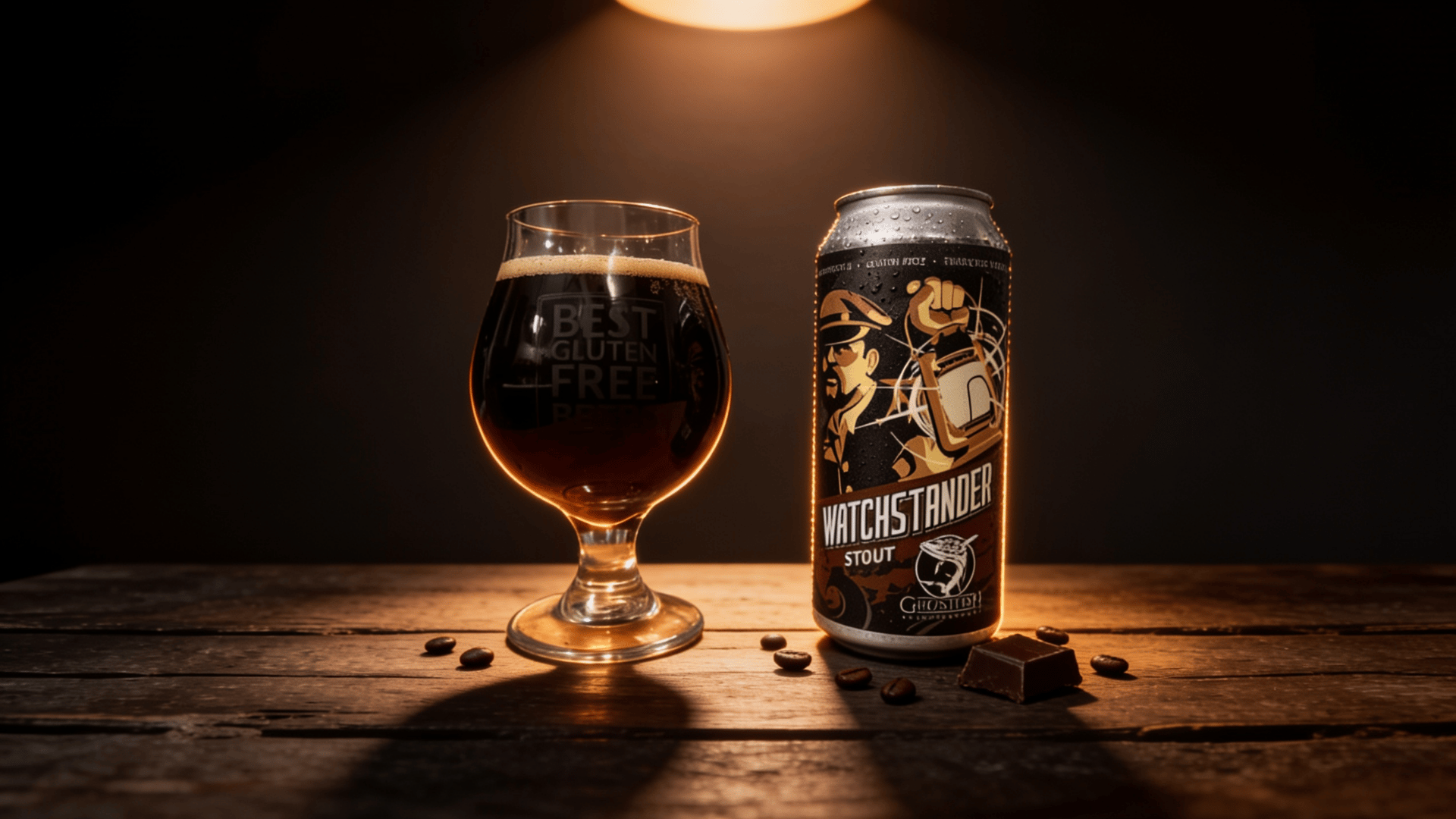
Watchstander Stout is made from dark roasts of malted millet, buckwheat, and brown rice, offering rich flavors of dark chocolate, roasted coffee, and toasted marshmallow, enhanced by certified gluten-free oats for a fluffy mouthfeel.
It has won Gold Medals for Gluten-Free Beer at the 2015 and 2021 Great American Beer Festivals.
A must-try for dark beer lovers who need to stay fully gluten-free.
4. Holidaily Favorite Blonde
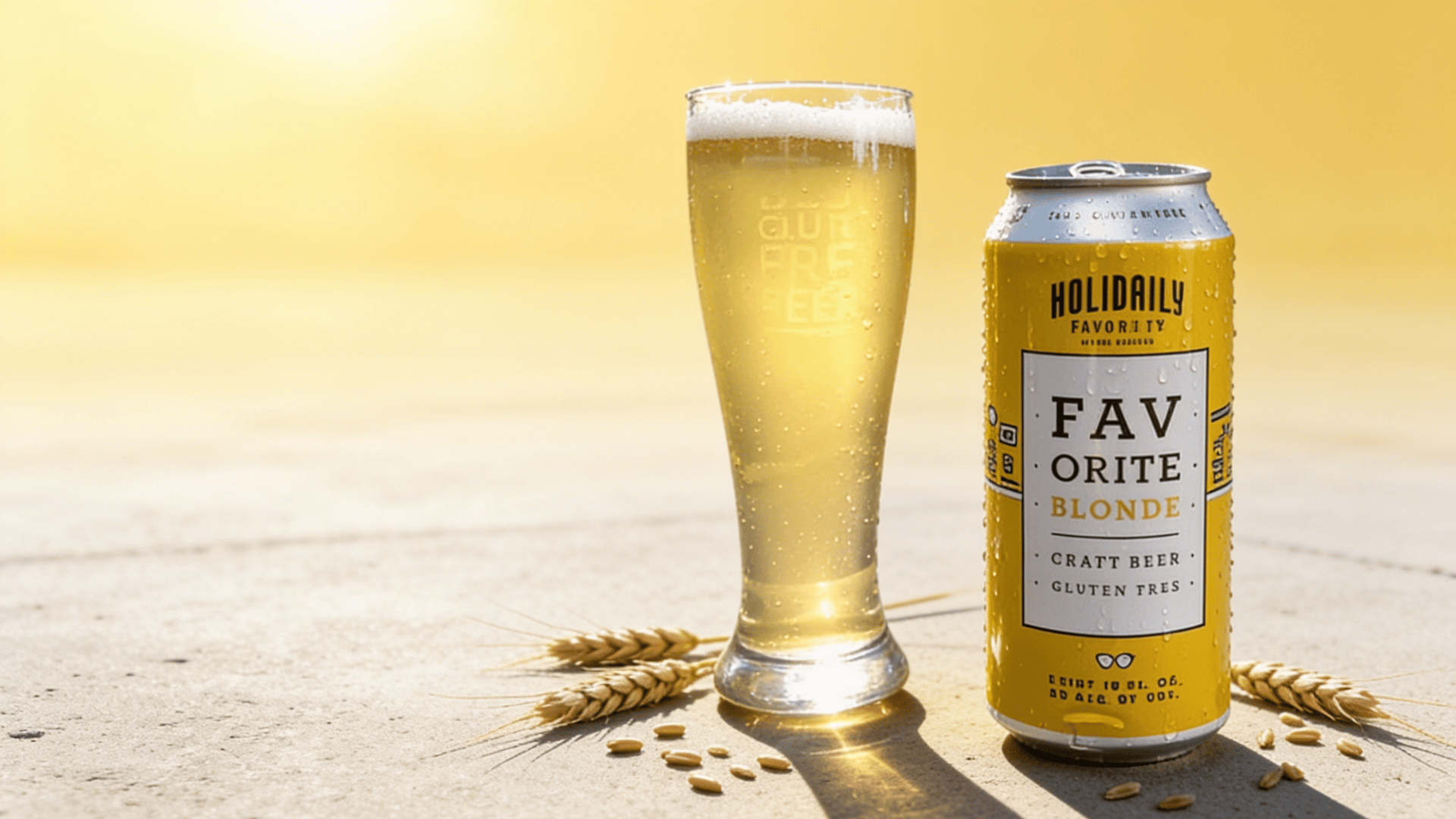
Holidaily is a 100% dedicated gluten-free brewery, and their Favorite Blonde is a crowd-pleaser.
Light, crisp, and easy to drink, it’s a great starting point for anyone new to gluten-free beer.
Brewed in Golden, Colorado, their beer is made without gluten-containing grains, making it one of the safest options for people with celiac disease.
5. Holidaily Brewing IPA
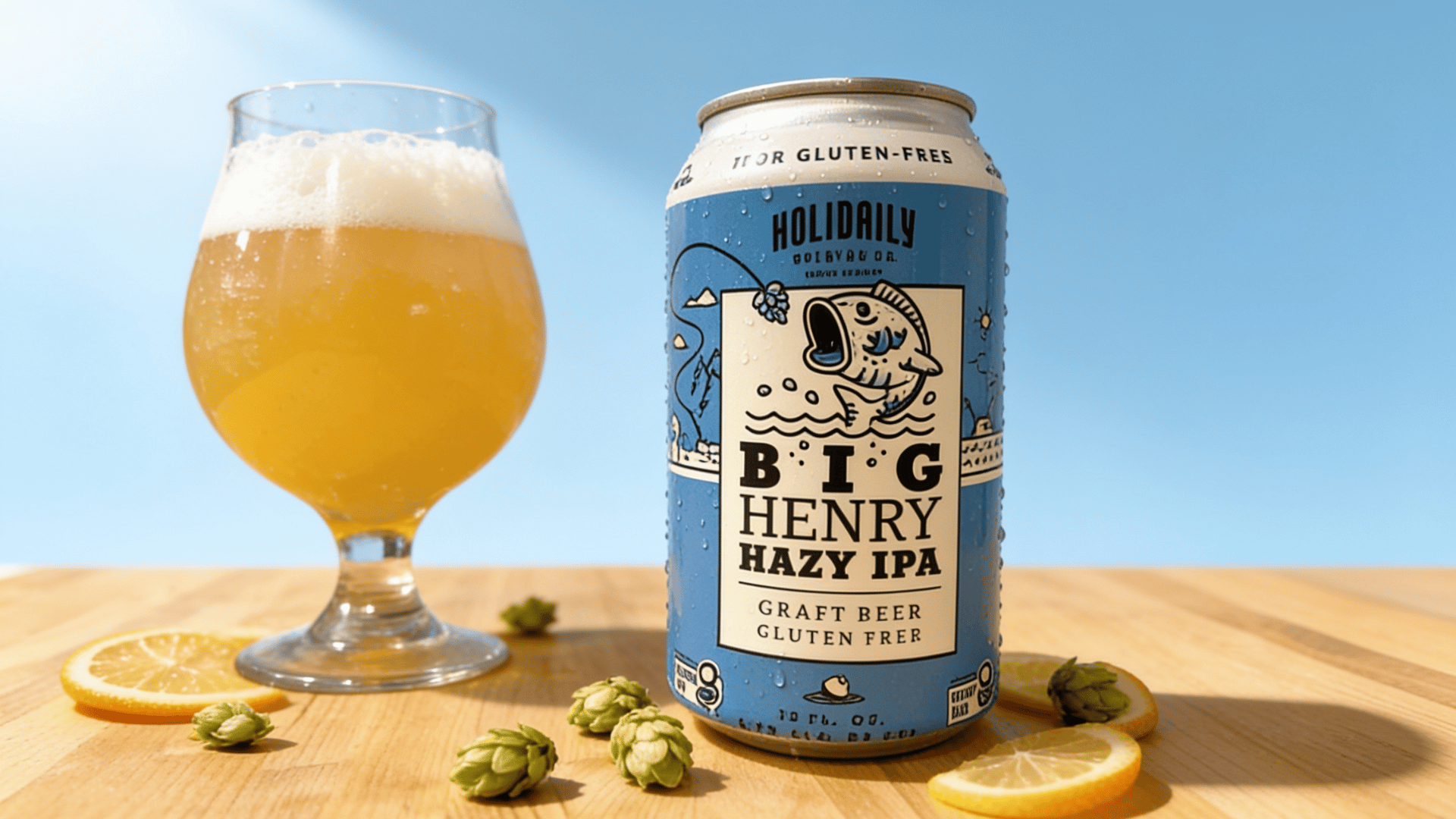
Holidaily’s IPA is a classic choice and one of their top-selling beers, with the brewery committed to using only gluten-free ingredients.
It brings solid hop character with a clean, bitter finish.
A reliable option for hop lovers who need a fully certified gluten-free beer from a brewery that doesn’t cut corners on ingredients or safety standards.
6. Stone Delicious IPA
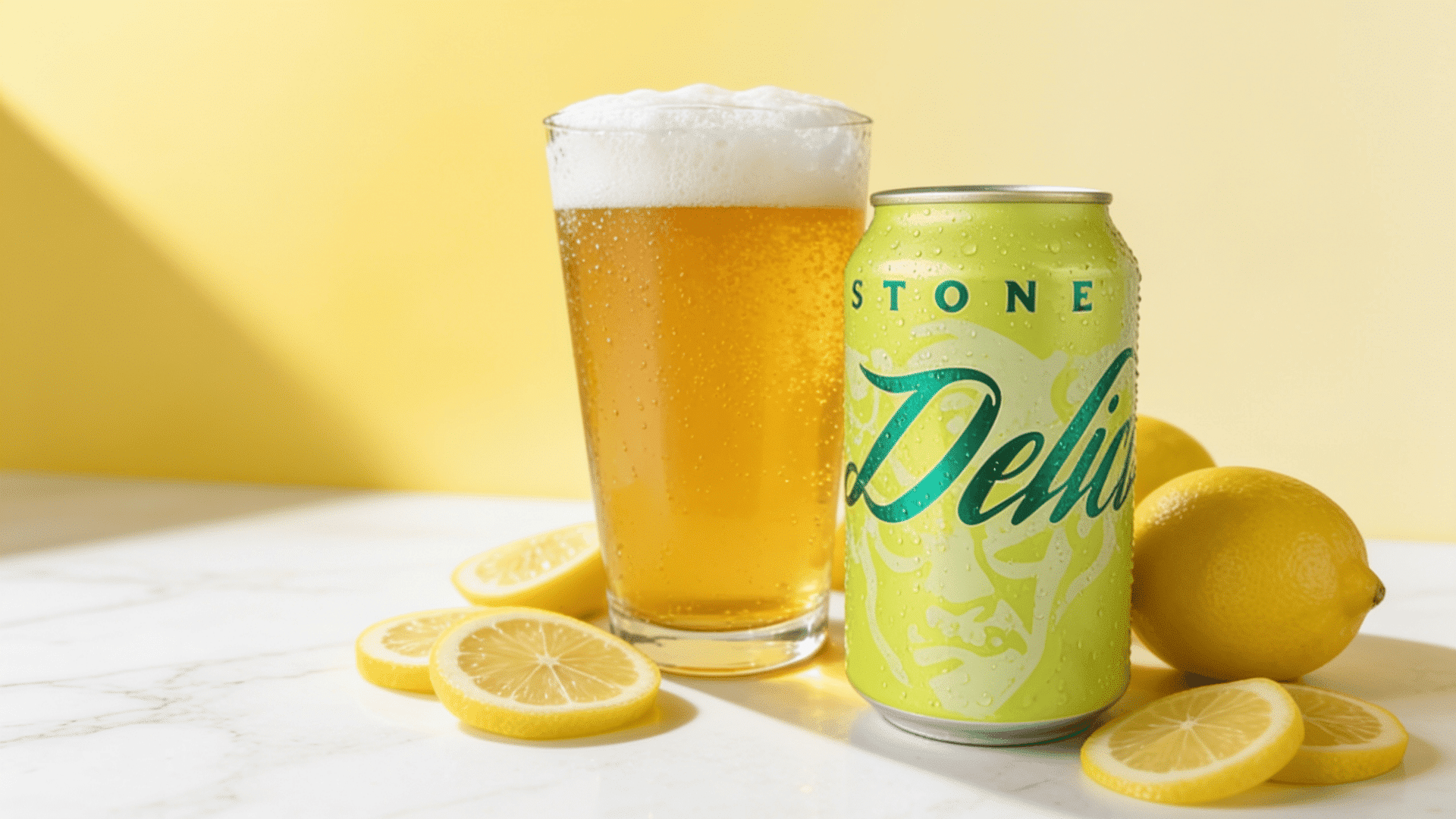
Stone Delicious IPA is a gluten-reduced beer. Since these beers are brewed with barley and then treated to reduce gluten, many celiac organizations do not recommend them for people with celiac disease.
With lemon drop hops as a centerpiece and a massive dry hop of El Dorado hops, it delivers tart, citrusy notes and a lemon tree bouquet.
For people with mild gluten sensitivity rather than celiac disease, it’s one of the most flavorful and widely available options on the market.
7. Omission Lager
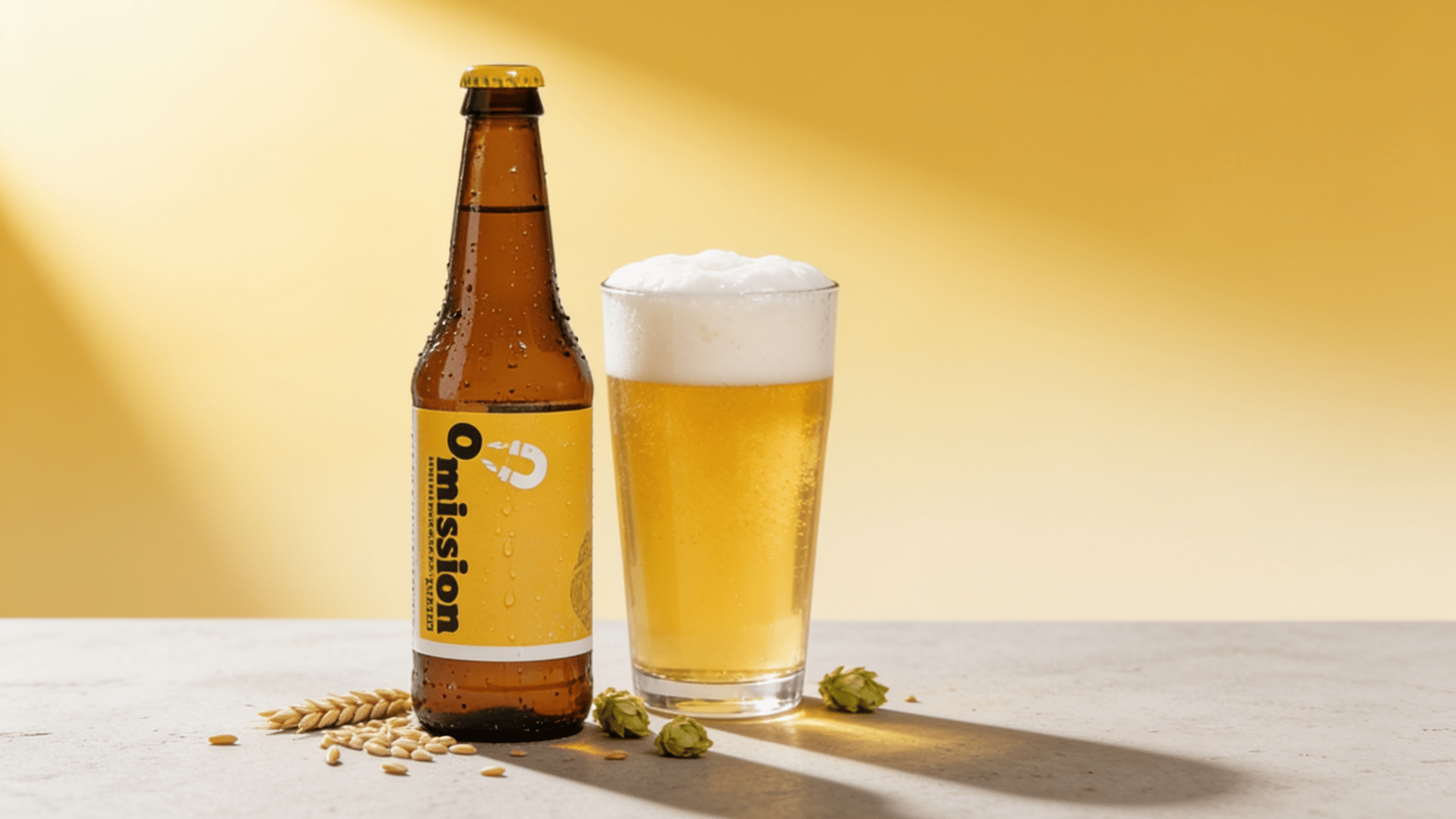
Omission is one of the most recognizable gluten-reduced beer brands in the US. Their lager is crisp, clean, and easy to drink, built for people who want something close to a standard light lager.
It’s brewed with traditional barley but treated with an enzyme to reduce gluten levels.
Not certified gluten-free, so people with celiac disease should approach with caution before drinking.
8. New Planet Blonde Ale
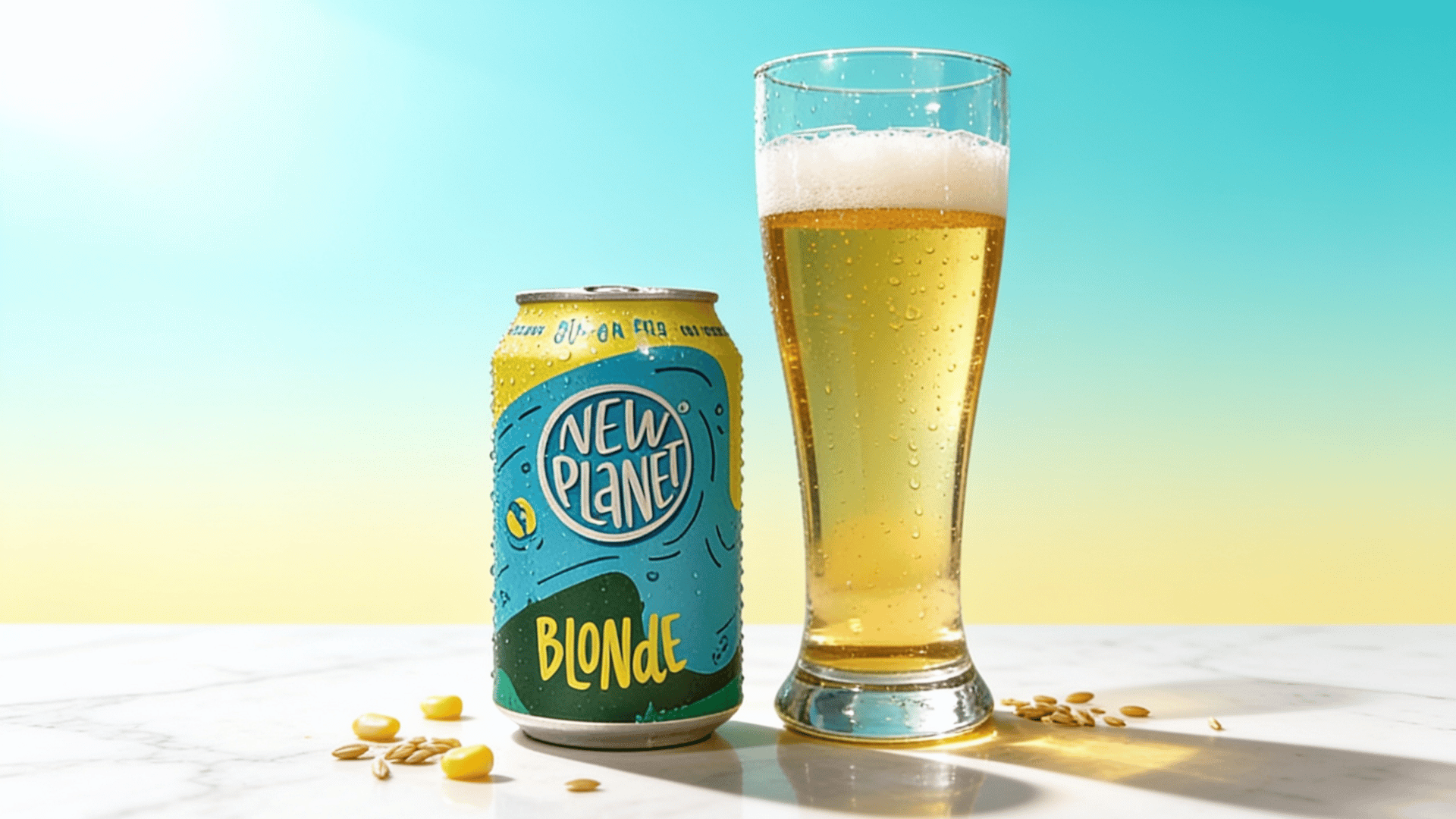
New Planet brews exclusively gluten-free beers using sorghum, corn, and other gluten-free grains.
Their Blonde Ale is light, smooth, and refreshing, a straightforward option for casual drinking.
If you’ve been wondering if beer is gluten-free and where to start, New Planet is one of the more approachable brands for beginners. Widely available in US stores and easy to find online.
9. Bard’s Gold
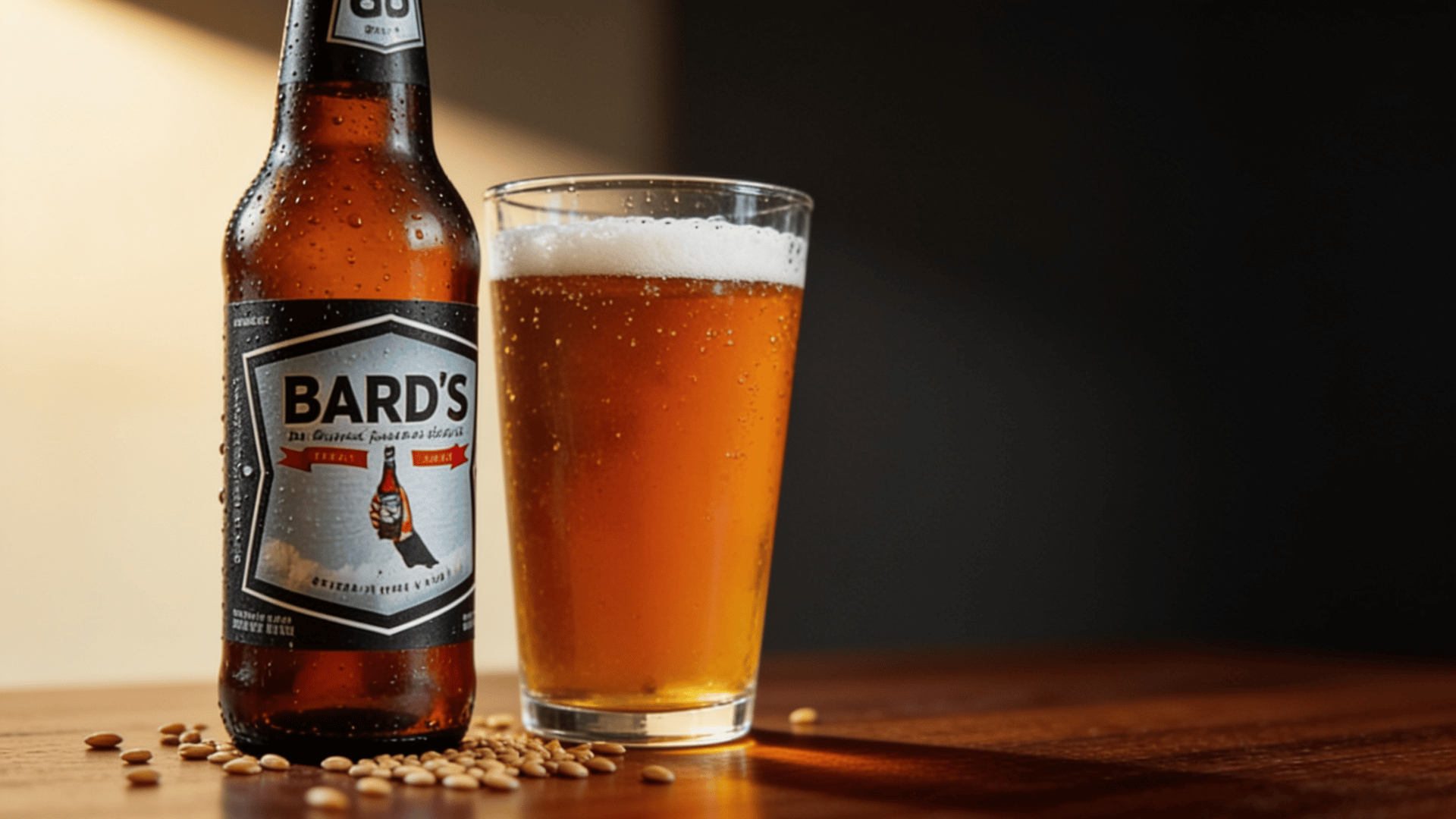
Bard’s Gold is one of the original gluten-free beers in themarket, brewed entirely with sorghum malt.
It has a slightly sweet, malt-forward flavor that works well for people transitioning away from traditional lagers.
Fully gluten-free and produced in a dedicated facility, it’s a dependable option for celiac sufferers who want something familiar and straightforward to drink.
10. Green’s Amber Ale
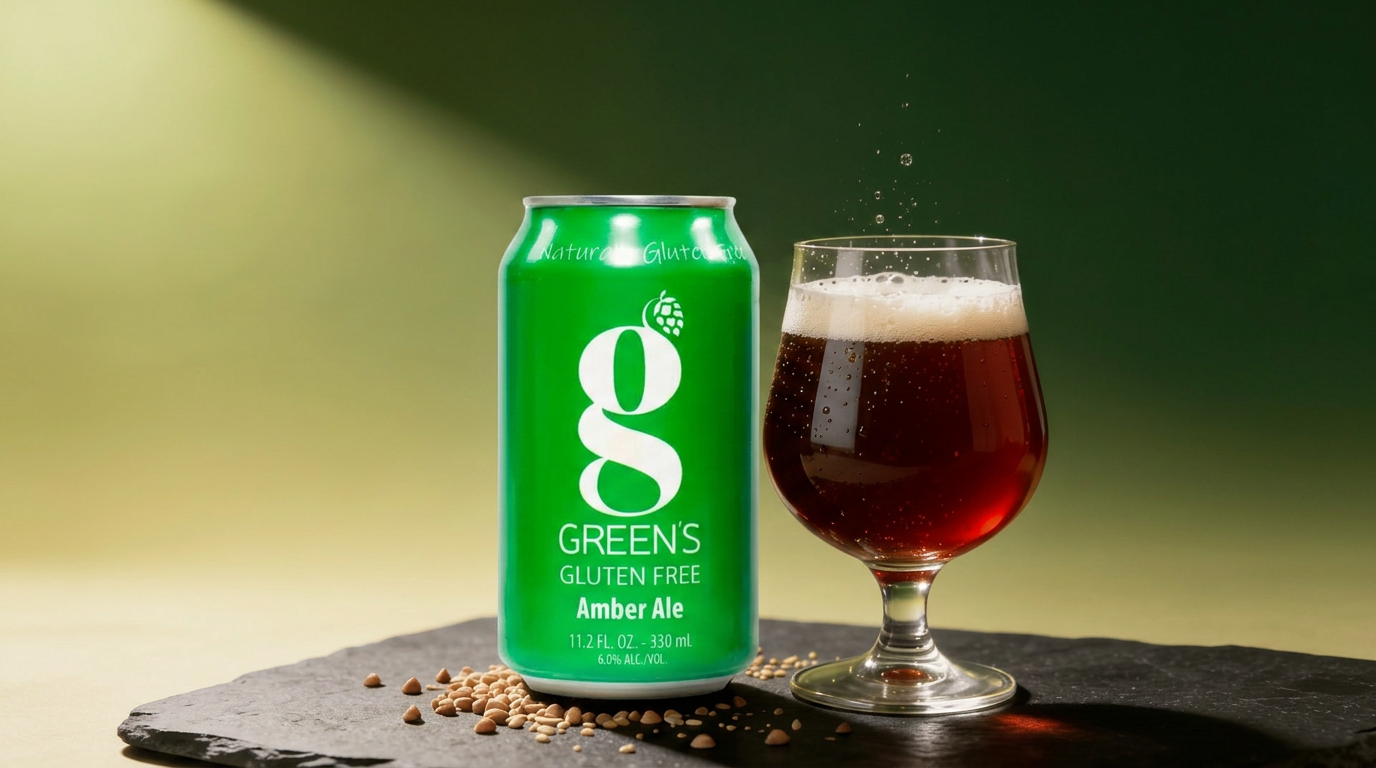
Green’s is a Belgian-inspired gluten-free brewery that uses millet, buckwheat, sorghum, and brown rice in place of barley.
Their Amber Ale is rich, malty, and slightly fruity, closer in character to a traditional craft ale than most gluten-free options.
A solid pick for anyone who finds most gluten-free beers too light or too sweet, and wants something with more body and depth.
11. Aurochs Light Lager
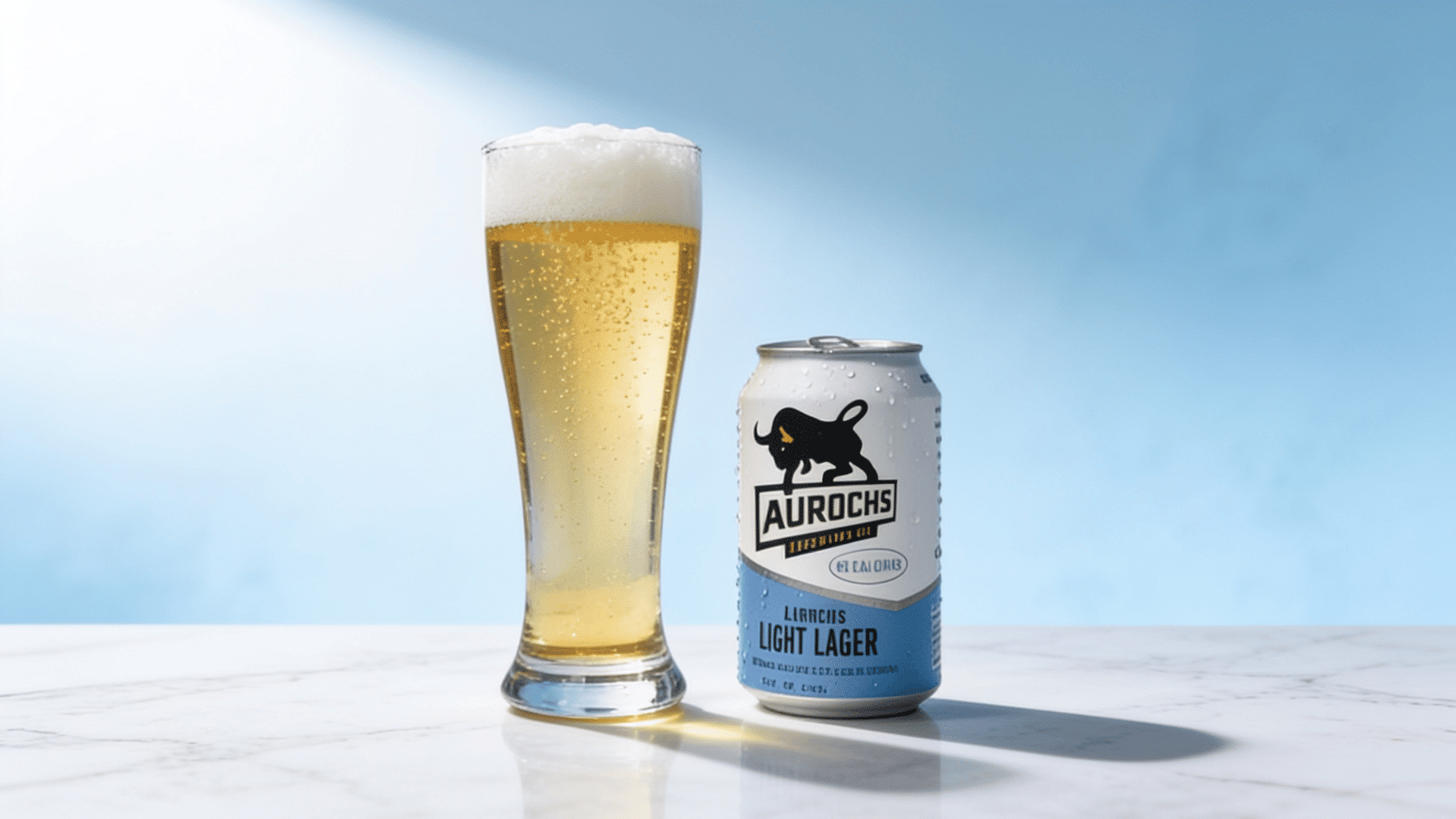
Aurochs Brewing’s gluten-free light lager is clean and crisp, with a solid flavor, and comes in at just 85 calories.
It’s one of the better light beer options in the gluten-free space, not watered down and not short on flavor.
Brewed in a dedicated gluten-free facility, making it a safe choice for celiac sufferers who want a low-calorie beer they can actually enjoy.
12. Green’s Endeavor Dubbel Ale
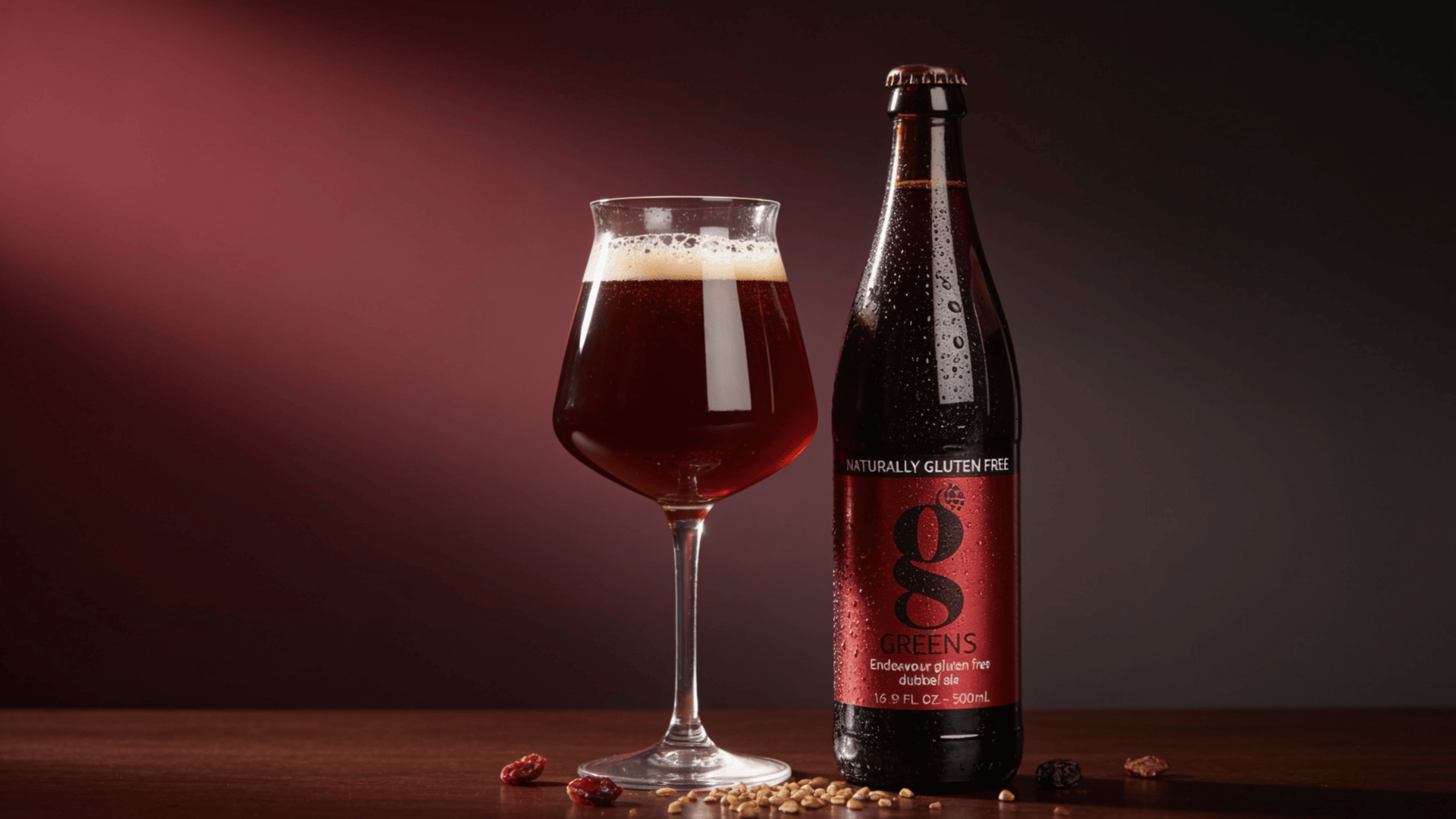
Green’s is a Belgian-inspired brewery that brews exclusively with gluten-free grains, including millet, buckwheat, sorghum, and brown rice.
Their Endeavor Dubbel Ale is rich, dark, and malt-forward, with notes of dried fruit and caramel and a smooth finish.
For anyone wondering if beer is gluten-free in the Belgian style, Green’s is one of the few breweries pulling it off well. A great option for drinkers who want something with real depth and complexity.
Wrapping Up
Whether you have celiac disease, a gluten sensitivity, or you’re just cutting back, there are more beer options available today than ever before.
The key is knowing the difference between certified gluten-free beers and gluten-reduced ones because for anyone with a serious intolerance, that distinction can make a real difference.
Stick to beers brewed in dedicated gluten-free facilities if you need to be safe.
If you’re just casually watching your gluten intake, gluten-reduced options give you more variety. Either way, not being able to drink traditional beer doesn’t mean settling for something that tastes like it.
Frequently Asked Questions
Does Gluten-Free Beer Taste Different from Regular Beer?
It depends on the grains used; sorghum-based beers taste sweeter or more tart, while millet, buckwheat, or rice-based options come much closer to traditional beer.
Is Gluten-Free Beer Lower in Calories than Regular Beer?
Not necessarily, calorie counts depend on alcohol content and ingredients, not on gluten levels, so always check the label.
Can People with Celiac Disease Safely Drink Barley-Based “gluten-Removed” Beers?
Not recommended for people with celiac disease due to possible trace gluten exposure. Generally considered safe for people with celiac disease when certified gluten-free and produced according to gluten-free standards.