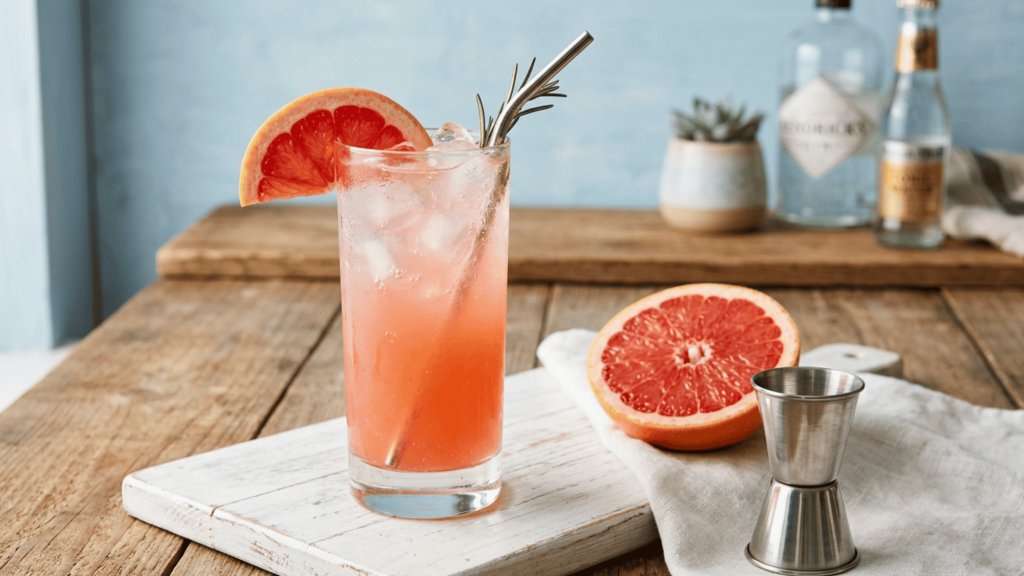


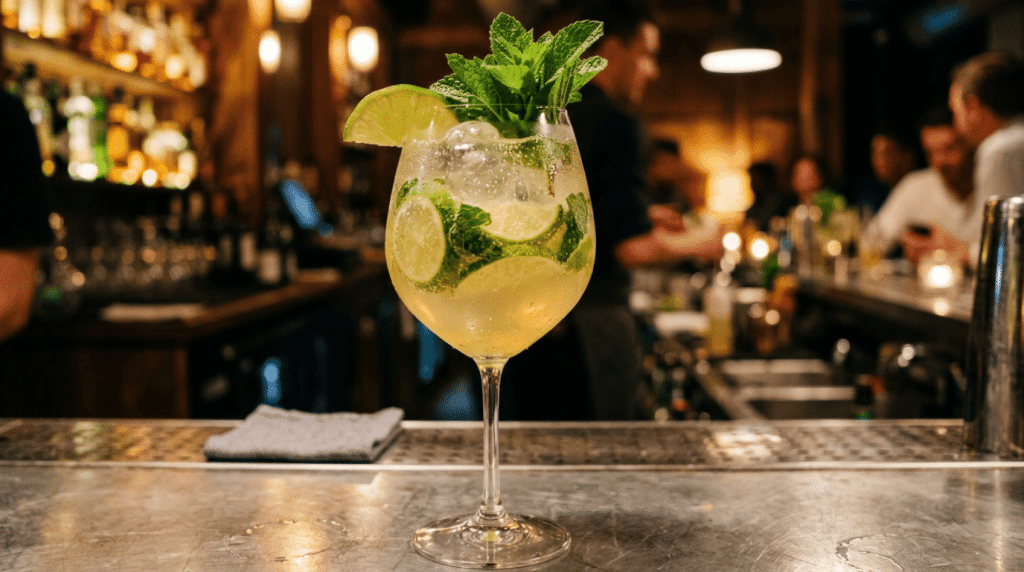
Looking for a Hugo Spritz recipe that actually works at home? This is it. The Hugo Spritz is a light, floral Italian cocktail built on Prosecco, elderflower liqueur, fresh mint, and lime.
It takes two minutes to make, uses five ingredients, and needs no special equipment, just a wine glass and a spoon. Most people assume drinks like this are complicated. They are not.
The 3:1:1 ratio keeps everything balanced, and a few small technique tips, like how to prep the mint and pour the Prosecco, make a real difference in the final glass.
This blog covers the full recipe, variations, and answers to the most common questions.
What is a Hugo Spritz?
The Hugo Spritz started in South Tyrol, a small region in northern Italy. Bartender Roland Gruber put it together around 2005 in a town called Naturns, and the original build used lemon balm syrup or cordial, not elderflower.
Elderflower came later, caught on quickly, and became the standard. From there, the drink moved across Europe and never really stopped.
Flavor-wise, it is easy to like. Elderflower brings the sweetness, mint keeps things herbal and cool, lime adds a bit of brightness, and Prosecco gives it the lift that ties the whole thing together.
The Hugo Spritz is noticeably lighter than an Aperol Spritz, and for anyone who finds bitter aperitifs a bit much, that is usually reason enough to make the switch.
Hugo Spritz Ingredients (Serves 1)
The measurements below make one perfectly balanced Hugo Spritz. For a group, just multiply the quantities by the number of glasses needed.
| Ingredient | Measurement | Notes |
|---|---|---|
| Prosecco | 3 oz / 90 ml | Brut or Extra Dry, well chilled |
| Elderflower liqueur | 1 oz / 30 ml | St-Germain is the go-to |
| Club soda | 1 oz / 30 ml | Add last to keep the bubbles |
| Fresh mint leaves | 4–5 leaves | Clap before adding |
| Lime | 1–2 wheels | Sliced thin |
| Large ice cubes | 2–3 cubes | Avoid crushed ice |
Hugo Spritz Recipe: Step-by-Step
The 3:1:1 Ratio to Remember: A Hugo Spritz tastes right when the proportions stay consistent. Use three parts Prosecco, one part elderflower liqueur, and one part club soda.
Step 1: Chill the Glass
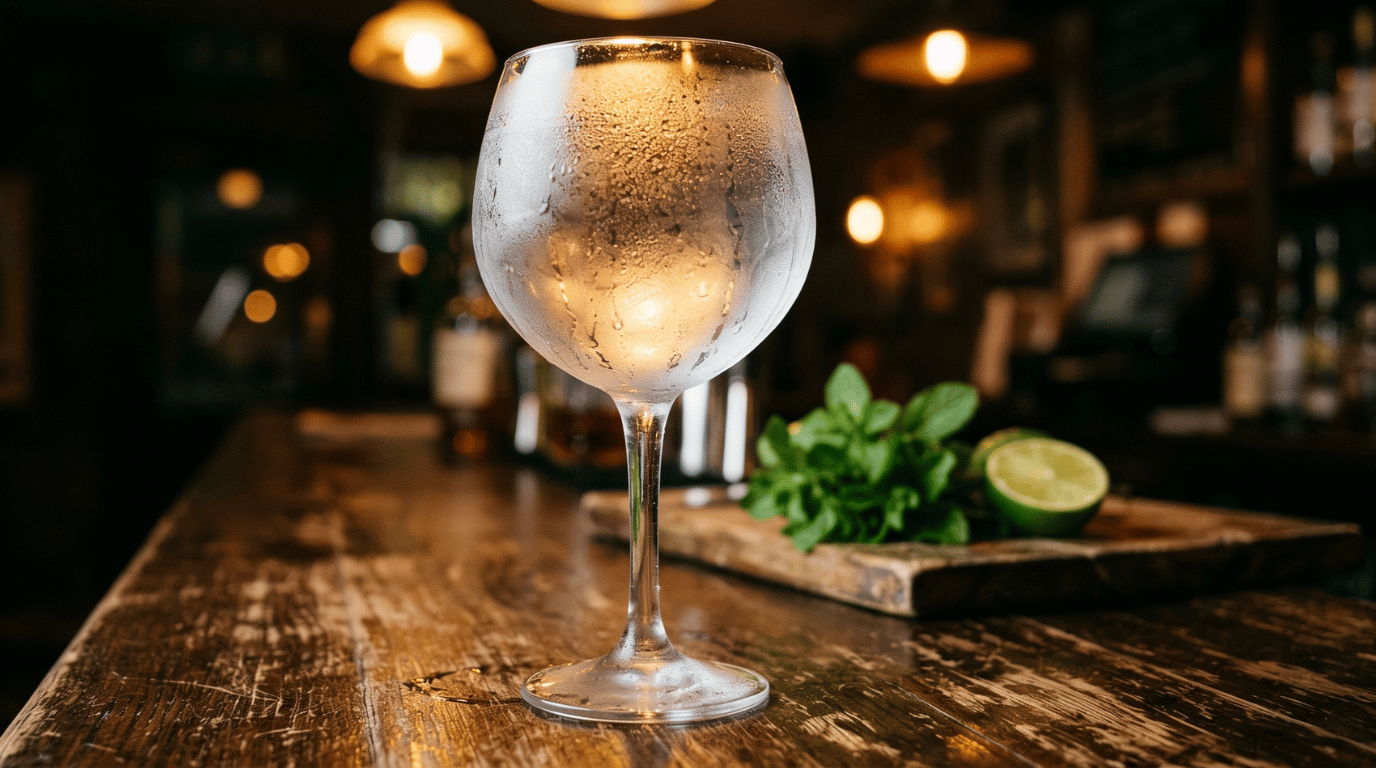
Start with a cold balloon wine glass before adding any ingredients. Place it in the freezer for about five minutes, or fill it with ice water while arranging everything else.
Empty the water before mixing the drink. A chilled glass helps the cocktail remain cooler from the first sip until the last.
It also slows the warming process, allowing the sparkling wine to stay lively for longer without requiring extra ice during serving.
Step 2: Add Ice
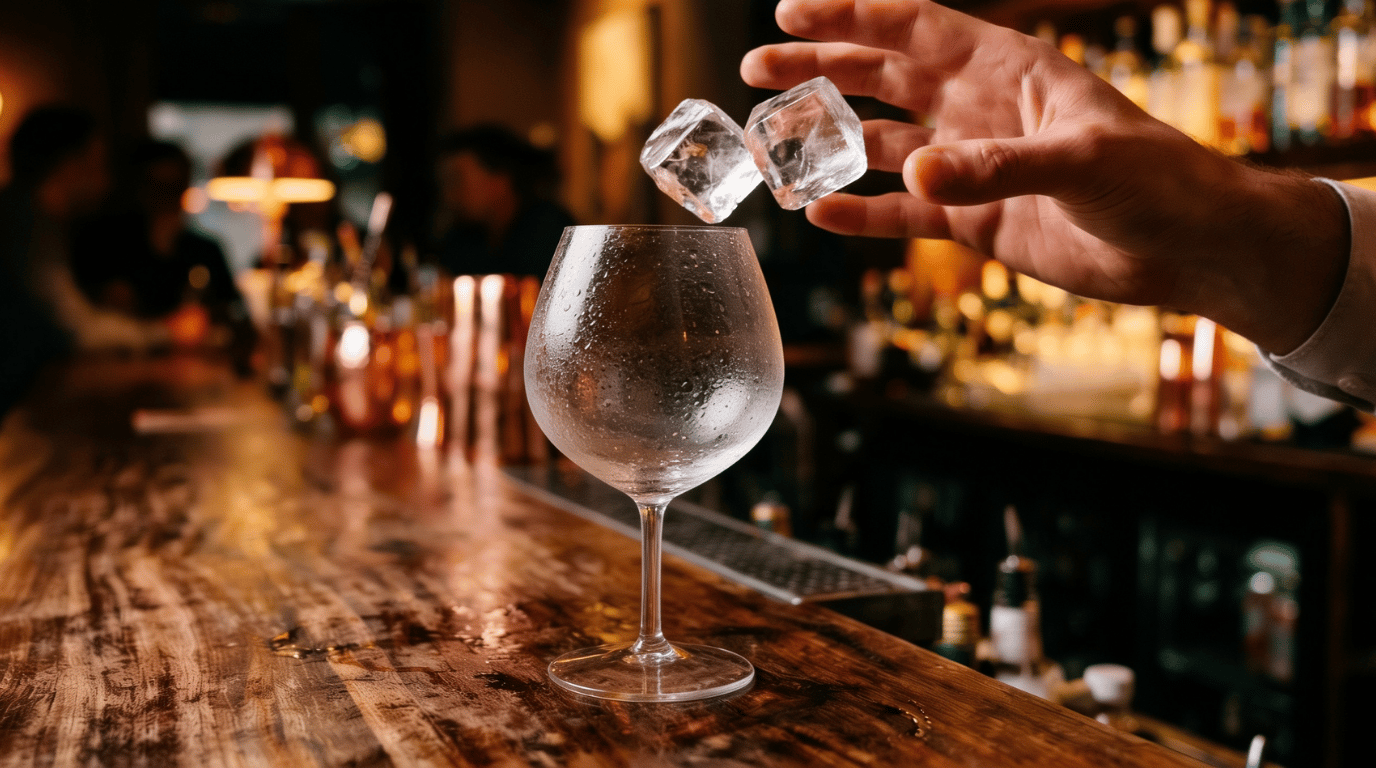
Place two or three large ice cubes into the chilled glass. Bigger cubes melt more slowly than smaller ones, helping the drink stay cold while reducing excess water in the mixture.
Smaller fragments melt much faster and can change the taste before the drink is finished.
Filling the glass with oversized cubes also creates enough room for the remaining ingredients while keeping the presentation clean and comfortable to hold throughout serving.
Step 3: Pour the Elderflower Liqueur
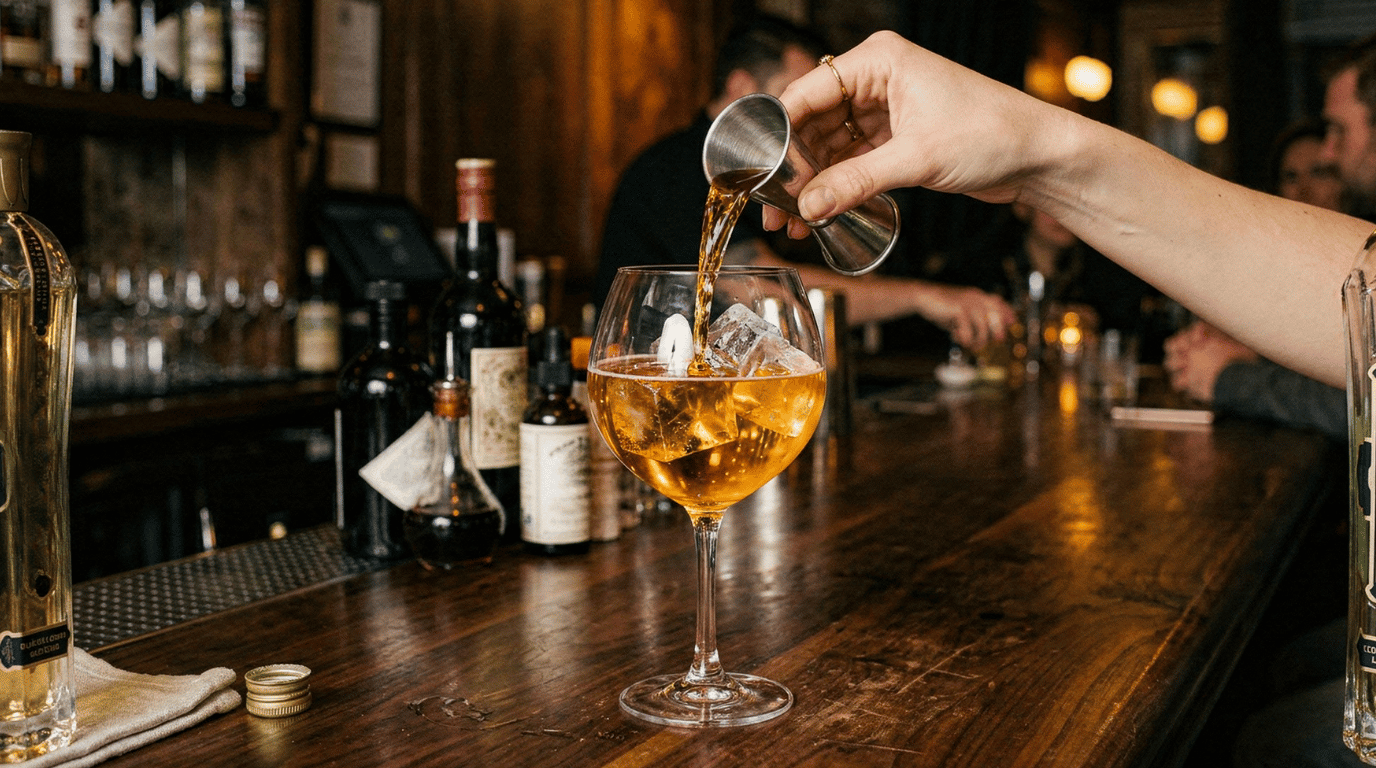
Measure one ounce of elderflower liqueur and pour it directly over the ice before adding anything else. Starting with this ingredient allows it to spread naturally through the glass as the sparkling wine follows.
That reduces the need for vigorous mixing later.
Keeping the floral sweetness evenly distributed ensures every sip carries the same pleasant taste, rather than having stronger sweetness collect near the bottom of the glass after pouring.
Step 4: Pour the Prosecco
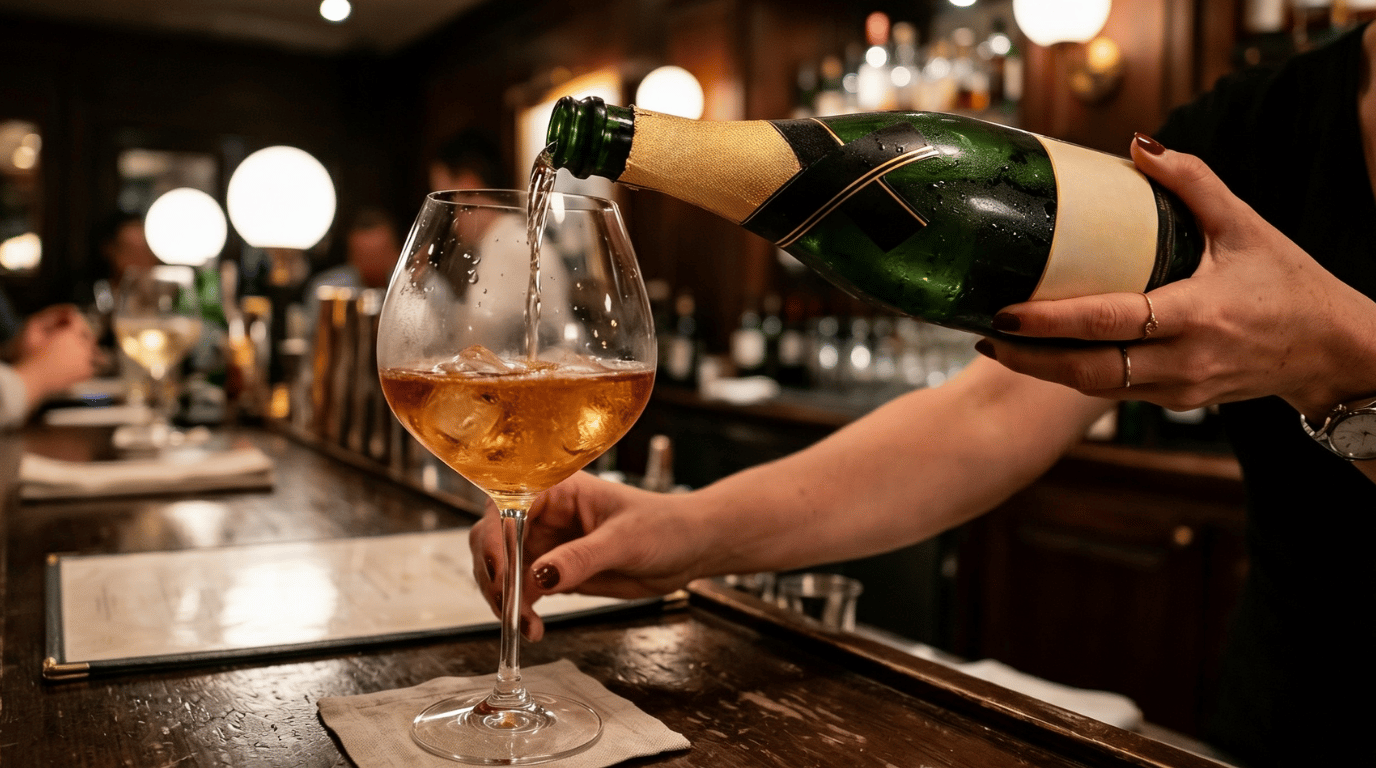
Slowly pour three ounces of chilled Prosecco into the glass while holding it at a slight angle. Let the liquid run gently along the inner surface rather than drop straight onto the ice.
This careful method protects the natural fizz and limits unnecessary foam.
A gentle pour also keeps the drink looking clear and fresh while allowing the sparkling wine to settle comfortably with the elderflower liqueur already waiting beneath it.
Step 5: Top with Club Soda
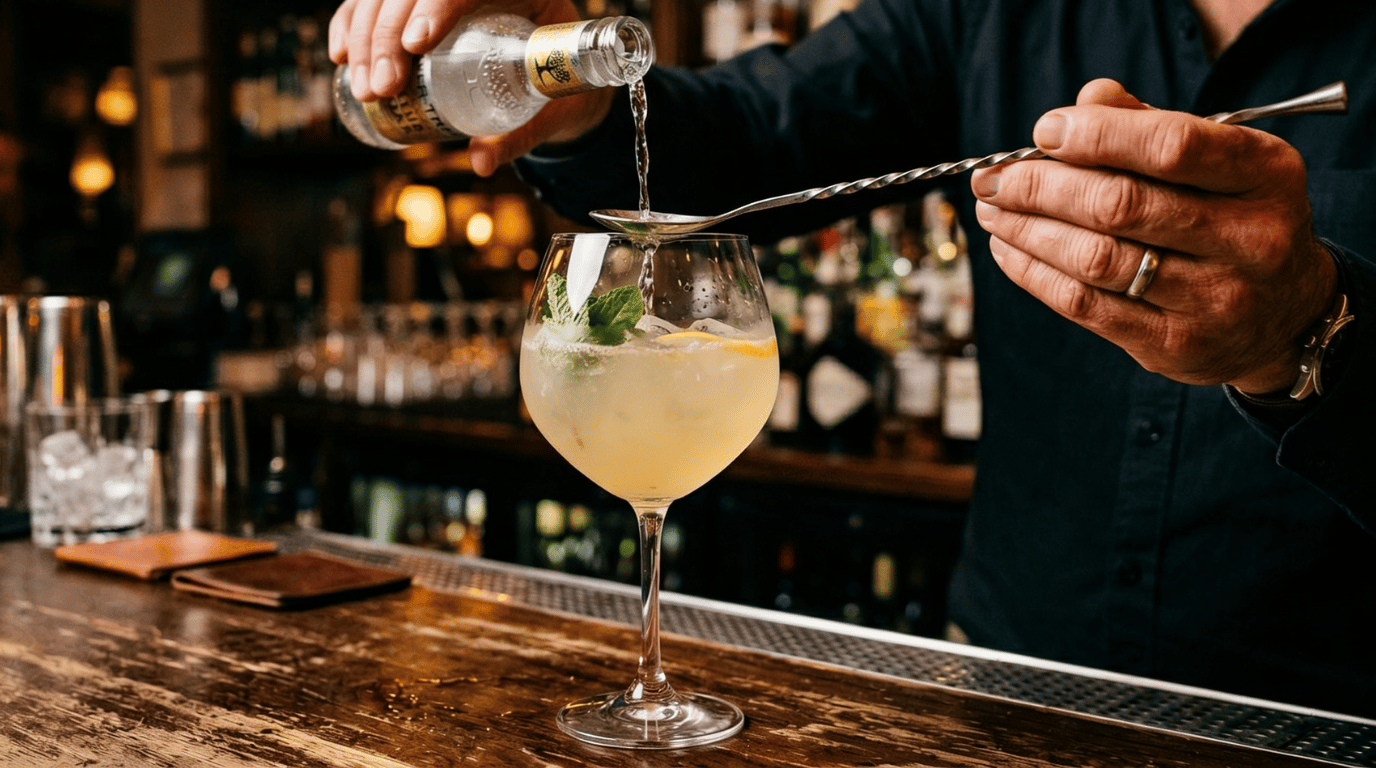
Finish the liquid portion by adding one ounce of club soda. Pour it gently over the back of a bar spoon positioned above the drink.
Slowing the flow helps preserve carbonation instead of forcing bubbles to disappear too quickly.
Since club soda adds freshness without sweetness, it lightens the cocktail while allowing the wine and elderflower notes to remain clearly noticeable from the first sip until the final taste.
Step 6: Prepare the Mint
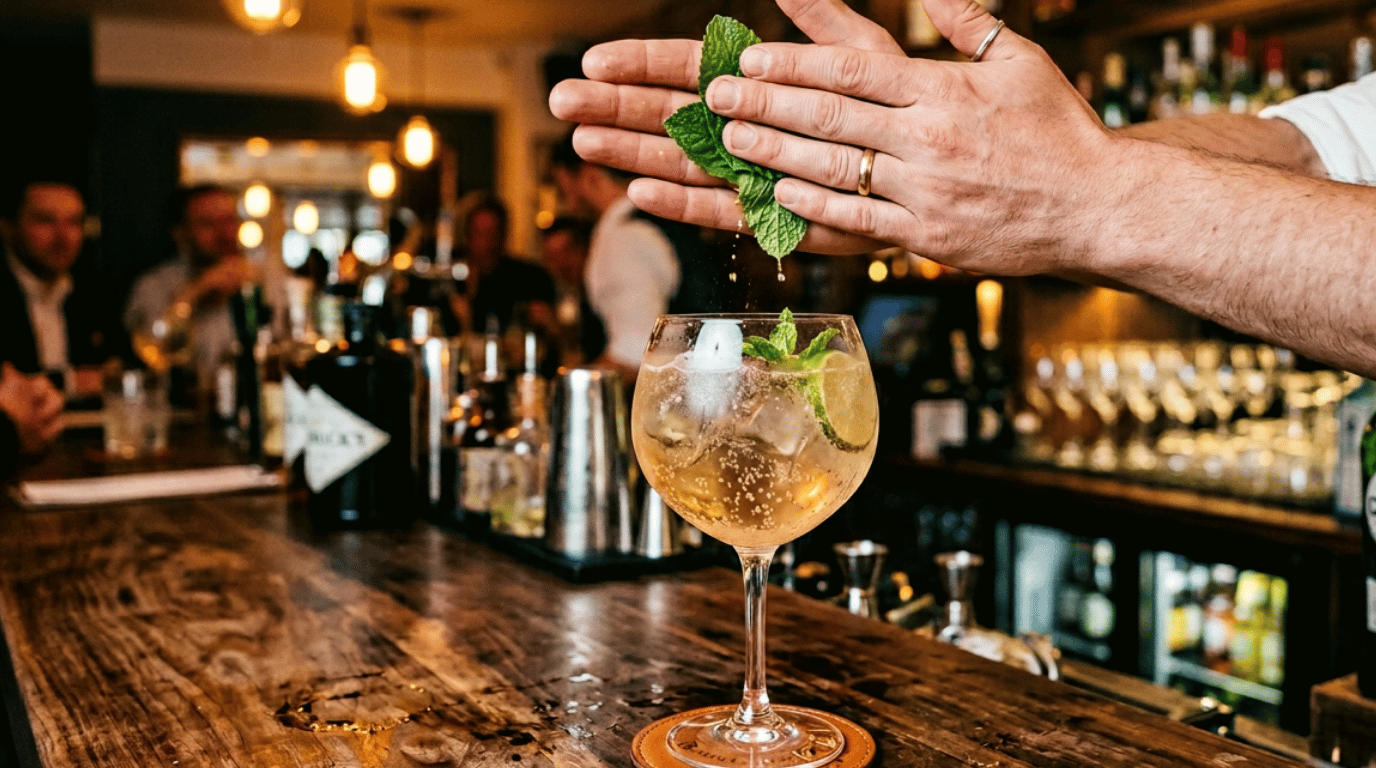
Take four or five fresh mint leaves and place them between your palms.
Give them one firm clap before adding them to the glass. This simple action releases fragrant oils from the surface without damaging the leaves.
Avoid crushing or tearing them, as this can cause unwanted bitterness over time.
Fresh mint should contribute a clean, herbal scent that rises naturally while drinking, rather than becoming overpowering in the cocktail.
Step 7: Garnish and Stir Once
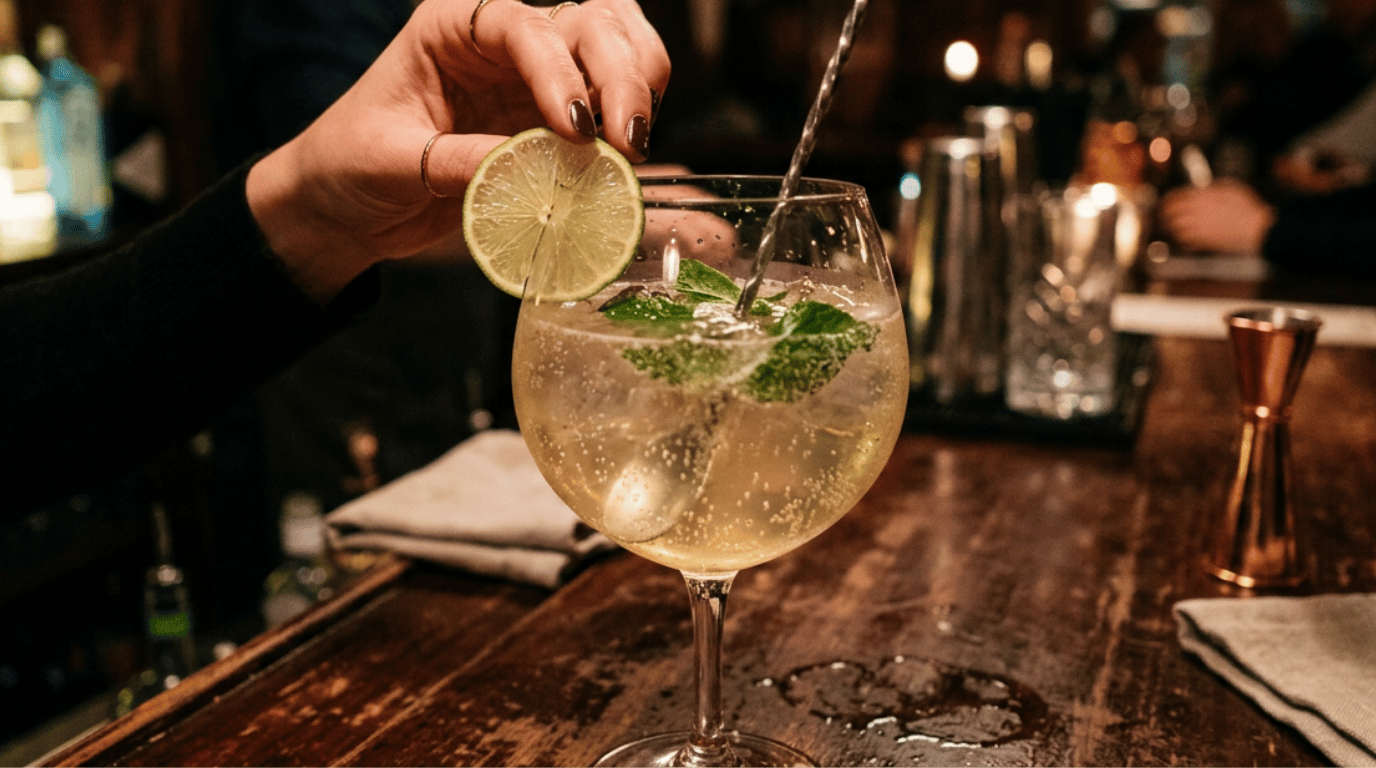
Slide a fresh lime wheel into the glass after the mint has been added. Using a bar spoon, give the cocktail one slow stir to combine the ingredients without disturbing the bubbles too much.
There is no need for repeated stirring because the liquids have already mixed naturally during pouring.
Serve the drink immediately while it remains cold, lively, and pleasantly fizzy for the fullest flavor with every sip.
Hugo Spritz Variations
A few simple ingredient changes can give the classic Hugo Spritz a fresh twist, making it suitable for a variety of tastes and occasions.
- Hugo Spritz Mocktail: Swap the elderflower liqueur for 2 tablespoons of Belvoir Elderflower Cordial and replace the Prosecco with sparkling water. Keep the mint and lime exactly the same.
- Strawberry Hugo Spritz: Muddle two fresh strawberries in the bottom of the glass before adding ice. The strawberry pairs well with the floral elderflower and adds a natural color to the drink.
- Frozen Hugo Spritz: Blend 3 oz Prosecco, 1 oz elderflower liqueur, the juice of half a lime, and 1 cup ice until smooth. Pour into a chilled glass, top with a small splash of soda, and add a sprig of mint.
- Cucumber Hugo Spritz: Add four or five thin cucumber slices before pouring the ingredients. The cucumber brings a crisp, cooling flavor that complements the elderflower and fresh mint.
- Peach Hugo Spritz: Add 1 oz peach purée or muddle a few fresh peach slices into the glass before mixing. The juicy sweetness blends naturally with the floral notes of elderflower and sparkling wine.
- Rosé Hugo Spritz: Replace the Prosecco with sparkling rosé for a fruitier variation. The rosé adds delicate berry notes and a beautiful blush color while preserving the cocktail’s refreshing character.
- Citrus Hugo Spritz: Use a combination of lime, orange, and grapefruit slices instead of only lime. The extra citrus layers create a brighter aroma and a more vibrant, refreshing finish.
- Berry Hugo Spritz: Lightly muddle a handful of fresh raspberries or blackberries, then add ice. The berries contribute subtle sweetness, vibrant color, and a fresh fruit flavor that pairs well with elderflower.
Hugo Spritz vs. Aperol Spritz
Both drinks share the same Prosecco-and-soda base, but they taste very different.
The Hugo Spritz is floral and light, with no bitterness at all. The Aperol Spritz is more complex; it carries a bitter orange backbone that lingers well after the sip.
The Hugo tends to appeal to people who prefer lighter, sweeter drinks or those who are new to aperitivo-style cocktails. The Aperol Spritz suits anyone who enjoys a slightly more assertive flavor.
Neither is better than the other; they just serve different moods. Both are worth knowing how to make.
Tips for Making a Hugo Spritz
A Hugo Spritz is easy to make once you know a few simple tips. This is how to get the balance, fizz, and flavor right every time.
- Use fresh elderflower syrup instead of bottled cordial for a cleaner, more natural sweetness.
- Chill the glass and all ingredients beforehand so the drink stays cold without melting ice too fast.
- Add fresh lime juice right before serving to keep the citrus notes bright and sharp.
- Pour prosecco last and pour it slowly to protect the bubbles and avoid excess foam.
- Top with soda water or sparkling mineral water for a lighter, less sweet finish.
- Garnish with fresh mint and a lime wheel, and clap the mint once to release its scent.
- Serve immediately after mixing since the drink loses its fizz and chill within minutes.
Common Mistakes to Avoid
Even simple preparation mistakes can affect the flavor, aroma, and sparkle of a Hugo Spritz. Avoid these common errors to keep every glass balanced
1. Serving warm Prosecco: Sparkling wine loses its bubbles much faster when it isn’t properly chilled. Always refrigerate it for at least three hours before opening.
2. Stirring the drink too much: One gentle stir is enough to combine the ingredients. Excess stirring reduces carbonation and leaves the cocktail flatter than intended.
3. Adding too much club soda: More soda may increase the volume, but it also weakens the elderflower and sparkling wine, making the drink taste less balanced.
4. Using the wrong glass: A champagne flute may look suitable, but a balloon wine glass allows the mint and elderflower aromas to collect near the rim, improving the drinking experience.
Wrapping Up
Hugo Spritz earns its place as a refreshing choice for relaxed afternoons, celebrations, and casual get-togethers.
Its fresh character, pleasant aroma, and effortless preparation make it a drink that fits many occasions without requiring advanced bartending skills.
Once you become familiar with the basic method, it is easy to adjust the ingredients to match personal preferences or seasonal ingredients.
Serve it fresh, enjoy it while the bubbles are lively, and pair it with light snacks for an easygoing experience that feels just as suitable for entertaining guests as it does for a quiet moment at home.
Frequently Asked Questions
What is the Difference Between a Hugo Spritz and a St-Germain Spritz?
A Hugo spritz traditionally includes prosecco, elderflower liqueur, club soda, mint, and lime. A St-Germain spritz specifically uses St-Germain elderflower liqueur and is often served without mint.
What was Al Capone’s Favorite Cocktail?
The Southside cocktail is widely associated with Al Capone. Made with gin, fresh mint, lime juice, and sugar, it was reportedly a favorite during the Prohibition era.
What is the 2-2-2 Drinking Rule?
The two-two-two drinking rule commonly refers to mixing two parts spirit, two parts mixer, and two parts sparkling ingredient. It is an informal guideline rather than an official cocktail standard.