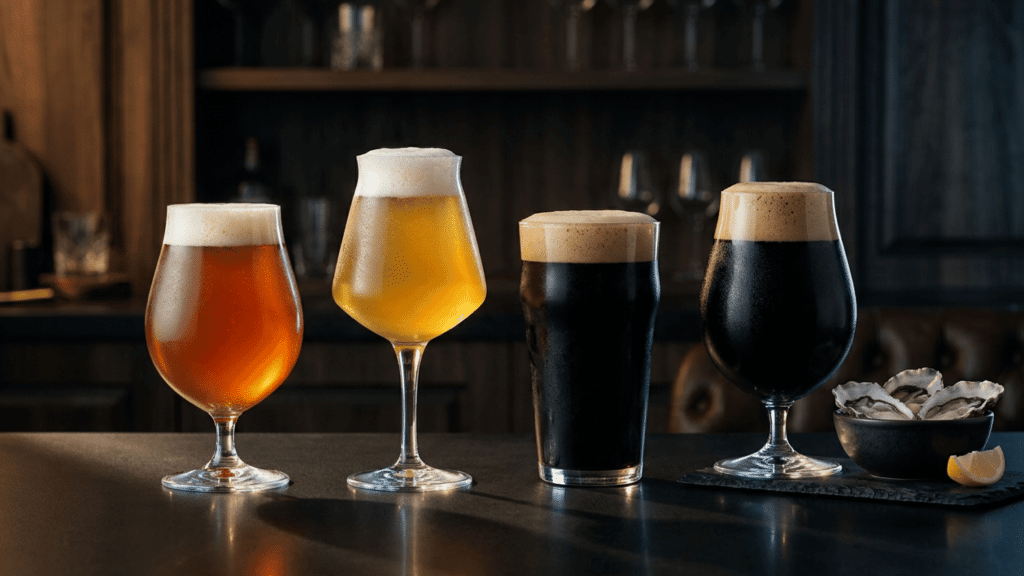


Have you ever wondered how grapes turn into wine or how grains become beer and whiskey? It all starts with fermentation.
Yeast eats the sugar in fruit or grain and turns it into alcohol. Beer and wine stop there, while whiskey is distilled to make it much stronger.
Some are light and fizzy, while others are stronger and develop their flavor over years. So, what happens between preparing the ingredients and pouring the finished drink into a glass?
In this blog, you’ll learn how alcohol is made, what happens during fermentation and distillation, and why different production methods lead to different drinks.
Keep reading to find out what goes into making beer, wine, and whiskey.
The Basic Process of Making Alcohol
Alcohol production begins with fermentable sugars from ingredients such as fruit, grains, honey or sugarcane. The production process varies by beverage type, but most alcoholic drinks follow these basic stages:
1. Prepare The Ingredients: Fruit may be crushed or pressed for juice, while grains are milled (ground) and mashed (soaked in hot water) so enzymes can convert their starches into fermentable sugars.
2. Fermentation: Yeast converts available sugars into ethanol and carbon dioxide.
3. Beverage-Specific Processing: Beer is conditioned, which means it rests so its flavor settles and it picks up fizz. Wine may be clarified (cleared of yeast and grape bits), blended, or aged.
4. Distillation: Whiskey and other spirits are distilled, which pulls the alcohol and some flavor compounds out of the fermented liquid and makes it much stronger. The Alcohol and Tobacco Tax and Trade Bureau (TTB) provides information about distilled spirits and the federal regulations governing their production.
5. Finishing: Depending on the drink, finishing may include carbonation, maturation, barrel aging, blending, filtration, dilution, or bottling.
How Does Fermentation Produce Alcohol?
Fermentation is the stage that creates ethanol. Once fermentable sugars are available, yeast consumes them, producing ethanol and carbon dioxide, along with compounds that influence the drink’s aroma and flavor.
-
Fruit-Based Fermentation: Grapes and many other fruits naturally contain sugars that yeast can ferment. The juice can therefore move into fermentation without the starch-conversion step required for grains.
-
Grain-Based Fermentation: Barley, corn, rye, and wheat contain much of their carbohydrate as starch. Before fermentation, enzymes must convert these starches into sugars that yeast can use. Brewers and distillers often malt the grain first, soaking it until it begins to sprout, which activates the enzymes that do the work.
-
Fermentation Conditions: Yeast strain, temperature, available sugar, nutrients, and fermentation time can affect how fermentation progresses and influence the resulting alcohol, aromas, and flavors.
Fact: Yeast produces alcohol only up to a certain concentration. As alcohol levels rise, yeast activity slows or stops, which naturally limits how strong a drink can become through fermentation alone.
How Do Beer, Wine and Whiskey Become Different Drinks?
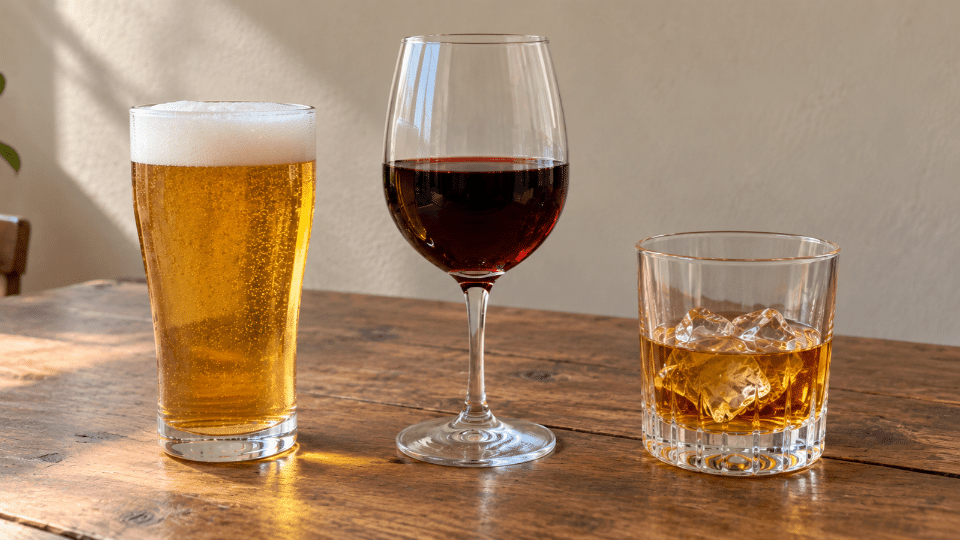
The ingredients and the steps before and after fermentation are what make beer, wine, and whiskey such different drinks.
Beer
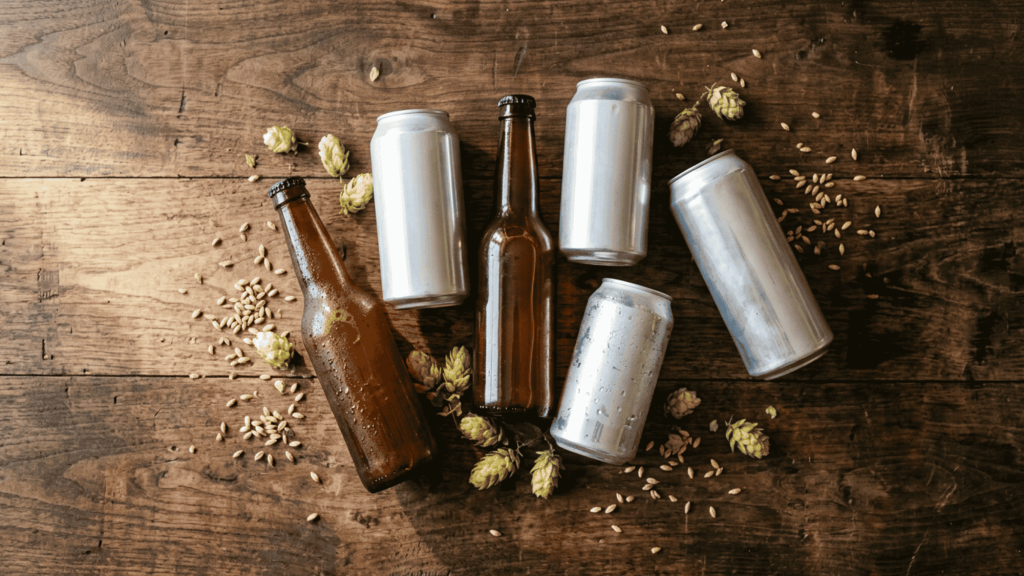
Malted barley and other cereal grains provide the carbohydrates used to produce most beers. During mashing, enzymes convert starches in the grain into fermentable sugars, creating a sugar-rich liquid called wort.
The wort is separated from the grains and typically boiled with hops, the flowers that give beer its bitter taste, before being cooled and fermented with yeast.
After beer fermentation, the drink may undergo conditioning, filtration, and carbonation before packaging. Since standard beer is not distilled, its alcohol remains at fermentation strength.
Whiskey
Distillation is the major step that separates whiskey production from fermented grain drinks such as beer.
Before reaching that stage, cereal grains such as barley, corn, rye, or wheat are milled and mashed to release fermentable sugars. Yeast first ferments those sugars into alcohol.
The fermented liquid is then heated in a still. Alcohol boils at about 78°C (173°F), which is lower than water at 100°C (212°F), so more alcohol than water turns into vapor.
That vapor is cooled back into a liquid that is much stronger than what went in. Many whiskey styles are then matured in wooden barrels, where aging adds color, aroma, and flavor before bottling.
Wine
Naturally occurring sugars in grapes allow winemaking to proceed without the starch-conversion stage required for grain-based drinks.
Grapes are crushed or pressed to release their juice, which winemakers call must when the skins and seeds are still mixed in.
The final wine alcohol percentage depends largely on the grapes’ sugar content and how much sugar yeast converts during fermentation.
Red wine commonly ferments with grape skins, which give it color and tannins, the compounds that make your mouth feel dry. White wine production generally separates the juice from the skins earlier.
Once fermentation is complete, winemakers may clear the wine, blend it, or let it mature before bottling. Most wine reaches the finished bottle without undergoing distillation.
Understanding Alcohol by Volume (ABV)
Alcohol strength is measured as alcohol by volume (ABV), which indicates the percentage of a drink’s total volume that is alcohol.
Fermentation factors such as sugar, yeast strain, temperature, and time influence ethanol production and alcohol strength.
As a general guide, beer often falls around 4–6% ABV, wine around 12–15% ABV, and distilled spirits around 40% ABV, although individual products can fall outside these ranges.
Distillation makes spirits like whiskey and vodka much stronger than beer or wine. The base ingredient matters too, as you can see in what vodka is made from.
Producers may add water after distillation to reach the desired bottling strength, so final ABV depends on production and finishing steps.
What is The Difference Between Fermentation and Distillation?
Fermentation and distillation perform different functions in alcohol production. Fermentation creates ethanol, while distillation concentrates the alcohol already produced.
|
Feature |
Fermentation |
Distillation |
|---|---|---|
|
Main Purpose |
Produces ethanol |
Concentrates existing ethanol |
|
How It Works |
Yeast converts fermentable sugars into ethanol and carbon dioxide |
Fermented liquid is heated, vaporized, collected, and condensed |
|
When It Happens |
Main stage, right after the ingredients are prepared |
Takes place after fermentation |
|
Used For |
Beer, wine, cider and the base for spirits |
Whiskey, vodka, rum, gin and other spirits |
|
Effect on Alcohol |
Creates alcohol from sugars |
Increases the concentration of alcohol |
|
Required for All Alcohol? |
Yes, produces ethanol and creates the base used for distilled spirits. |
Not required; only used when producing distilled spirits. |
Production Time for Beer, Wine, and Whiskey
The time needed to make an alcoholic drink depends on its fermentation, conditioning, and aging requirements. Some drinks are ready within weeks, while others take months or years to develop their final flavor.
-
Beer: Many ales can be ready within a few weeks, while lagers often take longer because they need additional conditioning time.
-
Wine: Many young wines are ready within a few months, while wines aged before release may take a year or more.
-
Whiskey: Fermentation and distillation usually occur early in production, but barrel aging can extend the process by several years, depending on the whiskey style and producer.
Conclusion
Beer, wine, and whiskey may start with different ingredients, but fermentation plays an important role in making all three.
Now that you know how alcohol is made, it’s easier to understand why these drinks differ in taste, strength, and appearance.
All three are made by fermentation, but whiskey is distilled afterward to increase its alcohol content.
Next time you pick up a bottle, check the ABV on the label and compare it with other drinks. Have any questions about alcohol production? Share them in the comments below.
Frequently Asked Questions
Can Alcohol be Made From Different Types of Sugar?
Yes. Fermentable sugars can come from fruits, grains, honey, sugarcane and other carbohydrate-rich agricultural ingredients.
Why are Some Alcoholic Drinks Carbonated?
Carbon dioxide may remain from fermentation or be introduced during later processing, depending on the beverage and production method.
Can The Same Ingredient Make Different Types of Alcohol?
Yes. Similar raw ingredients can produce different drinks depending on fermentation, distillation, aging, and other processing methods used after the ingredients are prepared.