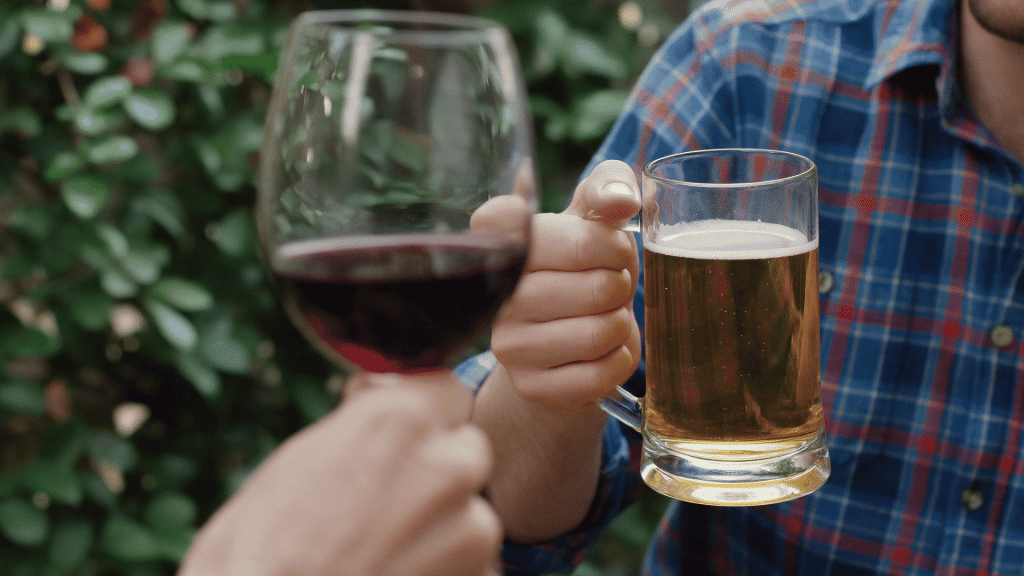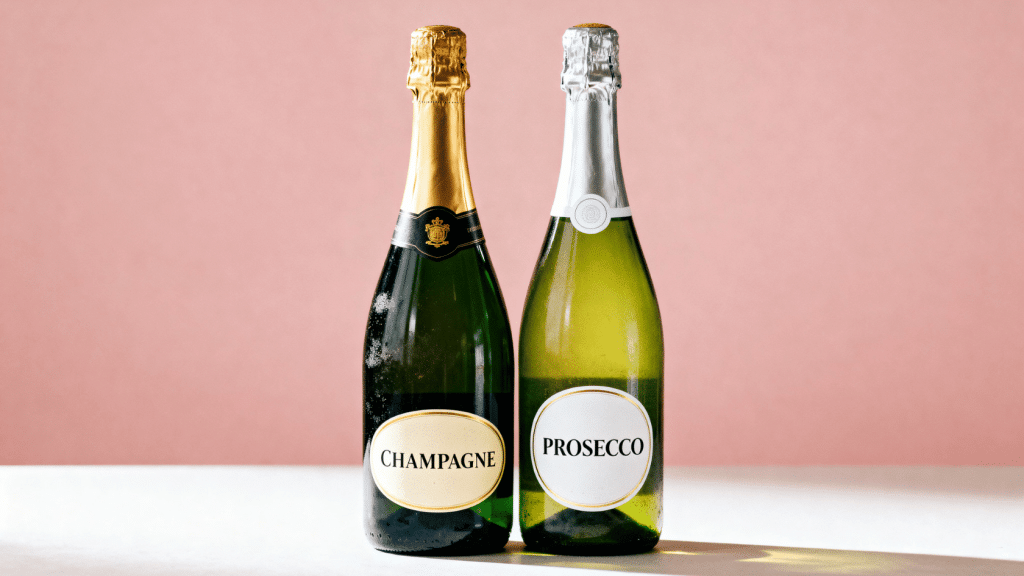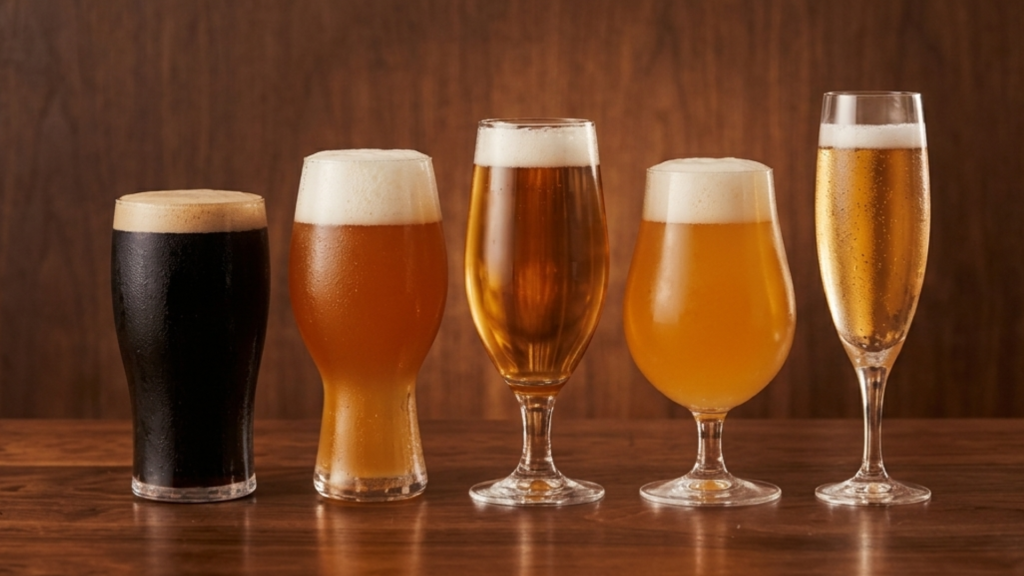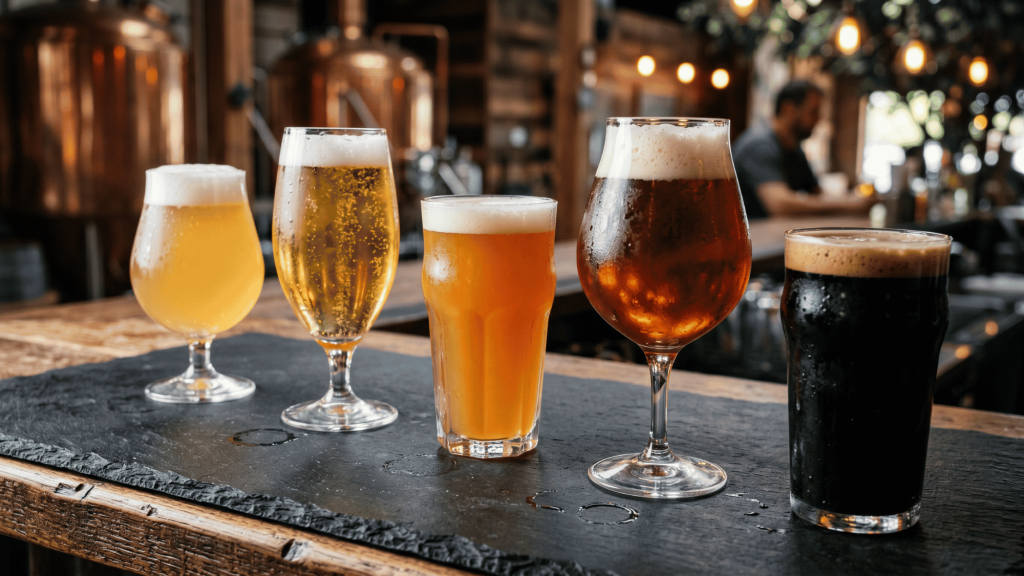

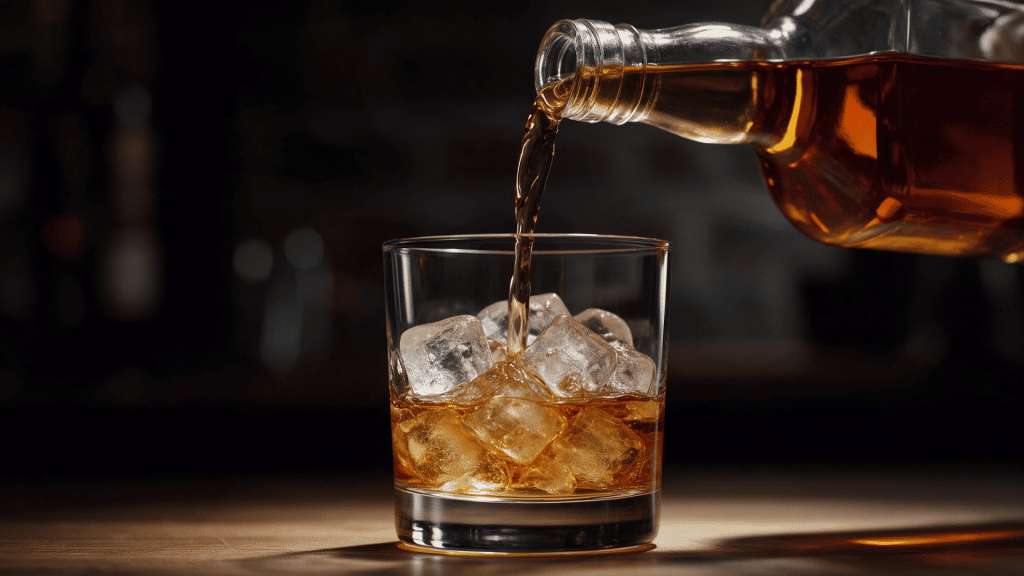
A glass of wine, beer, or cocktail may look like one drink, but its serving size and alcohol strength can mean it contains more than one standard drink. No amount of alcohol is completely risk-free and risk rises the more you drink.
Knowing how much alcohol is too much starts with counting what’s actually in your glass. That makes it easier to compare your intake with guidelines for moderate, binge and heavy drinking.
Staying within a particular limit does not make alcohol risk-free, and factors such as health conditions, medications, pregnancy and drinking frequency can change the level of risk.
Some situations also call for avoiding alcohol altogether rather than simply drinking less. Read on for what counts as one drink, who should skip alcohol entirely and six easy ways to cut back.
How Much Alcohol is Too Much? Limits and Risk Levels
There is no single alcohol limit that is completely safe for every adult. Health risks can start at low levels and generally rise as alcohol intake increases.
According to NIAAA guidance, heavy drinking includes four or more drinks on any day or eight or more per week for women. For men, it includes five or more drinks on any day or 15 or more per week.
Binge drinking is a separate pattern. It means drinking enough to bring blood alcohol to 0.08%, which usually takes 4 or more drinks for women or 5 or more for men in about 2 hours.
Regularly reaching these levels can increase the risk of alcohol-related health problems over time. The risk may increase further when people consume higher amounts frequently or over longer periods.
These numbers describe higher-risk drinking patterns and should not be treated as a line below which alcohol suddenly becomes risk-free.
What is Moderate Drinking?
Moderate drinking means limiting alcohol to two standard drinks or fewer in a day for men and one standard drink or fewer in a day for women, on days when alcohol is consumed.
These are daily limits, not weekly averages. Saving up drinks for one occasion, for example, having seven drinks on Saturday after abstaining all week does not qualify as moderate drinking and can meet the definition of binge drinking.
Moderate drinking is also not a recommendation to drink. It is advised that adults who do not drink not to start, and that drinking less is better for overall health.
What Counts as One Standard Drink?
A standard drink contains a set amount of pure alcohol, about 14 grams or 0.6 fl oz, although serving size varies depending on the type of alcoholic beverage.
Look at the alcohol by volume before choosing a drink, especially if you are still learning what ABV stands for and how it relates to alcohol strength.
|
Drink |
Serving |
Typical ABV |
|---|---|---|
|
Regular beer |
12 fl oz |
5% |
|
Malt liquor |
8-9 fl oz |
7% |
|
Table wine |
5 fl oz |
12% |
|
Distilled spirits |
1.5 fl oz |
40% |
Note: One pour can count as more than one drink. A 16 oz pint of 7% IPA holds about 1.9 standard drinks, and a 9 oz pour of 12% wine holds about 1.8.
When Alcohol Limits May Need to be Lower
General drinking guidelines can provide a useful reference, but the same amount of alcohol does not affect every person in the same way. Individual circumstances can influence how strongly alcohol affects the body and how much risk may be associated with drinking.
Health and Medications
Certain health conditions and medications can make alcohol more risky, even at amounts that fall within general drinking guidelines.
Some medicines may also interact with alcohol and increase effects such as drowsiness, dizziness, poor coordination, or other unwanted reactions.
People taking medication or managing a health condition should discuss alcohol use with a healthcare professional when unsure.
Age and Individual Factors
Age, body size, body composition, and other individual factors can influence how alcohol is absorbed and processed.
As a result, two people consuming the same number of drinks may experience different effects. Personal tolerance should not be used as proof that a particular amount of alcohol is safe.
Genetic differences can also affect how quickly the body breaks down alcohol, which may influence a person’s reaction to drinking.
Times When Drinking Should Be Avoided
General daily drinking limits do not apply to every situation. Certain circumstances may make even a small amount of alcohol inappropriate or unsafe.
Alcohol should be avoided during pregnancy and before driving, operating machinery or performing activities where reduced judgment or coordination could cause harm.
People who have difficulty controlling how much they drink may also need to avoid alcohol rather than relying on a preset daily limit.
What to Consider About Daily Alcohol Intake
The 2025–2030 Dietary Guidelines advise adults to consume less alcohol for better overall health, rather than framing alcohol intake around a specific daily drink target.
Health risks can still occur at lower levels of alcohol intake, and drinking less generally reduces alcohol-related risk. Individual circumstances also matter when deciding how alcohol fits into a person’s routine.
Age, health conditions, medications, pregnancy, and activities such as driving can make even one drink inappropriate. People who do not currently drink should not start drinking for possible health benefits.
Instead, alcohol intake should be considered alongside personal health, drinking frequency and individual risk factors.
Distilled spirits are often measured by the shot, so knowing how many ounces are in a shot can make serving sizes easier to understand.
Practical Ways to Reduce Alcohol Intake
Reducing alcohol intake does not always require major changes. Simple habits can make it easier to monitor how much alcohol is consumed and gradually cut back.
1. Count Standard Drinks: Keep track of standard drinks rather than counting glasses, cans or bottles. A larger serving or stronger beverage may contain more than one standard drink.
2. Check the ABV: Look at the alcohol by volume before choosing a drink. Beverages with a higher ABV can provide considerably more alcohol in a similar-sized serving.
3. Plan Alcohol-Free Days: Choose several days each week when no alcohol is consumed. Scheduled breaks reduce overall weekly intake and make drinking patterns easier to notice.
4. Alternate With Non-alcoholic Drinks: Have water or another non-alcoholic beverage between alcoholic drinks. This can naturally slow drinking and reduce the number of alcoholic beverages consumed.
5. Slow Down the Pace: Allow more time between alcoholic drinks instead of consuming several within a short period. A slower pace can help limit the total amount consumed during an occasion.
6. Choose Smaller Servings: Select smaller glasses, bottles or portions when possible. Measuring drinks at home can also make serving sizes easier to recognize.
Risks of Heavy Alcohol Use
Heavy alcohol use can affect many parts of the body, particularly when higher amounts are consumed frequently over time.
Cutting back can reduce alcohol-related risk, while people who are concerned about their drinking can speak with a healthcare professional for individual guidance.
The effects may increase the risk of falls, injuries, unsafe decisions, and other alcohol-related harm. Repeated heavy drinking may also contribute to tolerance, dependence and alcohol use disorder.
Heavy drinking can also affect judgment, coordination, memory and sleep. It can contribute to liver disease, high blood pressure, digestive problems, heart problems and an increased risk of certain cancers.
Conclusion
Alcohol limits are most useful when they are treated as guidance rather than a guarantee of safe drinking.
Understanding standard drink sizes and the difference between moderate, heavy and binge drinking can make personal drinking patterns easier to recognize.
It is also important to consider drinking frequency, alcohol strength, health conditions, medications and situations where avoiding alcohol is the safer choice.
Small habits such as tracking drinks, reducing serving sizes and adding alcohol-free days can help lower overall intake.
If you have concerns about drinking, professional guidance can provide individual support. Share your questions or experiences in the comments below.
Frequently Asked Questions
Can Alcohol Dehydrate The Body?
Yes. Alcohol can increase urine production, which may contribute to dehydration, especially when larger amounts are consumed.
Can Alcohol Strength Vary Between Drinks of the Same Type?
Yes. Beers, wines and spirits can have different ABV levels, so similar serving sizes may contain different amounts of alcohol.
Can Eating Food Reduce Alcohol Effects?
Food can slow alcohol absorption, but it does not prevent intoxication or remove alcohol already present in the bloodstream.