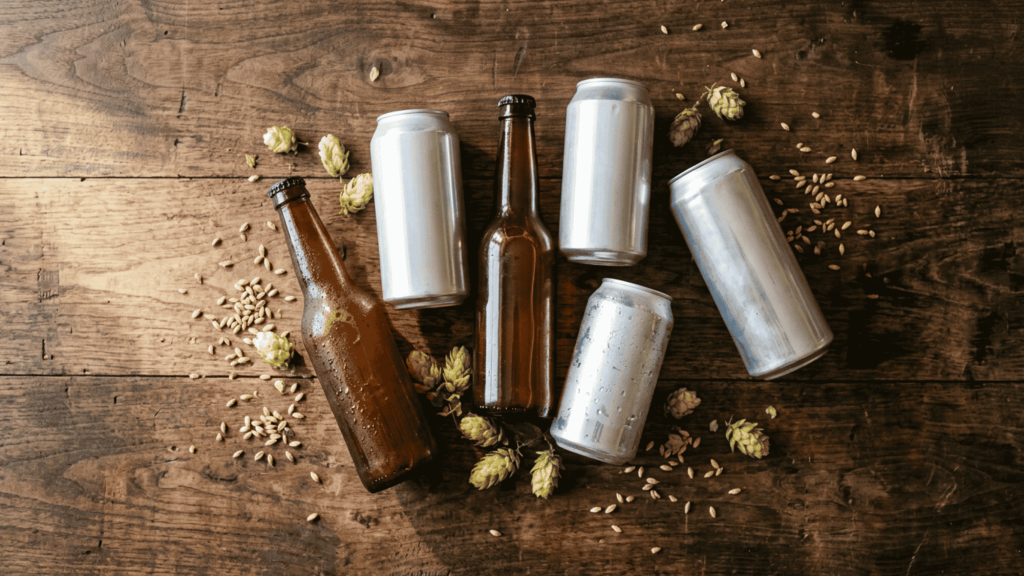


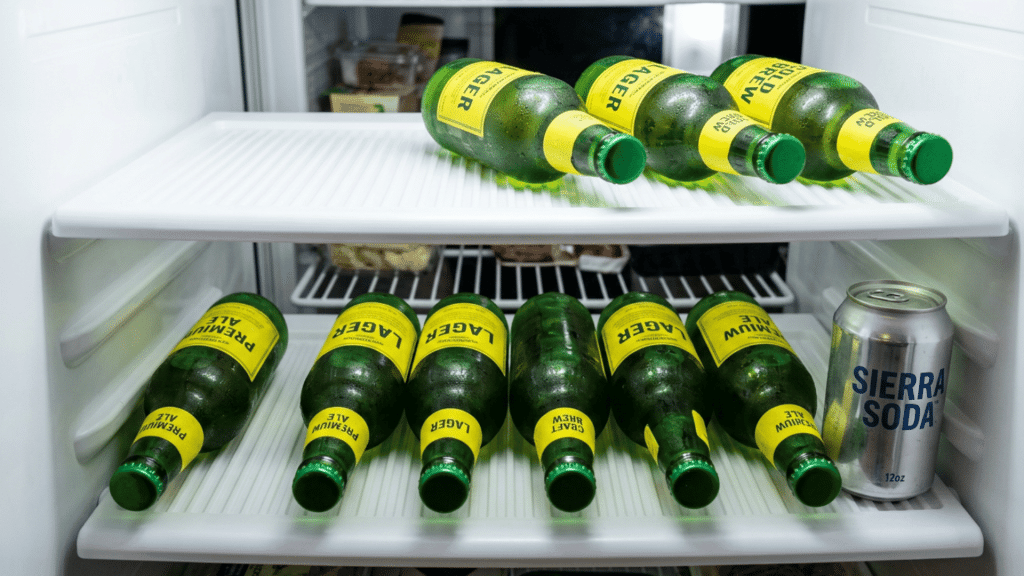
Beer often sits forgotten at the back of the refrigerator for weeks or even months, leaving many people wondering whether it is still worth drinking.
That common situation raises an important question: does beer go bad in the fridge, or can refrigeration preserve it indefinitely?
While cold temperatures slow the natural aging process, they cannot completely prevent changes in flavor, aroma, or carbonation over time.
Continue reading to learn how long refrigerated beer stays good, what signs to watch for and the best storage practices.
Does Beer Go Bad in The Fridge?
Yes, beer can go bad in the fridge. In most cases this means it loses freshness rather than becoming unsafe to drink.
Beer changes slowly as it gets older. The flavor may become dull and the carbonation may weaken. Some beers can also develop a stale taste.
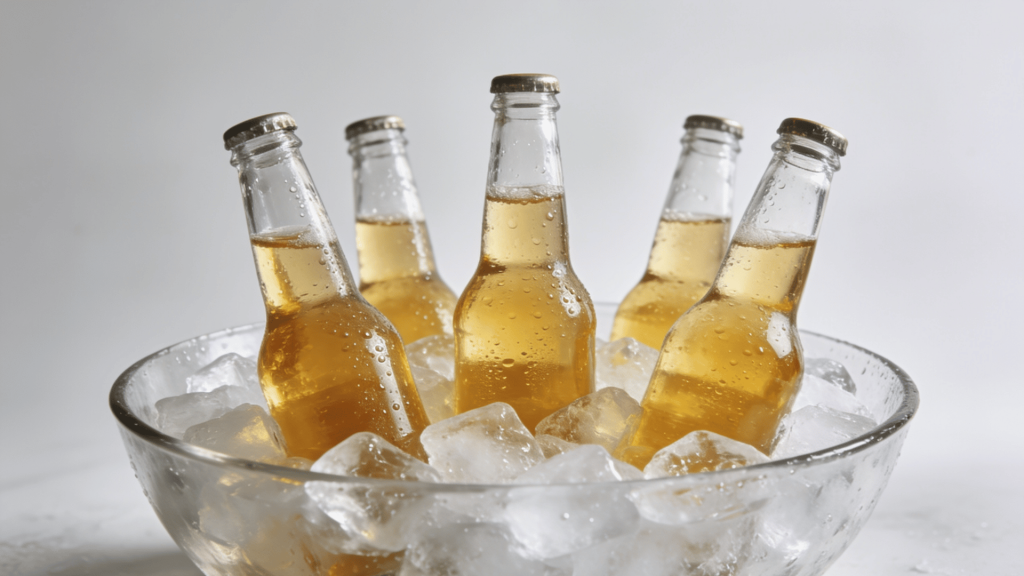
Keeping beer cold helps slow these changes. A steady refrigerator temperature preserves its flavor better than storing it in a warm place.
Light can also affect beer over time. Oxygen inside the container may cause changes as the beer ages.
An older beer can still be drinkable. It just may not taste as fresh as it once did.
How Long Does Beer Stay Good in The Fridge?
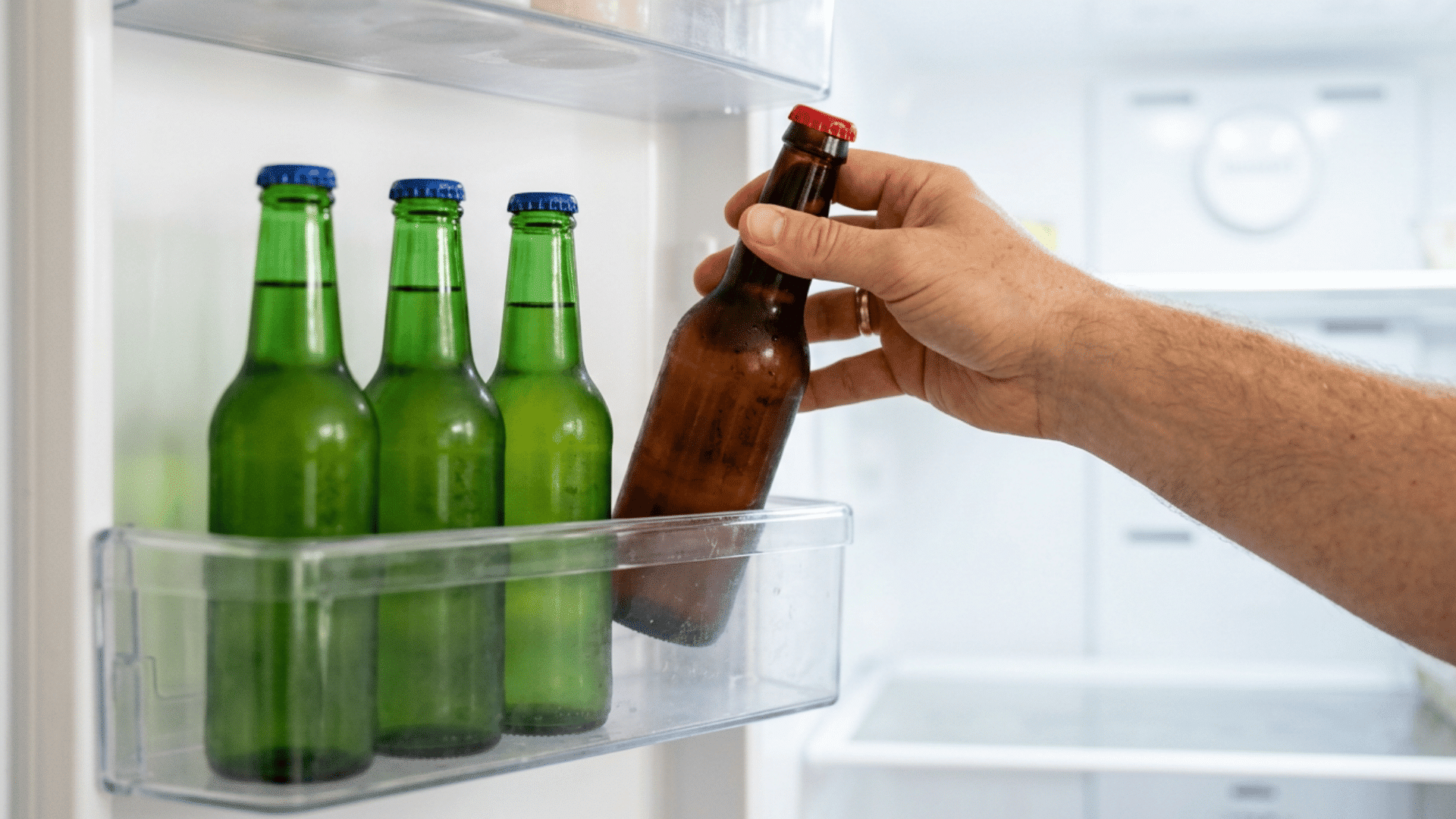
Beer shelf life depends on the style, packaging, and whether the container has been opened.
| Beer Type | Refrigerated Shelf Life (Unopened) | Best Quality |
|---|---|---|
| Canned Beer | 6–12 months | Before best-by date |
| Bottled Beer | 6–9 months | Within recommended period |
| Opened Beer | 1–2 days | Best consumed immediately |
| IPA | 3–6 months | Drink fresh |
| Stouts & Strong Ales | 9–12 months or longer | Some improve with age |
Note: These are general quality ranges, not universal expiration dates. Brewery date codes and storage recommendations should take priority.
Does Unopened Beer Expire?
Although unopened beer lasts much longer than opened beer, understanding the label and storage conditions helps reveal its true freshness.
Unopened Beer Shelf Life in The Fridge
Most unopened beer carries a best-by date rather than a true expiration date.
That date tells consumers when the brewery expects the beer to deliver its intended flavor and aroma.
Because alcohol and hops naturally limit harmful bacterial growth, unopened beer stored in a sealed container often remains drinkable well beyond the printed date.
The flavor, aroma and overall freshness may gradually become less lively over time.
Beer Quality Before The Best-By Date
Yes, Poor storage conditions can reduce beer quality even before the printed date arrives.
Frequent temperature changes, direct sunlight, or keeping bottles in warm places speed up oxidation and flavor loss.
Refrigeration from the time of purchase helps maintain freshness, especially for hop-forward styles such as IPAs.
Stable storage conditions matter just as much as the calendar date printed on the label.
Signs Beer Has Gone Bad in The Fridge
Beer rarely becomes dangerous inside a sealed container, but several signs suggest it has passed its best quality.
Flat carbonation, dull hop aroma, cardboard-like flavors, or a skunky smell often indicate aging or light damage. A skunky smell can also indicate skunked beer, which develops when light reacts with hop compounds.
Always discard swollen, leaking, badly rusted, or damaged cans, as package damage can compromise the contents. Broken bottle seals, cracked glass, or unusual pressure are also reasons to avoid opening the beer.
When beer looks normal but tastes stale, it has most likely aged rather than spoiled, making it a quality issue instead of a safety concern.
Can Old Refrigerated Beer Make You Sick?
Most refrigerated beer does not become unsafe simply because it has been stored for a long time.
Unopened beer is brewed to remain microbiologically stable, especially when the container stays sealed and undamaged.
In most cases, aging affects flavor, aroma and carbonation rather than food safety. Over time, hops may lose their freshness, malt flavors can become muted and carbonation may weaken.
Discard beer if the can is swollen, leaking, heavily rusted or if the bottle seal is broken. Cracked glass, unusual pressure, or signs of contamination are also reasons to avoid opening the container.
Opened beer is different because exposure to air speeds up quality loss. When stored correctly in the refrigerator, beer is far more likely to taste stale than cause illness.
Quick Tips to Keep Beer Fresh Longer
Following a few simple storage habits can help beer maintain its intended flavor longer. Keep these practical tips in mind:
- Store at a Stable Temperature:Keep the refrigerator at 40°F (4°C) or below, as recommended by the FDA, and avoid frequent temperature changes.
- Keep Bottles and Cans Upright: This limits the beer’s contact with air inside the container.
- Protect Beer from Light: Store it away from direct sunlight and bright indoor lighting.
- Drink Hop-Forward Beers Sooner: IPAs and pale ales lose their fresh hop character faster than darker styles.
- Check The Best-by Date: It helps identify when the beer is likely to deliver its best flavor.
Conclusion
So, does beer go bad in the fridge? Yes, but refrigeration greatly slows the aging process.
Most unopened beer remains enjoyable long after purchase when stored correctly, although flavor, aroma, and carbonation gradually decline over time.
Paying attention to the best-by date, choosing proper storage conditions, and recognizing signs of quality loss can help prevent unnecessary waste and improve the drinking experience.
A quick look at the storage date, packaging condition, and flavor can help decide whether refrigerated beer is still worth enjoying.
Have a different experience with an old bottle or can? Share it in the comments and join the discussion.
Frequently Asked Questions
Can Frozen Beer Still be Consumed?
Yes, as long as the container stays intact. Thaw completely before opening because freezing may reduce carbonation and slightly change the beer’s flavor.
Does Refrigerator Temperature Affect Beer Taste?
Yes. Stable cold temperatures slow flavor loss, helping beer maintain freshness, carbonation, and aroma for longer.
Should Beer be Refrigerated Immediately After Purchase?
Refrigerating beer after purchase helps preserve freshness, especially for hop-forward styles, although short-term room-temperature storage is generally acceptable.