

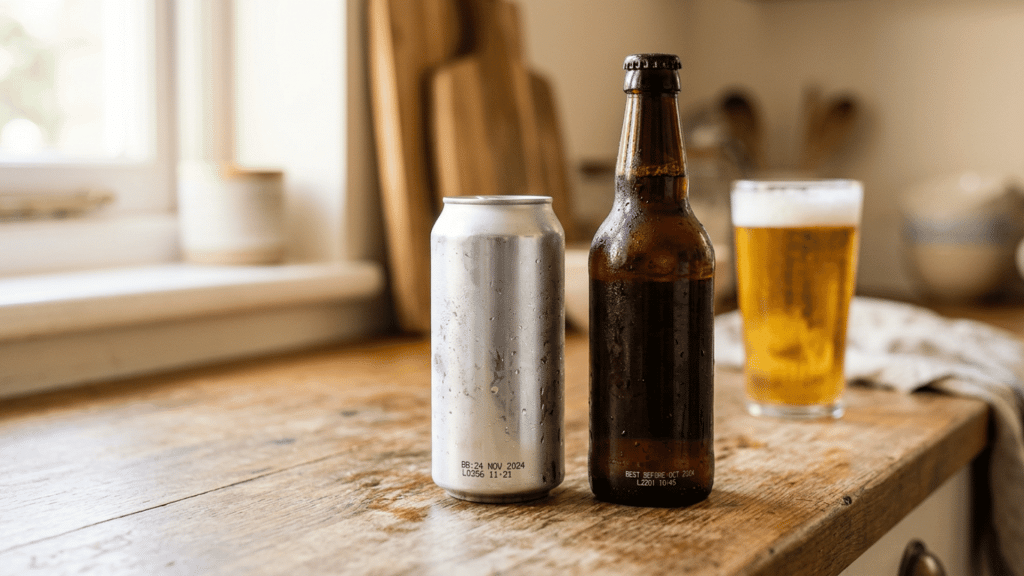
That forgotten beer at the back of the fridge may look perfectly fine, but is it still good to drink? A printed date can raise concern, especially when it is unclear whether it marks freshness, packaging, or expiration.
Beer often loses flavor and carbonation over time, while damaged packaging or unusual changes may signal a larger problem.
Storage conditions, beer style, and container type also affect how well it holds up. This blog explains what beer dates mean, how long common styles stay fresh, and which warning signs matter most.
Read the following to choose confidently before opening that old can or bottle.
Does Beer Go Bad or Expire
Beer usually declines in quality rather than spoiling like milk. As beer ages, oxygen can weaken its fresh aroma and create dull, papery, or cardboard-like flavors.
Heat speeds up this process, while sunlight can react with hop compounds and leave bottled beer smelling skunky. These changes often affect taste rather than safety.
A sealed can or bottle stored in a cool, dark place may remain drinkable after its best-by date, although it may taste flat or stale. Opened beer changes much faster because it loses carbonation and remains exposed to air. Packaging condition also matters.
Discard beer if the can is swollen, leaking, badly rusted, or if the bottle has a broken seal. Mold, foul odors, or unusual pressure also signal it should be discarded.
How to Tell if The Beer is Still Good?
The printed date alone cannot settle whether a particular beer should be consumed. This six-step check combines package condition, storage, appearance, smell, and taste in the safest order.
Step 1: Inspect The Container
Examine the can or bottle before opening it. Look for swelling, leaks, cracked glass, broken seals, deep seam dents, or corrosion around the closure.
These defects may allow air or contaminants to enter and can indicate abnormal pressure inside. Never open or taste beer from a suspicious package.
If the seal appears damaged or its condition remains uncertain, discard the container instead of taking a chance.
Step 2: Check The Printed Date
Find the printed mark and determine what it represents. A packaged-on date records when the beer was sealed, while best-by and pull dates relate to expected freshness.
Passing one of these dates doesn’t automatically mean the beer is spoiled, but its flavor may have declined.
Consider the date alongside the beer style and storage history. Contact the brewery if a batch code or date format remains unclear.
Step 3: Consider Storage Conditions
Consider where the beer has been kept and whether its temperature remained stable. Cold, dark storage slows oxidation and helps preserve flavor, aroma, and carbonation.
Warm garages, sunny windows, and hot vehicles make beer age faster. Freezing can affect carbonation or damage the package.
An unknown storage history requires closer inspection, particularly when the can or bottle shows dents, leaks, corrosion, or other signs of damage.
Step 4: Examine The Beer
If the package is intact, pour the beer into a clean, clear glass. Look for mold, unexpected particles, unusual discoloration, or excessive foaming.
Appearance should always be considered alongside the beer style. Wheat beers, hazy IPAs, and bottle-conditioned beers may naturally contain cloudiness or sediment.
Low carbonation often means the beer is old or poorly stored, but flatness alone does not necessarily indicate a safety problem.
Step 5: Smell Before Tasting
Smell the poured beer before taking a sip. Oxidized beer may resemble wet paper or cardboard, while light-damaged beer often has a skunky odor.
Unexpected rotten, sharply sour, or otherwise foul smells may indicate contamination or skunked beer.
Some sours and specialty beers naturally smell tart, earthy, or funky, so check the stated style. Discard the beer without tasting it if the odor seems clearly abnormal or unpleasant.
Step 6: Taste Only When Appropriate
Taste a small amount only when the container is intact, and the beer looks and smells normal.
Papery, metallic, flat, muted, or unexpectedly sour flavors commonly result from age, oxidation, or poor storage. Although stale beer may simply taste unpleasant, drinking it serves little purpose.
Never taste beer from a swollen, leaking, badly corroded, cracked, or unsealed package, even when the printed date appears acceptable.
How Long Different Beers Stay Fresh
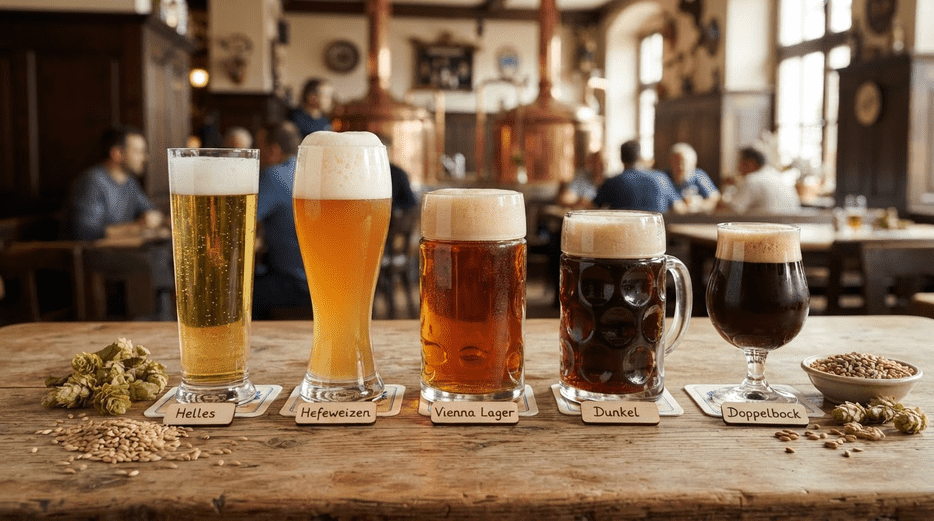
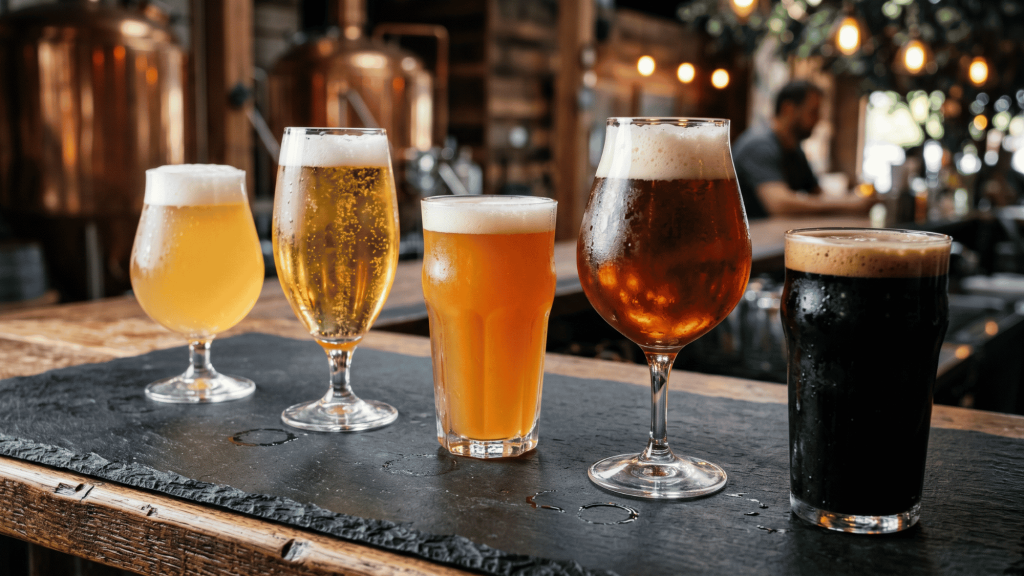
Beer freshness depends on its recipe, alcohol level, packaging, and storage conditions. Hop-forward styles usually fade quickly, while stronger beers may hold their character longer.
Brewery recommendations, packaging, storage history, and beer style can change the expected quality window.
| Beer type | Freshness window | Common age-related change |
|---|---|---|
| IPA or pale ale | 1–3 months | Hop aroma fades |
| Lager or pilsner | 3–6 months | Crisp flavor becomes dull |
| Wheat beer | 3–6 months | Fresh aroma weakens |
| Stout or strong ale | 6–12 months or longer | Malt flavors oxidize |
| Sour or barrel-aged beer | Varies widely | Flavor may evolve |
What Beer Date Codes Mean
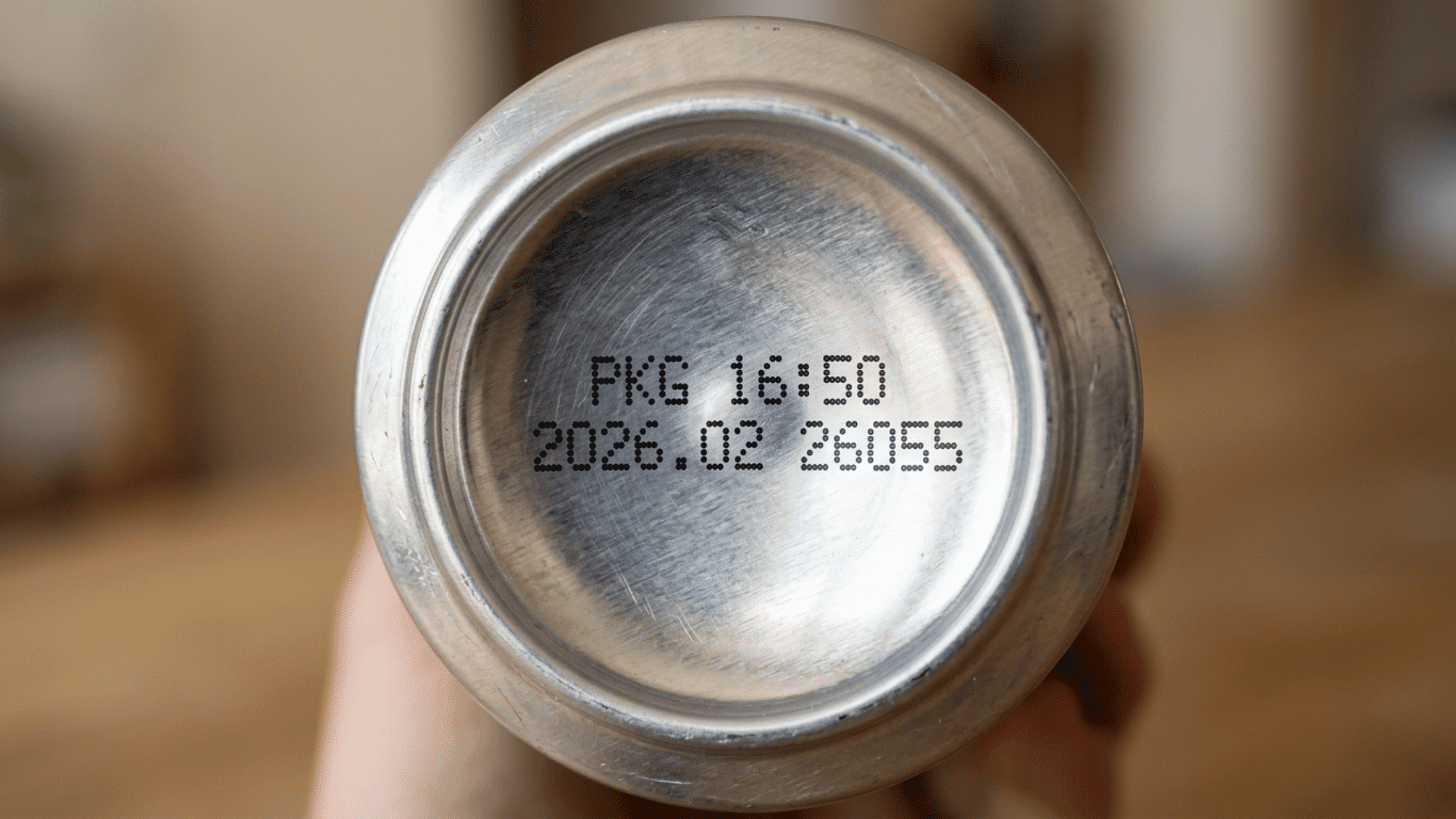
Beer date codes show when a product was packaged or when the brewery expects it to taste its best.
A “packaged on” or “canned on” date identifies the sealing date, while a “best by” or “enjoy by” date marks the expected peak-quality period. A pull date tells retailers when to remove stock from sale.
The Alcohol and Tobacco Tax and Trade Bureau describes freshness and pull dates as quality-control measures rather than universal safety deadlines.
Some breweries use Julian codes. In 26055, “26” represents 2026, while “055” means the year’s 55th day. Imported beer may follow day-month-year formatting.
Date-code conventions vary by brewery, so the printed date should be interpreted according to the producer’s labeling system.
Is Canned or Bottled Beer Still Drinkable?
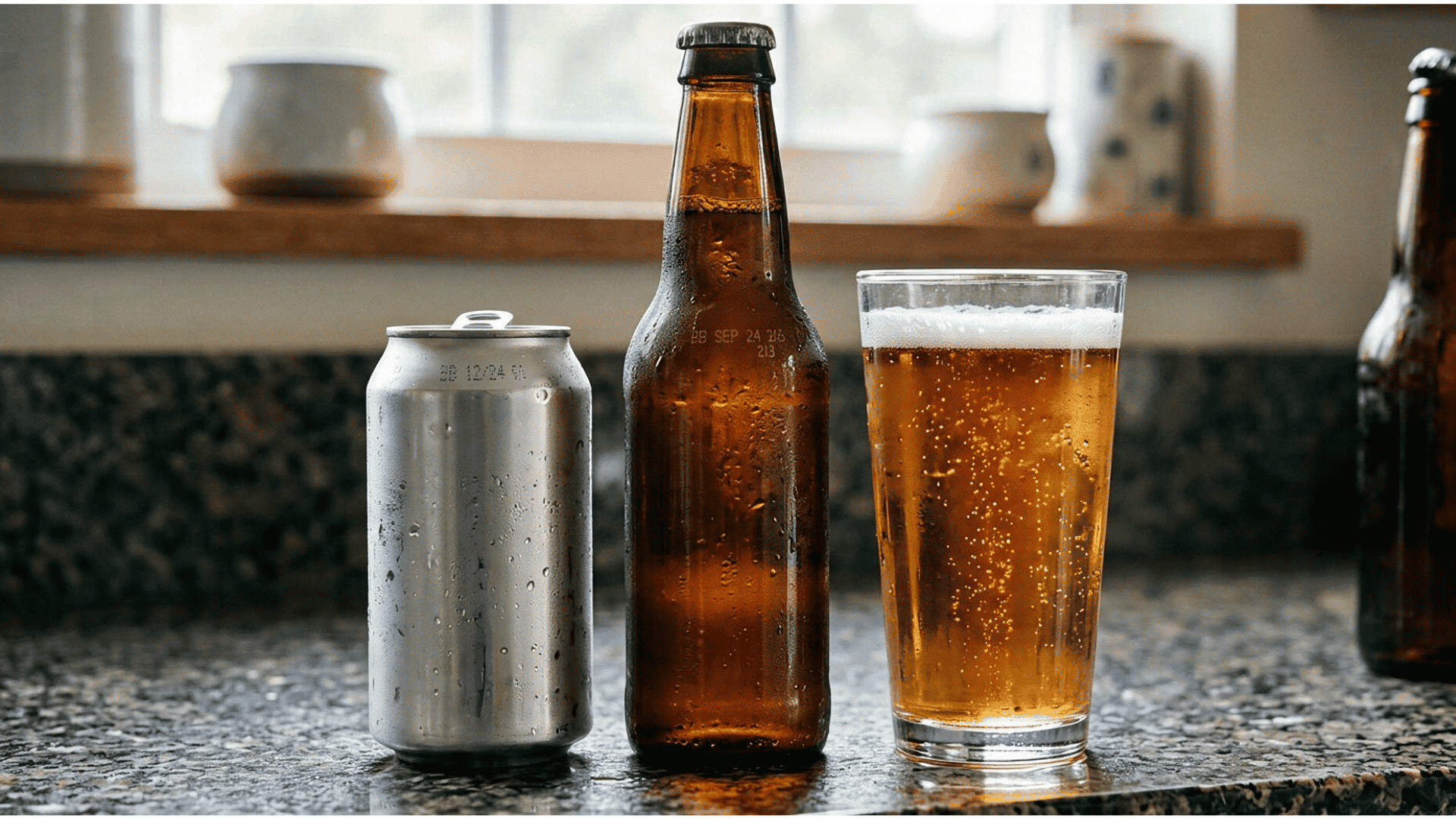
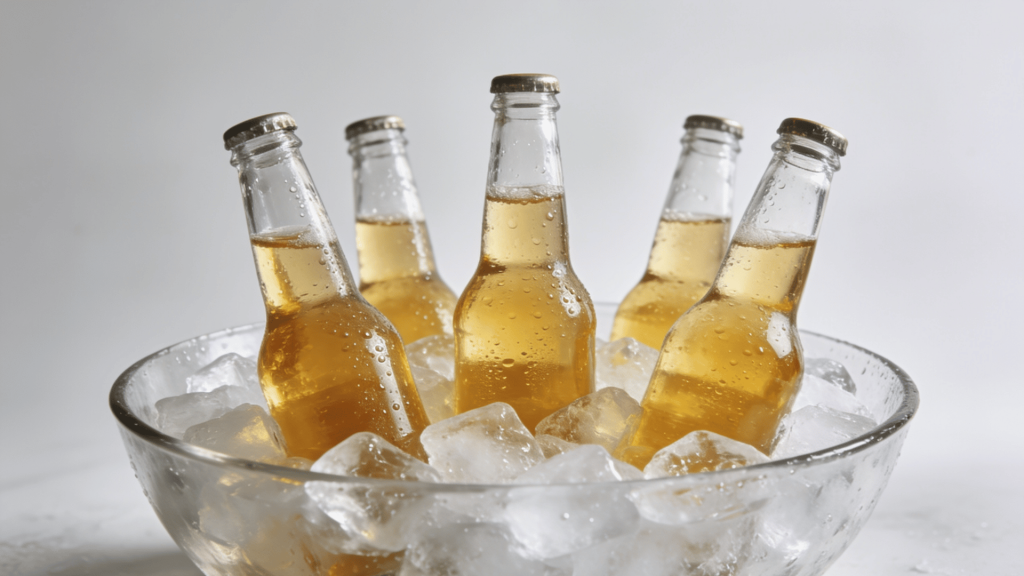
Unopened canned or bottled beer may remain drinkable after its best-by date when the package is intact and stored correctly.
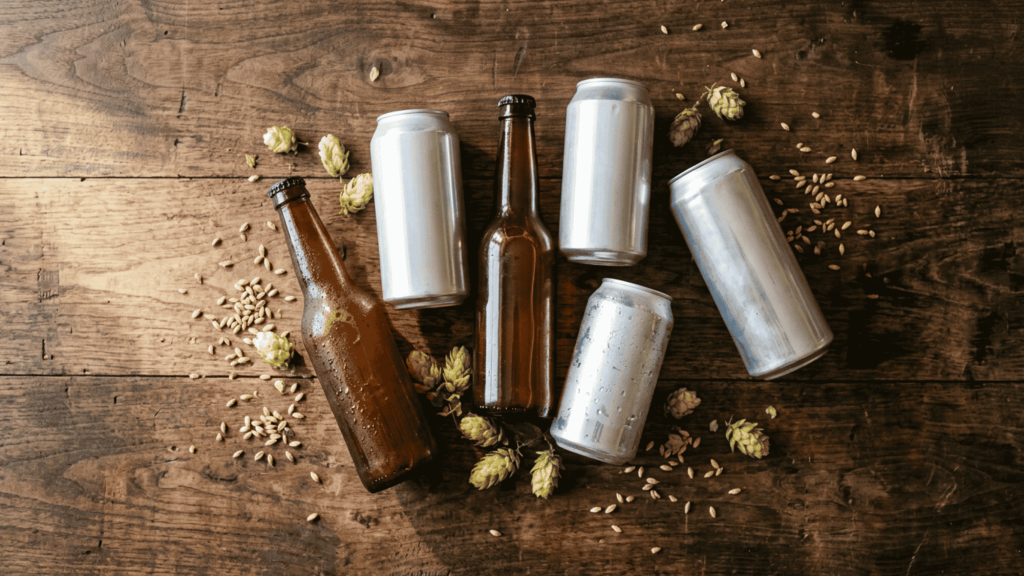
Cans block light completely, while brown bottles offer stronger protection than green or clear glass. However, both forms can lose flavor, aroma, and carbonation over time.
Before drinking, the container should be checked for leaks, swelling, corrosion, cracked glass, broken seals, or damaged closures. Beer that pours normally and has no mold, unusual particles, or foul odor may simply be stale rather than spoiled.
Discard any beer from a damaged package. When the condition or storage history remains uncertain, contacting the brewery is the safest next step.
How Storage Changes Beer Shelf Life
Proper storage helps beer retain its flavor, aroma, and carbonation. Several conditions affect how quickly its quality declines:
- Temperature: Refrigeration suits most beer, while a consistently cool cupboard may hold unopened containers briefly.
- Light: Cans block light completely. Brown bottles offer more protection than green or clear glass.
- Position: Storing beer upright reduces contact with the closure and keeps sediment near the bottom.
- Heat Exposure: Hot cars, sunny shelves, and frequent temperature changes accelerate flavor loss.
- Freezing: Frozen beer may lose carbonation, change texture, or damage its container.
- After Opening: Cover opened beer, refrigerate it, and drink it promptly because air quickly affects its taste and carbonation.
When Old Beer Should Be Discarded
A quick inspection can show whether old beer is merely stale or should be discarded. The FDA advises avoiding swollen, leaking, seam-dented, or rusted cans because damage may compromise the package.
- Discard swollen, leaking, badly corroded, cracked, or unsealed containers.
- Avoid beer that gushes abnormally or contains mold or unexplained matter.
- Stop when the smell is foul or clearly wrong for the stated style.
- Discard beer when package damage accompanies an unknown storage history.
- Do not cook with beer that appears contaminated or smells spoiled.
- Contact the brewery when a code or normal appearance remains unclear.
Disclaimer: This blog provides general information about beer freshness and storage. It cannot confirm the safety of a specific product. Anyone who feels unwell after drinking beer should contact a healthcare professional.
Final Thoughts
Beer commonly loses hop aroma, fresh flavor, and carbonation before it presents a safety concern.
The printed date provides context, while storage history and an intact package help complete the assessment. Visible damage, abnormal pressure, mold, or foul odors mean the beer should be discarded.
The answer to “does beer go bad?” is yes, but stale beer and suspicious beer are not the same. A careful check leaves the decision clearer and more confident.
Readers can share their experience with old beer, unusual date codes, or surprising flavor changes in the comments.
Frequently Asked Questions
Does Beer Go Bad if It Gets Warm?
Warm storage can speed up flavor deterioration and oxidation. Brief temperature changes do not automatically make beer unsafe, but prolonged heat can make it taste stale or unpleasant.
Does Non-Alcoholic Beer Spoil Faster?
Non-alcoholic beer may be more vulnerable after opening because it contains little alcohol. Follow its label closely and refrigerate it after opening.
Can Unopened Beer Attract Pantry Pests?
An intact can or bottle should not attract pests. Sticky spills, leaking containers, or sugary residue around closures can draw insects into storage areas.