

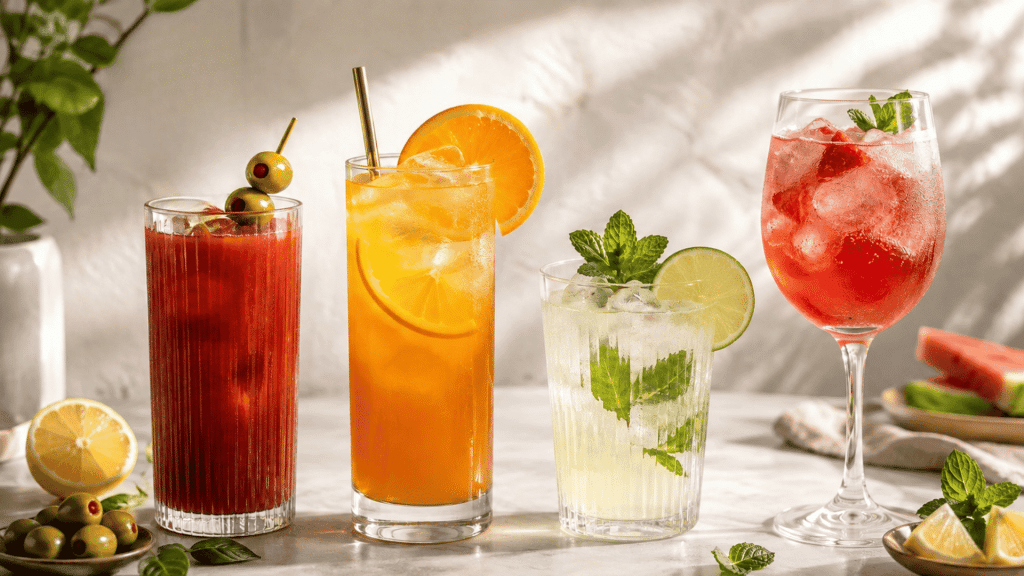
Mocktails have moved far beyond basic juice and soda combinations, with creative flavors, fresh ingredients, and eye-catching presentation giving them their own place on drink menus.
From citrusy virgin mojitos to colorful fruit spritzes and tea-based drinks, there are plenty of options for different tastes and occasions.
Understanding what a mocktail is, how it differs from a cocktail, and which ingredients create balance makes these alcohol-free drinks easier to prepare at home.
This blog covers popular mocktail styles, key ingredients, preparation steps, and presentation ideas.
Keep reading to find mocktail inspiration and learn how to make a flavorful, well-balanced drink.
What is a Mocktail?
A mocktail is a mixed beverage made without a conventional alcoholic spirit. It often combines fruit juice, citrus, soda, herbs, tea, syrups, spices, or other alcohol-free ingredients.
The word “mocktail” combines “mock” and “cocktail.” Modern mocktails are not always copies of alcoholic drinks. Many are original recipes created around their own flavors.
When learning what a mocktail is, it is useful to see it as more than juice served in a stylish glass. A well-made mocktail brings sweetness, acidity, aroma, texture, temperature, and dilution into balance.
Every ingredient plays a role. When these elements work well together, the drink tastes fuller and no single flavor becomes too strong.
Mocktail vs. Cocktail: What is The Difference?
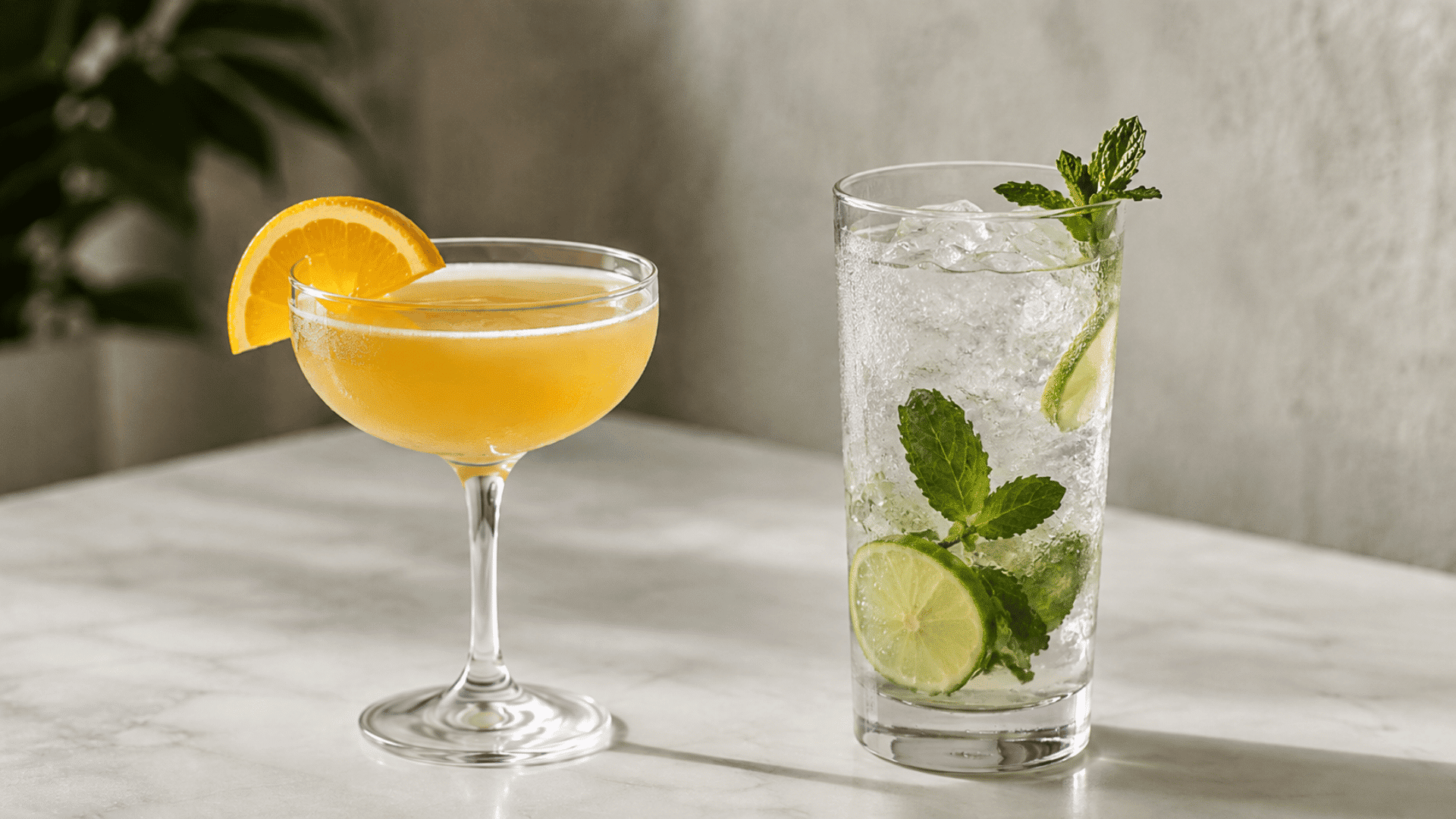
The table below shows the key differences between mocktails and cocktails, including alcohol content, flavor sources, and labeling. Mocktails can also appeal to people interested in a sober curious lifestyle, where drinking habits are reconsidered without necessarily committing to complete abstinence.
| Feature | Mocktail | Cocktail |
|---|---|---|
| Alcohol | Usually no standard alcoholic spirits | Contains alcoholic ingredients |
| Flavor | Uses citrus, tea, herbs, spices, and mixers | Often gets flavor from spirits and liqueurs |
| Heat or bitterness | Can come from ginger, tea, or herbs | Can come from alcohol or bitters |
| Label note | Some “non-alcoholic” products may contain under 0.5% ABV | Alcohol content varies by drink |
Note: The main difference is alcohol. A cocktail normally contains alcoholic ingredients, while a mocktail is designed as a non-alcoholic mixed drink.
Mocktail Presentation Ideas and Current Trends
Modern mocktails combine creative flavors with thoughtful presentation, making color, texture, glassware, ice, and garnishes integral to the drinking experience.
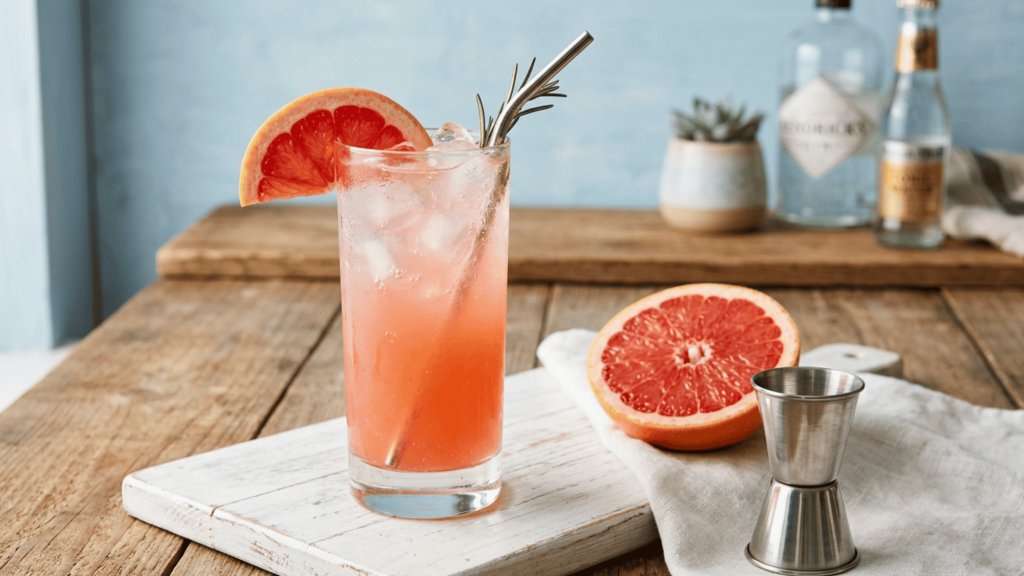
- Fresh and Natural Garnishes: Citrus wheels, berries, cucumber ribbons, mint, basil, and rosemary can add color and aroma without overcrowding the glass.
- Colorful Fruit Combinations: Watermelon, berries, citrus, passion fruit, and hibiscus can create bright colors while contributing noticeable flavor.
- Layered Mocktails: Ingredients with contrasting colors can be carefully poured to create attractive layers and gradients within the glass.
- Creative Ice: Large cubes, crushed ice, or ice containing herbs and fruit pieces can add texture and visual interest.
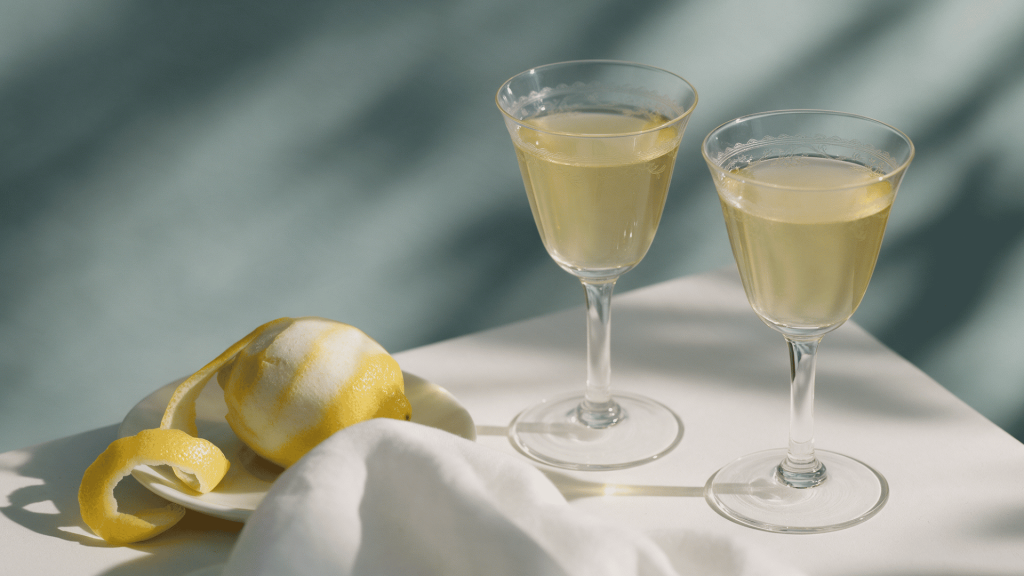
- Simple Glassware: Coupe, highball, rocks, and wine glasses can give alcohol-free drinks the polished presentation commonly associated with cocktails.
- Savory and Herbal Flavors: Cucumber, herbs, ginger, tea, and spices can balance sweeter fruit ingredients and create more complex flavor profiles.
Popular Mocktail Styles to Know
Popular mocktail examples show the wide range of flavors, ingredients, and styles possible without alcohol.
Virgin Mojito
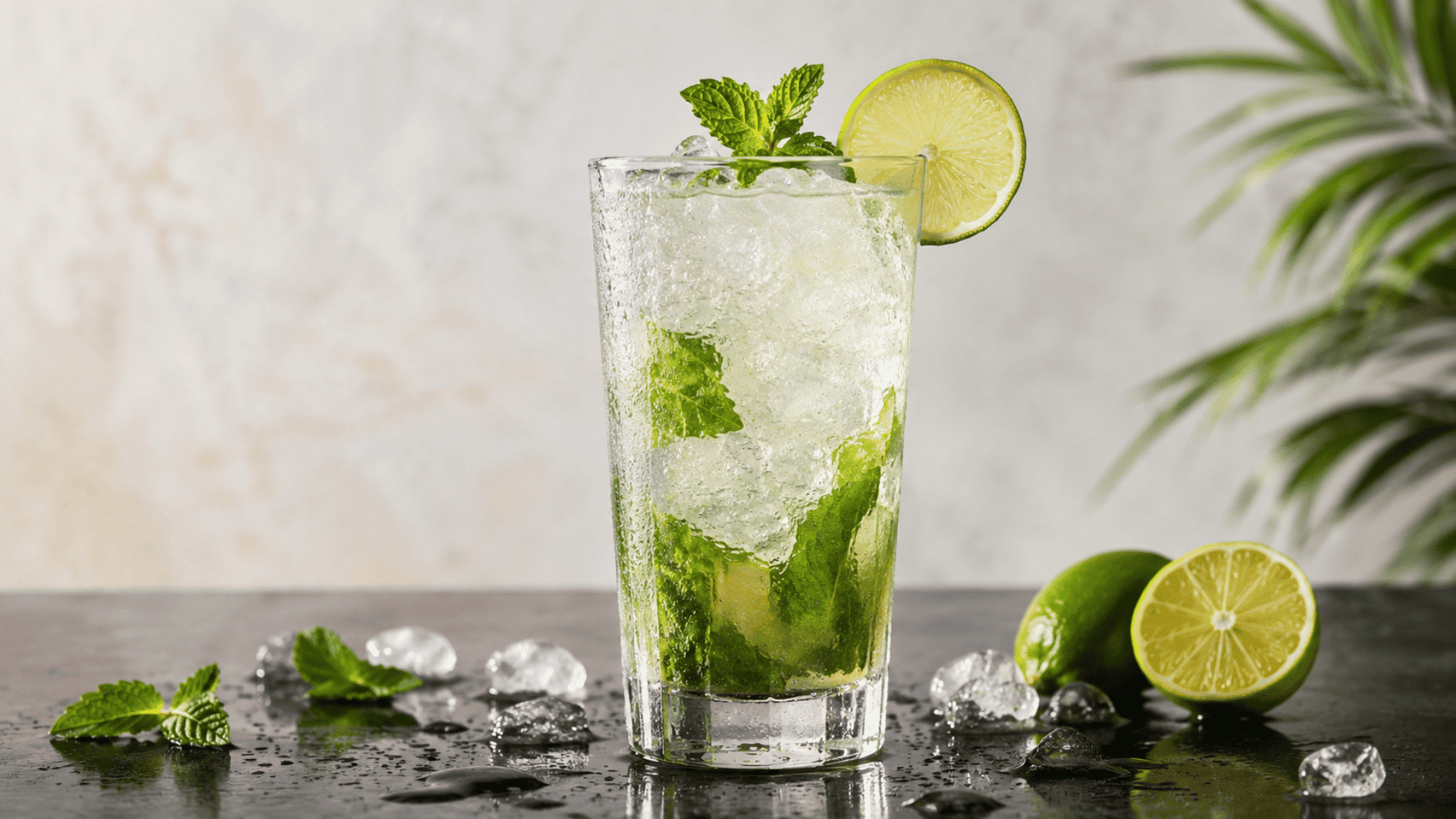
A virgin mojito commonly combines lime, mint, sweetener, ice, and soda water. It is tart, aromatic, and easy to adjust at home.
Lightly press the mint rather than crushing it into tiny pieces. This releases aroma without filling the drink with broken leaves.
Add soda near the end to keep more carbonation.
Fresh lime and a tall glass give the drink a familiar mojito appearance without rum. Cucumber can also add a mild fresh note.
Alcohol-Free Margarita
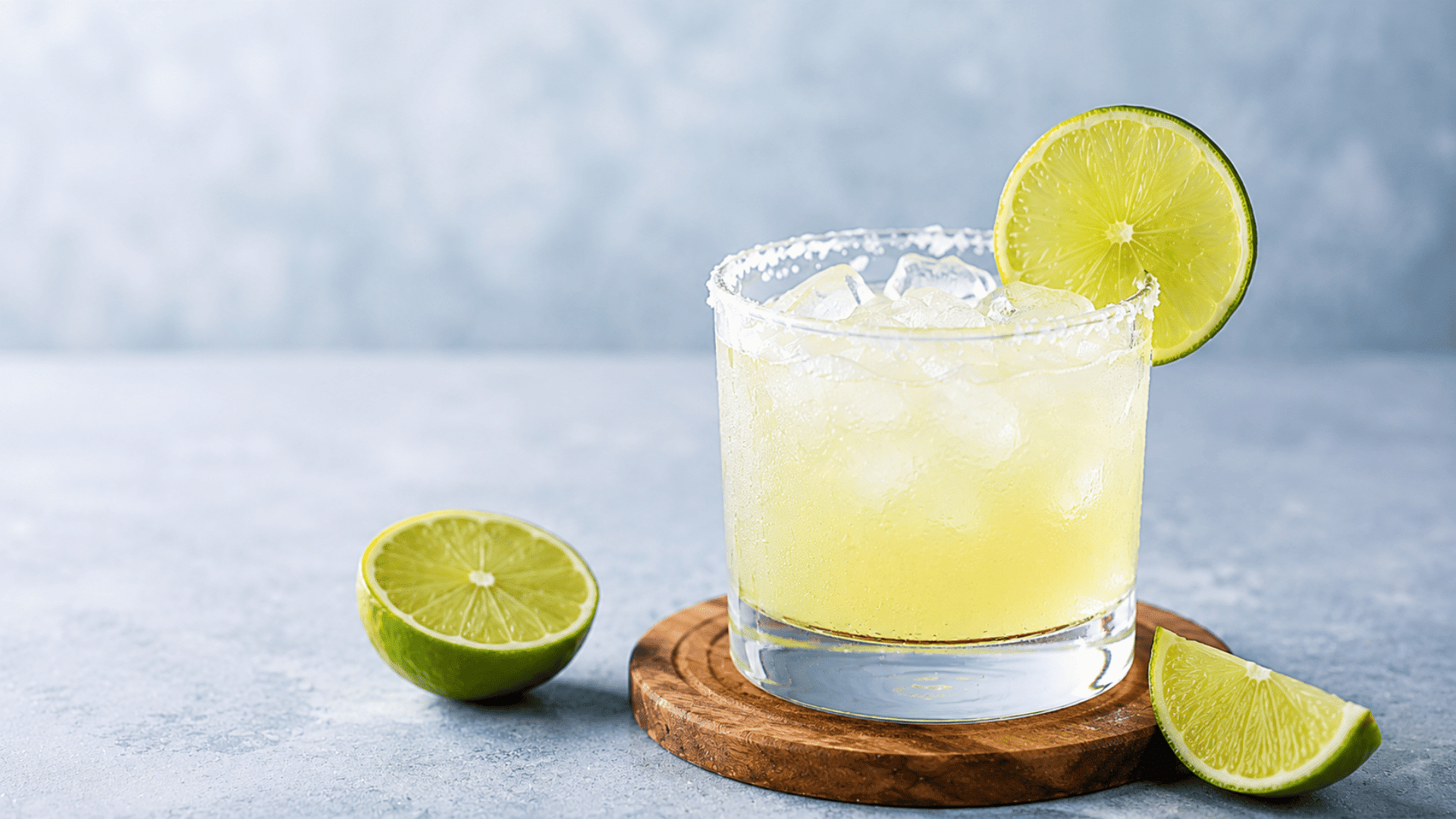
This style uses lime, sweetness, and a salted rim to create contrast. Some recipes also include orange juice or an alcohol-free orange-flavored ingredient.
The salt helps change how the citrus and sweetness are perceived with each sip.
For a clean visual result, use a neat half-salt rim and a thin lime wheel.
Keep enough acidity in the recipe so the drink does not simply taste like sweet limeade. Orange peel can add aroma without much extra sweetness.
Fruit and Herb Spritz
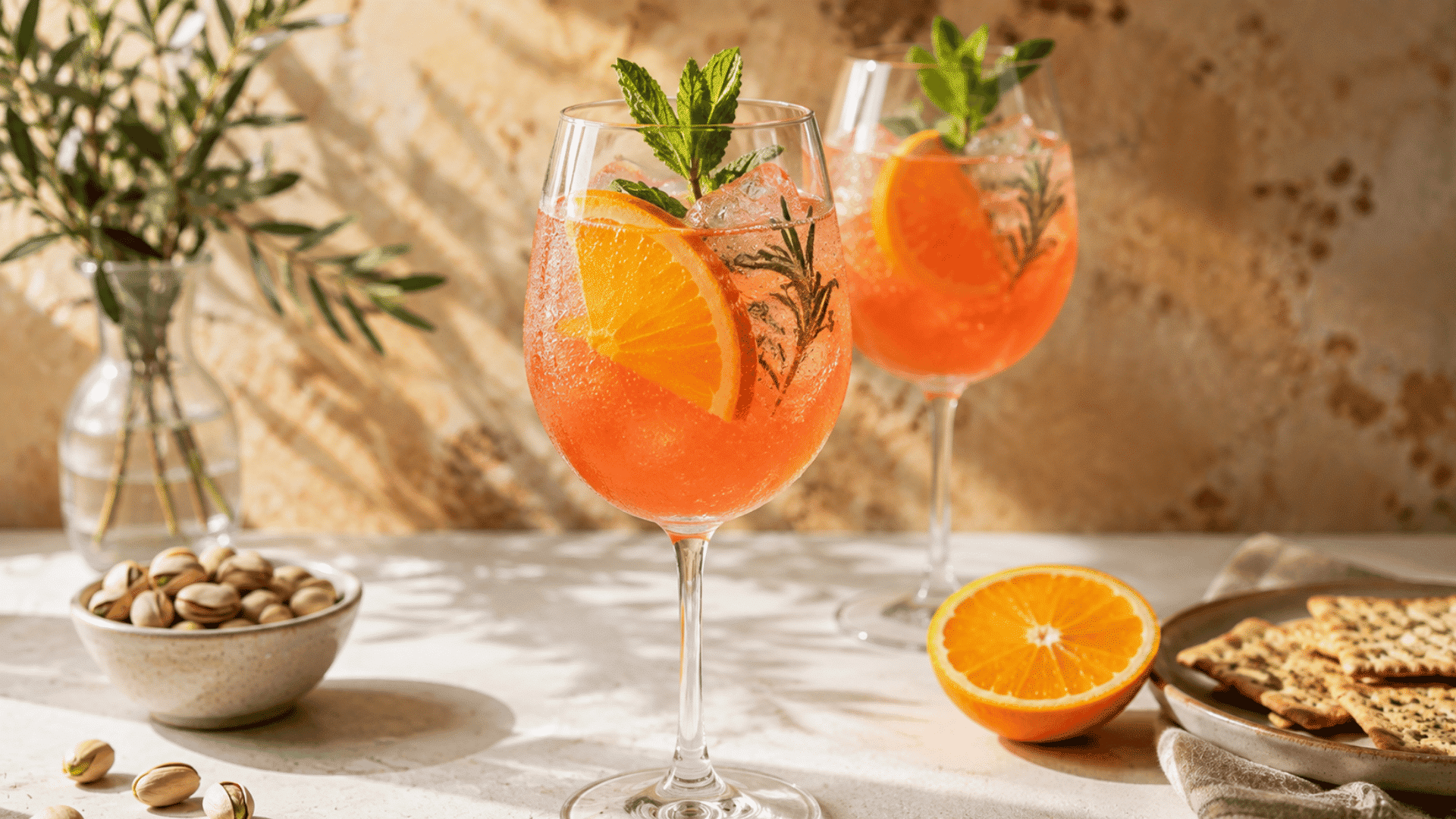
A spritz-style mocktail combines fruit, herbs, ice, and a carbonated mixer. Strawberry with basil, peach with thyme, and cucumber with mint are simple pairings.
These drinks can work especially well in warmer months because fruit and herbs add clear color and texture.
Add sparkling water or another carbonated mixer last. This helps retain bubbles.
Keep herbs near the top of the glass so their aroma remains noticeable while drinking.
Tea-Based Mocktail
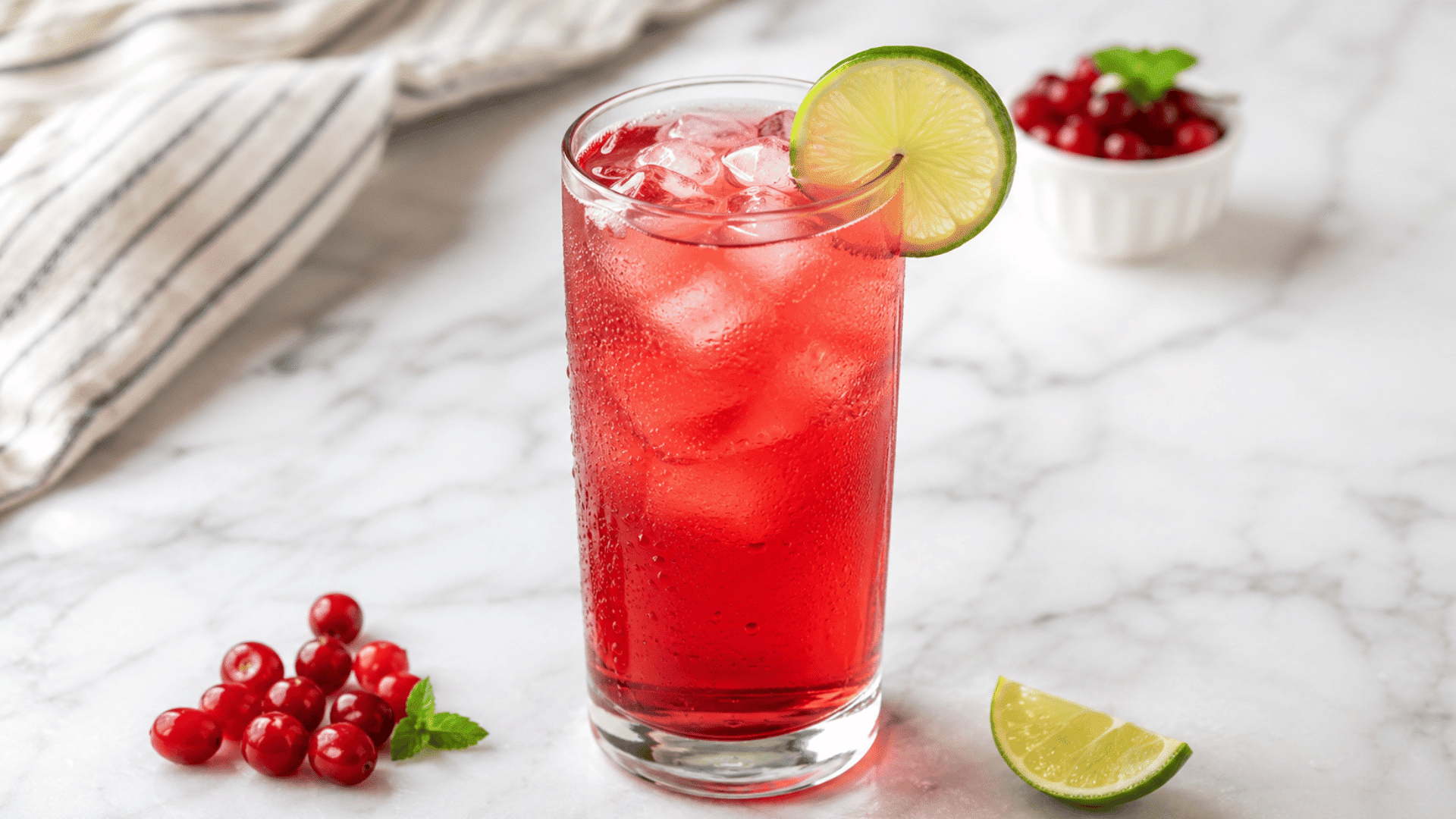
Tea adds tannin, aroma, and a drier finish. Black tea can pair well with citrus and spice, while green tea works with cucumber and herbs.
Hibiscus creates a deep red color that can give a drink strong visual impact.
Brew the tea at the correct strength, then chill it before mixing. Taste before adding syrup so sweetness does not hide the tea.
Lemon peel, berries, or fresh herbs can add color while keeping the main flavor clear.
How to Make a Mocktail at Home
Making a good mocktail requires more than mixing juice and soda. Each ingredient should contribute to the flavor, texture, aroma, or appearance of the finished drink.
- Choose a Flavor Base: Start with fruit juice, tea, coconut water, fruit purée, or another ingredient that provides the main flavor.
- Balance With Acidity: Add fresh lemon, lime, or grapefruit juice to brighten the drink and balance sweeter ingredients.
- Adjust the Sweetness: Use simple syrup, honey, agave, or sweet fruit juice in small amounts, tasting before adding more.
- Add Extra Flavor: Ginger, cucumber, mint, basil, spices, or zero-proof drinks can add depth without relying on conventional alcoholic spirits.
- Shake or Stir Properly: Shake juice-based drinks with ice to combine and chill them. Stir sparkling drinks gently to preserve carbonation.
- Add Texture or Bubbles: Soda water, tonic, crushed ice, fruit pulp, or foam can add more interest to the mocktail’s mouthfeel.
- Finish The Drink: Add the mocktail to a chilled glass, then finish with a garnish that matches its main flavor, such as citrus, berries, or herbs.
Conclusion
Mocktails offer more than an alcohol-free alternative, combining fresh flavors, balanced ingredients, and creative presentation in one drink.
Fruit, citrus, herbs, tea, and sparkling mixers provide plenty of possibilities for creating drinks that suit different tastes and occasions.
Getting the balance of sweetness, acidity, texture, and aroma right can turn a simple mixture into a more satisfying mocktail.
Try different combinations and garnishes to find what works best. What is your favorite mocktail? Share it in the comments below.
Frequently Asked Questions
How Long Can Homemade Mocktails Stay Refrigerated?
Most mixed mocktails are best consumed within one to two days when stored covered in the refrigerator.
Can Frozen Fruit Be Used in Mocktails?
Yes. Frozen fruit can add flavor, chill the drink, and reduce the need for extra ice.
How Should Mocktail Ingredients Be Stored?
Keep fresh juice, cut fruit, syrups, and opened mixers refrigerated in sealed containers according to package directions.