

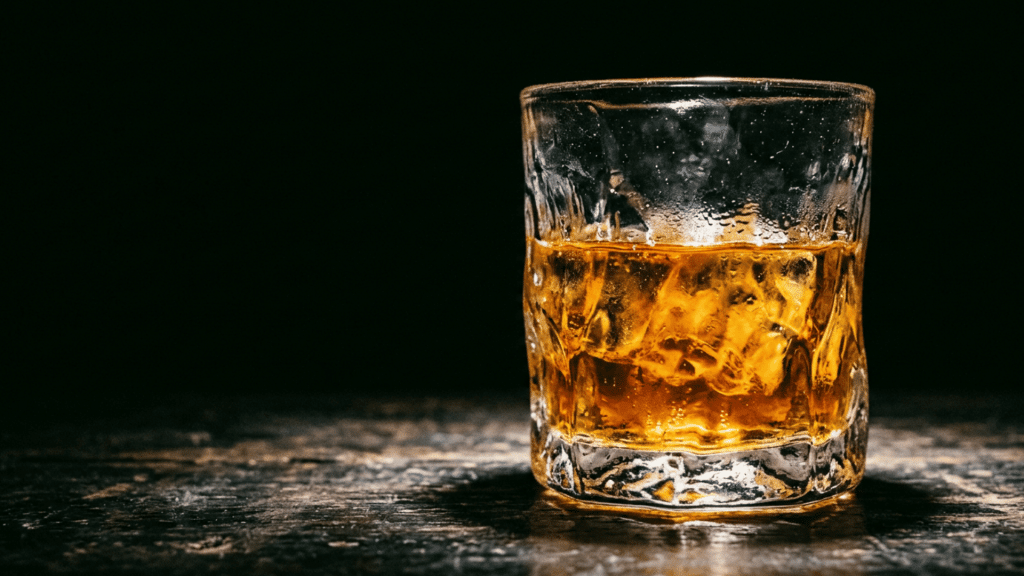
You walked up to the bar, ordered a whiskey neat, and got something completely different. Sound familiar? Neat, straight up, straight, and on the rocks all mean different things, but bartenders hear them used interchangeably every single night.
Knowing the difference is what separates a confident drink order from an awkward back-and-forth at the bar. Imagine walking in, saying exactly what you want, and getting it right every time.
This blog breaks down what neat means, which spirits taste best that way, when to skip it, and the mistakes most people make when ordering.
Stop guessing at the bar. Read on, and order like you mean it!
What Does Neat Mean in a Drink Order?
Ordering a drink neat means you want a single spirit poured straight from the bottle into a glass at room temperature, with no ice, no mixers, and no chilling.
It’s usually a 2-ounce pour served in an old-fashioned glass.
- State your order clearly.: Just say the brand or spirit followed by “neat, please.” For example, “Bourbon, neat, please” or “Maker’s Mark, neat, please.”
- Pick the right spirit. Neat works best for whiskey, bourbon, scotch, aged tequila, cognac, or dark rum.
- Expect a fair price. A neat pour runs slightly larger than a shot and costs more if you choose a premium brand.
What Drinks are Commonly Ordered Neat?
Neat pours are best reserved for spirits that have enough depth and character to stand on their own. The ones most commonly ordered neat are:
Whiskey, Bourbon, and Scotch
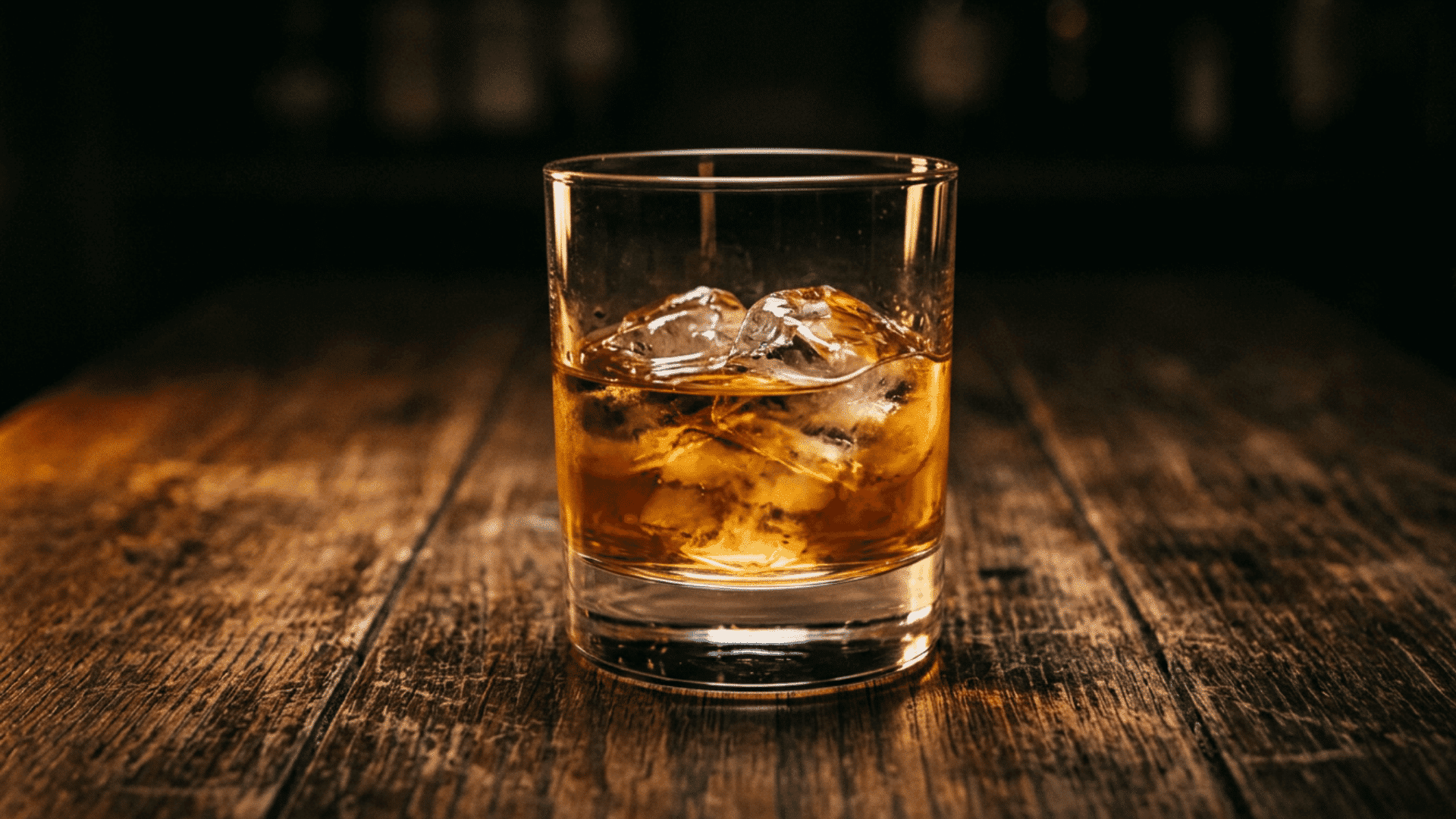
Whiskey is the gold standard for neat pours. Purists prefer slow-sipping single malts, unblended Scotches, and well-aged bourbons neat to catch the subtle flavors that wooden barrels add over time.
Ice or water can water down those barrel-aged notes, so drinking it neat lets you taste every layer exactly as the distiller intended.
If you’re new to neat whiskey, start with a well-aged bourbon before moving to a peaty Scotch.
Aged Tequila and Mezcal
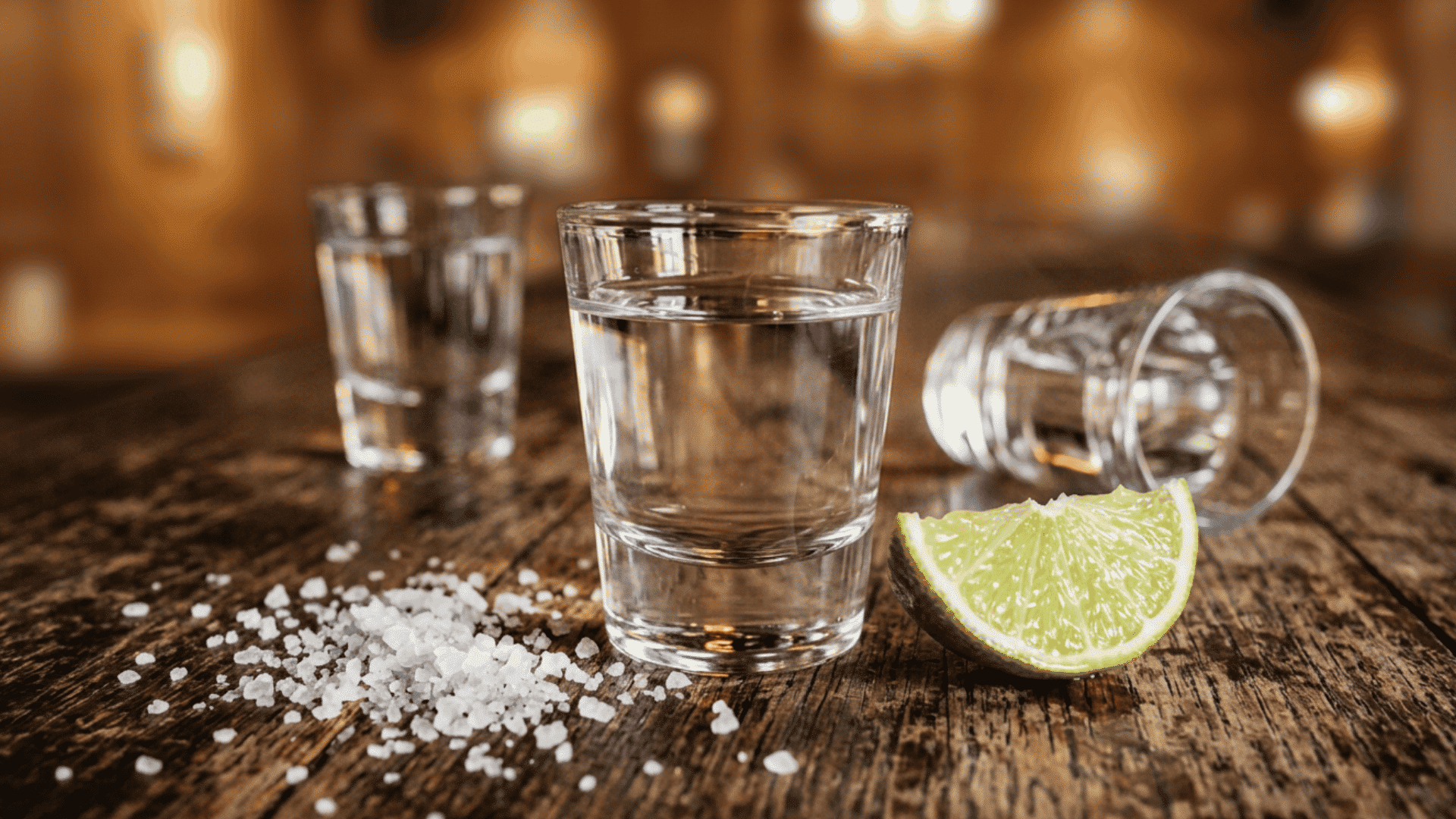
Premium Reposado and Añejo tequilas, along with smoky mezcals, are best enjoyed neat. Drinking them this way lets you pick up the complex roasted agave notes rather than just the sharp heat you’d get in a shot.
Mezcal has a rich, smoky depth that gets lost when mixed.
Sipping it neat straight from the bottle gives you the full picture of what makes these spirits worth the price.
Brandy and Cognac
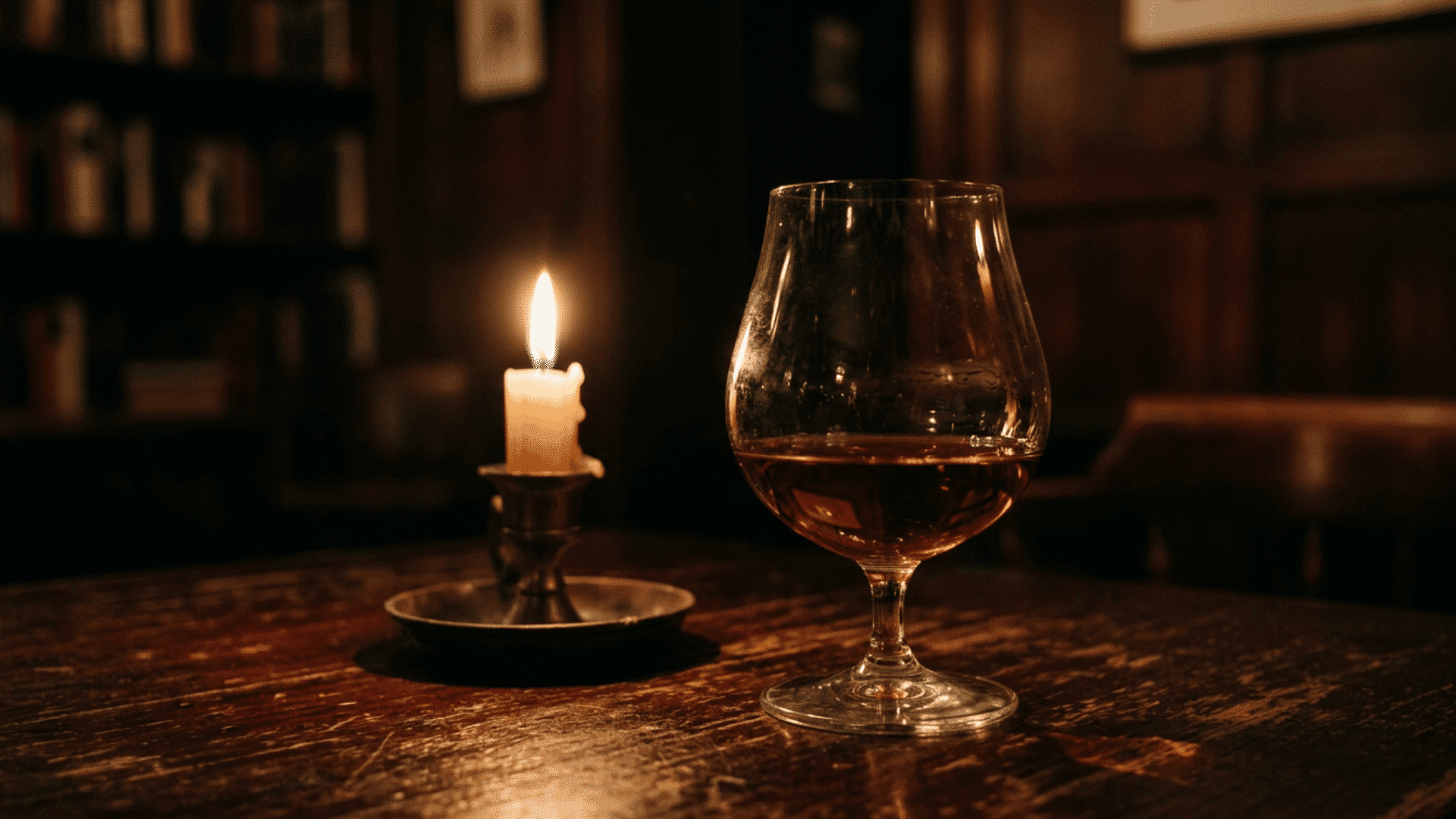
Brandy is almost exclusively consumed neat, typically served in a tulip-shaped snifter glass. The warmth of your hand on the glass slowly releases the delicate fruit and floral aromas locked inside.
Cognac, a type of brandy from France, is one of the most respected spirits to drink this way.
There’s no ice, no mixer, just the pure spirit opening up gradually as you hold it and sip slowly.
Dark Rum and Liqueurs
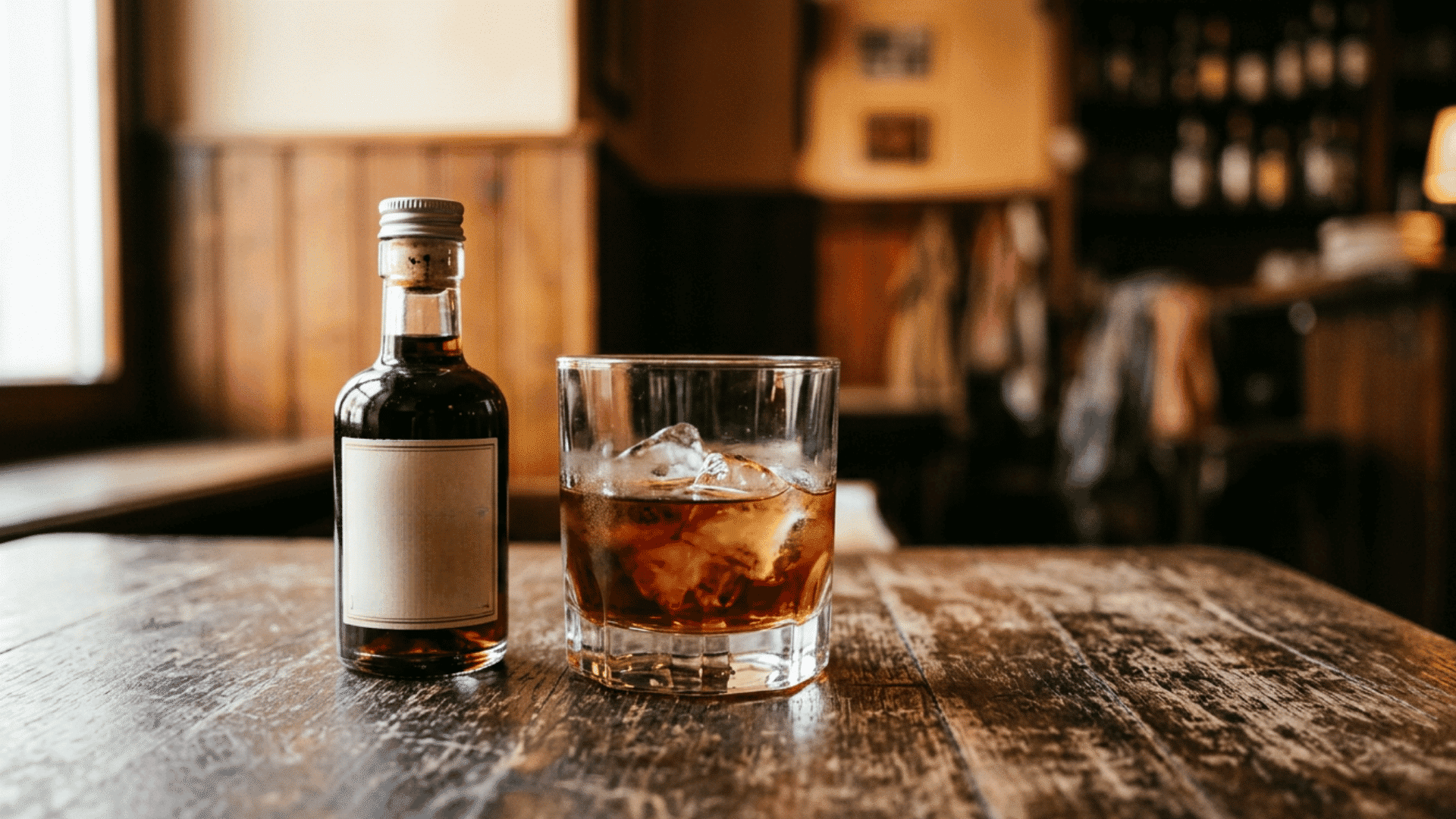
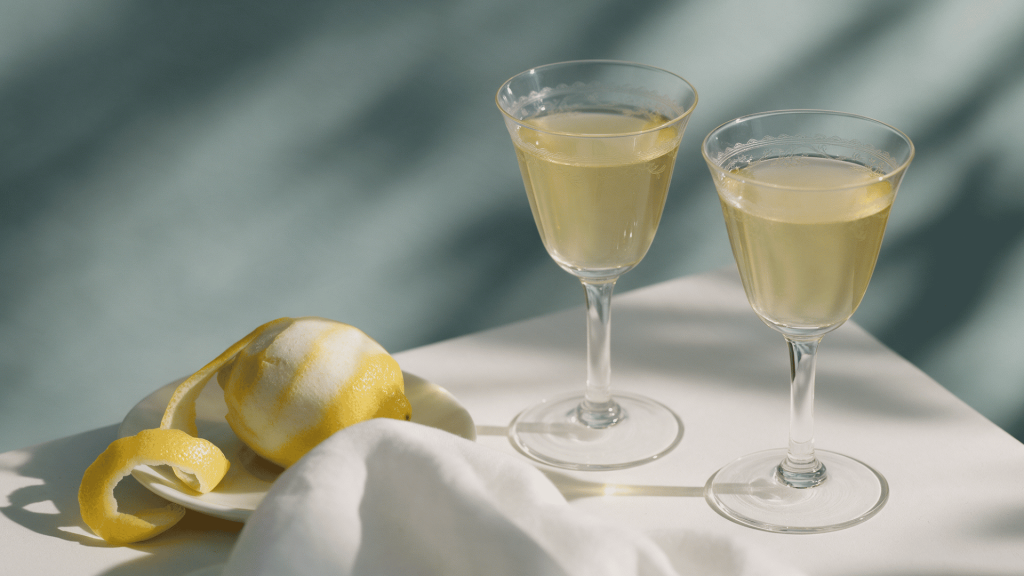
Aged dark rums and sweet after-dinner liqueurs like amaro or limoncello are best served neat. These spirits carry rich caramel, spice, and botanical profiles that shine brightest without any dilution.
Dark rum develops deep molasses and vanilla notes through barrel aging that ice would only dull.
Serving them neat lets every sip deliver the full depth of flavor the aging process was designed to build.
Neat vs Straight up Vs Straight vs On the Rocks
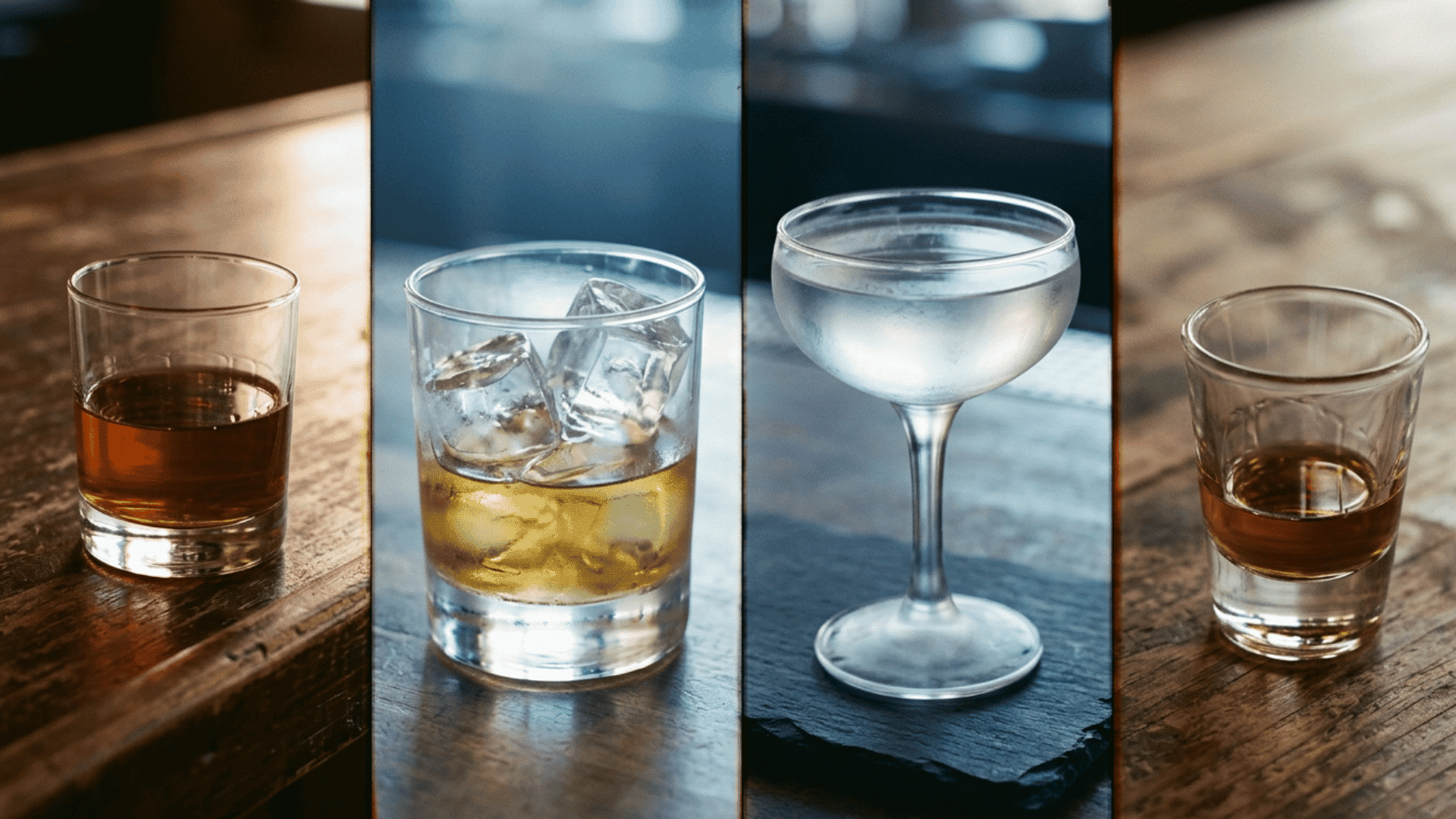
Each term tells the bartender something different about temperature, ice, and glassware. Get them right, and you always get the drink you actually want:
Neat
A neat pour means the spirit goes straight from the bottle into a glass, no ice, no mixers, no chilling. You get the drink at room temperature, exactly as it is.
This works best for high-quality aged whiskey or bourbon, where the full flavor and aroma matter. It usually comes in a short tumbler or rocks glass. If you want to taste the spirit without anything getting in the way, order it neat.
On the Rocks
On the rocks means your spirit is poured directly over ice cubes in a short, flat-bottomed rocks glass. The ice chills the drink and melts slowly over time.
That slight dilution can actually open up flavors in high-proof spirits, making them easier to sip. It takes a little edge off the alcohol without watering the drink down too fast.
Straight Up
Straight up or just “up” means the drink is shaken or stirred with ice to chill it, then strained into a glass with no ice left behind. You get a cold drink without dilution, and it stays that way after it is served.
It usually comes in a stemmed cocktail glass, like a martini or coupe, which keeps your hand from warming the liquid. Classics like a Manhattan or Martini are almost always served this way.
Straight
Straight is the term most likely to cause confusion at a bar. Casual drinkers often use it the same way as neat, meaning no ice, room temperature, but bartenders may use it differently, often referring to a straight shot or a whiskey style like straight bourbon.
Because the meaning shifts depending on who you ask, it is safer to skip this one entirely and order neat or up instead to avoid getting something unexpected.
When Should You Not Order a Drink Neat?
Not every drink tastes best neat. Some need ice, water, or mixing to feel balanced.
| Drink Type | Why Neat Does Not Work | Better Option |
|---|---|---|
| Cask-strength whiskey or overproof rum | Too strong and fiery | Add water or one ice cube |
| Margaritas and Daiquiris | Need chill and dilution | Shake or serve on the rocks |
| Cream-based drinks like Baileys | Too heavy warm | Serve on the rocks |
| Cheap, unaged well liquors | Too harsh or plain | Mix or serve over ice |
| Botanical gins | Botanicals can feel sharp | Use in a Martini or with ice |
Why Does Ice Change the Taste of a Drink?
Yes, ice changes the taste of a drink more than most people realize. Cold temperatures slow down your taste receptors, so sweet and bitter flavors feel softer and less sharp.
It also reduces the aroma of a drink since cooler liquids release fewer scent compounds, making the overall flavor feel more muted. As the ice melts, it slowly dilutes the drink.
For spirits, that dilution can actually work in your favor by toning down the alcohol burn and letting quieter flavors come forward. For juice or iced coffee, too much melting makes the drink watery and flat.
Ice made from unfiltered tap water can also carry freezer odors and minerals straight into your glass.
Common Mistakes People Make When Ordering Neat
Ordering neatly is simple, but a few mistakes can get in the way of getting exactly what you want. These are the most common ones to avoid:
- Confusing “neat” with “straight up”: Theroom is neat, at room temperature, and ice-free. Straight up is chilled with ice, then strained.
- Saying “straight.”: This word means different things to different bartenders. Always say “neat” to be clear.
- Not naming a brand: Without a brand, you’ll likely get the cheapest option behind the bar.
- Expecting a cold drink: Neat pours are served at room temperature, not chilled.
- Skipping the water back: A small glass of water on the side helps open up high-proof spirits.
- Ordering cocktails neat: Mixed drinks like an Old Fashioned need ice to taste balanced
Conclusion
Ordering a drink neat means getting a pure, room-temperature pour of your chosen spirit with no ice, no mixers, and no extras.
It’s the best way to taste a quality whiskey, cognac, or aged rum exactly as it was meant to be enjoyed. Just like spotting “aperitif” on a menu, knowing what “neat” means puts you in control at any bar.
Understanding bar terminology makes every drinking experience more enjoyable and a lot less guesswork. You get exactly what you want, every single time.
Ready to order with confidence? Check out our blog on the most popular spirits to try neat and find the right pour for your taste
Frequently Asked Questions
What Alcohol is Worst for The Gut?
Dark spirits may be hardest on the gut due to high alcohol strength and congeners, but heavy drinking of any alcohol harms digestion.
Which Alcohol Gets You Most Drunk?
High-proof spirits like vodka, whiskey, tequila, and rum can cause faster intoxication, especially when consumed quickly as shots.
What is the 20-Minute Rule for Alcohol?
The 20-minute rule means waiting before another drink, giving the body time to feel alcohol’s effects and reduce overdrinking.