

Ever ordered a drink without really knowing what makes it a spirit? Most people can name their favorite pour without knowing what sets spirits apart from beer or wine.
The difference goes beyond taste or alcohol content. Spirits are built on a specific production process that changes everything about what ends up in your glass.
This covers what spirits are in plain terms, the main types, how distillation works, and where spirits end, and other alcohol categories begin.
No jargon, no complicated explanations. Read on to finally understand exactly what is in your glass and why it matters.
Why the Word “Spirit” is Used for Alcohol
The word “spirit” has a long link to distillation. In older use, it referred to the vapor, essence, or active part of a substance. When alcohol was heated during distillation, vapor rose from the liquid. That vapor was then cooled and collected.
Over time, the word became tied to strong distilled drinks. So when someone says “spirit” in a drink setting, they usually mean a distilled alcoholic beverage, not beer or wine.
This is why vodka, whiskey, rum, and similar drinks are placed in the same broad family.
What are Spirits?
Spirits are alcoholic drinks made through distillation. A fermented liquid is heated until alcohol turns to vapor, then cooled back into liquid form.
This raises the alcohol content, making spirits stronger than beer or wine. You will often hear them called liquor, hard liquor, or distilled alcohol.
These terms all refer to the same category. Popular examples include vodka, gin, rum, tequila, whiskey, and brandy.
Beer and wine are fermented but not distilled, which puts them in a different category. Liqueurs are also different since sugar and flavorings are added to a distilled base after production.
The Main Types of Spirits
Most bartenders work with six base spirits. This is what each one is, where it comes from, and what makes it distinct.
1. Vodka
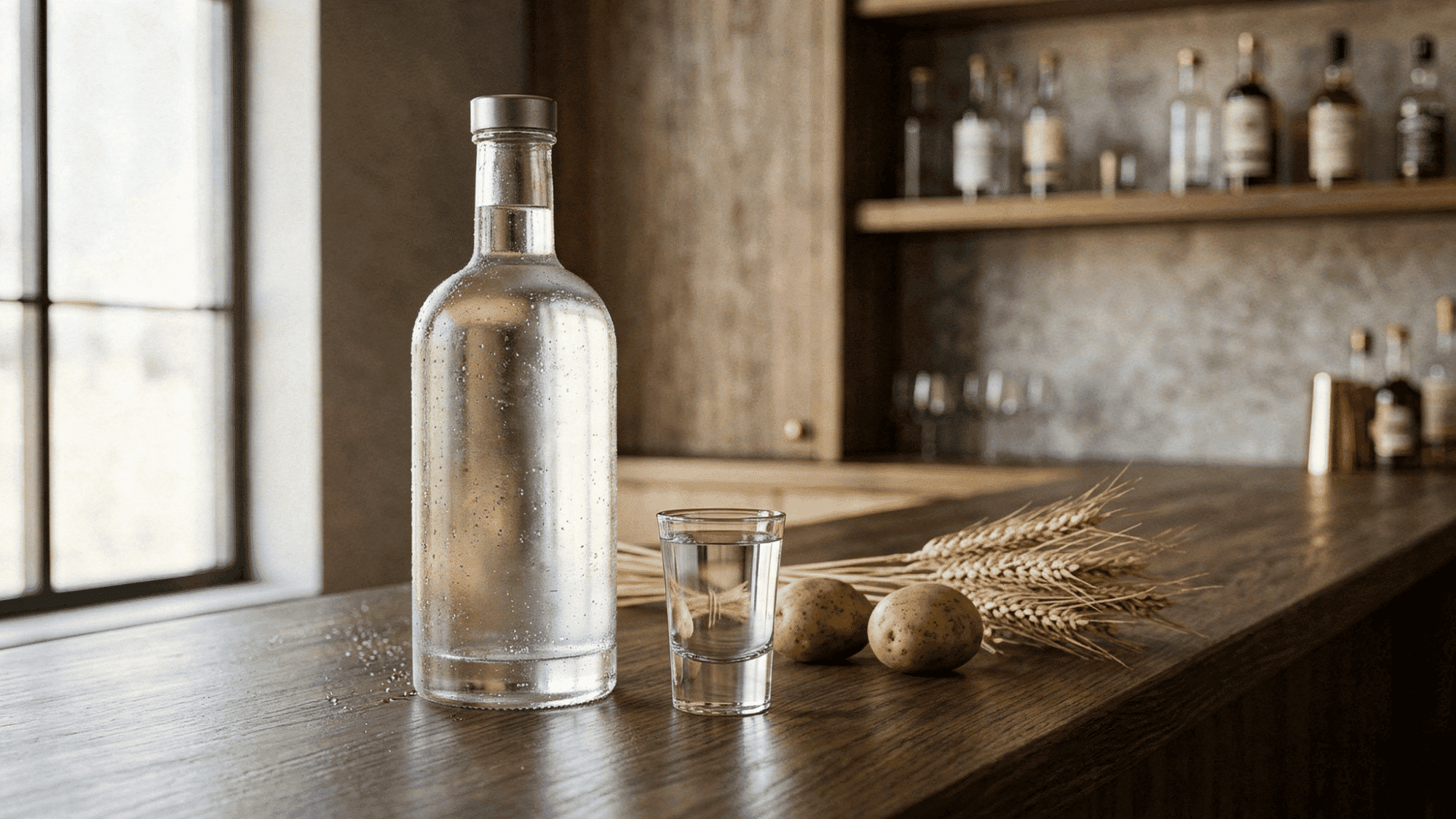
Vodka is distilled from grains like wheat, rye, or corn, and sometimes potatoes. It undergoes repeated filtration to strip away most of the flavor, leaving behind a clean, neutral profile.
That neutrality is exactly why it’s so popular; it blends into almost any cocktail without competing with other ingredients.
From a classic martini to a Moscow mule, vodka works across a wide range of drinks. It’s one of the best-selling spirits in the US and most other markets. Standard bottles are bottled at around 40% ABV.
2. Gin
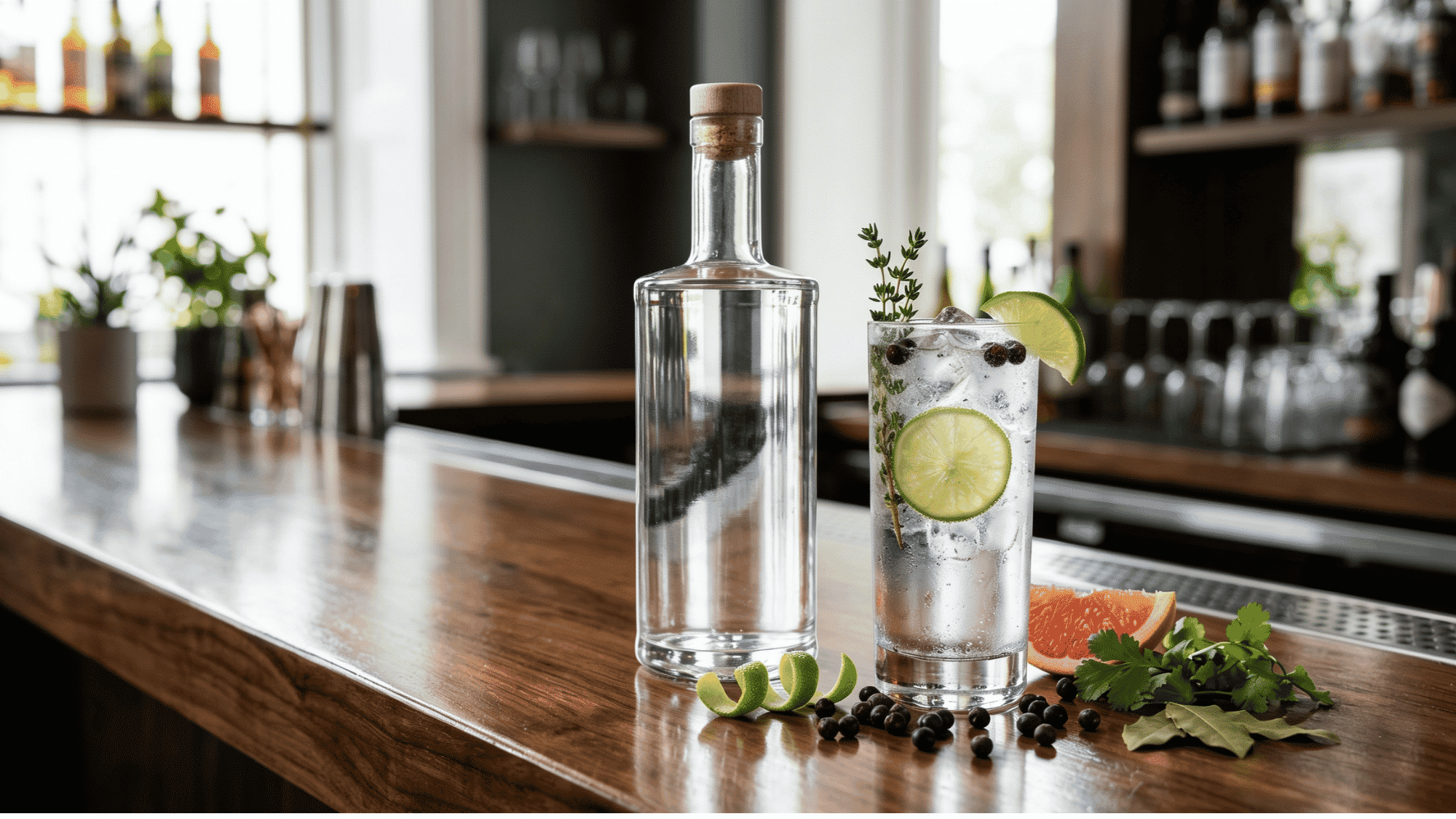
Gin begins as a neutral grain spirit, then takes on its character through redistillation or steeping with botanicals.
Juniper berries are the non-negotiable ones; without them, a spirit cannot legally be classified as gin in most countries.
Beyond juniper, distillers have the freedom to add coriander, citrus peel, angelica root, and dozens of other botanicals, which is why two gins can taste remarkably different from each other. ABV typically falls between 37.5% and 50%.
It’s the backbone of cocktails like the gin and tonic and the Negroni.
3. Rum
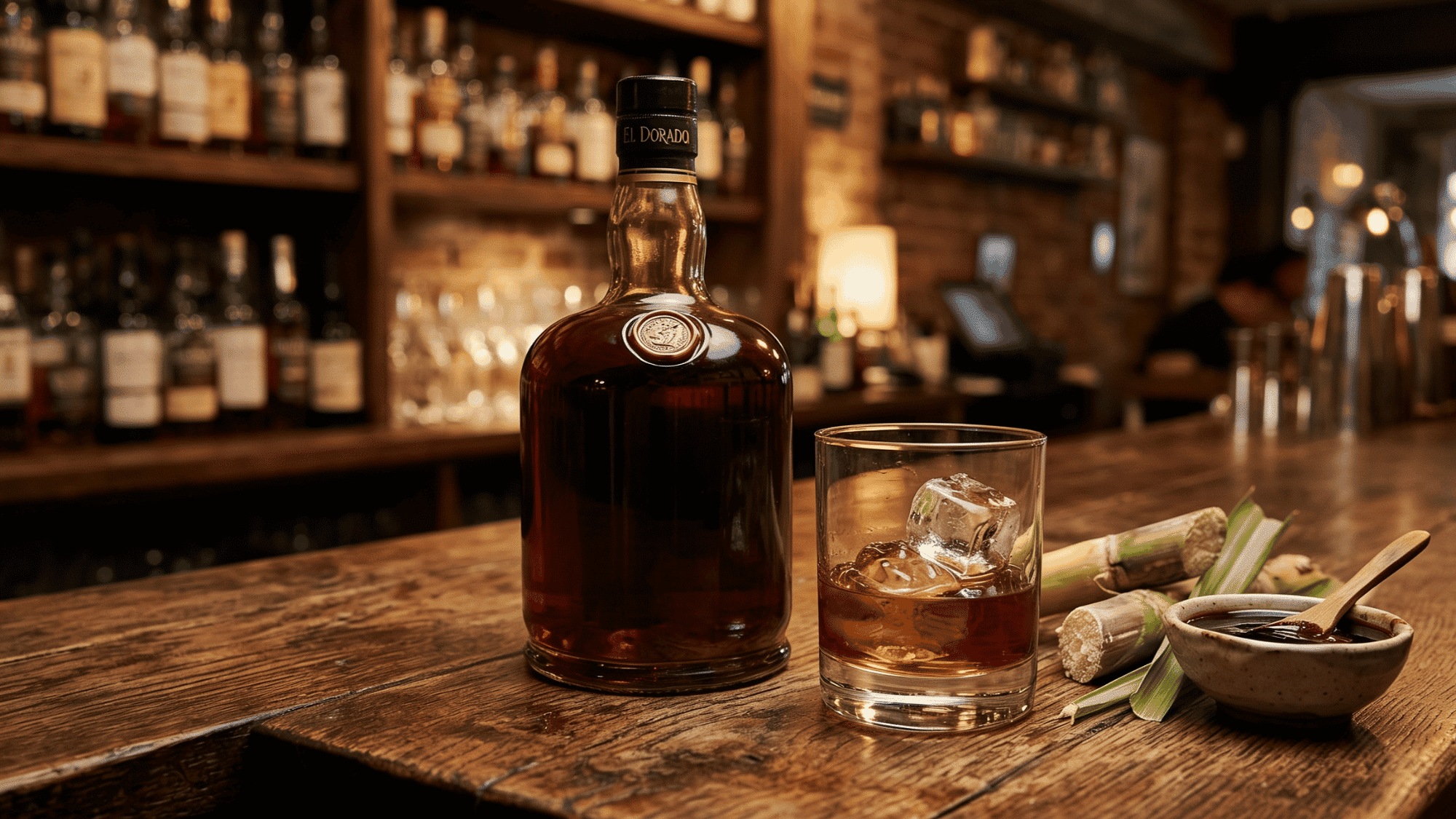
Rum is made from fermented sugarcane juice or molasses, a thick byproduct left over from sugar production.
Most of the world’s rum comes from Caribbean and Latin American countries, where sugarcane grows abundantly.
The style varies considerably depending on production method and aging. Light rum is clear and mild, commonly used in mojitos and daiquiris.
Dark and aged rums develop deeper, richer flavors suited for sipping neat. ABV ranges from around 37.5% on the lighter end to 80% or higher for overproof varieties.
4. Tequila
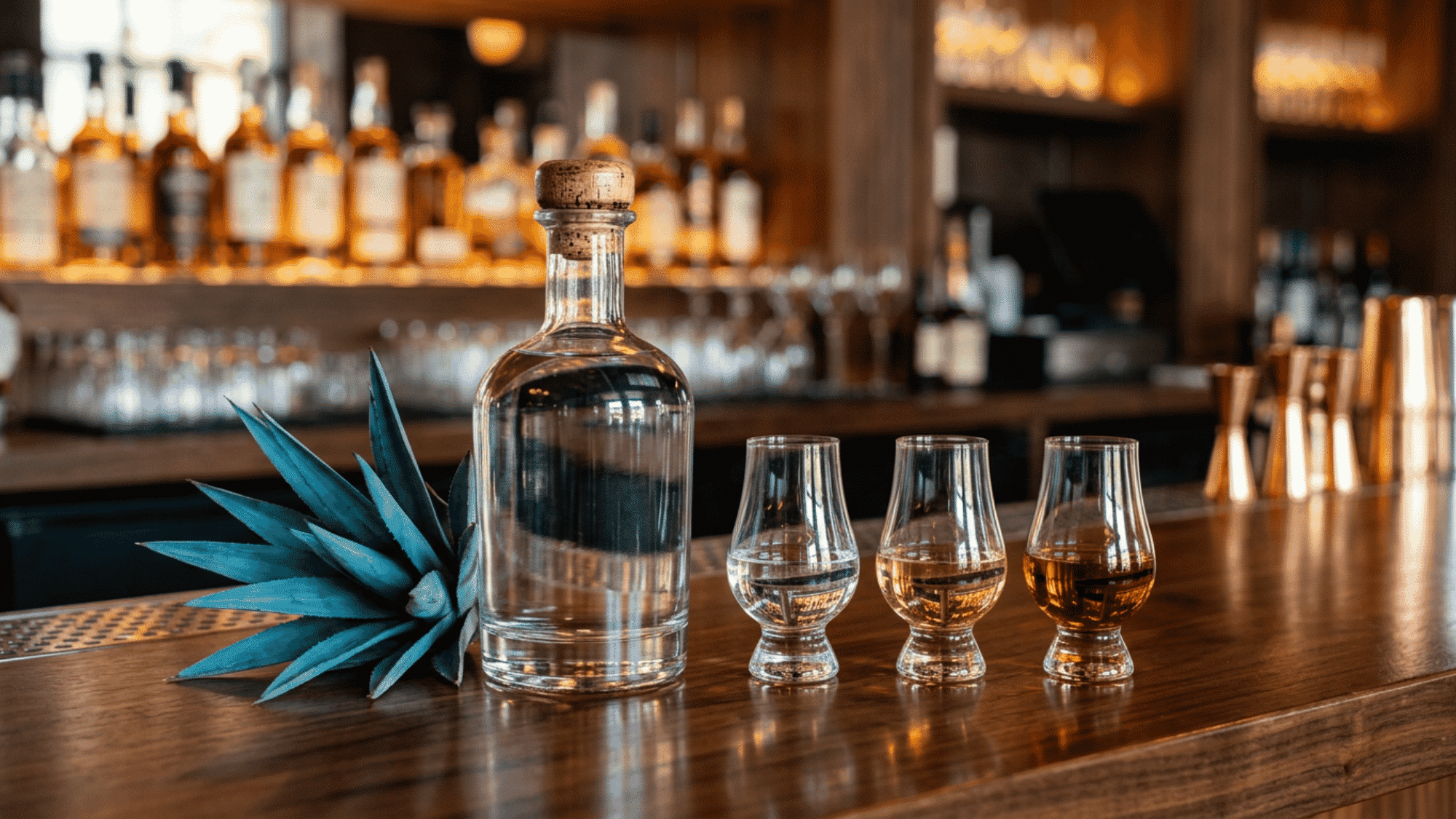
Tequila is made from the fermented sugars of the blue Weber agave plant and can only be produced in specific Mexican states, with Jalisco being the most well-known.
This geographic restriction is legally protected; a spirit made outside those regions from agave cannot be called tequila.
The agave hearts, called piñas, are harvested, cooked, crushed, fermented, and then distilled.
Tequila comes in several styles based on aging: blanco, reposado, and añejo. Standard ABV ranges from 35% to 55%, with most bottles landing around 40%.
5. Mezcal
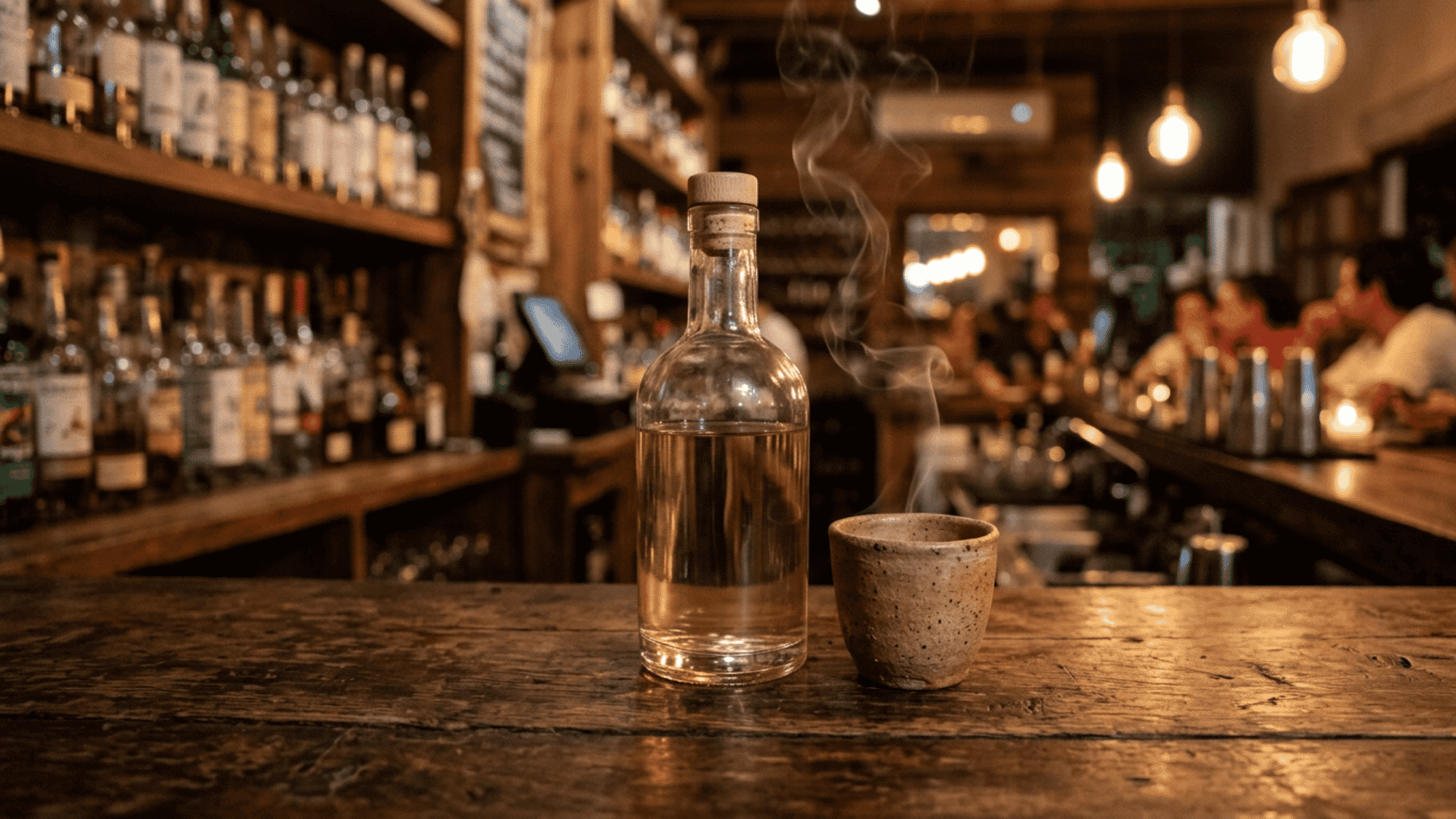
Mezcal is the broader category of agave spirits, and tequila is one specific type of mezcal.
However, not every agave spirit made in Mexico can be called mezcal, because mezcal has its own rules about where it can be produced, how it is made, and which agave varieties are allowed.
Tequila is even more specific, with stricter requirements for agave type and production region.
What sets mezcal apart in flavor is its smokiness. The agave hearts are roasted in underground pits before fermentation, which gives the finished spirit a distinctly earthy, smoky character that tequila typically lacks.
ABV generally ranges from 40% to 55%. Mezcal is most often sipped neat to appreciate its complexity.
6. Whiskey
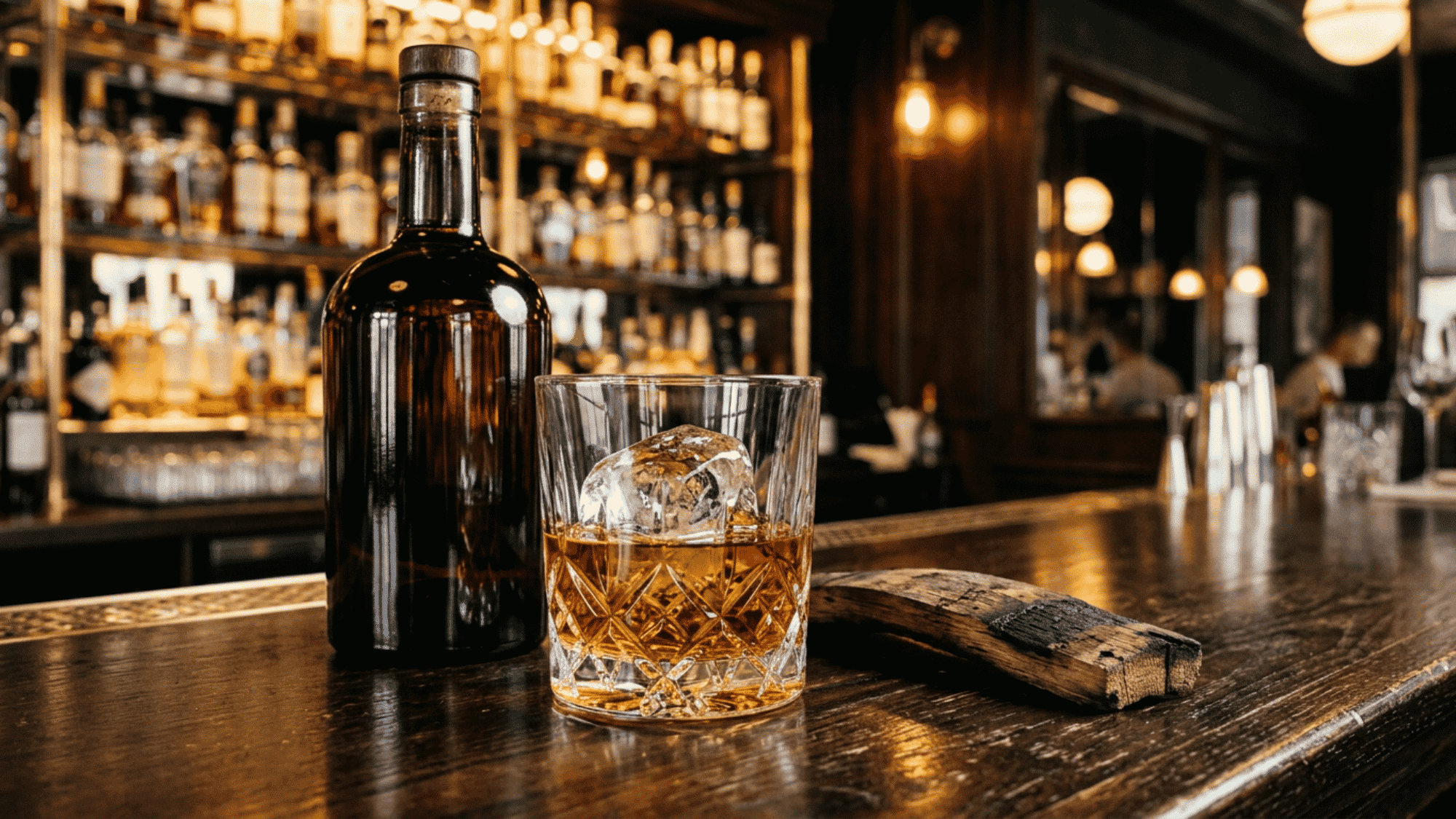
Whiskey is distilled from a fermented mash of grains, barley, corn, rye, wheat, or some combination, and then aged in wooden barrels, almost always in charred oak.
The barrel aging is what gives whiskey its amber color and a large portion of its flavor. Without it, freshly distilled whiskey is clear and harsh.
Bourbon, Scotch, Irish whiskey, and Japanese whisky are all subtypes, each with distinct production requirements that shape its final character.
ABV typically ranges from 40% to 60%, though cask-strength releases can go considerably higher.
7. Brandy
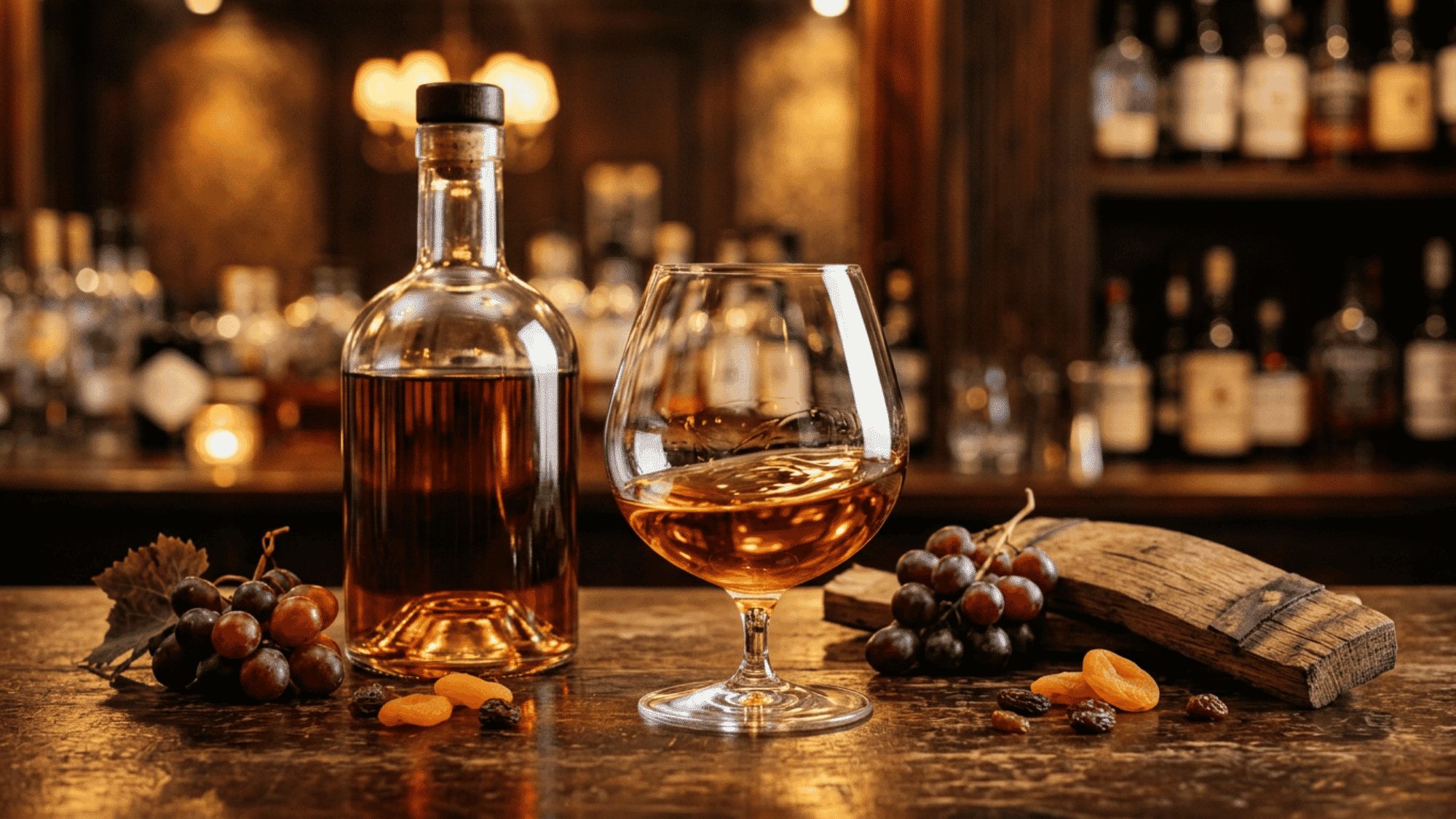
Brandy is produced by distilling fermented fruit juice, with grapes being the most common base. It’s essentially what you get when wine goes through a still.
Cognac and Armagnac are the most recognized French styles, both subject to strict rules governing geography and production methods that distinguish them from generic brandy.
The flavor tends to be richer and warmer than grain-based spirits, with notes of dried fruit, oak, and vanilla developing through barrel aging.
ABV falls between 35% and 60%. Brandy is frequently sipped neat or used in cocktails like the Sidecar and the Brandy Alexander.
Quick ABV Reference by Spirit Type
The ABV varies more than most people expect. Take a look at the quick breakdown by spirit type.


How Distilled Drinks Are Made
Most distilled drinks begin with a source of sugar or starch. That base is fermented first, then distilled.
1. Base ingredient: Producers start by selecting a raw material rich in sugar or starch, such as grains, fruits, sugarcane, potatoes, or agave, which will later undergo fermentation and influence the flavor, aroma, and character of the final distilled beverage.
2. Fermentation: Yeast is added to the prepared base, where it consumes natural sugars, converting them into alcohol and carbon dioxide, producing a low-alcohol liquid that serves as the foundation for the subsequent distillation process.
3. Distillation: The fermented liquid is heated so that alcohol evaporates at a lower temperature than water, allowing it to be separated, collected, and condensed into a stronger, higher-concentration alcohol.
4. Filtration: After distillation, the liquid may be refined through filtration, aged in barrels to develop deeper flavors, blended with other batches for consistency, or infused with additional ingredients to enhance taste and aroma.
5. Bottling: Once the desired flavor and strength are achieved, the liquid is diluted as needed, carefully bottled, labeled with its alcohol content, and prepared for distribution to ensure consistency and quality for consumers.
Spirits vs. Liqueurs: Not the Same Thing
A common point of confusion: liqueurs and spirits are not interchangeable terms. A liqueur is made by taking a base spirit and adding sweeteners, fruits, herbs, spices, or cream.
The result is sweeter, lower in ABV (typically 15% to 30%), and flavored beyond the base ingredient.
| Feature | Spirit | Liqueur |
|---|---|---|
| Base | Distilled alcohol | Distilled alcohol + flavorings |
| Sugar added | No | Yes |
| Typical ABV | 35% – 80% | 15% – 30% |
| Examples | Vodka, gin, rum, whiskey | Amaretto, Baileys, Kahlúa, Schnapps |
Common Ways People Drink Them
Distilled drinks can be served in many ways. The serving style often depends on the drink and the person’s taste.
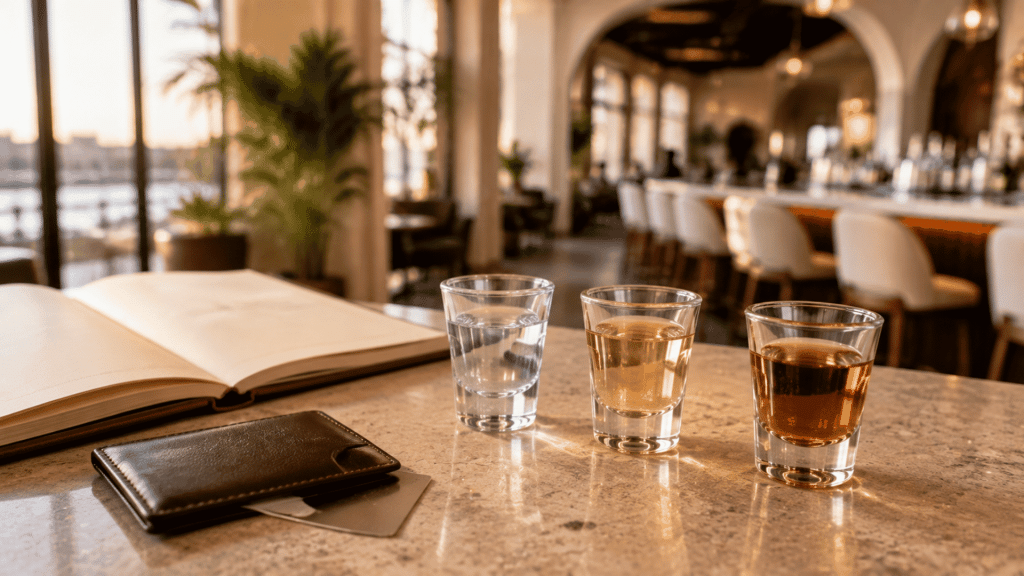
1. Neat: Served straight in a glass without ice, water, or mixers, allowing the drink’s natural aroma, flavor, and texture to stand out clearly for a more direct tasting experience.
2. On the rocks: Poured over ice cubes, which gradually chill and slightly dilute the drink, softening strong flavors while making it smoother and more refreshing for those who prefer a cooler sip.
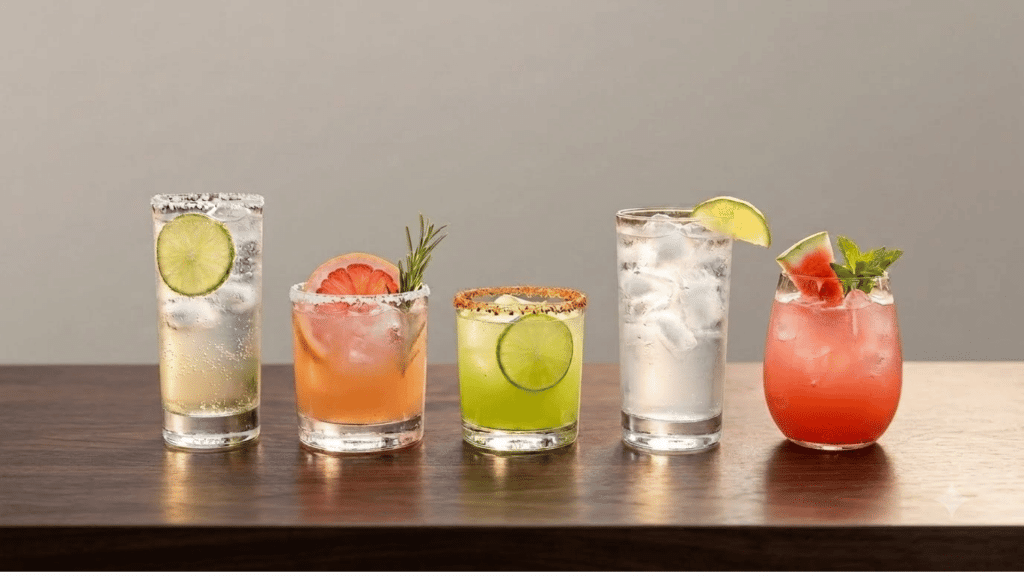
3. With a mixer: Combined with beverages like soda, tonic water, fruit juice, or ginger beer to balance strength, add flavor, and create a lighter, more approachable drink for casual enjoyment.
4. In a cocktail: Blended with ingredients such as syrups, bitters, citrus, or herbs to create a balanced drink where flavors work together, offering variety and creativity beyond the base alcohol alone.
5. In cooking: Added in small amounts to sauces, desserts, or marinades to enhance flavor, deepen aroma, and bring subtle complexity to dishes without making the alcohol taste overpowering or dominant.
Quick Safety Tips
Distilled drinks can have much higher alcohol levels than beer or wine. That does not make them better or worse, but it does mean serving size matters.
- Take small sips and pace yourself to avoid consuming too much alcohol quickly, allowing your body time to process each drink.
- Have a meal before drinking or eat while consuming alcohol to slow absorption and reduce the effects on your body.
- Check the alcohol by volume on the label so you understand the strength of your drink and adjust your intake accordingly.
- Never combine alcohol with driving, as even small amounts can impair judgment, reaction time, and overall ability to operate a vehicle safely.
- Speak with a healthcare professional about alcohol use if you are pregnant, taking medication, or dealing with any ongoing health condition.
Wrapping Up
Spirits are distilled alcoholic beverages. That is the short version. The longer version covers fermentation, the science of vapor and condensation, six core categories, and a word borrowed from medieval alchemists.
Now that you know what spirits are and how the main types differ from beer, wine, and liqueurs, you have the full picture.
This works as a baseline for building a home bar, studying for a bar exam, or settling a dinner table debate.
Have questions about a specific spirit? Drop them in the comments below.
Frequently Asked Questions
What is the Difference Between Domestic and Imported Spirits?
Domestic spirits are produced within the US. Imported ones come from other countries and may be subject to geographic or legal production requirements.
Can Spirits Expire or Go Bad?
Unopened spirits last for a long time when stored properly, but opened bottles lose flavor within 1–2 years.
What is a “Single Malt” Spirit?
Single malt means the spirit was produced as whisky at a single distillery, using malted barley.