

You pick up a bottle, read the label, and somehow still have no idea what you are about to drink. Sound familiar? Wine has a reputation for being complicated, but once you know the main wine types, everything starts to make sense fast.
Whether you are drawn to something bold and tannic, light and crisp, or sweet enough to double as dessert, there is a category built for exactly that preference.
We break down every major style, from everyday red and white wines to sparkling bottles and fortified classics, so you can walk into any wine shop, restaurant, or dinner party and actually know what to reach for.
Read further to know whats the perfect match for you!
Start With Taste Before You Memorize Grape Names
Many assume they must memorize complex grape names before selecting a bottle, but that is unnecessary. A more helpful starting point is understanding taste.
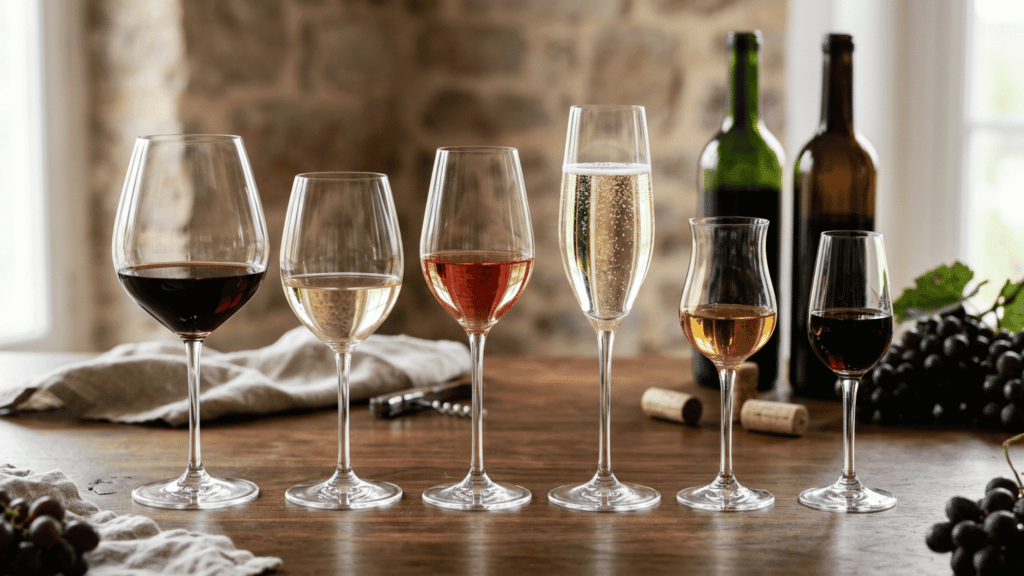
Wines can be grouped by color, sweetness, body, carbonation, and production method, which explains why some feel light and citrusy while others are rich and dry.
Rosé offers a fresh middle ground; sparkling wines add bubbles for celebrations; dessert wines bring sweetness; and fortified wines are stronger.
Beginners should focus on discovering a few styles they enjoy rather than trying to like everything.
Types of Wines
Types of wines can feel confusing at first, but each style becomes easier to understand once taste, color, and sweetness are clear.
Red Wine
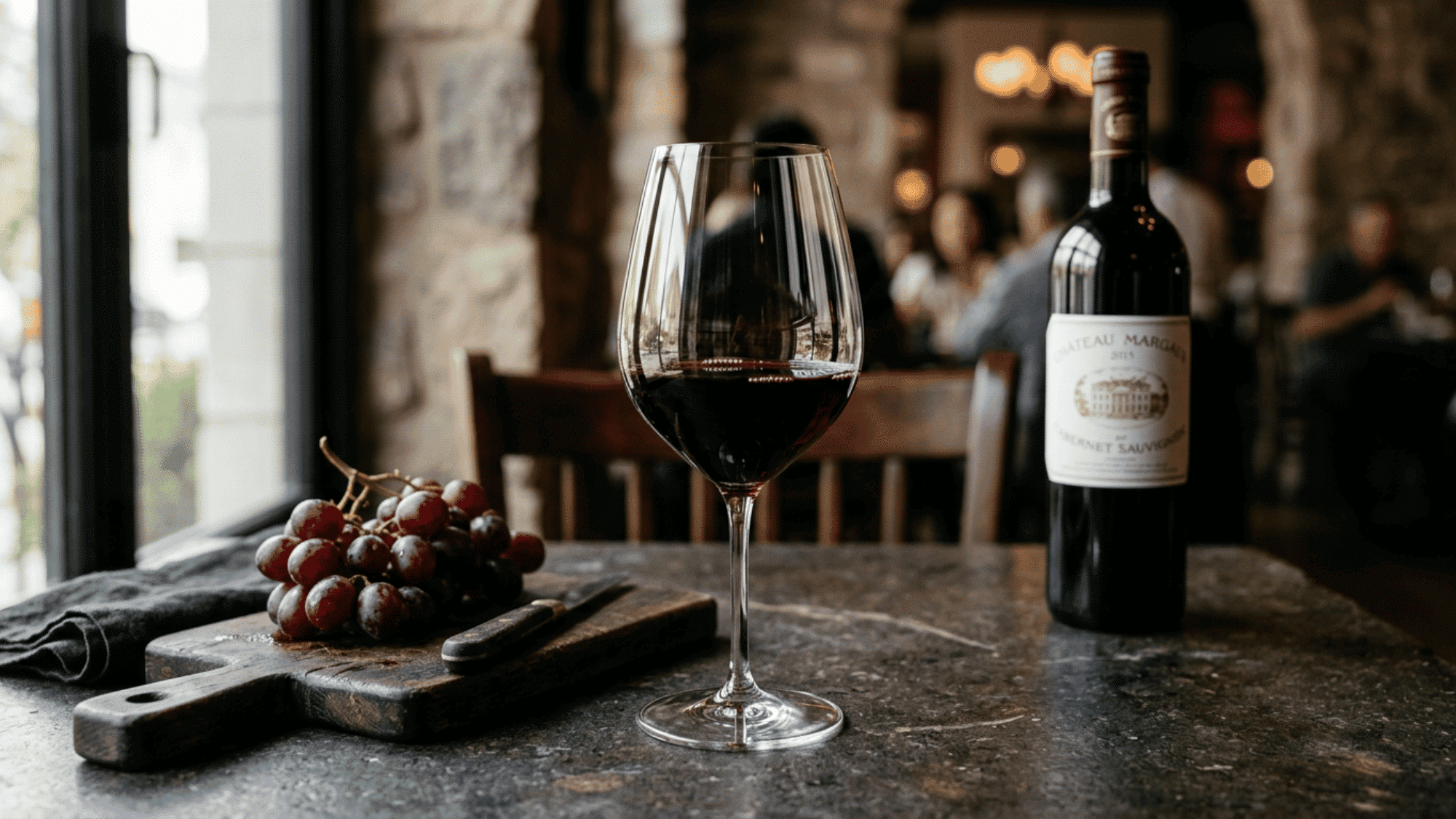
Red wine gets its color from extended contact with grape skins during fermentation. Those skins also contribute tannins, the compound responsible for that dry, slightly grippy feeling in your mouth after a sip.
Flavor profiles range from bright red fruits like cherry and raspberry in lighter styles to dark plum, blackberry, and chocolate notes in fuller-bodied bottles.
Popular Red Wine Varieties Include:
- Cabernet Sauvignon: Full-bodied, high tannins, flavors of blackcurrant, cedar, and tobacco.
- Pinot Noir: Light-bodied and low in tannins, with red cherry, raspberry, and subtle earthy notes.
- Merlot: Medium to full-bodied, softer tannins, notes of plum, black cherry, and chocolate. Approachable for beginners.
White Wine
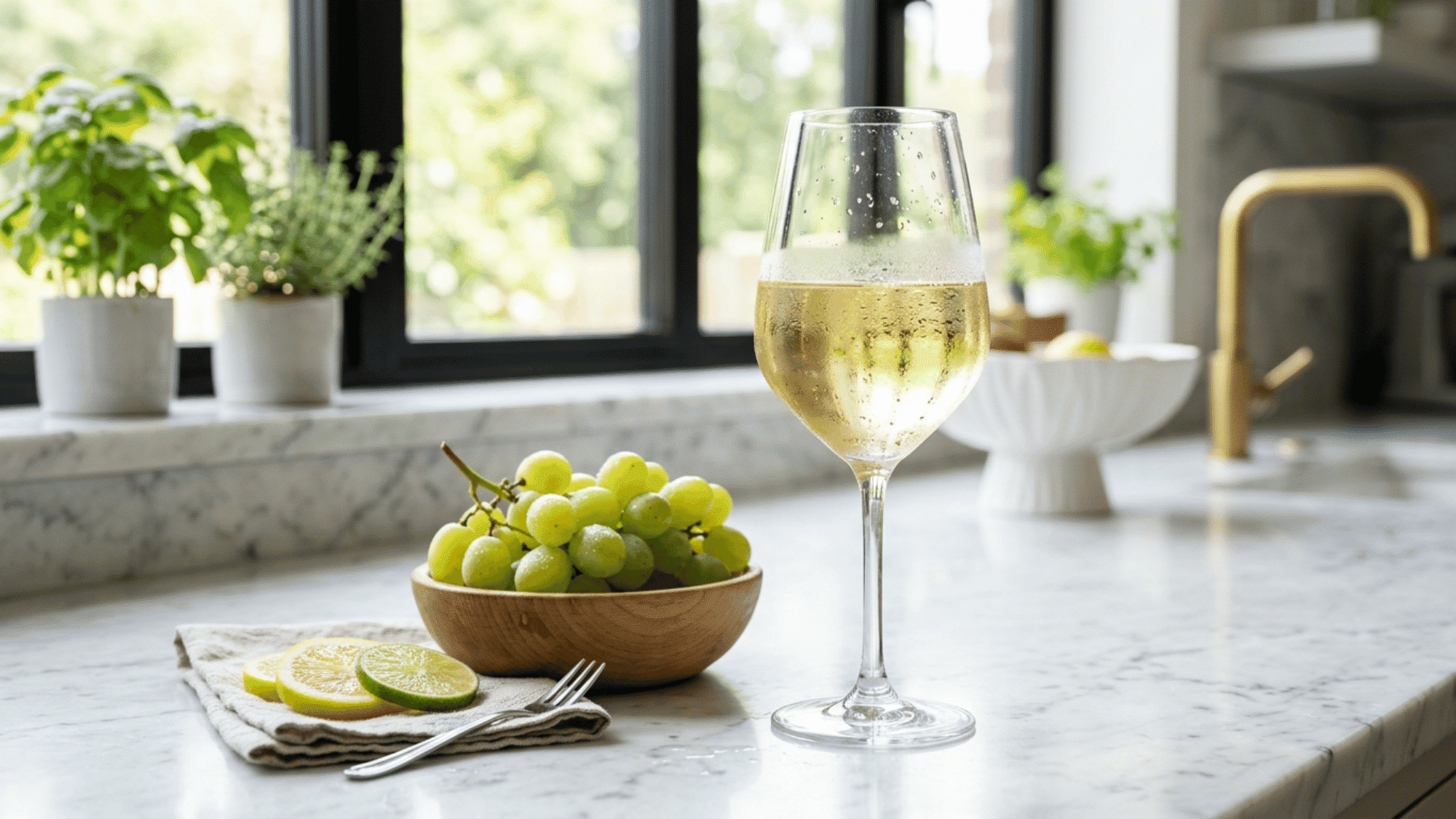
White wine is typically made from green or yellow grapes, though some white wines use red grape varieties with the skins removed before fermentation begins.
Without skin contact, the wine stays pale and takes on a lighter, crisper character.
White wines tend to have higher acidity than reds, which makes them feel bright and refreshing in the glass.
Popular White Wine Varieties Include:
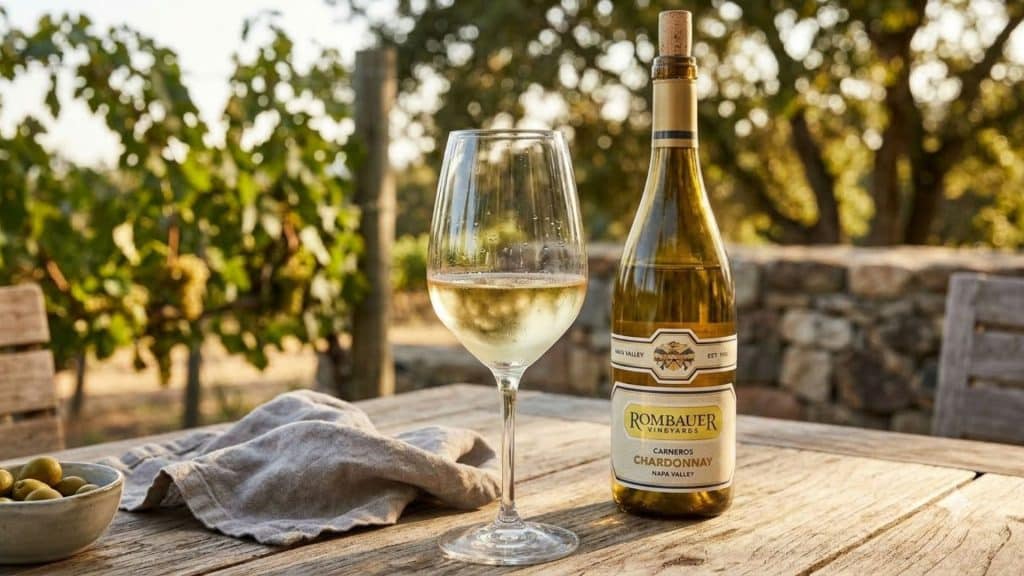
- Chardonnay: The most widely planted white grape in the world. Oaked versions are creamy and buttery; unoaked versions are leaner with apple and citrus notes.
- Sauvignon Blanc: Crisp, dry, and high in acidity with flavors of grapefruit, lime, and freshly cut grass.
- Pinot Grigio / Pinot Gris: A lighter, neutral style from Italy versus a rounder, more textured style from Alsace, France. Same grape, different expression.
Rosé Wine
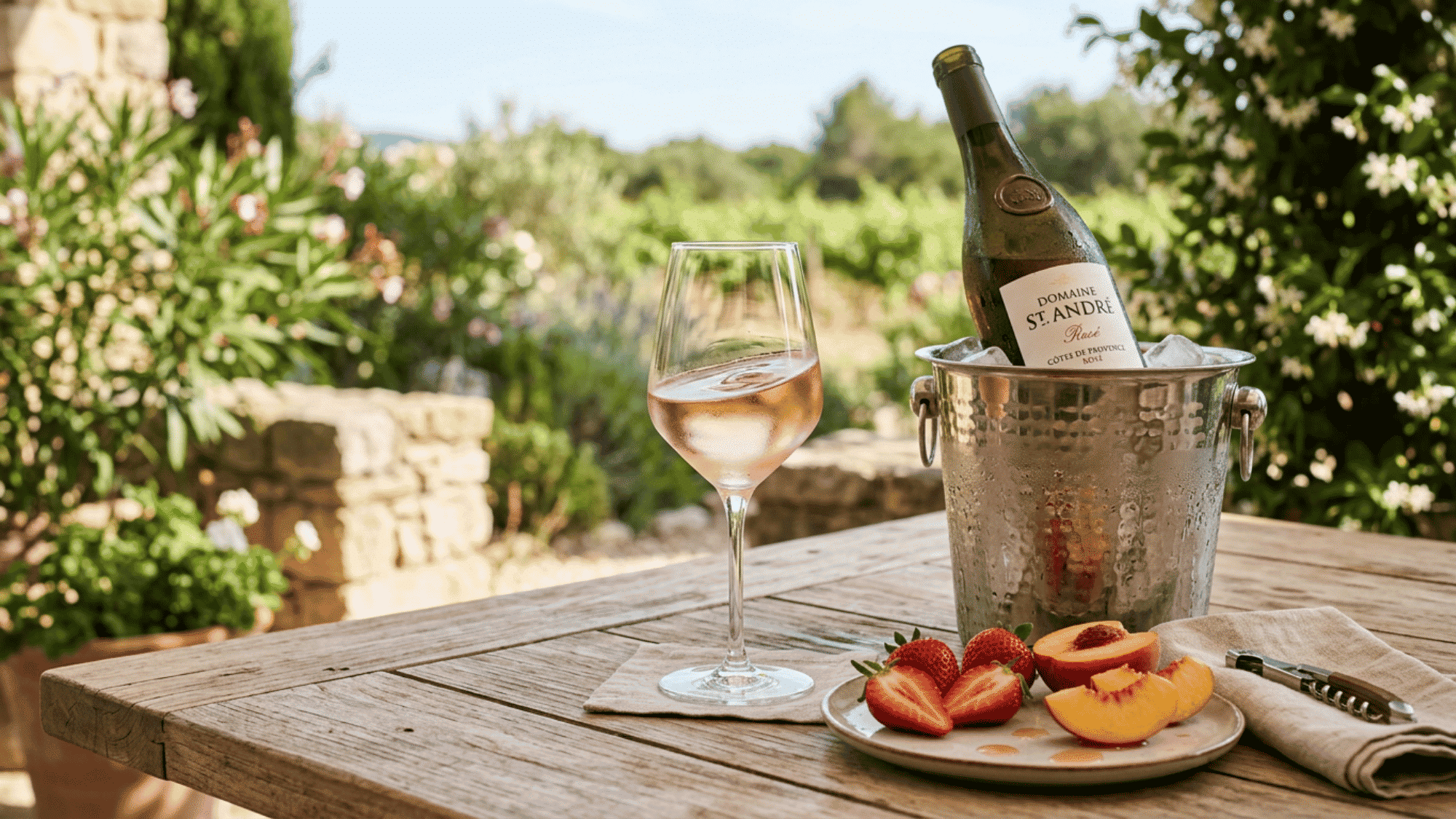
Rosé is not a mix of red and white wine. That is the most common myth worth clearing up immediately. It is made from red grapes, but the skins are removed after a short period of contact, typically a few hours rather than days or weeks.
The result is a wine that sits between the two worlds: fruit-forward like many reds, but light and refreshing like a white.
Popular Rosé Varieties Include:
- Provence Rosé: Pale salmon in color, bone dry, with delicate strawberry and herb notes.
- White Zinfandel: The sweeter, more accessible end of the rosé spectrum. Pink, fruity, and low in tannins, it is a common entry point for new wine drinkers.
- Grenache Rosé: A step up in body with watermelon and peach flavors.
Sparkling Wine
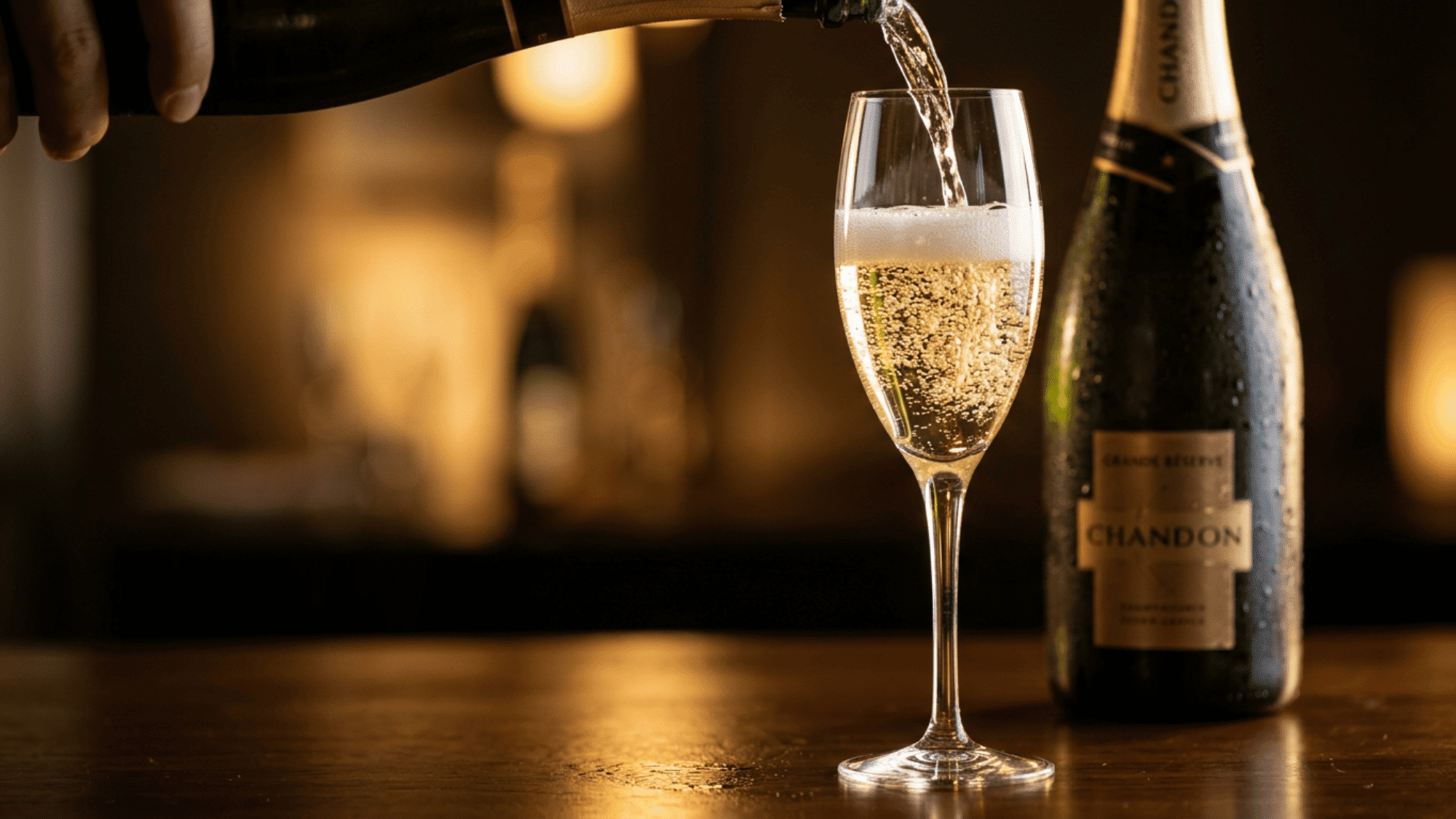
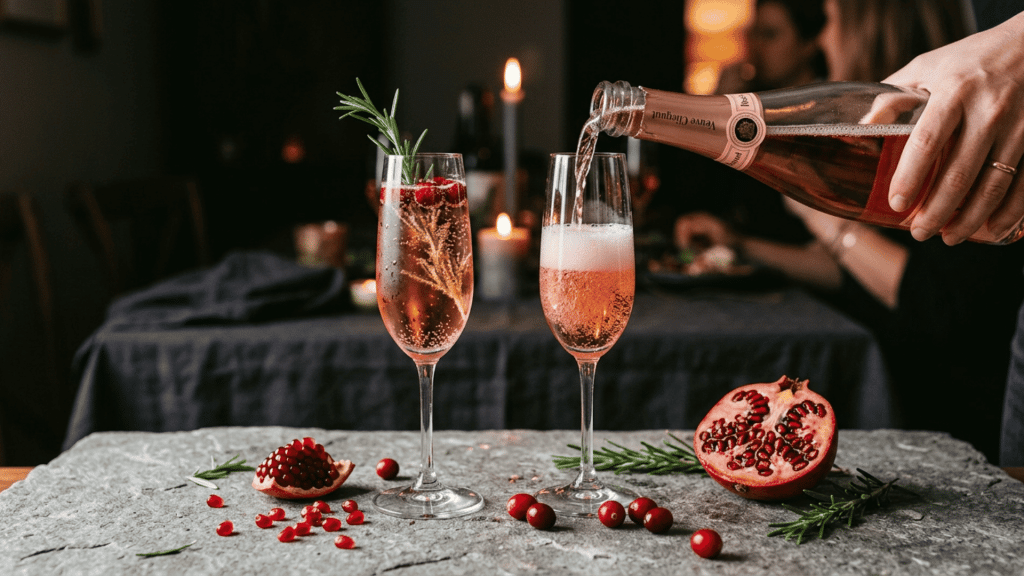
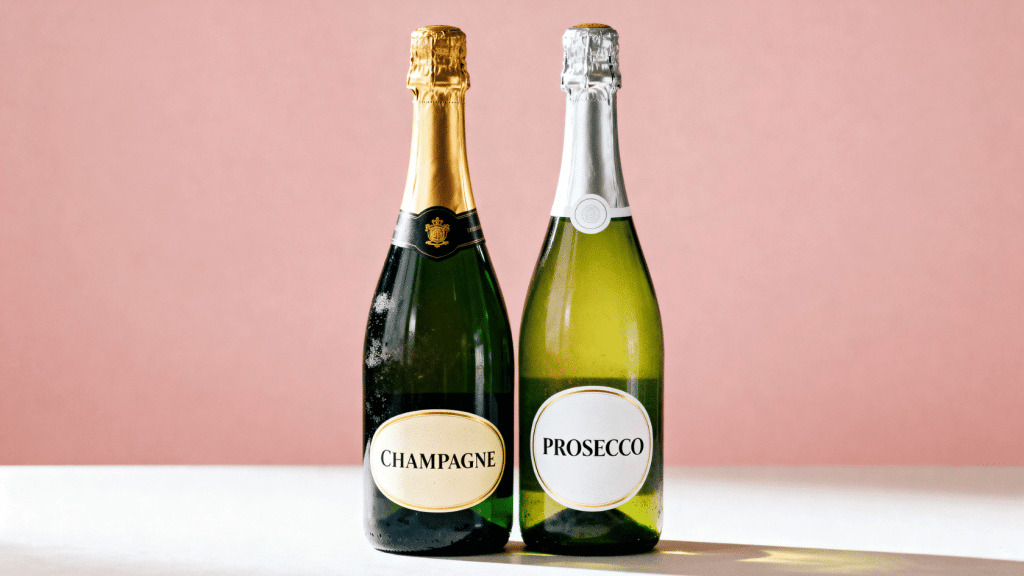
The bubbles in sparkling wine come from carbon dioxide produced during a secondary fermentation. This is a key detail: most high-quality sparkling wines are not artificially carbonated.
Sparkling wines range from very dry (Brut Nature) to noticeably sweet (Demi-Sec), so they cover more ground than most people expect.
Sparkling Wines Worth Knowing:
- Crémant: Made in the traditional method but outside the Champagne region of France, often at a lower price point.
- Sekt: Germany’s sparkling wine, mostly made from Riesling or Pinot Blanc grapes.
- American Sparkling Wine: California producers such as Schramsberg and Domaine Carneros produce high-quality traditional-method sparkling wines.
Orange Wine
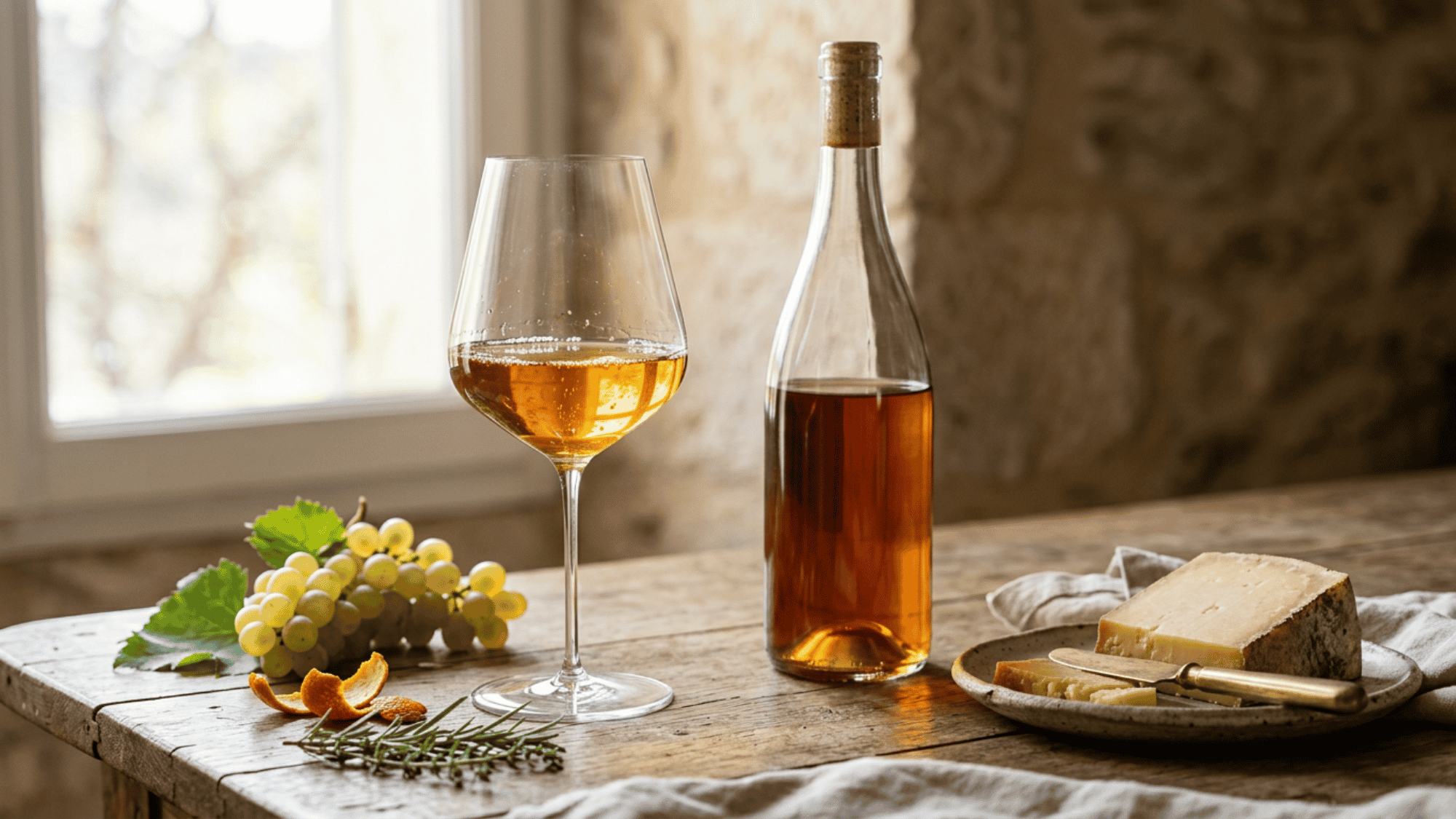
Orange wine is made from white grapes, but the skins stay in contact with the juice during fermentation. This gives the wine its amber-orange color and a richer texture than most white wines.
It often tastes bold, dry, and slightly nutty, with notes of dried fruit, tea, citrus peel, herbs, or spice.
Popular orange wines worth knowing include:
- Georgian Rkatsiteli: Traditional amber wine with tannins, dried fruit, and spice notes
- Italian Ribolla Gialla: Crisp yet textured, showing citrus peel, herbs, and minerality
- Slovenian Malvasia: Aromatic, slightly floral, with stone fruit and gentle tannins
Dessert Wine
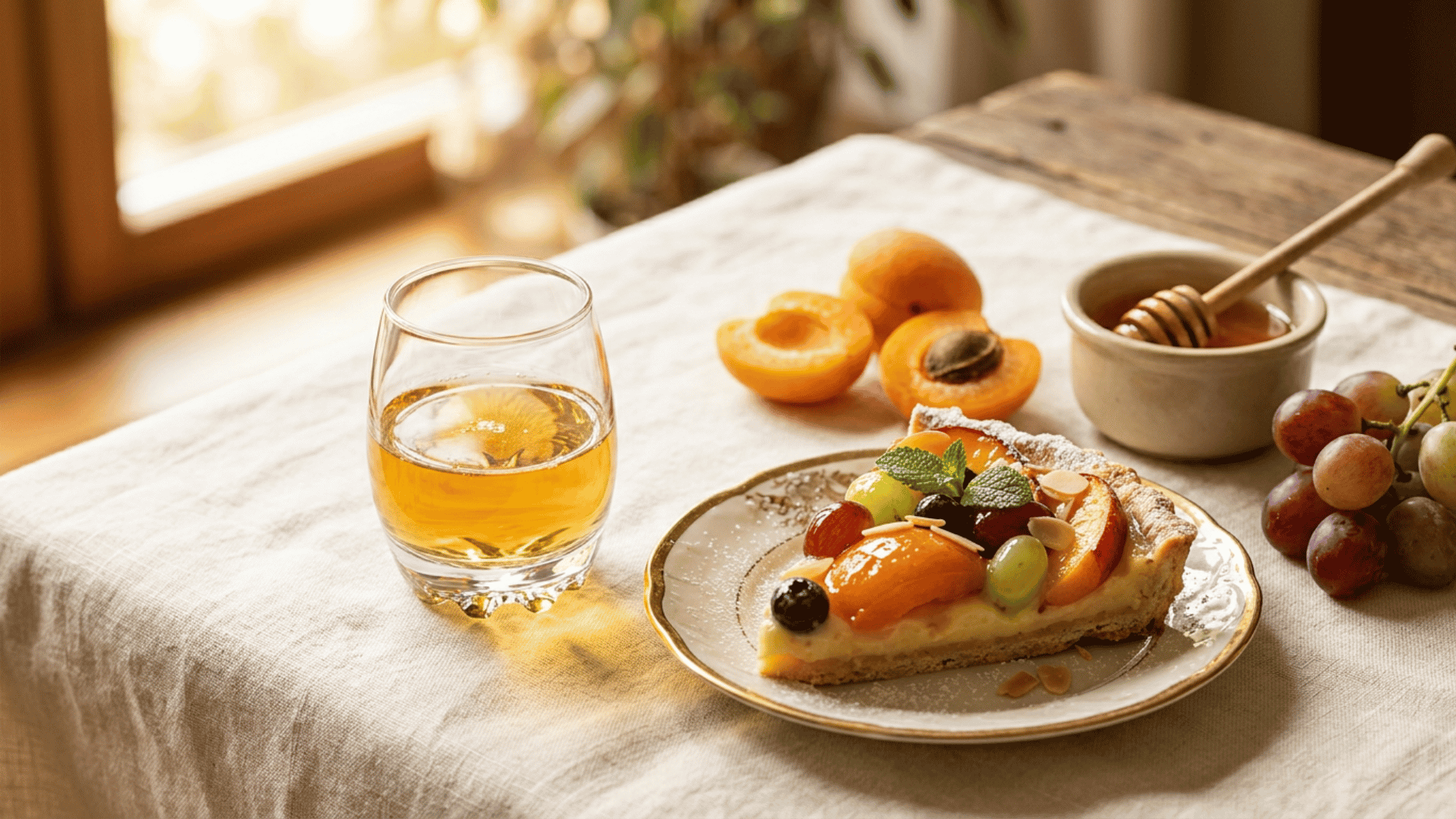
Dessert wines get their sweetness in one of two ways: either fermentation is stopped early, before all the sugar has had a chance to convert to alcohol, or the grapes are left on the vine well past the normal harvest window, allowing their natural sugars to concentrate over time.
The longer the grapes hang, the richer and more intense the final wine tends to be.
Dessert Wines worth knowing:
- Moscato d’Asti: Low in alcohol, lightly sparkling, with peach and apricot aromas. One of the most approachable sweet wines on the market.
- Late Harvest Riesling: Rich and honeyed with stone fruit flavors. Washington State and New York’s Finger Lakes region produce standout versions.
- Ice Wine: Made from grapes frozen on the vine, concentrating the sugars. Canada and the northeastern US are key producers.
Fortified Wines
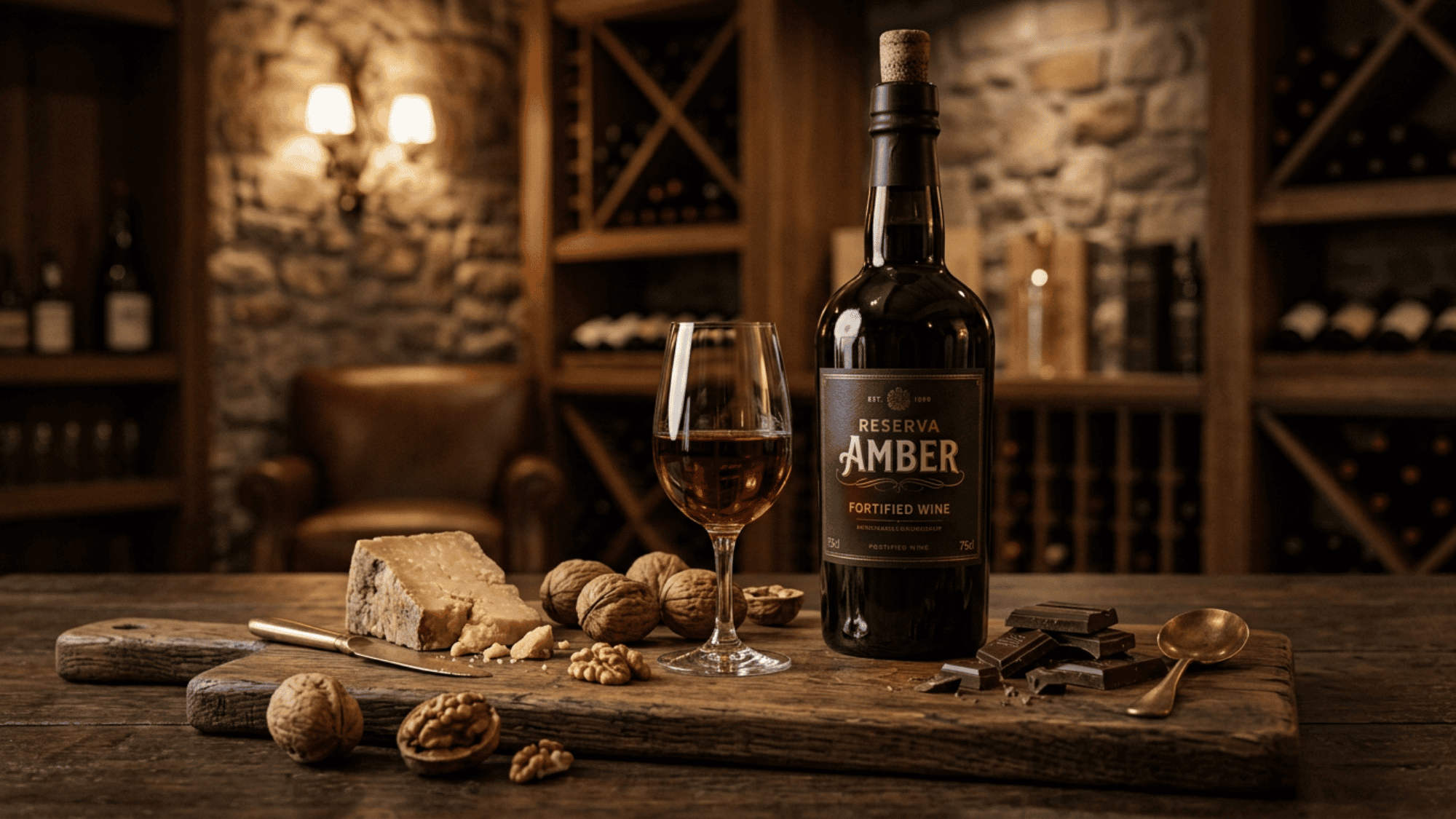
Fortified wines are made by adding a distilled spirit, most commonly brandy, at some point during or after the fermentation process.
That addition does two things at once: it stops fermentation where it is, locking in whatever residual sugar remains, and it raises the overall alcohol content well above what a standard table wine would reach.
Fortified Wines you should know:
- Port: A rich, sweet red wine from Portugal’s Douro Valley, typically served after dinner with chocolate or aged cheese.
- Sherry: A dry to sweet fortified wine from Spain’s Jerez region, ranging from nutty Fino styles to rich Oloroso.
- Madeira: A deeply complex fortified wine from the Portuguese island of Madeira, known for its exceptional aging potential.
Wine Types at a Glance
This quick table compares sweetness, body, examples, taste, feel, and pairings, making it much easier to choose the right bottle.
How to Taste Wine?
Tasting wine does not need to feel formal. Beginners can use a few simple steps to notice color, aroma, flavor, and finish. This helps compare bottles and understand personal preferences more clearly.
General points to keep in mind:
- Look at the color first. Reds, whites, and rosés can hint at body and age.
- Swirl the glass gently to release aromas.
- Smell before sipping. Notice fruit, flowers, spice, oak, or earthy notes.
- Take a small sip and let it coat the mouth.
- Notice sweetness, acidity, tannins, and body.
- Pay attention to the finish, which means how long the flavor lasts.
- Try the same bottle with food to see how the taste changes.
- Keep short notes, such as crisp, smooth, sweet, dry, bold, or fruity.
Which Wine Should I Choose?
Choosing wine is easier when the choice starts with taste, not price or fancy labels. A good bottle should match the meal, mood, and personal preference.
| Preference or Need | Best Pick | Why It Works |
|---|---|---|
| Sweet and fruity | Moscato | Light, soft, and easy to enjoy |
| Crisp and dry | Sauvignon Blanc | Fresh taste with bright acidity |
| Lighter red | Pinot Noir | Smooth texture with gentle fruit notes |
| Smoother red | Merlot | Round taste with softer tannins |
| Bold and rich | Malbec | Deeper flavor without feeling too harsh |
| Bubbly option | Prosecco | Fresh, fizzy, and great for gatherings |
| Pink and fresh | Dry rosé | Light, fruity, and easy to pair |
| Spicy food pairing | Riesling | Slight sweetness balances heat well |
How to Read a Label Without Overthinking?
A label can tell a lot once someone knows what to look for. Major Key label clues include:
- The grape name indicates the variety used, such as Cabernet Sauvignon, Chardonnay, Merlot, or Riesling, helping predict the flavor profile and style.
- The region shows where the wine was produced, like France, Italy, Spain, California, Oregon, and Argentina, influencing climate style and flavor characteristics.
- Vintage refers to the year the grapes were harvested, which can affect taste due to weather conditions during the growing season.
- ABV means alcohol by volume, indicating how strong the wine is; higher percentages create a fuller body and richer mouthfeel.
- Sweetness clues, such as dry, brut, demi-sec, late harvest, or sweet, help identify sugar levels and the wine’s balance of flavors.
Wrapping Up
By the end, choosing a bottle should feel less like guessing and more like matching flavor to the moment.
A crisp white can brighten a simple meal, a smooth red can bring warmth to dinner, and a sparkling pour can make even a casual table feel more special.
The easiest way forward is to trust personal taste first. Notice what feels pleasant, what pairs well with favorite foods, and what suits the occasion.
Keep this blog handy, try one new style at a time, and pick the next bottle with confidence at dinner, brunch, or a quiet night at home.
Have questions? Comment them down below, and we’ll help you out!
Frequently Asked Questions
How Long Does an Opened Bottle Last?
Most opened bottles keep for three to five days in the fridge when sealed tightly. Sparkling options lose bubbles faster, usually within two days.
Should Every Bottle Be Chilled Before Serving?
Not always. Whites, pinks, and bubbly bottles are usually chilled. Reds often taste better slightly cool, not warm from the room.
Does the Glass Shape Really Matter?
Glass shape can change aroma and sipping comfort, but beginners do not need special glasses. A clean, clear, medium-sized glass works well.