

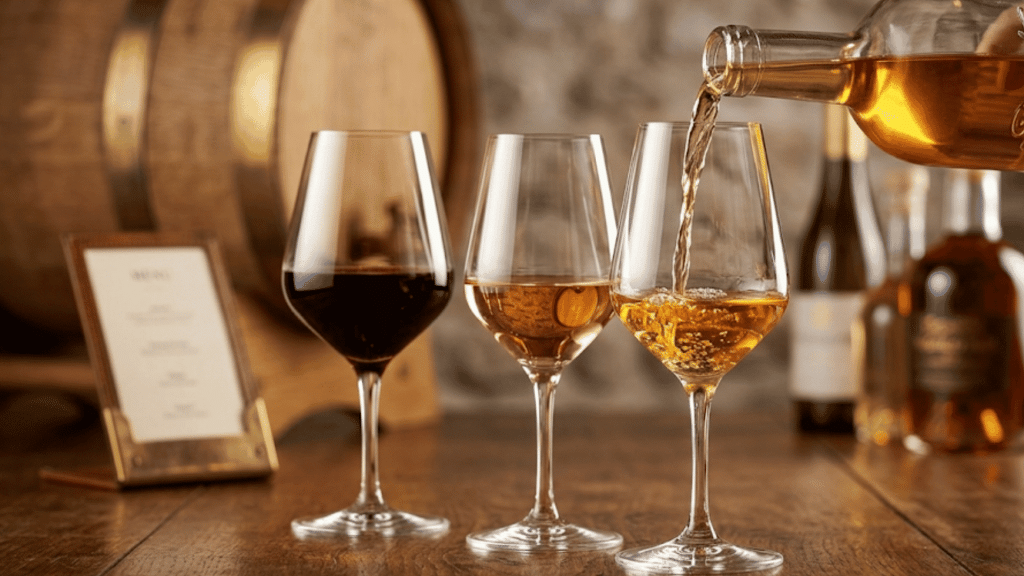
Ever opened a bottle of wine and wished you actually knew what you were drinking? Most new wine drinkers feel the same way.
The wine world can seem complicated, but it does not have to be. Once you understand the basics, choosing, tasting, and pairing wine become much more enjoyable.
This post covers the main wine types, how to taste like you know what you are doing, simple food-pairing rules, and how to buy a bottle without second-guessing.
No confusing terminology, no pressure. Read on and start your wine journey today.
What is Wine?
Wine is an alcoholic drink made by fermenting grapes. Yeast consumes the natural sugars in grape juice and converts them into alcohol and carbon dioxide.
A dry wine results when fermentation runs to completion, and little sugar remains. A sweeter style results when fermentation is stopped early, leaving residual sugar in the liquid.
That single decision shapes much of the variation between a bone-dry Chablis and a sweet German Riesling. Everything else, from color to tannin to body, comes from choices made before, during, and after that process.
How Different Grape Varieties Shape the Wine in Your Glass
The grape variety is the single biggest factor in how any wine tastes.
| Factor | What It Means | High Examples | Low Examples |
|---|---|---|---|
| Skin Thickness | Thicker skins produce more tannins, deeper color, and greater aging potential. | Cabernet Sauvignon, Syrah, Nebbiolo | Pinot Noir, Grenache, Pinot Grigio |
| Natural Sugar | Higher sugar levels at harvest generally result in higher alcohol levels in the finished wine. | Zinfandel, Shiraz (warm climates) | Riesling, Pinot Noir (cool climates) |
| Acidity | Higher acidity creates a brighter, crisper wine that pairs well with food and can age longer. | Riesling, Sauvignon Blanc, Pinot Noir | Viognier, Grenache Blanc, Marsanne |
| Aromatic Profile | Each grape variety has a characteristic aroma that remains recognizable across different wine regions. | Gewürztraminer (rose, lychee), Muscat (floral, grapey) | Pinot Grigio (pear, neutral), Grenache (red fruit, subtle) |
A Breakdown of the Major Wine Types
Understanding the main styles gives you a clear framework before buying a single bottle.
1. Red Wine
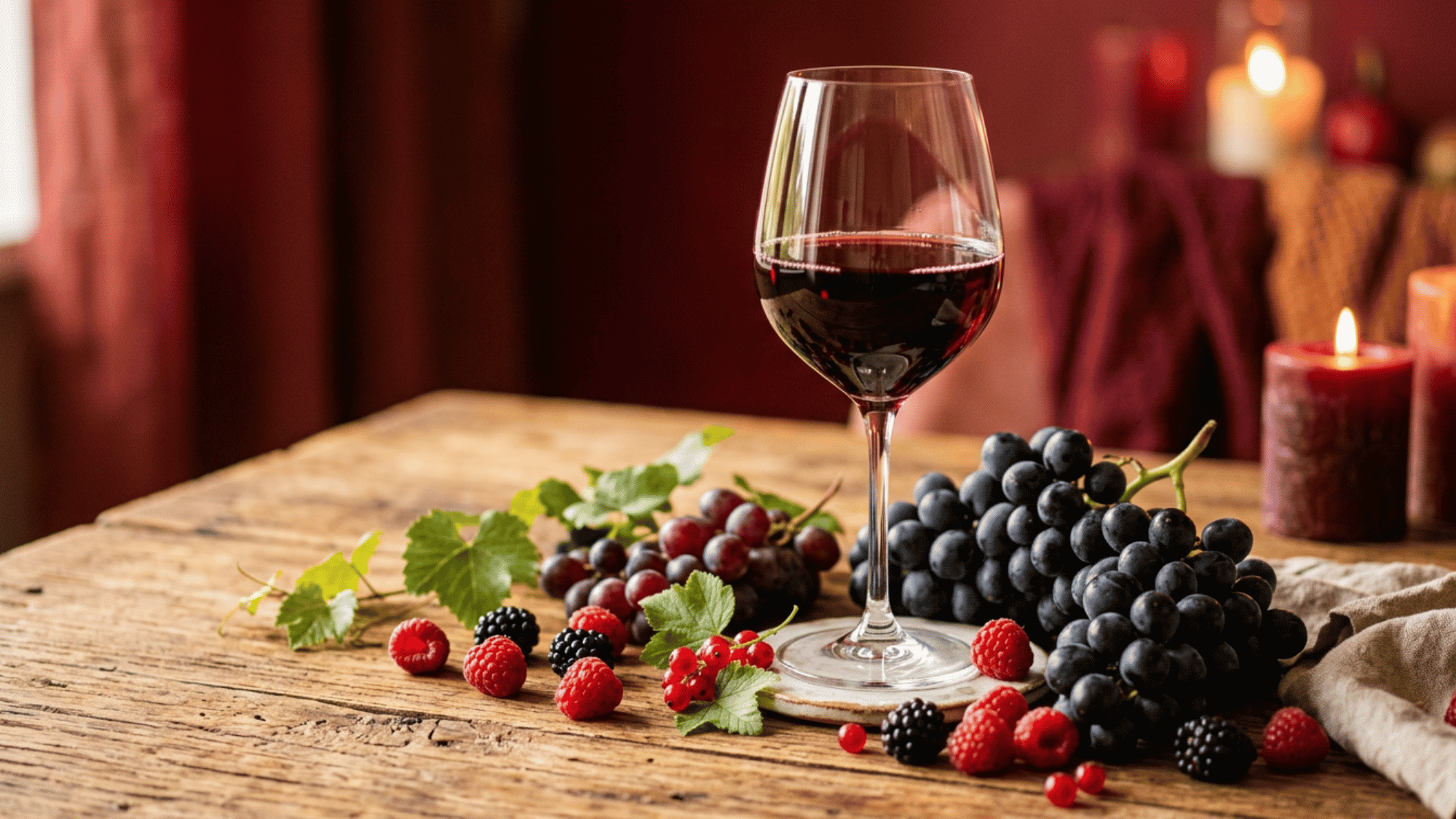
Red wines are produced from dark-skinned grapes fermented with their skins, giving them color, tannins, and body. Popular types include:
- Pinot Noir: Light-bodied with soft tannins and flavors of red cherry, raspberry, and subtle earthiness.
- Merlot: Medium-bodied with plum, chocolate, and a smooth, velvety finish.
- Cabernet Sauvignon: Full-bodied with dark fruit, firm tannins, and oak-driven cedar and spice notes.
- Syrah / Shiraz: Full-bodied and peppery, with dark berry flavors and a smoky edge.
2. White Wine
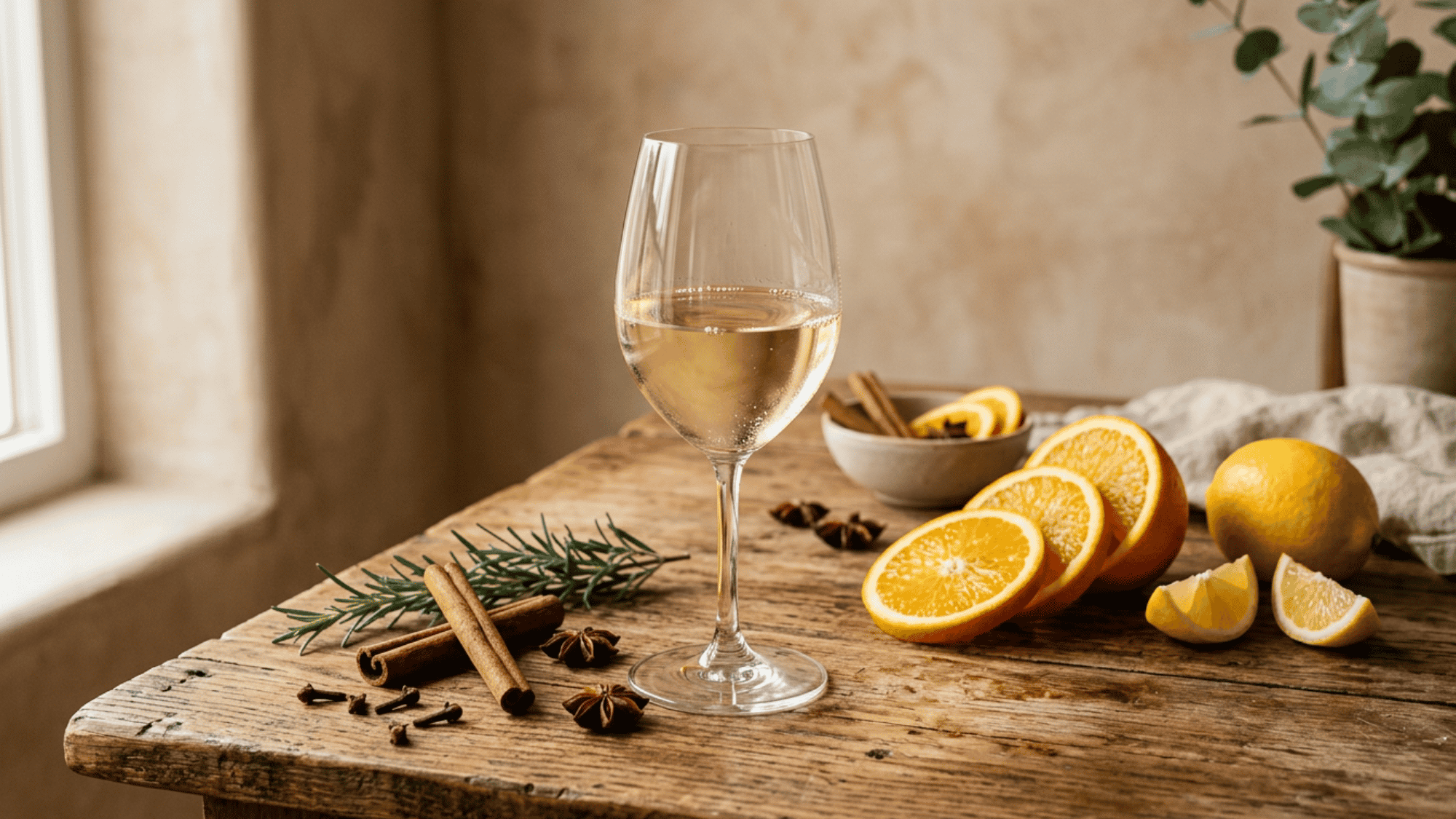
White wines are made from green or yellow grapes without skin contact, producing lighter, crisper, and more acidic styles than reds. Popular types include:
- Pinot Grigio: Clean and refreshing with pear, apple, and citrus flavors. An easy everyday white.
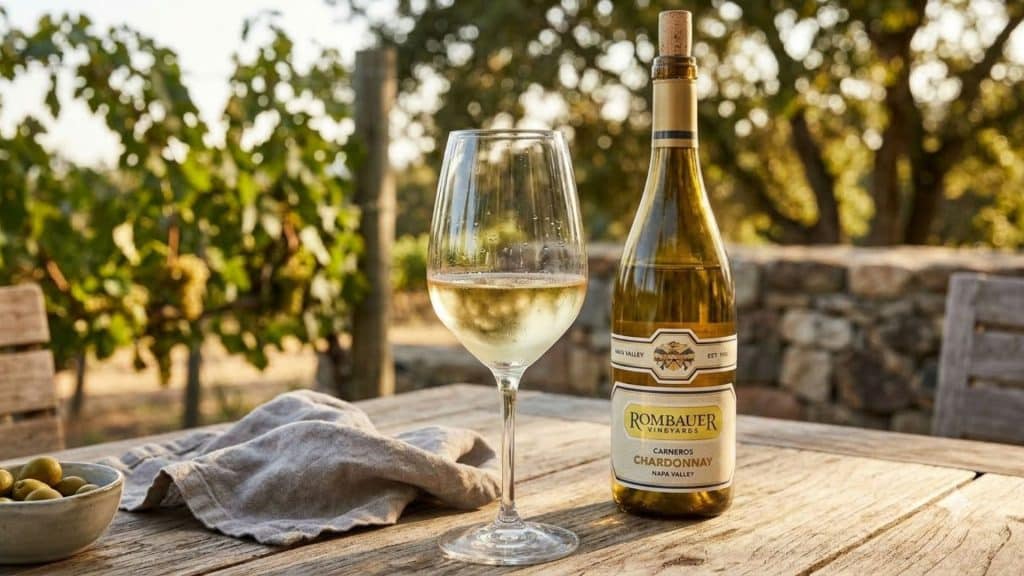
- Chardonnay: Ranges from lean and citrusy when unoaked to rich and buttery when aged in oak.
- Sauvignon Blanc: Crisp and zesty with grapefruit, green apple, and fresh herb character.
- Riesling: Aromatic and high in acidity, ranging from bone-dry to noticeably sweet depending on the producer.
3. Rosé Wine
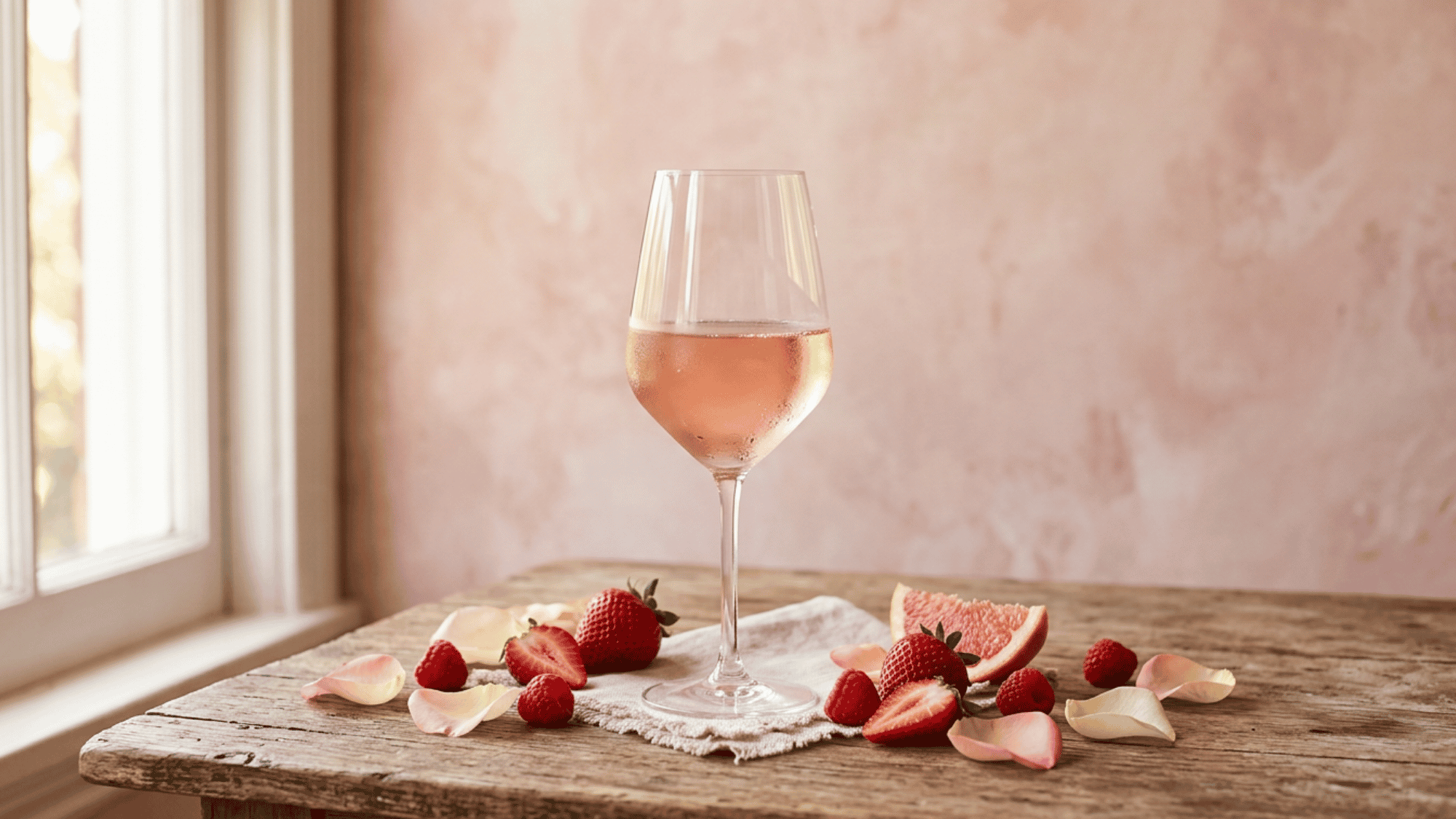
Rosé is produced by limiting skin contact during fermentation, creating a pink hue without red wine’s full tannin structure. Popular types include:
- Dry Provençal Rosé: Pale, crisp, and mineral with hints of strawberry. The benchmark dry rosé style.
- White Zinfandel: Sweeter and fruit-forward with watermelon and strawberry notes. A common entry point for new drinkers.
 ong>Cabernet Franc Rosé: Dry and structured with vibrant red berry aromas and lively acidity.
 ong>Cabernet Franc Rosé: Dry and structured with vibrant red berry aromas and lively acidity.
4. Sparkling Wine
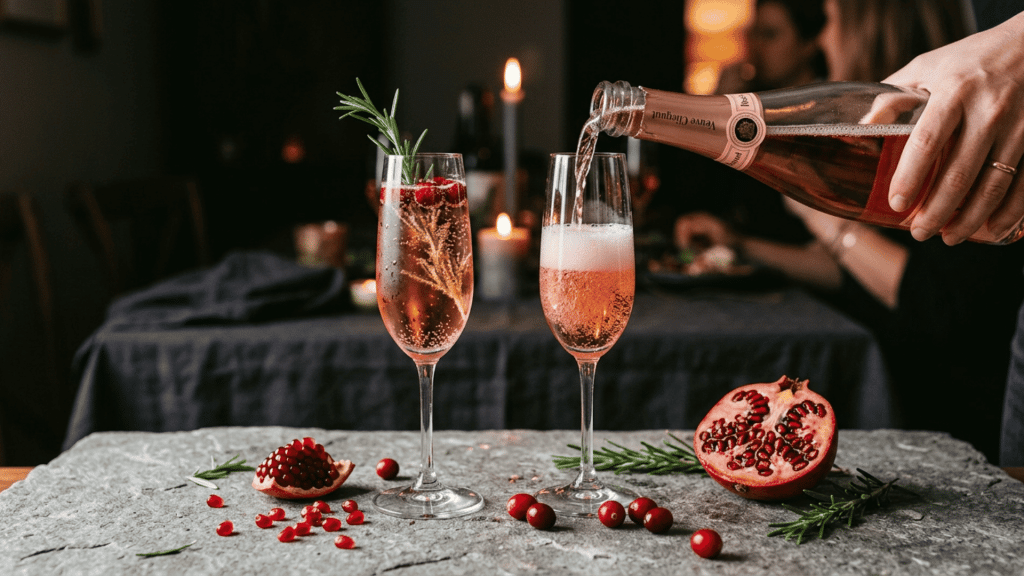
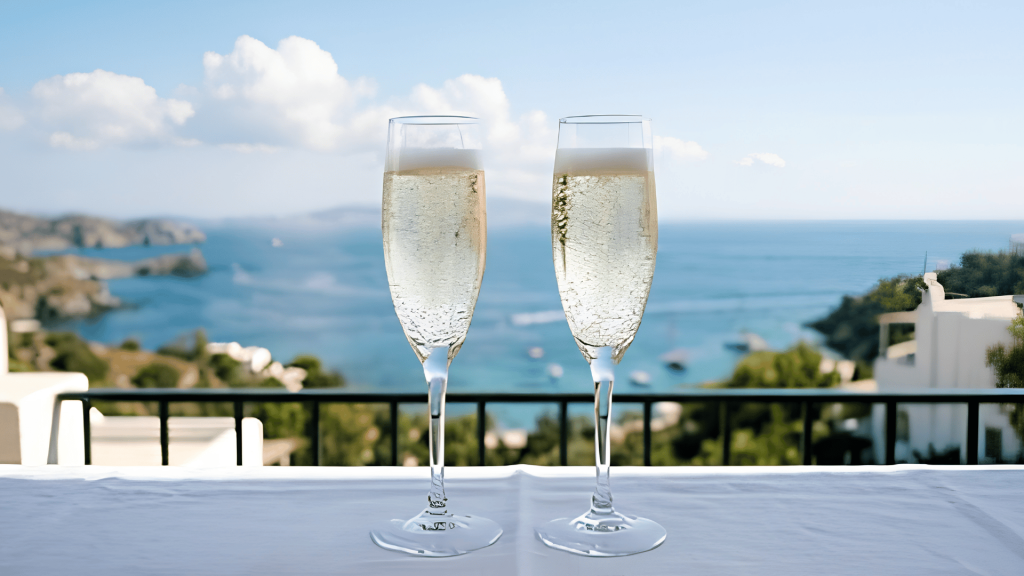
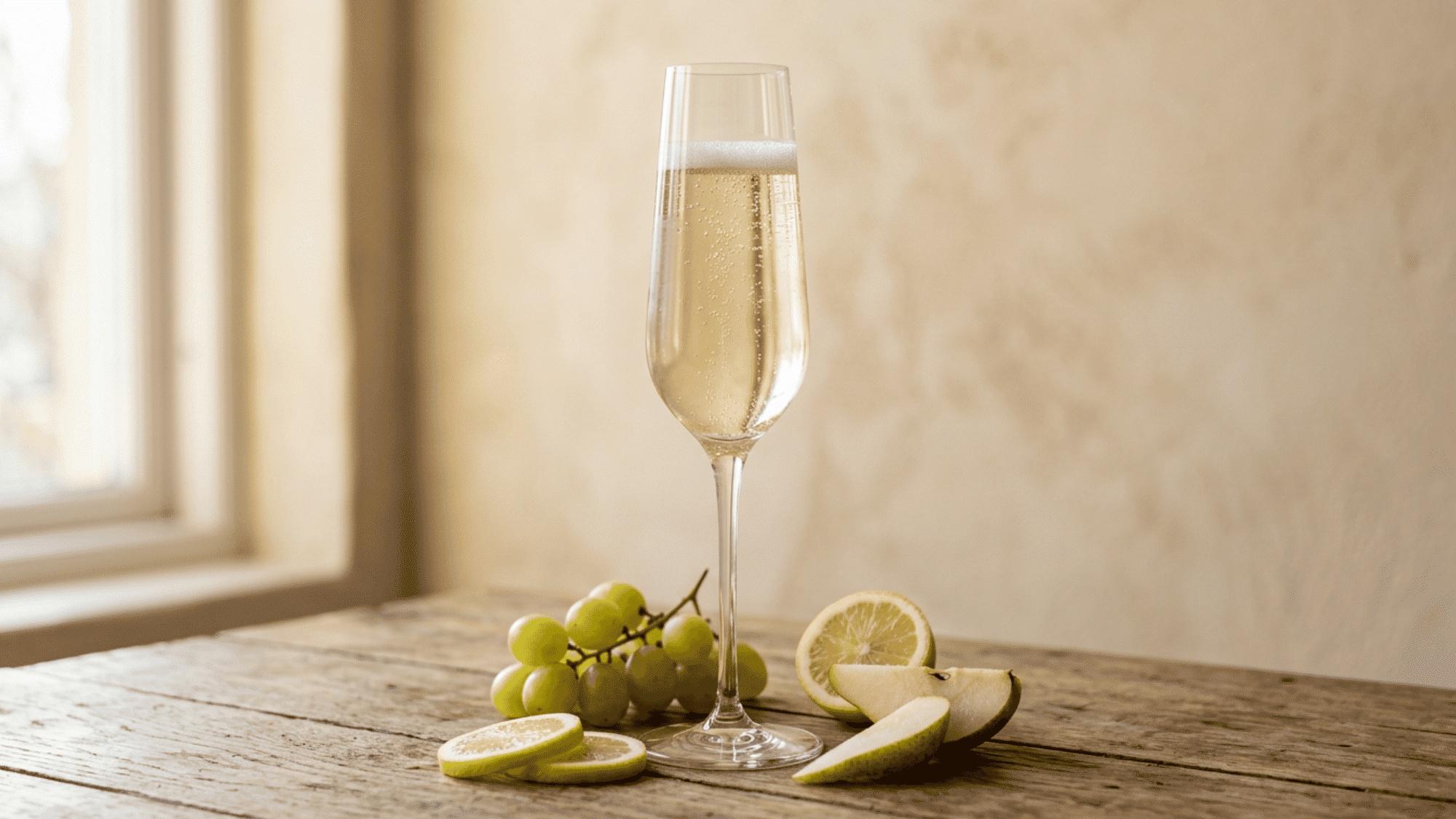
Sparkling wine gets its bubbles from a secondary fermentation, either in the bottle (Champagne) or in a tank (Prosecco). Popular types include:
- Champagne: Toasty and complex with fine bubbles and bright acidity. Brut styles are dry and food-friendly.
- Prosecco: Lighter and fruitier than Champagne, with floral peach and pear notes.
- Cava: Spain’s traditional-method sparkling wine. Crisp, dry, and similar in style to Champagne at a lower price point.
5. Dessert Wine
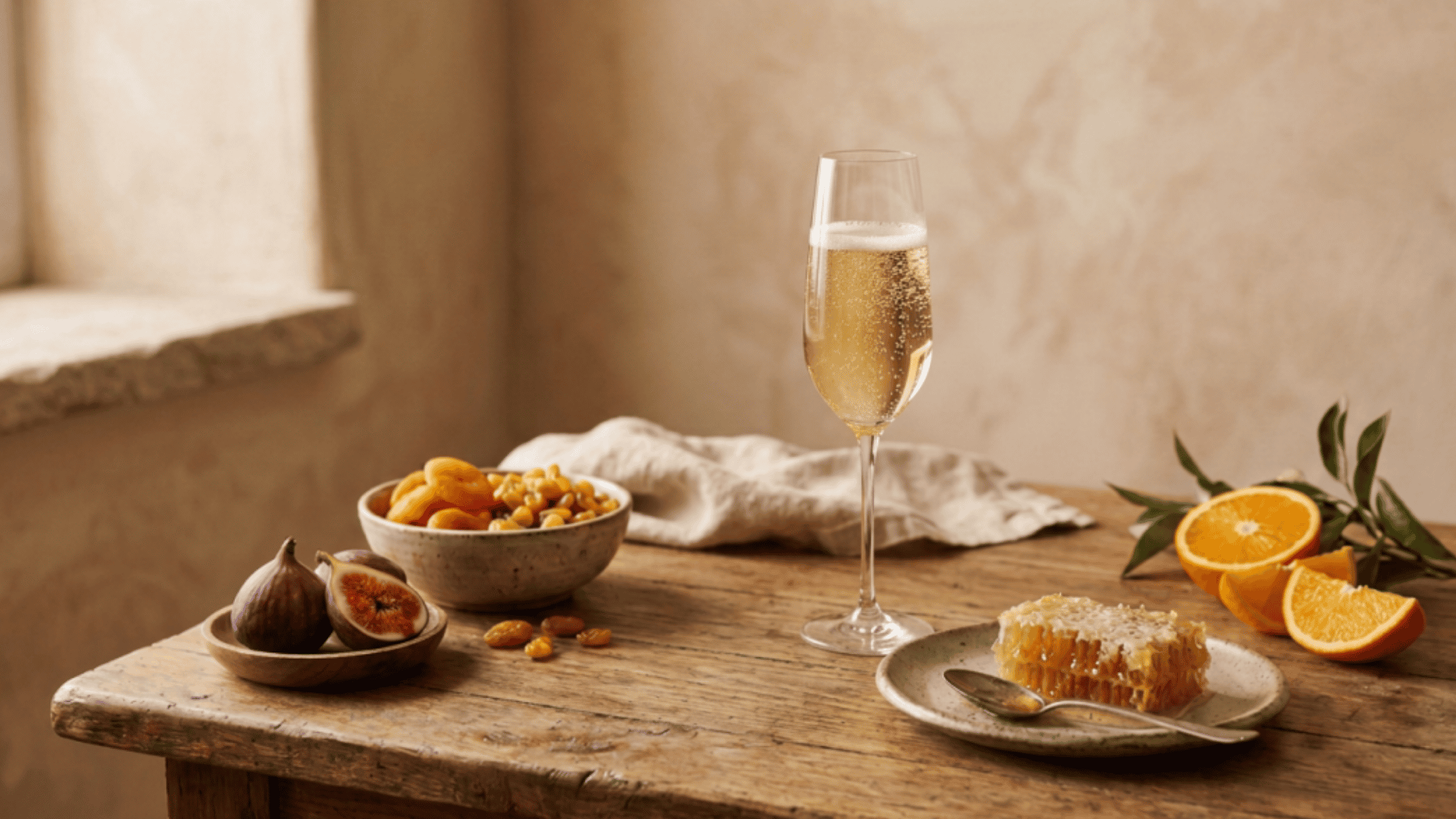
Dessert wines are sweet, rich, and served in smaller pours. Popular types include:
- Port: A fortified Portuguese wine with dark fruit, chocolate, and dried fig. Best with chocolate or aged cheese.
- Sauternes: A honeyed Bordeaux white made from botrytized grapes. Pairs well with blue cheese or fruit desserts.
- Ice Wine: Made from grapes frozen on the vine, producing intense sweetness balanced by bright acidity.
How to Serve Wine Correctly
Serving temperature has more impact than most people expect. Serving wine too warm or too cold flattens its character.
Serving temperatures:
- Red wine: 60 to 65°F (15 to 18°C), slightly below room temperature
- White wine and rosé: 45 to 50°F (7 to 10°C), well chilled
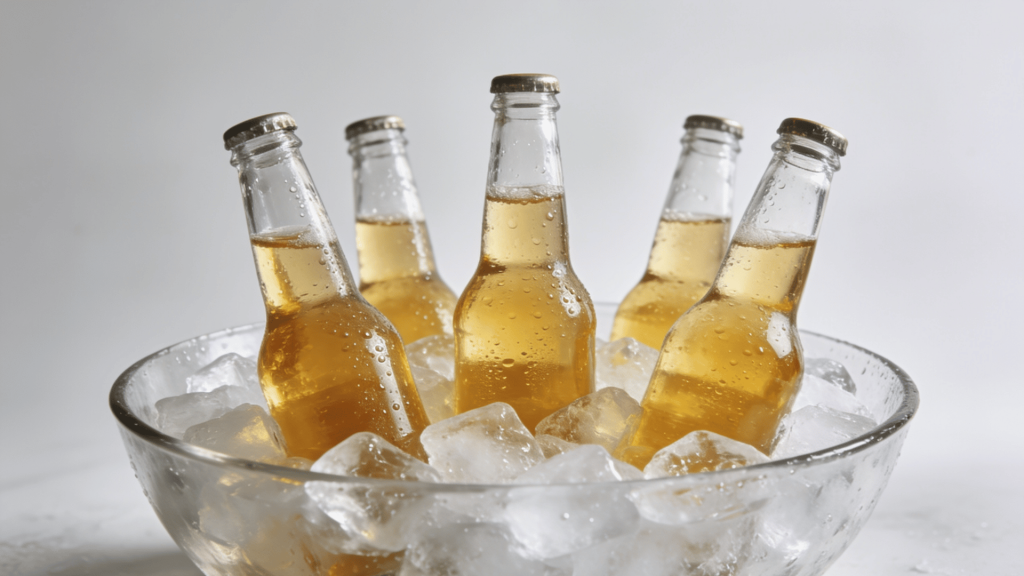
- Sparkling wine: 40 to 45°F (4 to 7°C), ideally in an ice bucket
Glass shape:
- Red wine: wider bowl to let aromas develop, standard five-ounce pour
- White wine: medium bowl to preserve cooler temperature, five-ounce pour
- Sparkling wine: flute to concentrate bubbles and aromas, four-ounce pour
Decanting: Worth doing for older reds and full-bodied young reds. It separates sediment and allows the wine to breathe, softening tannins and opening up flavor.
Where Do Wine Grapes Come From?
Wine grapes are grown across two broad categories of regions, each producing wines with a distinct character.
Old World (Europe): restrained, leaner, focused on place over grape variety
- France: Bordeaux, Burgundy, Champagne
- Italy: Tuscany (Chianti, Barolo), Veneto (Prosecco)
- Spain: Rioja reds, Albariño whites
- Germany: Riesling
New World (Americas, Australia, New Zealand): riper, fruit-forward, fuller in body
- USA: Napa Valley (Cabernet Sauvignon), Willamette Valley (Pinot Noir)
- Australia: Barossa Valley (Shiraz)
- New Zealand: Marlborough (Sauvignon Blanc)
- Argentina: Mendoza (Malbec)
Varietal vs. Blend: Varietal wines are made from one grape variety; blends combine multiple varieties for added complexity, as in classic Bordeaux-style reds.
How to Taste Wine Like a Pro
Learning how to taste wine can make every bottle more enjoyable. With a little practice, you’ll start noticing flavors, aromas, and textures that might otherwise go unnoticed.
1. Look at the Wine: Check the color and clarity. Darker wines are often fuller-bodied, while lighter shades tend to be more delicate.
2. Smell Before You Sip: Gently swirl the wine to release its aromas, then take a slow sniff. Look for familiar scents such as fruits, flowers, spices, herbs, or vanilla notes.
3. Take a Small Sip: Let the wine coat your mouth briefly and notice its acidity, sweetness, texture, and tannin structure.
4. Notice the Finish: Pay attention to how long the flavors linger after swallowing. A longer finish often signals higher quality.
You don’t need expert terminology to describe wine. Simple observations, such as “it tastes like cherries” or “I notice hints of chocolate,” are enough to build your tasting skills.
Simple Food Pairing Rules That Actually Work
Pairing food and wine comes down to a few straightforward ideas. Match the weight of the wine to the weight of the dish: light meals work with lighter wines, and rich, hearty food calls for something fuller-bodied.
High-acid wines like Sauvignon Blanc or Champagne cut through creamy sauces and fried food, keeping each bite tasting fresh.
Tannic reds like Cabernet Sauvignon pair naturally with red meat because the protein softens the tannins.
For dessert, pick a wine that is at least as sweet as the dish. When in doubt, lean on regional tradition: Italian Chianti with pasta, Spanish Albariño with seafood. These combinations exist because they genuinely work.
How to Choose Your First Bottle Without Feeling Lost
A few smart moves before you reach the shelf will save you from standing in the aisle guessing.
- Set a Budget First: The $12–$20 range yields excellent everyday bottles. Spending more does not always mean drinking better.
- Ask the Staff: Tell them what flavors you enjoy and what you are eating that night. That is all they need to point you to the right bottle.
- Read the Back Label: Tasting notes and food suggestions are printed there for exactly this reason. Use them.
- Start with Familiar Regions: France, Italy, Spain, and the United States are stocked everywhere and offer a great variety at every price point.
- Buy Two of Anything You Like: One to drink now, one to compare later.
Wrapping Up
There are no wrong answers in wine for beginners, only bottles you have not tried yet. You do not need to memorize grape varieties or nail every pairing on the first attempt.
Start with a style that sounds good, pay attention to what you taste, and let your preferences develop naturally from there. Every glass teaches you something.
The more you drink with a little curiosity, the faster your confidence grows.
Keep it simple, stay open to new styles, and most importantly, enjoy what is in your glass. Drop your go-to flavors in the comments, and we will point you toward your next bottle
Frequently Asked Questions
Does the Shape of The Wine Glass Actually Matter?
Wider bowls allow more aroma to develop, which directly affects how the wine tastes. It is a small change that makes a real difference.
Can Wine Go Bad After Opening?
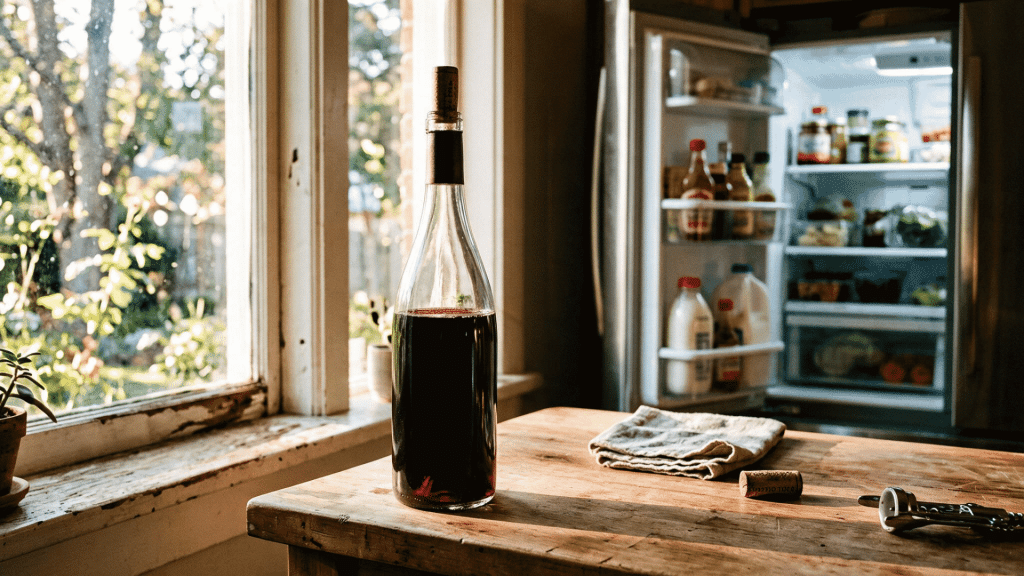
Most wines last two to three days, recorked in the fridge. Sparkling wine is the exception; finish it within 24 hours.
Is Organic or Natural Wine Worth Trying?
Natural wines use minimal intervention and tend to have a distinct, sometimes funky character. Try one once you have a feel for conventional styles.